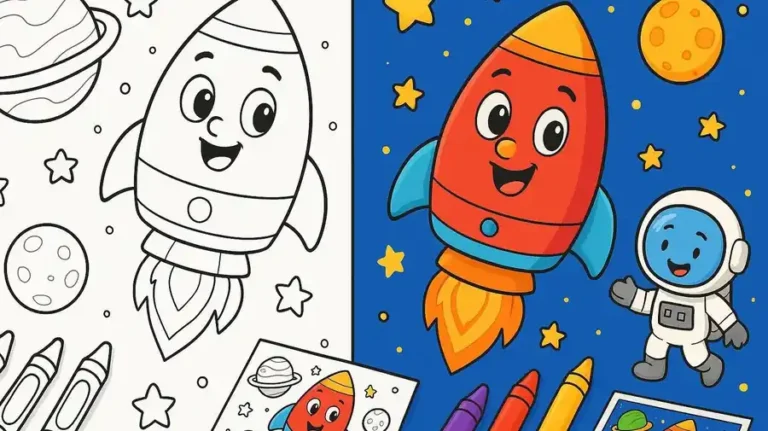

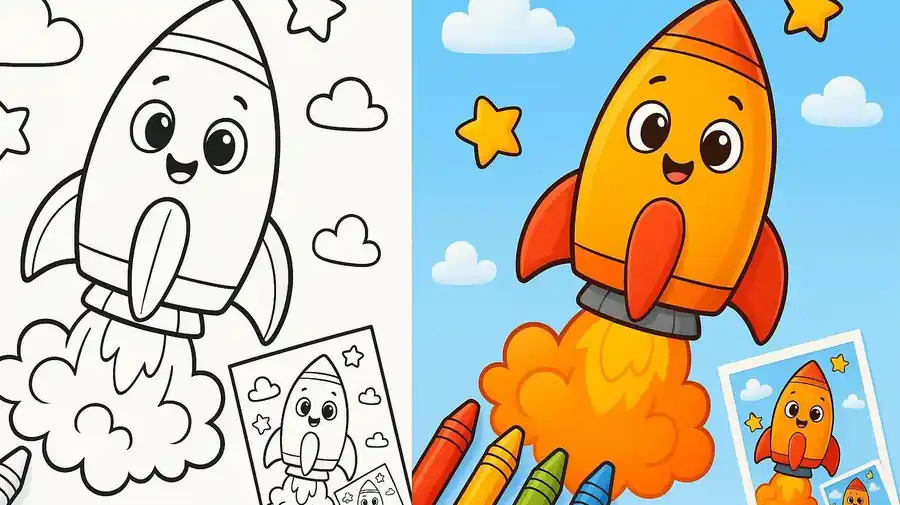
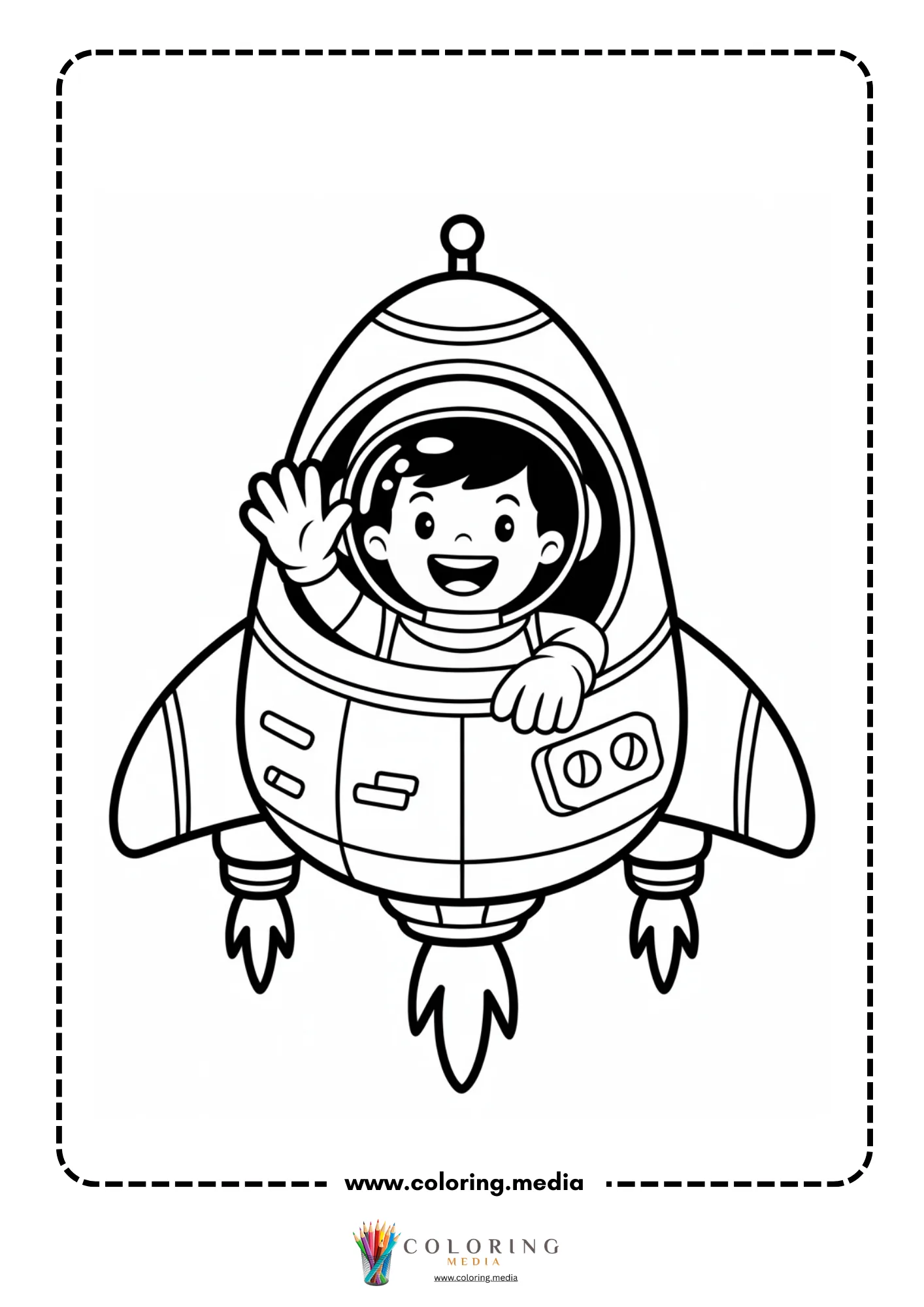
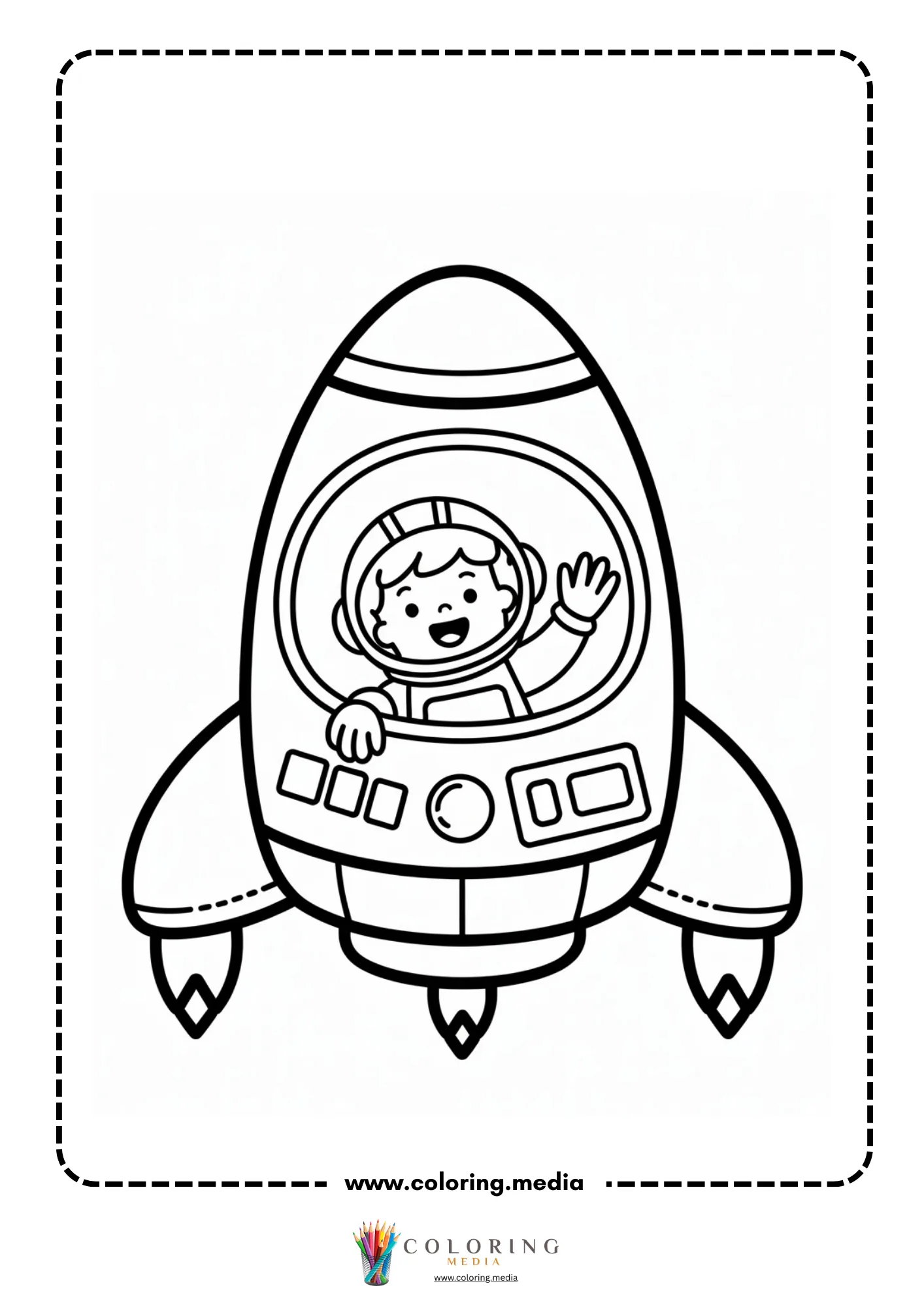
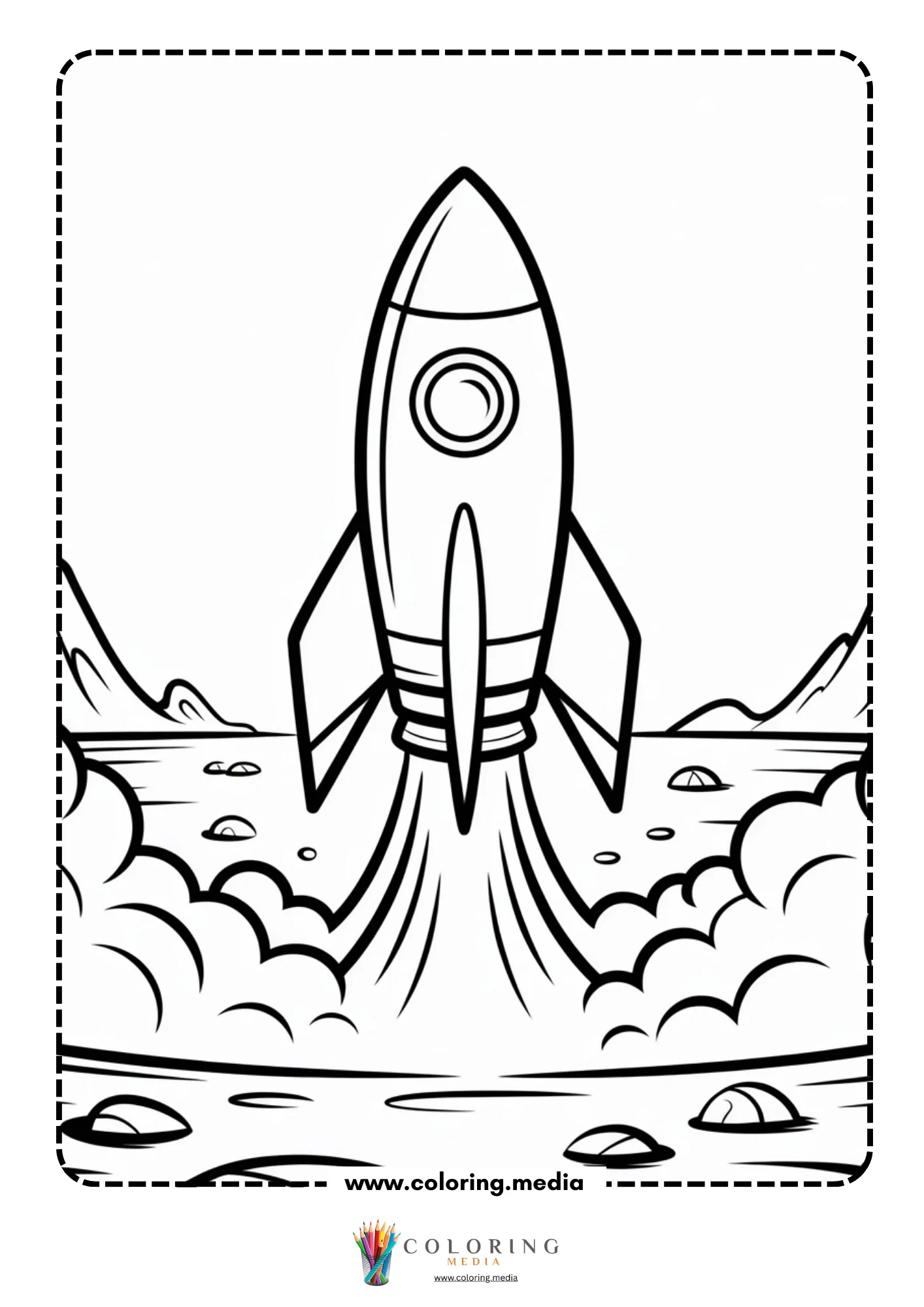
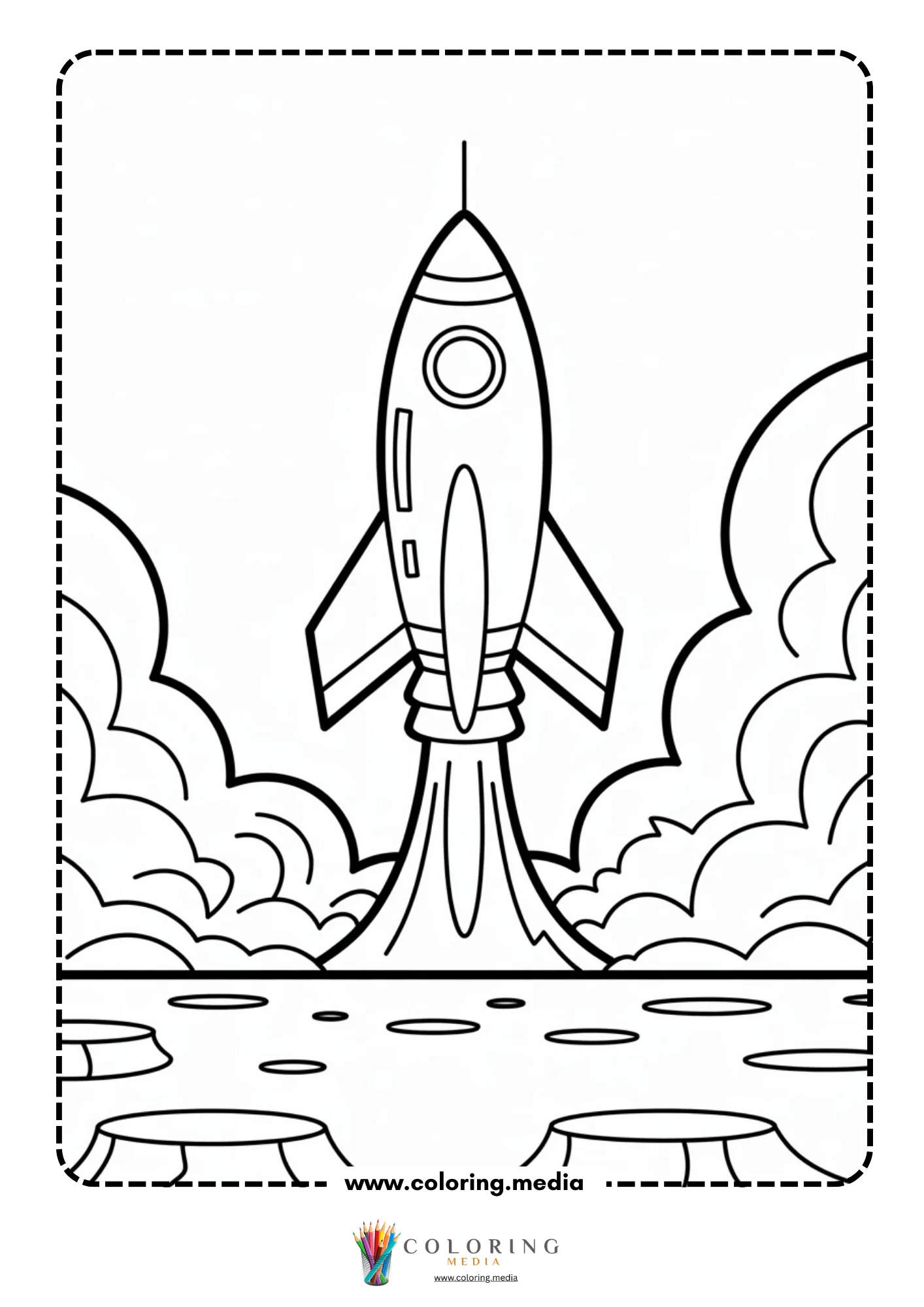
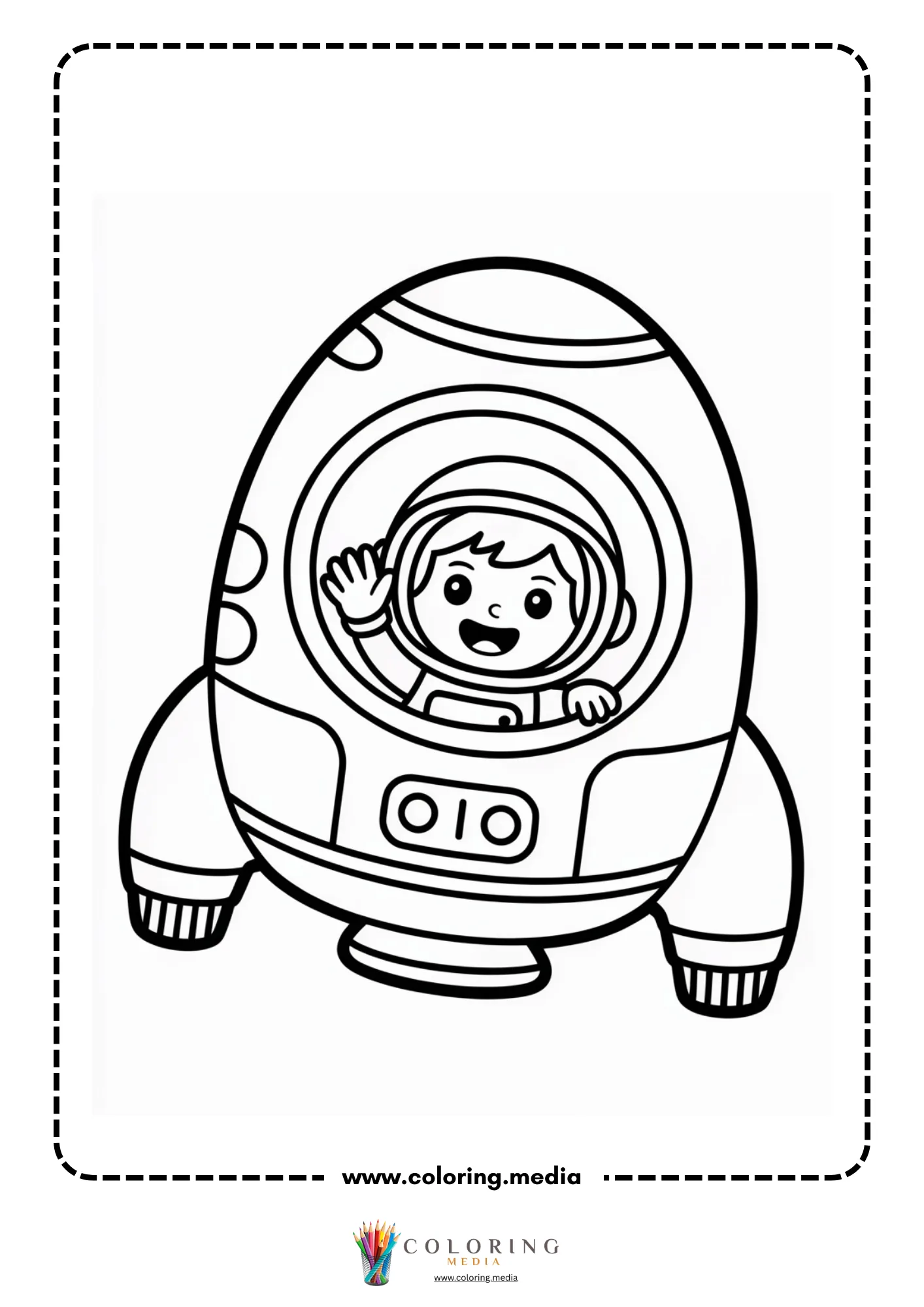
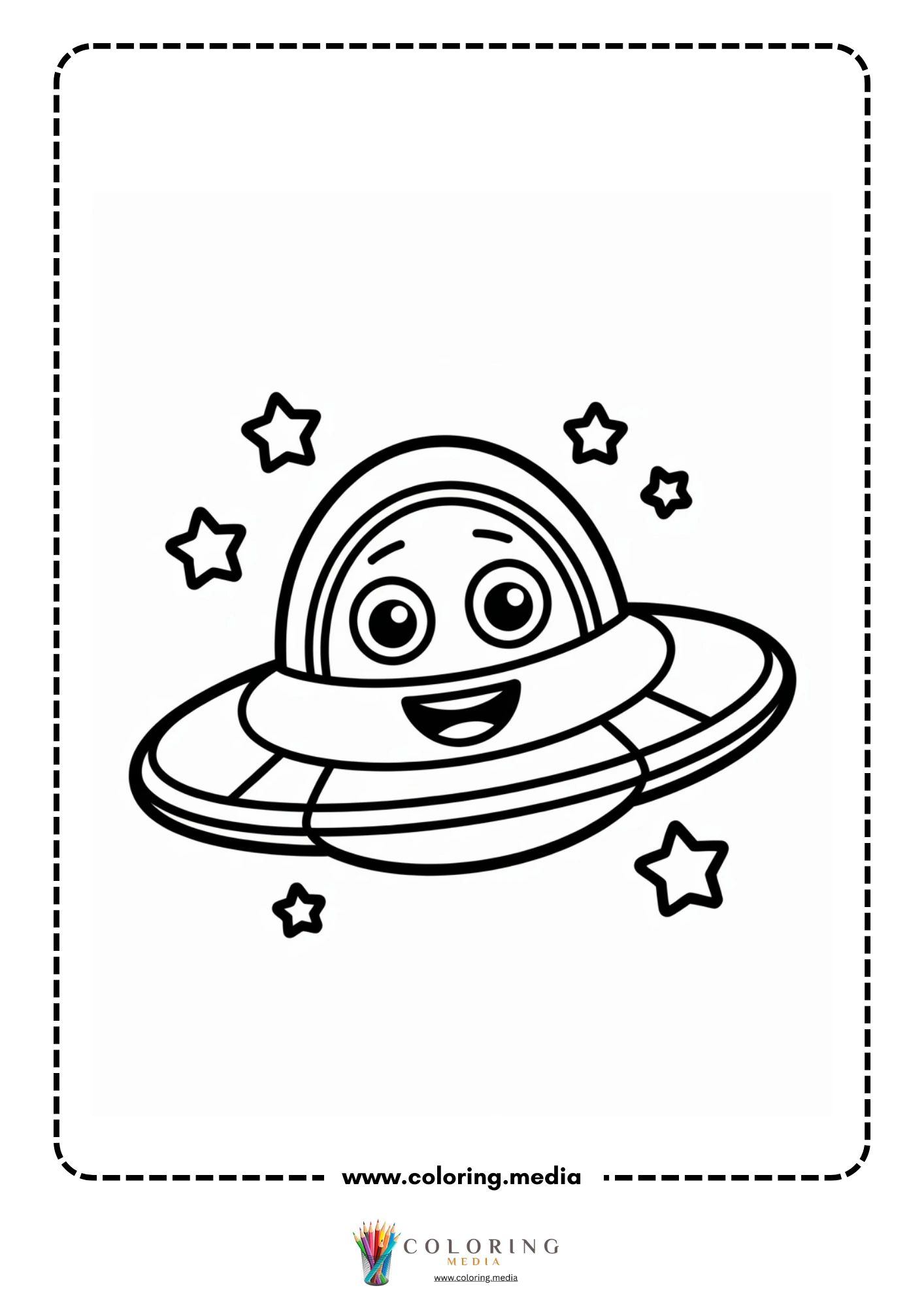
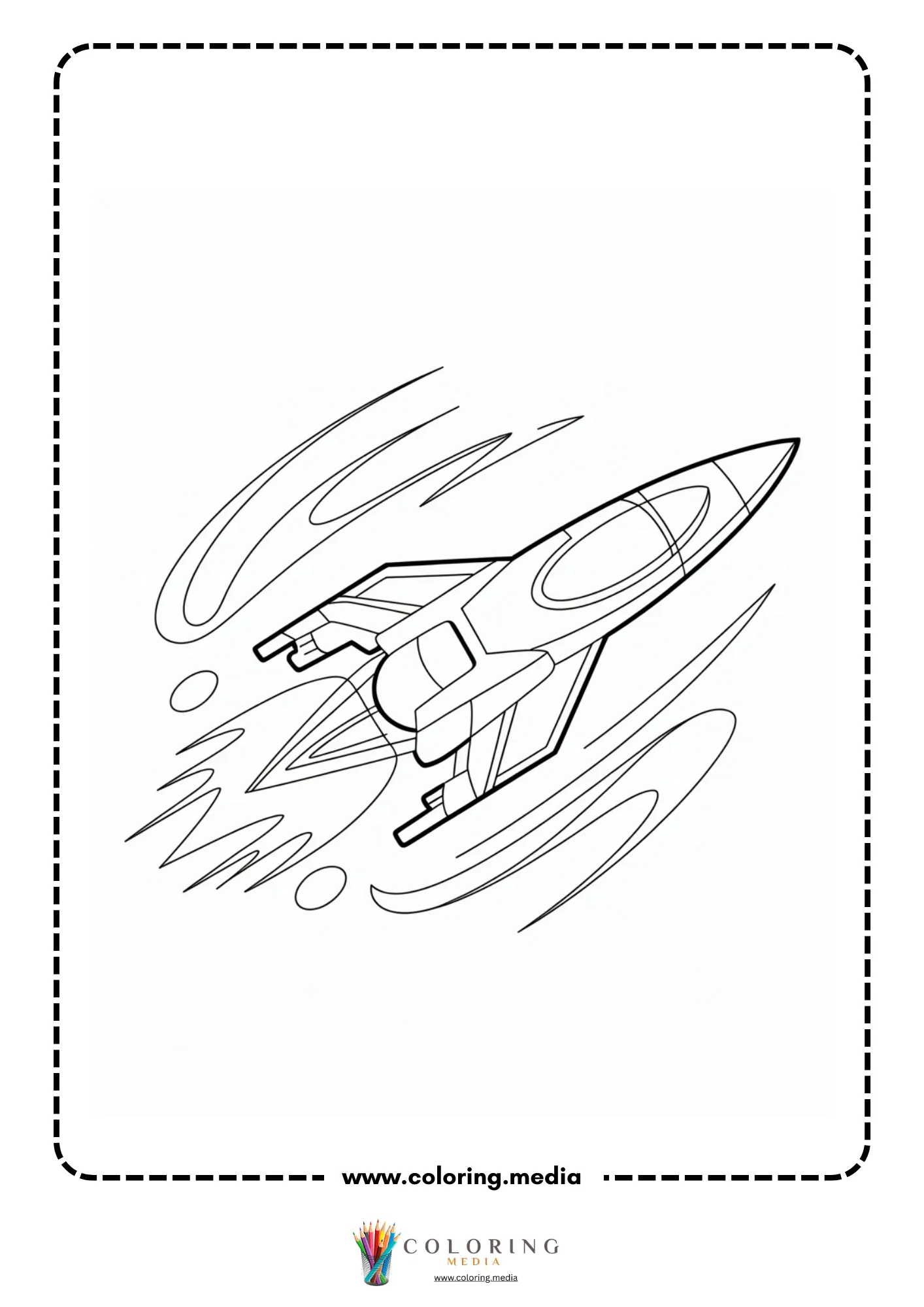
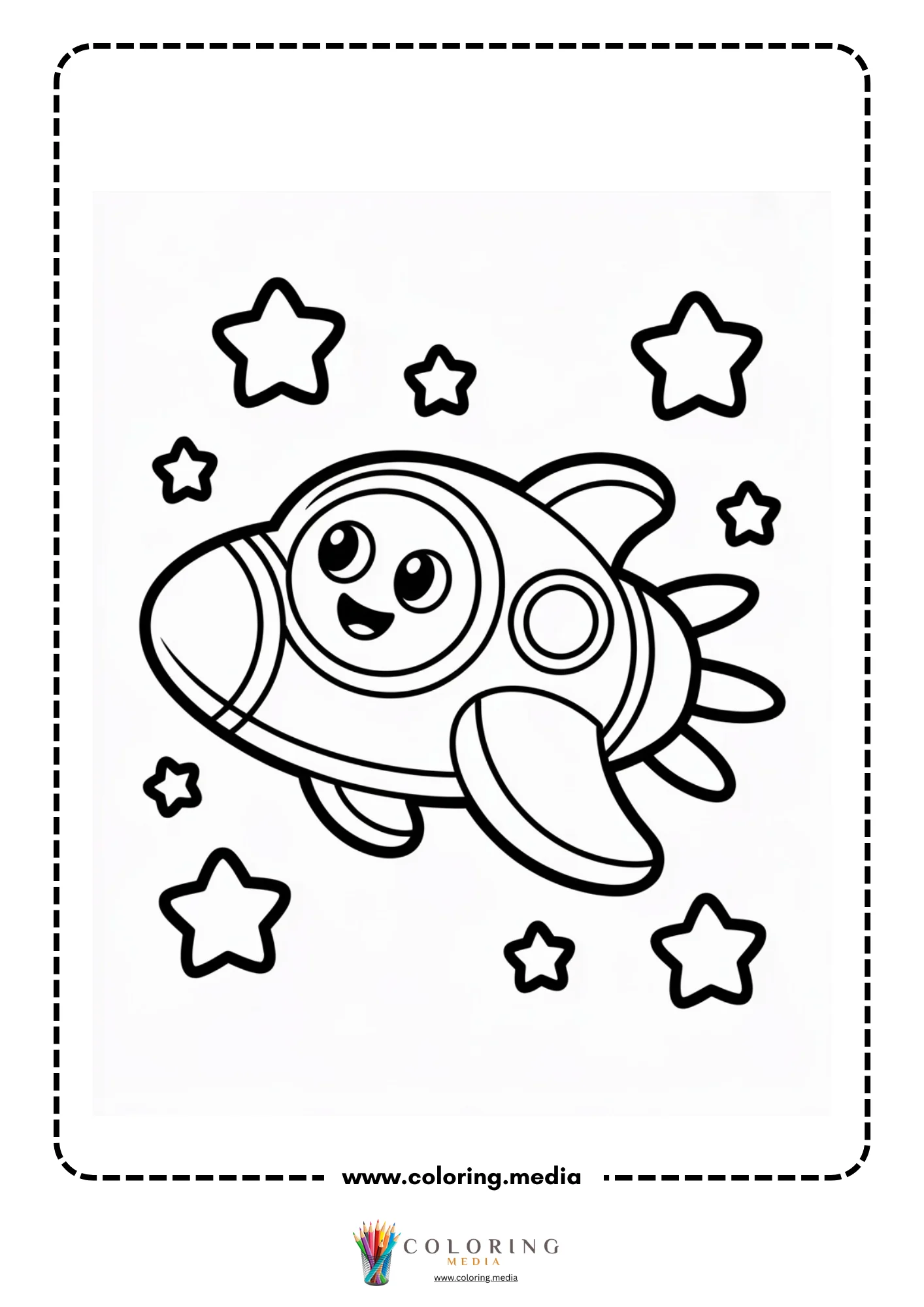
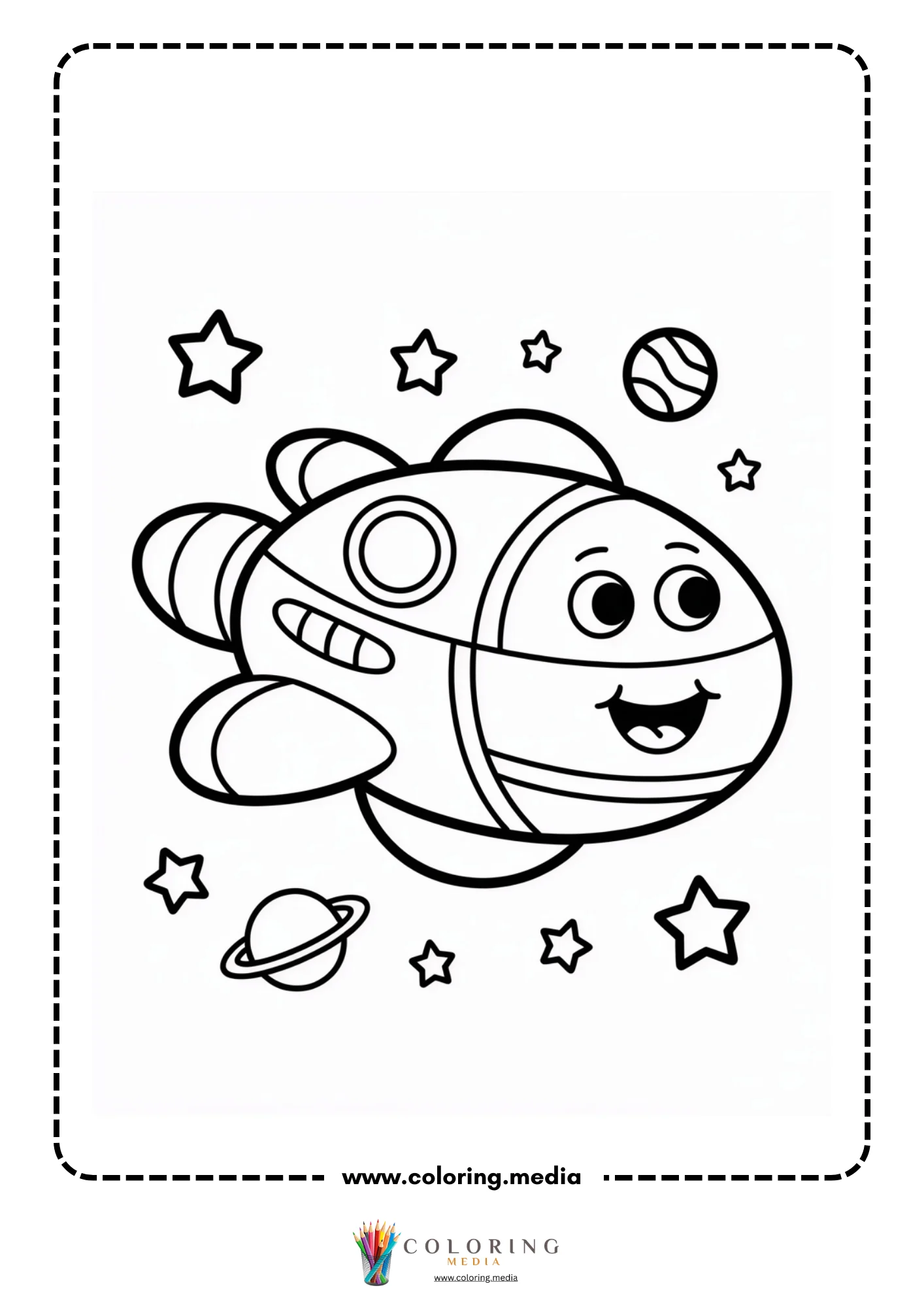
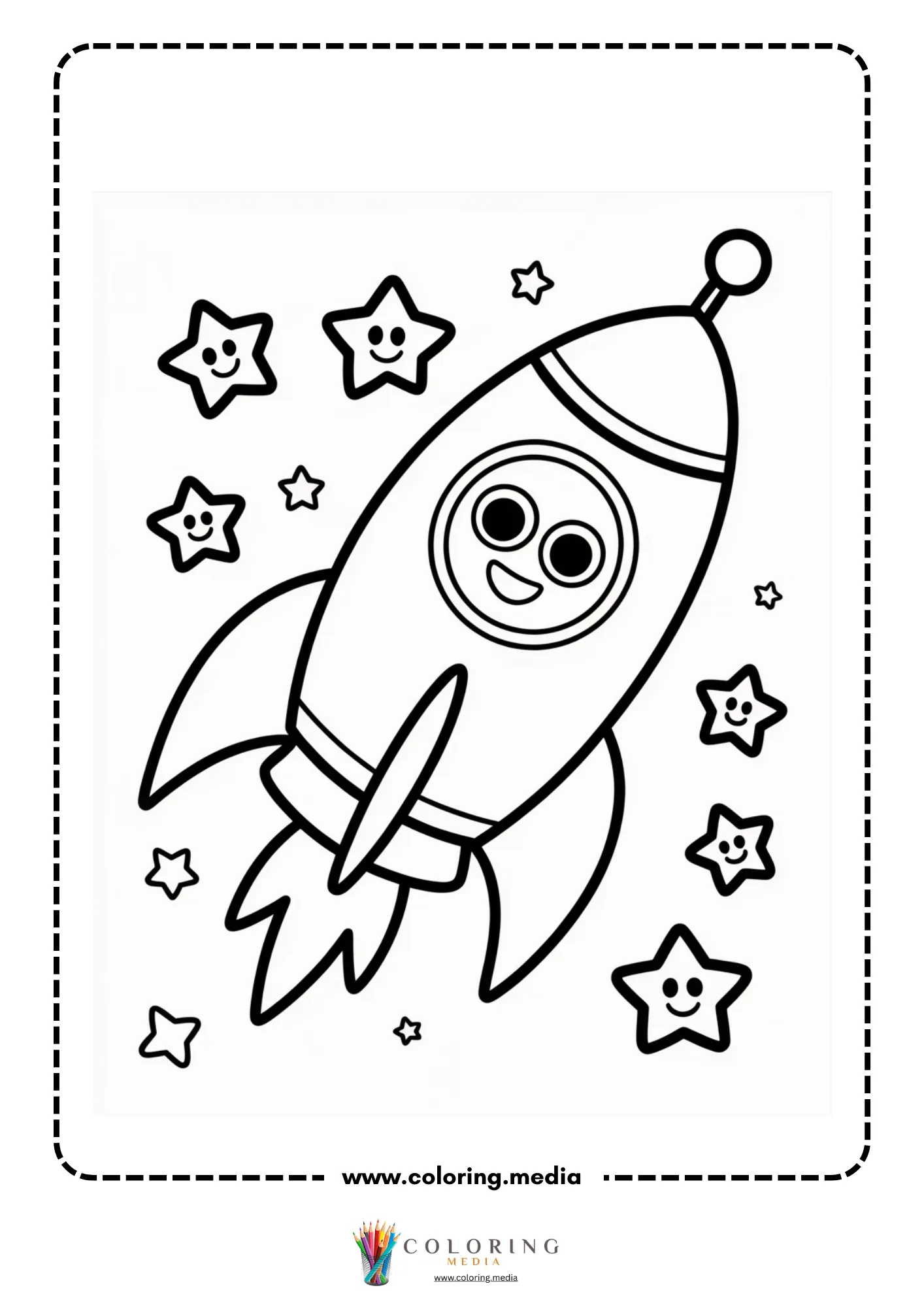
The collection covers two distinct visual registers. The first third of the pages features cartoon spaceships with animal pilots — a bear in a rounded flying saucer, a cat at the controls of a bubble-shaped rocket — drawn in chunky 3–4mm outlines with almost no interior detail. The second portion shifts toward more technically rendered rockets: long cylindrical forms with engine bells, exhaust plumes, launch gantries, and surface panel lines. Both registers are interesting, but for different age groups and different moods.
Having both styles in one set means you can hand the animal-pilot pages to a preschooler and the detailed rocket pages to an older sibling, and both will find something that feels right for them. Everything here is free to download and easy to print.
Free Printable Spaceship Coloring Pages
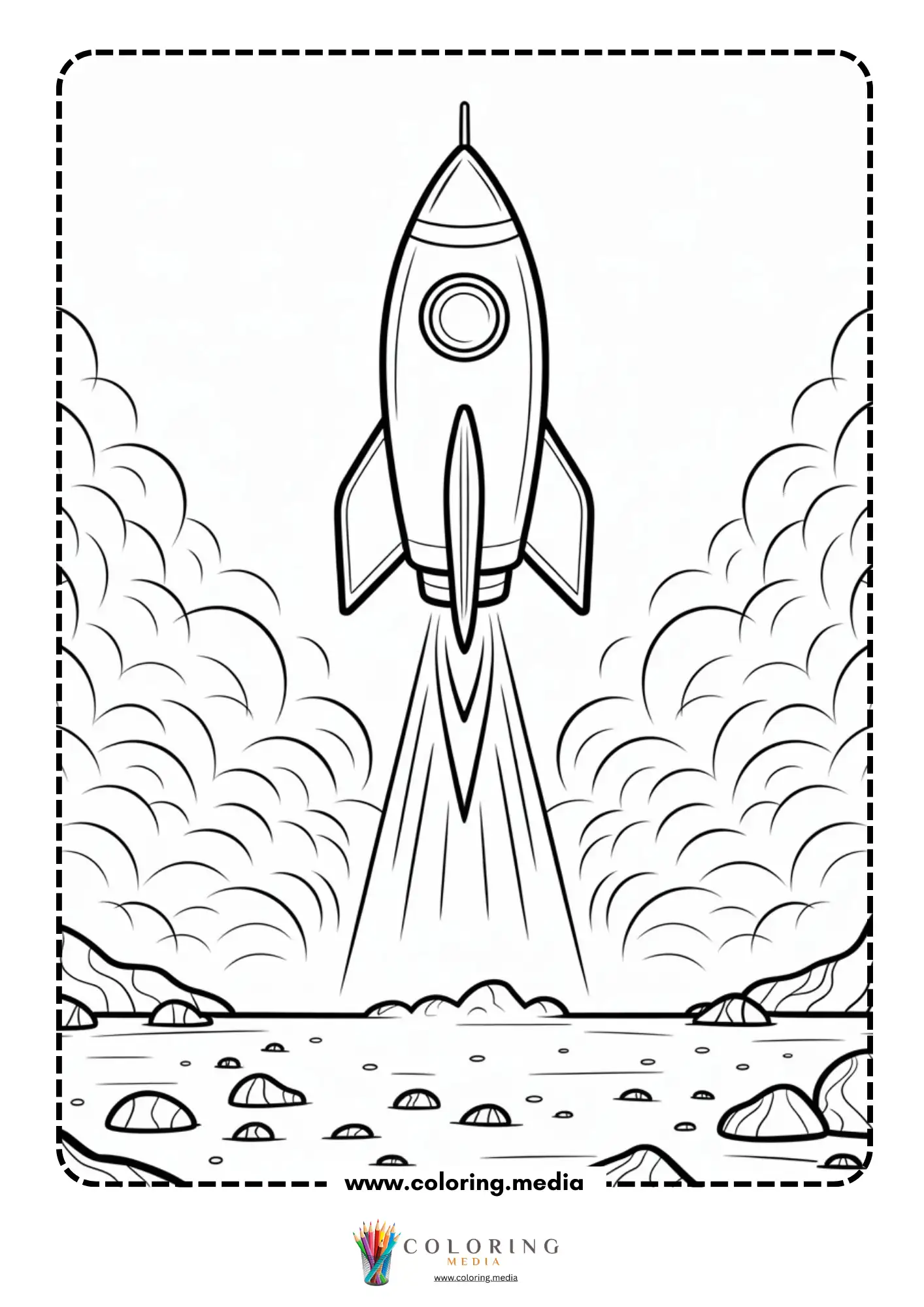
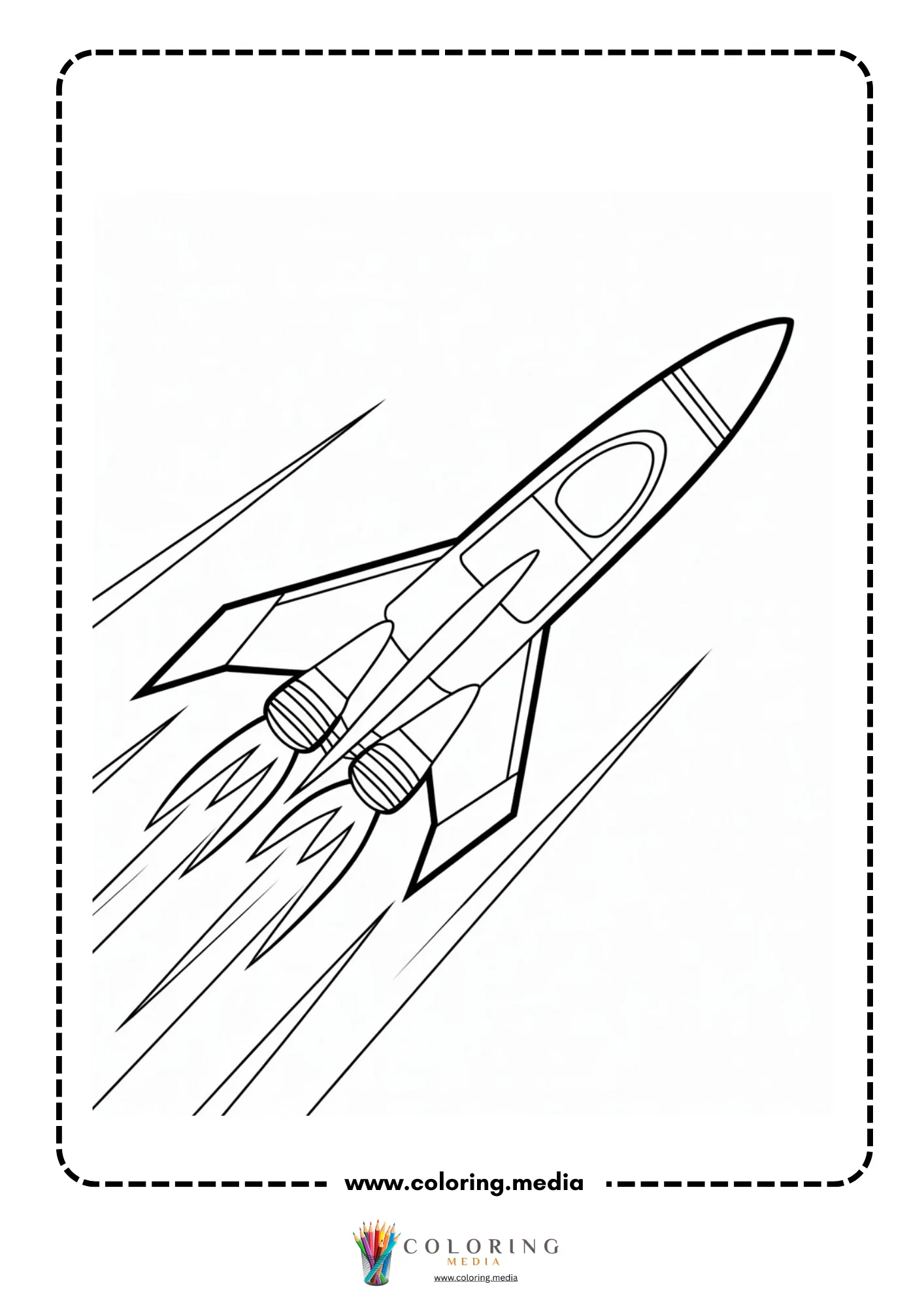
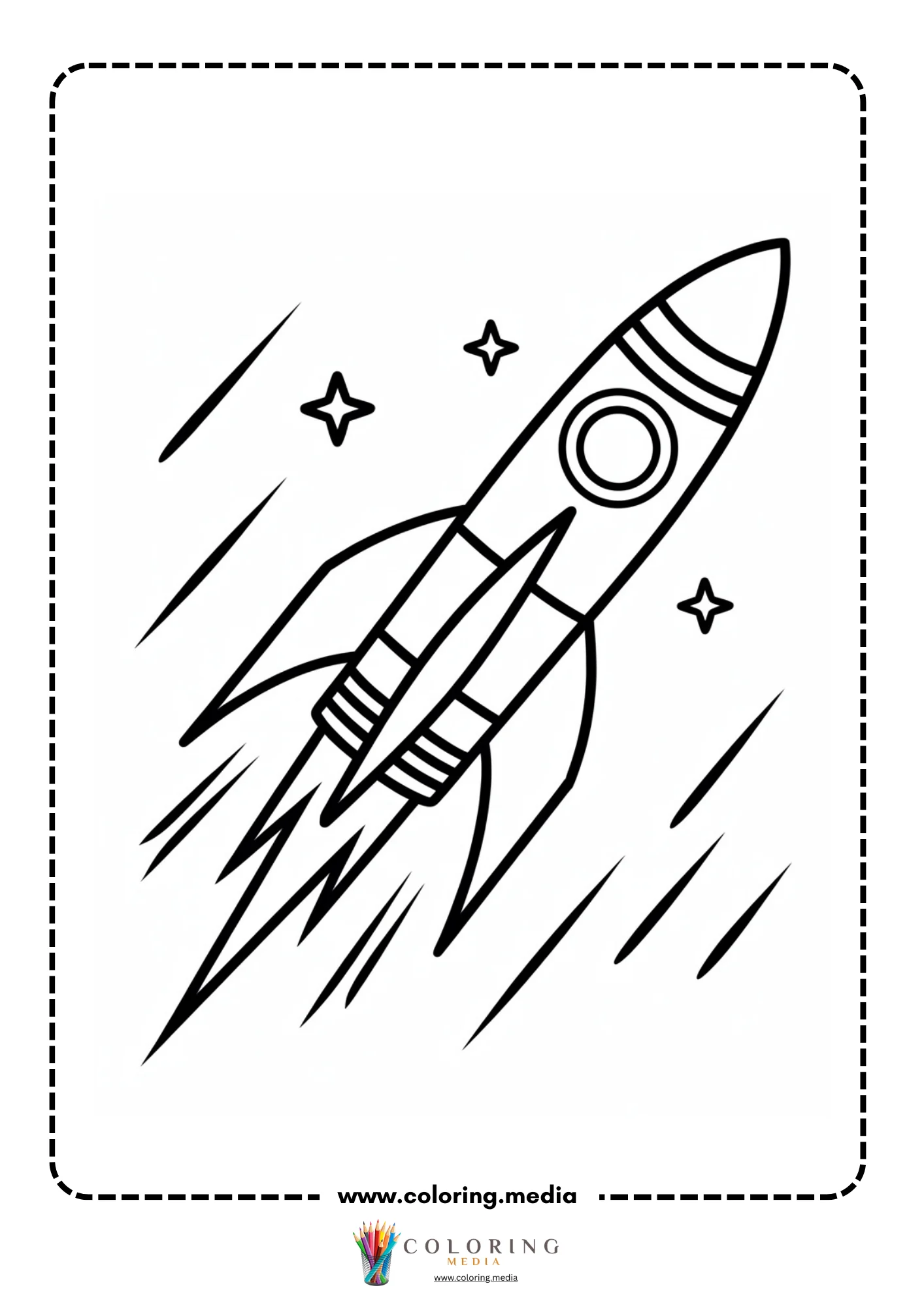
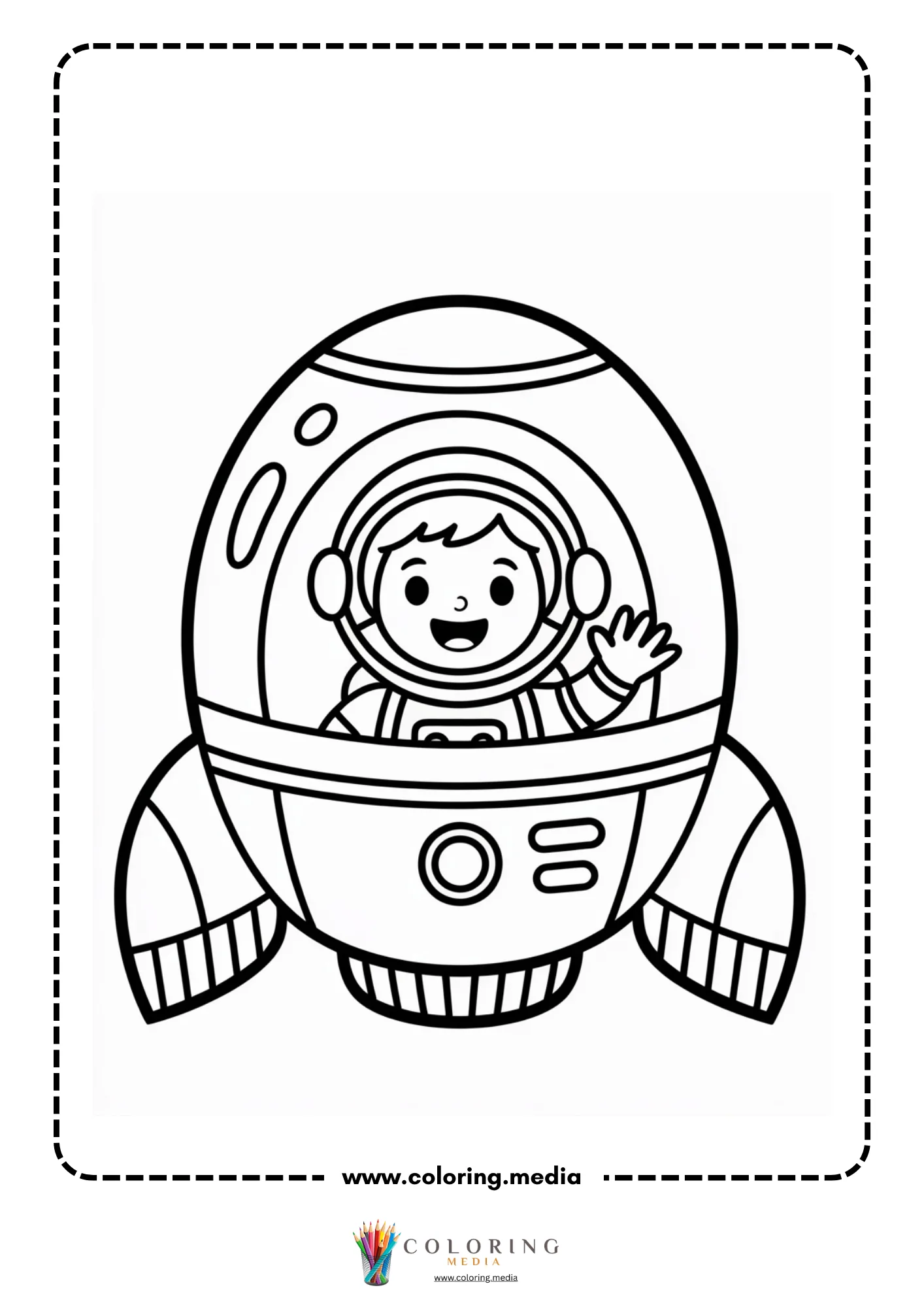
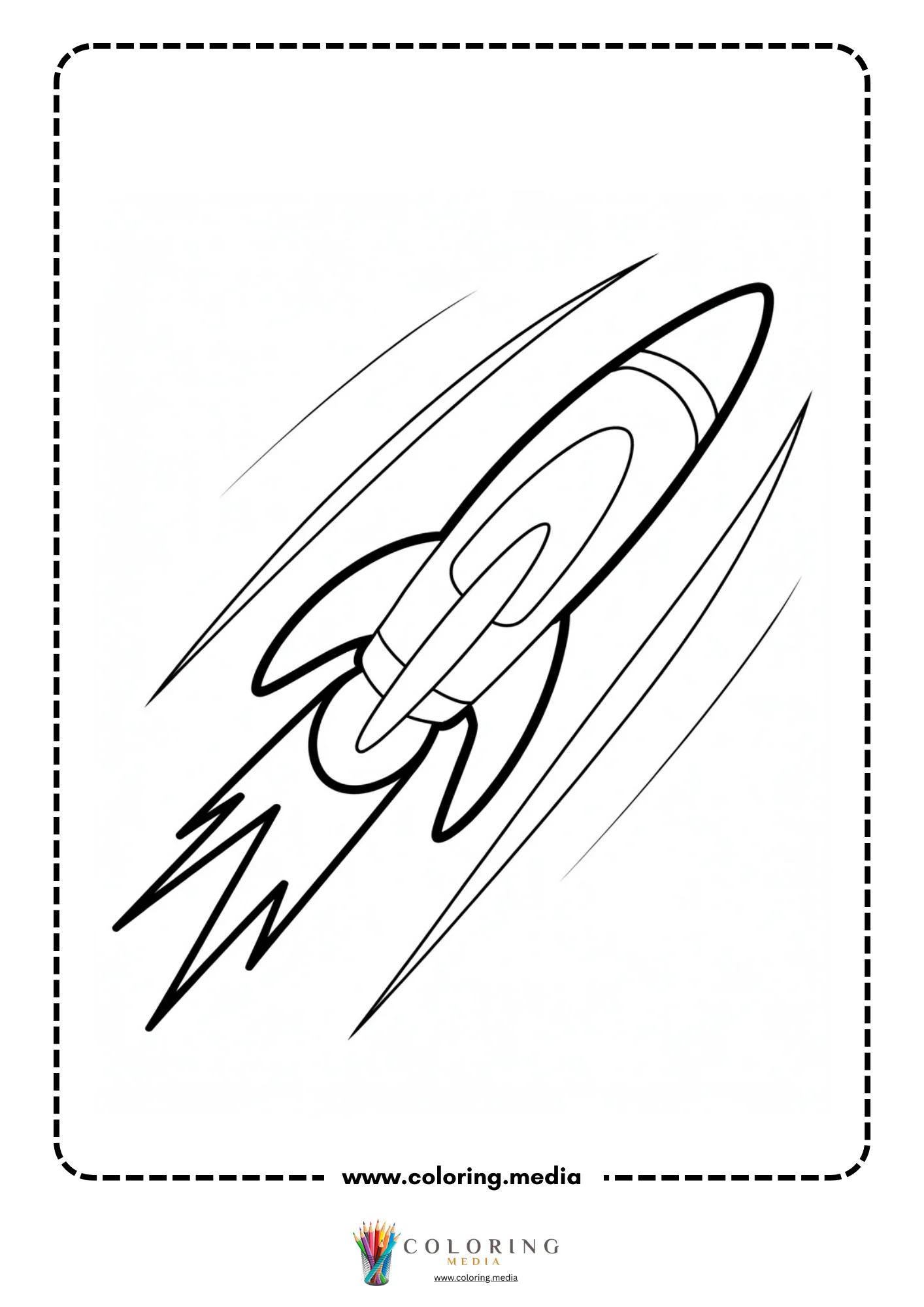
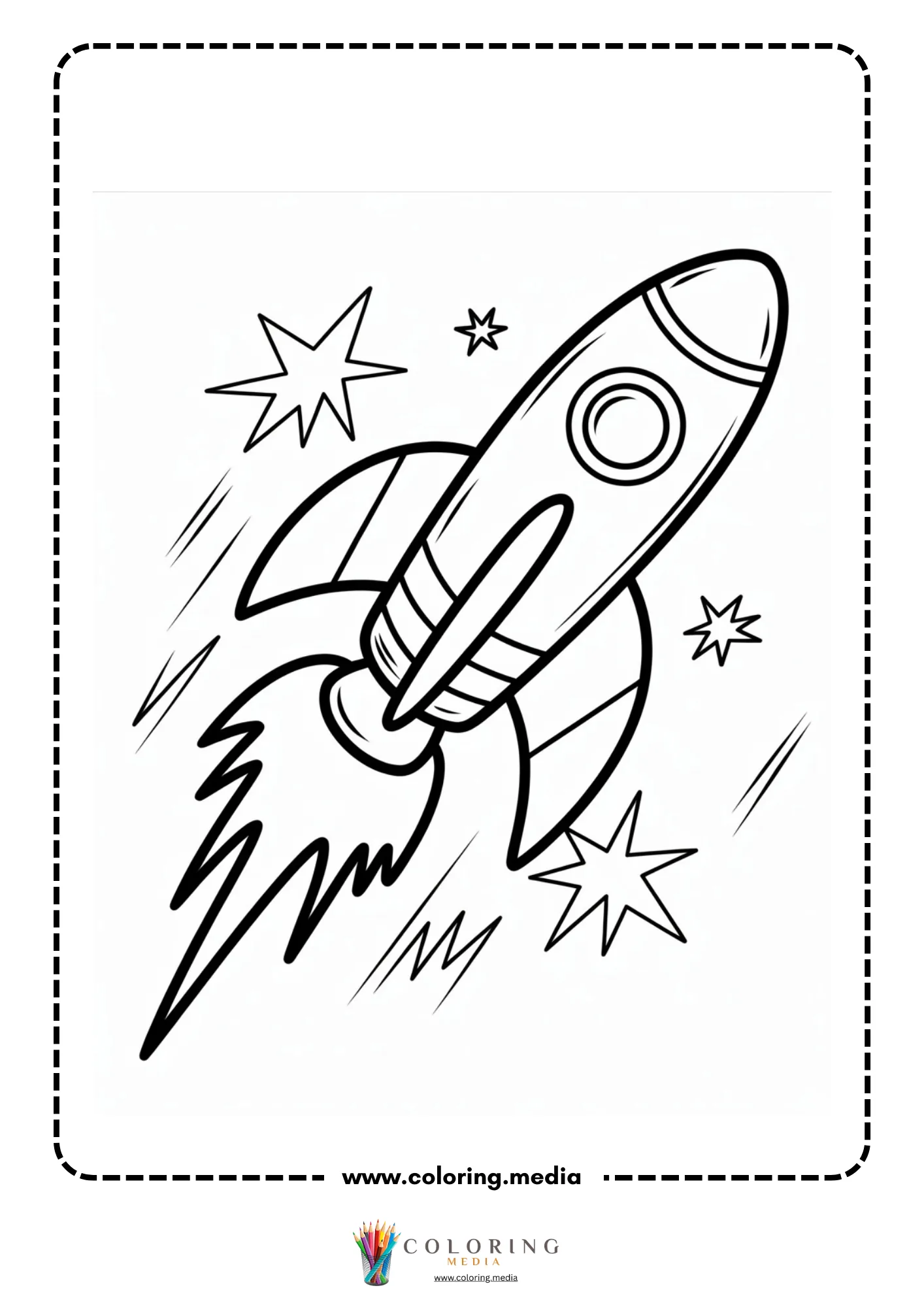
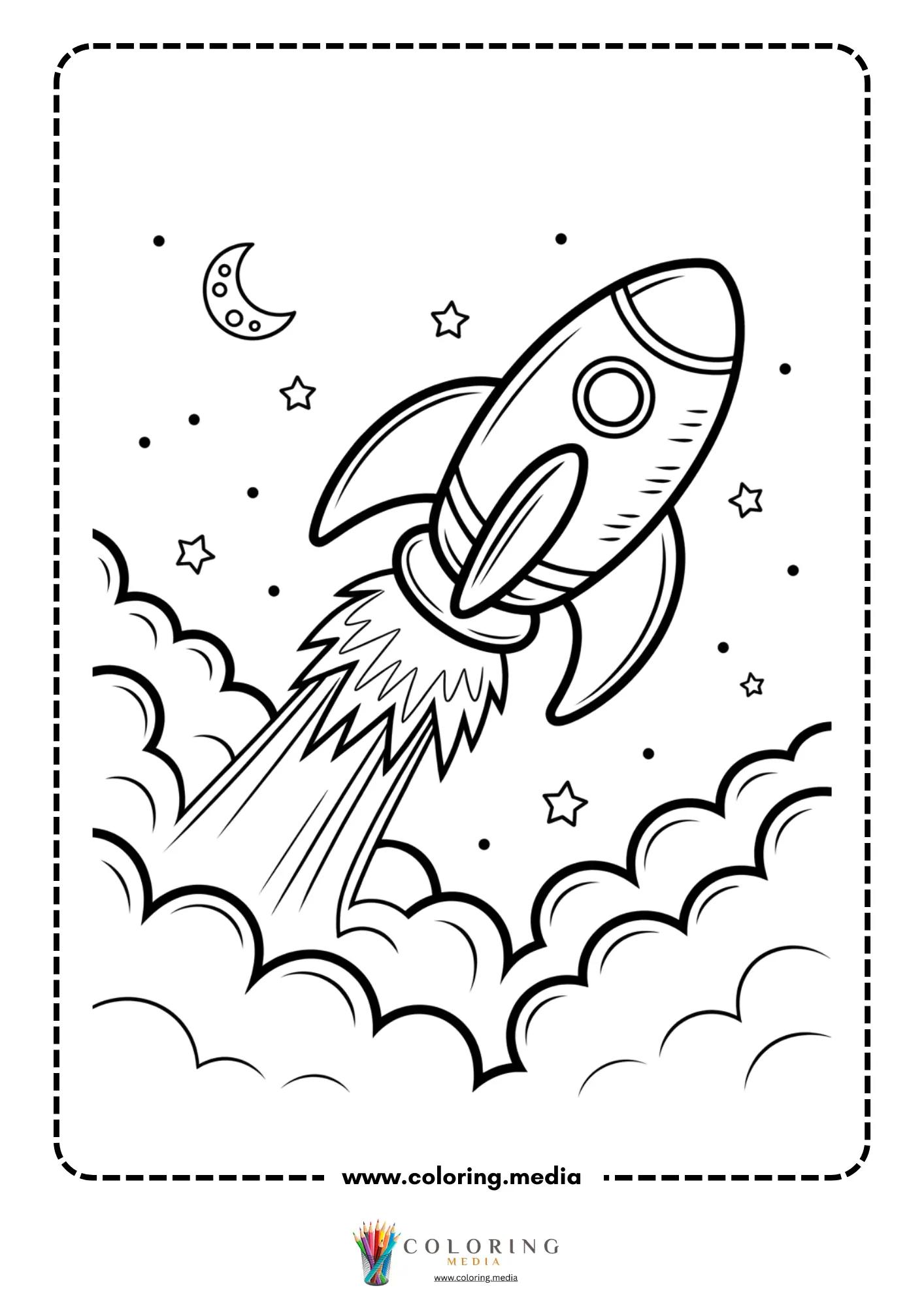
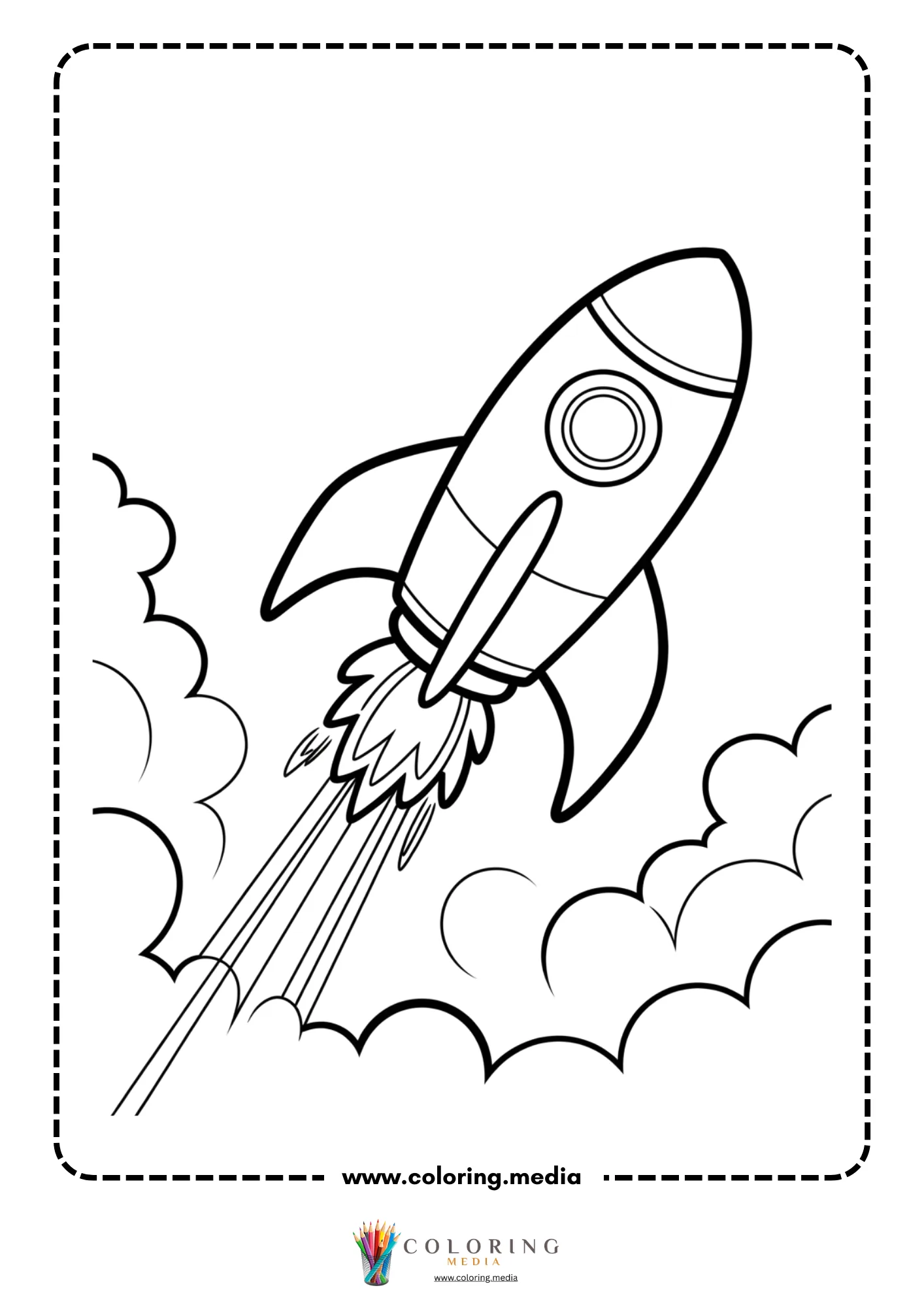
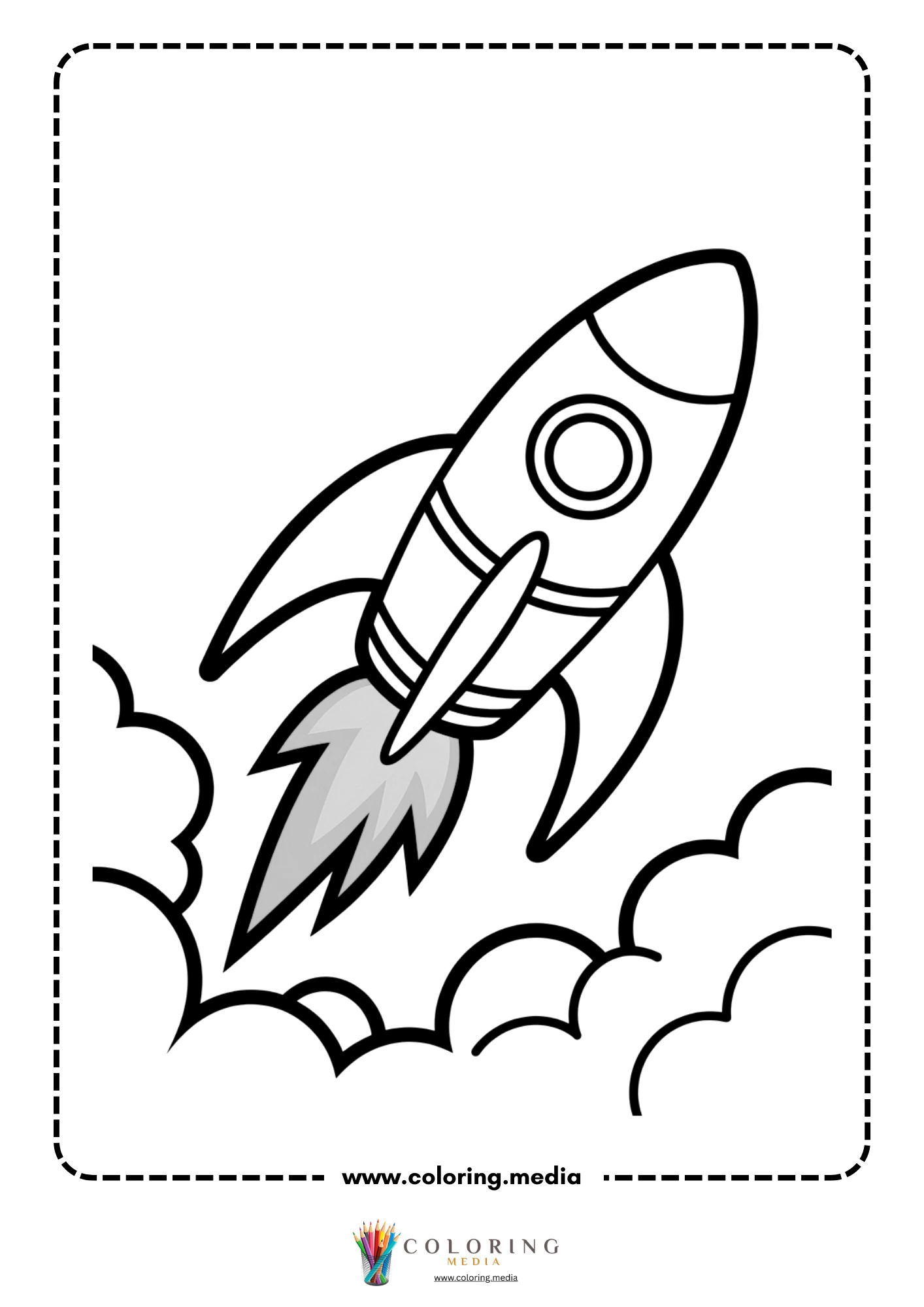
This collection includes 23 printable spaceship coloring pages featuring cute cartoon spacecraft with animal pilots including bears, cats, and aliens, UFOs with stars and planets in the background, multi-stage rockets mid-launch with billowing exhaust clouds, sleek single-stage rockets in flight, and detailed technical rocket silhouettes showing engine nozzles and body panels. The visual range from playful kawaii to near-realistic means the set suits a wider age span than most single-theme collections. All pages print on A4 or US Letter paper.




Who Are These Spaceship Coloring Pages Best For?
The animal-pilot cartoon pages are ideal for kindergarten-age children (4–6 years). The outlines are wide, the subjects are funny and endearing, and there is very little fine detail to navigate around. A child who has trouble staying inside the lines on a complex page will feel confident on these.
Early elementary students (grades 1–3) will gravitate toward the rocket launch and detailed rocket body pages. The engine plume textures, panel lines, and layered exhaust clouds give a second-grader enough to work with for a solid 30-minute coloring session. These pages also lend themselves to research — after coloring, a child might look up what real rocket engines look like and compare.
A homeschool parent running a machines or engineering unit can use this set alongside vehicle-based non-fiction reading. The range of spacecraft types — saucer, short rocket, tall rocket, launch-vehicle — makes for a natural sorting or classification activity before coloring begins.
Interesting Spaceship Facts to Share While Coloring
The Saturn V rocket that carried Apollo astronauts to the Moon produced 34.5 million newtons of thrust at launch — about 160 million horsepower. It remains the most powerful rocket ever flown successfully.
The Space Shuttle had more than 2.5 million parts, of which about 230 were described as ‘criticality 1’ — meaning a single failure would result in loss of the vehicle and crew. Engineers tracked the status of every one of them.
Rocket engines work in space even though there is no air to push against. They work by Newton’s third law — throwing mass out the back at high speed pushes the rocket forward. They actually work slightly better in vacuum than in atmosphere because there is no air resistance on the exhaust.
SpaceX’s Falcon 9 first stage can land itself on a drone ship at sea after launch. The landing legs fold out, the engine reignites, and the booster touches down at about 2 meters per second — roughly the speed of a slow walk. The same booster has been reflown more than 20 times.
The first liquid-fueled rocket was launched by Robert Goddard in 1926. It was 3.4 meters tall, flew for 2.5 seconds, and reached an altitude of 12.5 meters. Goddard’s widow attended the Apollo 11 launch 43 years later.
Creative Spaceship Coloring and Craft Ideas
Rocket Color Coding Assign a different color to each functional part — red for engine, blue for fuel tank, yellow for crew capsule — and stick to the scheme across all rocket pages for a consistent look.
Animal Pilot Backstory For the animal-pilot pages, invent the pilot’s species, home planet, and mission before coloring. Write the details on the back.
Launch Sequence Storyboard Print four rocket pages and color them to show the same rocket at four stages: on the launch pad, just lifted off, in the atmosphere, and in space.
Exhaust Plume Experiment For the launch pages, try coloring the exhaust with different techniques — gradient from white to orange to dark grey from center to edge — to make it look like real combustion.
UFO Crew Manifest For the UFO pages, invent three alien crew members, draw their silhouettes in the windows, and write their names and jobs.
Rocket vs. Plane Comparison Color one rocket page and one airplane page (from another collection), then list three ways they are similar and three ways they differ.
Paper Rocket Craft Roll a sheet of A4 paper into a cylinder, tape the seam, add a paper cone nose, and decorate to match the color scheme from a favorite page in this set.
Night Launch Scene Color the background black and dark blue first, leaving the rocket white, then add orange and yellow streaks for the engine glow using colored pencils.
How to Print These Spaceship Coloring Pages
Each PDF is formatted for A4 and US Letter at 300 dpi. Download by clicking any thumbnail, then print from Adobe Reader or a browser viewer with ‘fit to page’ selected. Standard copy paper is fine for crayons and colored pencils. For marker-heavy coloring sessions, 90–100gsm paper prevents bleed-through. Use black-and-white print settings to save color ink.
Explore More Science-Nature Coloring Pages
If you enjoyed these pages, you may also like:
Space Coloring Pages
Solar System Coloring Pages
Outer Space Coloring Pages
Astronaut Coloring Pages
Science & Nature Coloring Pages