
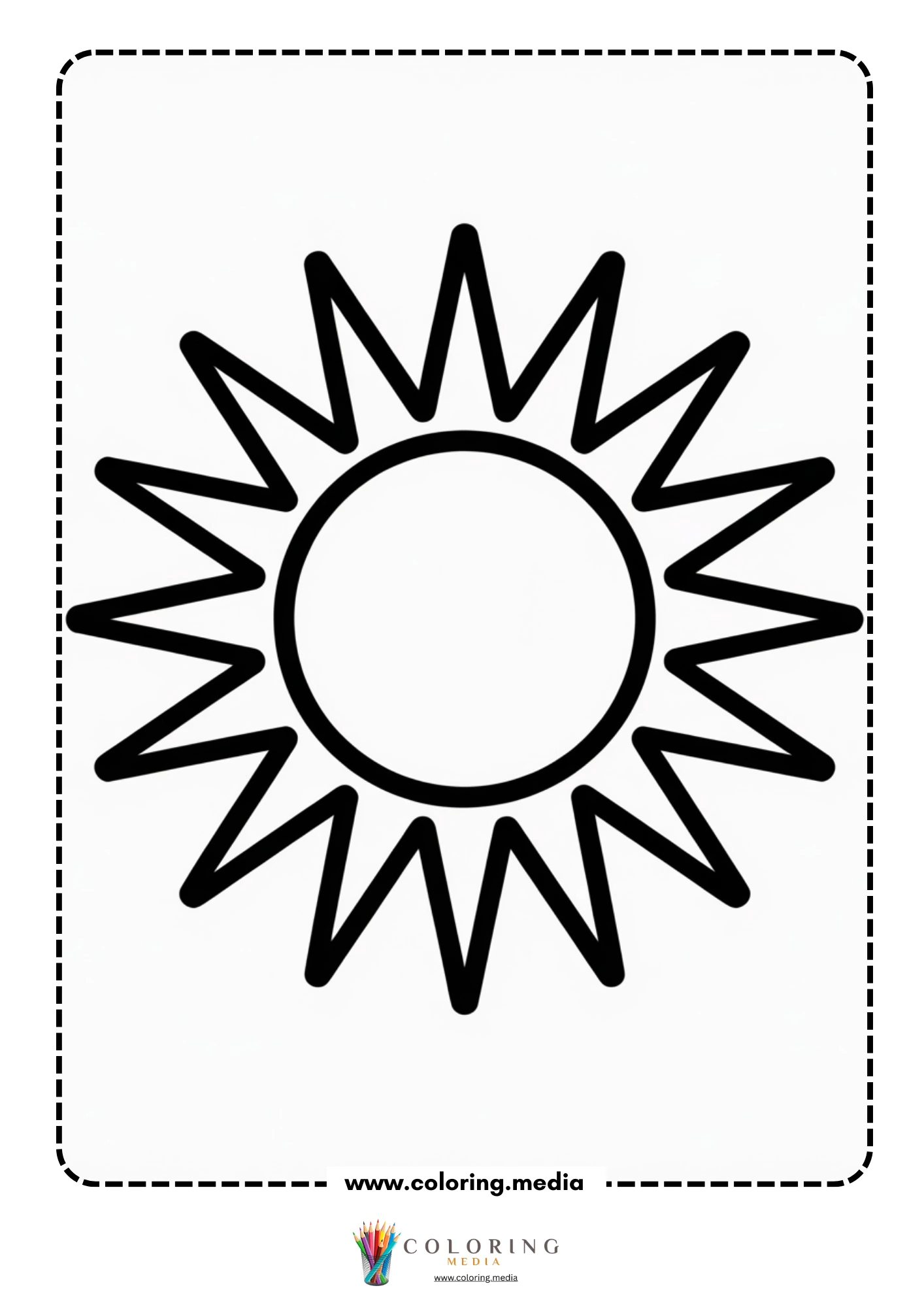
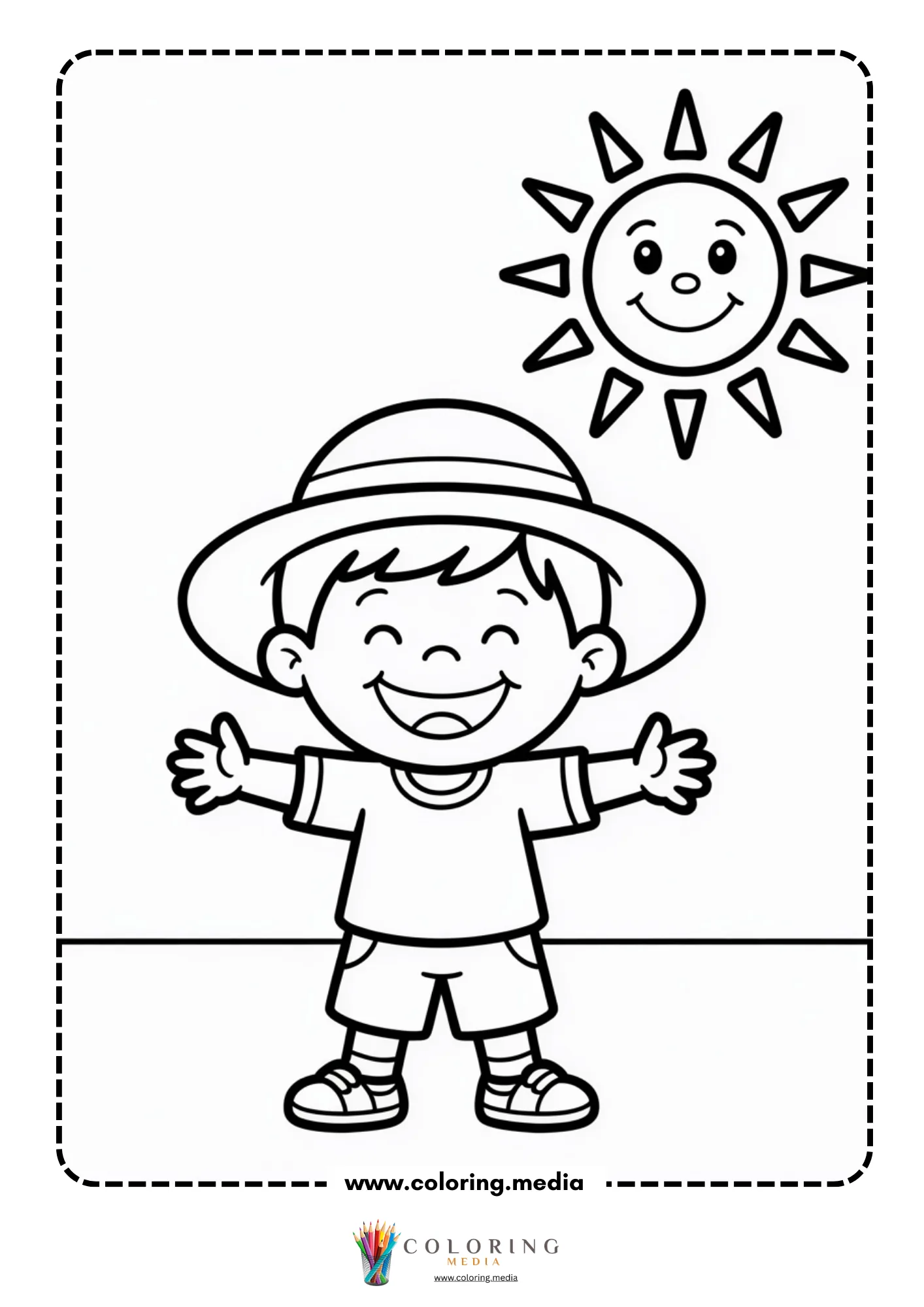
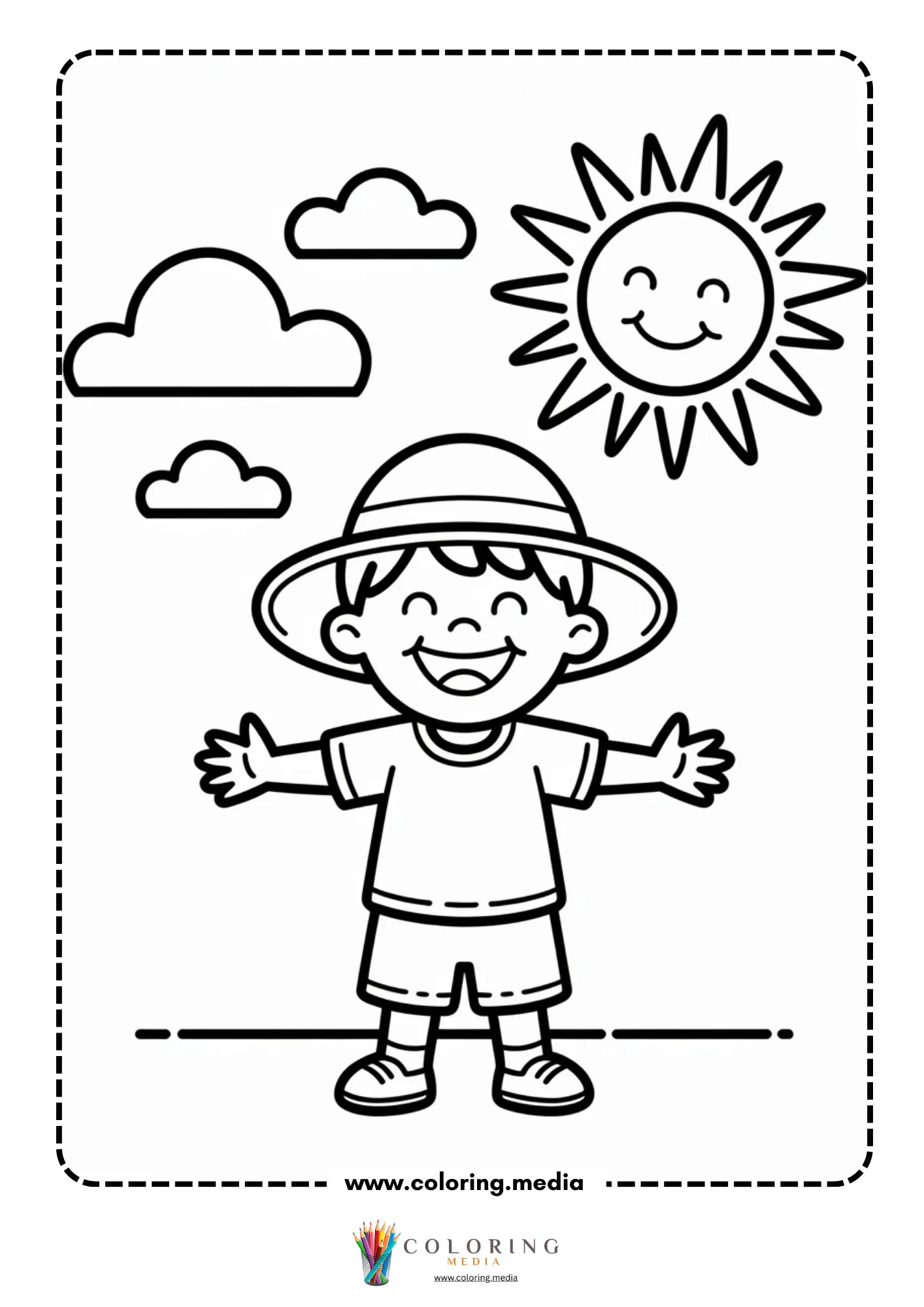
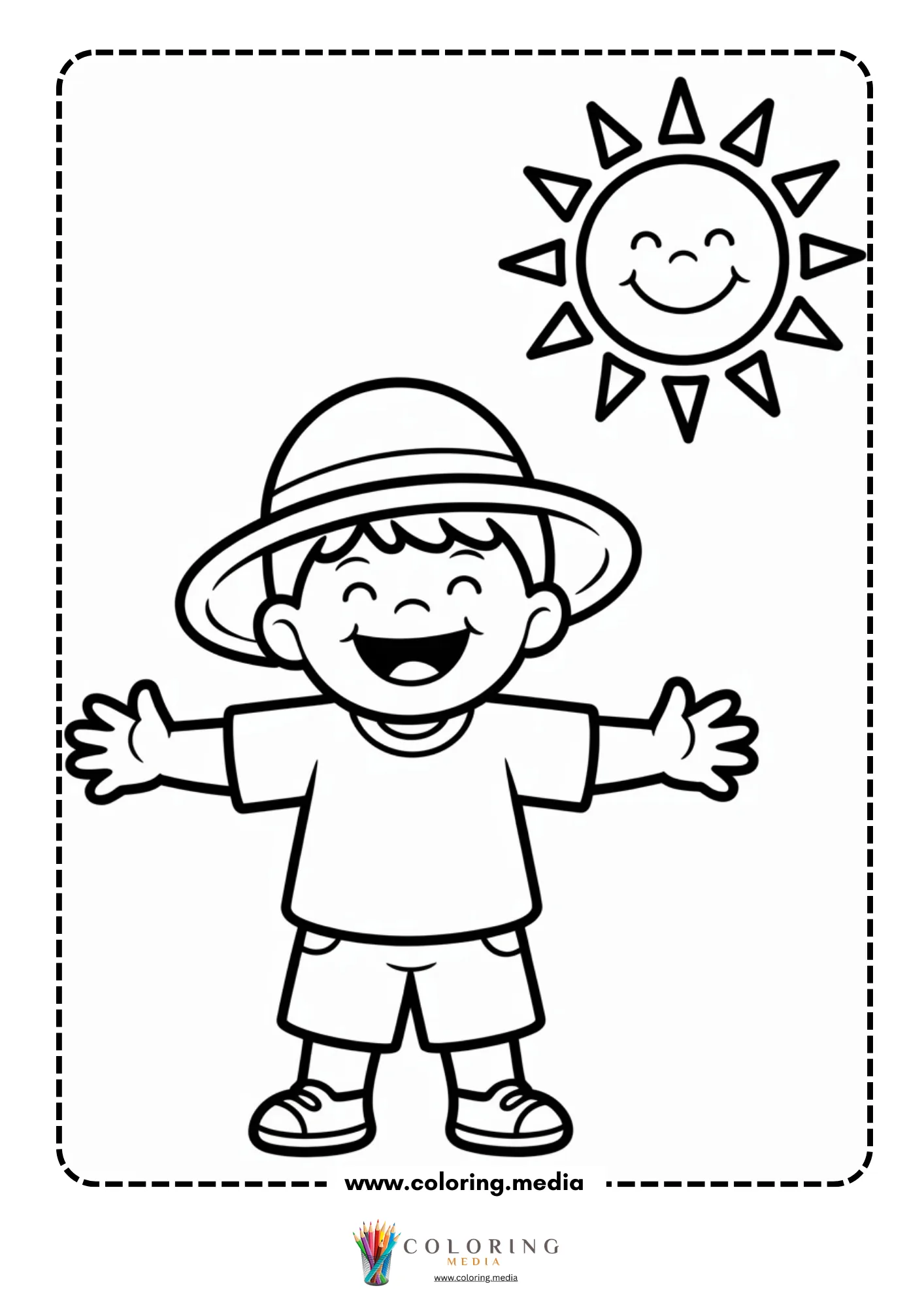
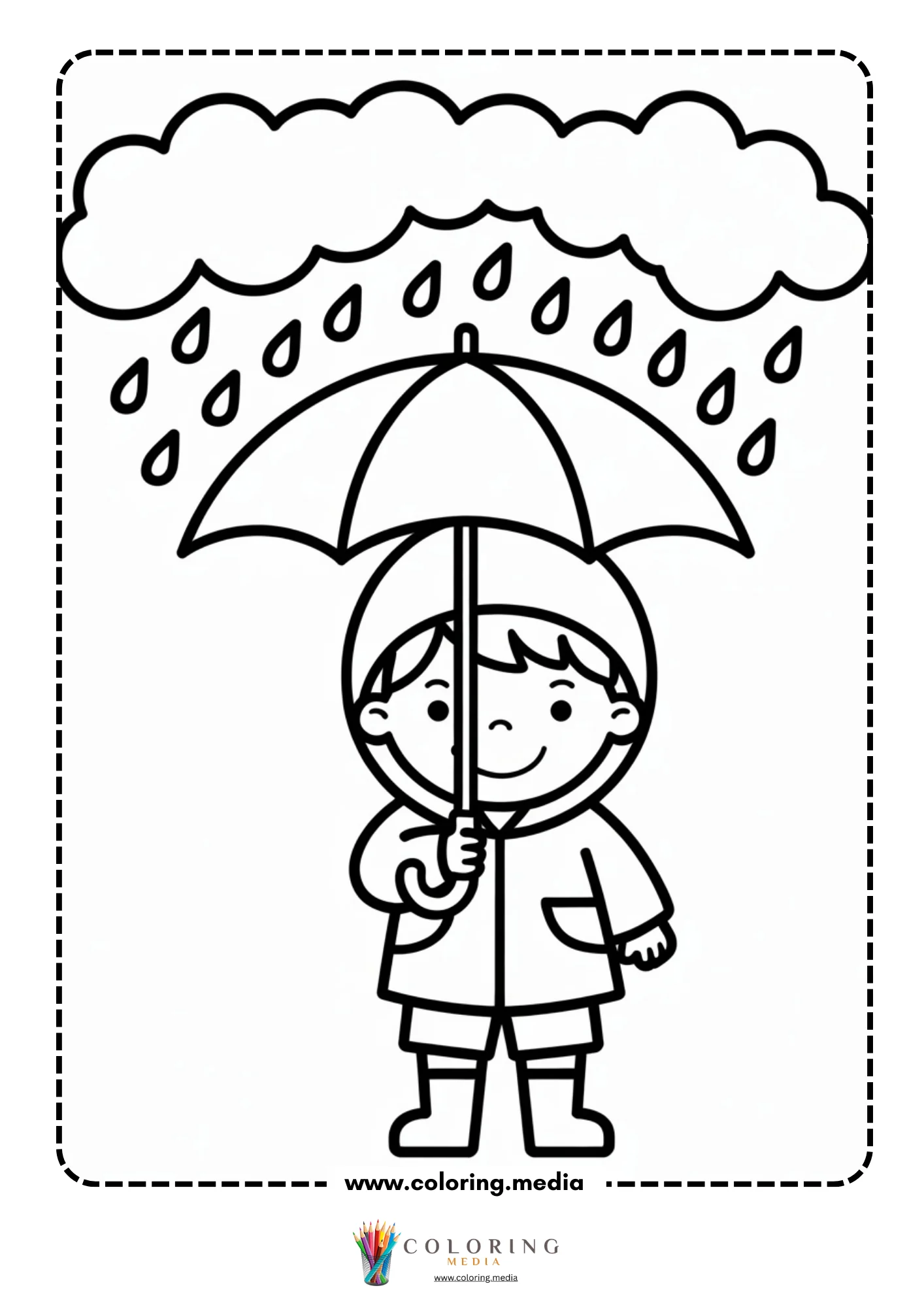
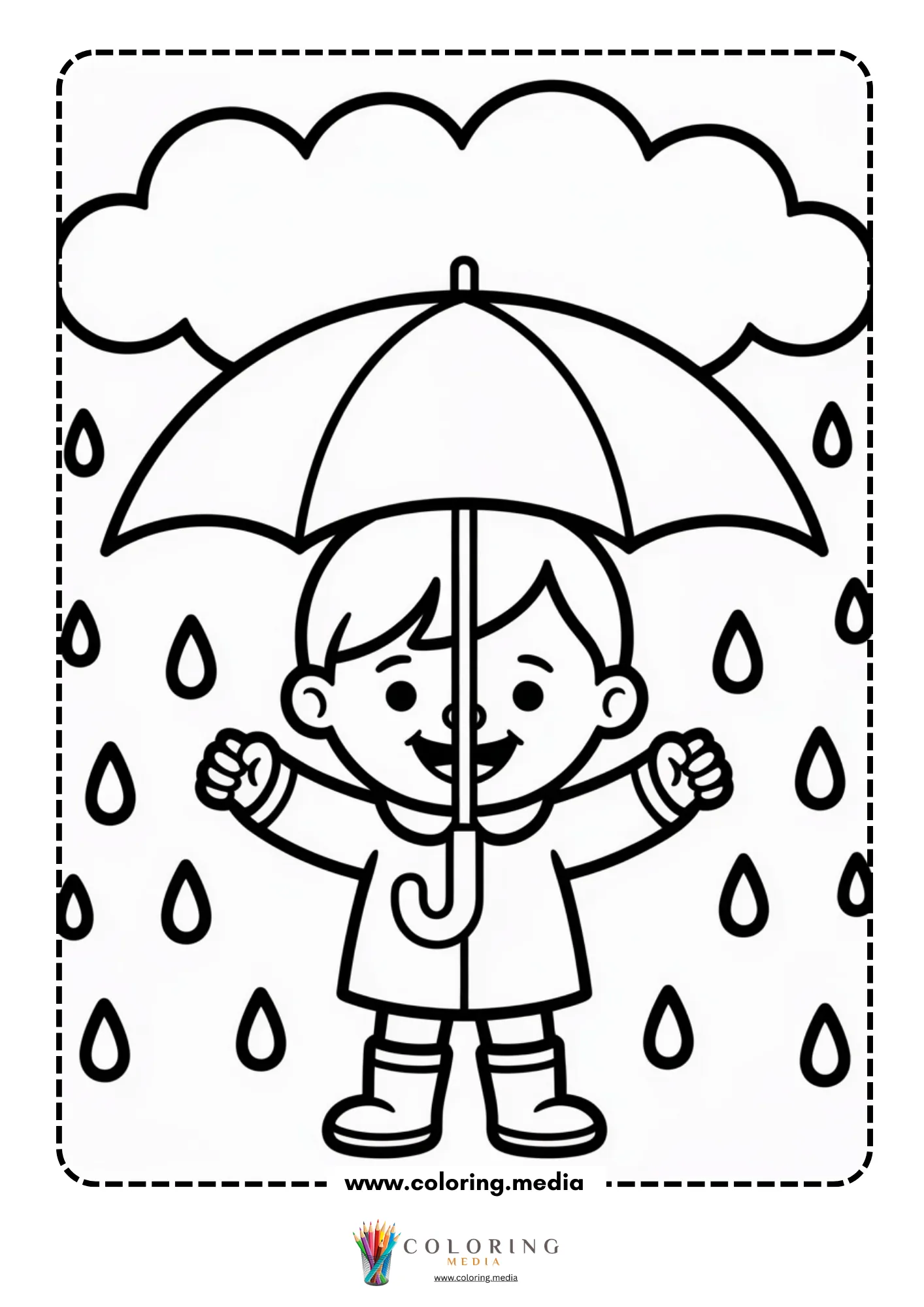
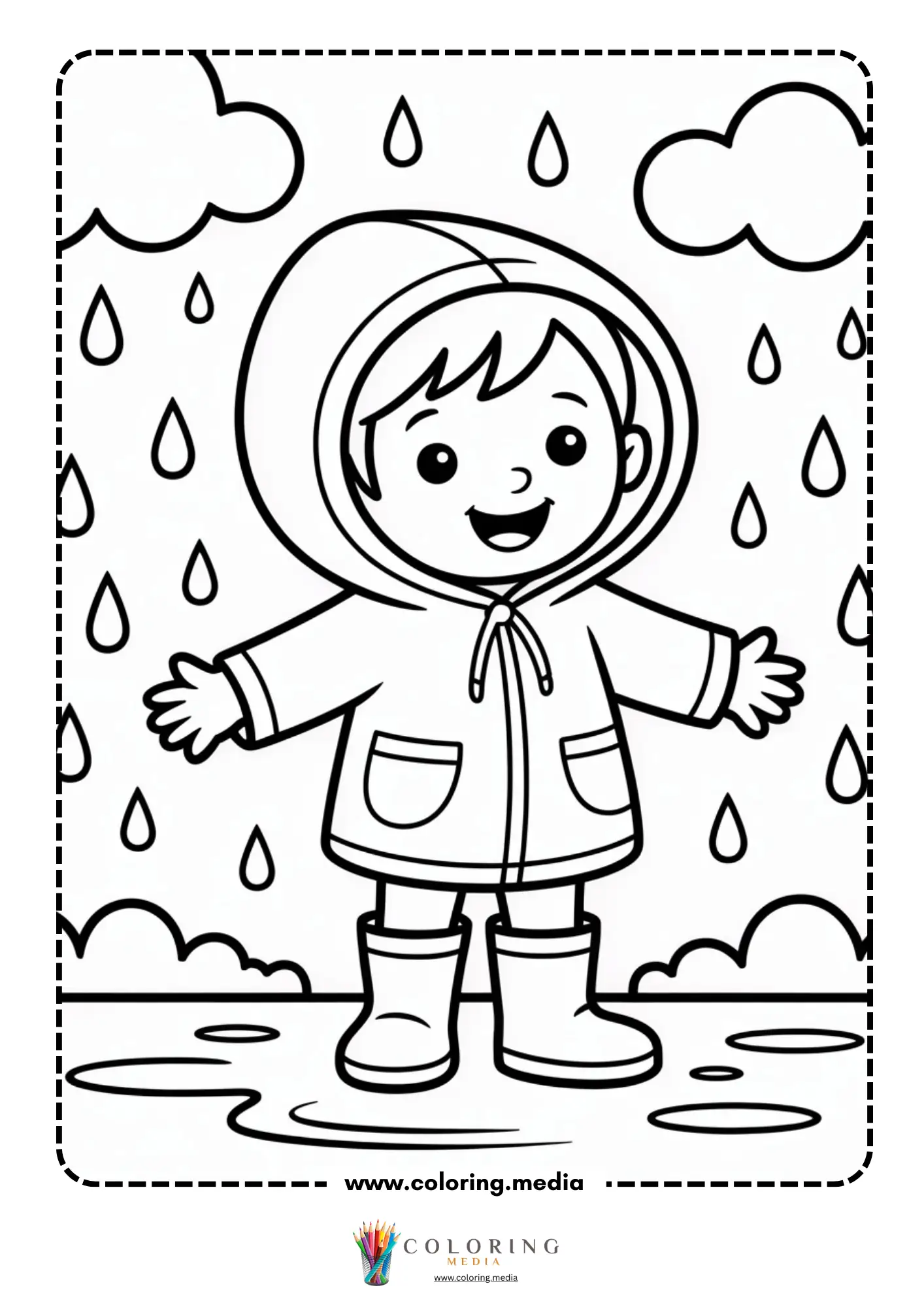
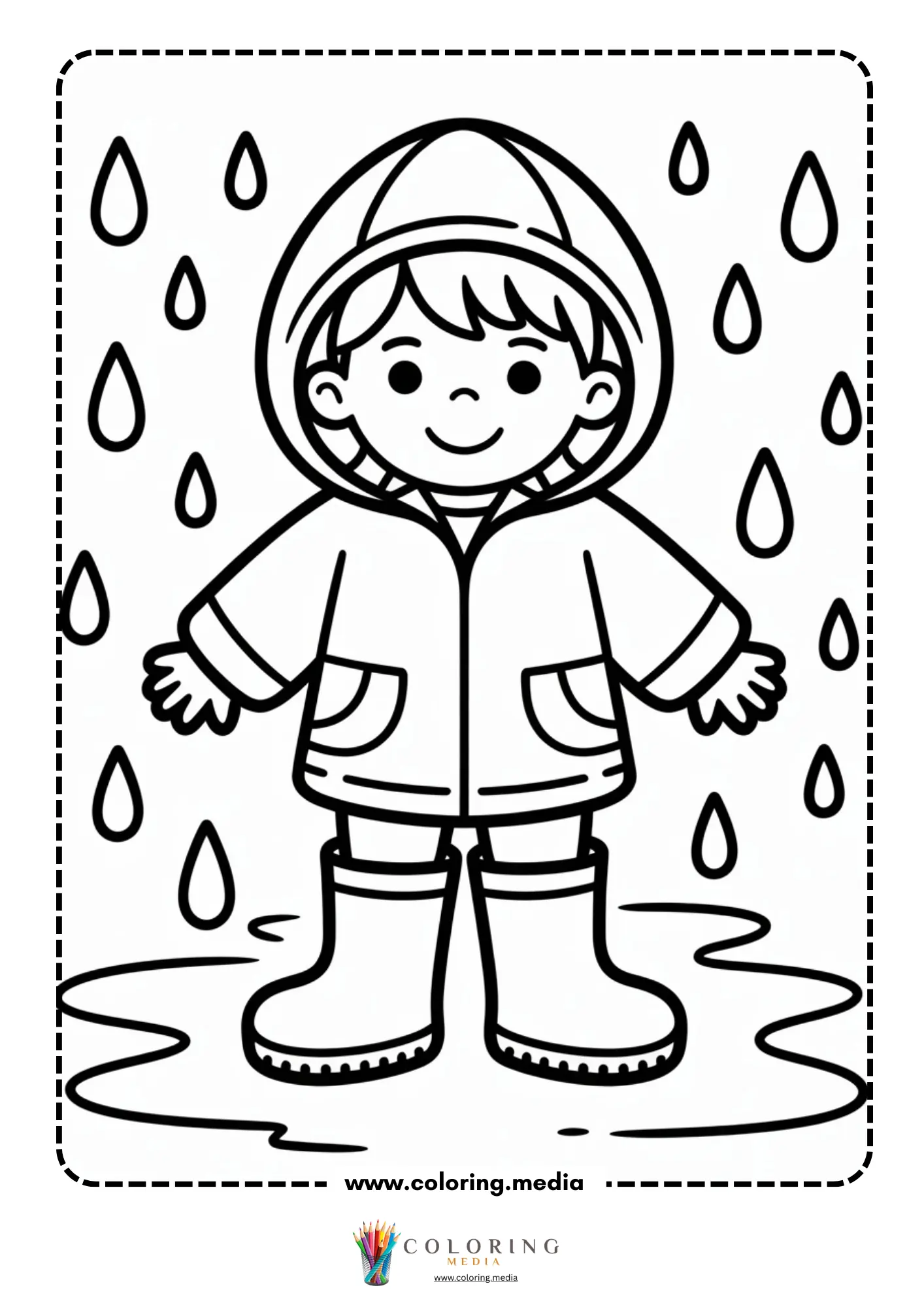
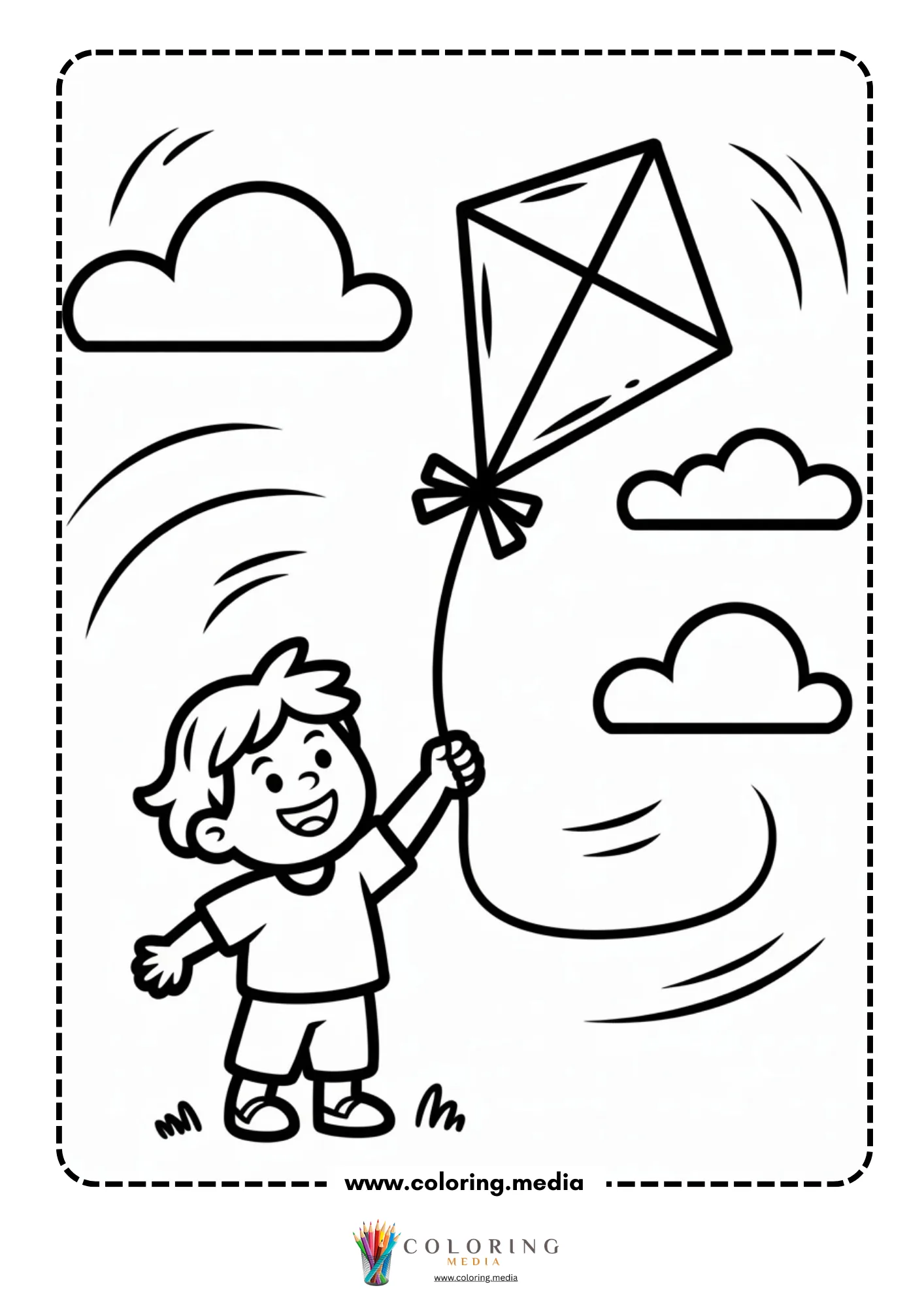
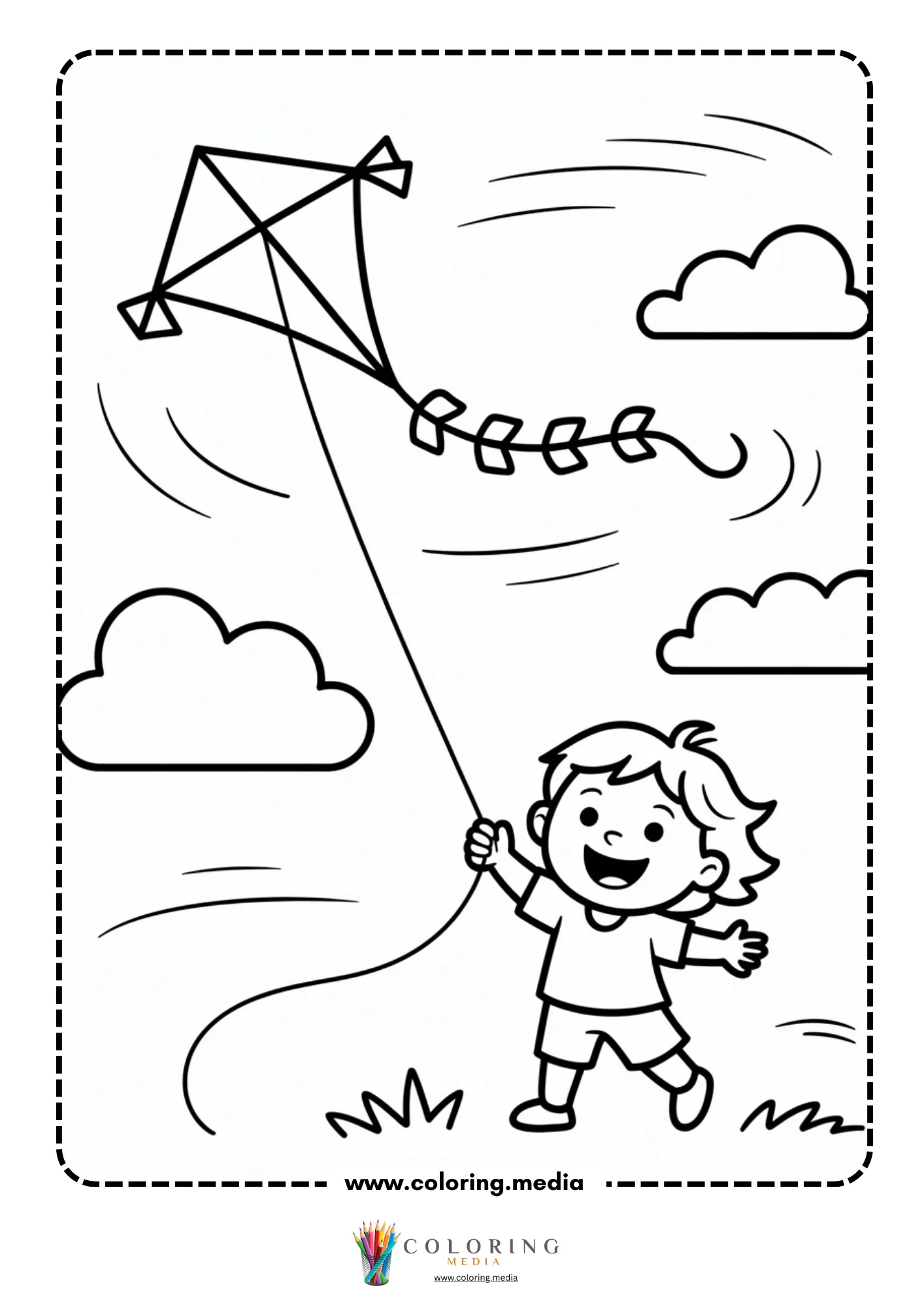
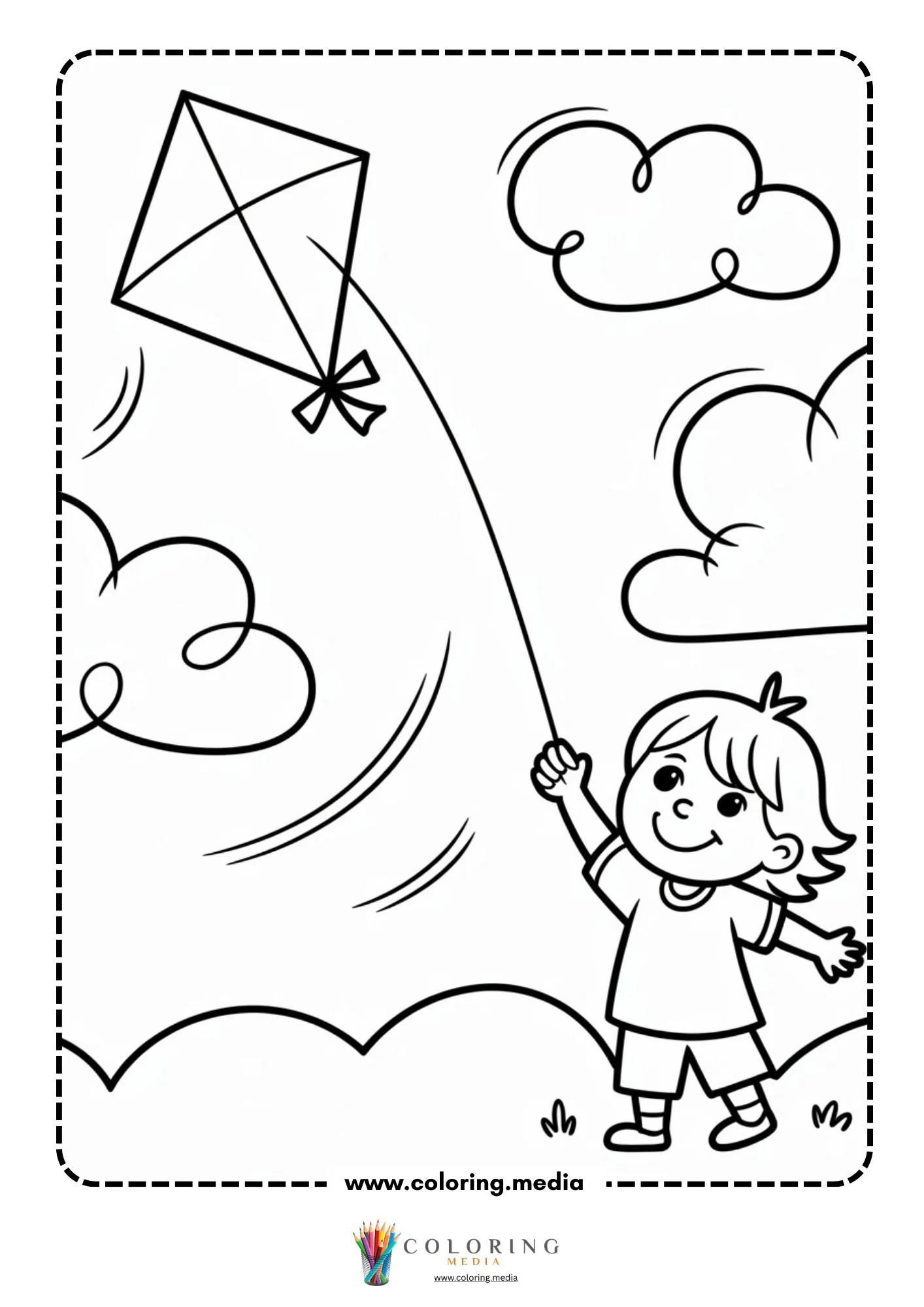
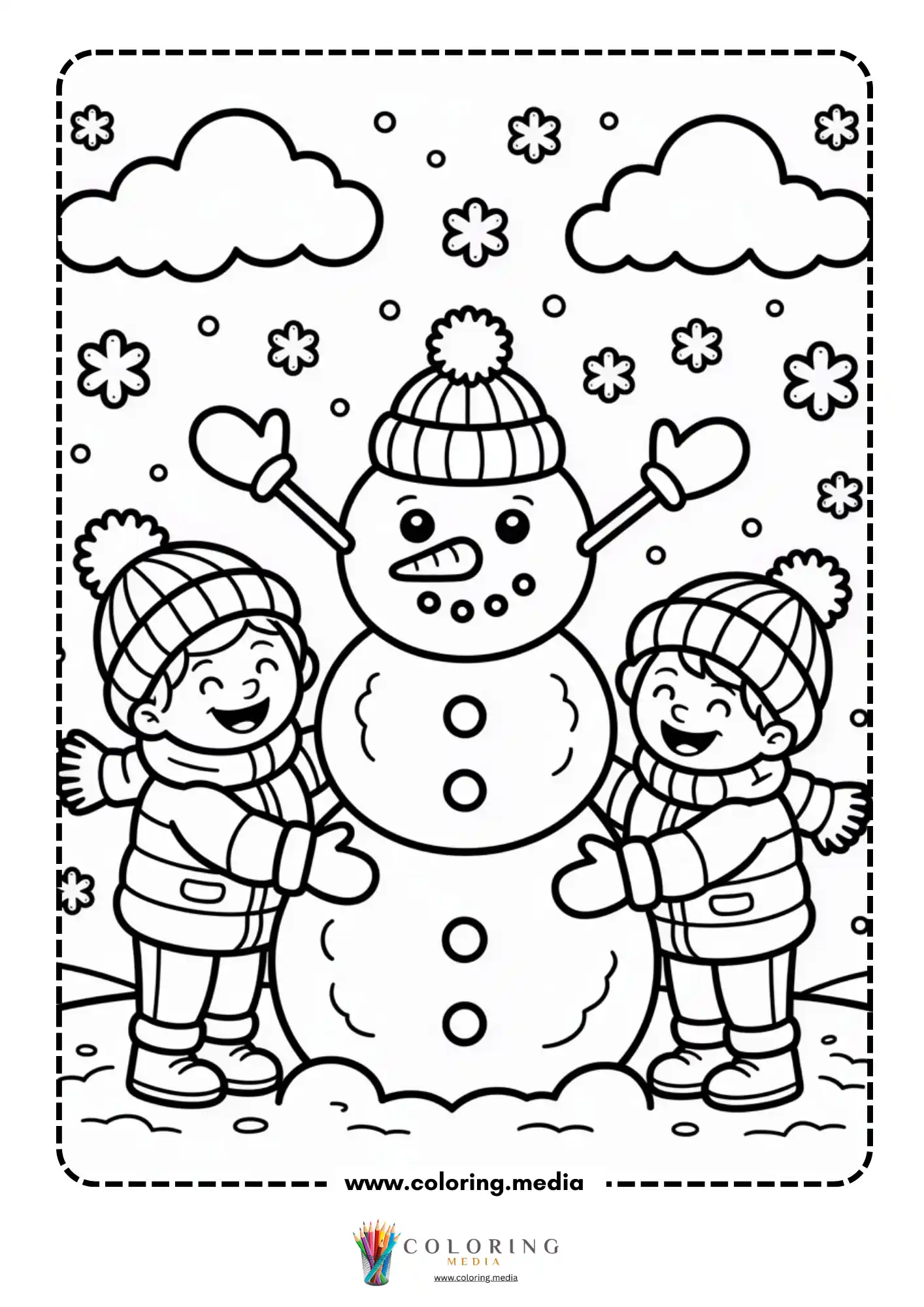
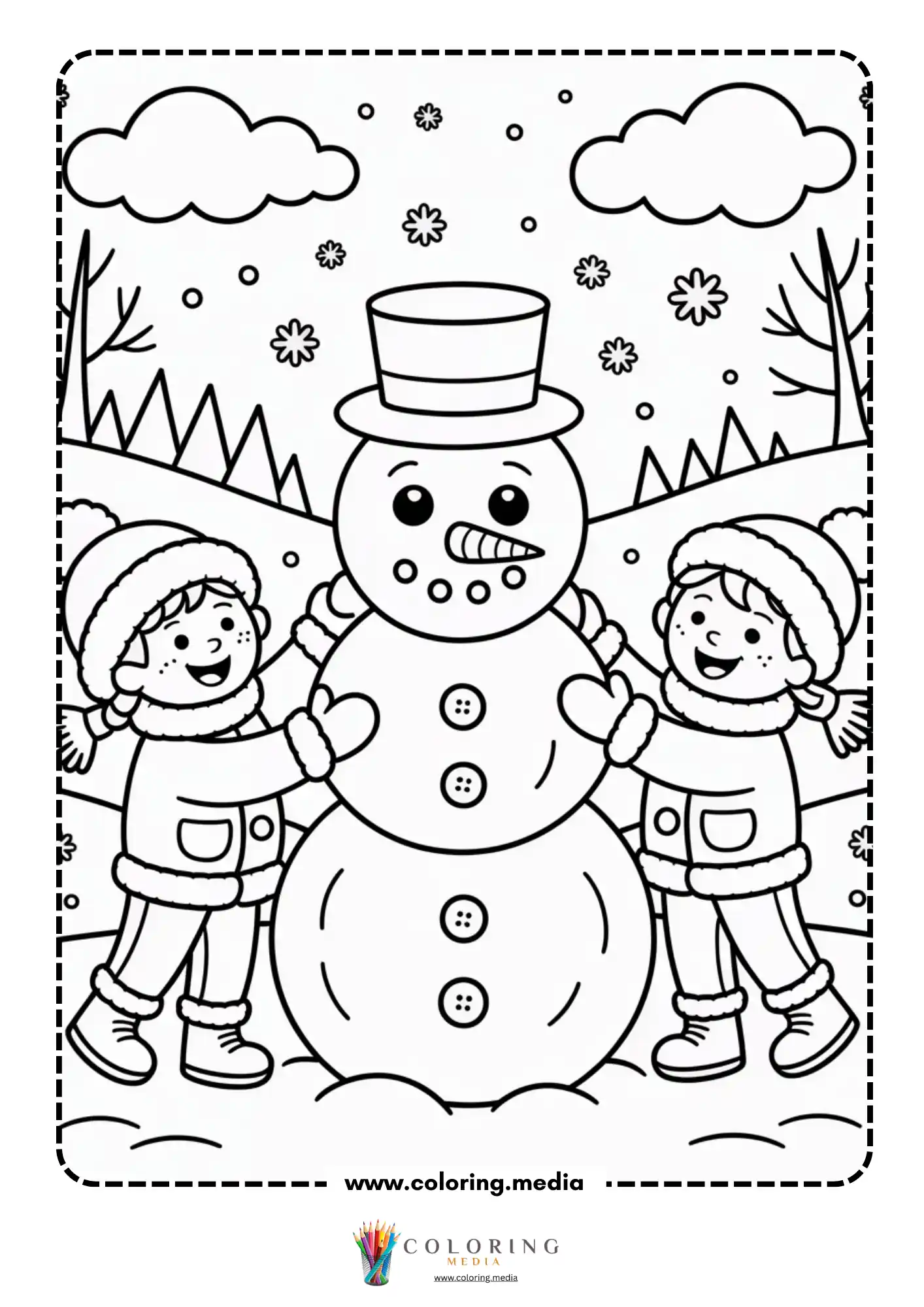
The twenty-four pages here cover the full seasonal weather spectrum through the lens of child characters doing things kids actually do in various weather conditions. A girl in a bright raincoat stands in a downpour. A group of children launch kites on a breezy day. Kids in thick winter clothes build a snowman or play in fresh snow. A bold sunshine page anchors the collection with a large sunburst and a single cheerful figure. The character design is consistently warm — rounded faces, expressive postures, 2–3mm outlines.
There is no abstract meteorology here, which is a deliberate choice that makes the pages more engaging for younger children. Weather is shown as something that happens to people and shapes what they wear and do, not as a science diagram. Everything here is free to download and easy to print.
Free Printable Weather Coloring Pages
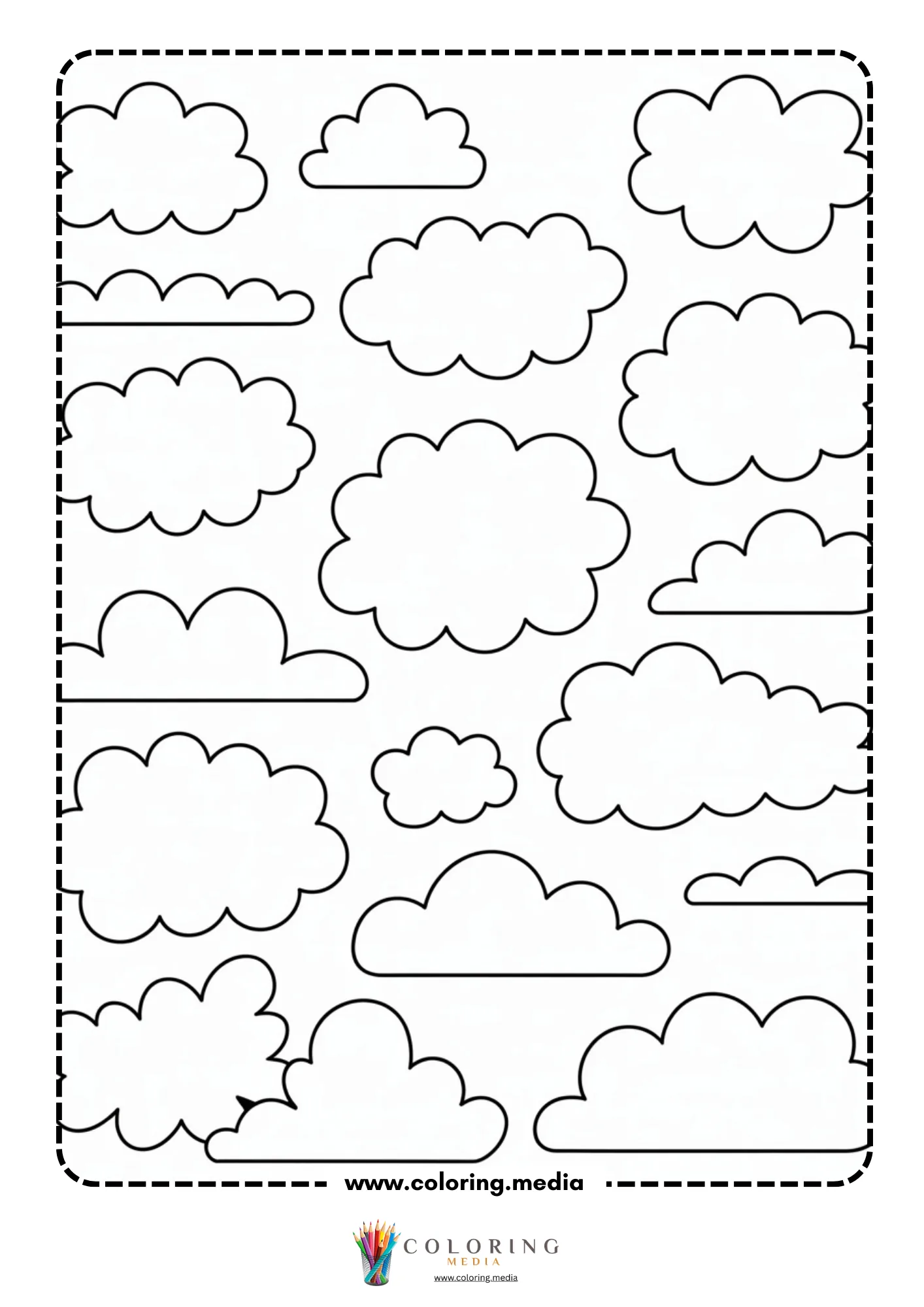
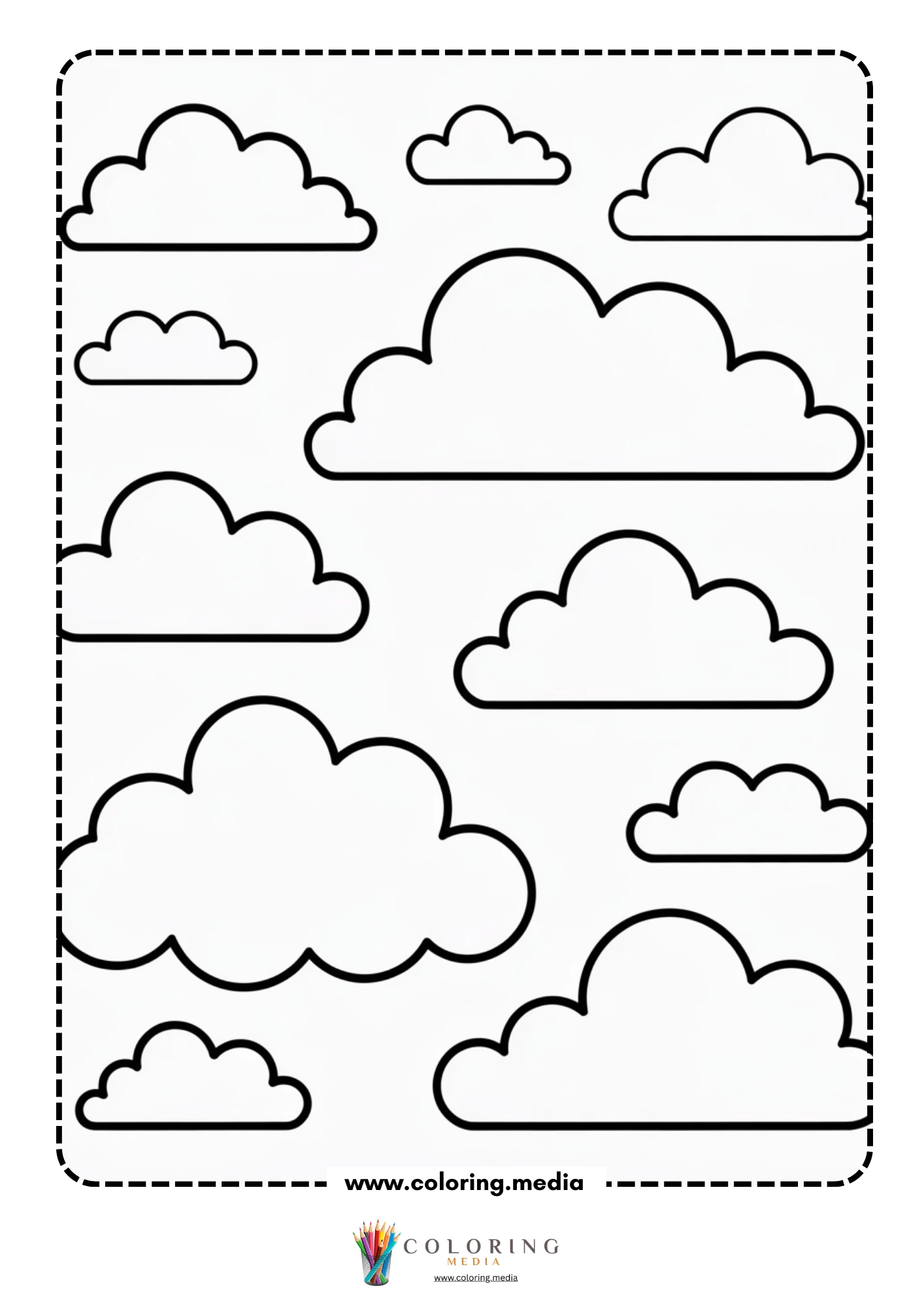
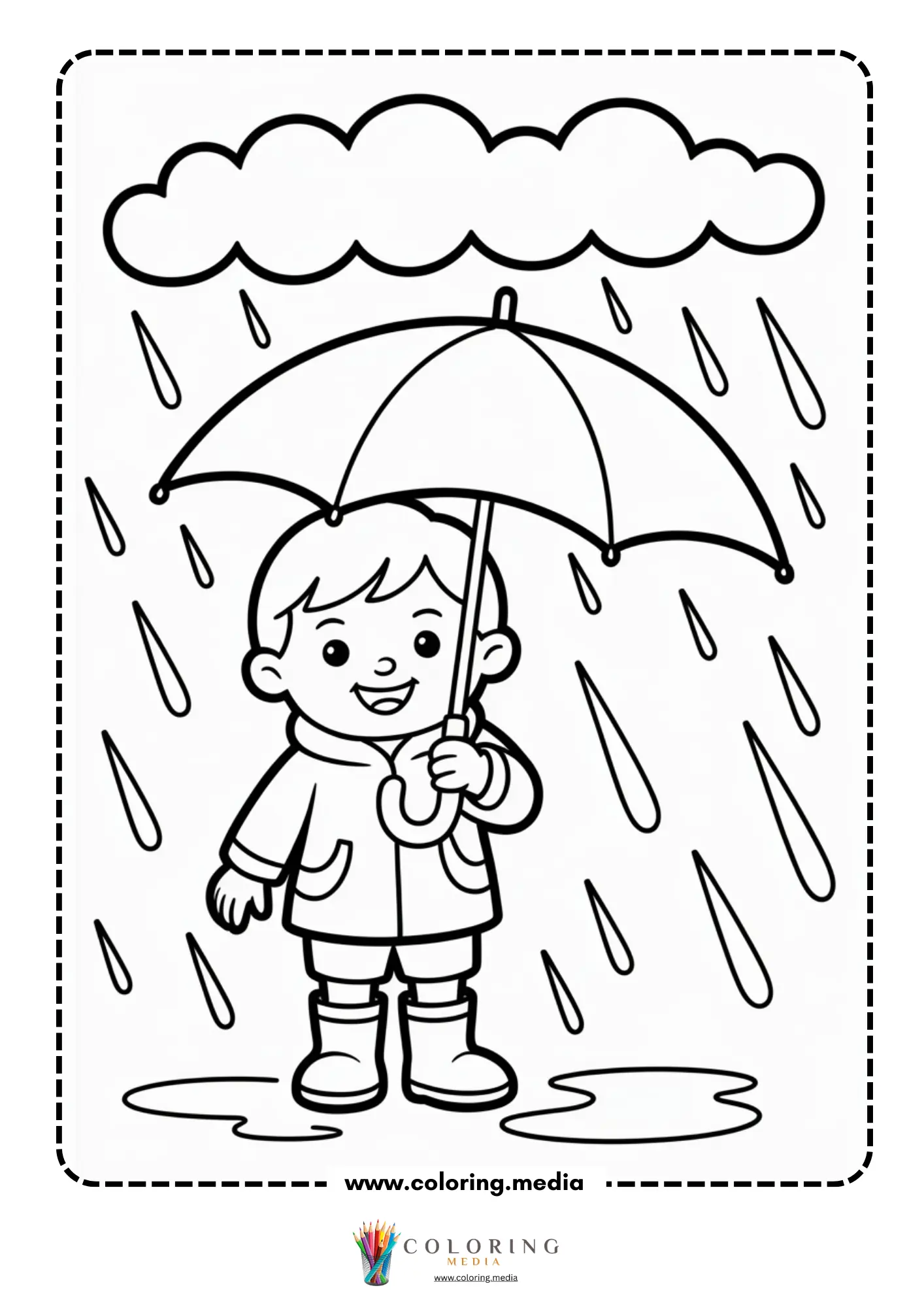
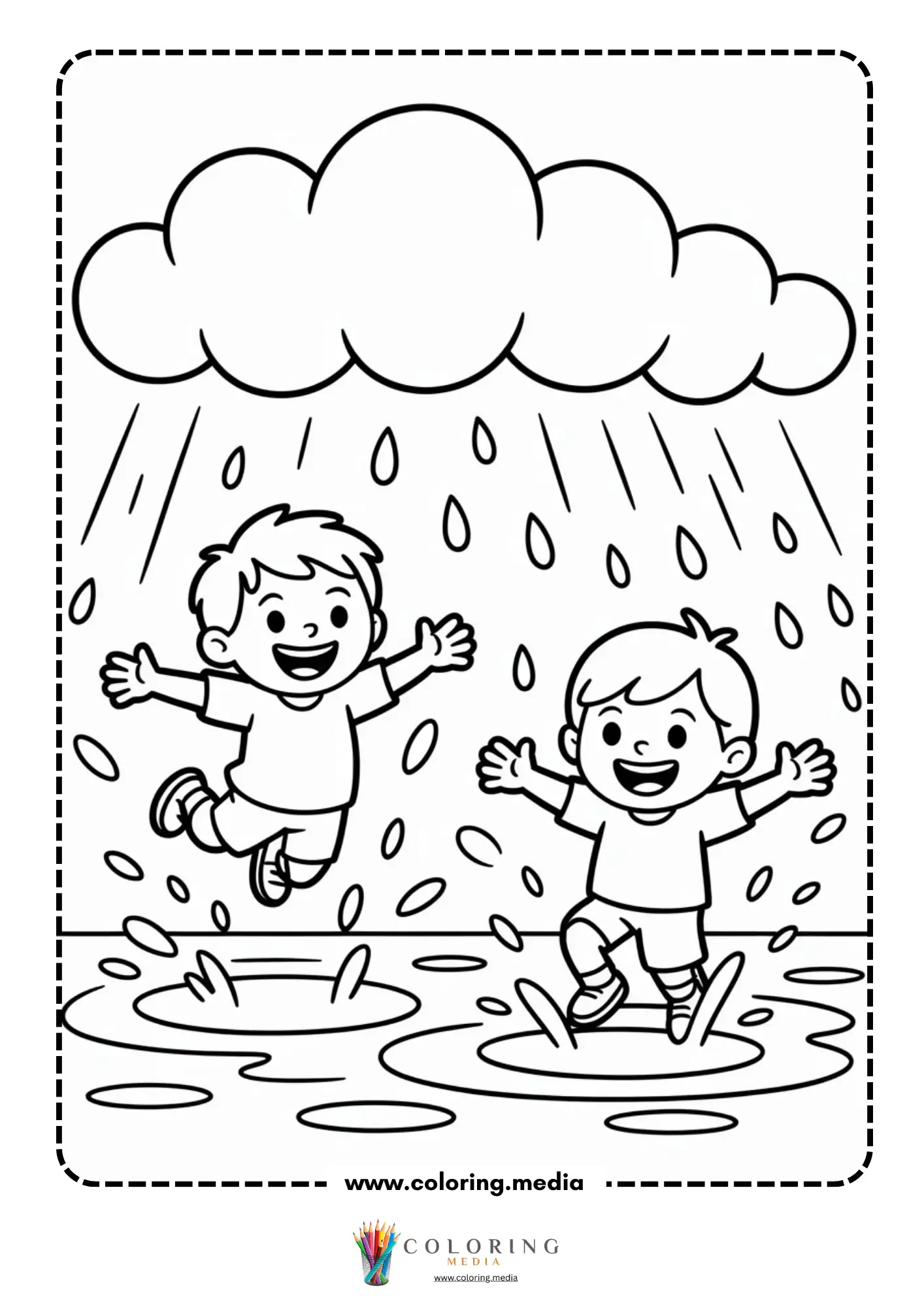
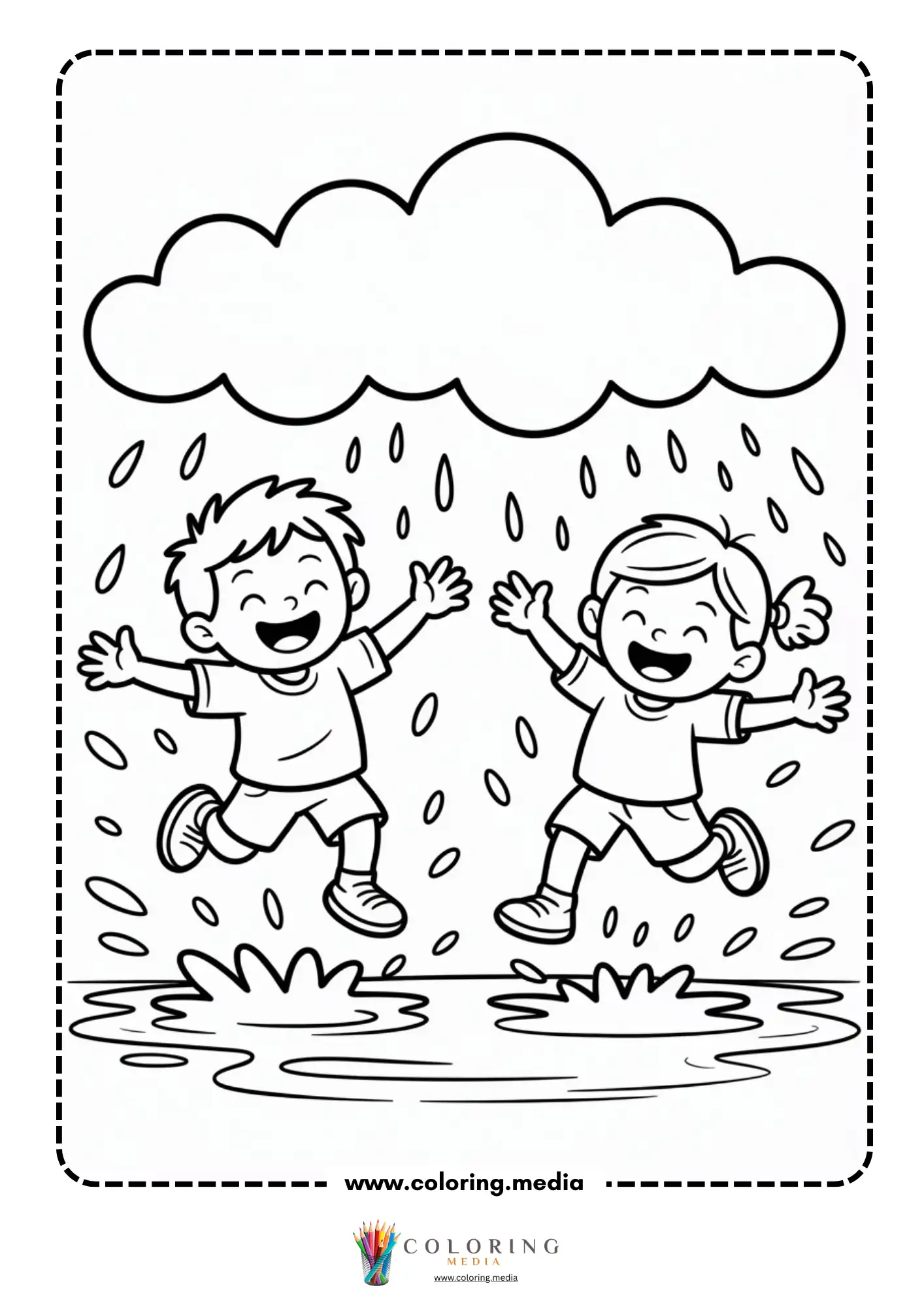
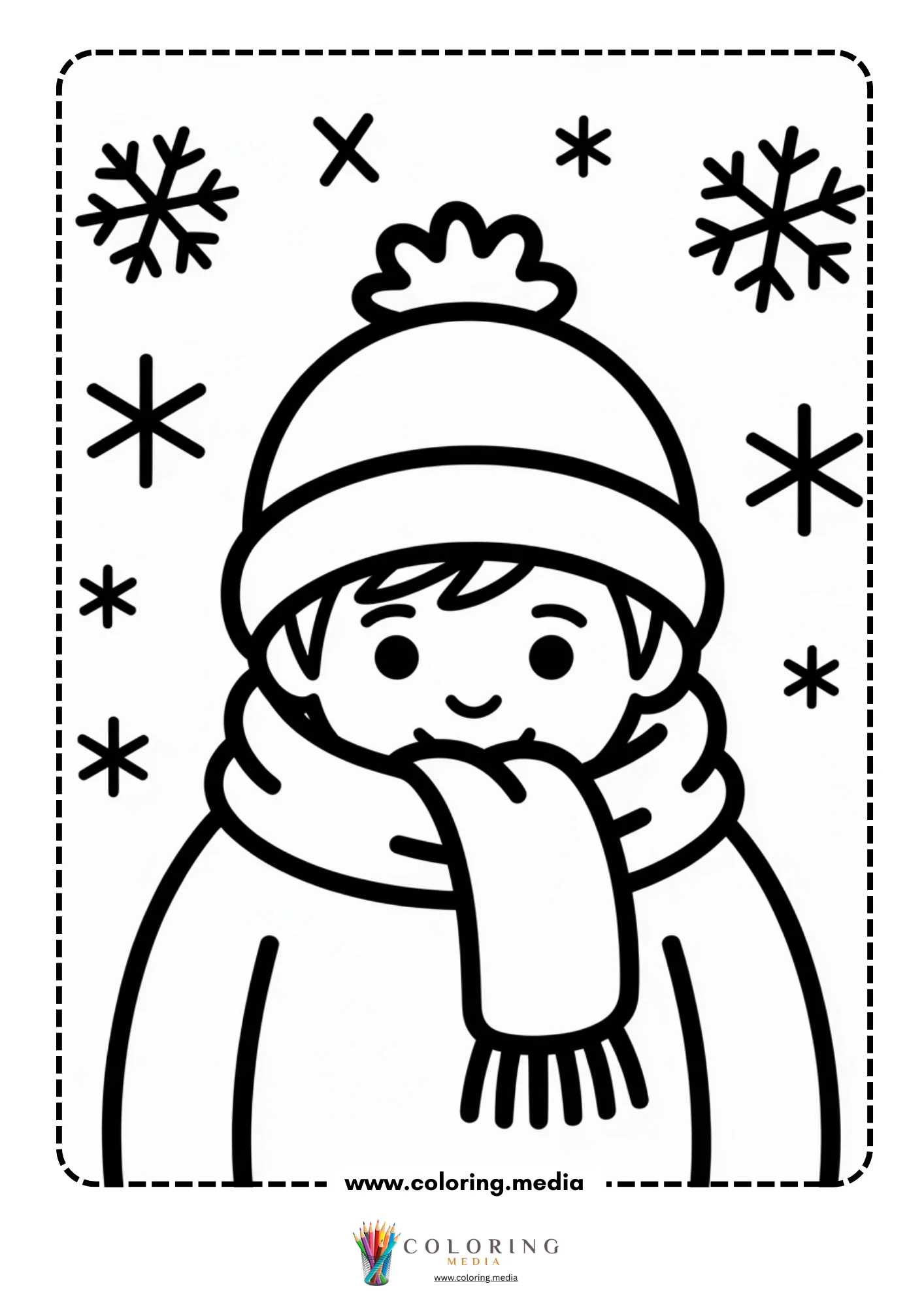
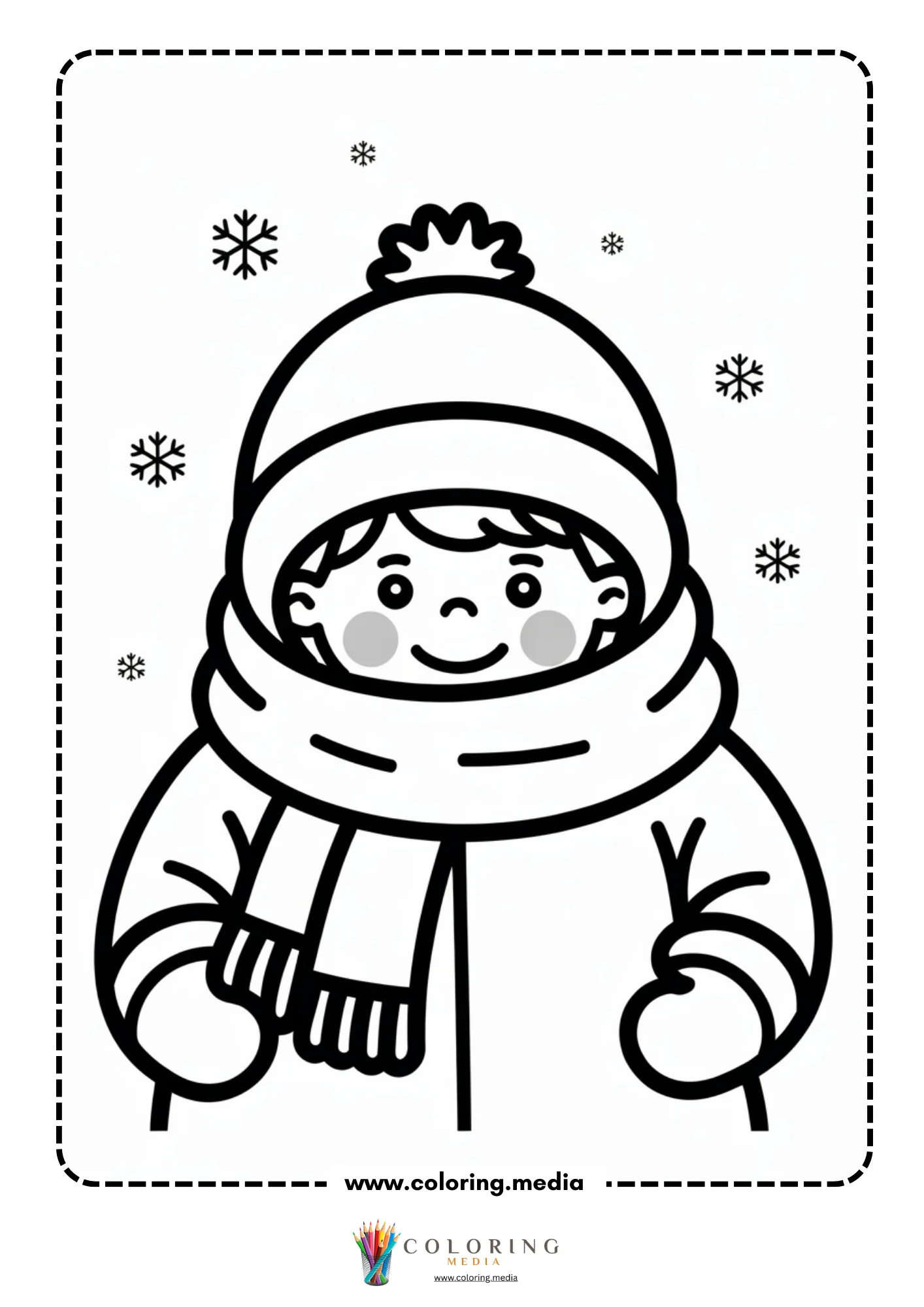
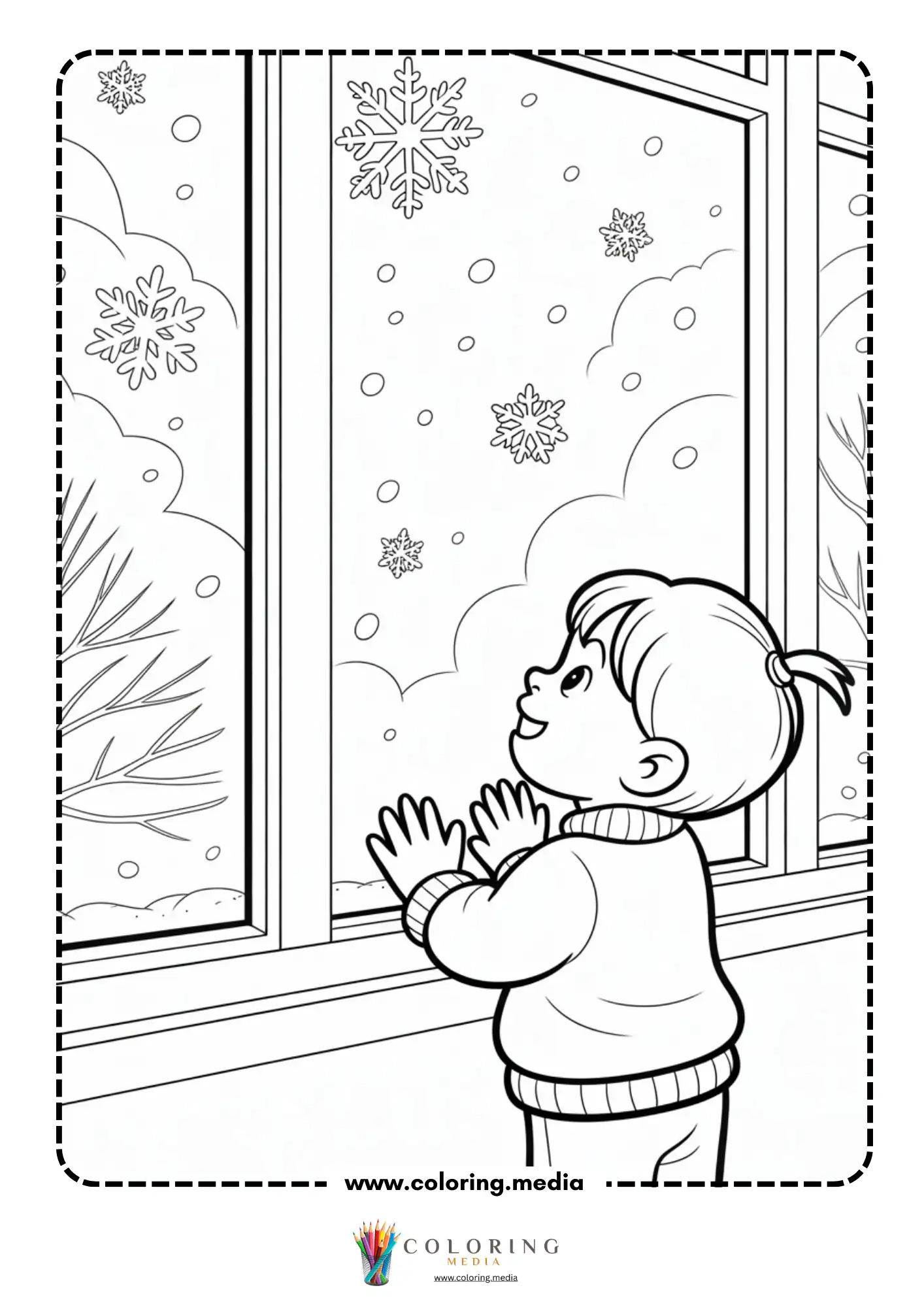
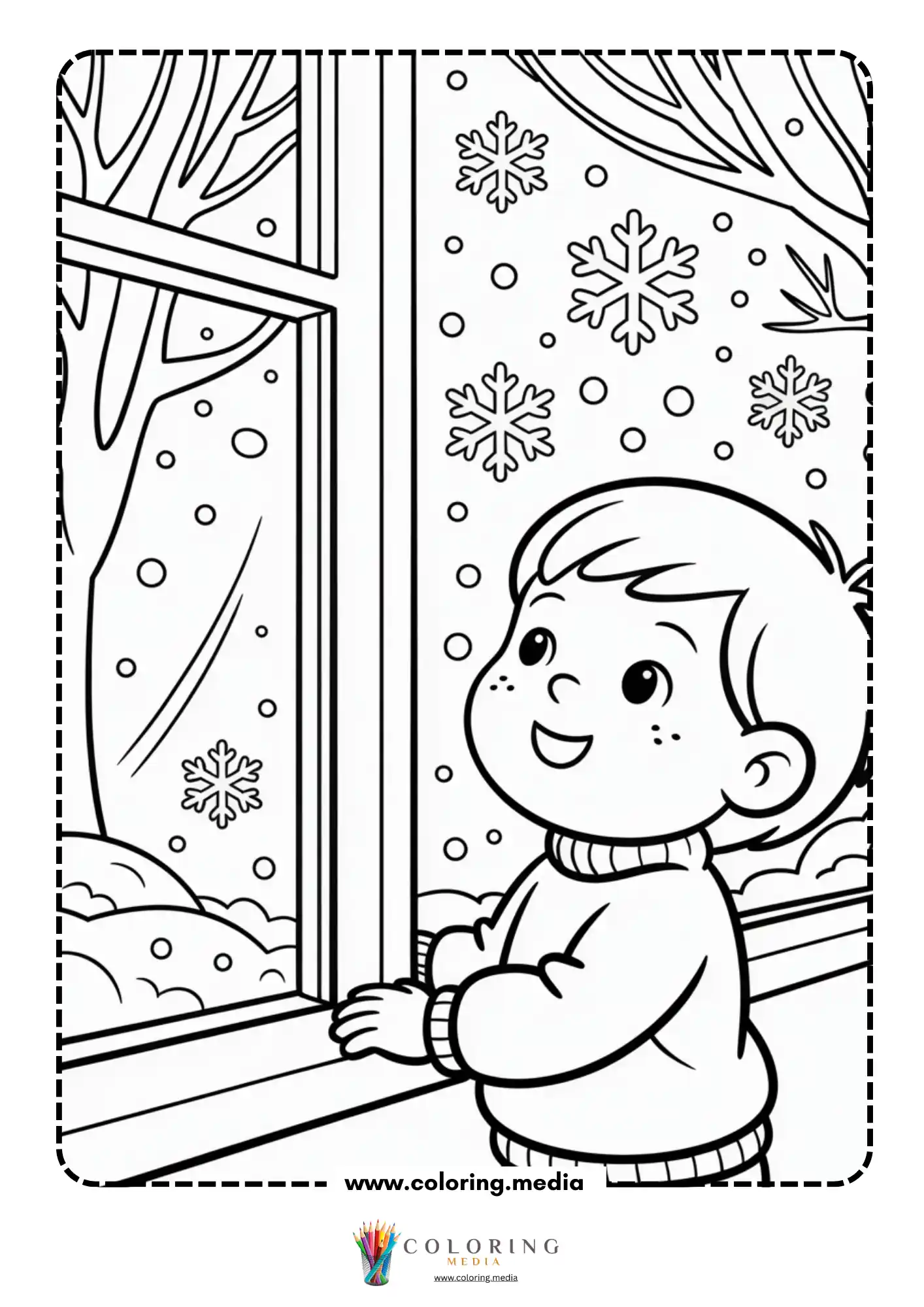
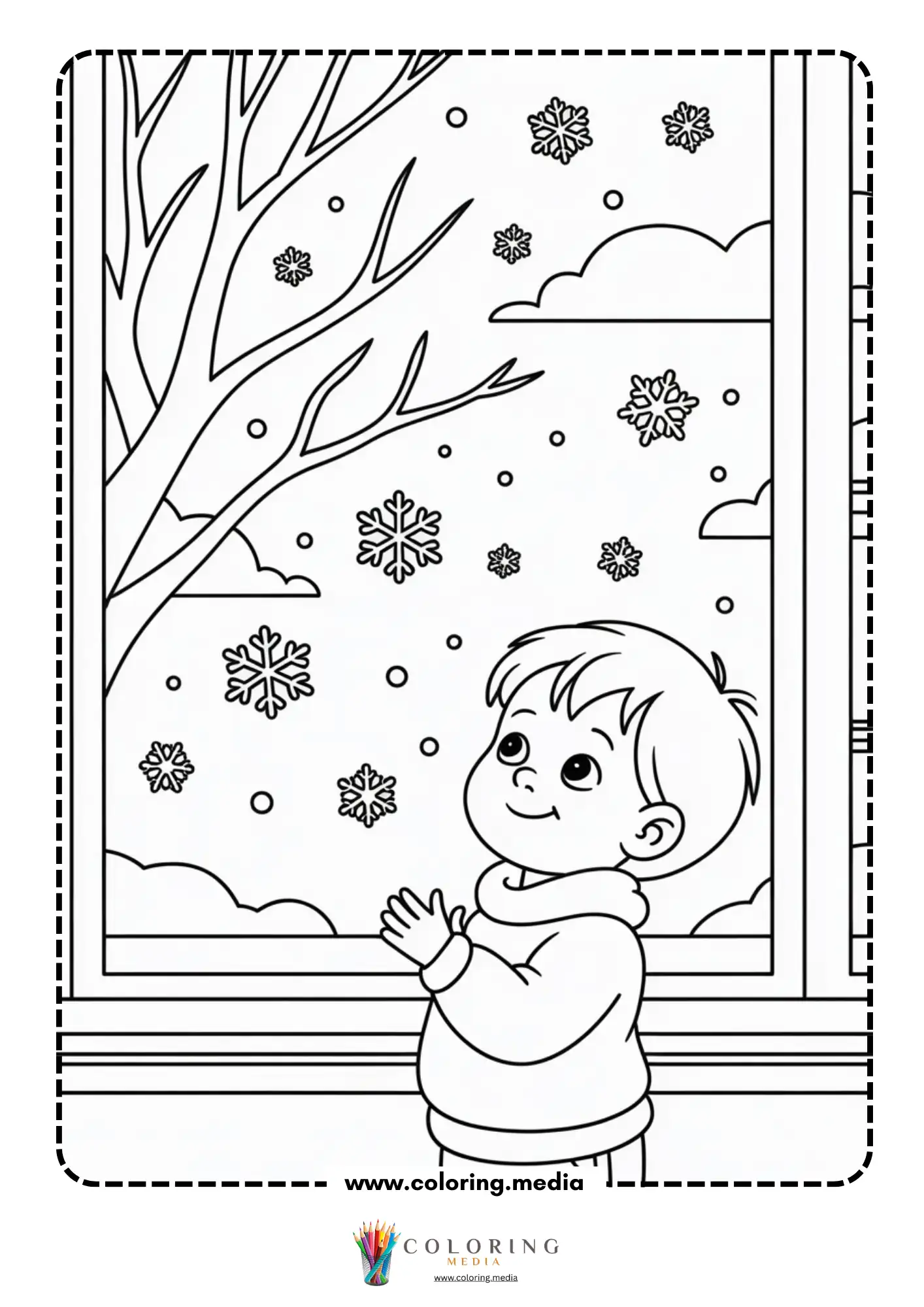
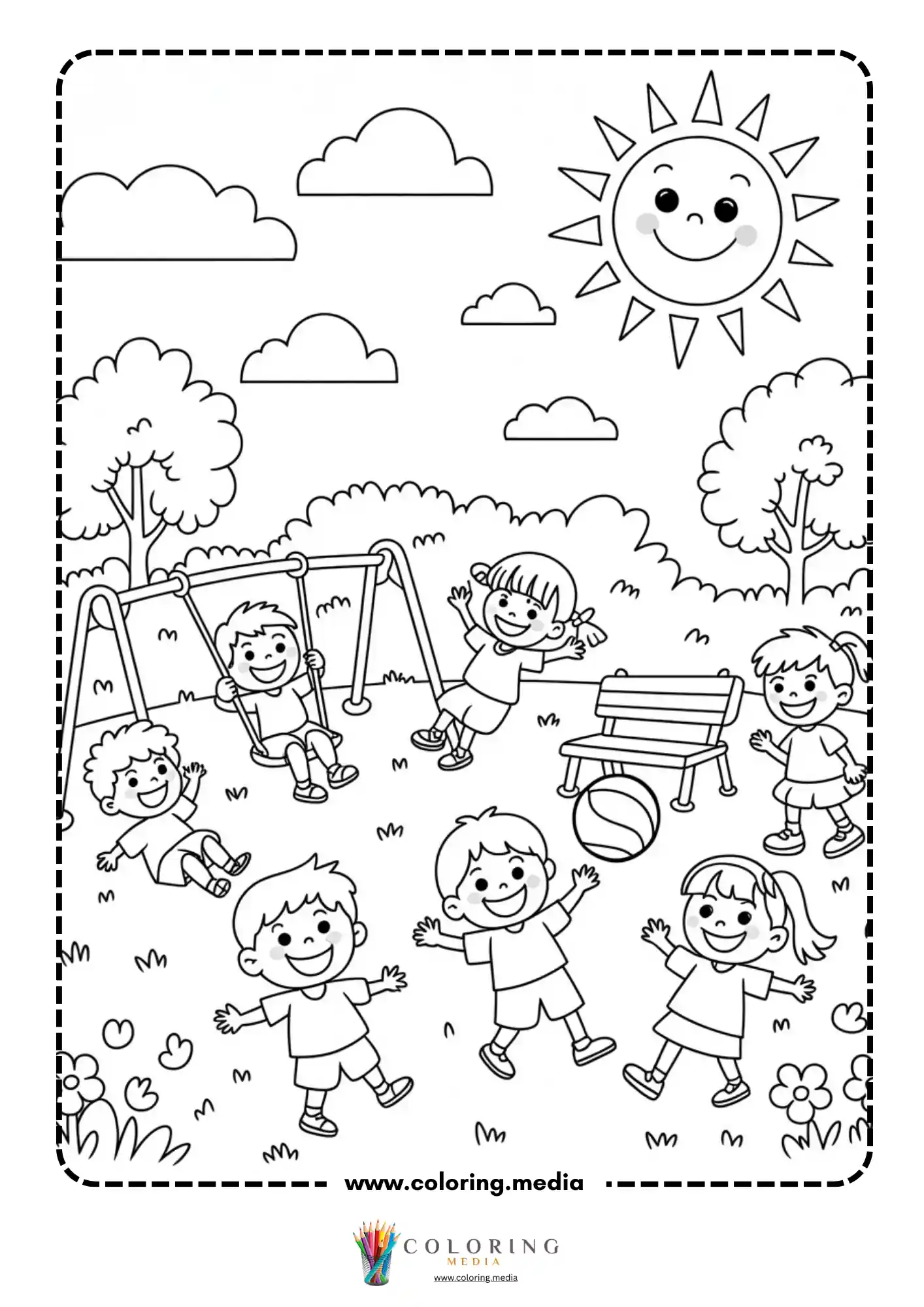
This collection includes 24 printable weather coloring pages featuring sunny days with a large illustrated sun, children in rain gear splashing in puddles and standing in showers, kite-flying scenes with clouds and wind, snowfall scenes with children and snowmen, a child looking through a window at falling snow, and overcast or partly cloudy scenes with fluffy cloud shapes. The recurring cast of child characters gives the set a cohesive feel across different weather types. All files print on standard A4 or US Letter paper.
Who Are These Weather Coloring Pages Best For?
Preschool-age children (3–4 years) can handle the simpler pages in this set — the large sunshine page, the straightforward snowman scenes, and the pages where one child stands in one type of weather with minimal background detail. The outlines on these pages are thick enough for a toddler-age child using fat crayons to manage with reasonable success.
Kindergarteners are the sweet spot. The full cast of weather scenes, the child characters to identify with, and the light seasonal detail give a five-year-old plenty to color without being overwhelming. A kindergartener can color a rain page on a rainy day, a snow page in winter, and a kite page in spring — which connects coloring to actual lived experience in a way that keeps the activity feeling relevant.
Early elementary students (grades 1–2) will find the kite-flying and crowd scenes most engaging, as these have the most layered backgrounds — sky gradients, overlapping clouds, multiple figures at different scales. For a science unit on seasons or weather patterns, the set also works as a visual anchor, with one page per weather type reviewed.
Interesting Weather Facts to Share While Coloring
Rain is not actually teardrop-shaped. Small raindrops are nearly spherical, while larger drops flatten on the bottom due to air resistance and look more like hamburger buns than teardrops. The classic pointed-bottom shape exists only in illustrations.
A cubic meter of snow can contain anywhere from 50 to 200 liters of water depending on how wet or dry it is. Dry powder snow that falls in very cold temperatures is mostly air — you would need a lot of it to get a significant amount of water.
Thunderstorms can produce up to 10,000 lightning strikes per second worldwide. At any given moment, there are roughly 2,000 thunderstorms in progress across Earth. Lightning heats the air around it to about 30,000 Kelvin — five times hotter than the surface of the sun.
The fastest wind speed ever recorded at the surface was 408 km/h during Tropical Cyclone Olivia in 1996 off Barrow Island, Australia. Hurricane-force winds — sustained at 119 km/h or more — cause structural damage that accounts for billions of dollars in losses each year.
Fog is simply a cloud at ground level. The difference between fog and clouds is purely one of altitude. Coastal fog often forms when warm, moist air rolls in over cold ocean water and the moisture condenses into tiny droplets at ground level.
Creative Weather Coloring and Craft Ideas
Seven-Day Weather Journal Print one page per day for a week and color it to match the actual weather outside each morning — a matching activity between the page and real life.
Raindrop Watercolor Technique For the rain pages, color the child and background, then dip a fine brush in light blue watercolor and flick thin lines across the page to add real rain streaks.
Dress the Character On a weather page where the child is not yet wearing season-appropriate gear, draw and color the clothes you would add to keep them comfortable.
Weather Forecast Poster Choose four pages representing four different weather types, color them, cut them out, and arrange them on a poster-board weather map with labels and temperature ranges.
Kite Design Contest For the kite-flying pages, color the kite in a personal design, then describe what pattern or picture you put on your kite and why.
Snowflake Add-On On the snow pages, use a white gel pen or correction fluid to draw unique snowflake designs in the blank sky areas — no two the same.
Seasons Accordion Book Print one rain page, one snow page, one sunny page, and one windy page. Color all four, fold into an accordion, and label with the matching season.
Sound Map While coloring a weather scene, list five sounds you would hear if you were actually in that scene. Write them in the margins of the page.
How to Print These Weather Coloring Pages
Each file downloads as a single-page PDF at 300 dpi, formatted for both A4 and US Letter paper. Print from Adobe Reader or your browser’s print dialog with ‘fit to page’ enabled. Standard 80gsm copy paper handles crayons and colored pencils without issue. For the watercolor technique mentioned above, print onto 120gsm paper first so it does not buckle. Select black-and-white printing to save ink.
Explore More Science-Nature Coloring Pages
If you enjoyed these pages, you may also like:
Renewable Energy Coloring Pages
Earth Science Coloring Pages
Volcano Coloring Pages
Ocean Coloring Pages
Science & Nature Coloring Pages