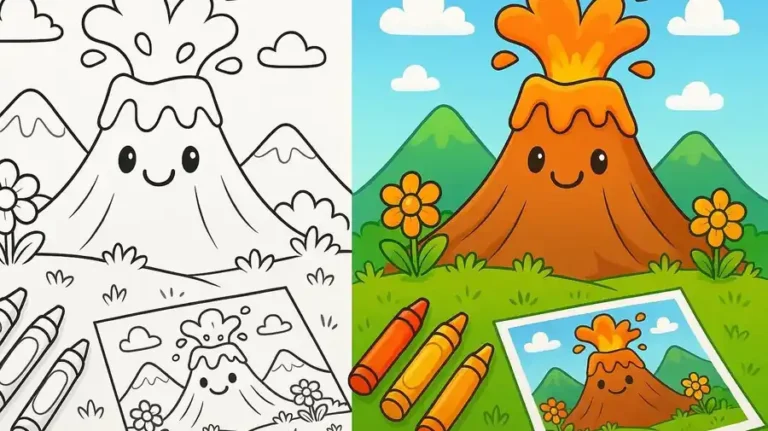

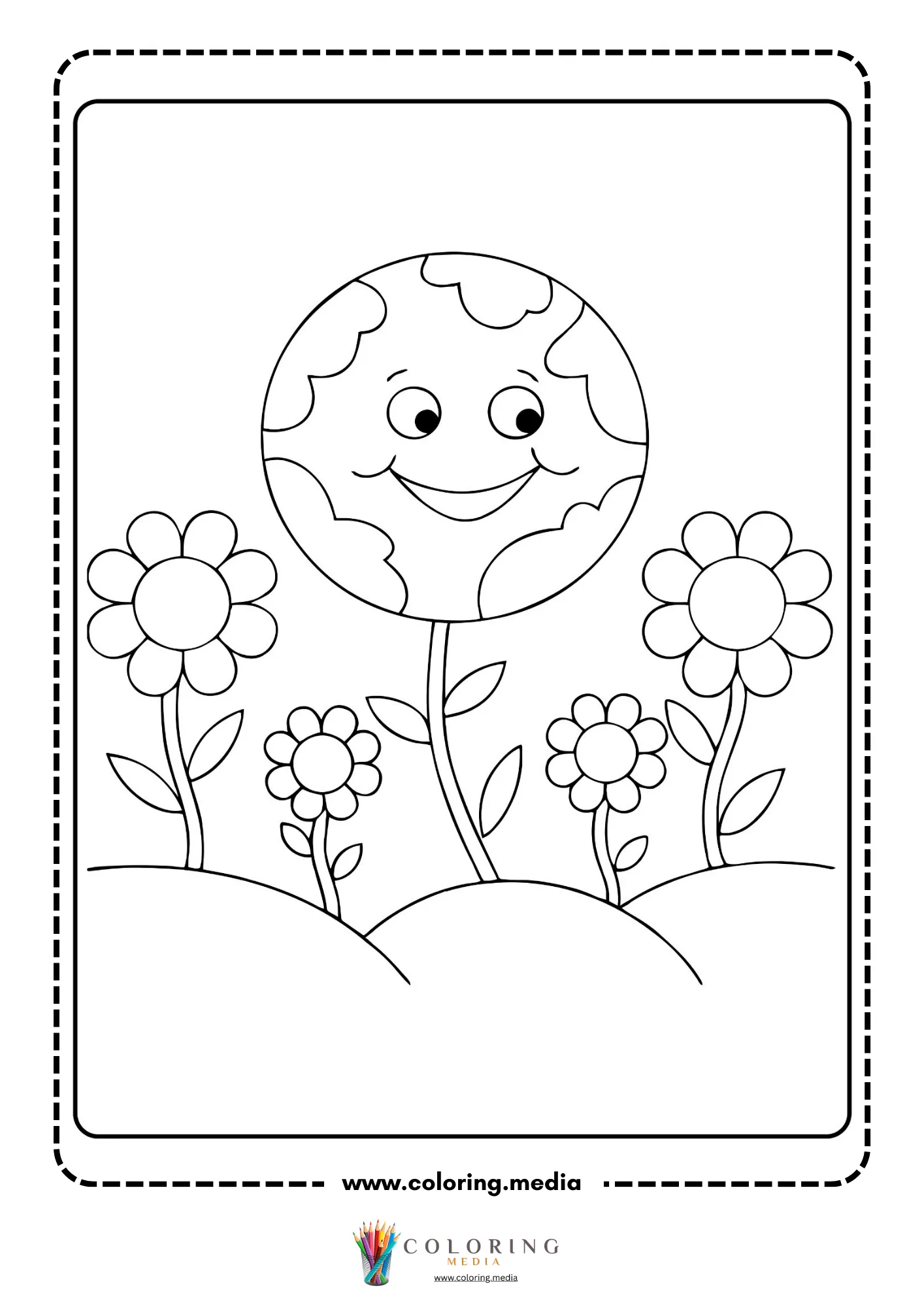
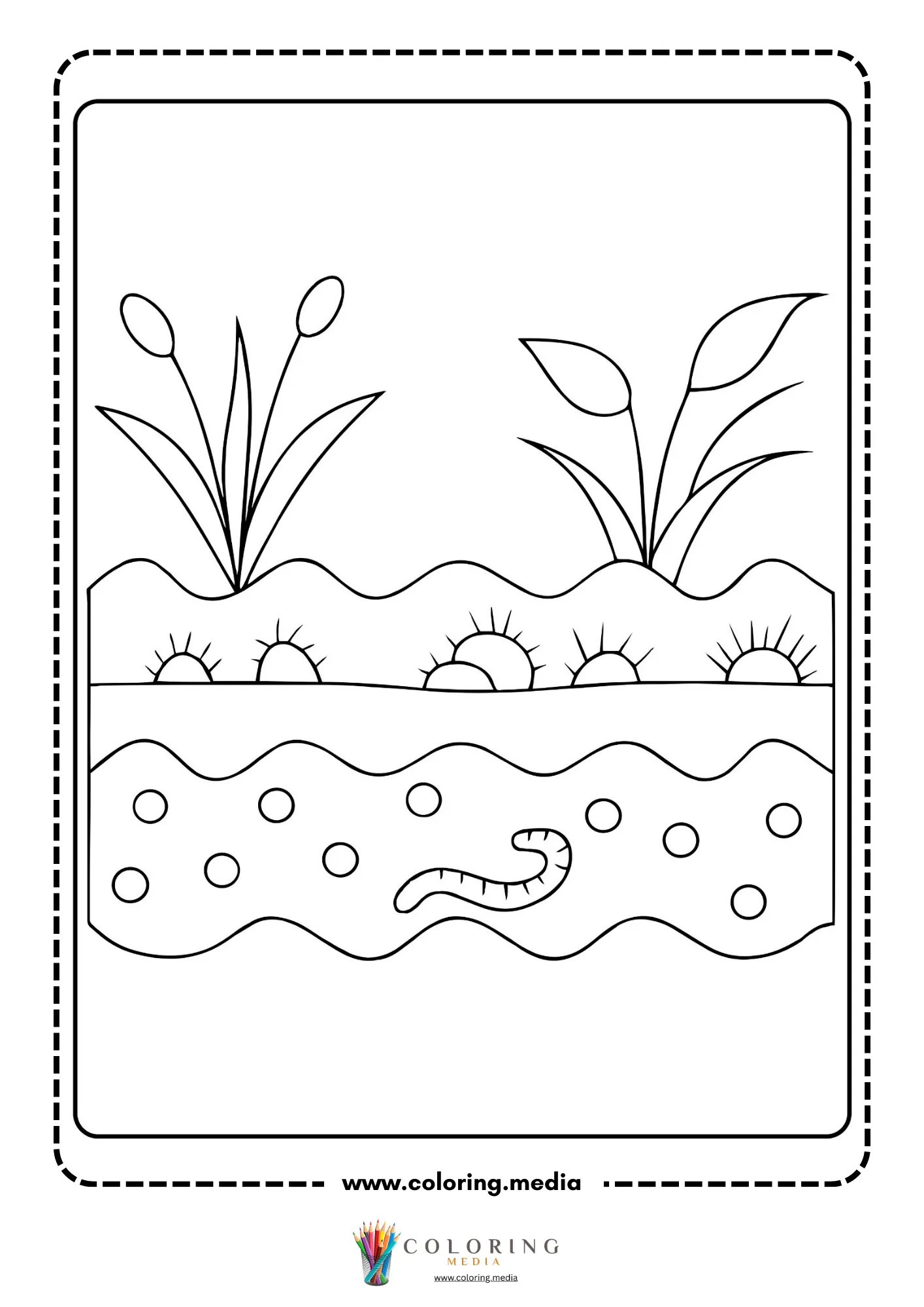
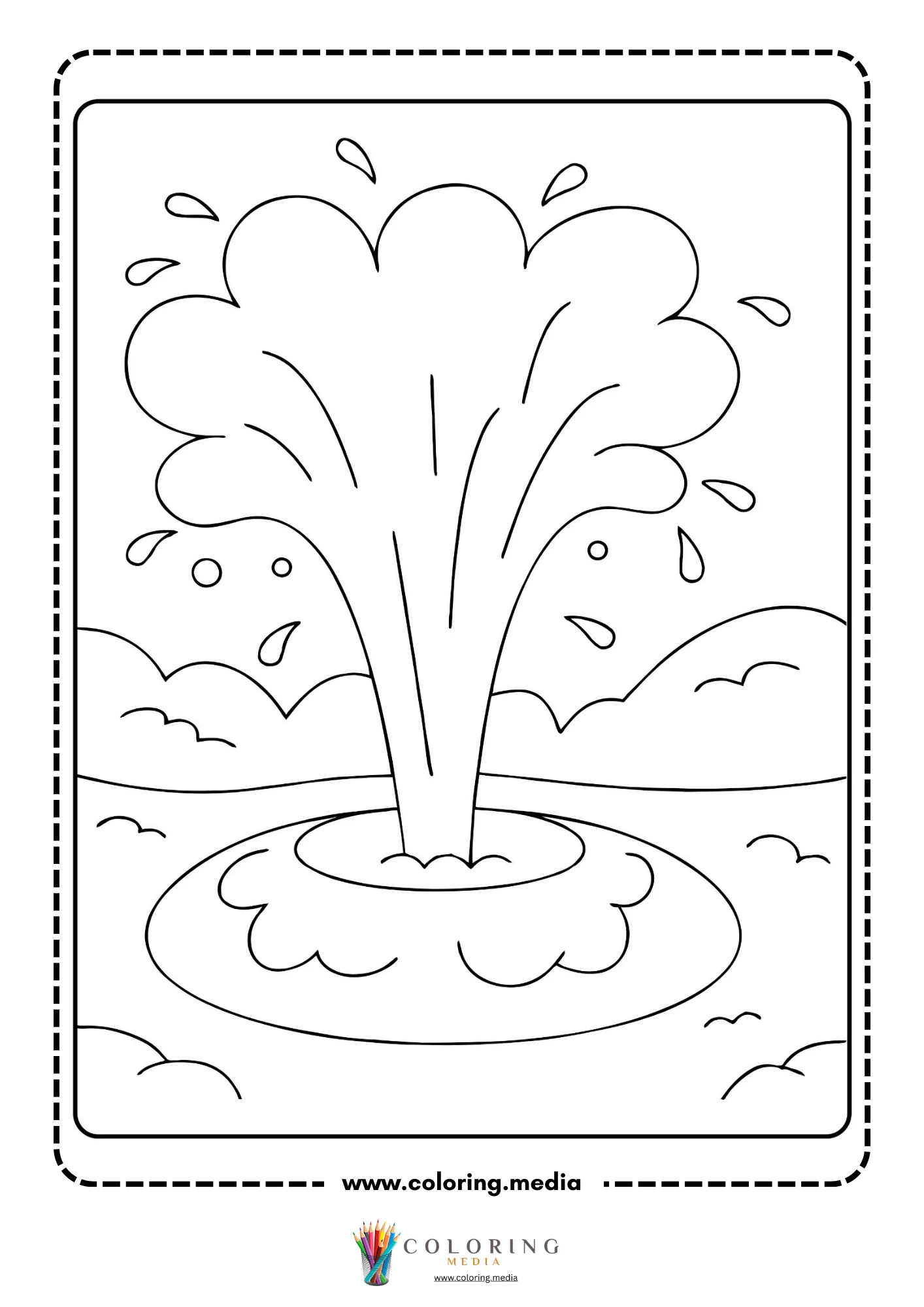
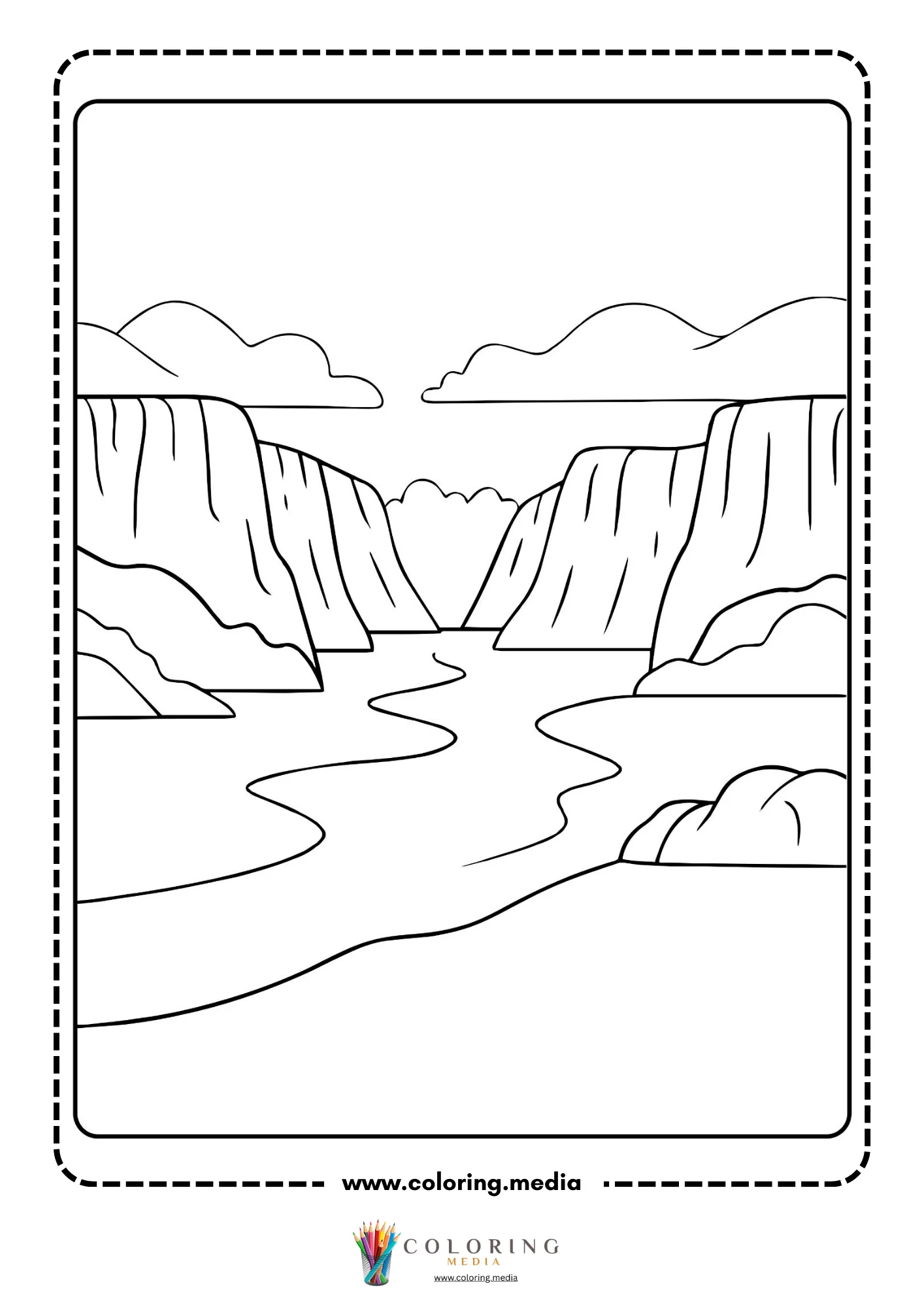
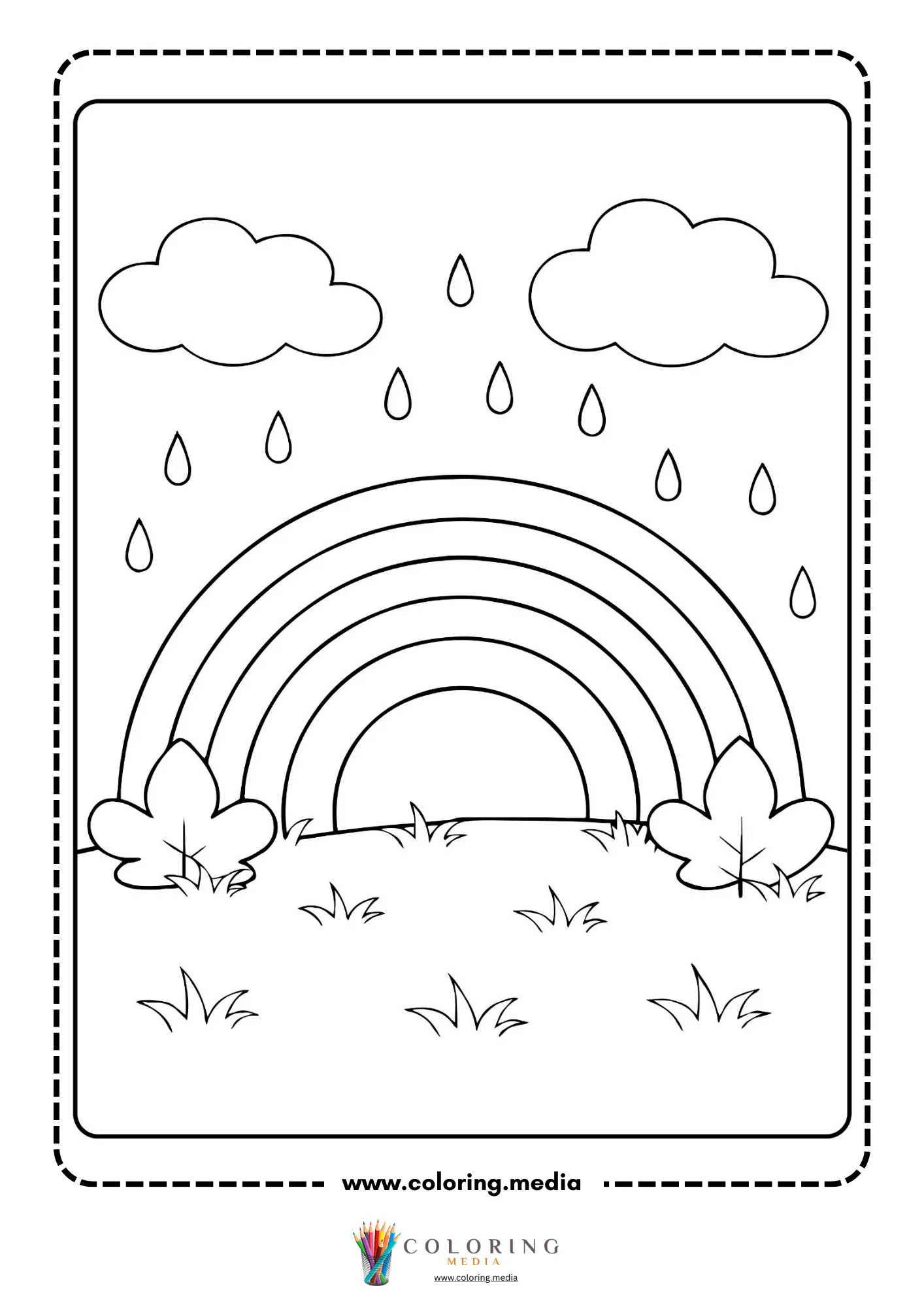
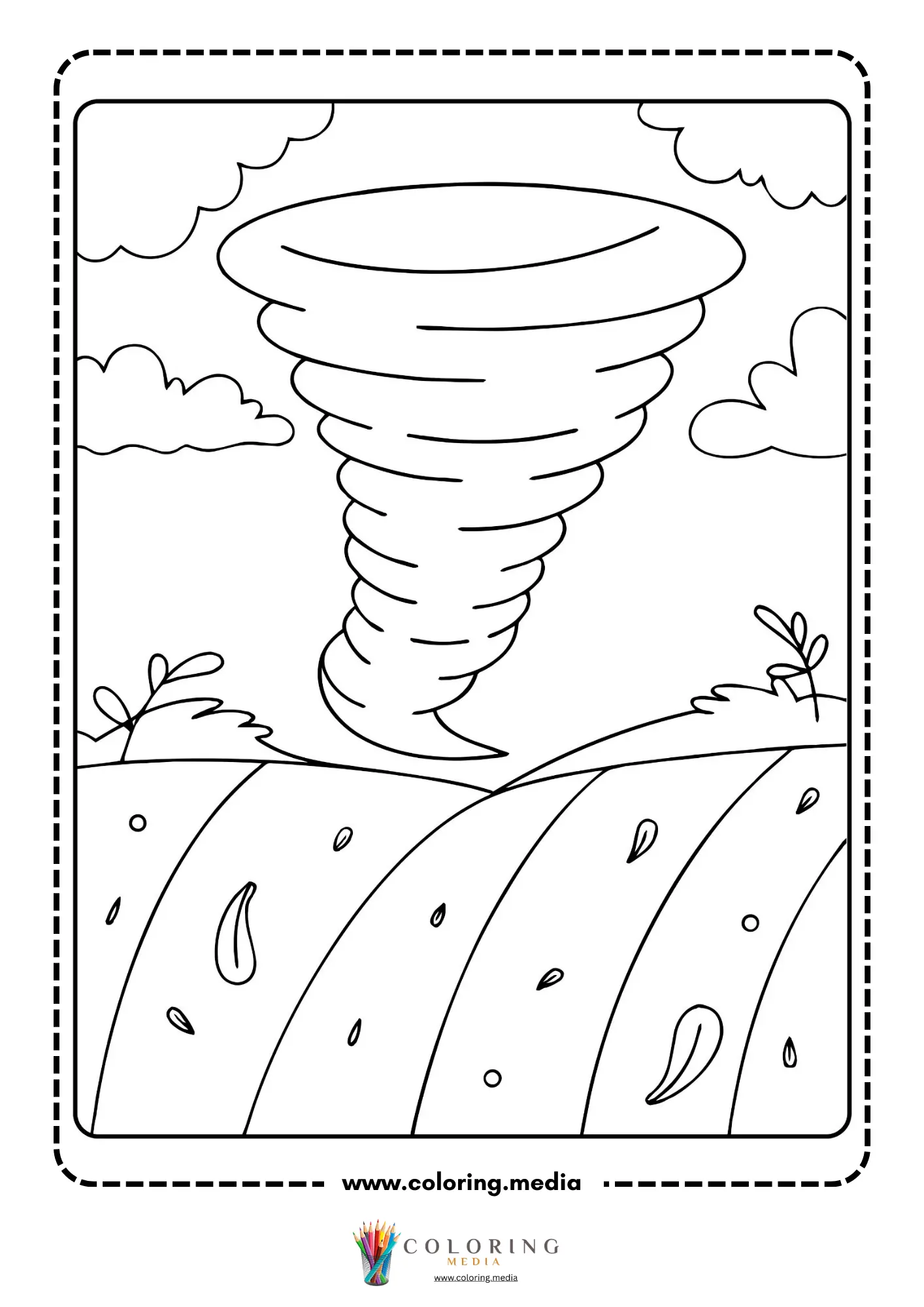
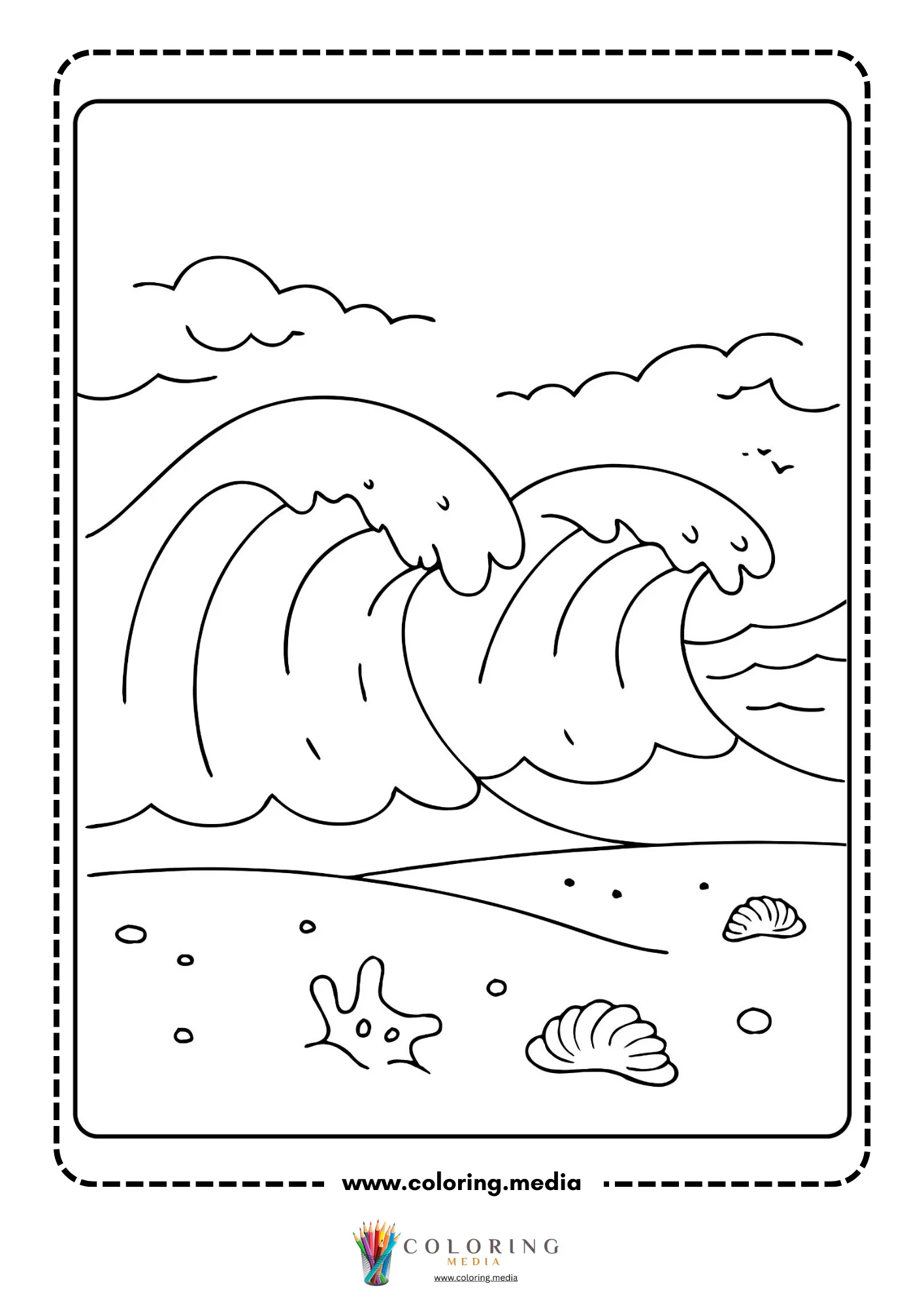
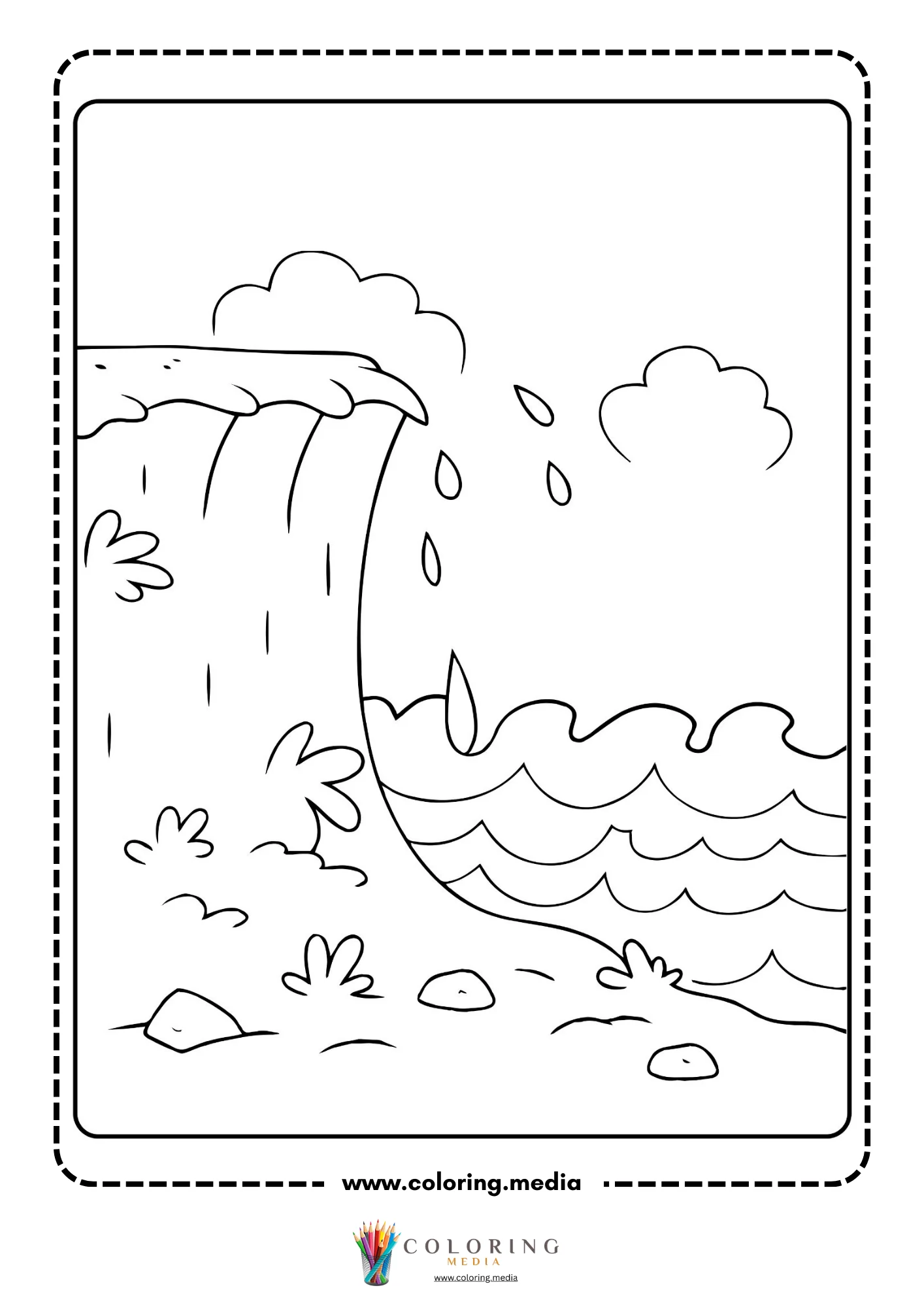
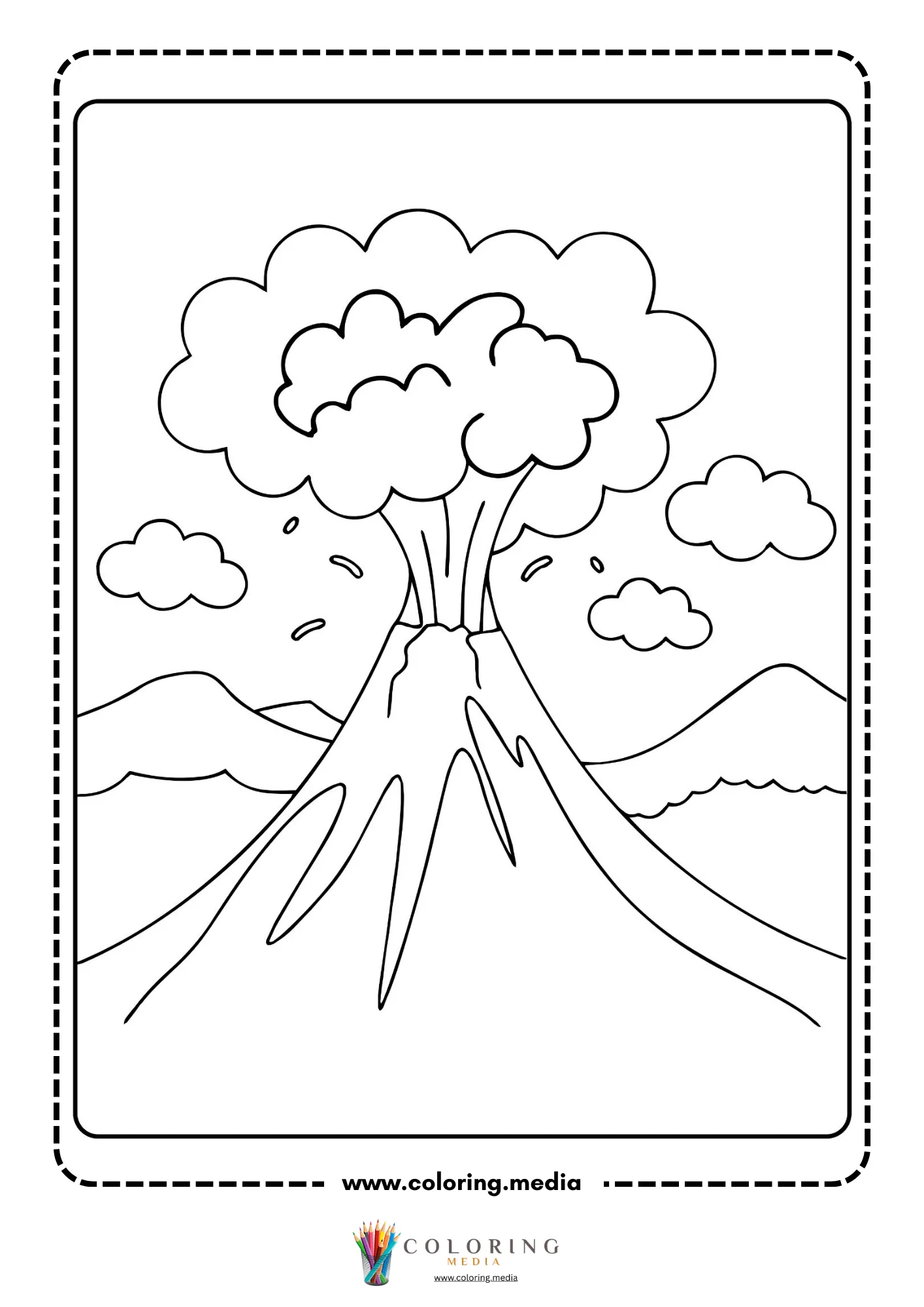
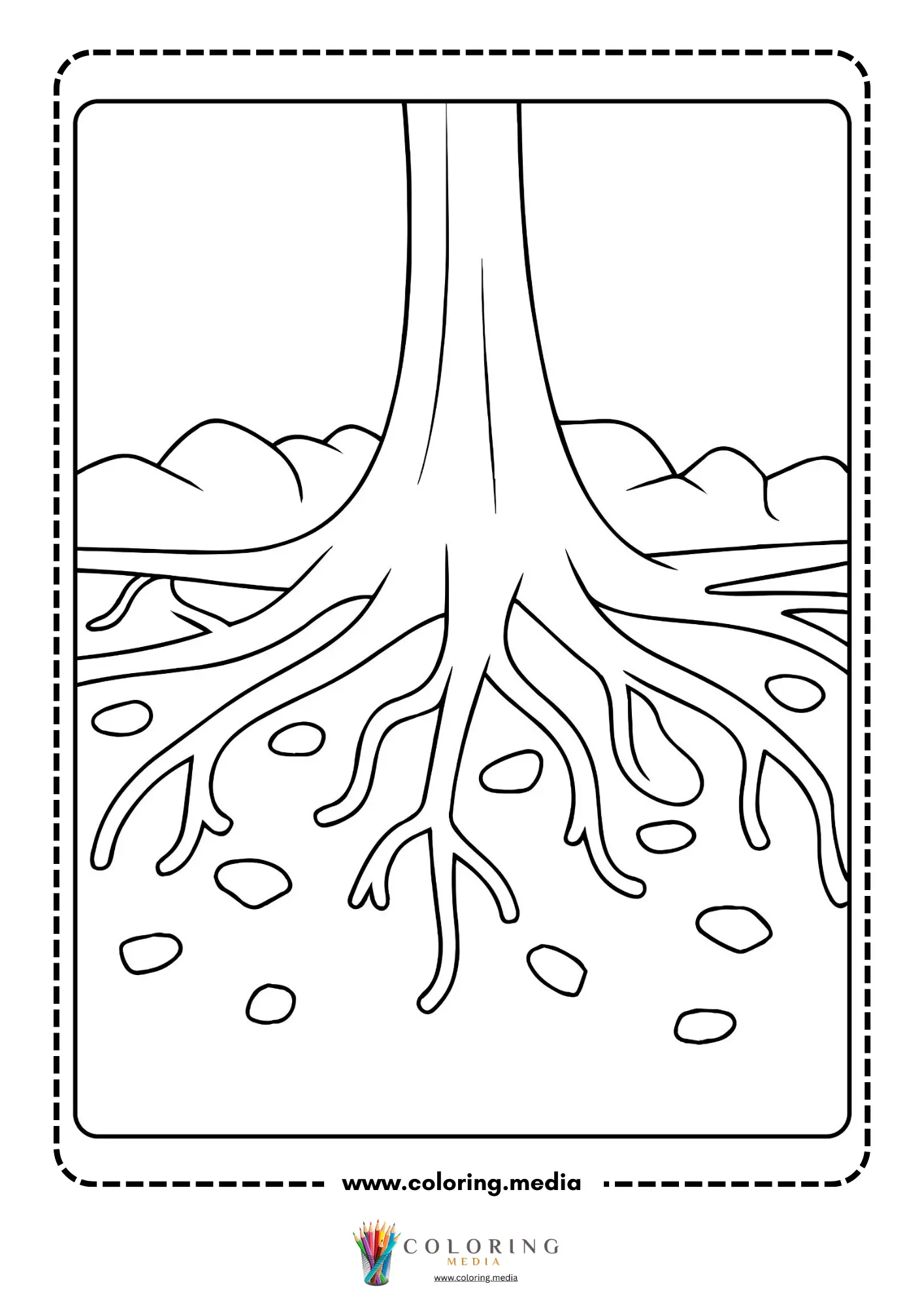
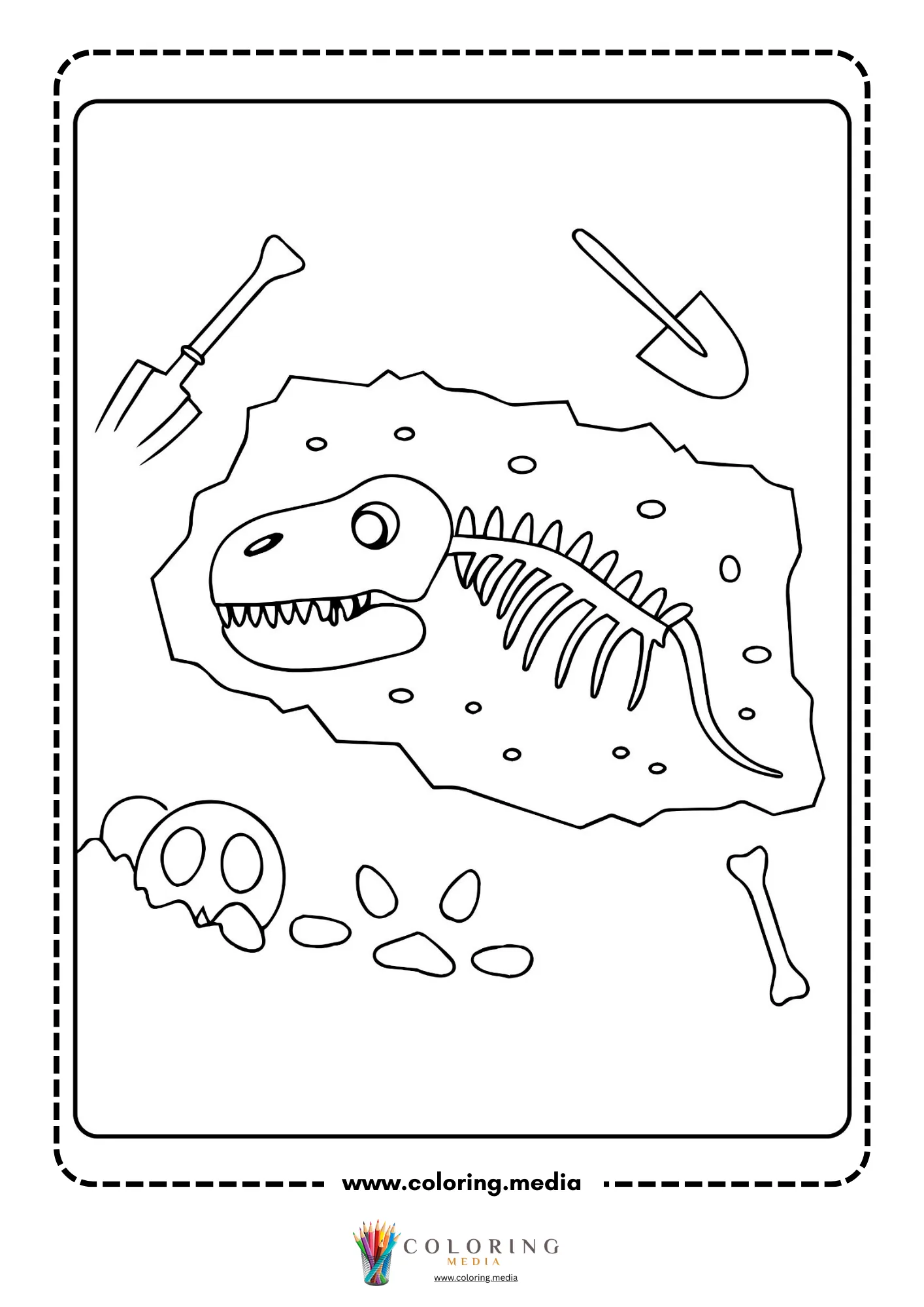
These 20 pages illustrate the physical processes that shape Earth — rain falling over a landscape, erosion carving a hillside, a tsunami wave approaching shore, volcanic eruption, geological soil layers in cross-section, a dinosaur in its prehistoric landscape, an ocean reef scene, a geothermal geyser, a canyon waterfall, a rainbow arcing after rain, and a tornado touching down on open farmland. Each page is a scene rather than a diagram, drawn in a clear cartoon style that makes complex phenomena visible without requiring any prior science knowledge.
Earth science covers systems so large and slow that children rarely see them directly. These pages compress those processes into a single image — the timeline of erosion into one cross-section, the violence of a volcanic eruption into a single dramatic scene — giving children a concrete visual that abstract text descriptions cannot. Everything here is free to download and easy to print.
Free Printable Earth Science Coloring Pages
This collection includes 20 printable earth science coloring pages covering geological and atmospheric phenomena — weather events, erosion, tsunamis, volcanic activity, prehistoric life, ocean ecosystems, geysers, canyons, rainbows, and tornadoes. Each page is an illustrated scene in a clean cartoon outline style with enough detail to represent the real phenomenon accurately. Print on US Letter or A4 paper.
Who Are These Earth Science Coloring Pages Best For?
Early-elementary children (ages 6-9) are the primary audience. Earth science concepts — water cycles, erosion, weather patterns, geological time — appear in most elementary science curricula between grades 2 and 5, and these pages provide visual anchors for each topic. A child who has colored a geyser page already has an image in mind when a teacher later explains hydrothermal activity.
These pages also work as natural conversation starters rather than formal lessons. A tornado page prompts questions about why tornadoes form; an ocean reef page leads into discussion of marine ecosystems; a geological layer page raises questions about how we know what Earth looked like millions of years ago. The coloring activity buys enough quiet engagement time for these conversations to develop.
For homeschool units covering any of the featured topics, individual pages can be pulled to match the specific lesson. The tsunami page pairs with an ocean science lesson; the cross-section soil page pairs with a geology unit; the rainbow page pairs with a light and color science lesson.
Interesting Earth Science Facts to Share While Coloring
The oldest rock on Earth is 4.03 billion years old — found in northern Canada in the Acasta Gneiss formation. Earth itself is about 4.54 billion years old, so this rock formed only about 500 million years after the planet did. The rock record gets increasingly sparse the further back in time you go.
A volcano can shoot ash 40 kilometers (25 miles) into the atmosphere. The 1991 Mount Pinatubo eruption in the Philippines ejected so much sulfur dioxide into the stratosphere that it cooled global temperatures by about 0.5 degrees Celsius for the following two years — a real planetary-scale event from a single eruption.
Rainbows always appear opposite the sun. The angle between sunlight, a water droplet, and your eye determines which colors you see — and that geometry means a rainbow arc always appears at exactly 42 degrees from the point directly opposite the sun. You can never get closer to a rainbow; it moves as you move.
The Grand Canyon took approximately 5-6 million years to form as the Colorado River carved through the Colorado Plateau. The layers exposed in the canyon walls represent nearly 2 billion years of geological history — the bottom rocks are among the oldest exposed rocks on Earth’s surface.
Creative Earth Science Coloring and Craft Ideas
Geological Layer Cake After coloring the soil cross-section page, build a real geological layer model using Play-Doh in different colors to represent sedimentary, metamorphic, and igneous rock layers.
Water Cycle Diagram After the rain page, draw a simple water cycle diagram alongside it — evaporation, condensation, precipitation — and connect what the coloring shows to what the diagram labels.
Tornado in a Bottle Fill two plastic bottles with water, connect them at the neck with tape, and swirl the top bottle to create a vortex — a simple model of the rotating funnel shown in the tornado page.
Rock Collection Match Find three types of rocks (igneous, sedimentary, metamorphic) and match each to the geological processes shown in the coloring pages.
Before and After Draw a simple hill beside the erosion page showing what the landscape looked like before water carved it — a sequencing exercise that deepens understanding of geological change.
Natural Disaster Map After coloring the volcano, tsunami, and earthquake pages, mark on a world map where each type of event most commonly occurs.
Geyser Experiment Drop a Mentos into a bottle of soda to demonstrate how pressure buildup causes sudden eruption — a simple model of the geyser process shown in the coloring page.
Weather Journal Use the weather phenomenon pages as prompts for a week-long weather journal — check the actual weather each day and color the matching page.
How to Print These Earth Science Coloring Pages
Each page downloads as a PDF formatted for US Letter and A4 paper. Standard copy paper works well for crayons and colored pencils. For a classroom nature bulletin board, print at 11×17 tabloid size if your printer supports it for larger display pages. Grayscale printing reproduces all scene details cleanly.
Explore More Science & Nature Coloring Pages
If you enjoyed these pages, you may also like:
Earthquake Coloring Pages
Volcano Coloring Pages
Global Warming Coloring Pages
Ecosystem Coloring Pages
Science & Nature Coloring Pages