
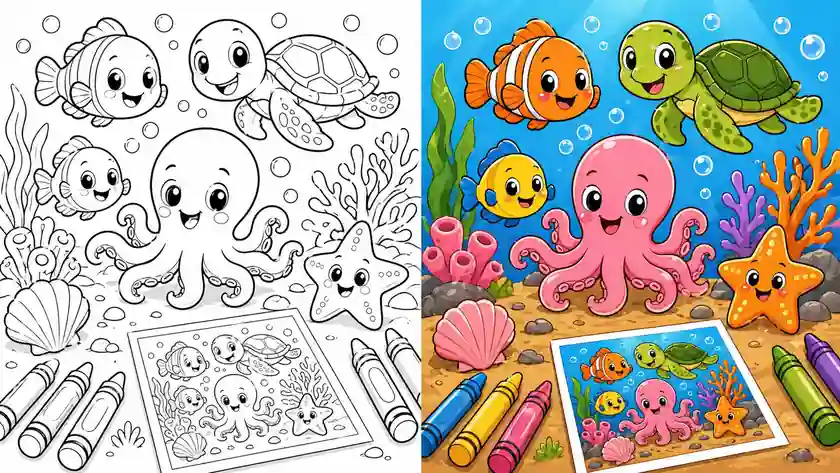
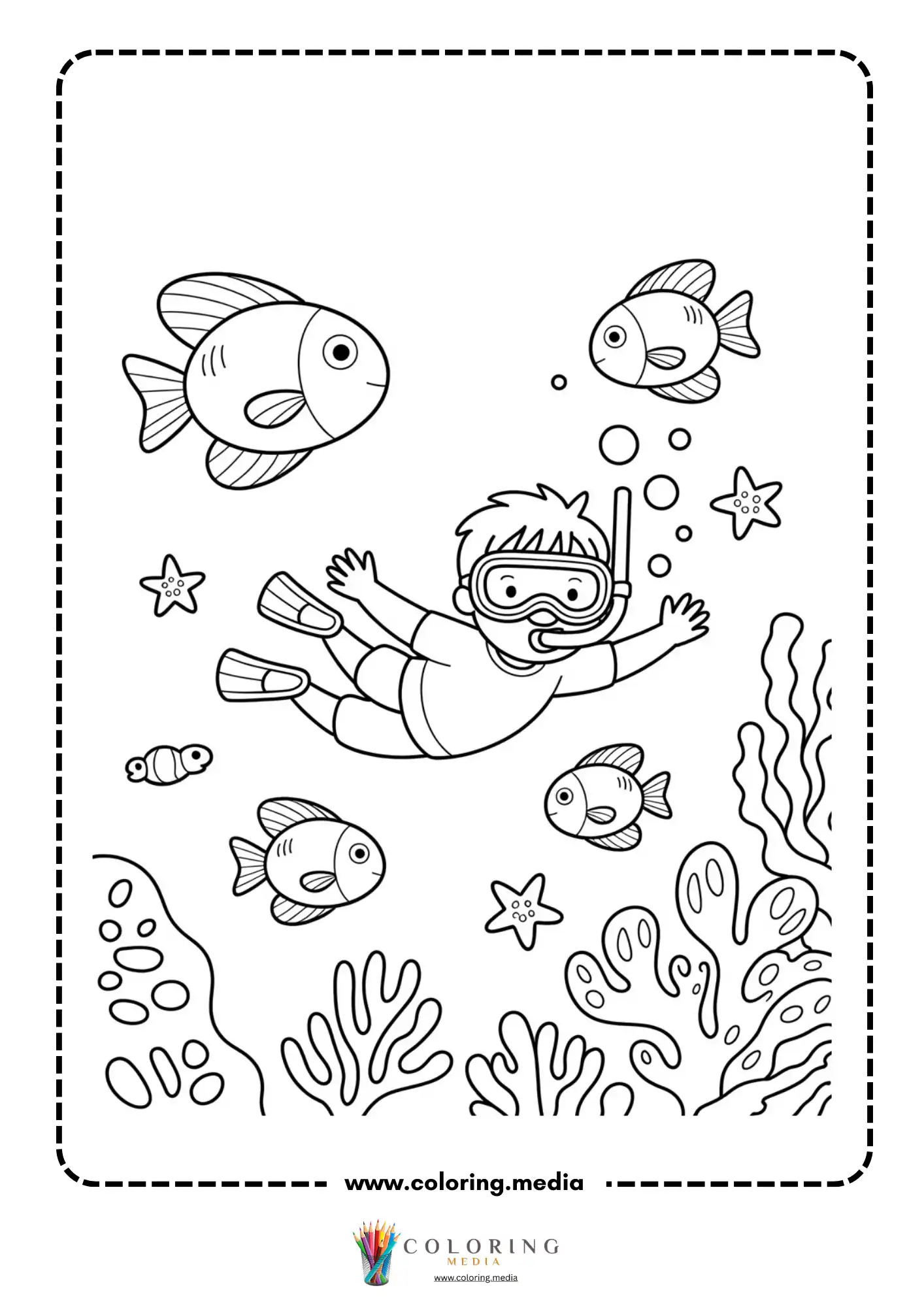
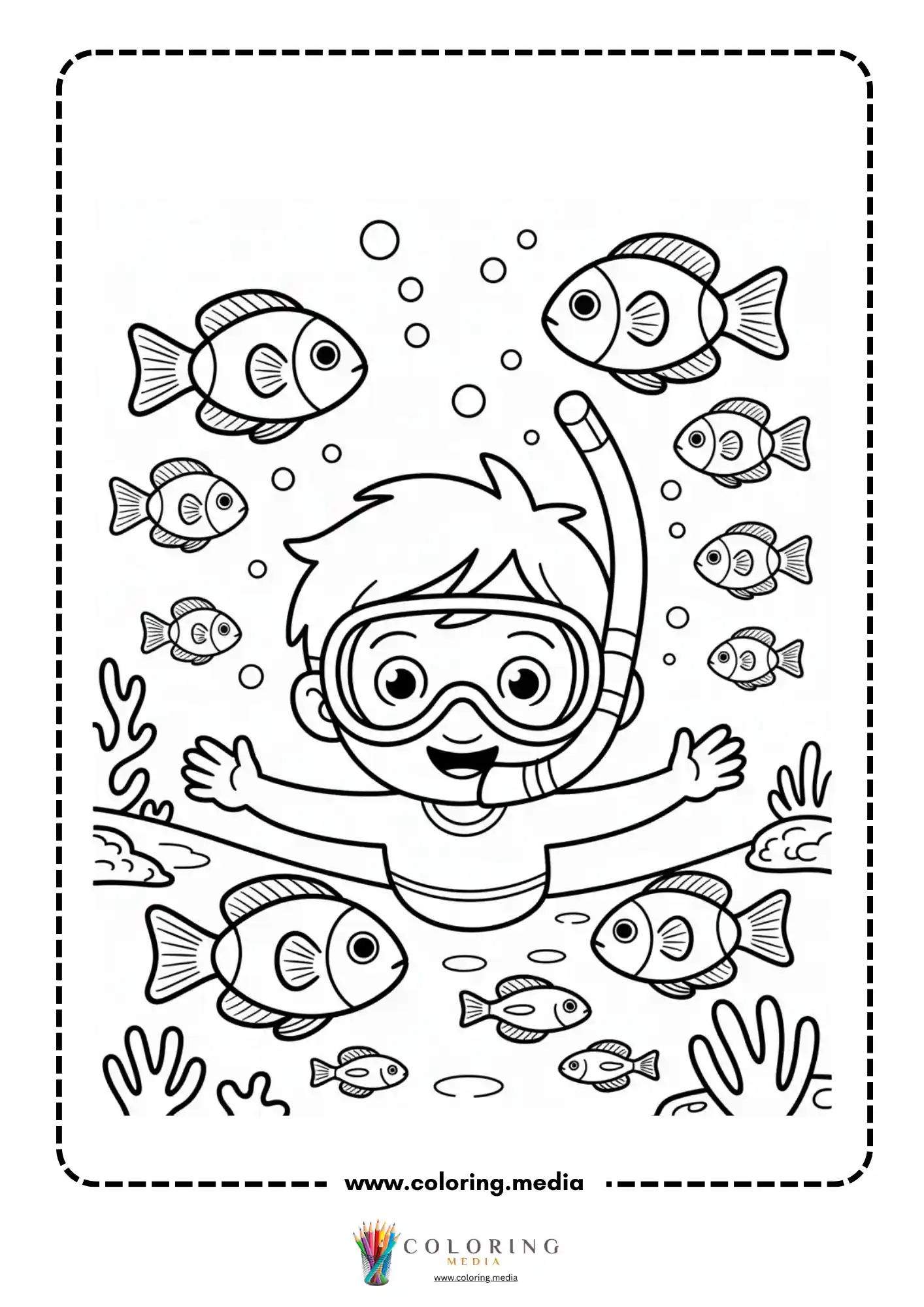
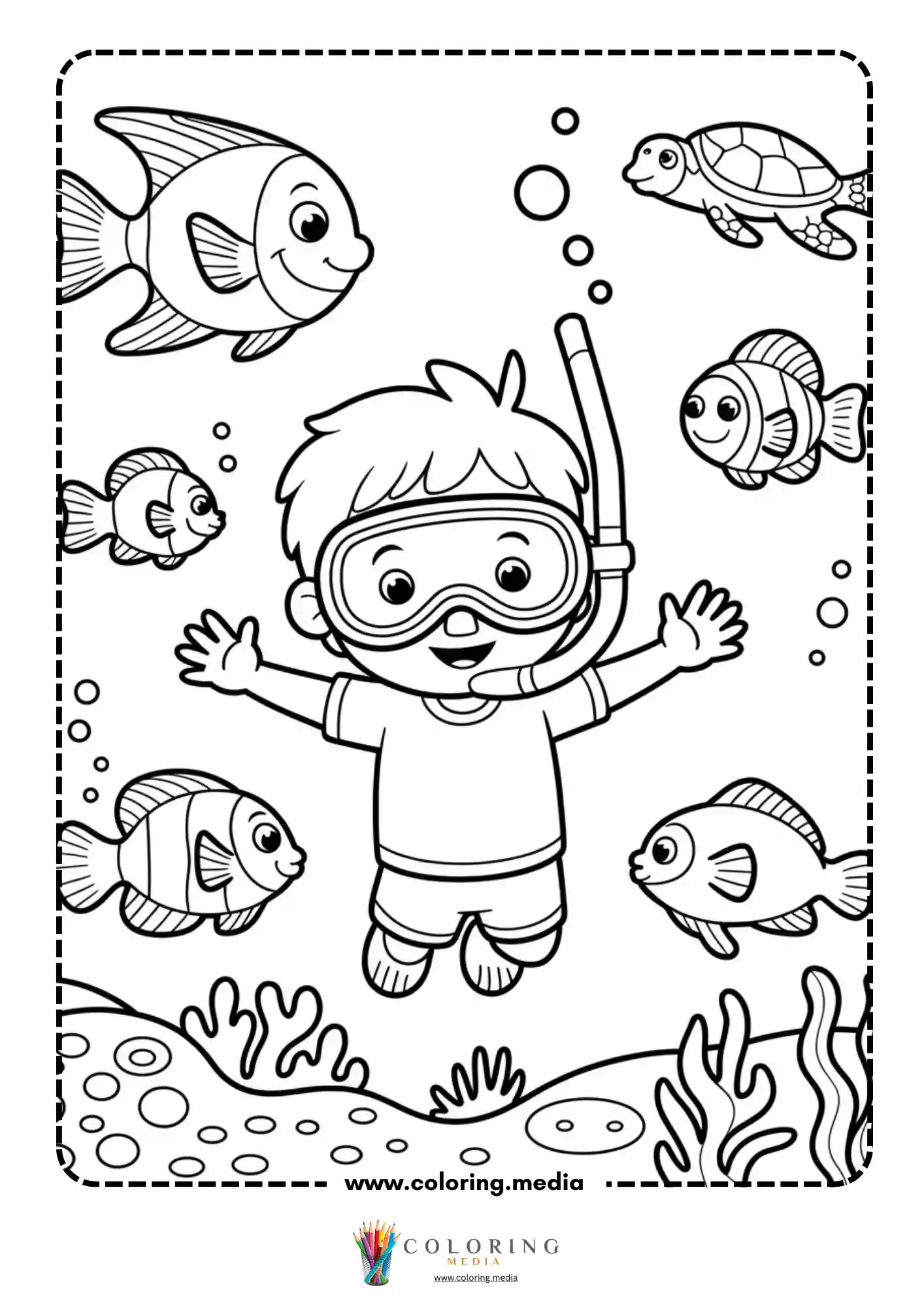
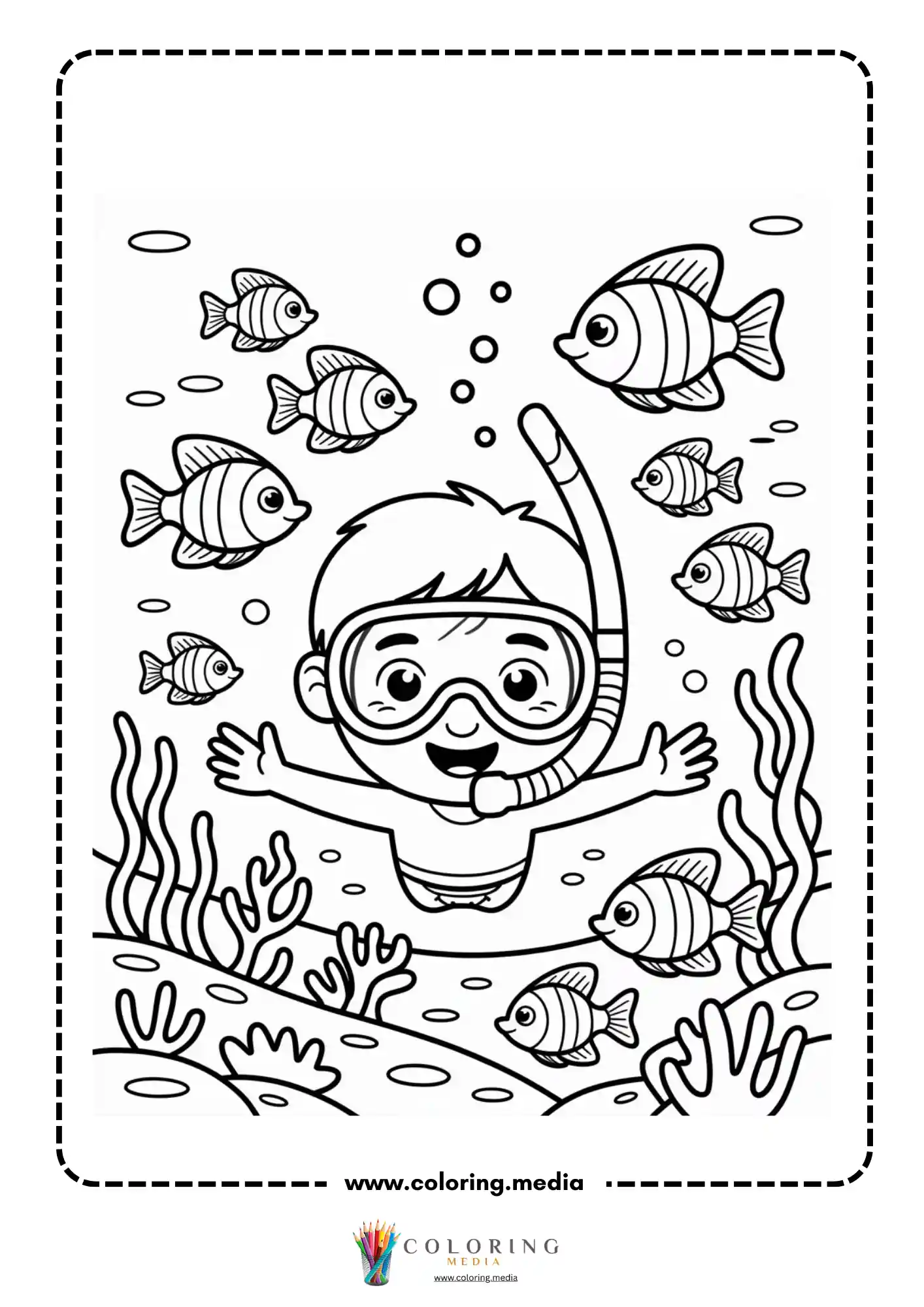
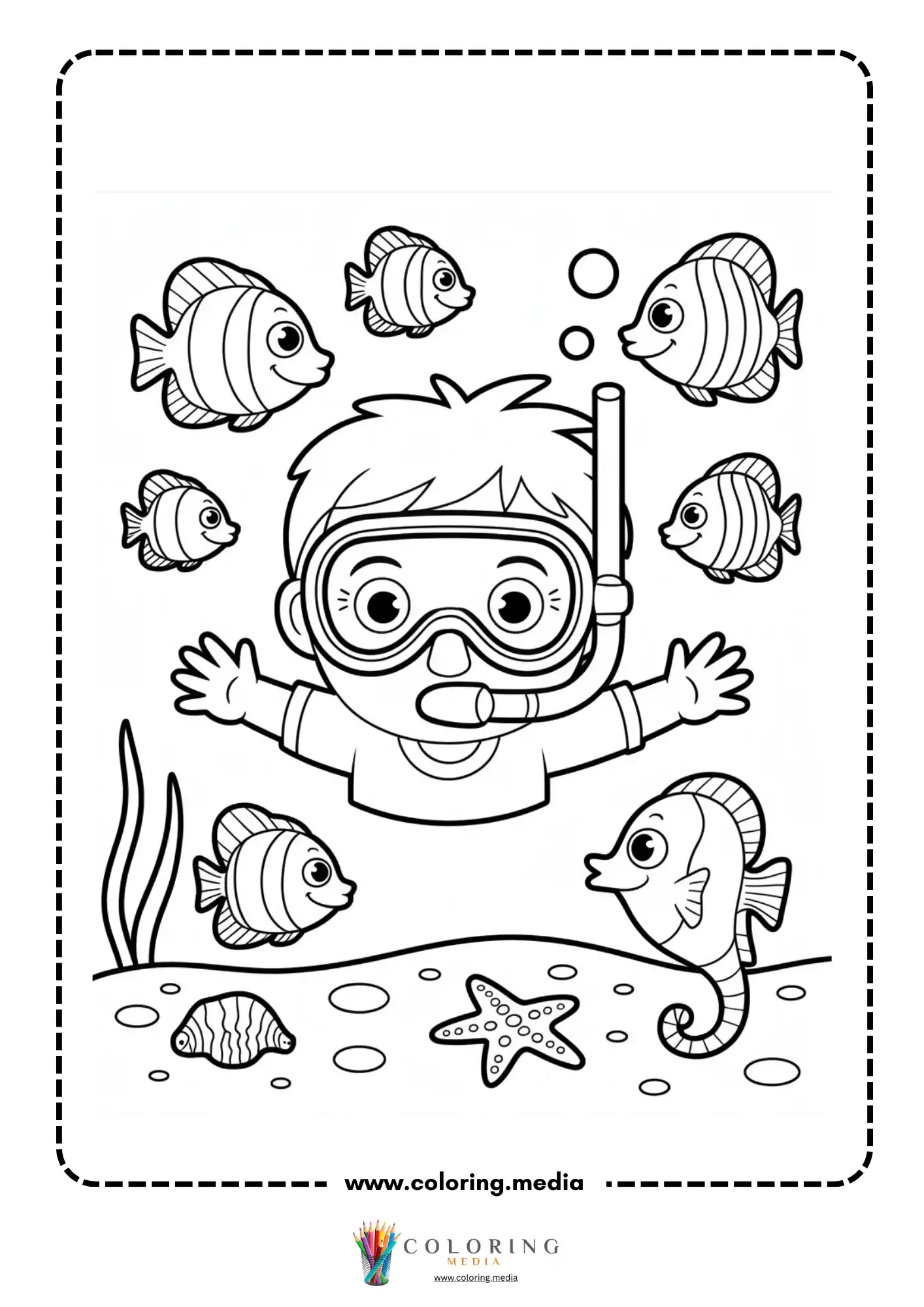
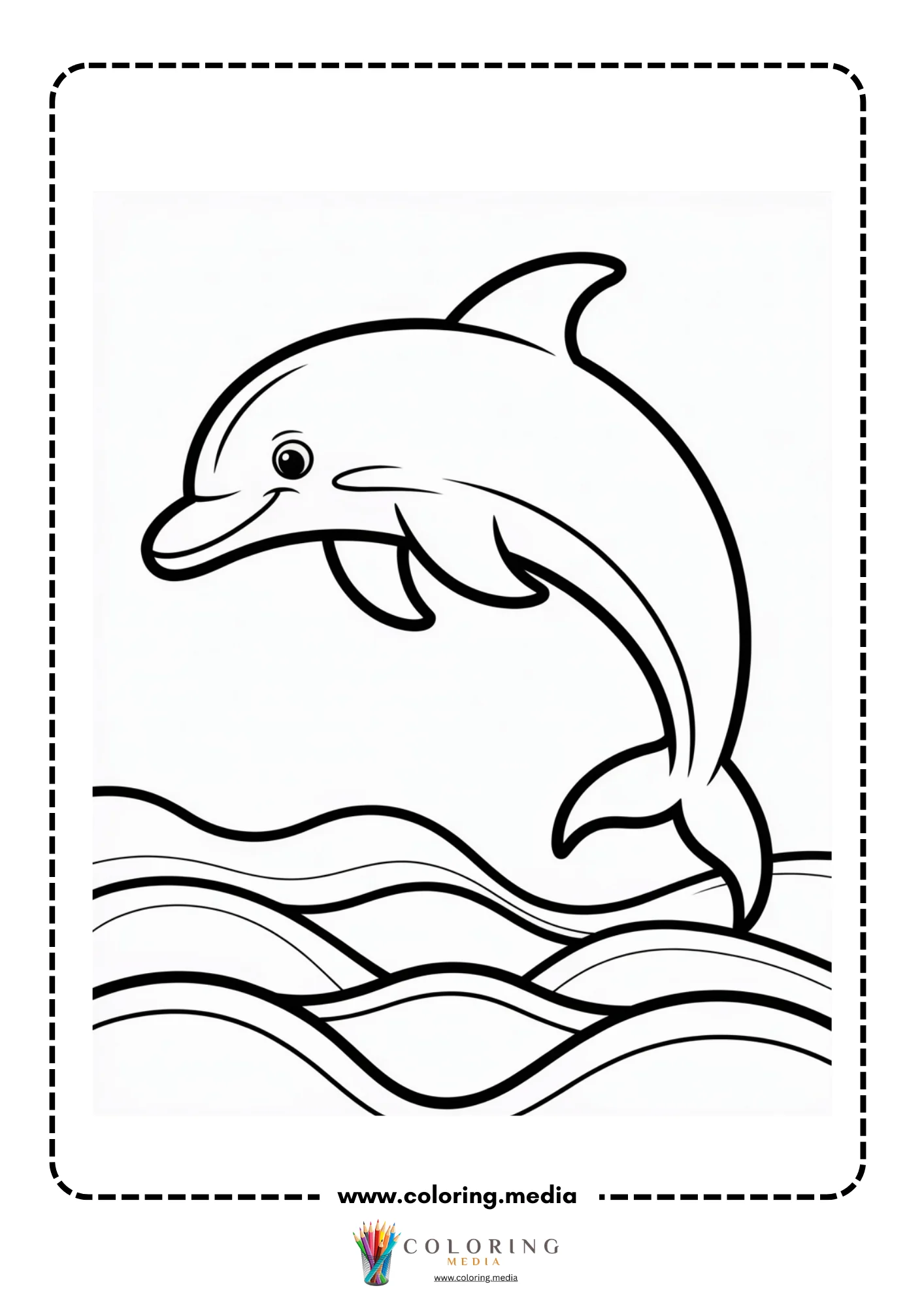
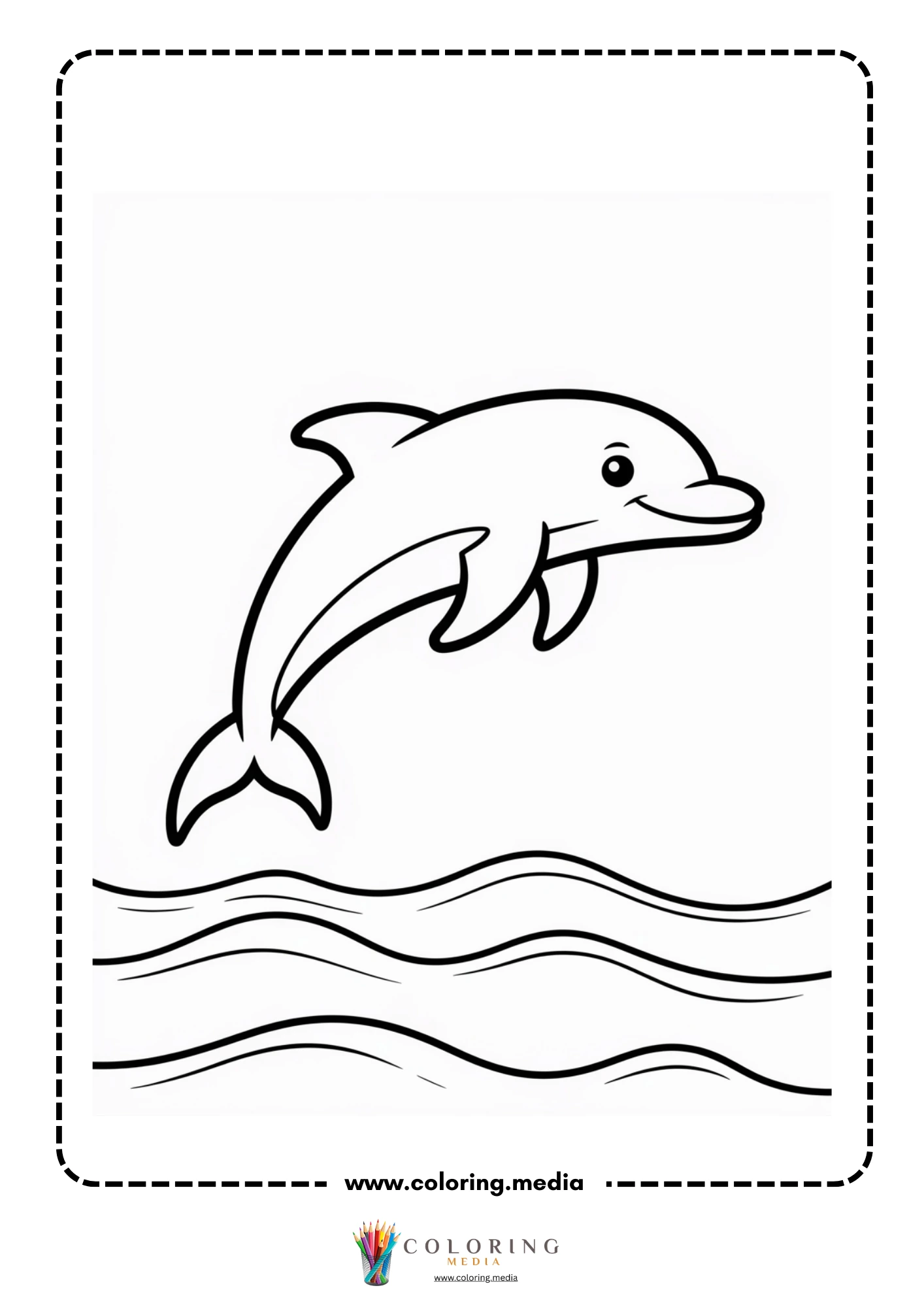
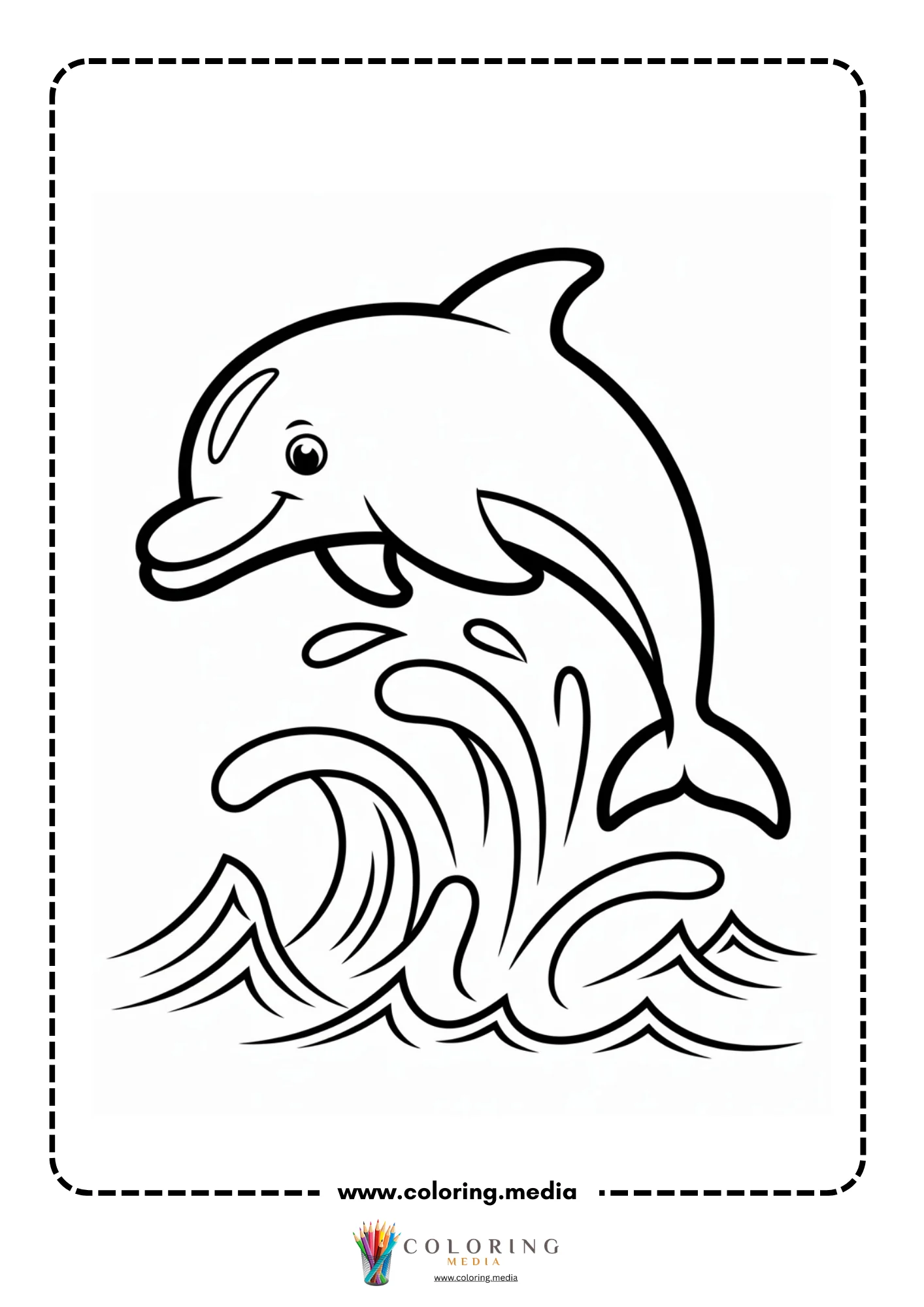
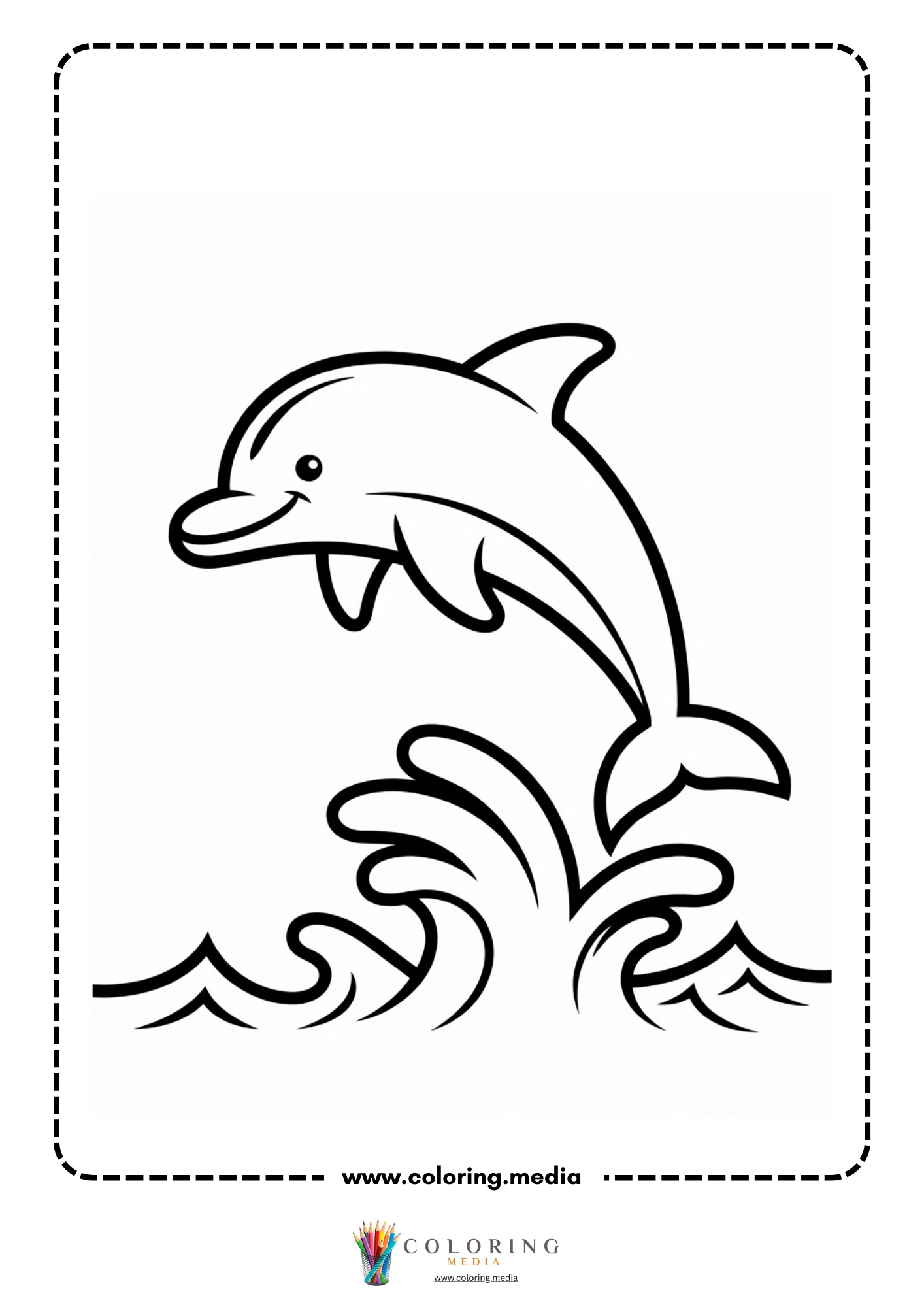
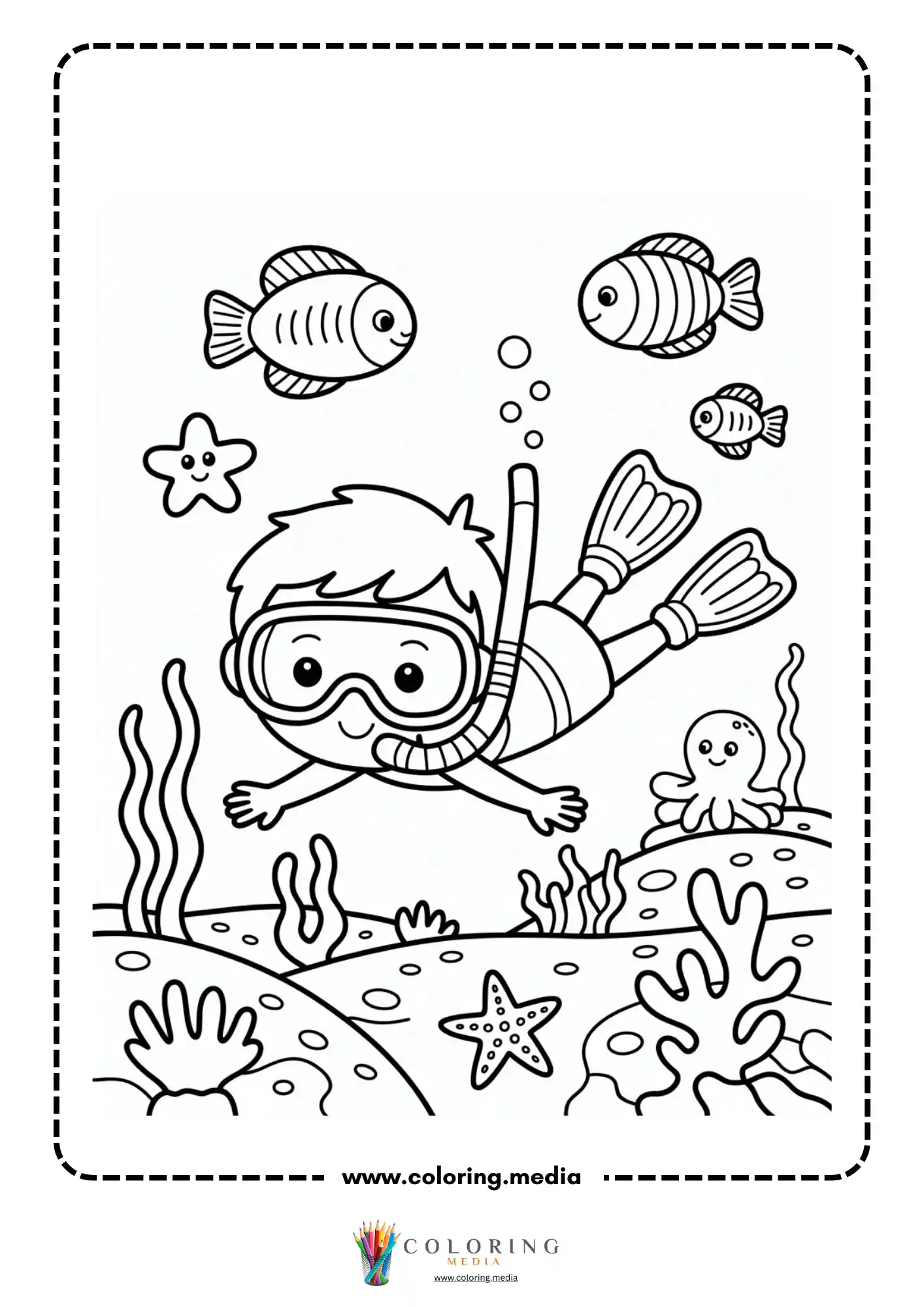
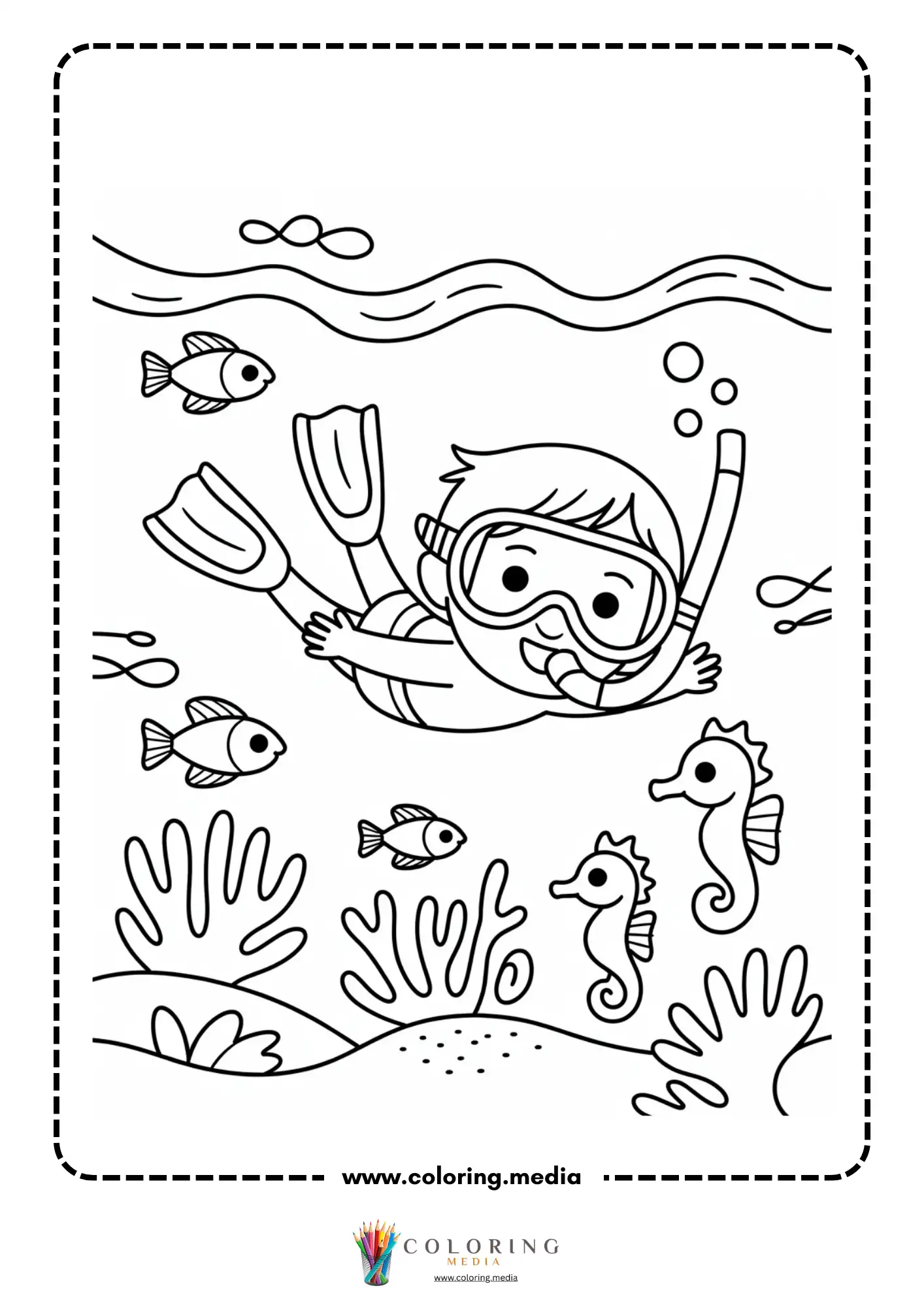
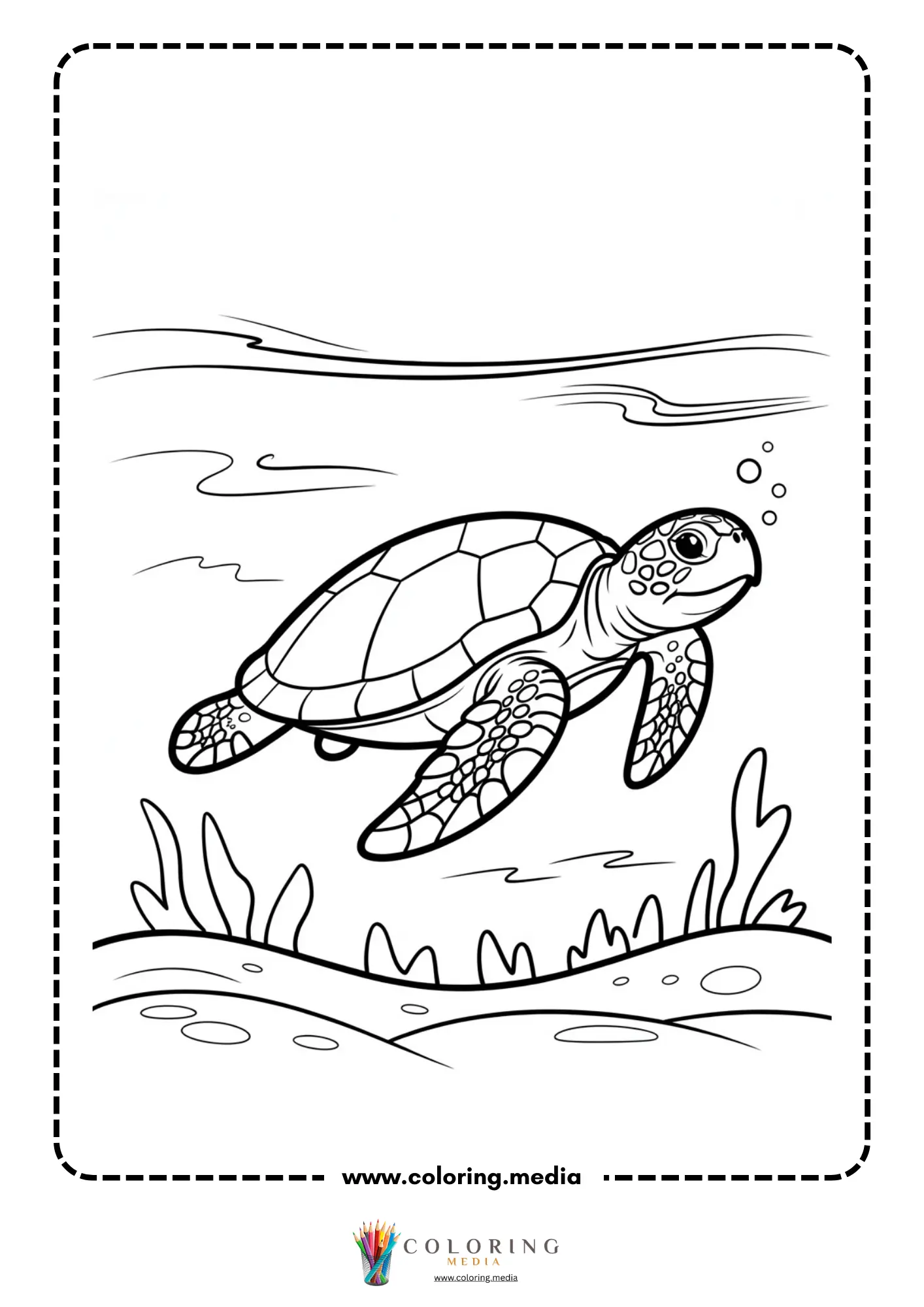
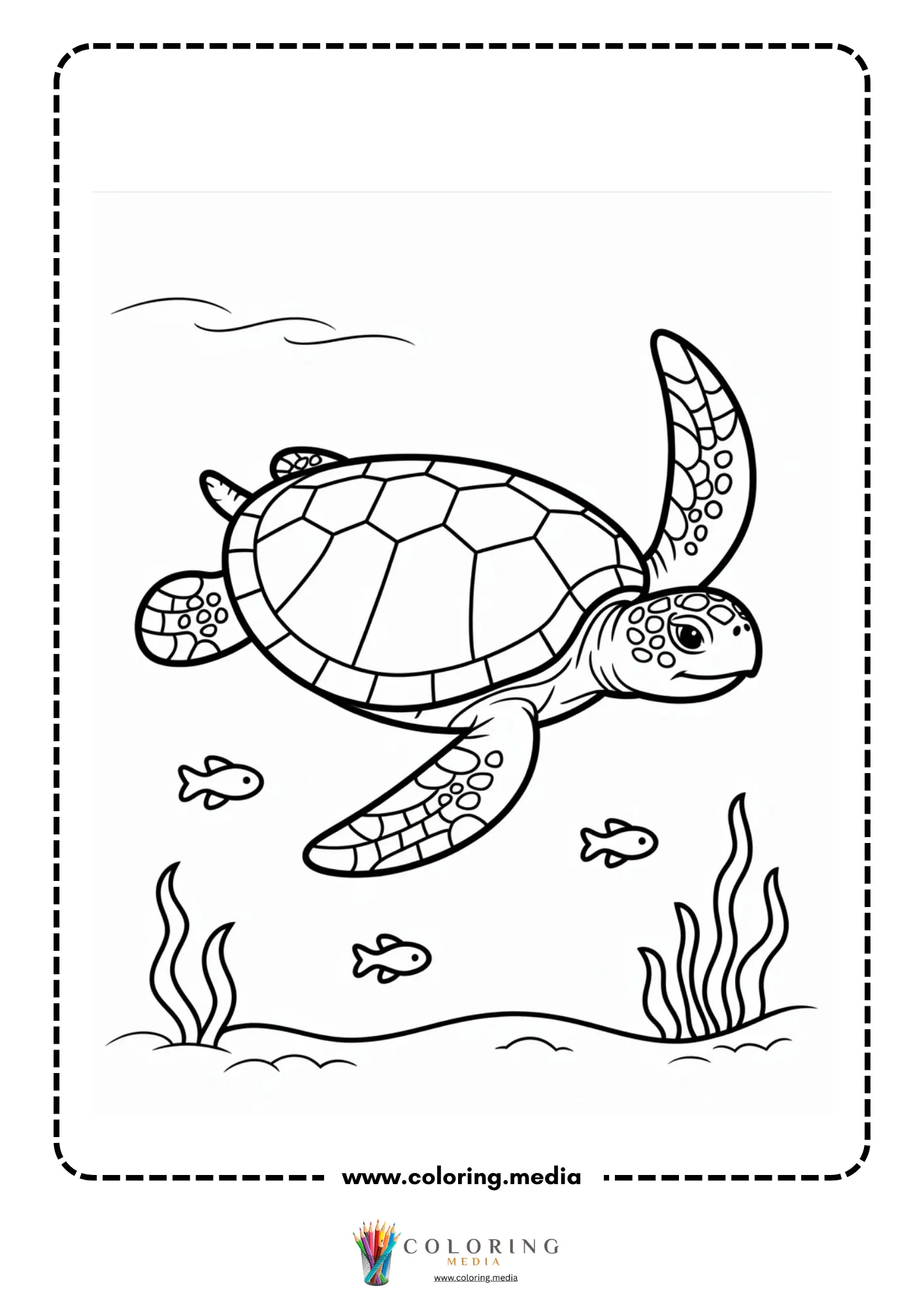
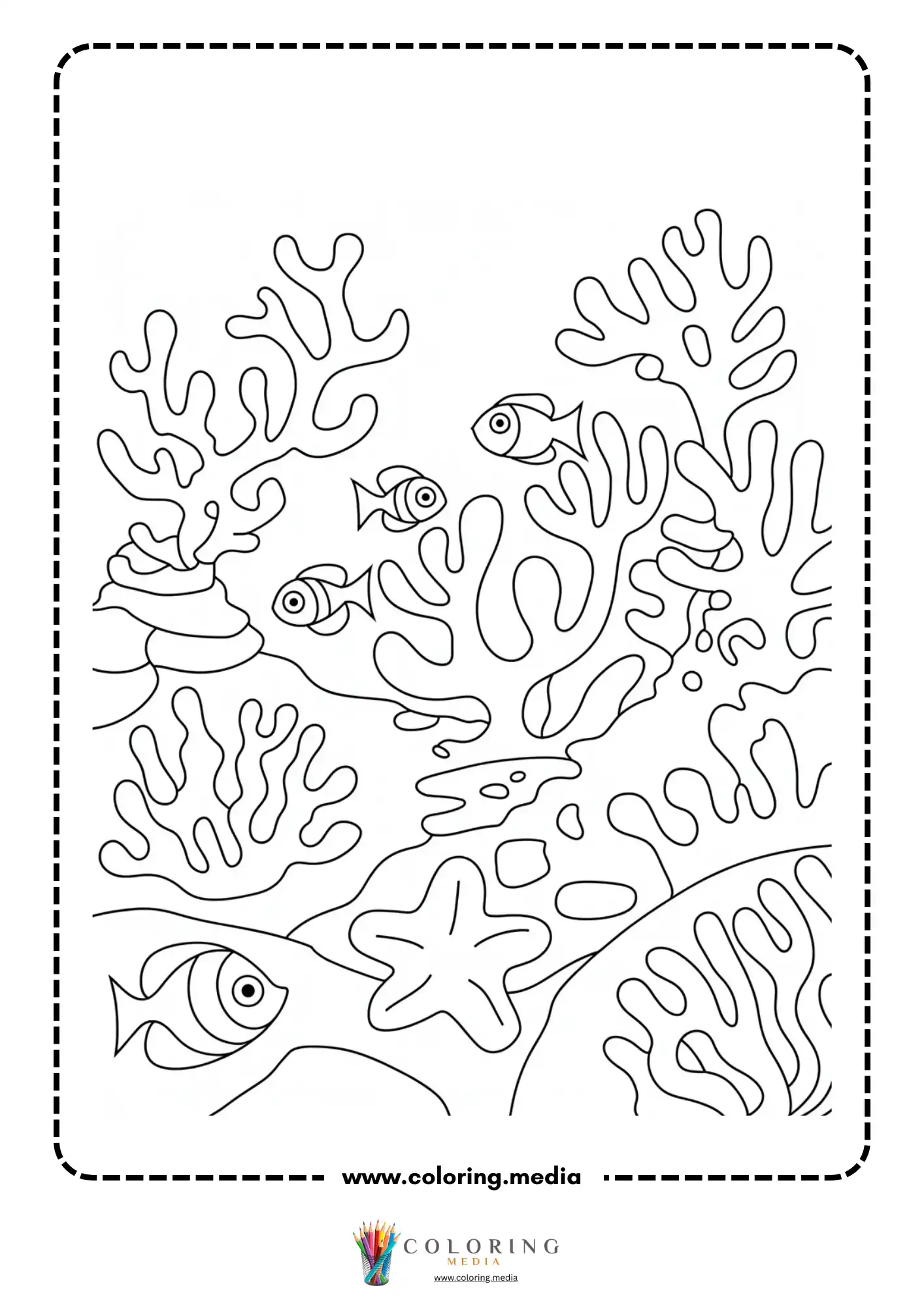
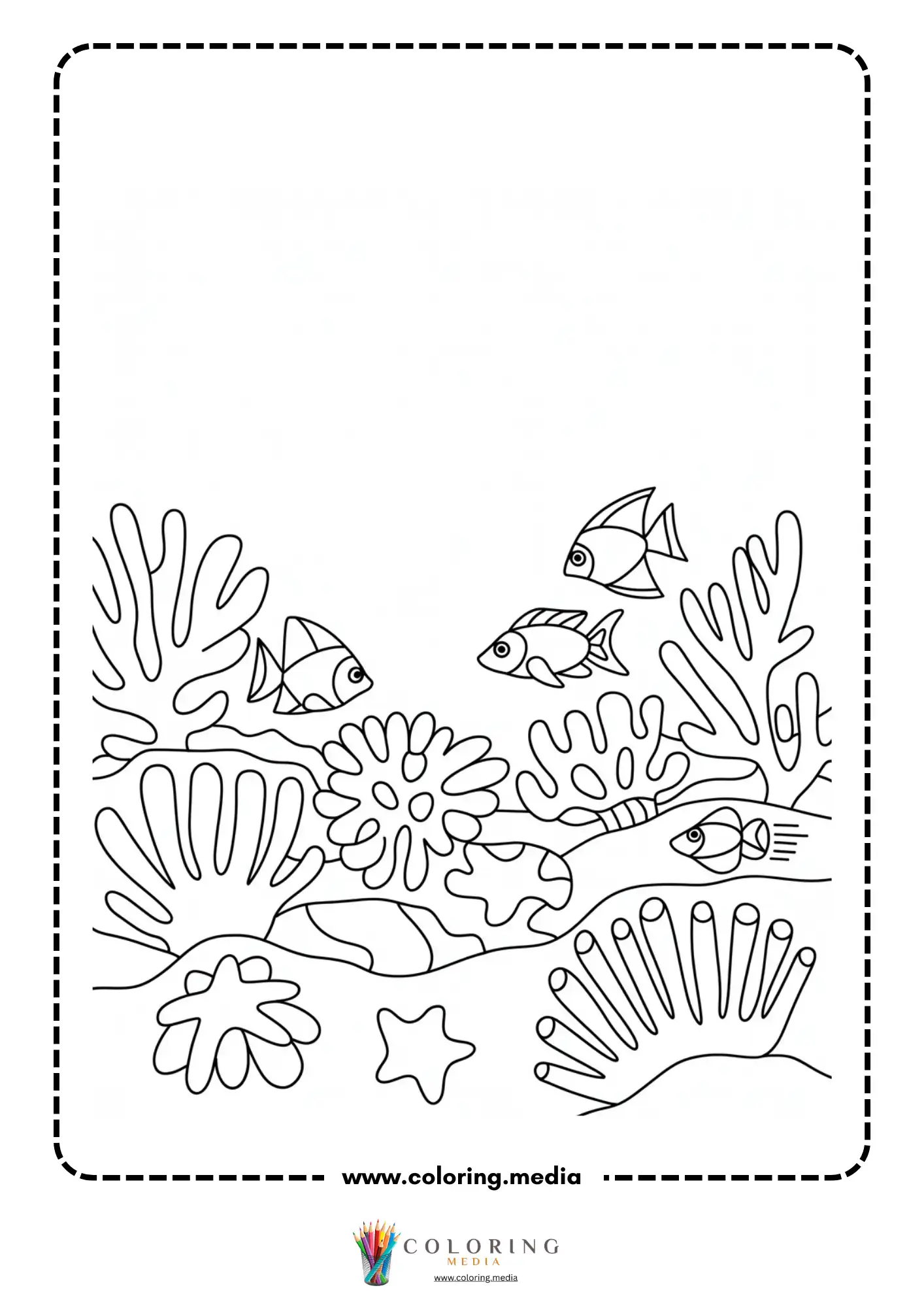
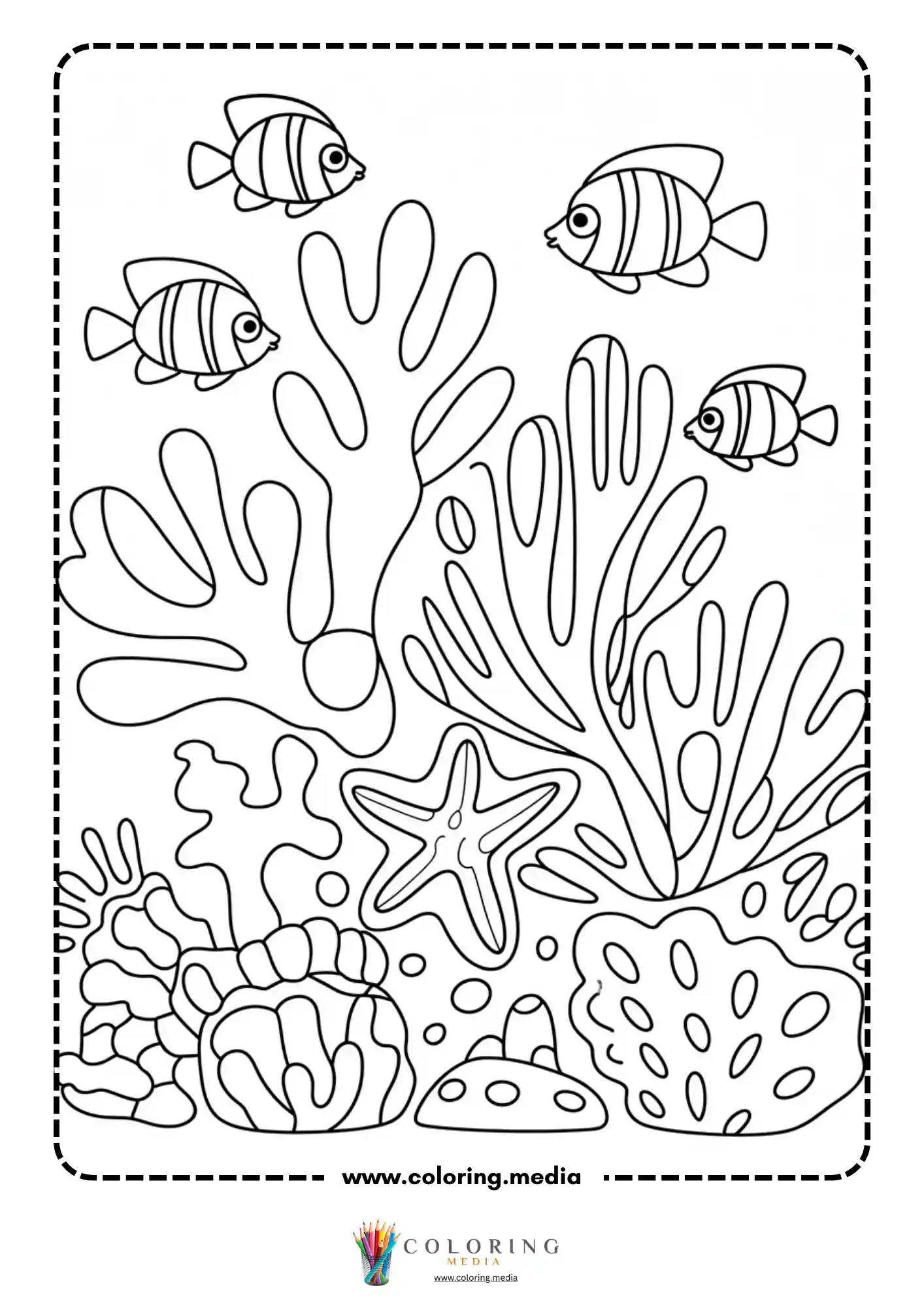
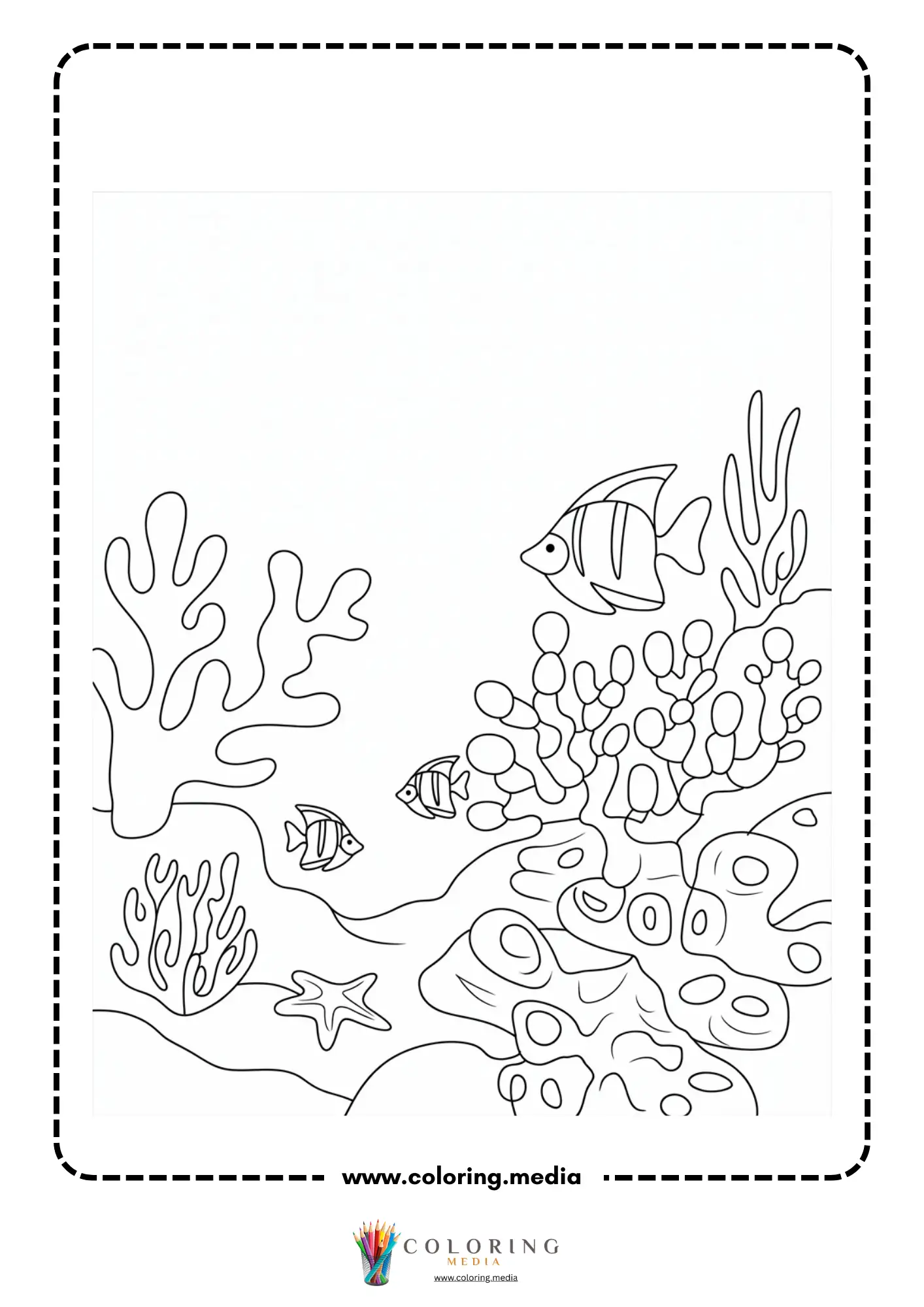
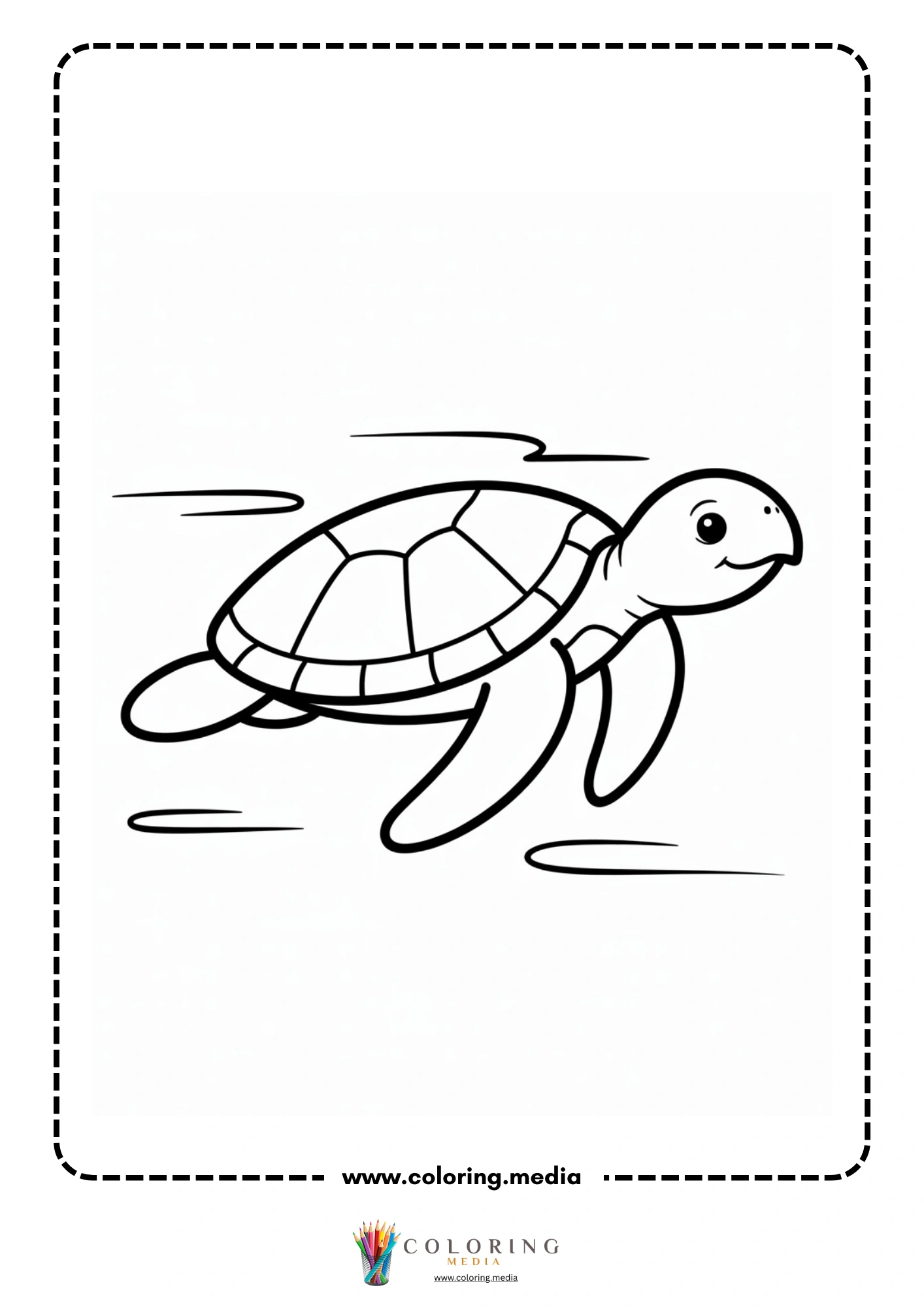
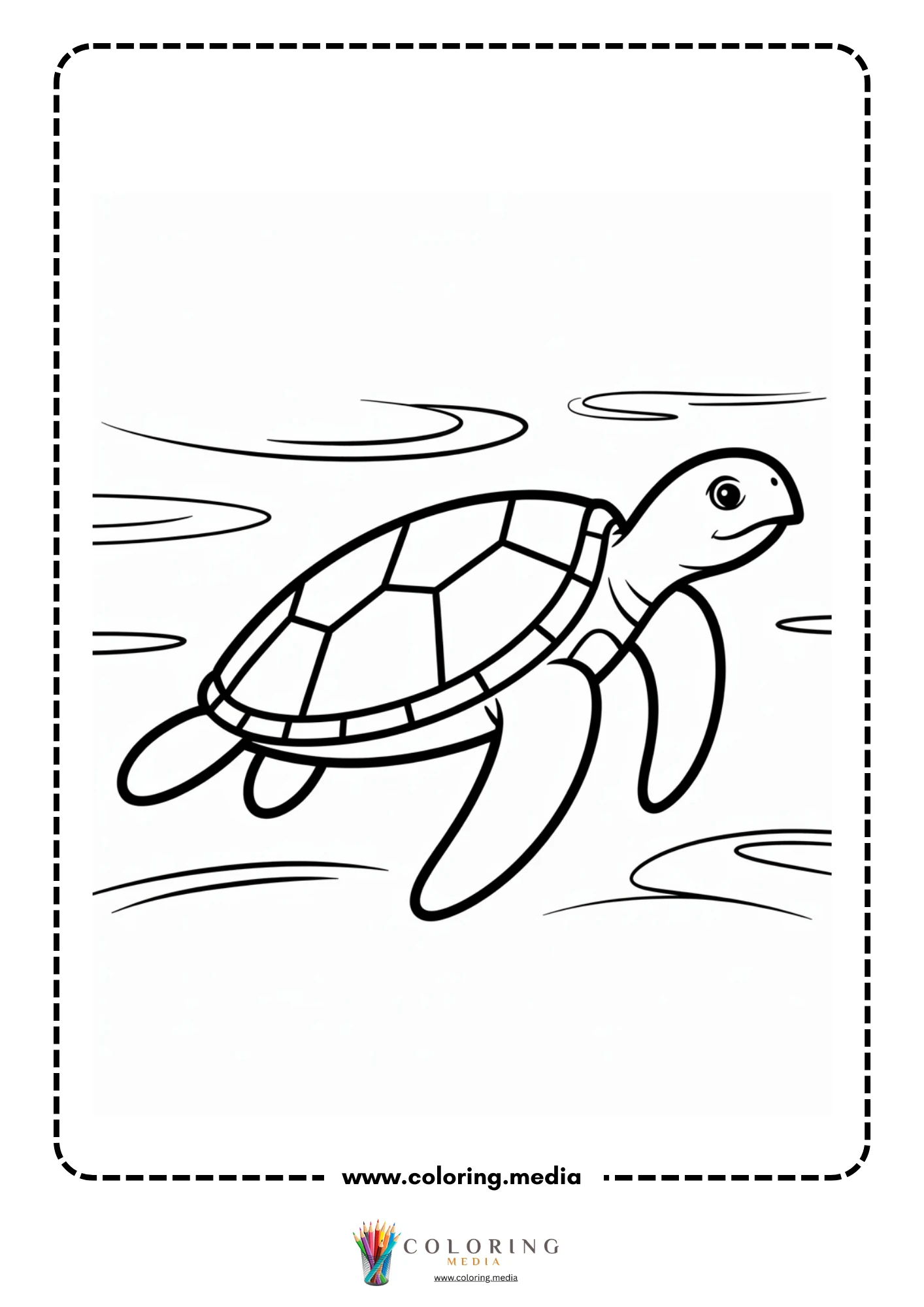
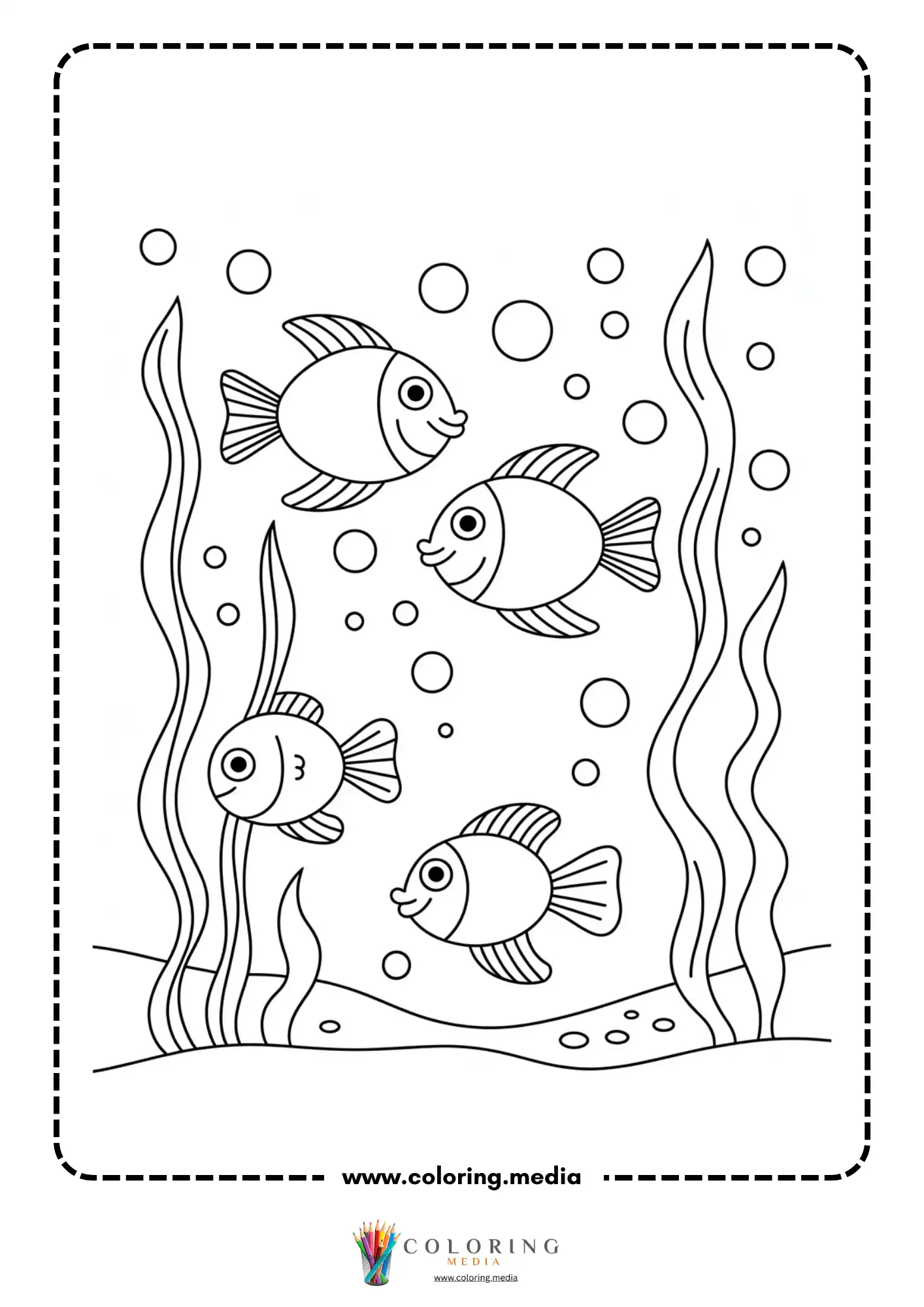
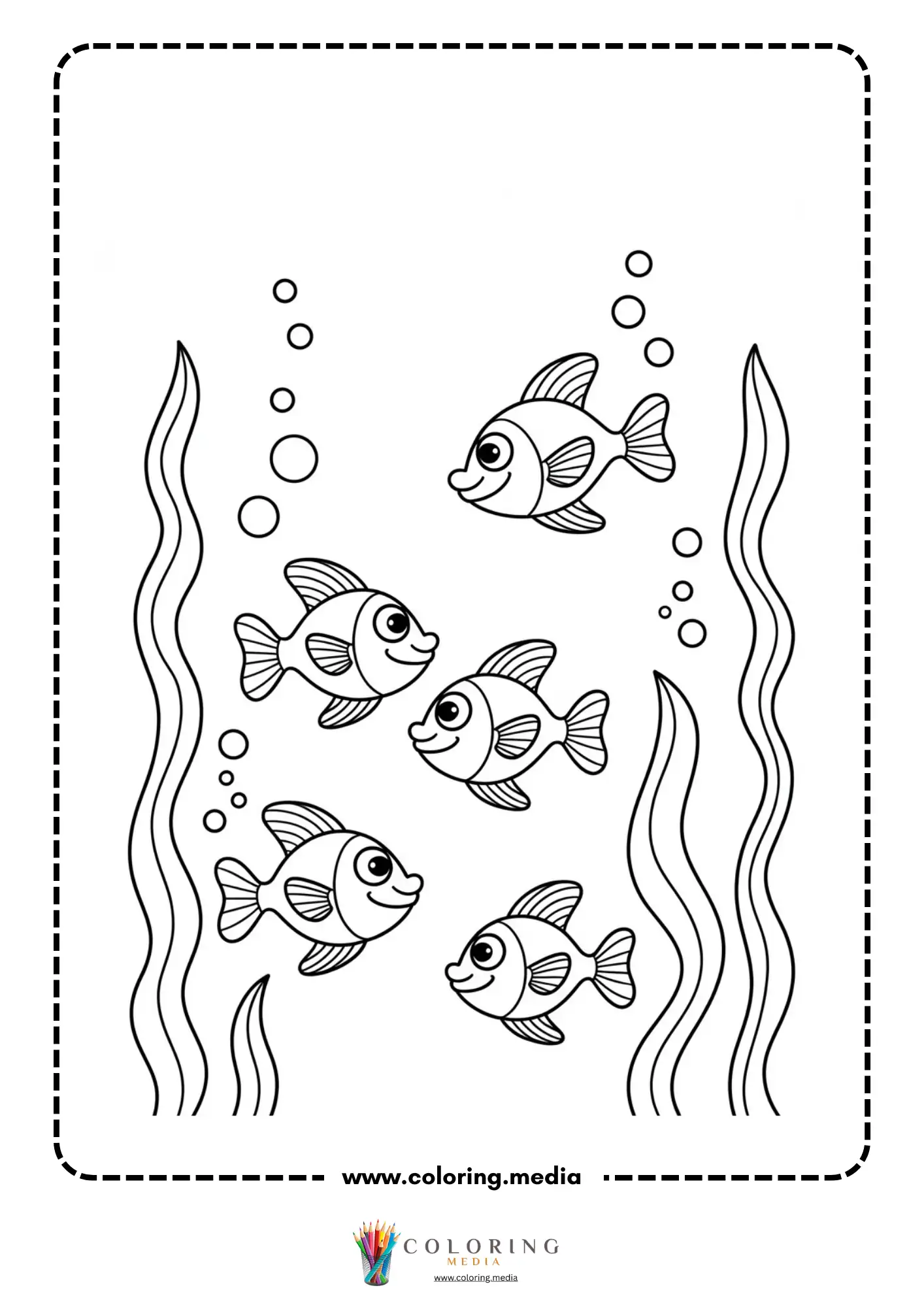
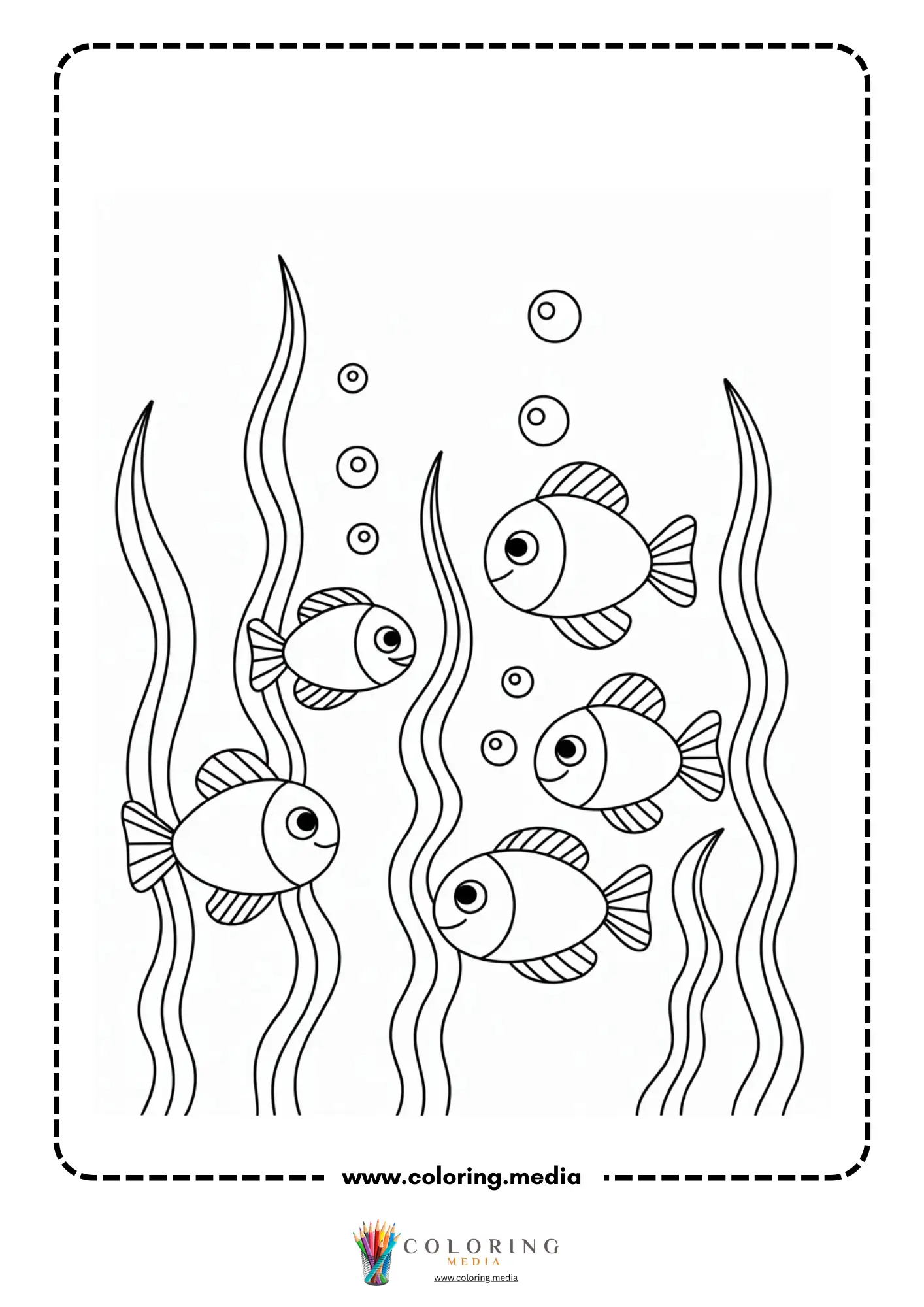
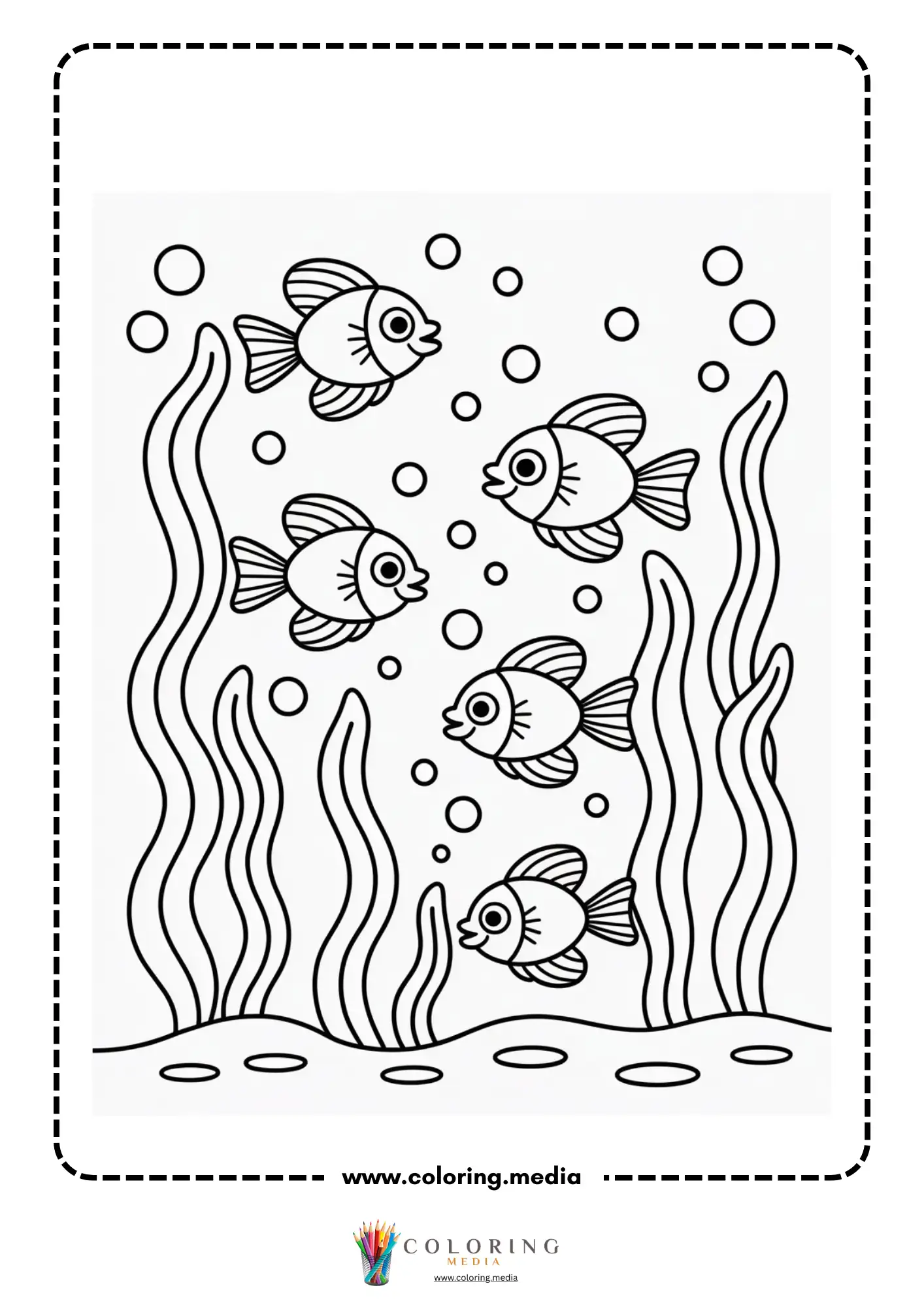
This set covers a lot of ocean ground. There are sea turtles gliding past coral, dolphins leaping above the waterline, schools of tropical fish threading through reef structures, and a handful of pages where kids in snorkeling gear are exploring the seafloor alongside starfish and anemones. The scenes with children add a human-scale anchor that makes the ocean feel accessible rather than alien — a smart choice for younger colorers who respond better to something they can imagine doing themselves.
The linework ranges from straightforward animal portraits (a single dolphin, a single turtle) to busier full-page reef compositions where bubbles, seaweed, and multiple fish species share the frame. That range is intentional — it means a preschooler and a second-grader can sit together and both find pages that suit them. Everything here is free to download and easy to print.
Free Printable Sea Life Coloring Pages
This collection includes 24 printable sea life coloring pages featuring dolphins, sea turtles, tropical fish, coral reef scenes, octopuses, starfish, and children snorkeling among ocean creatures. The designs shift between single-animal portraits and rich underwater panoramas with layered foreground and background detail. Every page is sized for US Letter and A4 paper and downloads as a ready-to-print PDF.

Who Are These Sea Life Coloring Pages Best For?
Kindergarteners will do best on the portrait-style pages — the single dolphin, the lone sea turtle swimming against a plain background. Those pages have generous open areas and clear, unambiguous outlines. A five-year-old doesn’t have to navigate crowded detail; they can color the turtle’s shell sections one by one and feel accomplished by the end.
Early-elementary kids get much more from the full reef scenes. The pages where a snorkeling child swims among a dozen tropical fish require the colorist to make choices about dozens of individual shapes — which fish gets which color, how to handle the coral in the foreground versus the seaweed behind. That kind of layered decision-making is genuinely engaging for a 6- or 7-year-old with a big crayon collection and a few minutes of patience.
In a classroom setting, this set maps naturally onto ocean or marine biology units, and the snorkeling pages give a natural springboard for discussion about real marine environments — coral bleaching, reef conservation, ocean zones. Twenty-four pages also means two per student in most class sizes, with variety across the set.
Interesting Sea Life Facts to Share While Coloring
Sea turtles navigate using the Earth’s magnetic field. They imprint on the magnetic signature of their birth beach as hatchlings and use it decades later to return to the same beach to lay their own eggs — sometimes traveling thousands of miles to do so.
Coral reefs cover less than 1% of the ocean floor but support about 25% of all marine species. The intricate structures in these coloring pages represent some of the most biodiverse ecosystems on Earth — denser with species than a tropical rainforest of the same area.
Dolphins sleep with half their brain at a time. One hemisphere stays awake to control breathing and watch for danger while the other half rests. This is called unihemispheric sleep, and it means a dolphin is never fully unconscious.
Starfish have no brain and no blood. They pump seawater through their vascular system instead of blood, and process information in a distributed nervous system with no central brain. They can also regenerate lost arms — sometimes growing an entirely new body from a single arm.
The ocean produces about half of the world’s oxygen. Most of it comes from phytoplankton — microscopic plant-like organisms in the surface water — not from the seaweeds and corals that are more visible. The ocean floor creatures in these coloring pages live beneath that invisible oxygen factory.
Creative Sea Life Coloring and Craft Ideas
Ocean Zone Color Code Research the sunlit, twilight, and midnight zones of the ocean, then assign a color palette to each zone. Color the background of each page based on how deep the scene appears to be set.
Real Species Research Pick one fish from a reef scene, identify what real species it might be, then color it accurately using reference images. Compare the result to the made-up palette a classmate chose.
Snorkeler’s Story Color the snorkeling pages in sequence — arrival at the water’s edge, descending, seeing the first fish, finding the turtle. Stack the pages and staple into a wordless picture-book story.
Turtle Shell Pattern Look up the actual shell pattern of a loggerhead or green sea turtle before coloring. The hexagonal scute pattern is specific and recognizable — using it makes the coloring page much more satisfying than a random color fill.
Bioluminescence Scene Color the background of a reef page deep navy or black, then use neon or fluorescent markers for the fish and coral. Many deep-sea creatures actually glow — this is a scientifically grounded choice, not just decoration.
Coral Before and After Color one reef page in healthy coral colors (orange, pink, purple, bright yellow), then color an identical page with bleached white coral and brown algae. Talk about what causes coral bleaching while you color.
Ocean Animal Alphabet After finishing several pages, work through the alphabet together naming a different sea creature for each letter. Draw a small version of the animal in the margin of each finished page.
How to Print These Sea Life Coloring Pages
Every page downloads as a PDF formatted for US Letter and A4 paper — no scaling needed. Copy paper handles crayons and colored pencils fine; the reef scenes with fine detail lines benefit from 90gsm or heavier paper if markers are being used. Printing in grayscale saves ink and has no effect on the quality of the outlines.
Explore More Animals Coloring Pages
If you enjoyed these pages, you may also like:
Dolphin Coloring Pages
Butterfly Coloring Pages
Flamingo Coloring Pages
Elephant Coloring Pages
Animals Coloring Pages