
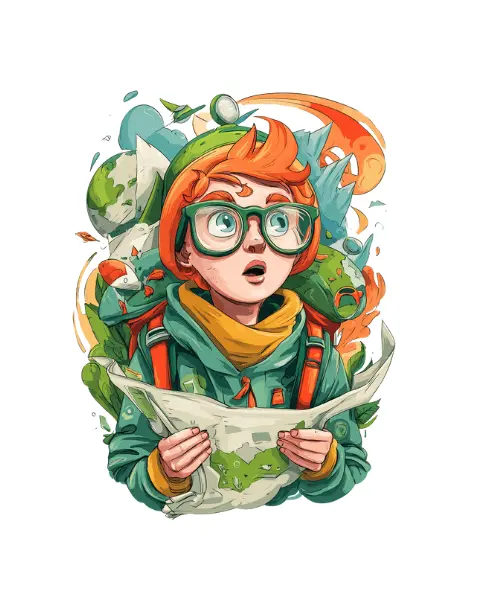
Teens and Tweens Coloring Pages
Coloring pages for tweens and teens, with more detailed designs, patterns, fantasy themes, animals, cozy scenes, and creative pages that reward careful color choices.
These pages are better for older kids who enjoy shading, small details, personal palettes, and longer projects they can finish with colored pencils, markers, or gel pens.
Explore other age-based pages
Explore other age-based hubs if you need easier pages for younger siblings or classroom groups with mixed skill levels.
Teens and Tweens Coloring Pages
Use this hub for older kids who still enjoy coloring but want pages that feel more grown up, detailed, and expressive.

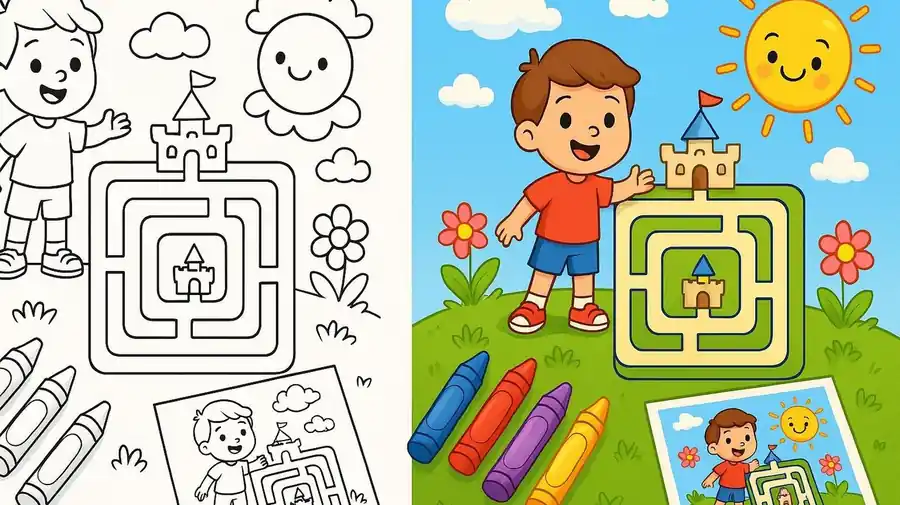
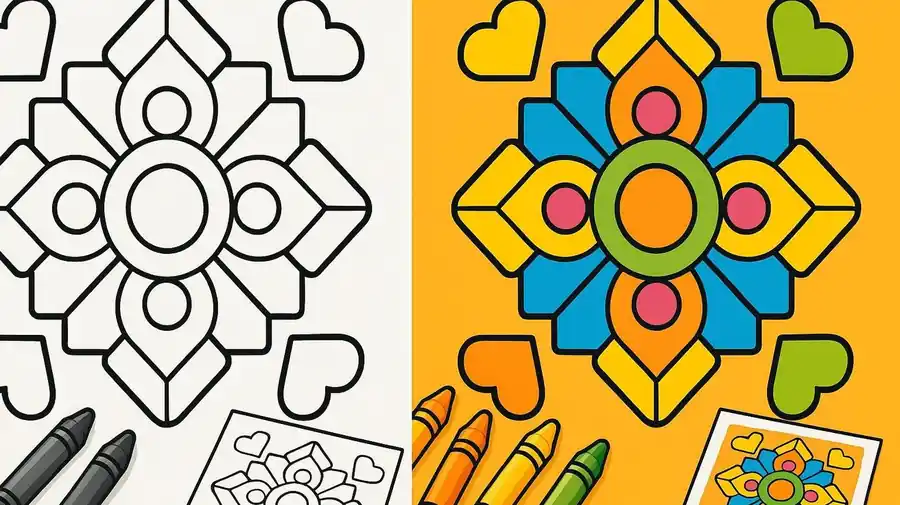
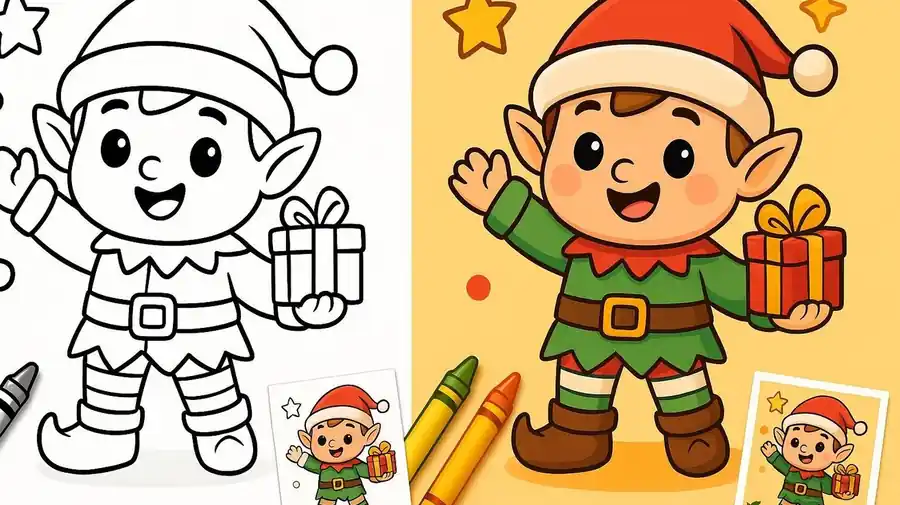
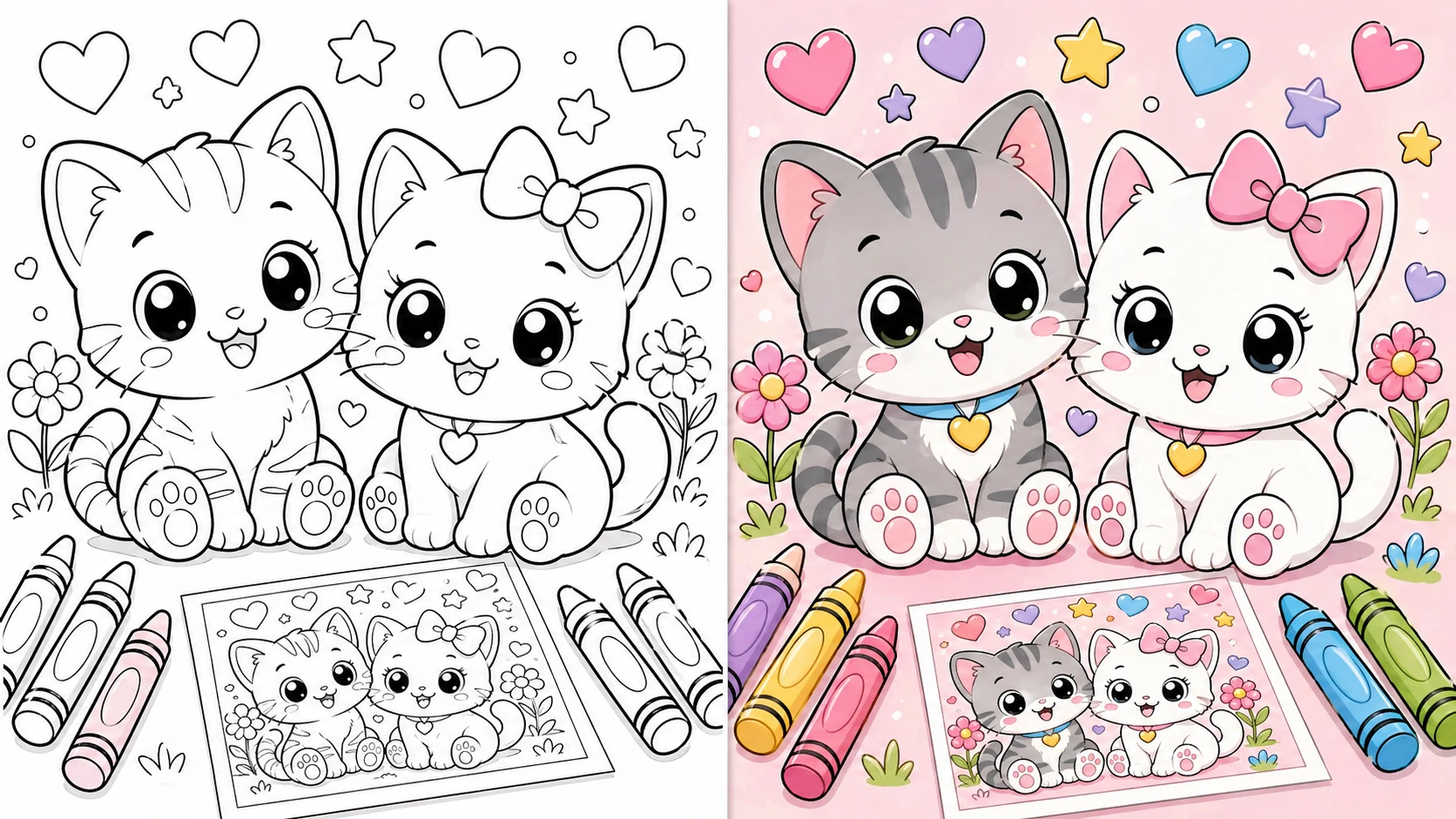
For People Who Have Outgrown Colouring Books
A mandala with four hundred segments. A kawaii cat in an oversized hoodie. A galaxy where every star is its own tiny shape to fill. Somewhere around eight or nine, most children decide colouring books are for little kids — and what they have actually outgrown is the format, not the activity.
Hand the same person a page like these and it holds them for an hour. Fine line work, dense compositions, and subjects tweens and teens genuinely choose. Nothing here is decorated with cartoon suns to signal it is for children.
What Tends to Land
- Patterns and mandalas — repetitive, absorbing and forgiving. A good default for winding down.
- Kawaii and character art — the most reliable way in for anyone who thinks colouring is babyish.
- Botanical and animal detail — for someone who enjoys precision and wants a result worth keeping.
- Galaxies and space scenes — dramatic, dark, and satisfying to fill.
- Lettering and quotes — pages that end up on a bedroom wall or a folder.
- Bold and easy — large open shapes for when the appeal is relaxing rather than absorbing. Worth knowing this is not only for young children.
Why the Detail Matters
A page that takes forty minutes gives something a five-minute page cannot: a long stretch of focused, absorbing time with a visible result at the end. For a lot of tweens that is the entire appeal — an activity with no score, no comparison, and nobody watching.
It is also one of the few screen-free things in this age group that does not feel imposed. Colouring is not competing with a phone for stimulation. It works precisely because it asks for less.
Colouring, Stress and Quiet Time
Repetitive, structured tasks are widely used as a way to settle before sleep or after a demanding day, and colouring is among the easiest to reach for. The value is in the repetition and the absence of a right answer, not in the artwork.
Set against homework or a screen, its advantage is that it can be stopped at any point without losing progress. A half-finished mandala is still there tomorrow.
How to Print These Pages
Every page is a free PDF formatted for US Letter and A4 at 300 dpi. Click any thumbnail to open and print.
Detailed pages reward better paper. Standard copier stock is fine for colored pencils; if fineliners or alcohol markers are involved, heavier paper stops bleed-through and lets the colours sit properly. Print at normal quality rather than draft so the fine lines stay crisp.
Questions People Ask
What age are these for? Roughly eight to twelve and up, though the ceiling is imaginary — the detailed pages work perfectly well for adults. If they feel too dense, the early elementary pages are a step back.
My tween says colouring is for babies. Start with the kawaii character pages or a mandala. The objection is almost always to the format they remember from age five, not to the activity itself.
What should I use to colour them? Colored pencils give the most control on fine detail; fineliners suit pattern work. Our supplies guide covers the trade-offs.
Are these free? Yes, for personal, classroom and homeschool use. See the licensing policy.