
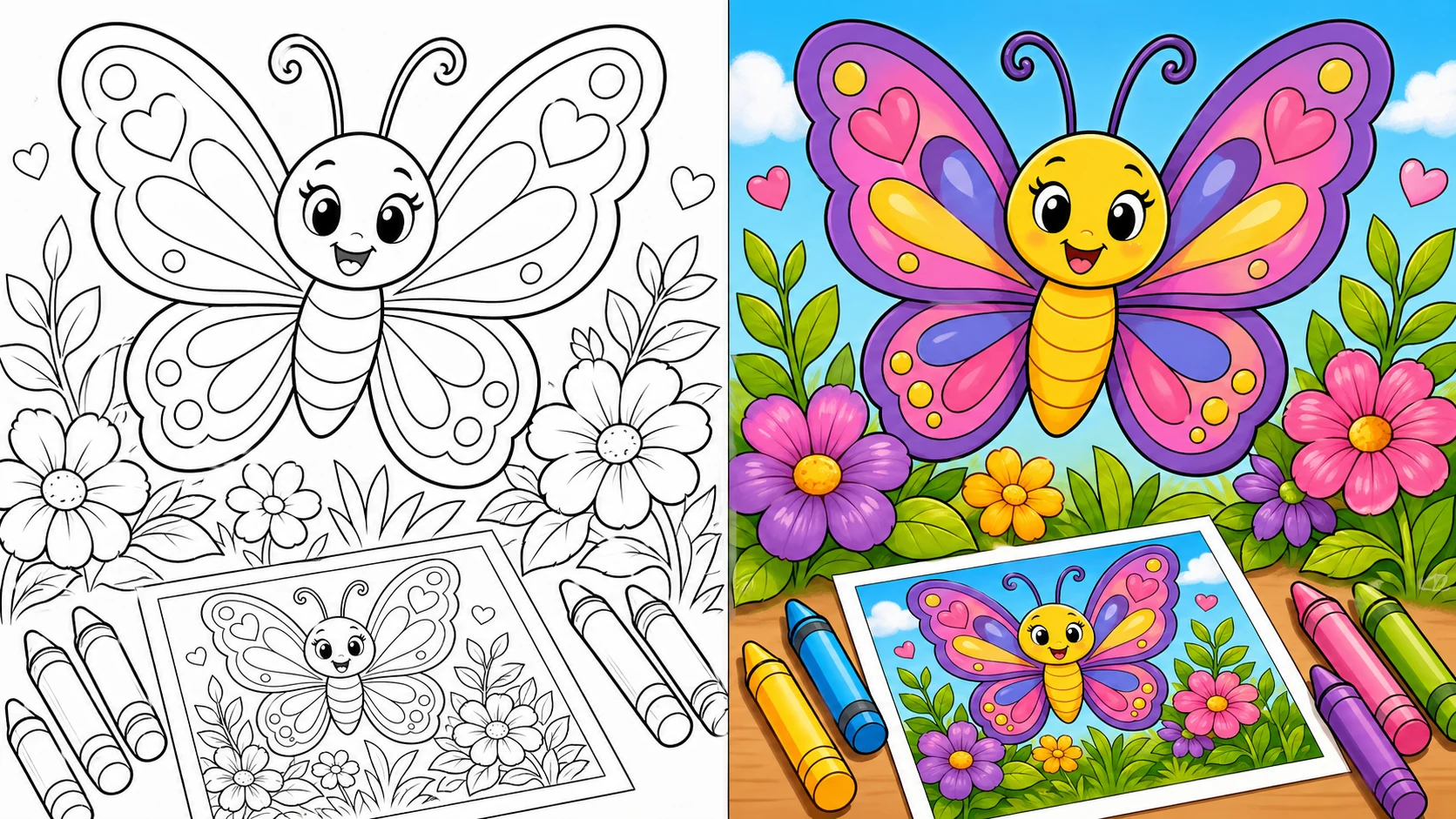
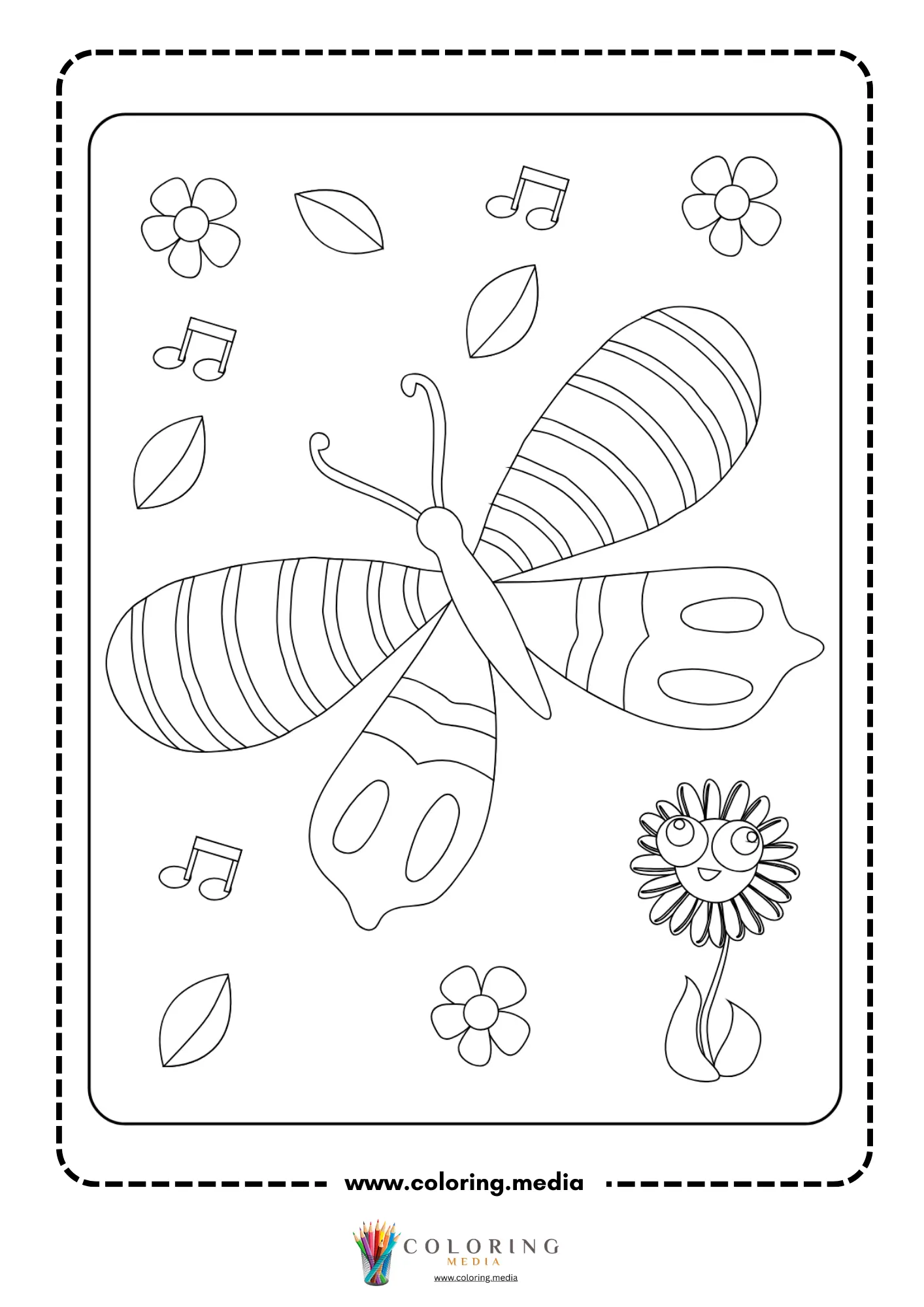
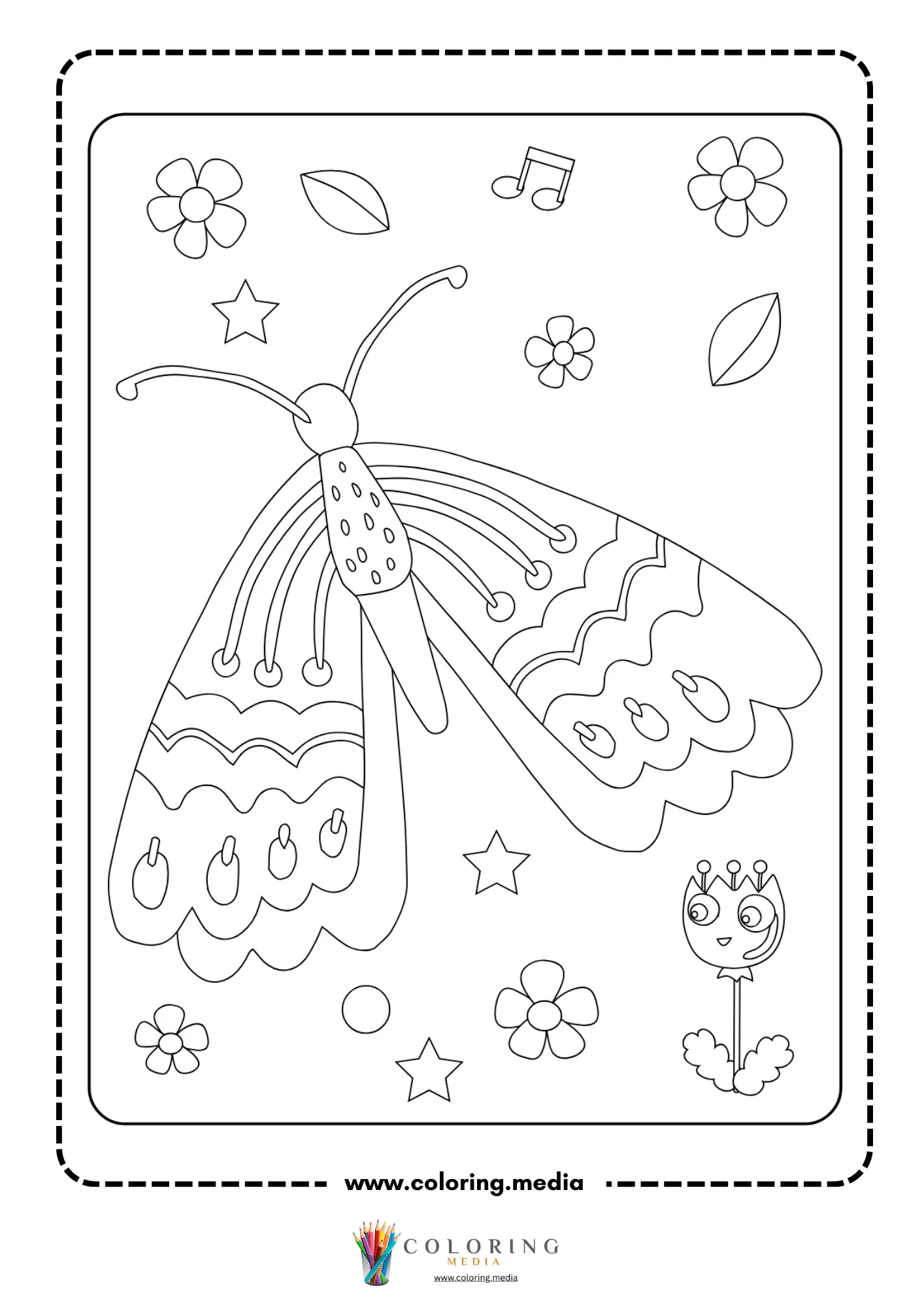
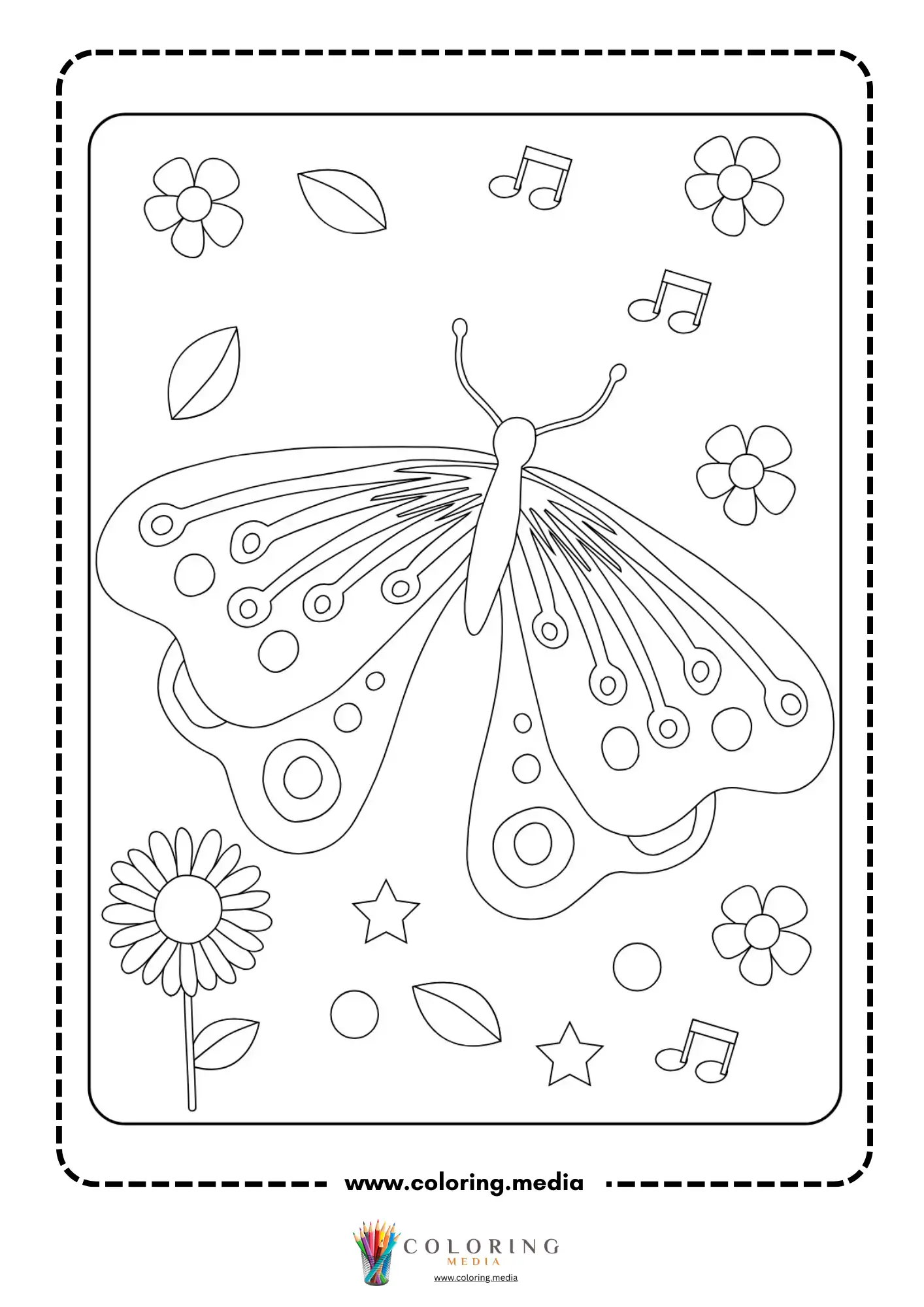
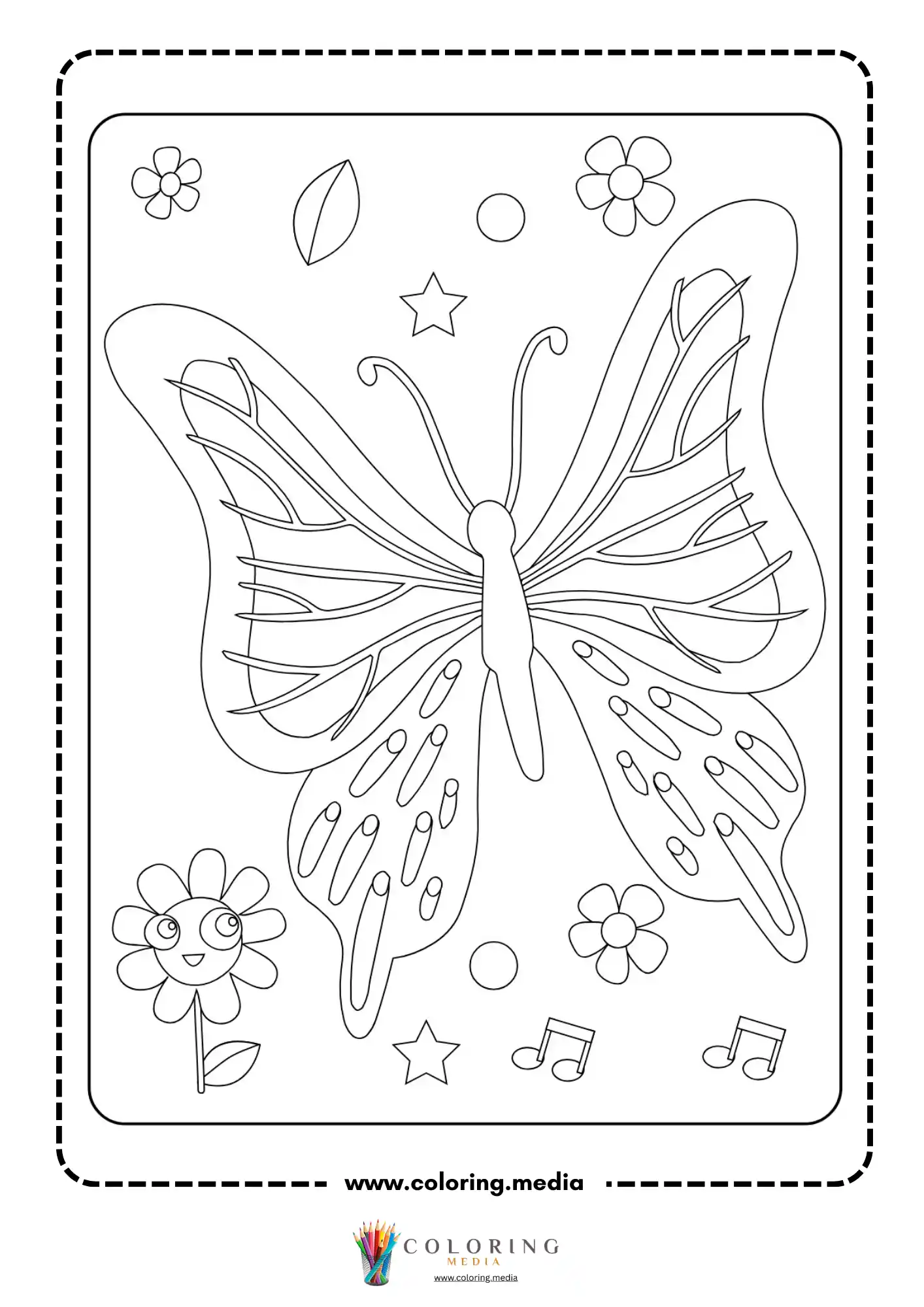
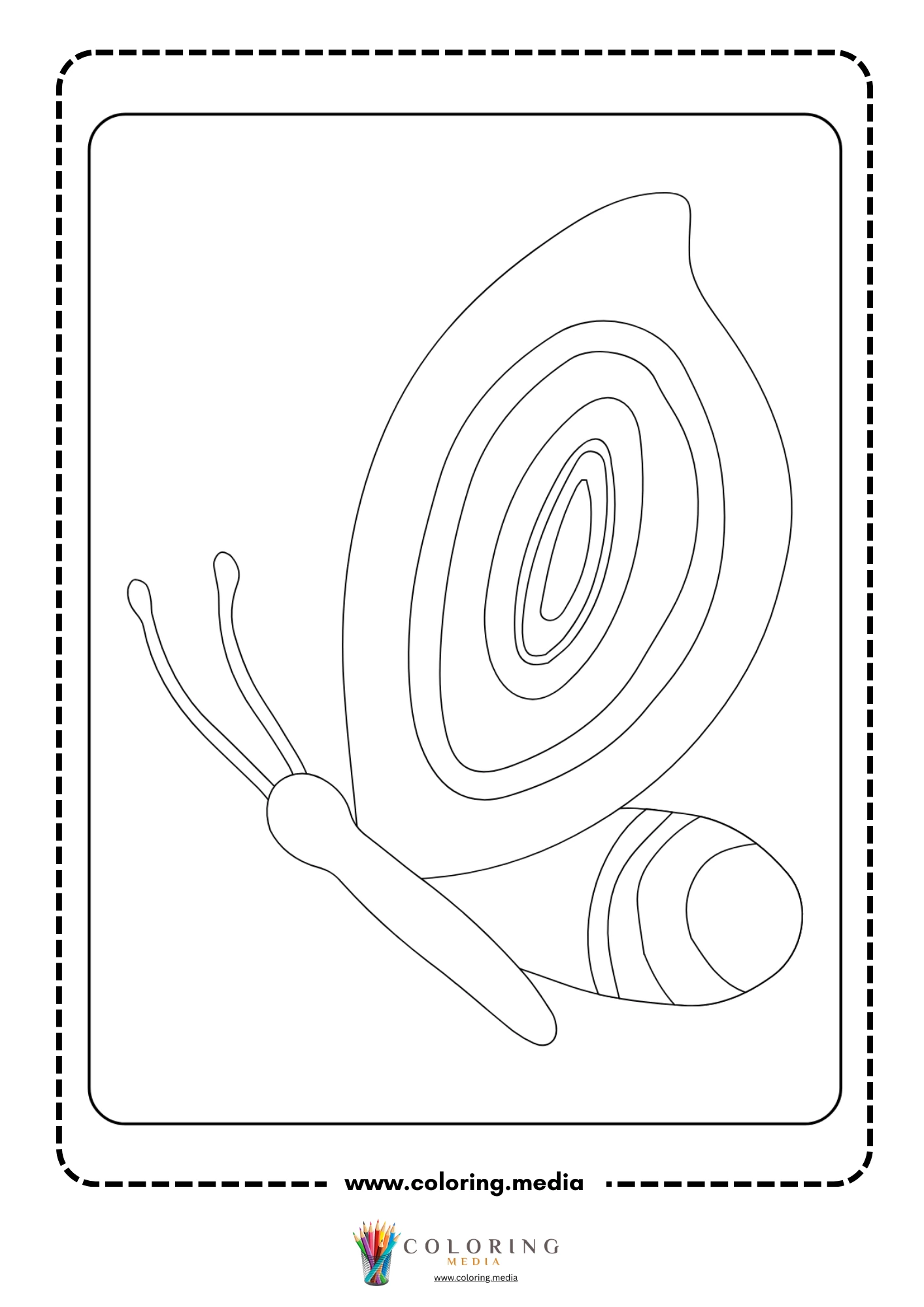
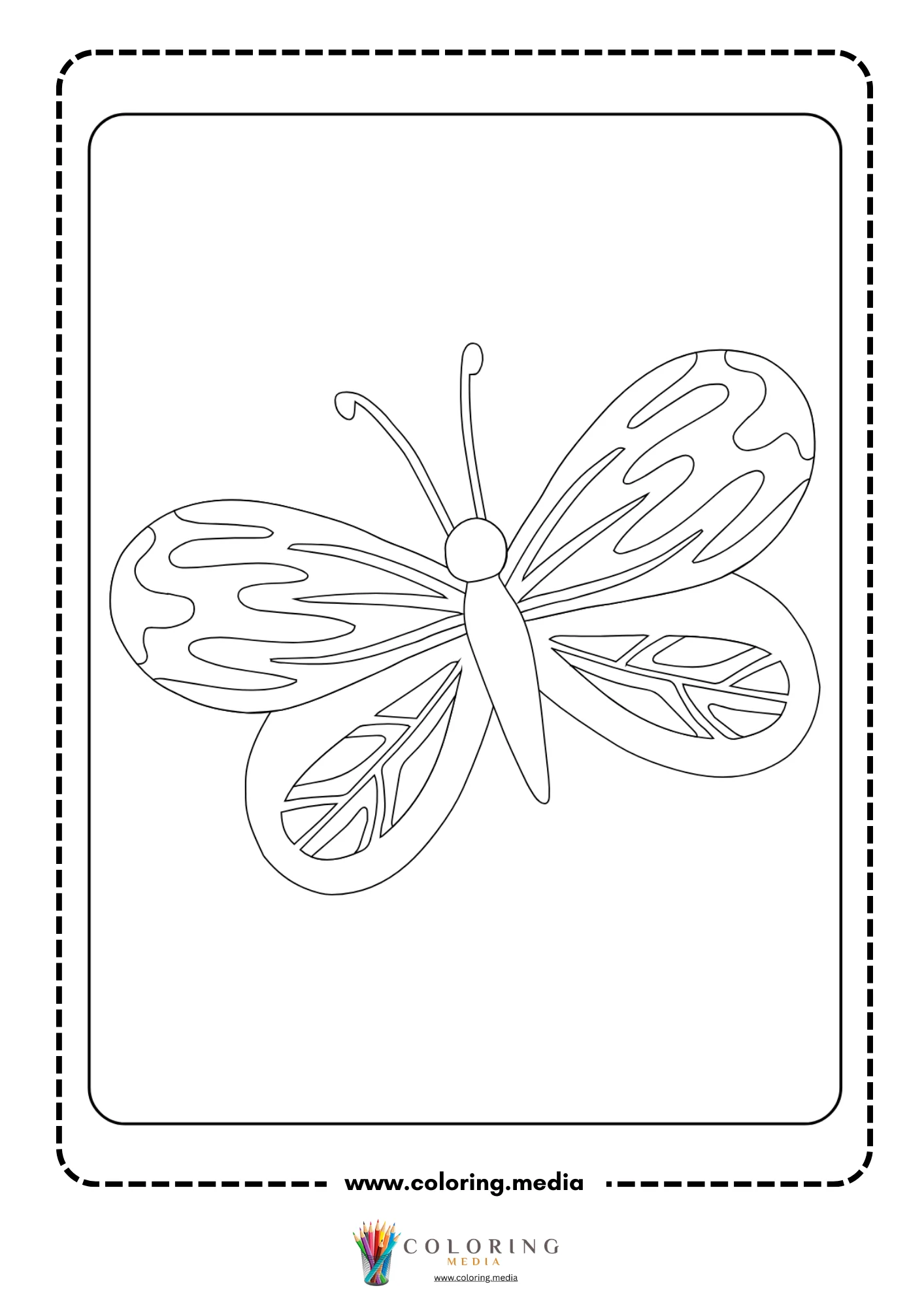
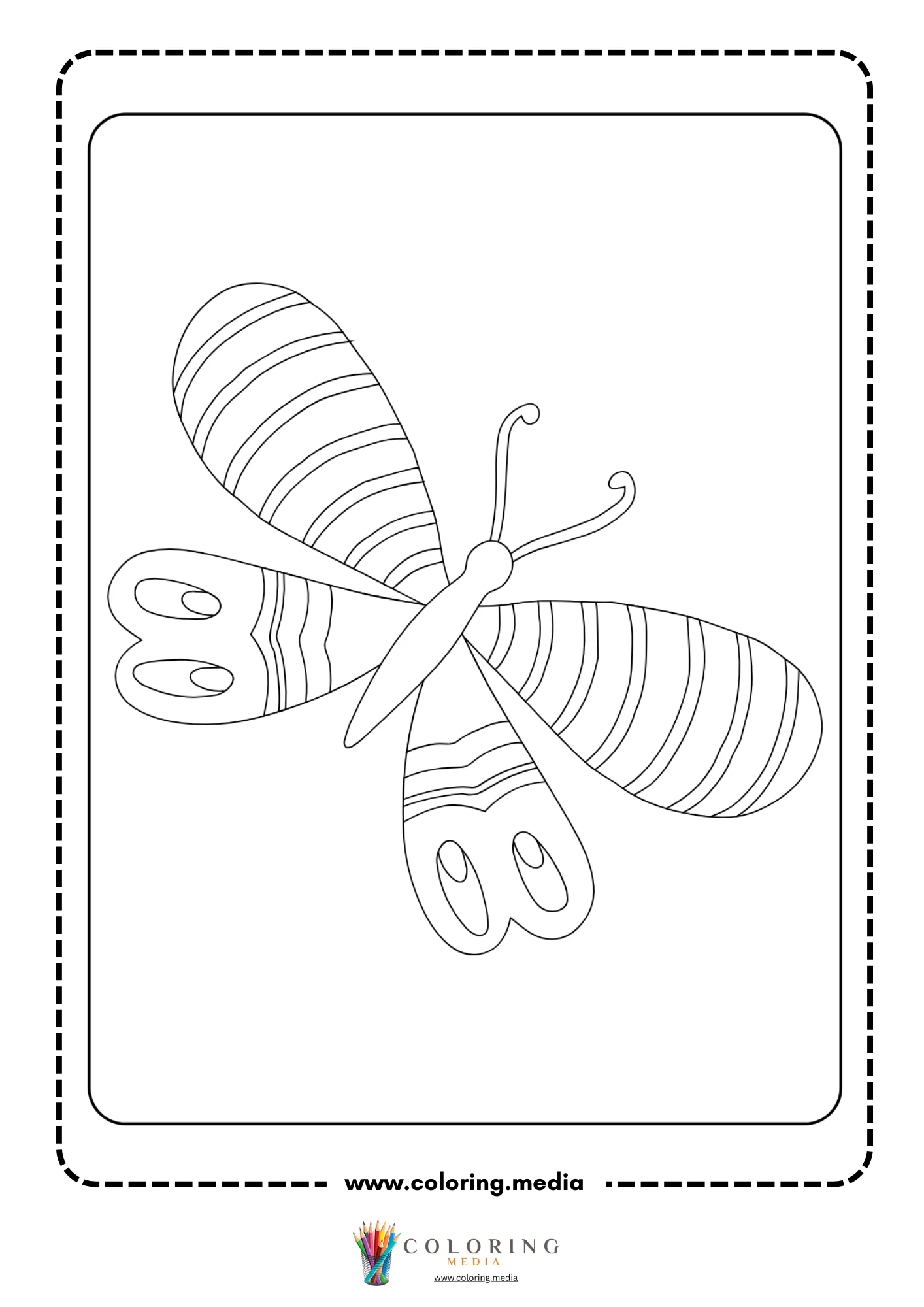
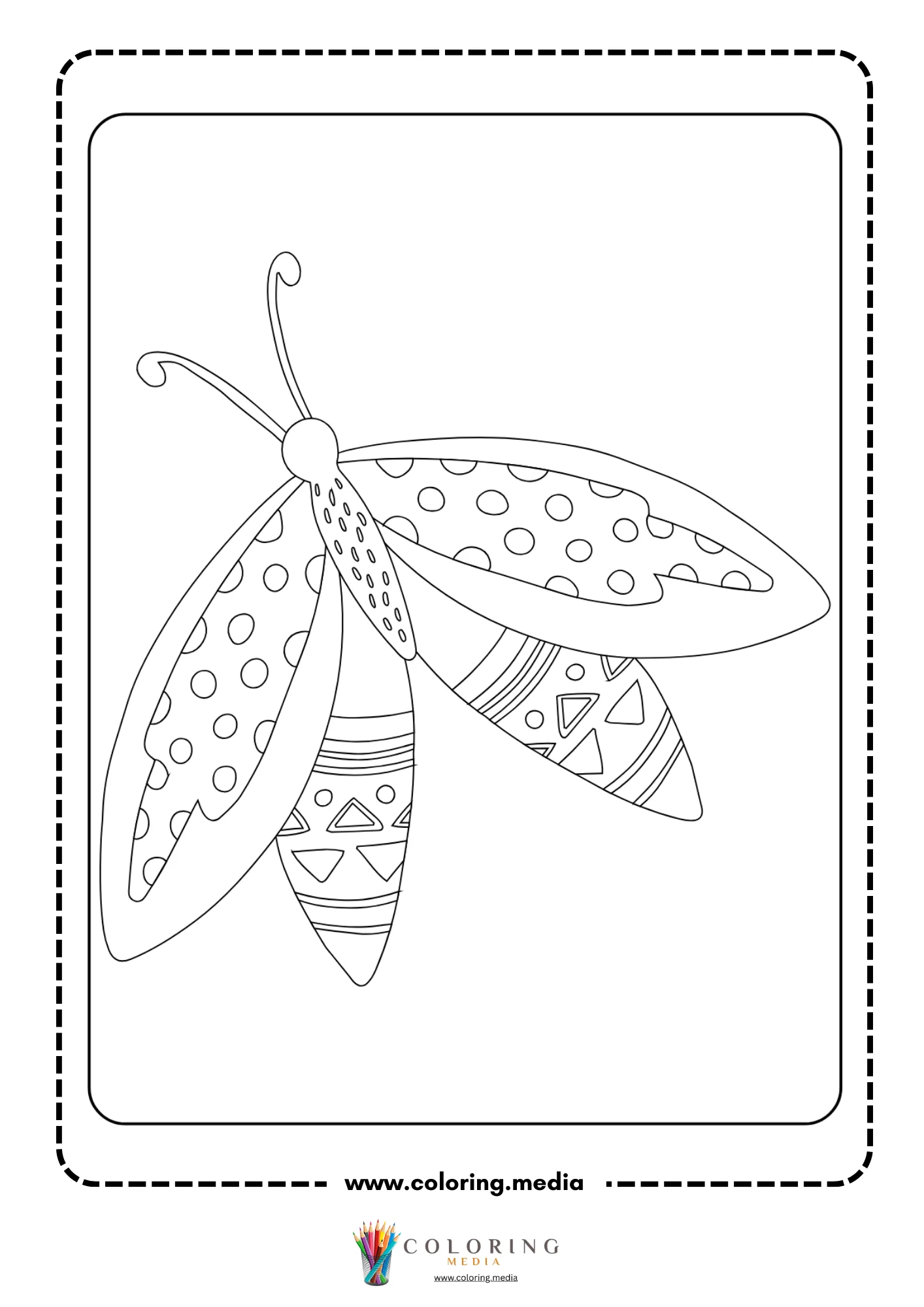
This set of 20 pages runs the full range of what a butterfly coloring collection can be. The first six pages are lively scene compositions — each butterfly surrounded by flowers, music notes, leaves, and cartoon characters like a smiling sunflower or a winking tulip. Pages 7 through 16 shift to clean specimen-style drawings: single butterflies on white backgrounds, each with a distinct wing pattern ranging from horizontal stripes and scattered spots to concentric spirals and flame-shaped markings. The final four bring in cartoon character butterflies with big expressive faces. Line weight runs medium throughout, roughly 2–3mm, with a few tighter areas on the more patterned pages.
The scene pages and cartoon pages will suit kindergarteners who want something expressive and fun to fill in. The specimen-style pages — especially the moth-style spreads and the flame-wing designs — give early elementary kids more to work with, since each wing section is a separate decision. You can also find more Animals Coloring Pages on the site. Everything here is free to download and easy to print.
Free Printable Butterfly Coloring Pages
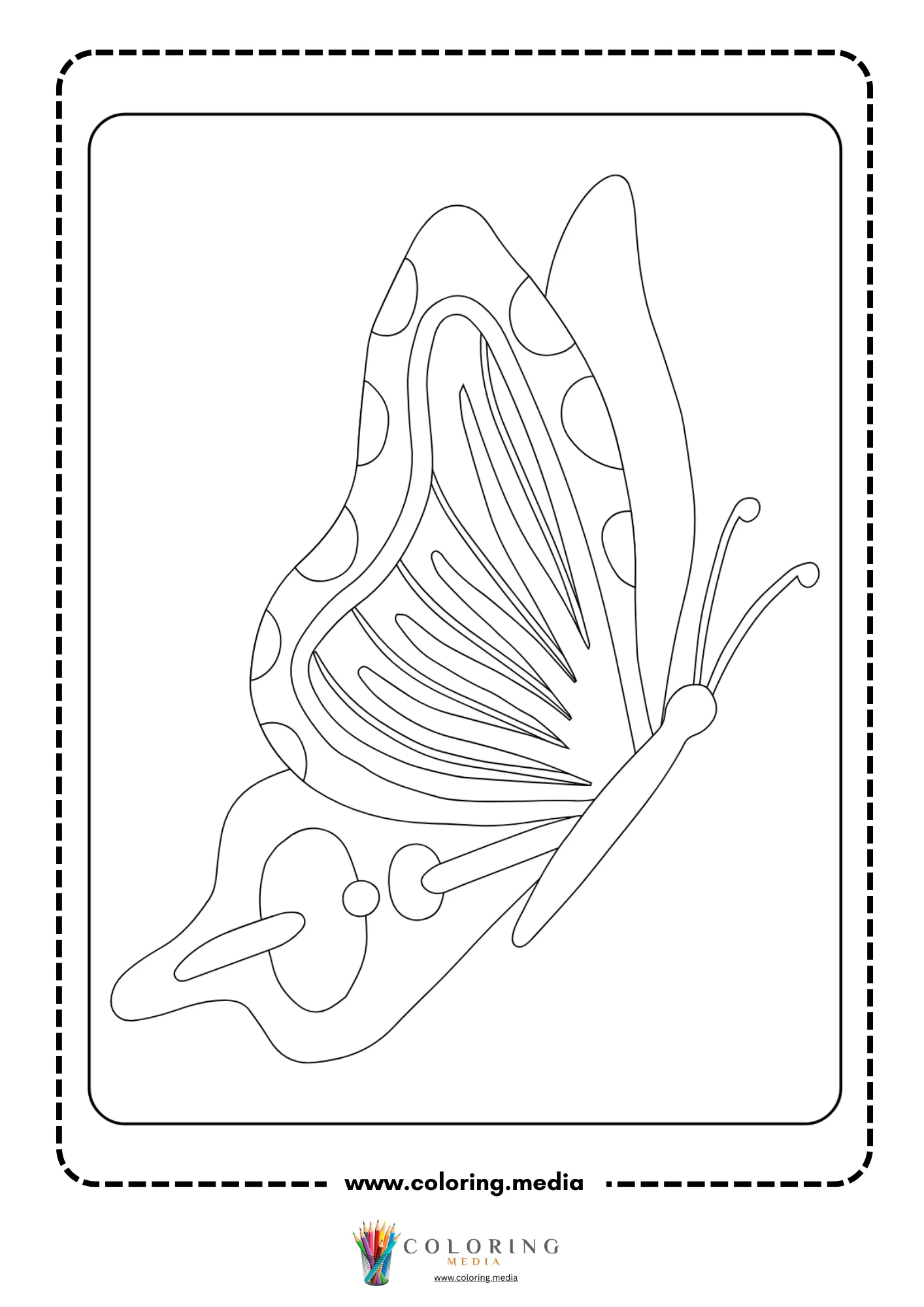
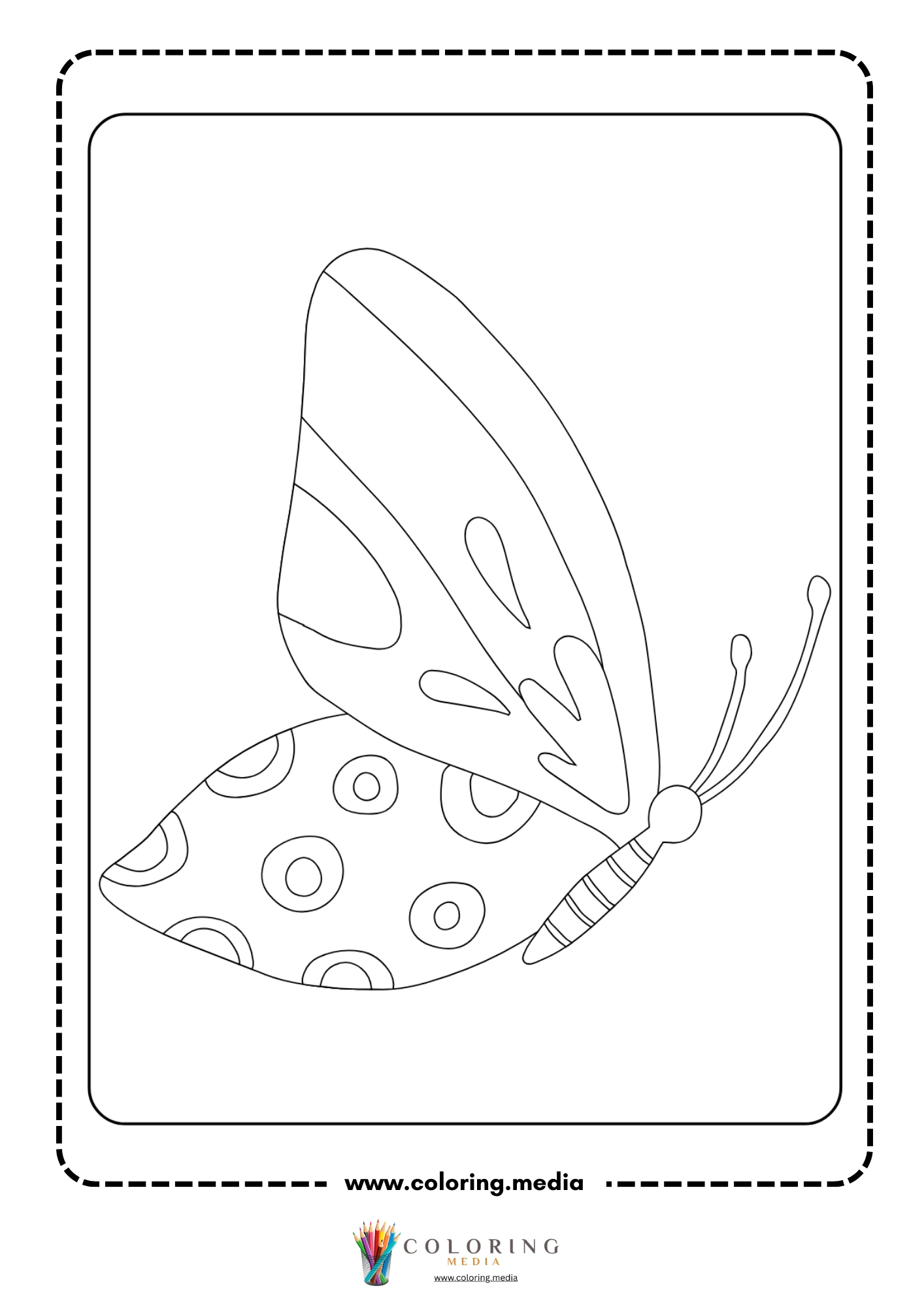
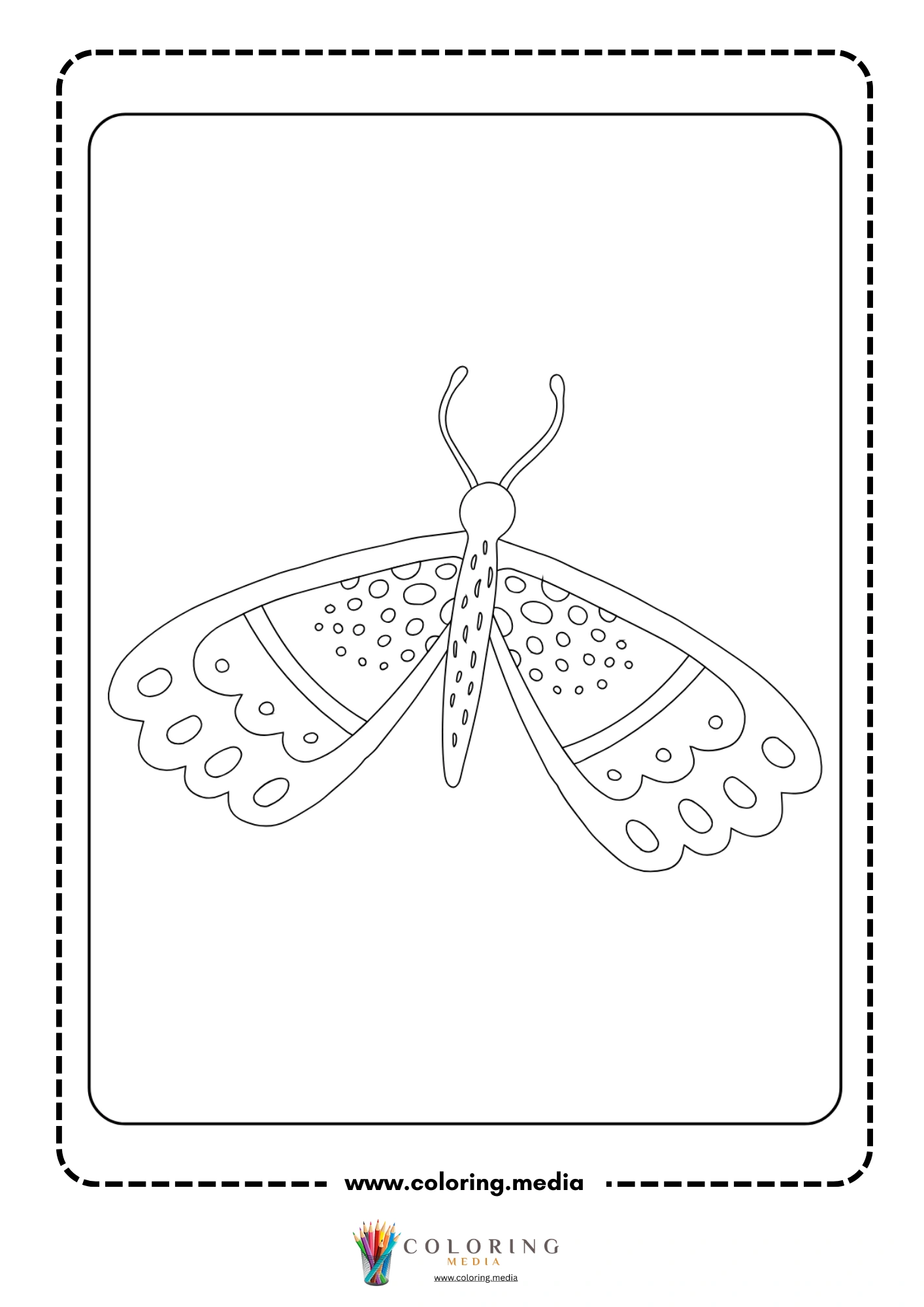
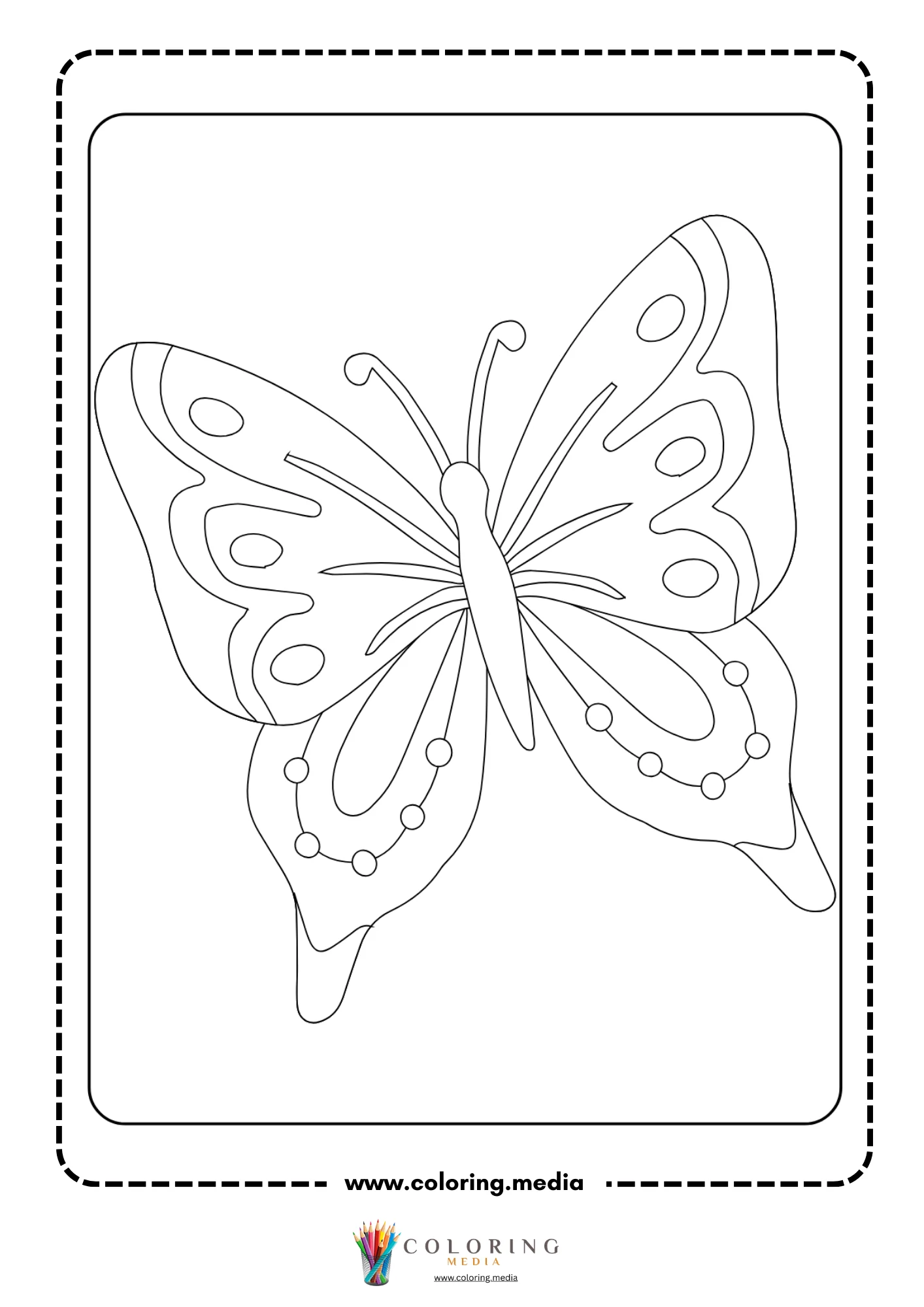
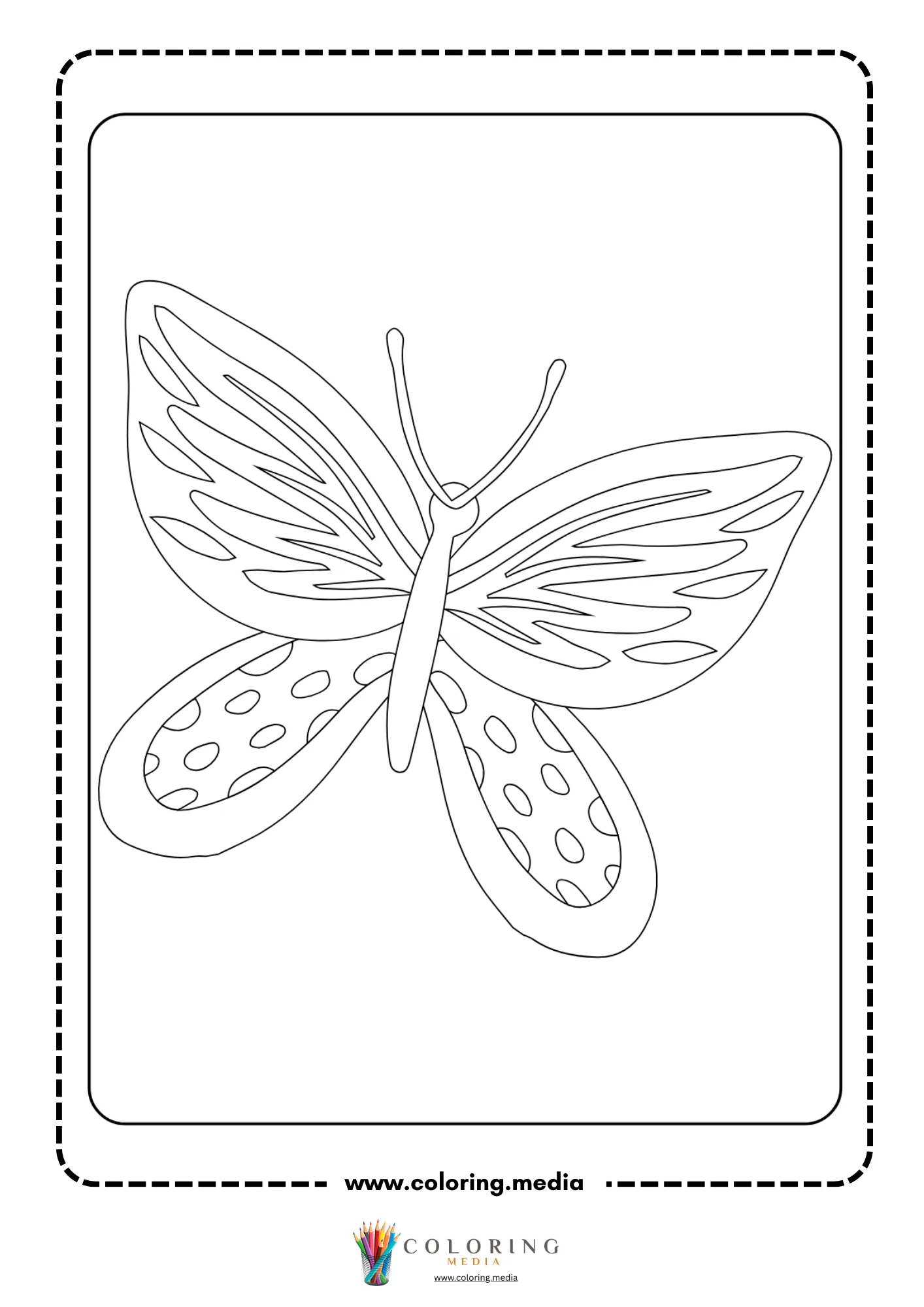
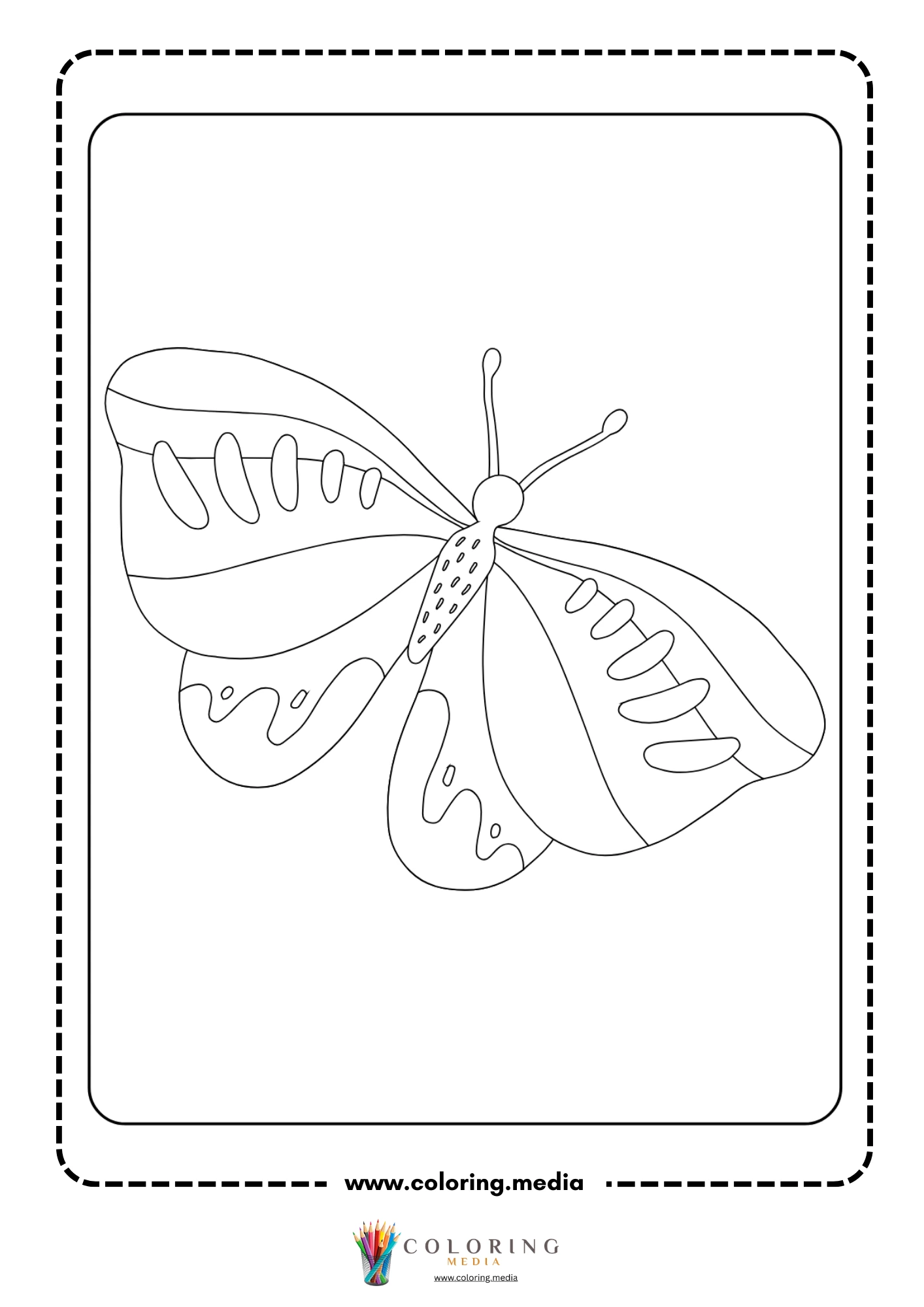
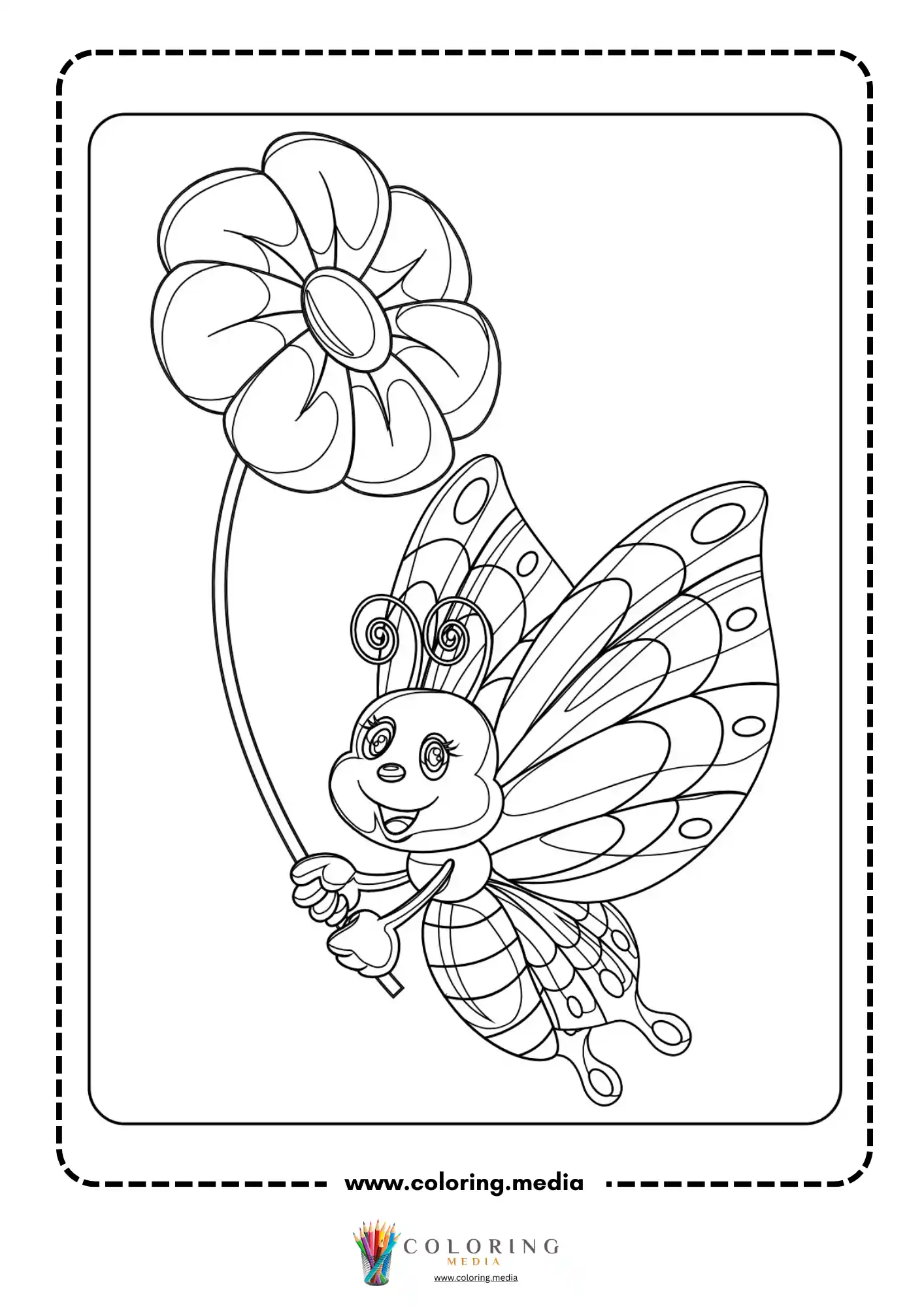
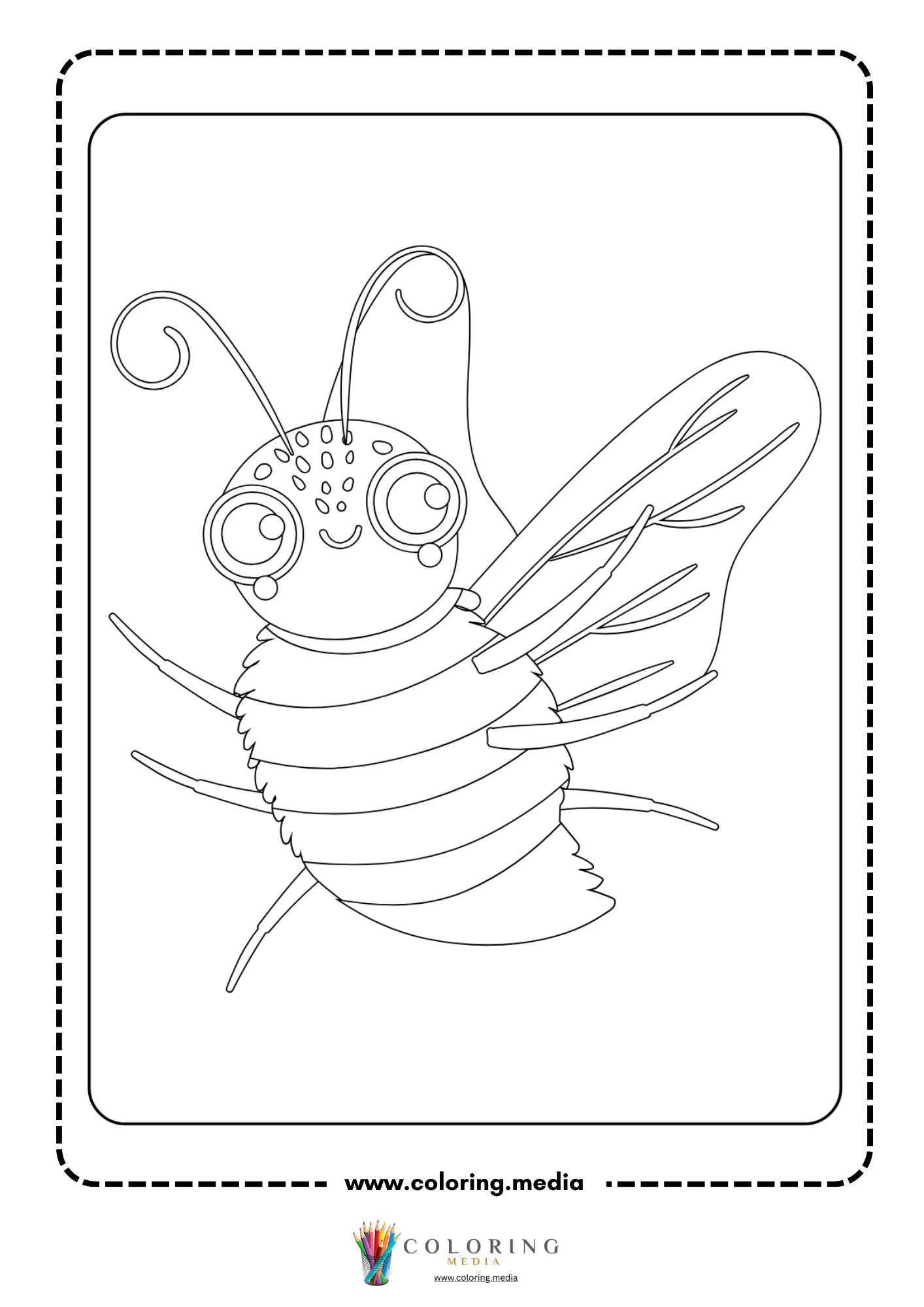
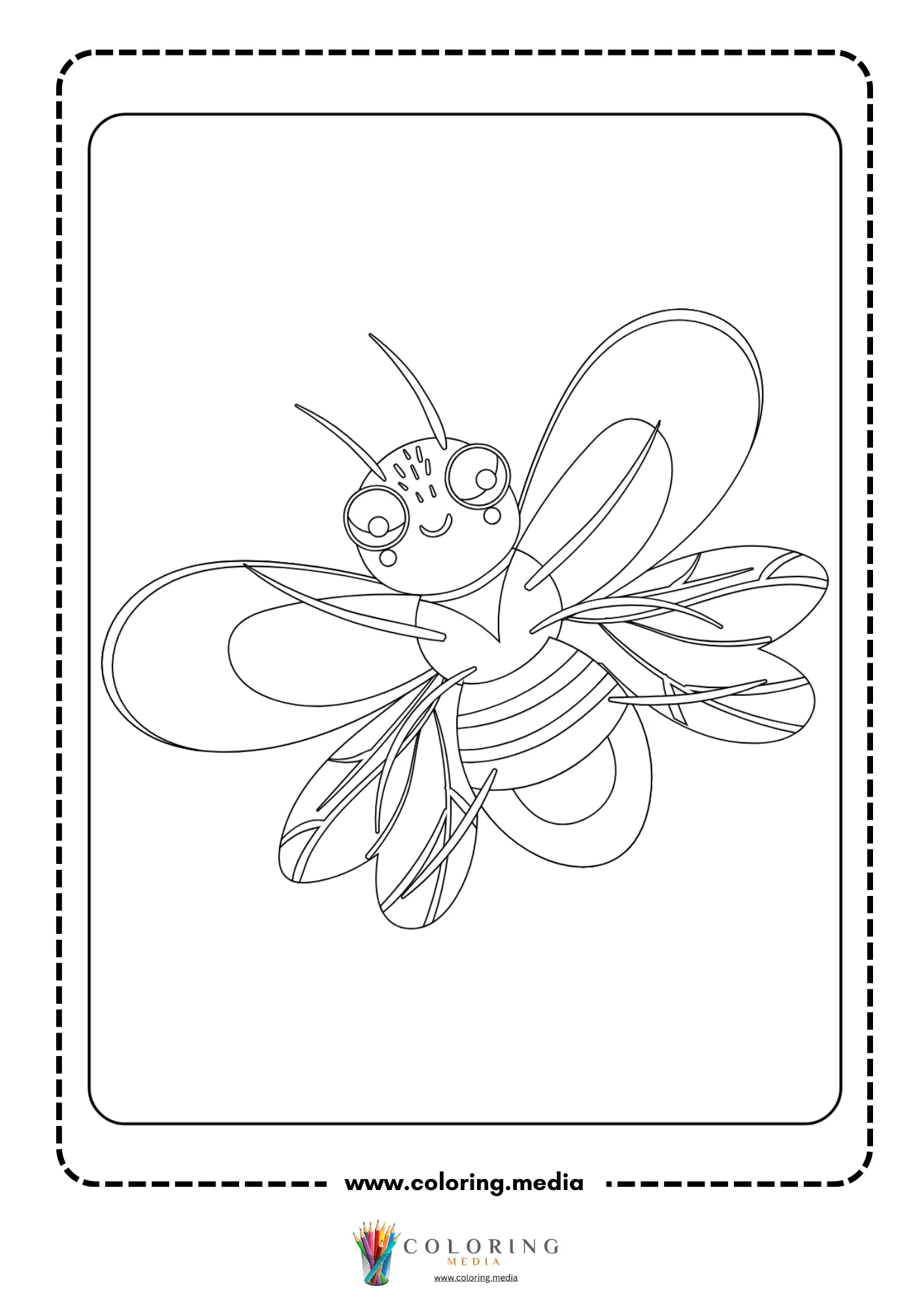
This collection includes 20 printable butterfly coloring pages featuring striped butterflies, spotted butterflies, moth-style spreads with scalloped wings, spiral-patterned side views, flame-wing designs, a polka-dot and triangle set, and four cartoon character butterflies with expressive faces — one shown holding a large flower. All pages are formatted for standard US Letter and A4 paper and print cleanly in black and white.



Who Are These Butterfly Coloring Pages Best For?
Pages 1 through 6 and 17 through 20 — the scene compositions and the cartoon faces — work well for kindergarteners. The large wing areas and bold outlines mean a 5-year-old can fill each section with a single color and get a satisfying result quickly. The smiling sunflower on page 2 and the butterfly holding a flower on page 17 are particularly engaging for kids who like characters.
Pages 7 through 16, the clean specimen-style drawings, are a better fit for early elementary ages. A 7-year-old will appreciate having to decide what to do with each wing section independently — whether to alternate colors on the stripes, use gradients on the spots, or keep both wings symmetrical. In a classroom setting, these pages pair well with a life science unit on insects or a discussion of symmetry in nature.
Interesting Butterfly Facts to Share While Coloring
Butterfly wings are covered in tiny scales, not smooth membrane. Each scale is a single modified hair, and together they create the color patterns visible on the wing. Some species produce color through pigment, while others use microscopic structures that bend light — producing the iridescent blues and greens that no paint can quite replicate.
Butterflies taste with their feet. Receptor cells on the tarsi (feet) detect chemicals on contact, which is how a female butterfly tests whether a leaf is the correct plant species before laying eggs on it. The caterpillars that hatch are often extremely picky about which plants they will eat.
The monarch butterfly migrates up to 3,000 miles each autumn. Individual monarchs do not complete a round trip — the butterflies that reach Mexico in the fall are several generations removed from those that left the previous spring. How they navigate to the same overwintering sites is still not fully understood.
Many butterfly wing patterns serve as warnings rather than camouflage. Bright, high-contrast markings — like the orange and black of a monarch — signal to predators that the insect tastes bad. Other species mimic those patterns without being toxic themselves, benefiting from the learned avoidance without the biological cost.
Creative Butterfly Coloring and Craft Ideas
Symmetry Challenge
Pick any specimen page and color both wings to be exactly symmetrical, matching color choices and placement on both sides.
Real Species Match
Look up a photo of a real butterfly species, then pick the page with the closest wing shape and try to recreate that species’ actual color pattern.
Wing Section Story
On one of the scene pages, assign a different meaning to each flower or leaf — color them according to a personal color code and write the code on the back.
Gradient Practice
Use the large striped wing pages to practice blending two colors across the wing, going from dark at the top edge to light at the bottom.
Cut-Out Mobile
Color and cut out four or five finished butterfly pages, punch a hole at the top of each, and hang them at different lengths from a stick or dowel.
Before and After
Draw a simple caterpillar and a cocoon on separate blank paper, then place a finished butterfly page beside them as the third panel of a metamorphosis sequence.
How to Print These Butterfly Coloring Pages
Each file is a single-sided PDF formatted for both US Letter (8.5 x 11 in) and A4 paper with no scaling required. Standard copy paper works well for crayons and colored pencils. For the patterned specimen pages where you want clean edges between sections, a fine-tip colored pencil will give better control than a broad crayon. Set your printer to grayscale to avoid wasting color ink.
Explore More Animals Coloring Pages
If you enjoyed these pages, you may also like:
Bugs and Insects Coloring Pages
Birds Coloring Pages
Flowers and Plants Coloring Pages
Sea Life Coloring Pages
Animals Coloring Pages