
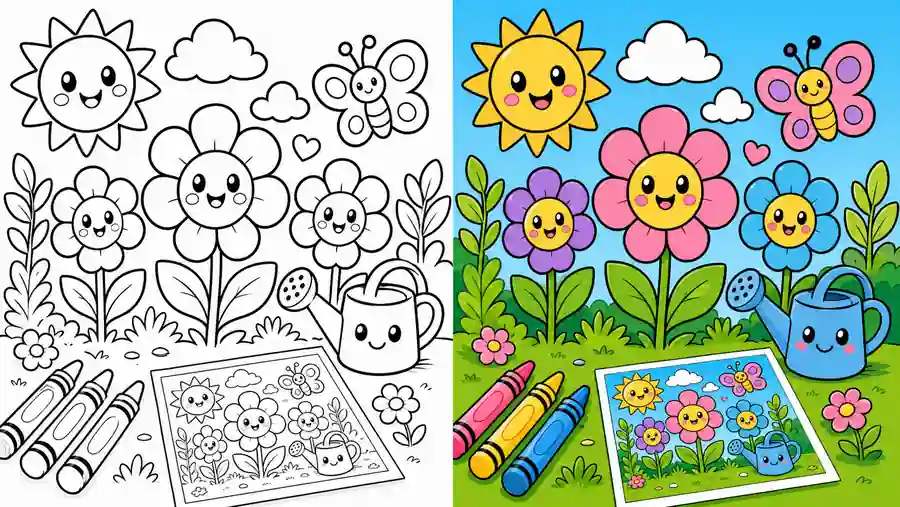
A garden is never just about the plants. These 22 pages make that case clearly: frogs perch beside birdbaths, robins carry worms back to nests, praying mantises stand on flower stalks, bees zoom toward sunflowers, and snails inch across the grass in their spiral shells. The designs pull from everything that actually lives in a garden — not just roses and carrots, but the whole ecosystem that surrounds them. Outlines run 3 to 4 millimeters thick throughout, wide enough for confident kindergarten coloring but detailed enough to show genuine garden scenes rather than flat cutouts.
The range of creatures gives this set a natural science angle that sets it apart from pure flower collections. Each page presents a small habitat moment — a turtle in the grass, a frog by a pond, a hedgehog among autumn leaves — which tends to spark questions about where these animals actually live and what they eat. That kind of curiosity makes the coloring session more engaging than staying inside the lines for its own sake. Everything here is free to download and easy to print.
Free Printable Bold & Easy Garden Coloring Pages
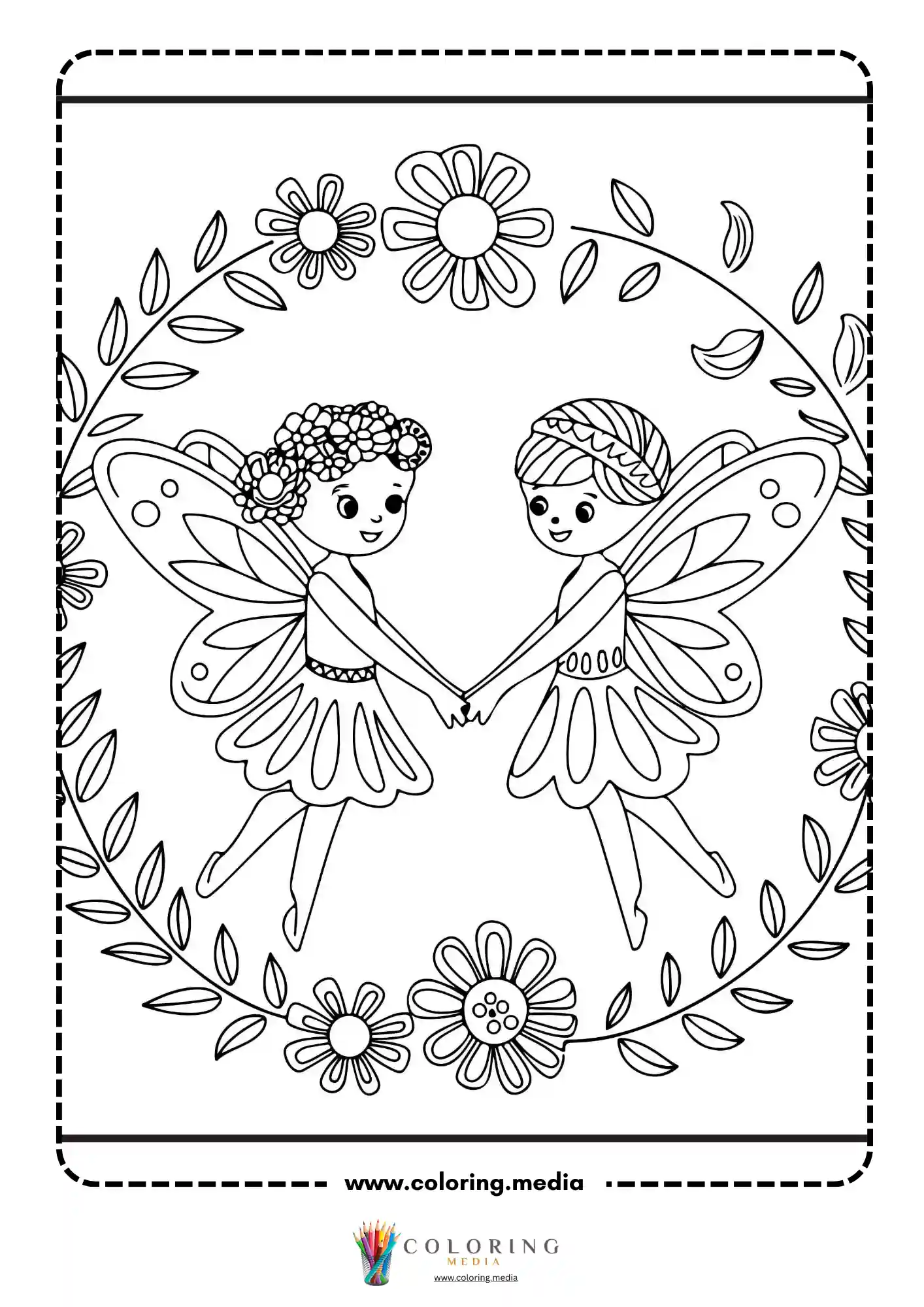
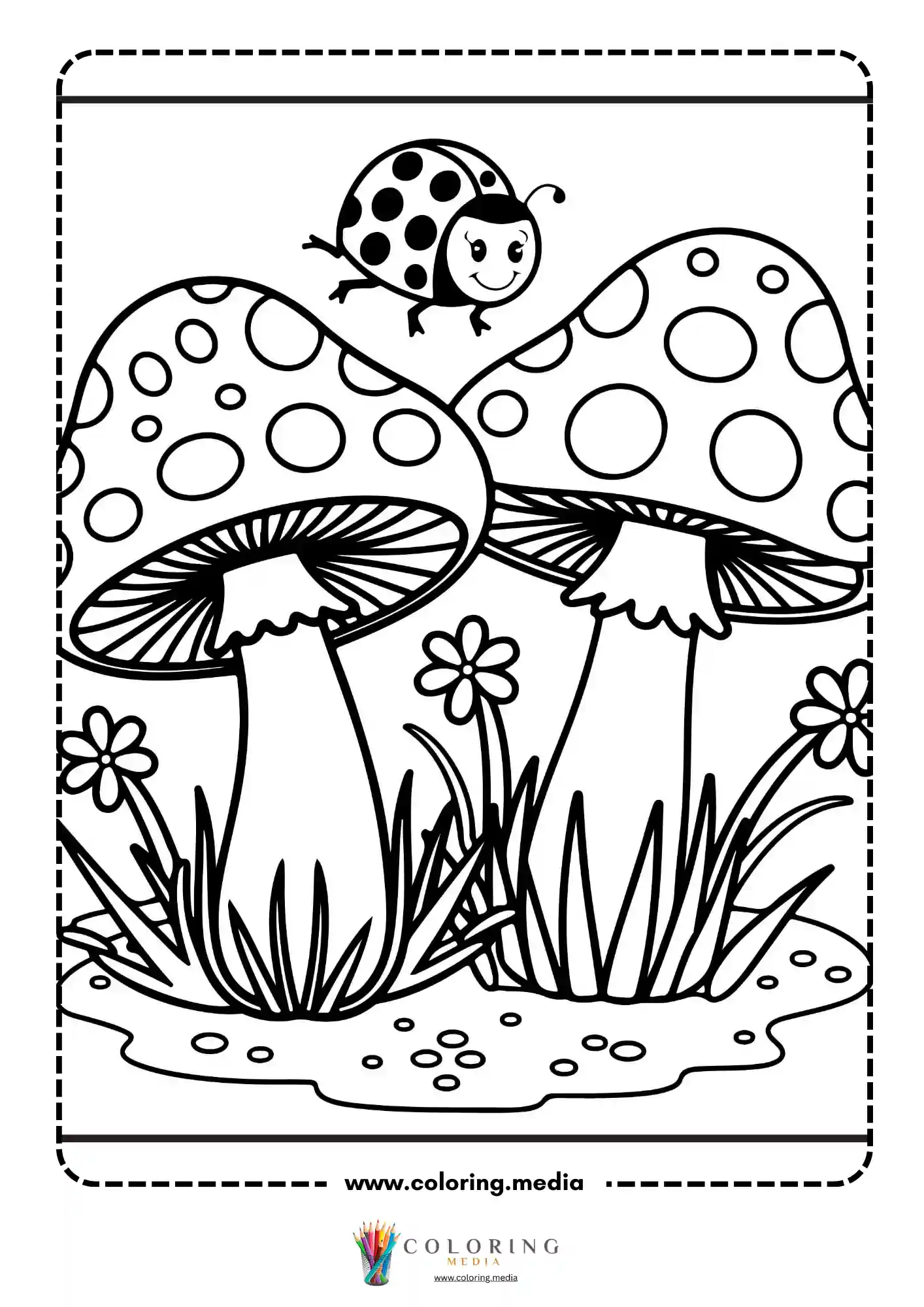
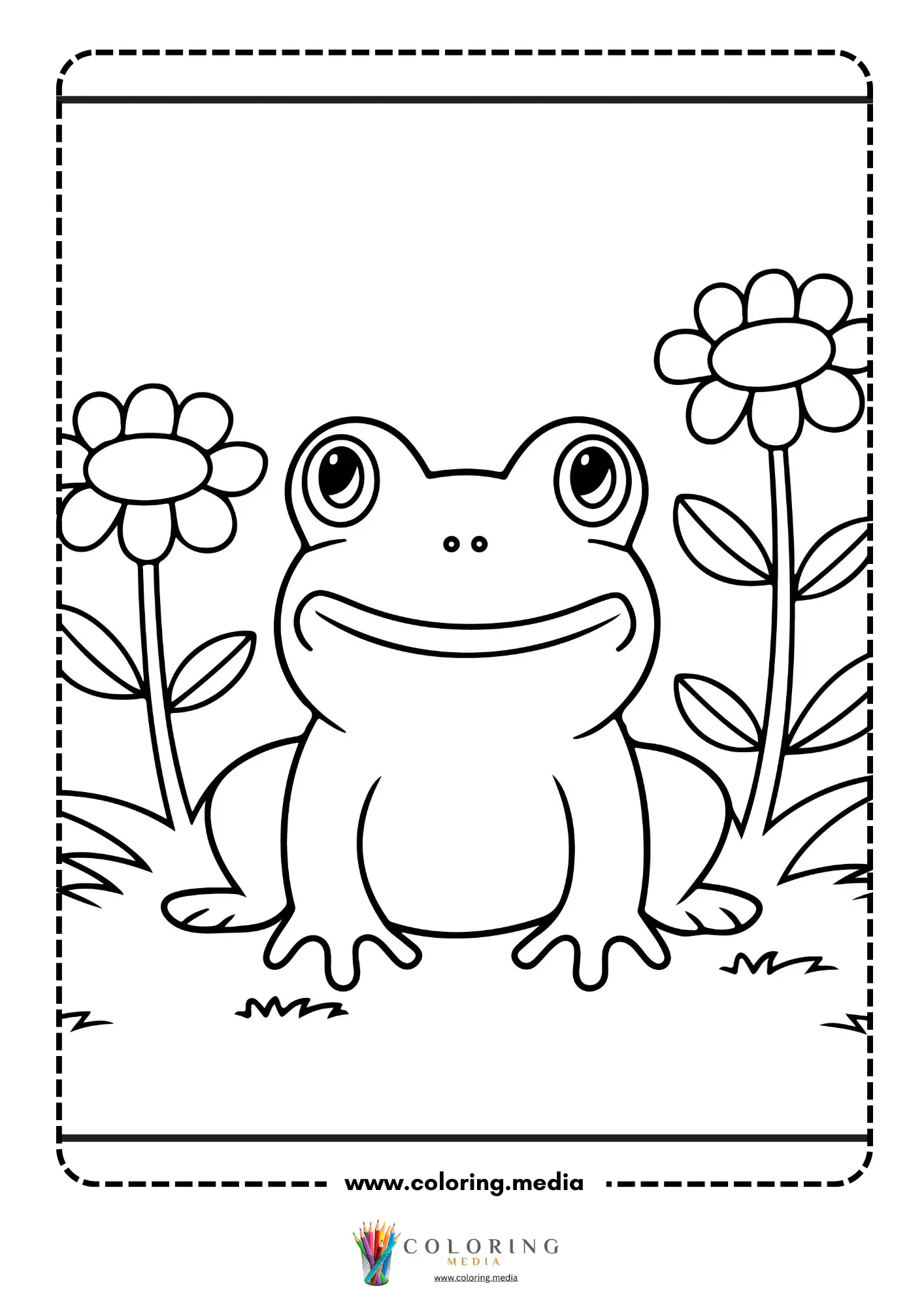
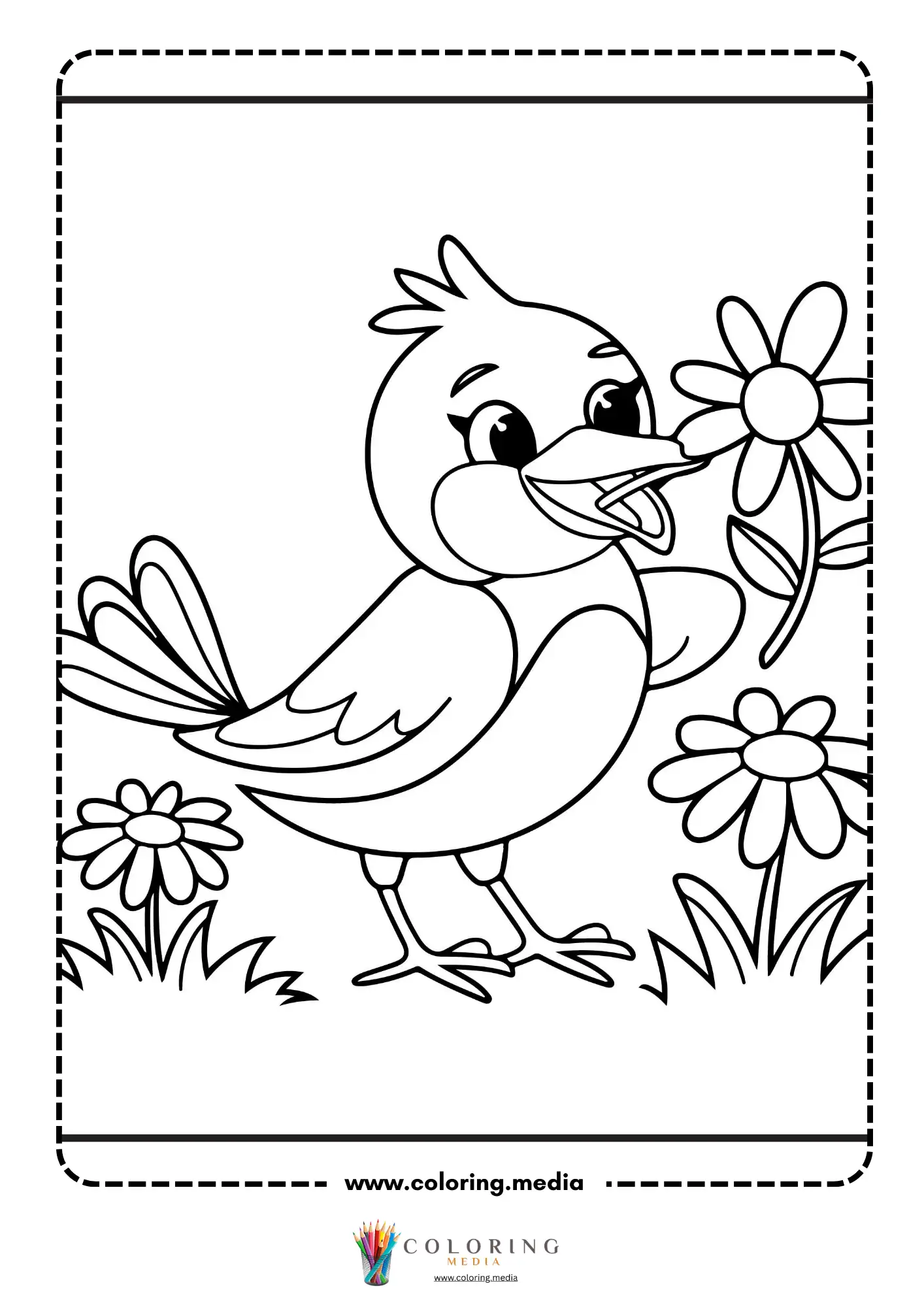
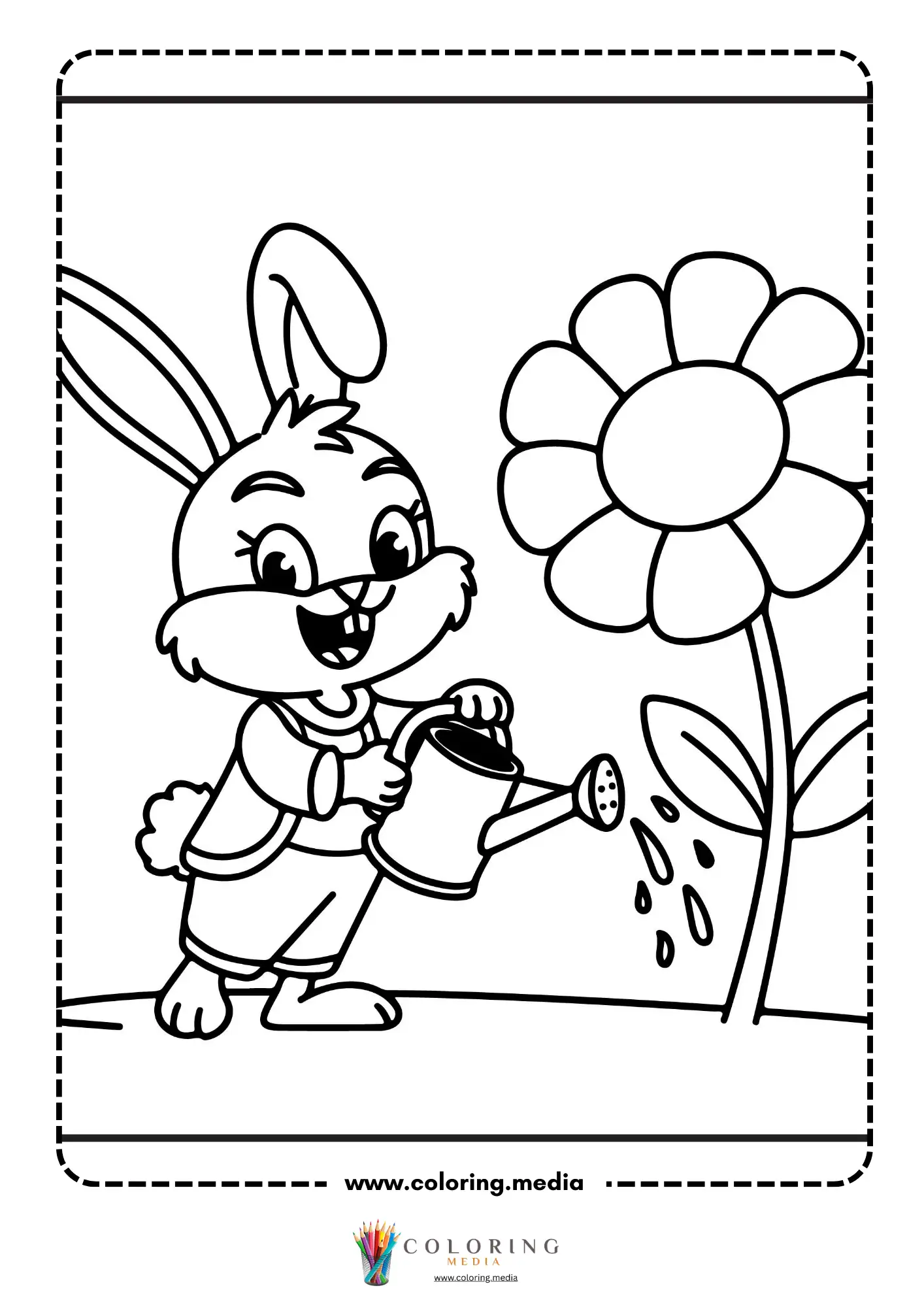
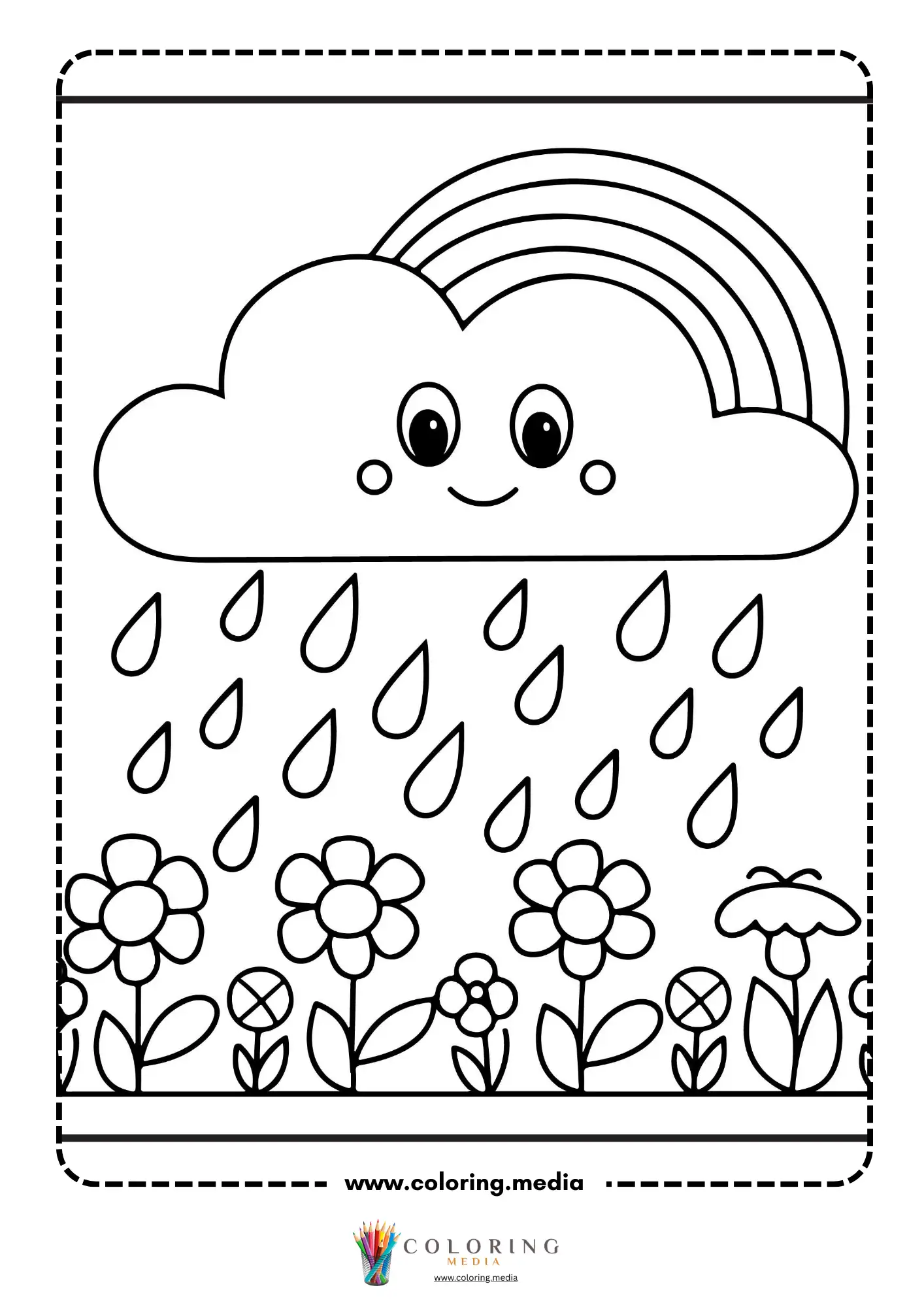
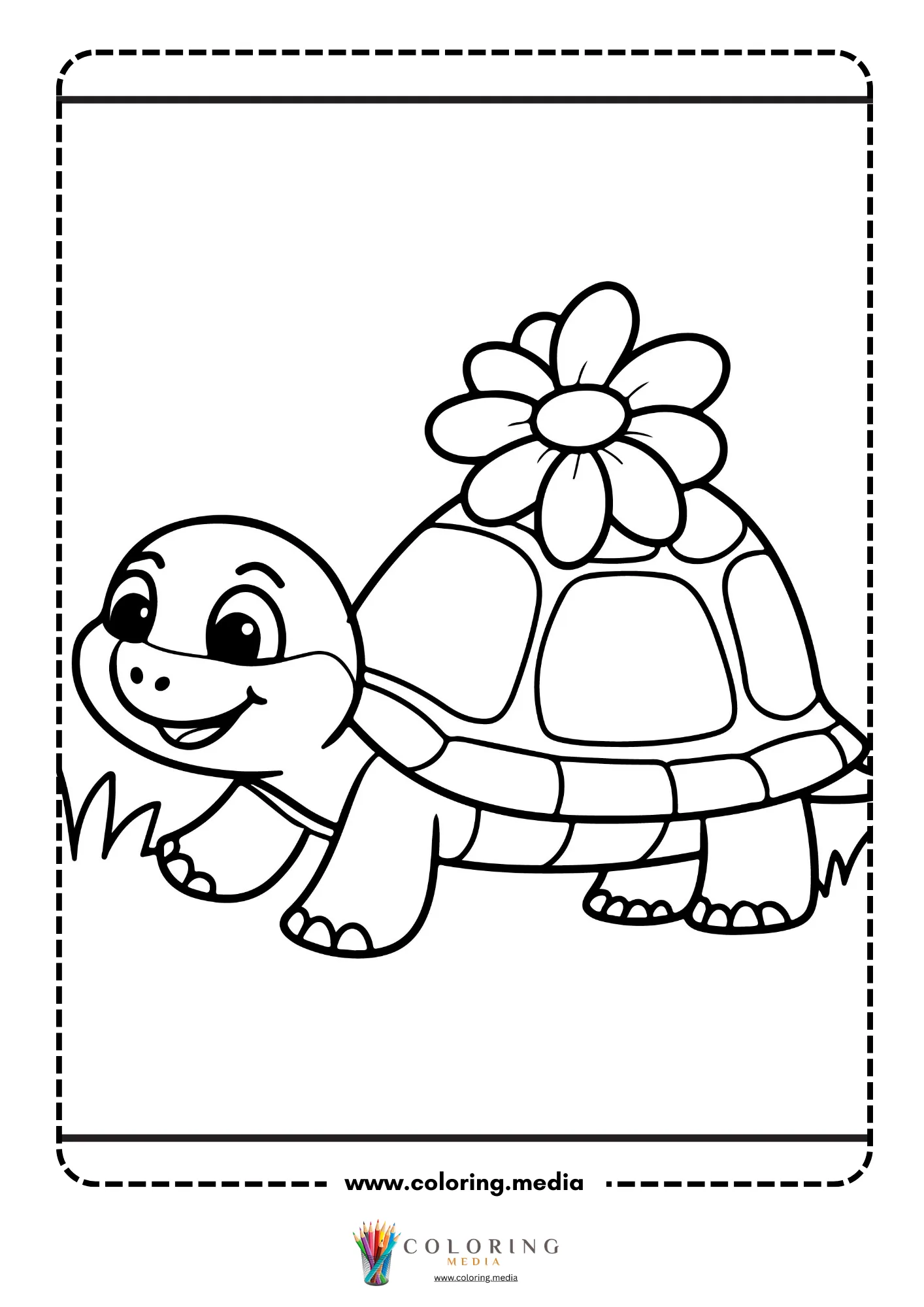
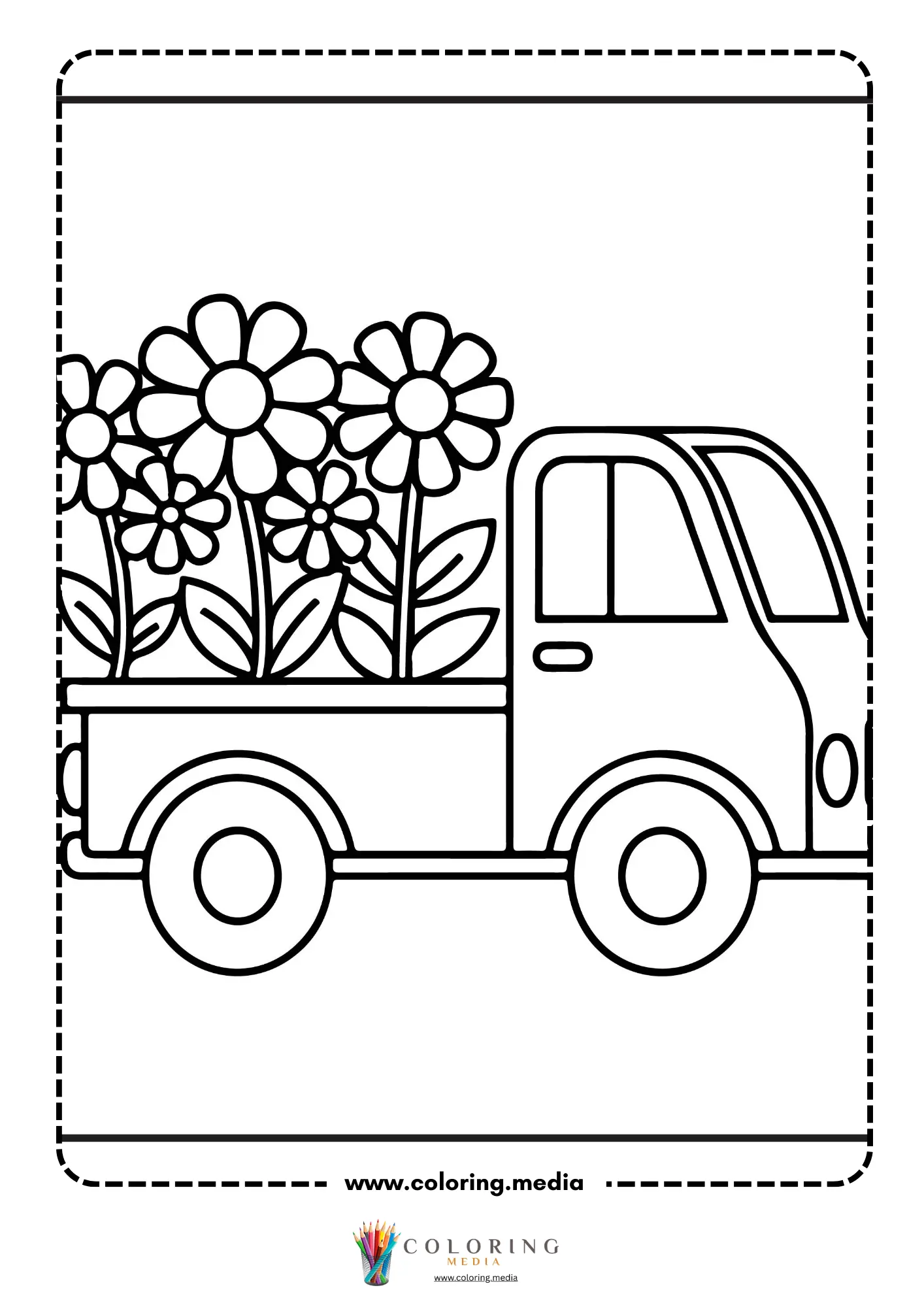
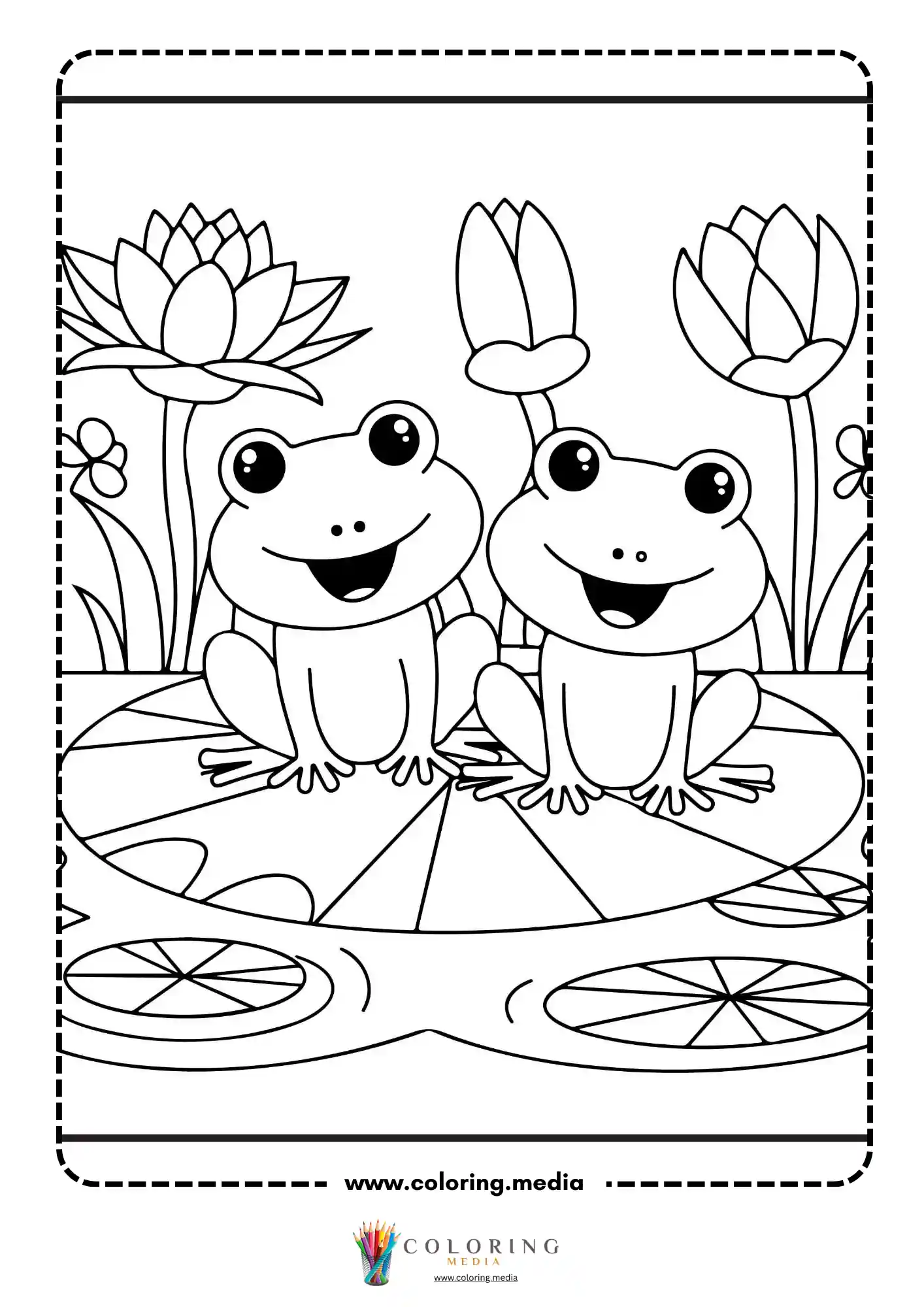
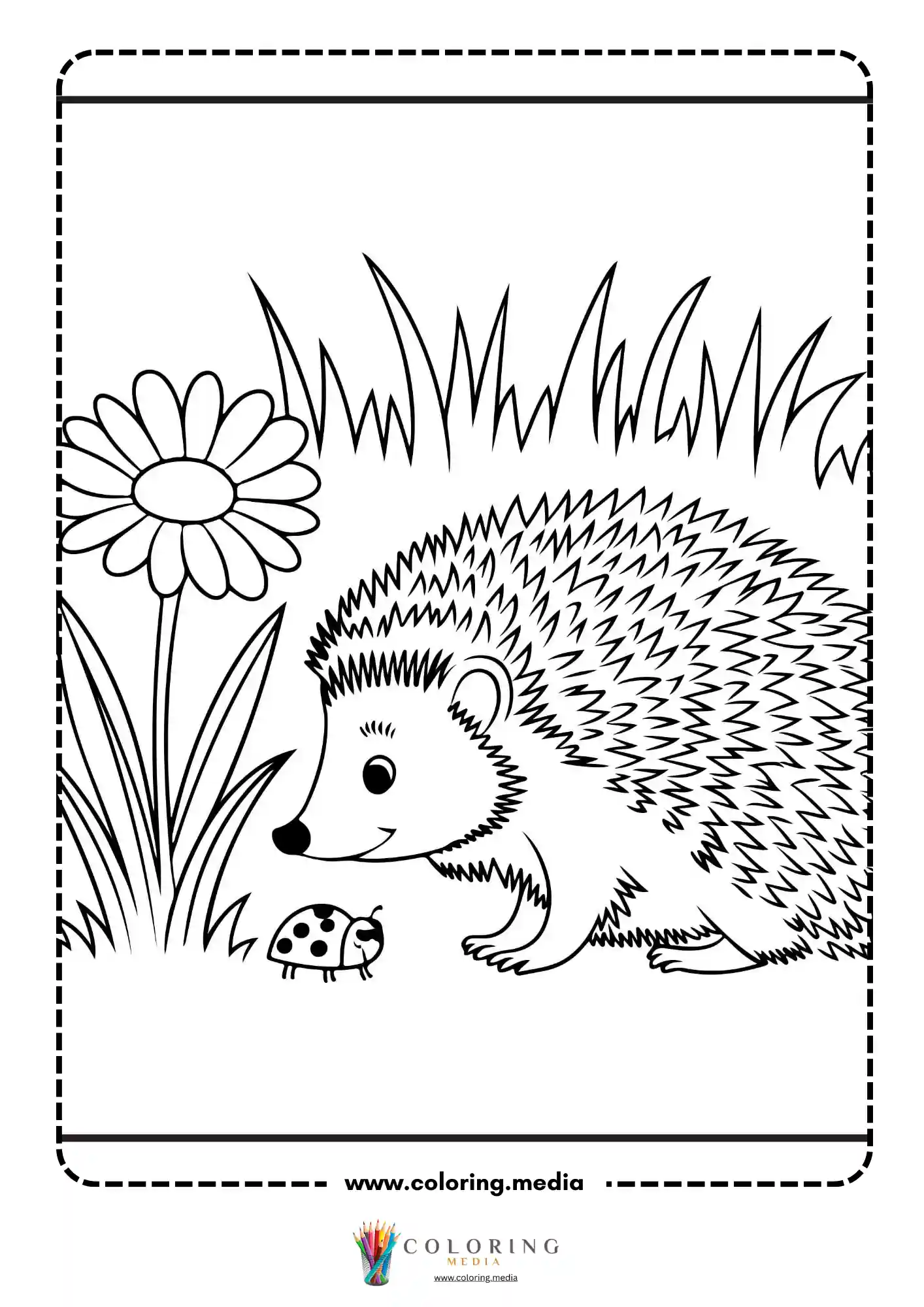
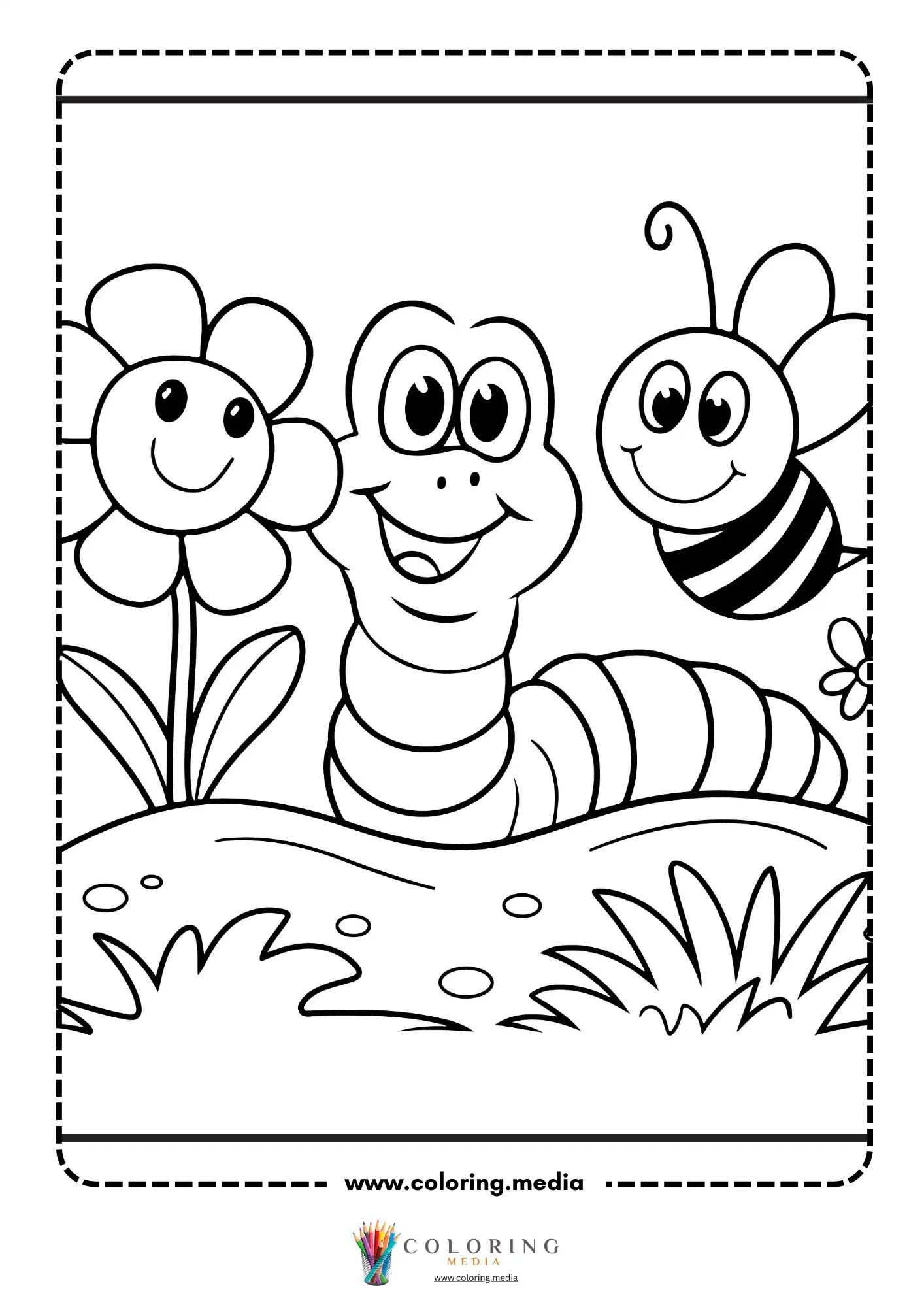
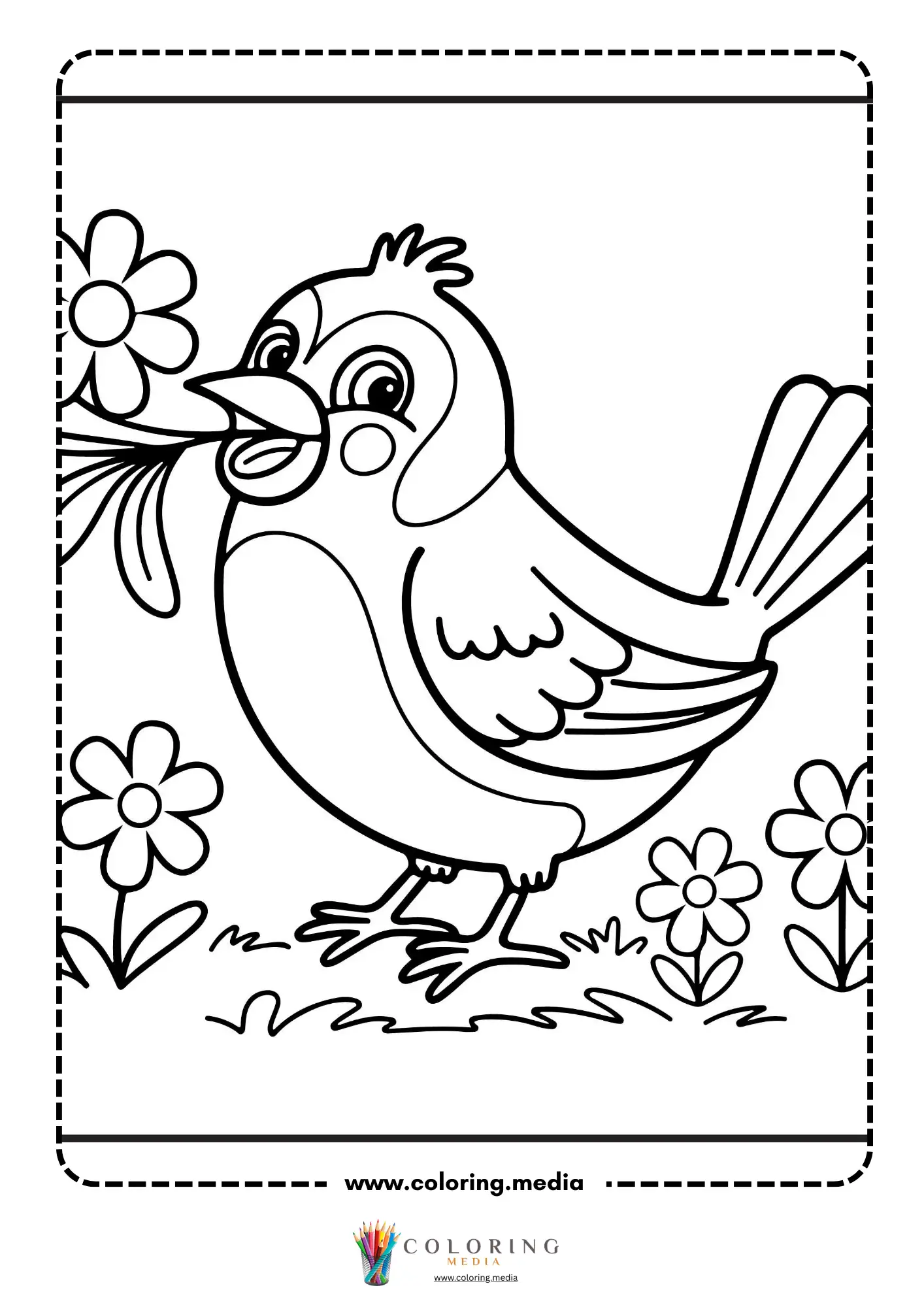
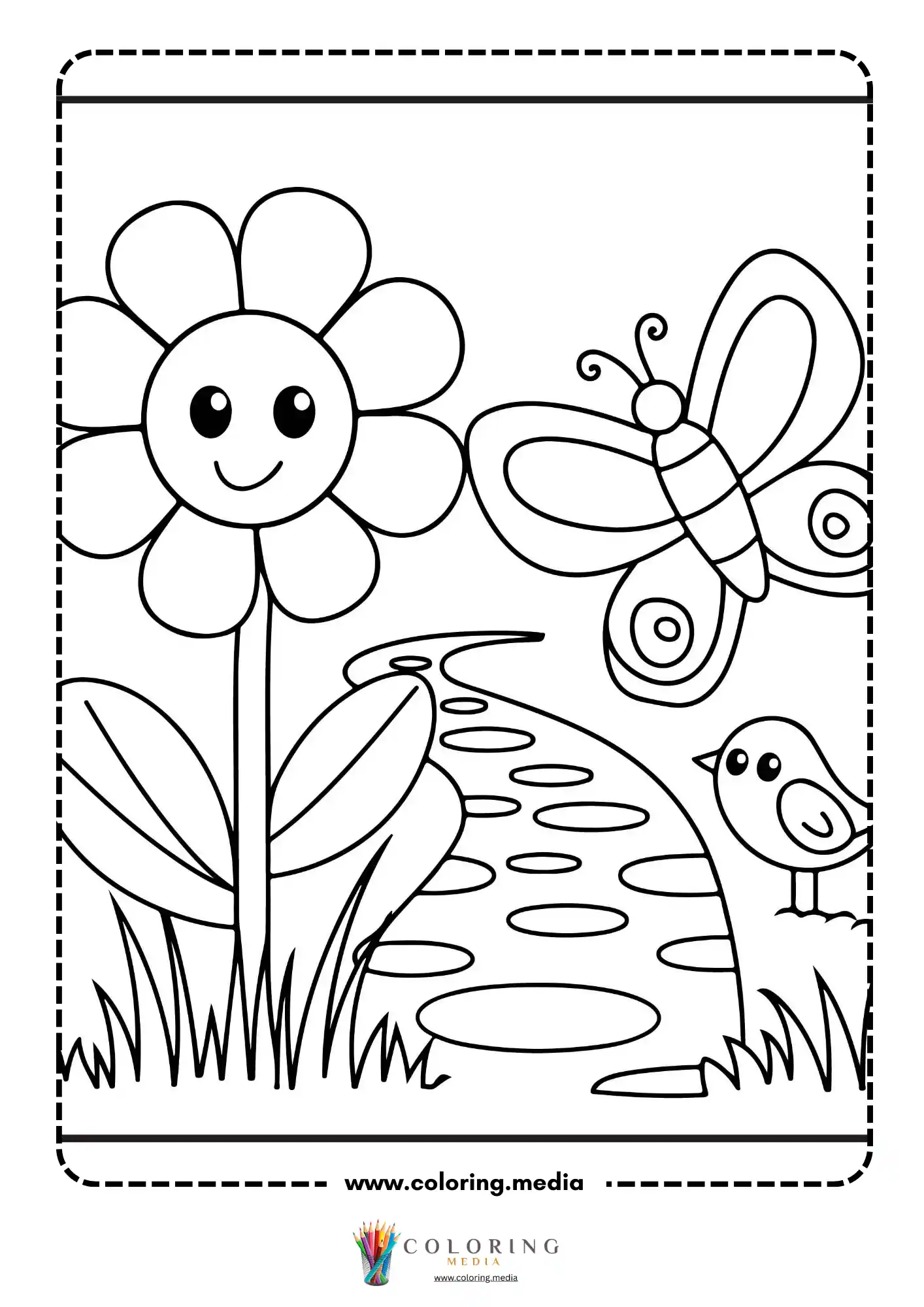
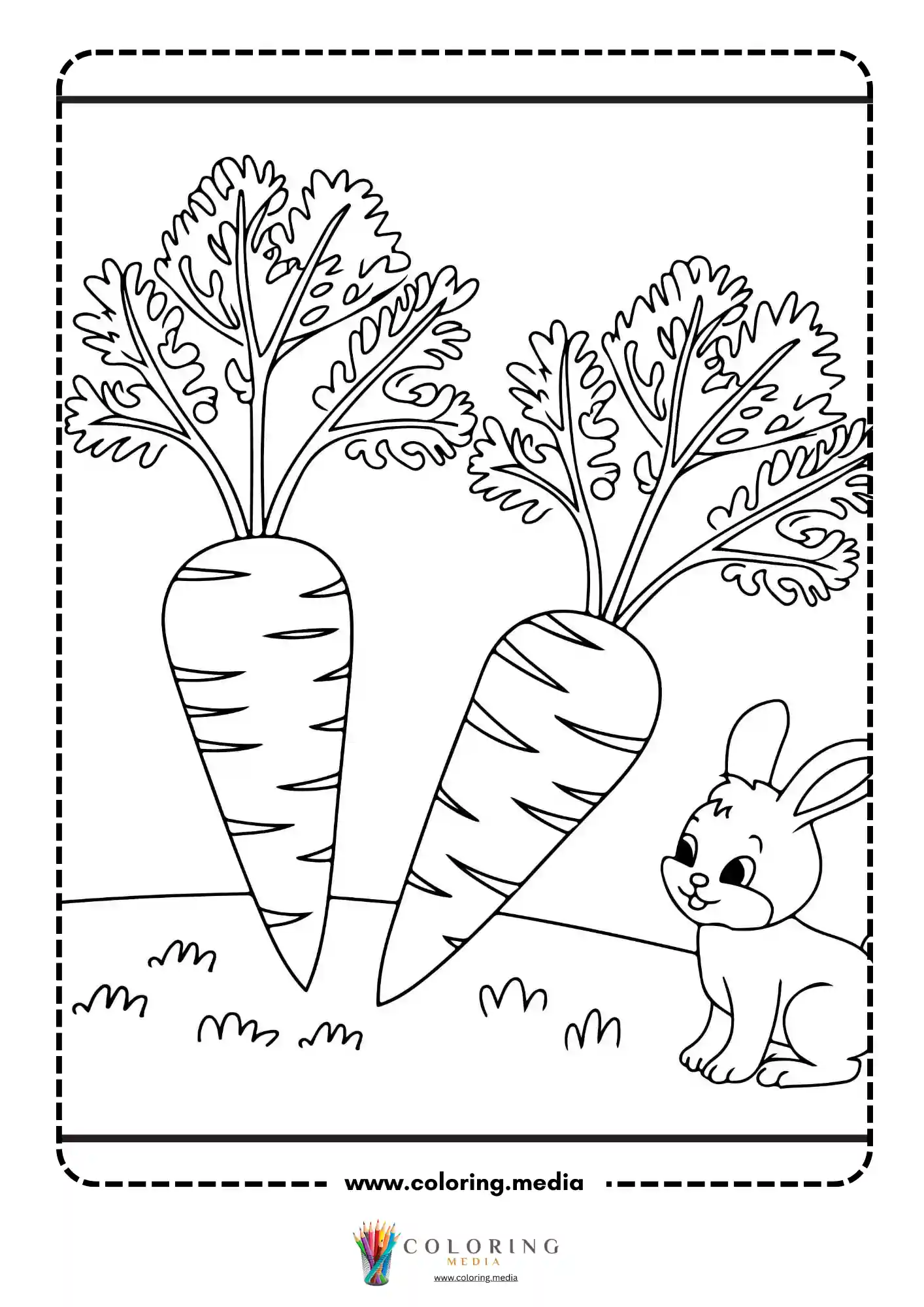
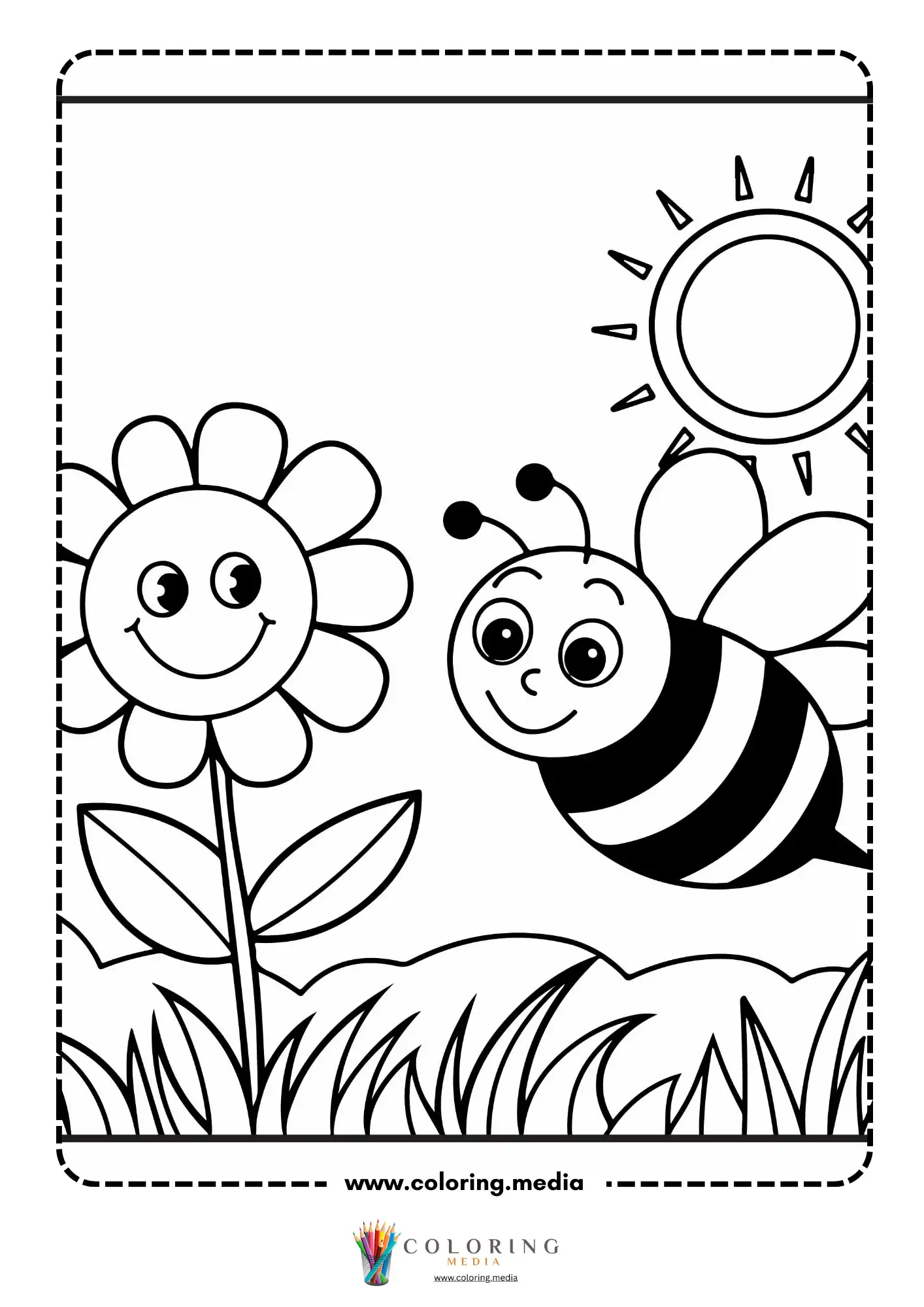
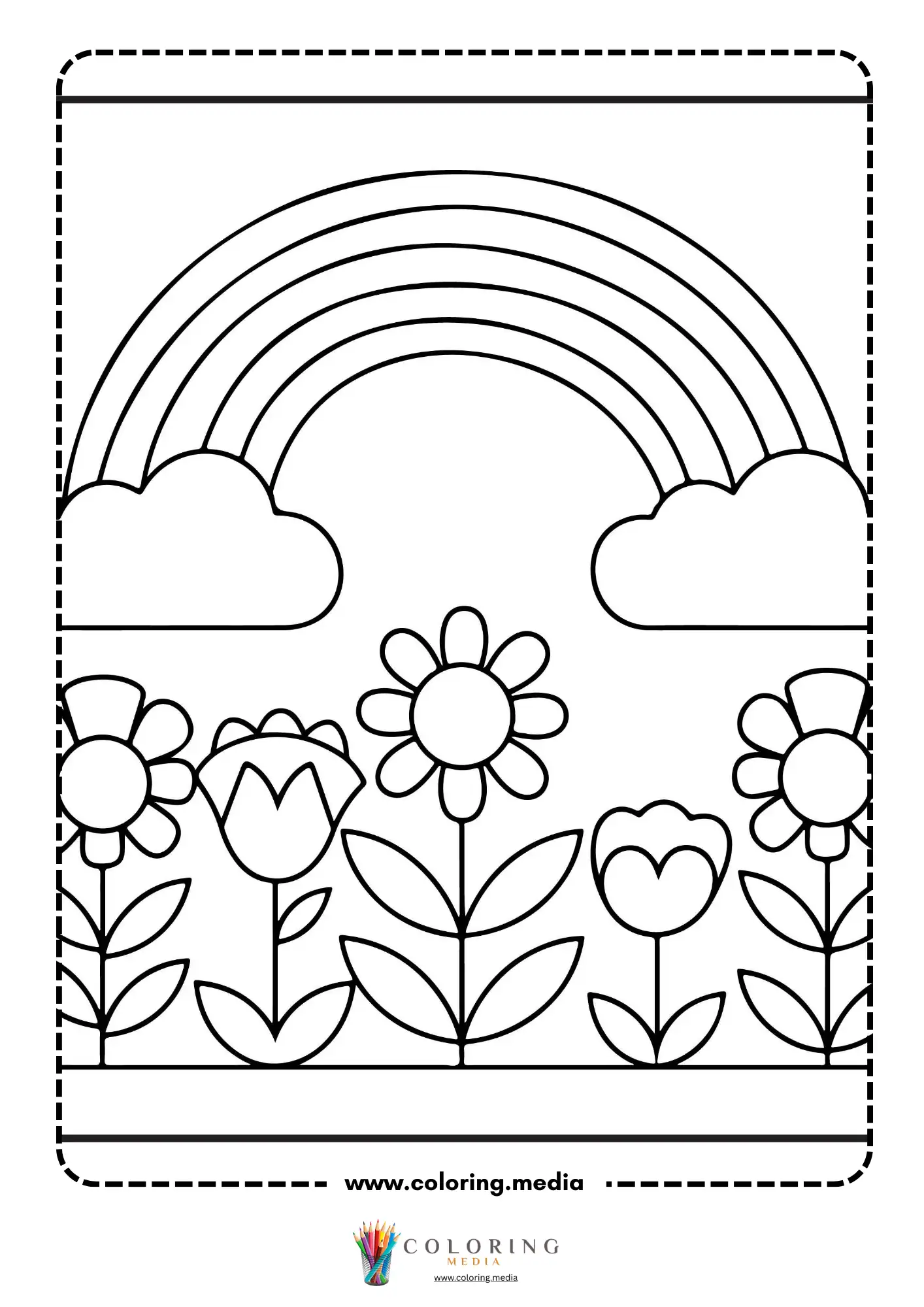
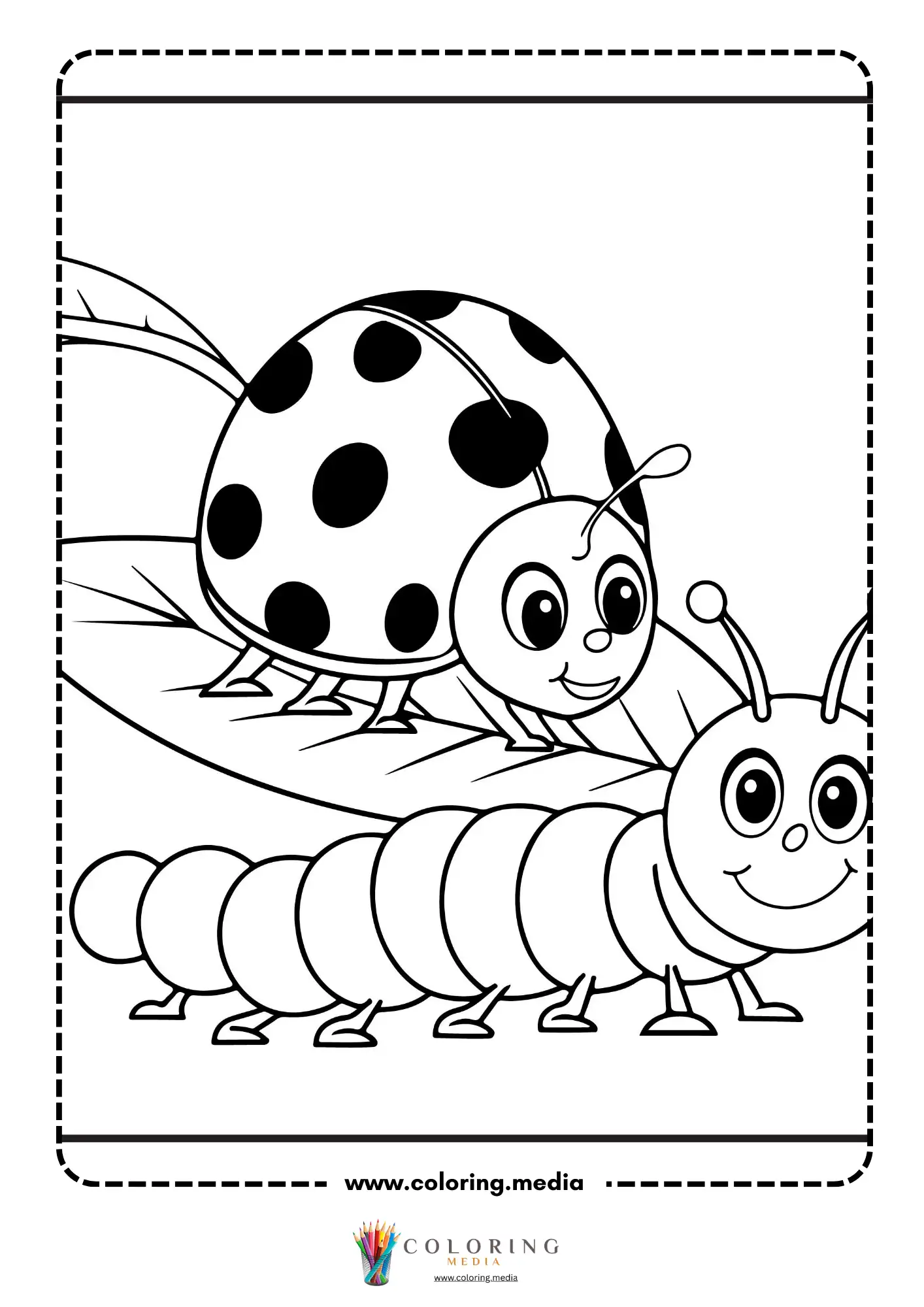
This collection includes 22 printable garden coloring pages featuring a sunflower with visiting frogs, a bird at a garden birdbath, a hedgehog in grass, caterpillars on a branch, a praying mantis among flowers, a robin with a worm, a bee and flower scene with sunshine, a carrot patch with a ladybug, a flower garden with a rainbow, a large garden snail, a spotted ladybug on grass, mushrooms with a turtle, a frog on a lily pad, a bird delivering food to a nest, a bunny standing among daisies, a garden scene in rain with a rainbow, a turtle in the meadow, and two flower delivery truck scenes. Each design downloads as a PDF for A4 or US Letter printing.





Who Are These Garden Coloring Pages Best For?
Kindergarteners are well-matched to this set. The scenes have enough going on — a frog here, a bird there, grassy ground at the bottom, a sun in the corner — to hold a five-year-old’s attention, but the outlines are thick enough that staying roughly inside them is achievable. Kids who love animals will gravitate toward this over a purely floral collection because there is always a creature to identify and talk about.
Early elementary children, ages six through eight, can use these pages as an opportunity to practice coloring backgrounds. The grass patches, cloud shapes, and ground lines give them a reason to think about which color goes where — green below, blue above — rather than just filling in one central shape. That small bit of spatial planning is a genuine step up from single-subject coloring pages.
These work well in classroom settings alongside spring or summer nature units. Pairing the snail page with a discussion of gastropods, or the bee page with a lesson on pollination, turns the coloring activity into reinforcement rather than just free time.
Interesting Garden Facts to Share While Coloring
Snails carry their homes with them — and they never replace them. A snail’s shell is part of its body, attached to its organs. The shell grows as the snail grows, adding layers in a spiral. If a snail’s shell is badly damaged, the snail usually cannot survive, because the shell protects vital internal organs, not just the soft body.
Frogs drink through their skin. They do not drink water through their mouths the way most animals do. Instead, they absorb moisture directly through patches of permeable skin on their belly and thighs, called a “drinking patch.” This is why frogs need to stay near water or damp ground to stay alive.
A single bee colony can pollinate 300 million flowers in a day. Honey bees visit flowers to collect nectar and pollen, and as they move from bloom to bloom, pollen from one flower sticks to their fuzzy bodies and rubs off onto the next. Without this accidental transfer, most fruit and vegetable crops would not produce food.
Ladybugs are predators, not just pollinators. Despite their cheerful appearance, ladybugs are actually aggressive hunters in the garden. A single adult ladybug can eat up to 5,000 aphids — tiny sap-sucking insects — over its lifetime. Gardeners who see ladybugs are seeing natural pest control at work.
Hedgehogs are immune to many snake venoms. European hedgehogs can survive bites from adders that would be dangerous to other small animals. They use this tolerance offensively: hedgehogs will sometimes actively attack and eat venomous snakes, rolling into a ball if bitten, then resuming the hunt when the snake tires.
Creative Garden Coloring and Craft Ideas
Creature Field Journal After coloring a page, write two sentences about that garden creature — where it lives and what it eats — on the back, turning the coloring page into a nature journal entry.
Garden Habitat Mural Color four or five pages and arrange them on a large sheet of paper into a complete garden habitat: sky above, flowers in the middle, ground creatures below. Add hand-drawn extras like worms in the soil.
Rain Garden Page Use the rain and rainbow scene as a prompt: color the raindrops blue, then add a thin yellow watercolor wash over the whole page after the crayons dry, to create a wet-light atmosphere.
Snail Shell Math Count the spiral rings on the snail’s shell while coloring. Snail shells grow by adding rings — estimate how old the snail might be based on ring count, then check if that is biologically plausible.
Pollinator Tracking After coloring the bee page, go outside and count how many different flying insects visit flowers in five minutes. Compare the actual visitors to the bee on the coloring page.
Seasonal Sort Arrange the completed pages into seasons: which garden creatures appear in spring? Summer? Do any appear in both? Use this as a discussion starter about animal behavior through the year.
Garden Story Use three coloring pages together — pick any three — and write a short story where each creature from the pages encounters the next in the garden. The frog meets the snail, the snail meets the bunny, and so on.
How to Print These Garden Coloring Pages
Each page downloads as a PDF for A4 or US Letter paper. Standard copy paper handles crayons and colored pencils without issue. For marker use, choose 24 lb or heavier paper to prevent bleed-through on the background areas. Printing in black and white keeps the outlines solid and avoids any gray tint from the printer’s color calibration.
Explore More Nature Coloring Pages
If you enjoyed these pages, you may also like:
Bold & Easy Floral Coloring Pages
Bold & Easy Ocean Scene Coloring Pages
Bold & Easy Animal Coloring Pages
Nature Coloring Pages