
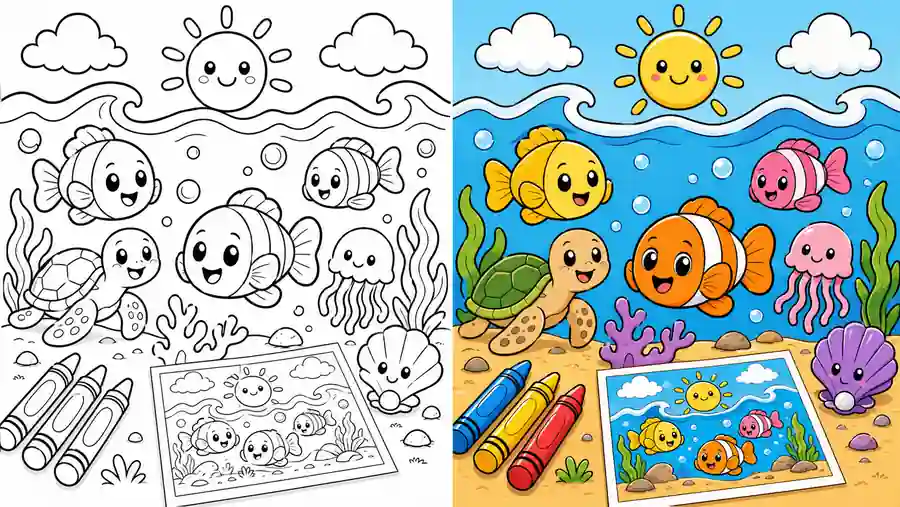
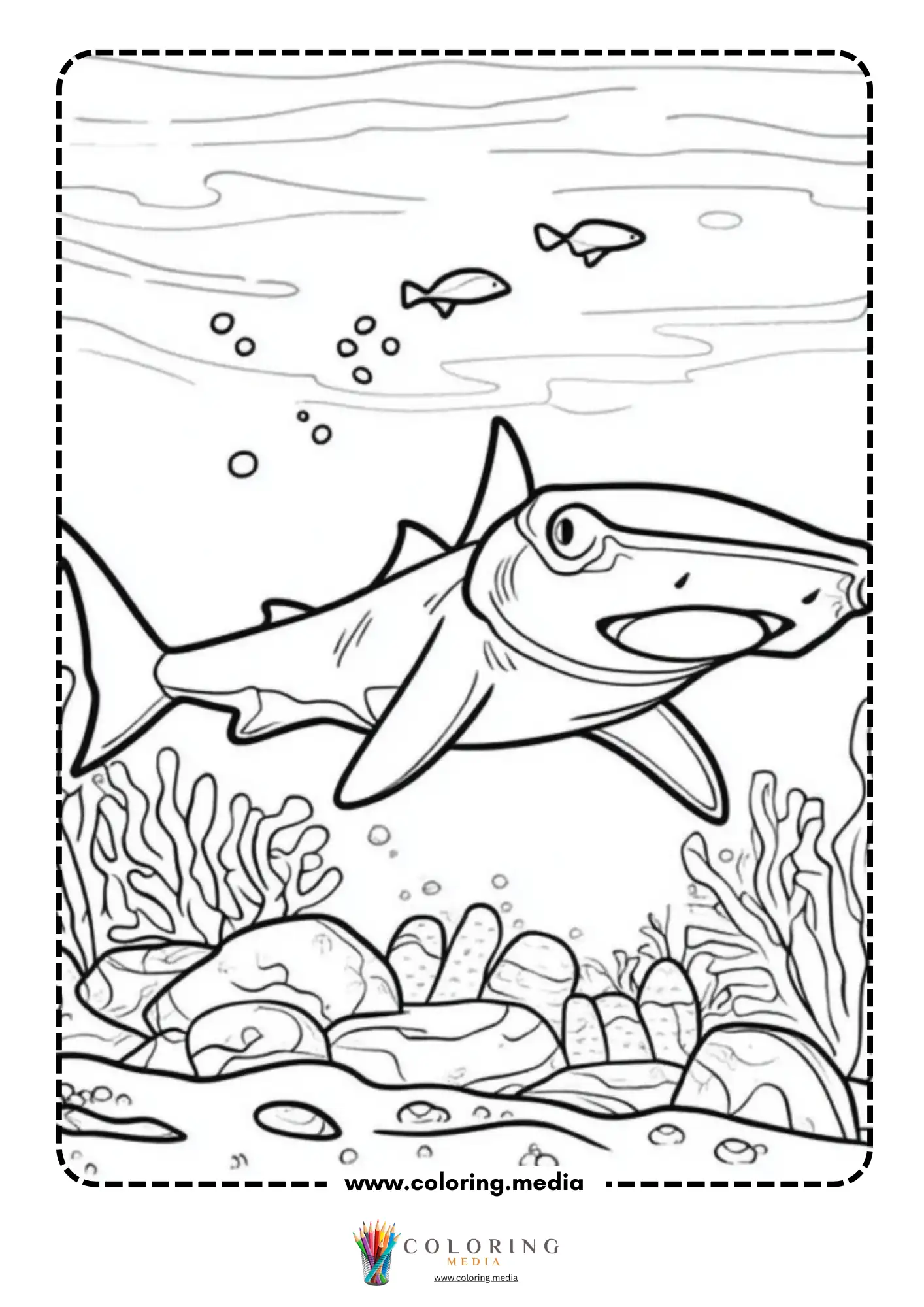
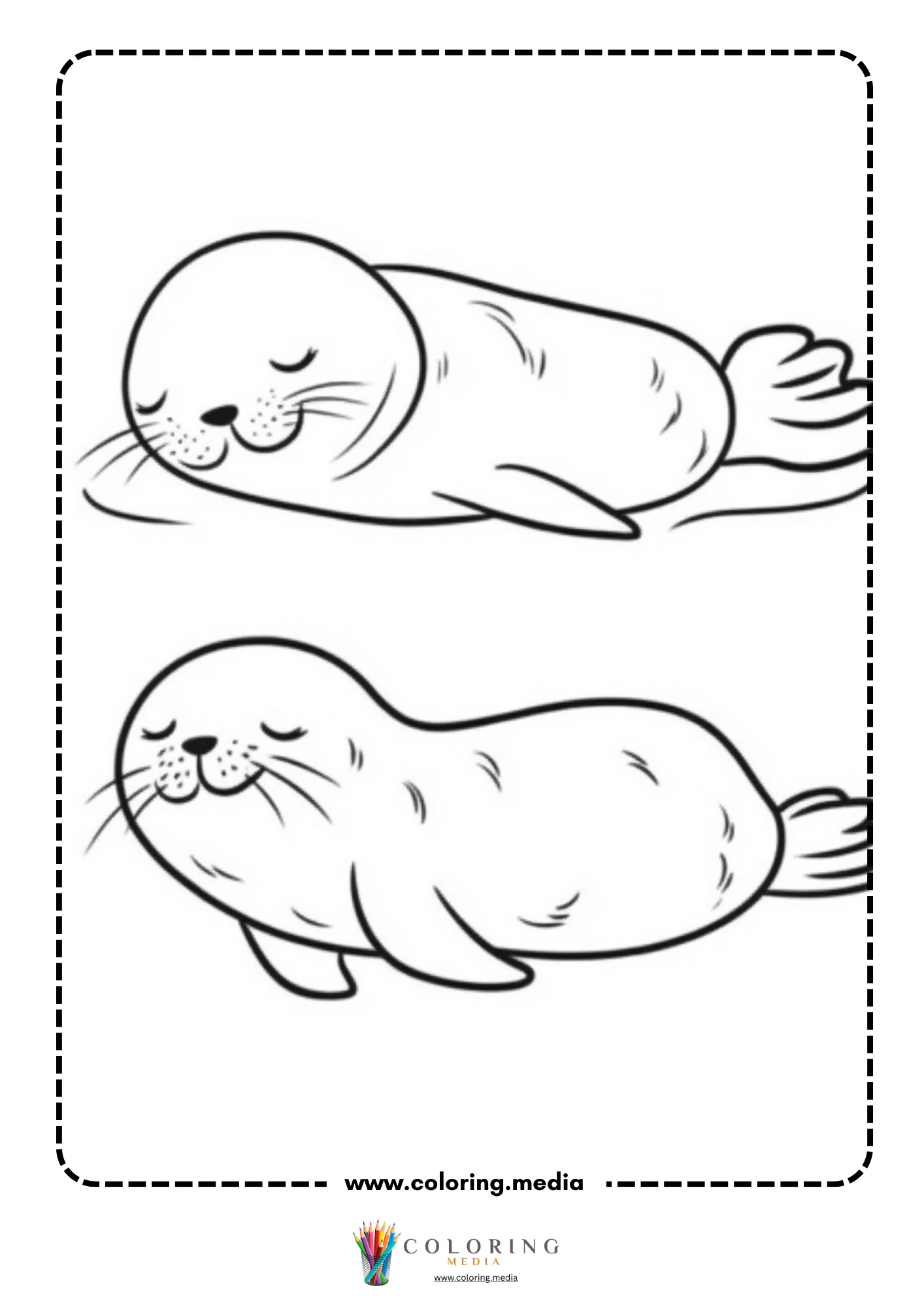
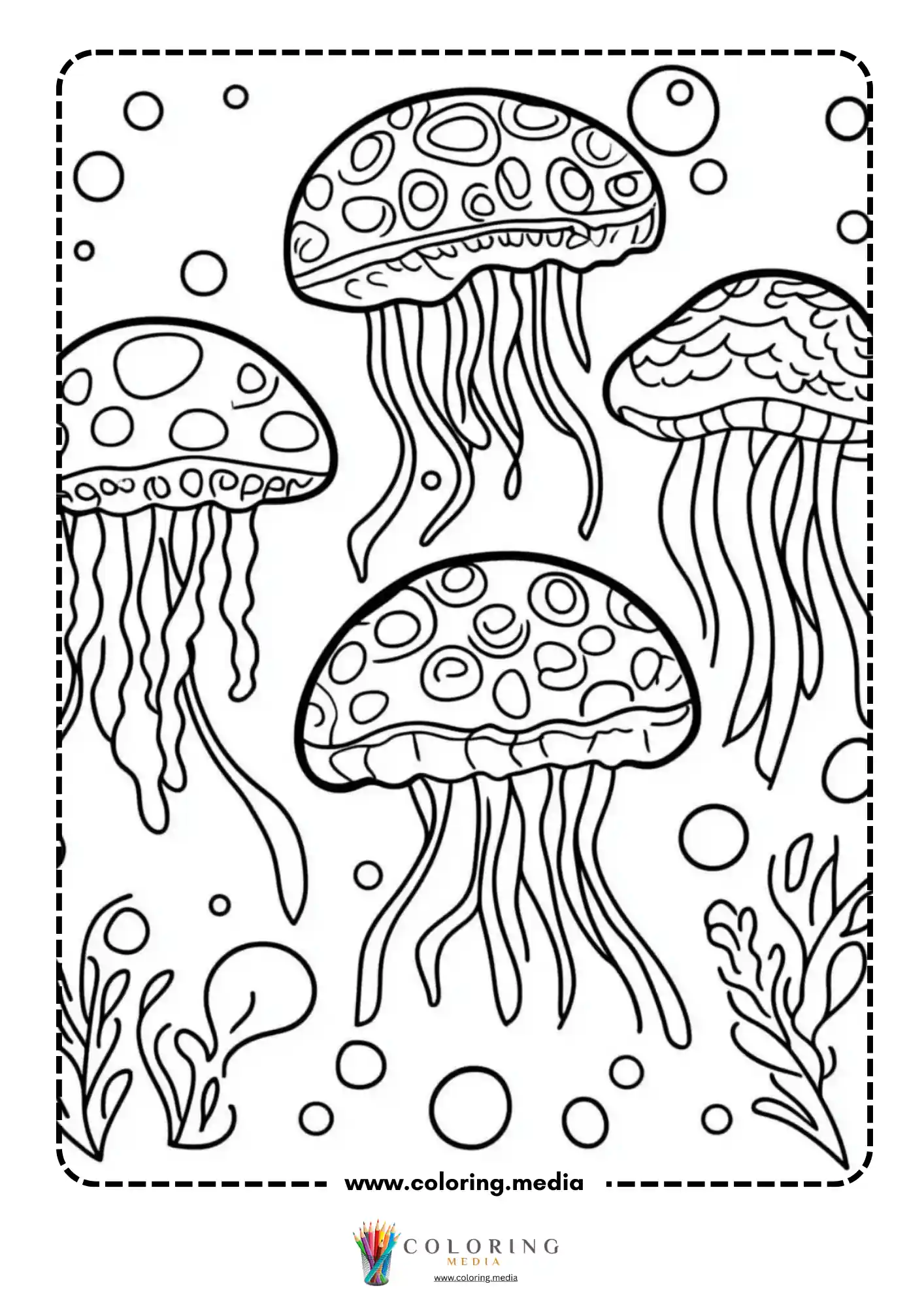
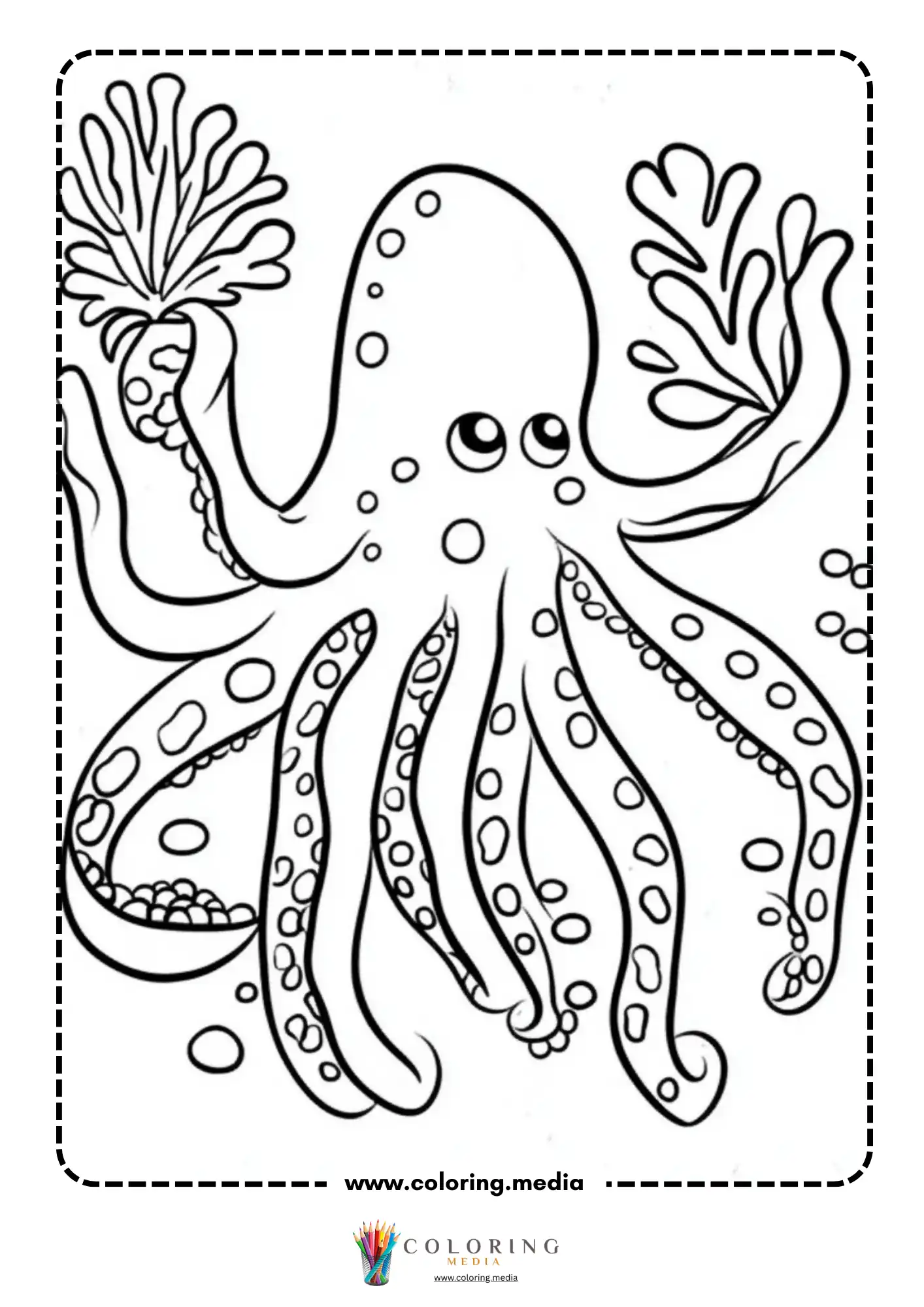
The ocean is one of those subjects where the real thing is already more dramatic than anything an illustrator could invent. These 24 pages lean into that: a wide-finned ray cruising over a sandy floor, an octopus spreading all eight arms with suckers clearly drawn, a pufferfish round and bristled, jellyfish trailing long translucent tentacles, eels threading through coral, a seal resting with its flippers tucked. The main outlines run 2 to 3 millimeters thick — slightly finer than the most toddler-oriented bold-easy designs, which allows the fish scale patterns and coral branch details to actually read as organic shapes rather than flat blocks.
The mix of scene types helps too. Some pages show a single portrait-style creature against a minimal background — good for a child who wants to focus on one animal with a lot of color variation. Others show multi-creature reef scenes with seagrass, coral columns, and bubbles, which offer more spatial problem-solving: what color is the background water, does the coral contrast with it, where does the shadow fall? That kind of layered thinking is what makes these pages genuinely engaging for a six or seven-year-old who has already mastered simpler coloring pages. Everything here is free to download and easy to print.
Free Printable Bold & Easy Ocean Scene Coloring Pages
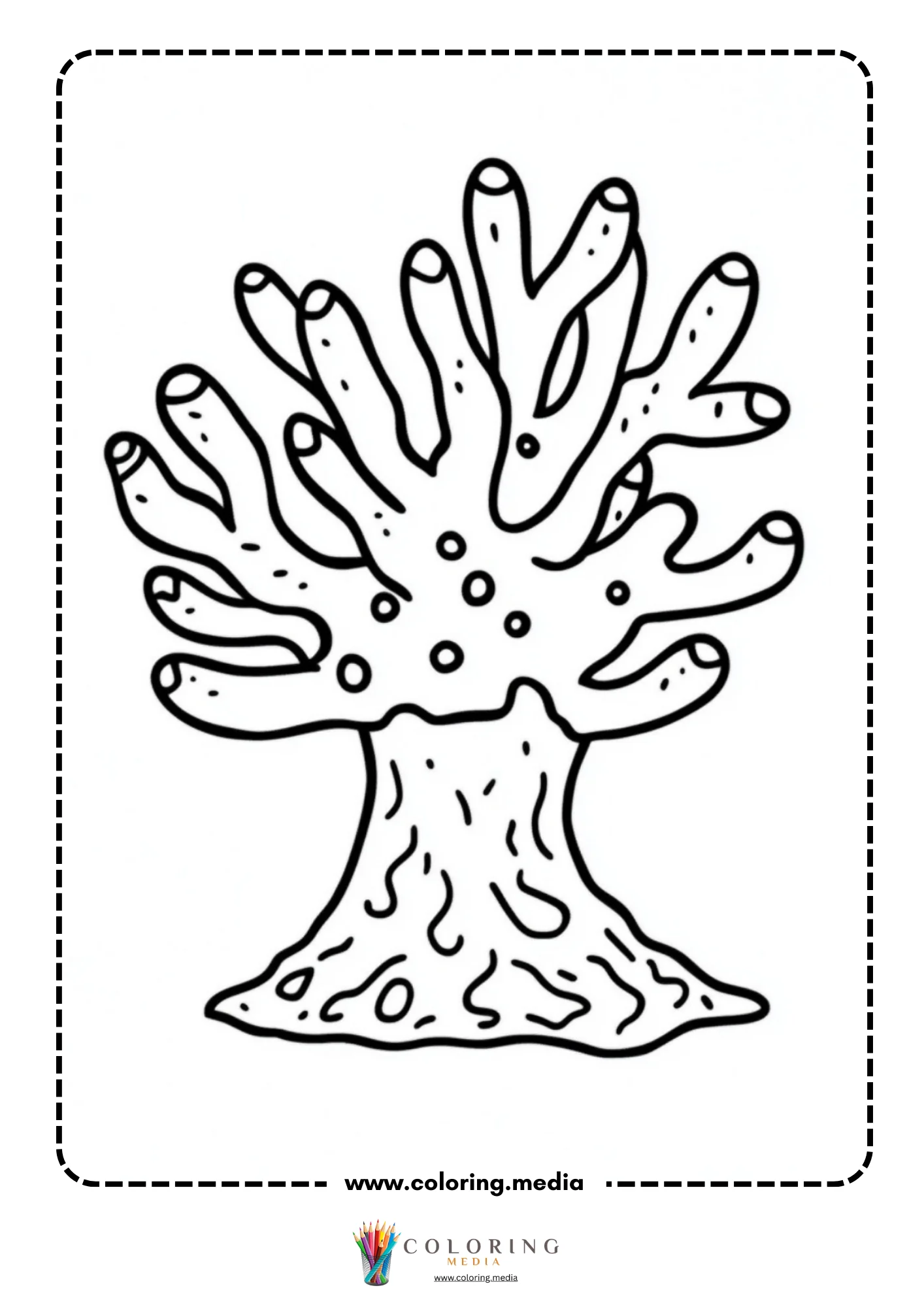
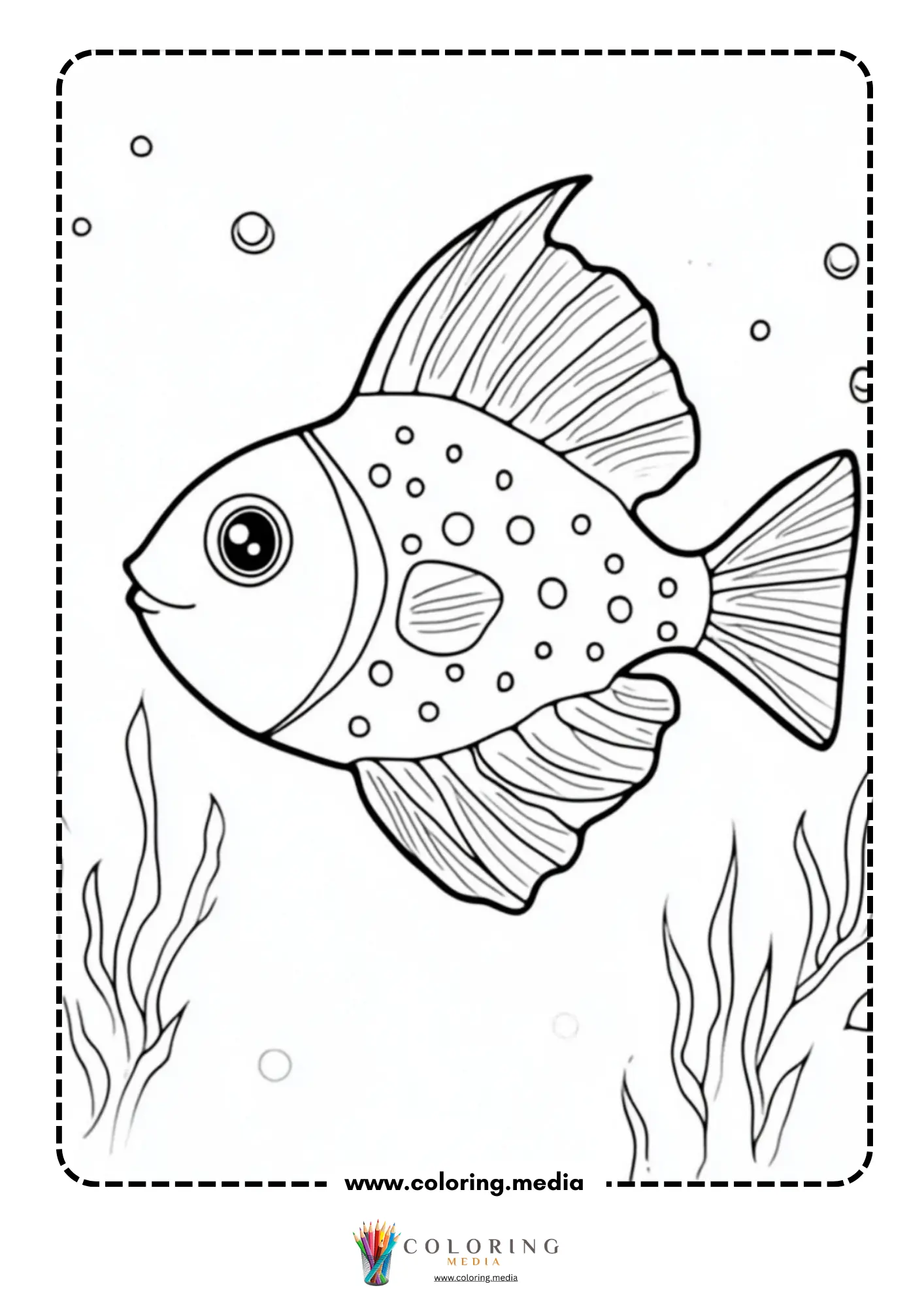
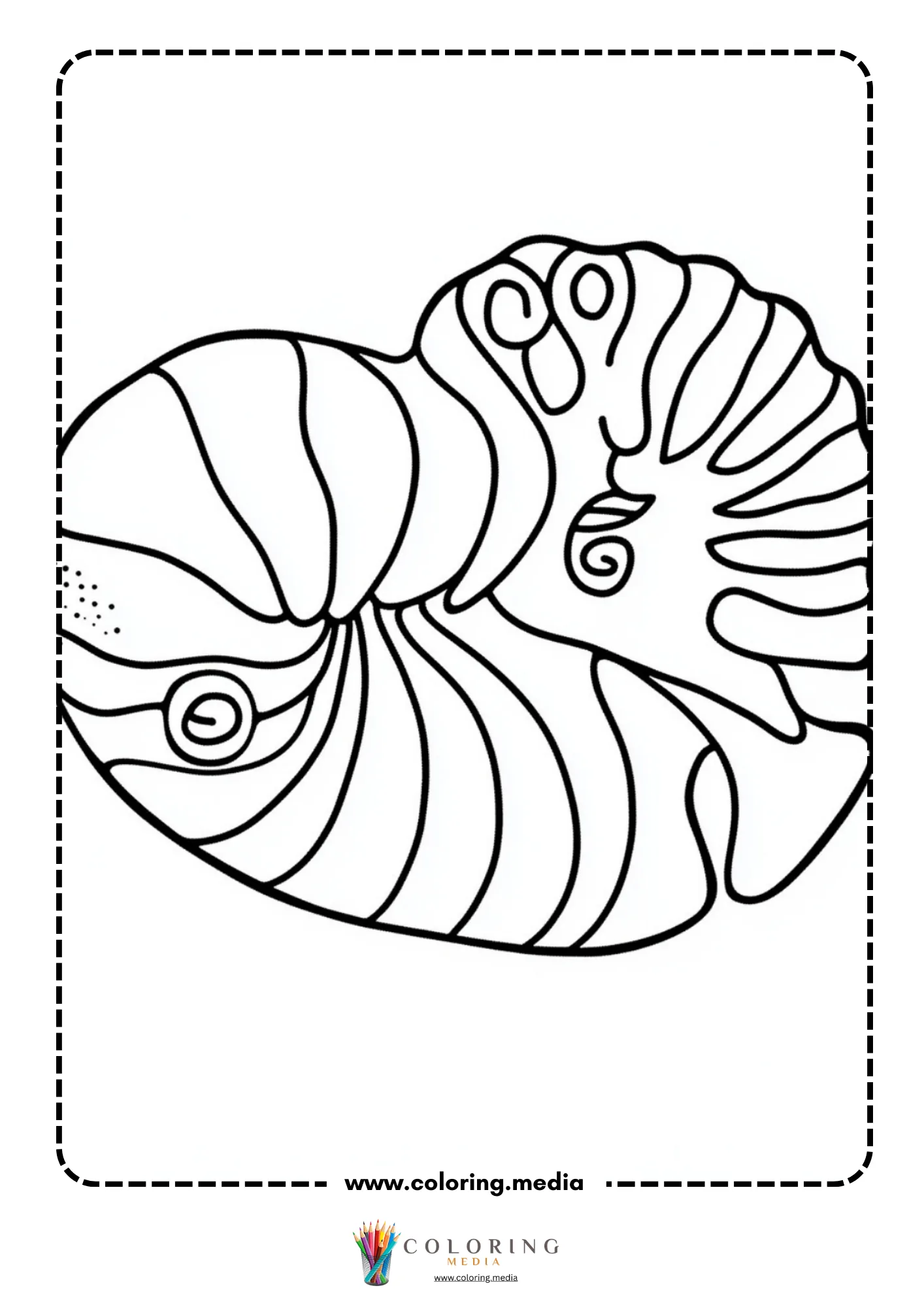
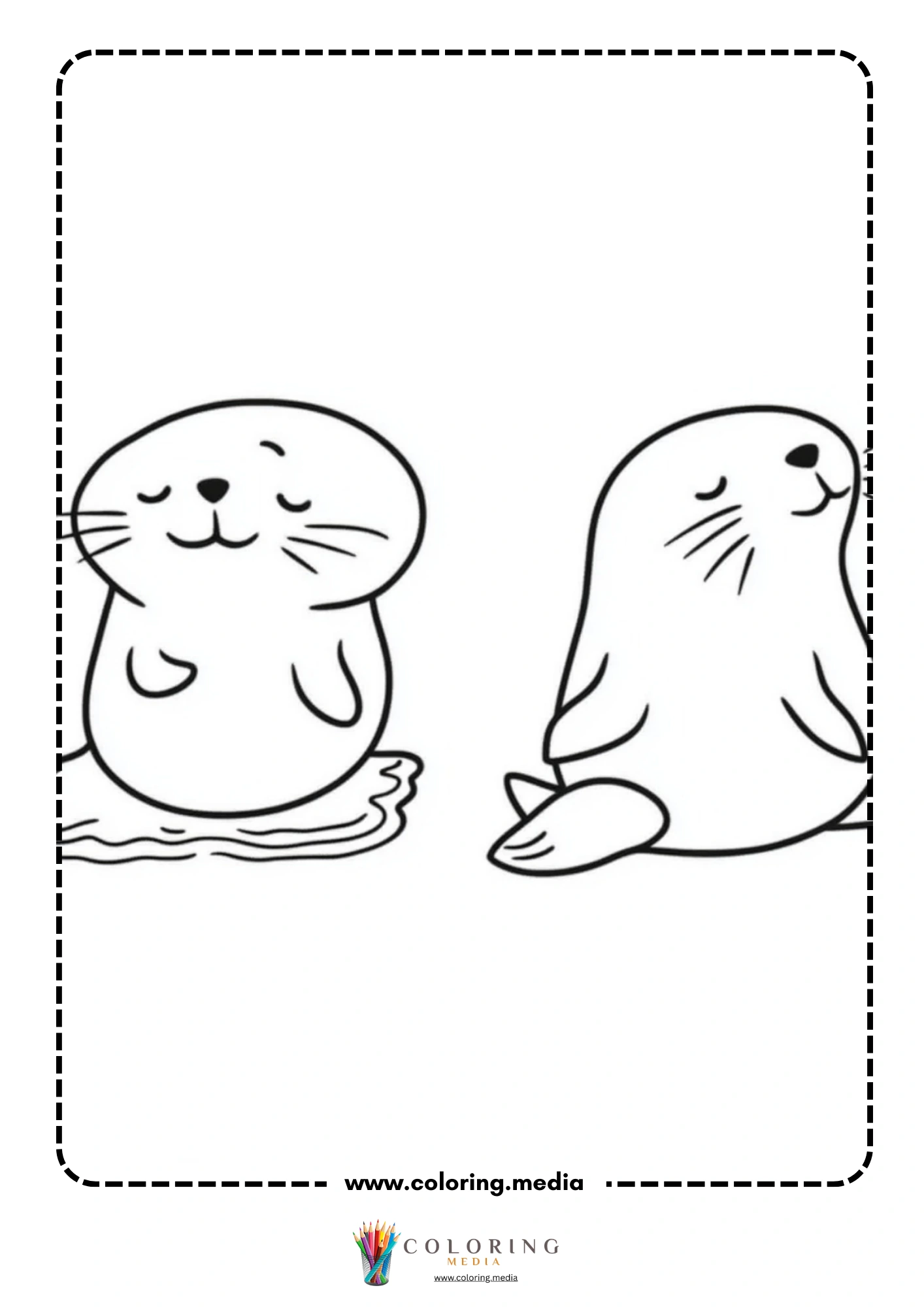
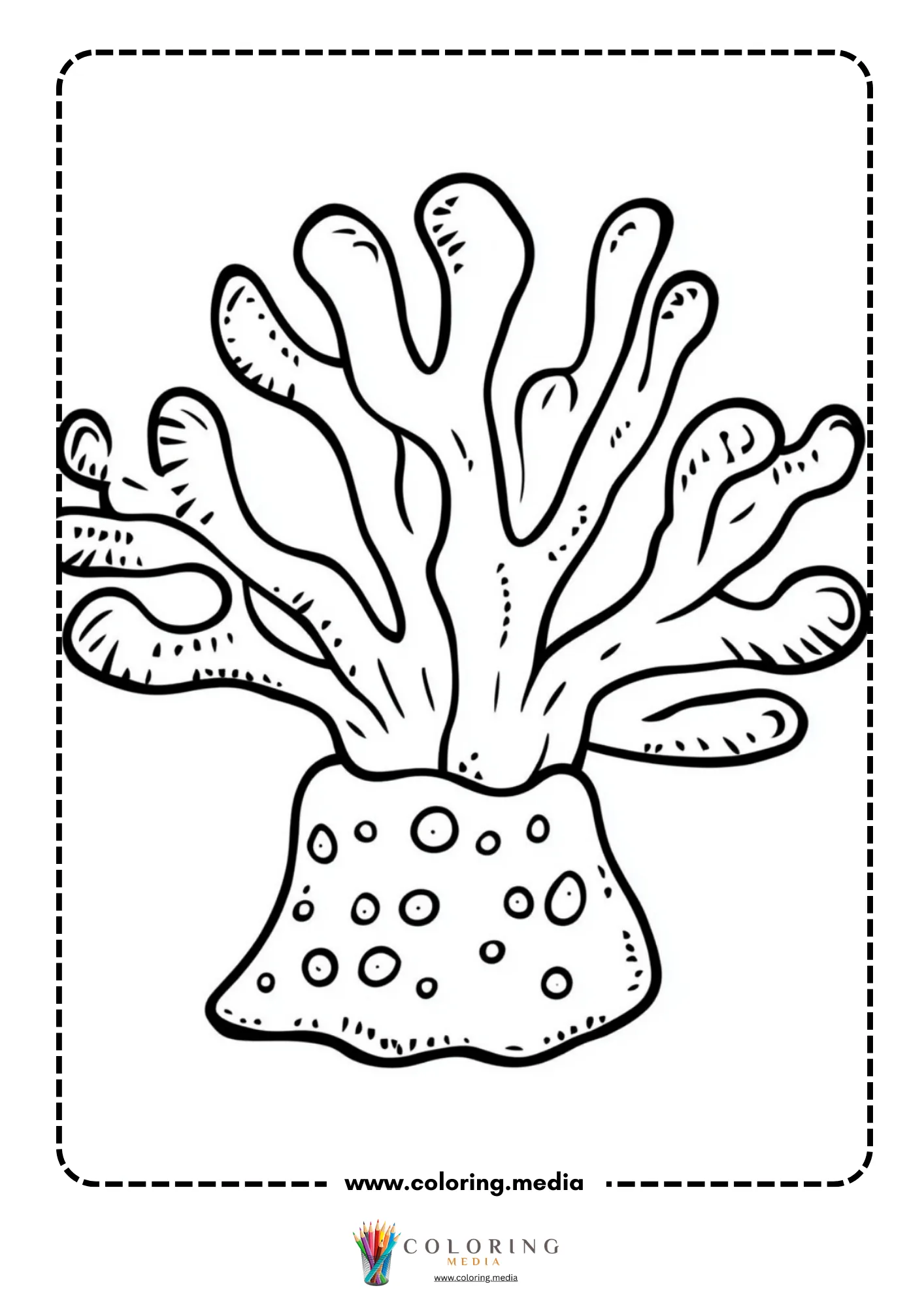
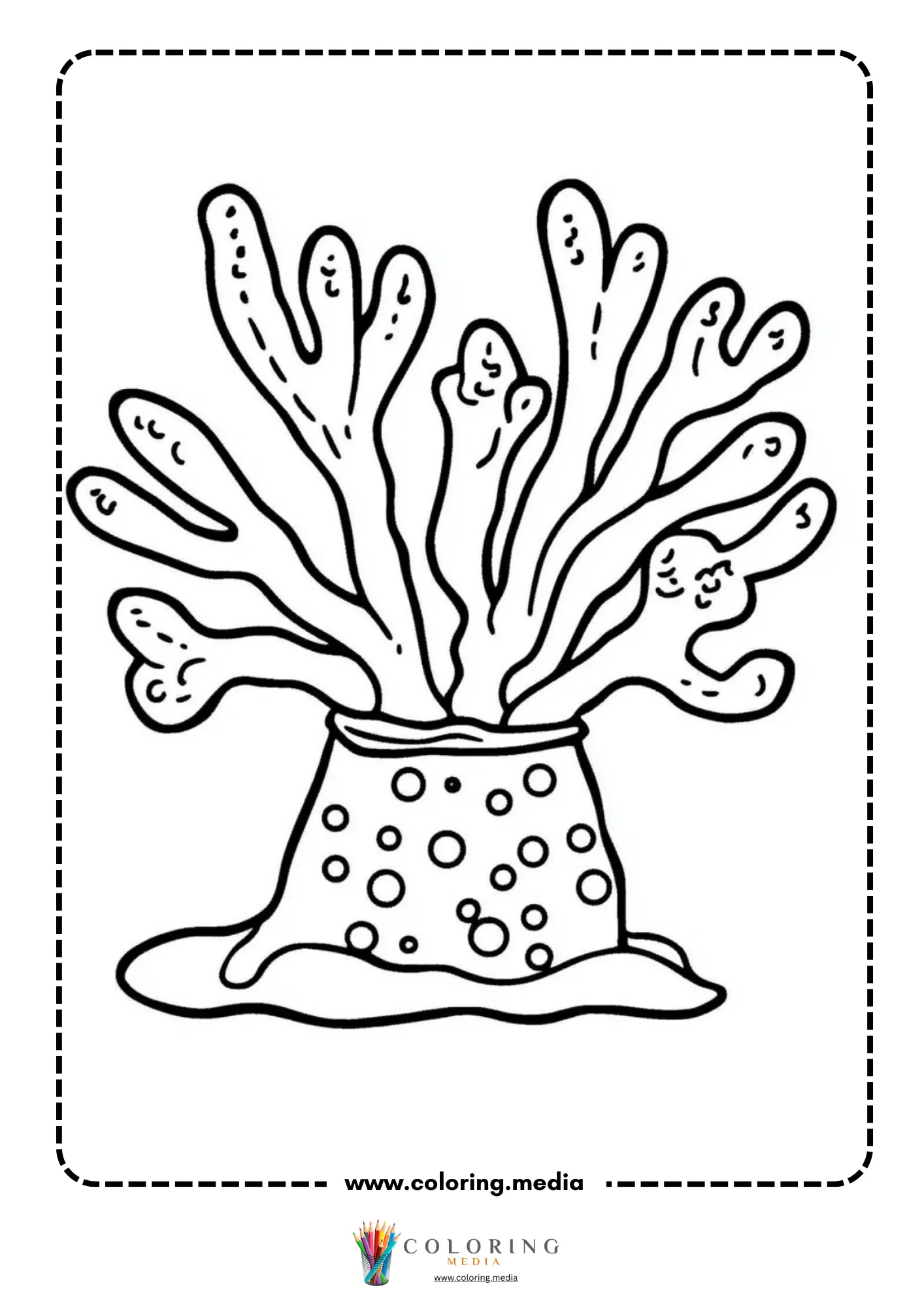
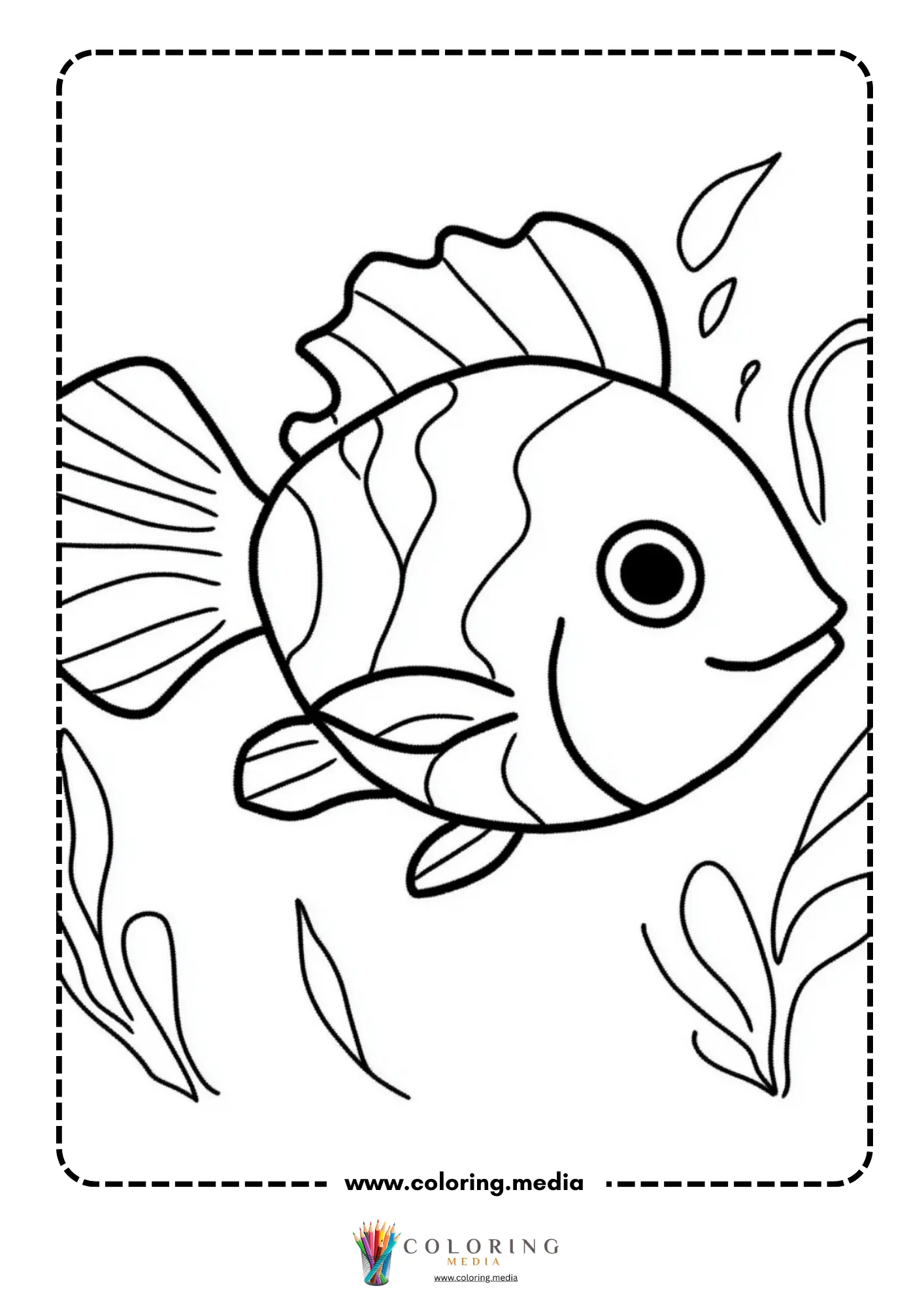
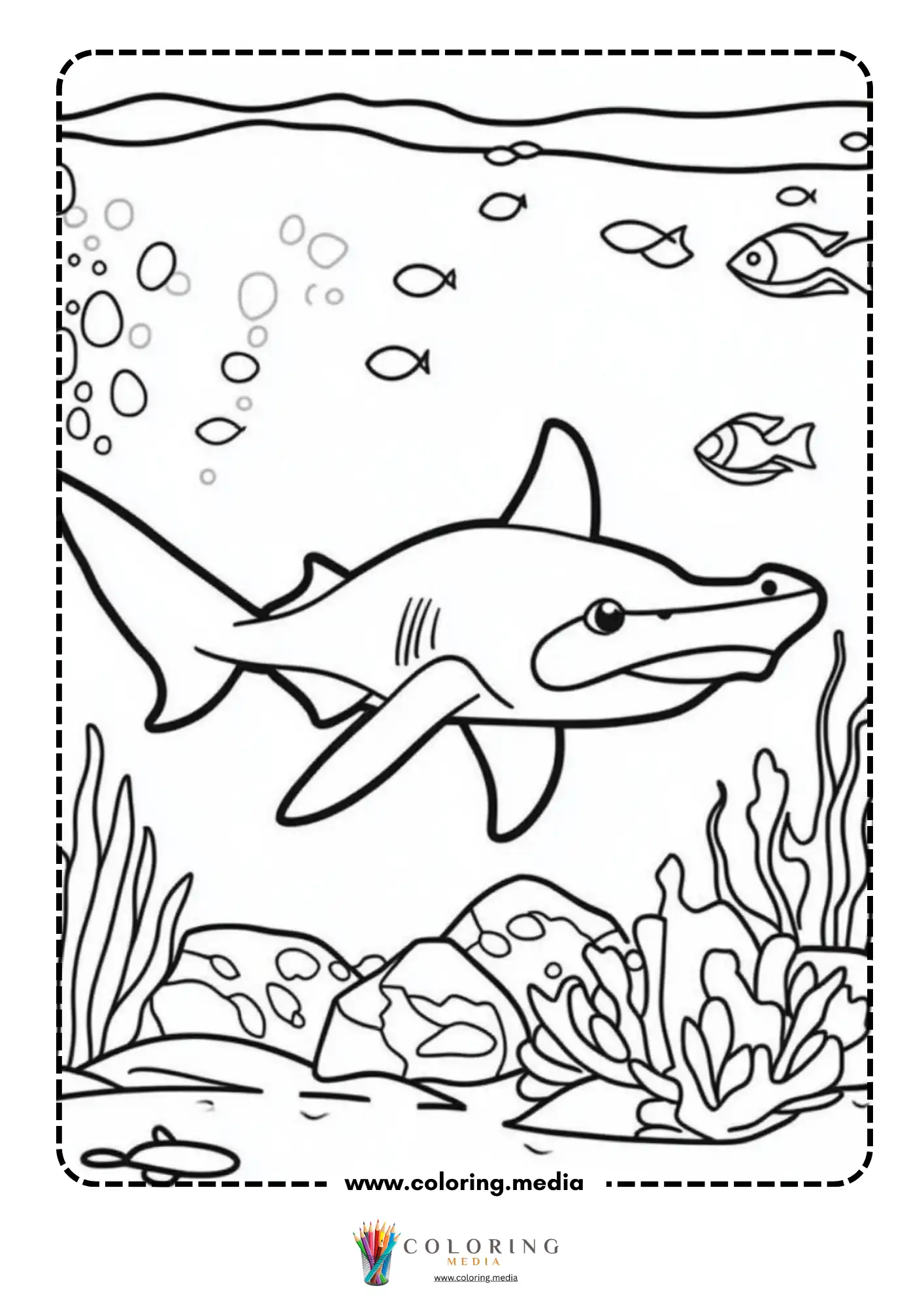
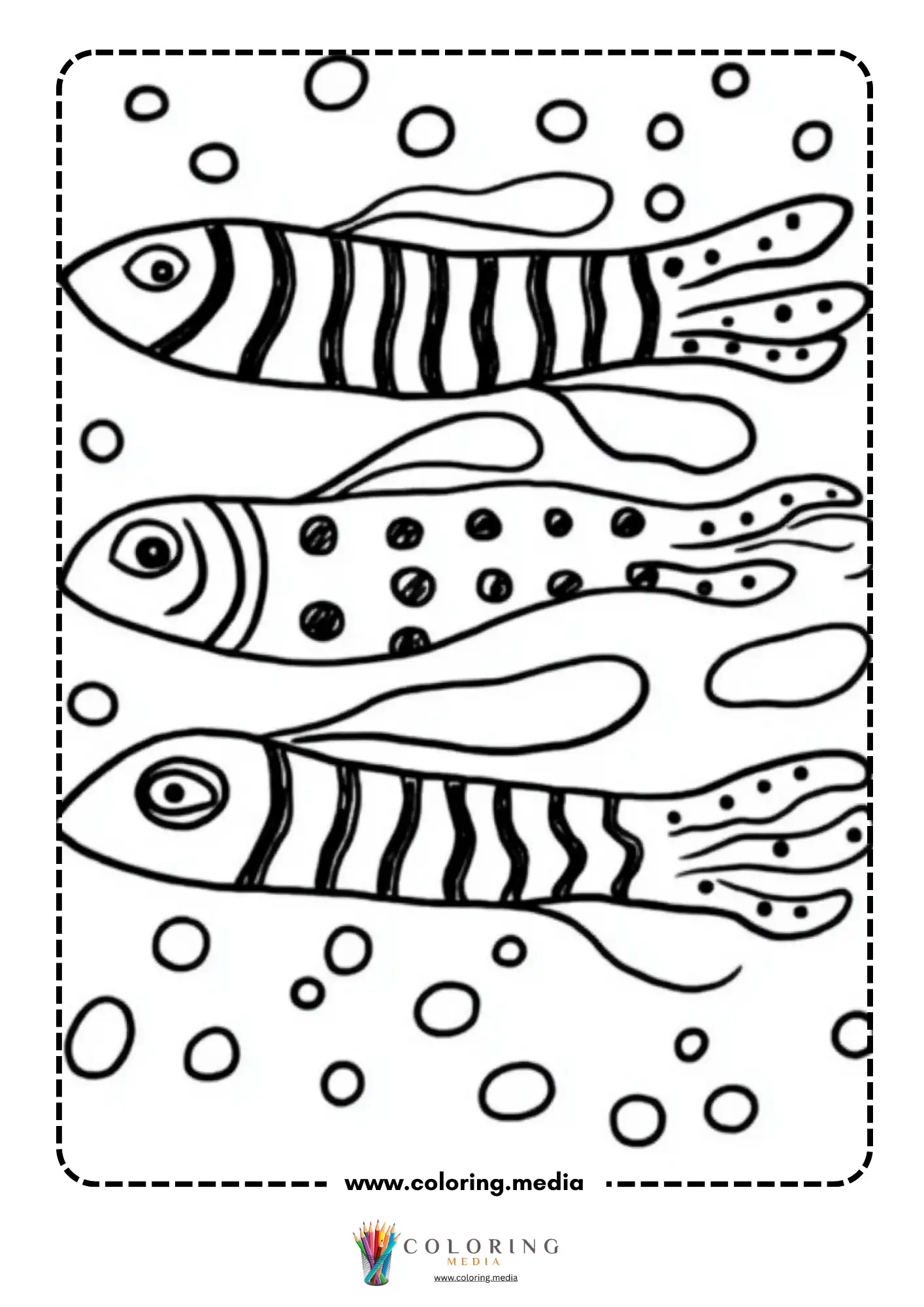
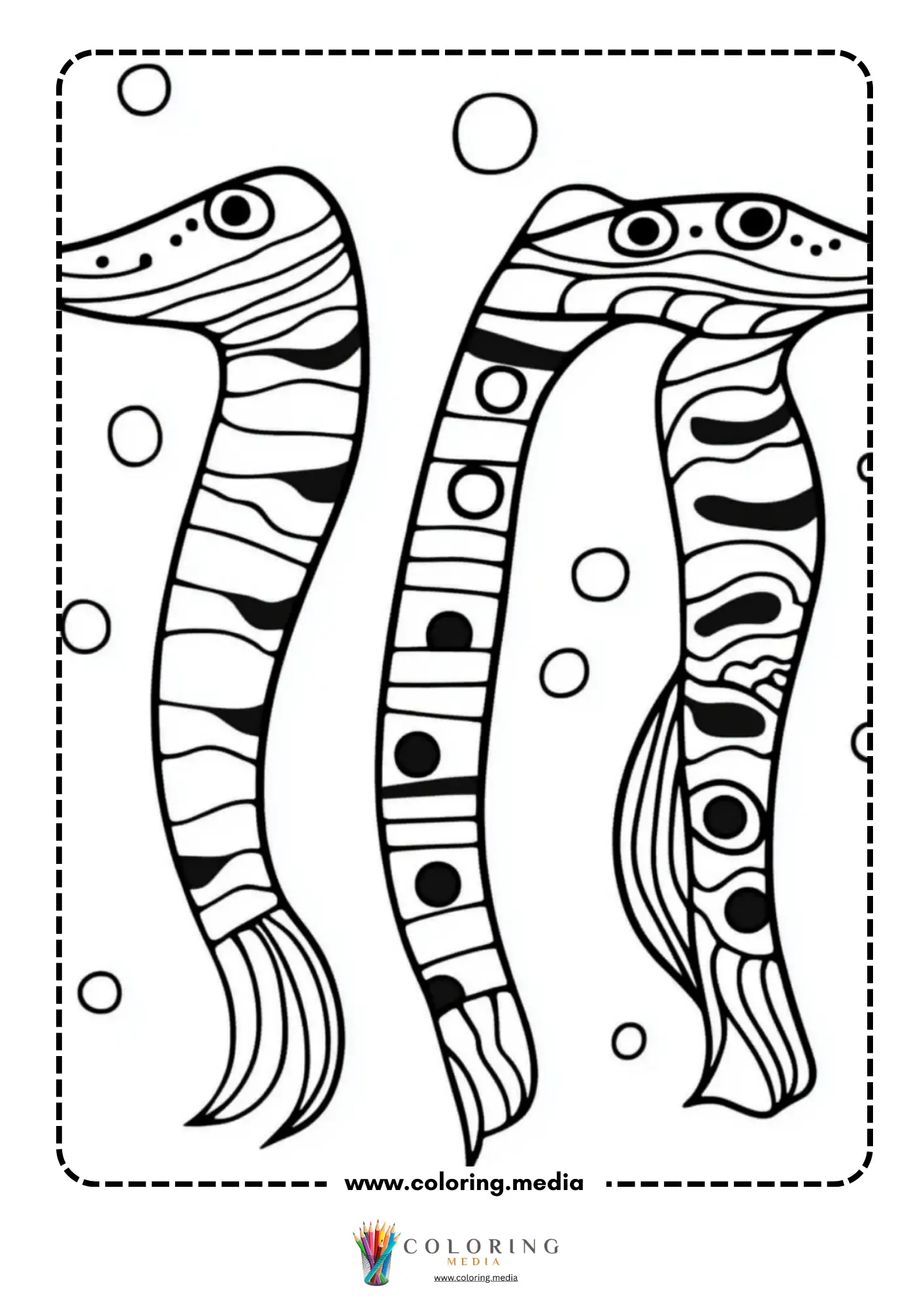
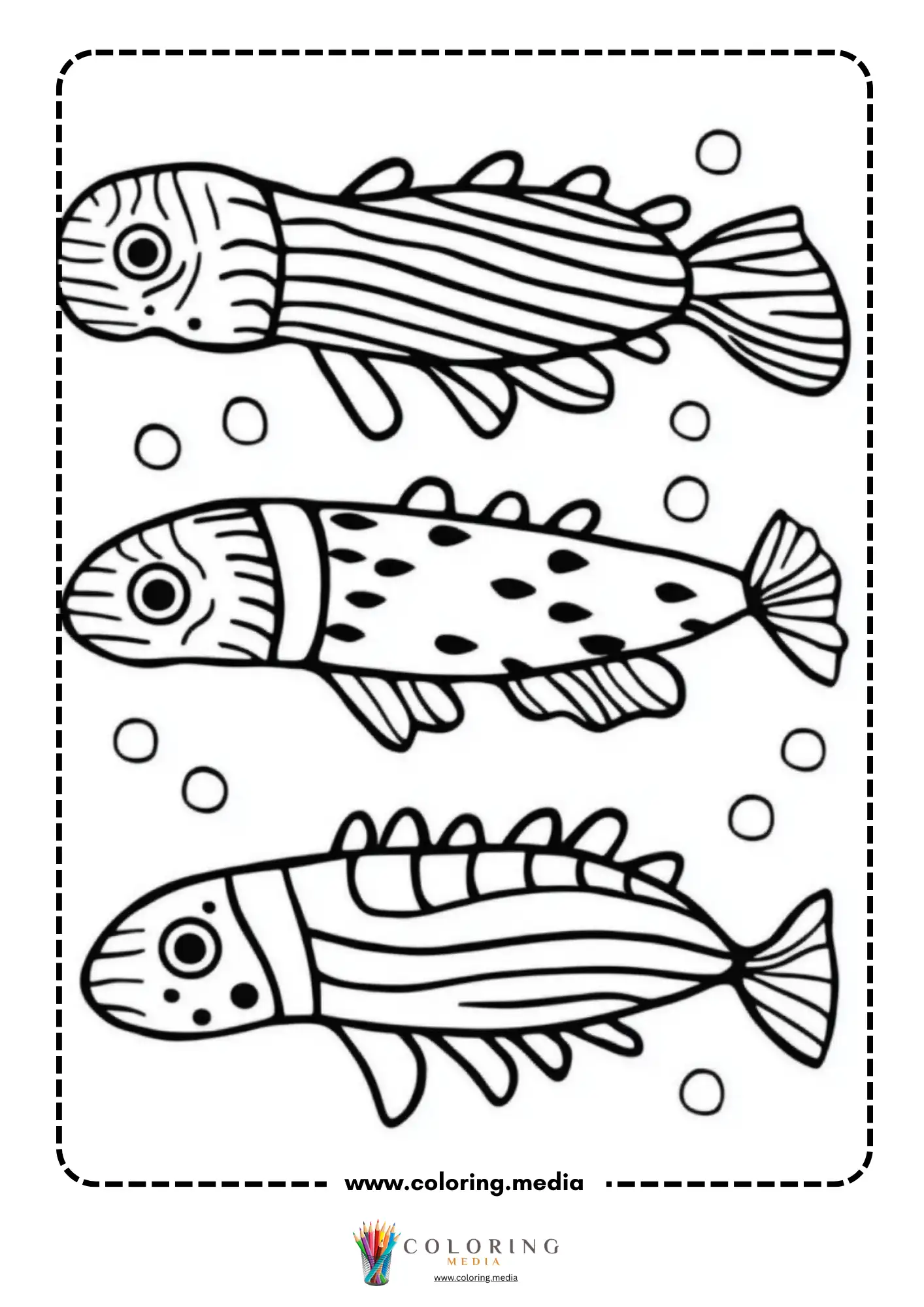
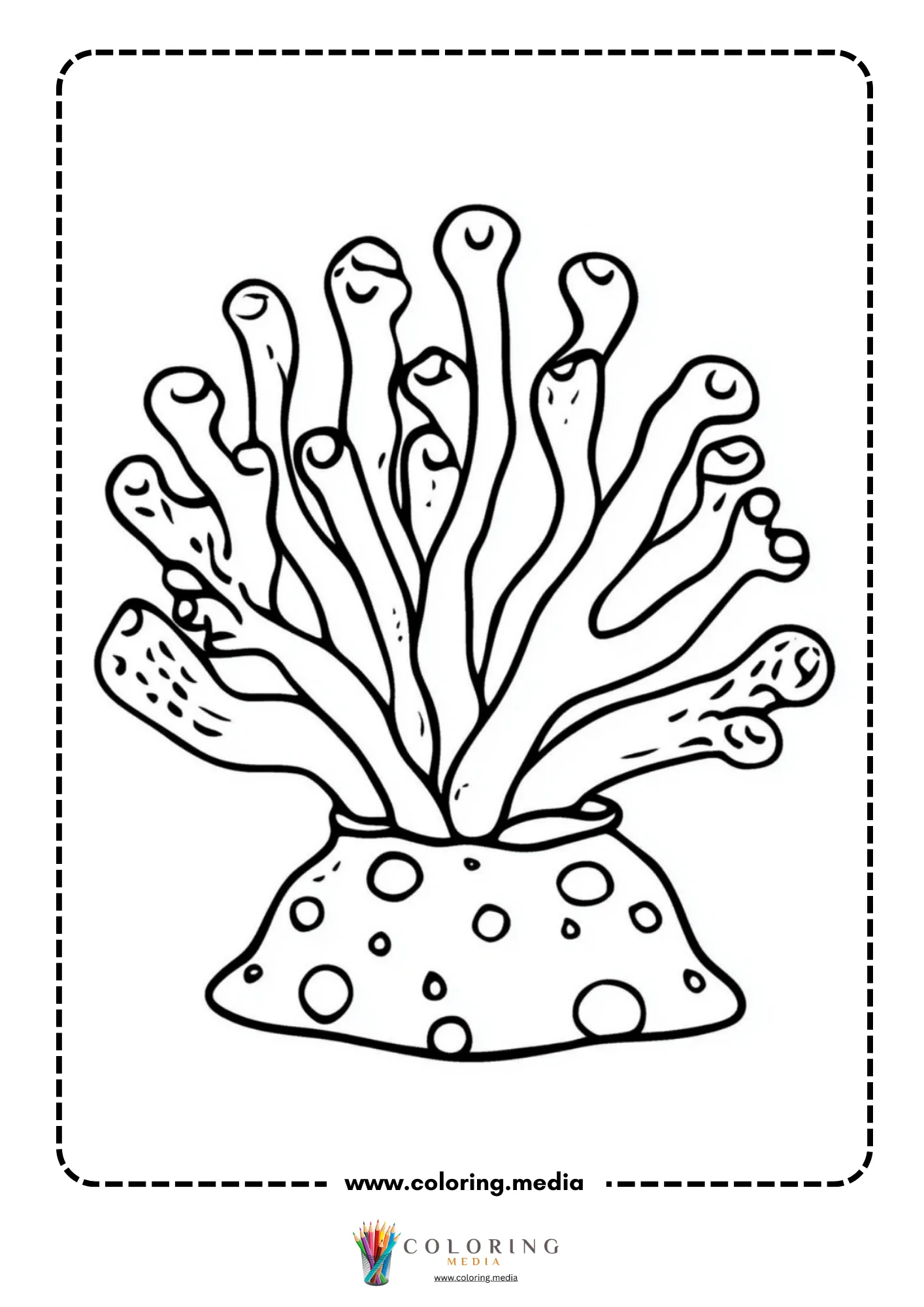
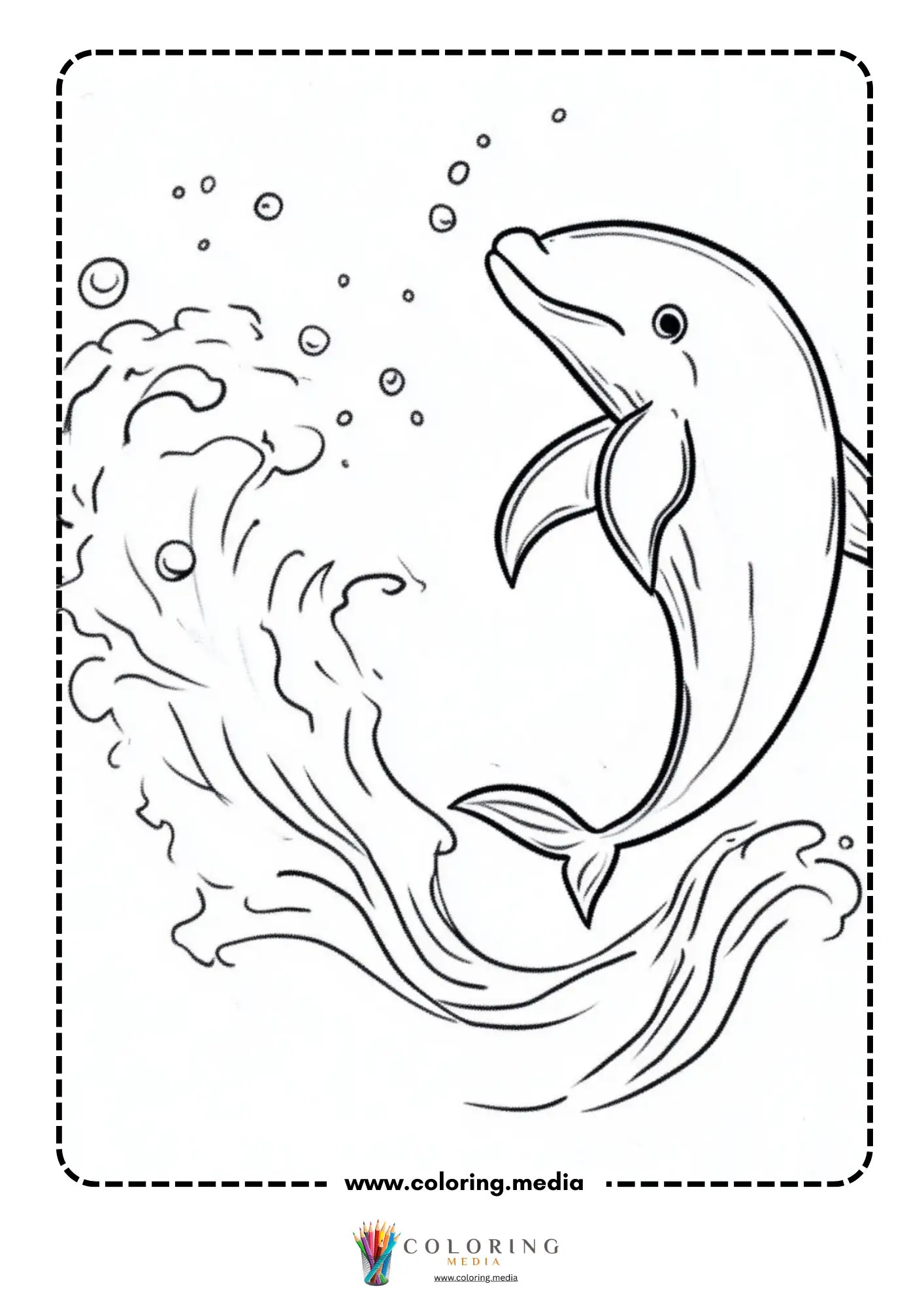
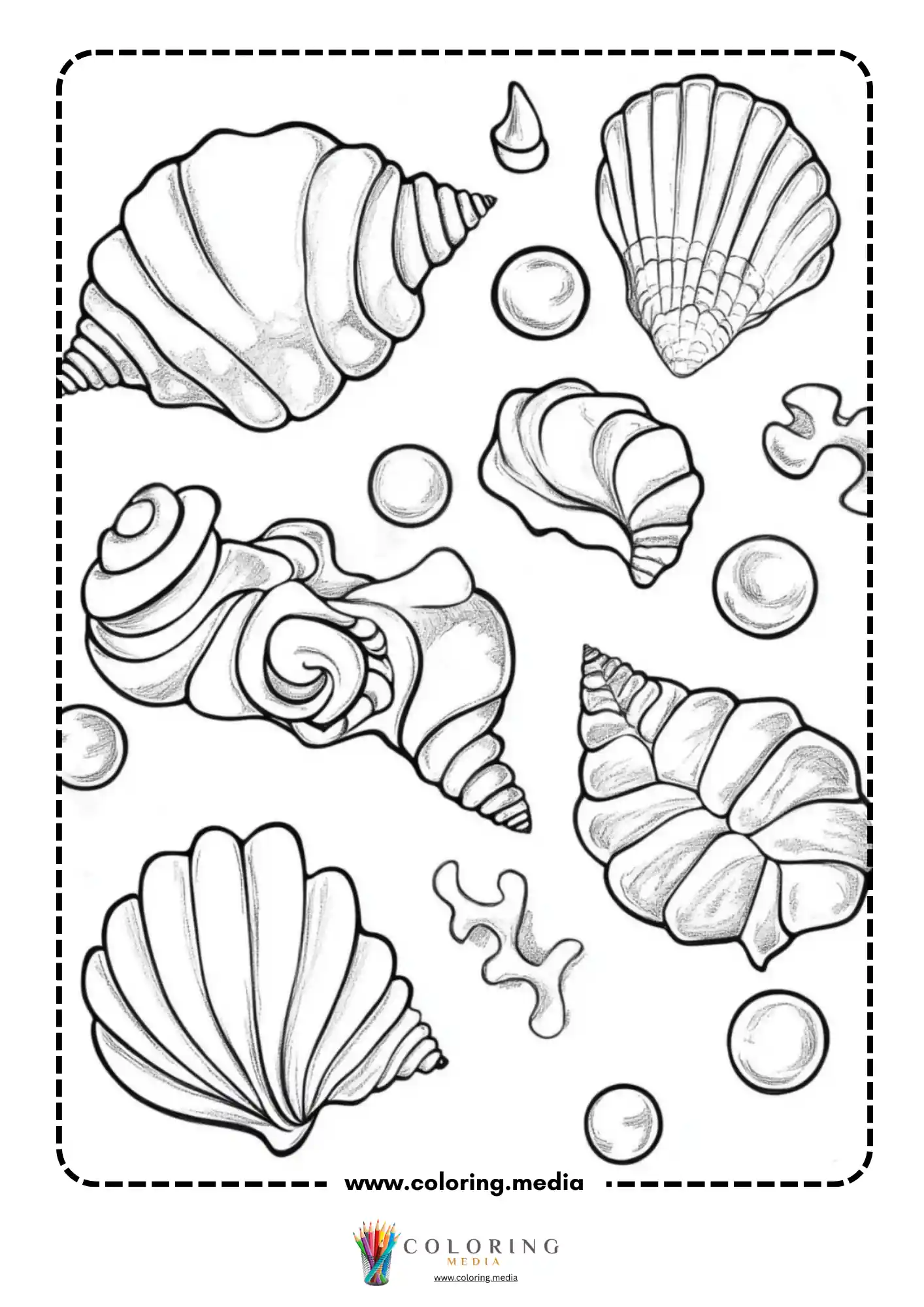
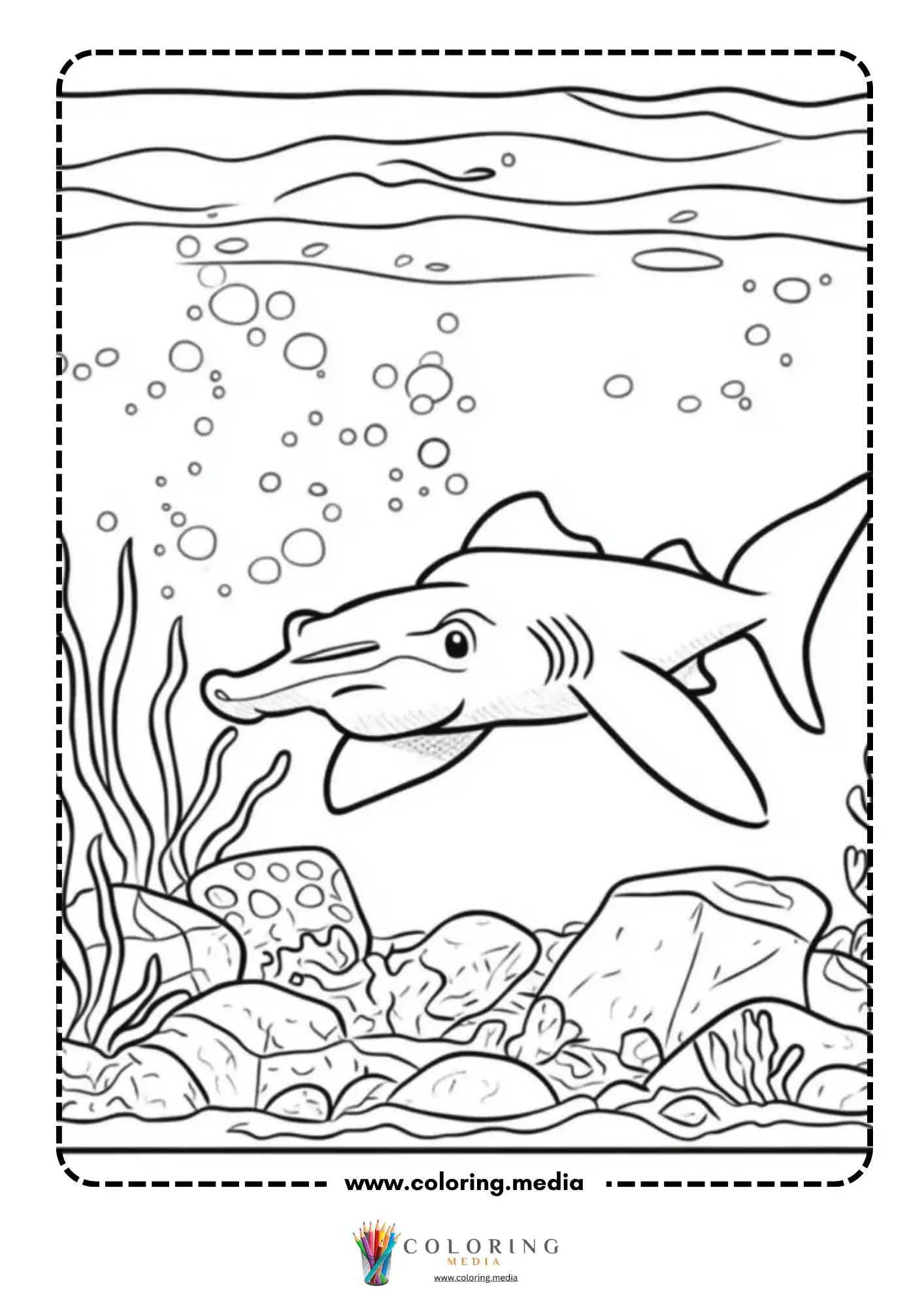
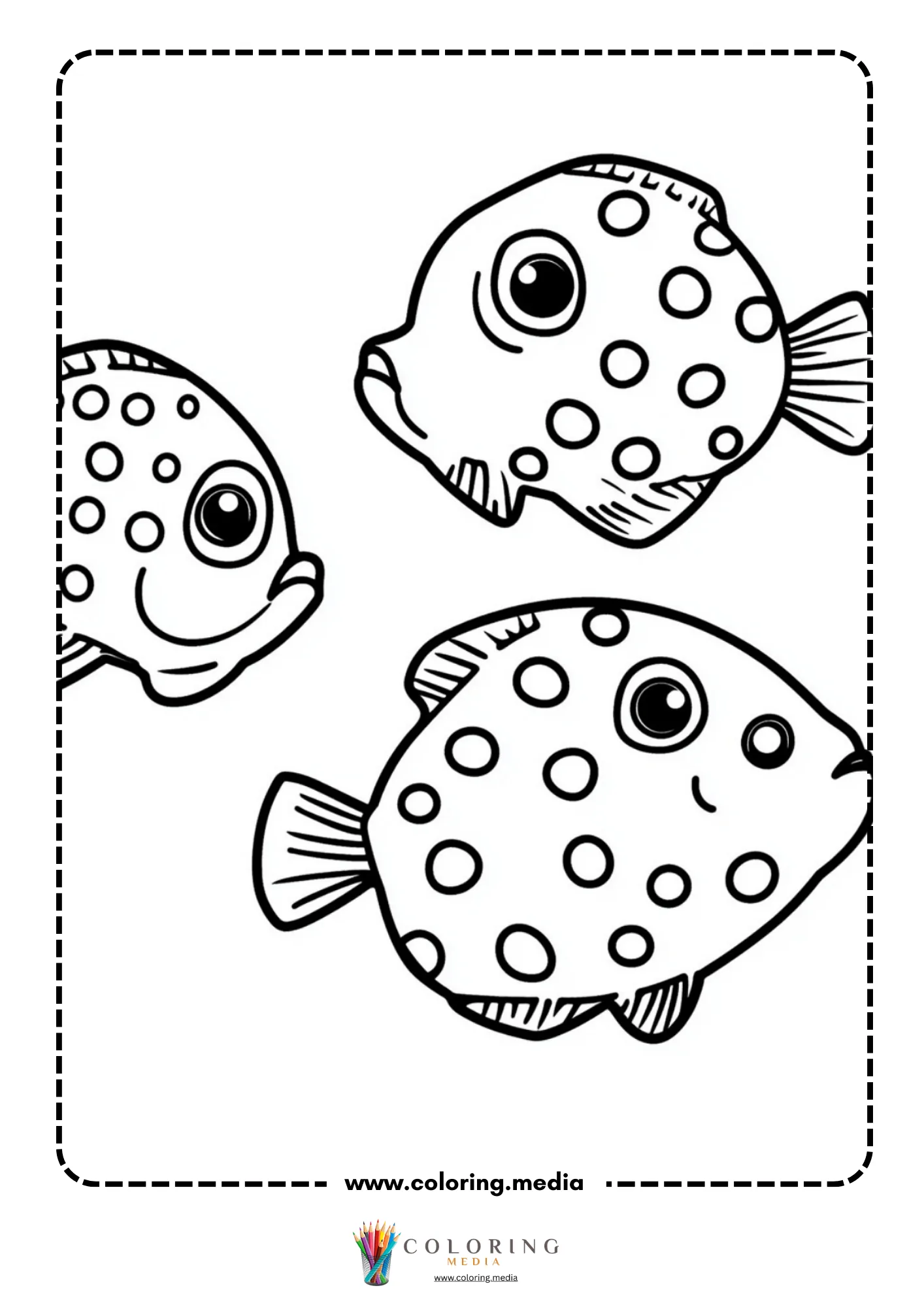
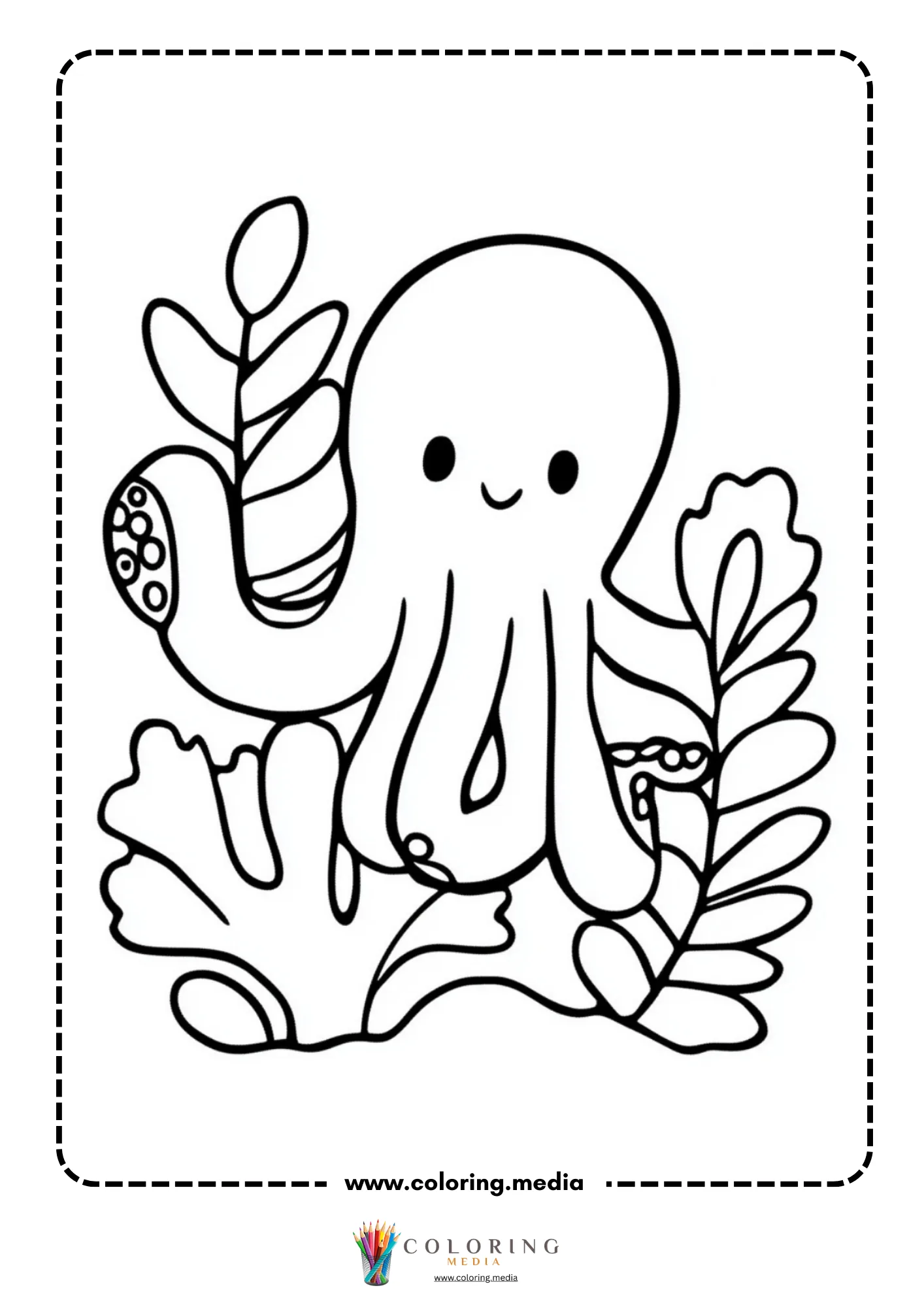
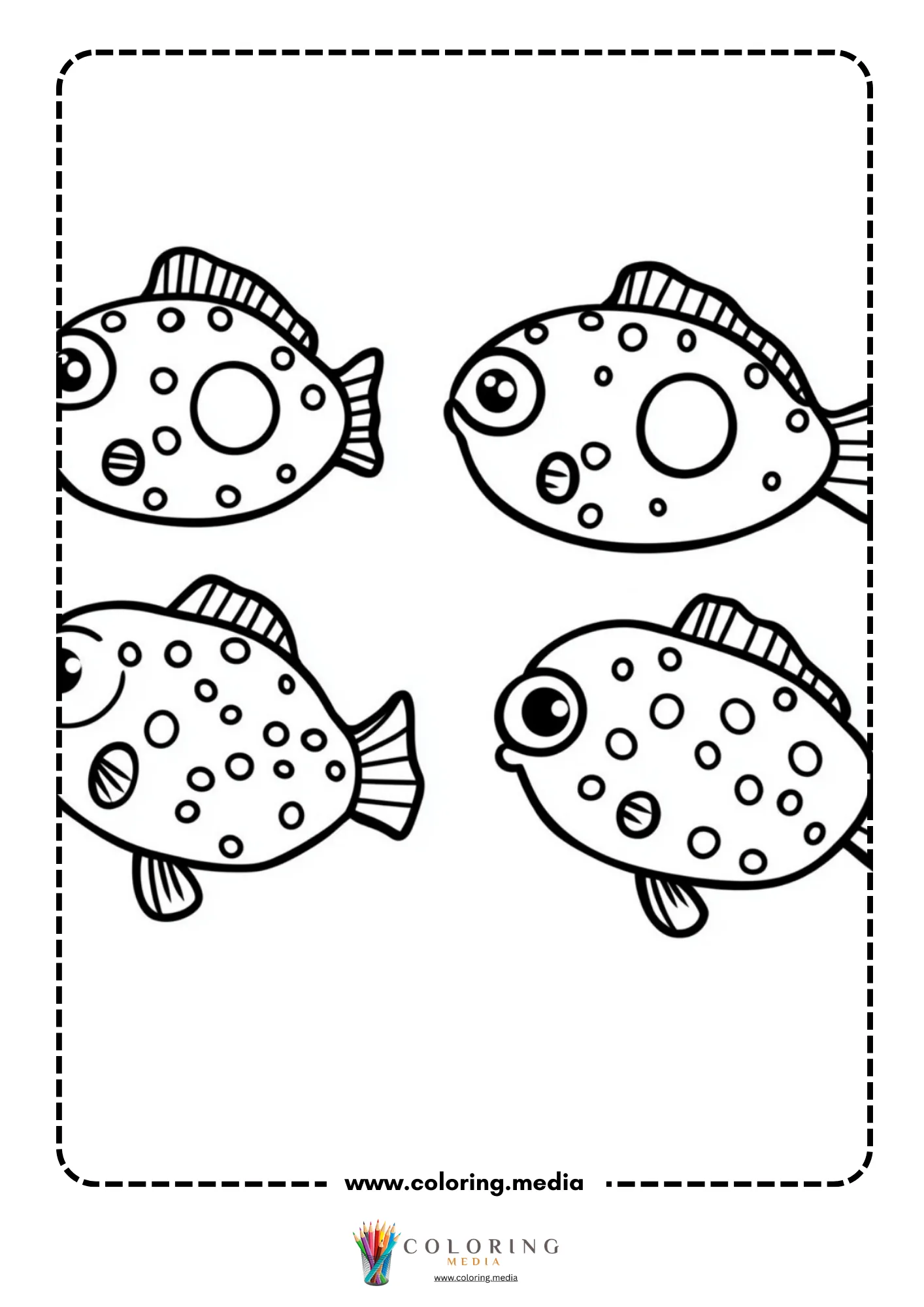
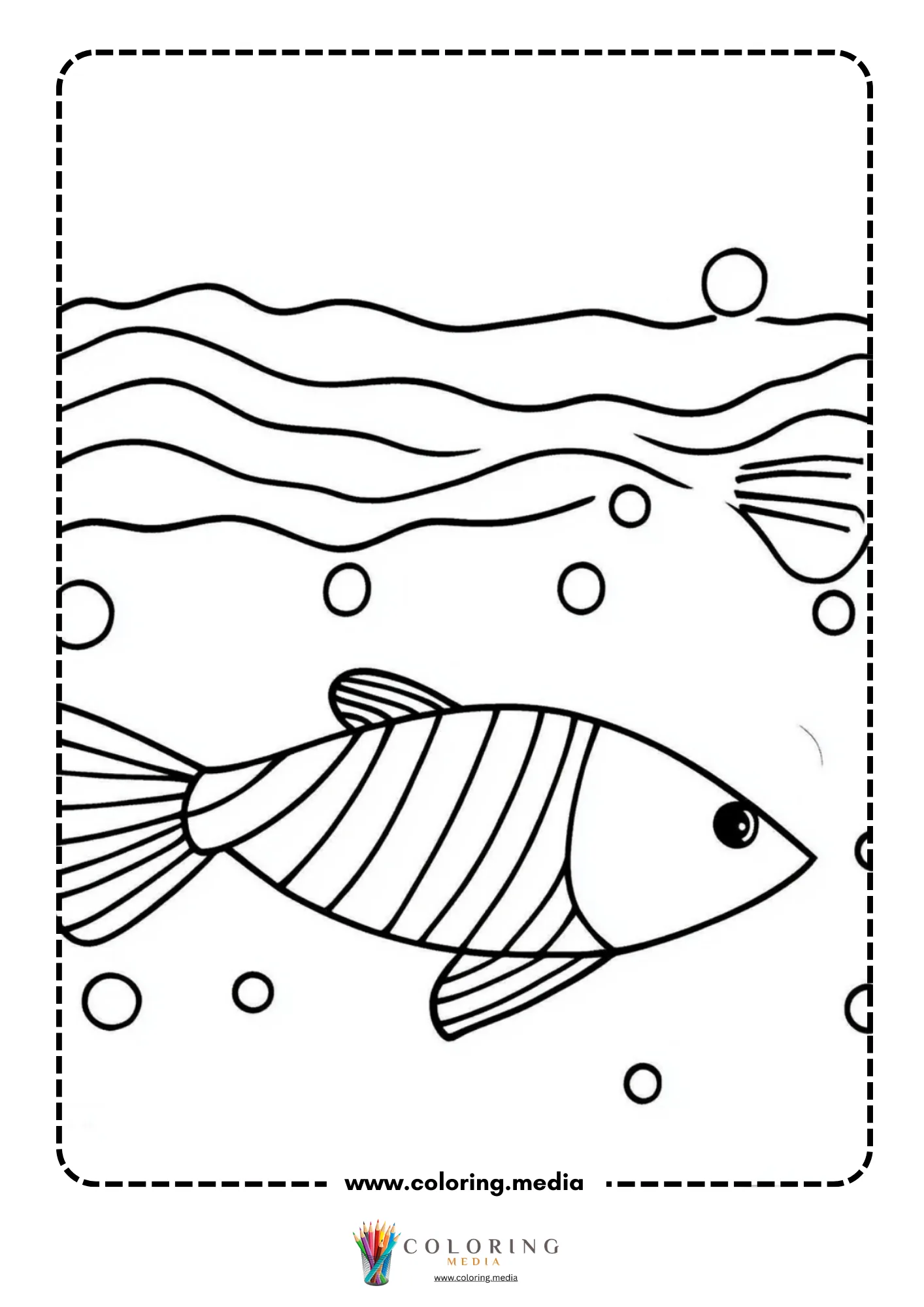
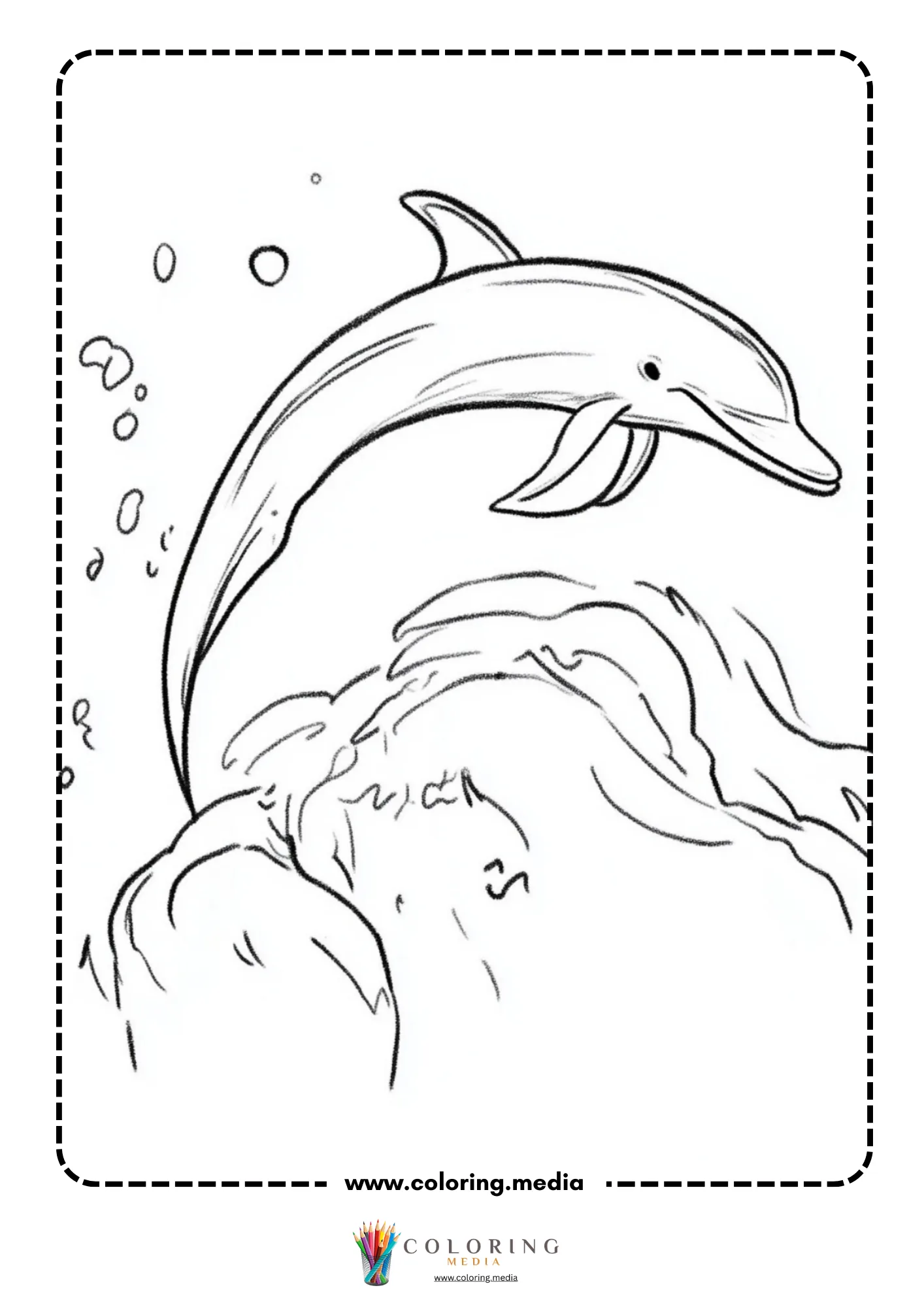
This collection includes 24 printable ocean scene coloring pages featuring a coral reef landscape, a pair of eels among coral, a school of mixed fish, dolphins leaping, jellyfish drifting, a sea anemone with clownfish, an octopus with detailed arms, a collection of seashells and starfish, single fish portraits including a pufferfish and striped tropical fish, a pair of seals, a manta ray gliding over sand, a sea turtle among coral, and full underwater scenes with multiple creatures, coral columns, and sandy floors. All pages download as PDFs for A4 or US Letter printing.
Who Are These Ocean Scene Coloring Pages Best For?
Kindergarteners can manage these pages, particularly the single-creature portrait designs where a large fish or seal fills most of the page with minimal background detail. The outlines are thick enough for a five-year-old with decent crayon control, and naming and identifying each sea creature is part of the engagement. A child who has visited an aquarium, or even watched ocean documentaries, will find familiar faces here.
Early elementary children, ages six through eight, will get more out of the multi-creature reef scenes. Deciding what color the water should be, how to make the coral look different from the fish, whether to make the octopus realistic brown-orange or a fantastical purple — those choices require more creative thinking than simple fill-in-the-outline work. Fish scale patterns on some pages also reward careful repeated color application.
For homeschool or classroom use, these pair naturally with a marine biology unit. The variety of species — eels, cephalopods, rays, pinnipeds, cnidarians — gives enough coverage to support a multi-day discussion about ocean ecosystems and the different zones sea creatures inhabit.
Interesting Ocean Facts to Share While Coloring
Octopuses have three hearts and blue blood. Two hearts pump blood to the gills, while a third pumps it to the rest of the body. The blue color comes from hemocyanin, a copper-based oxygen-carrying molecule that works differently from the iron-based hemoglobin in human blood. When an octopus swims, the heart that supplies the body stops beating — which is why they prefer crawling to swimming.
Jellyfish have no brain, heart, or bones. About 95 percent of a jellyfish is water. They navigate using a simple network of nerves spread across their bell, responding to light and chemicals in the water without any centralized brain processing the information. Some species are considered biologically immortal — capable of reverting to an earlier stage of their life cycle when stressed.
Pufferfish inflate by swallowing water, not air. When threatened, a pufferfish rapidly gulps water until its elastic stomach expands its body to several times normal size. This makes them harder to swallow and exposes the spines that lie flat on their skin when relaxed. The process is exhausting for the fish — they avoid inflating unless genuinely threatened.
Dolphins sleep with half their brain at a time. This allows them to stay conscious enough to surface for air while resting. During this unihemispheric sleep, one eye stays open on the awake side of the brain. Dolphins often rest by floating near the surface in a behavior called “logging,” barely moving while half their brain sleeps.
Sea turtles use the Earth’s magnetic field to navigate. They detect subtle variations in the magnetic field at different locations and use this as a map to return to the exact beach where they were hatched — sometimes after spending decades at sea and traveling thousands of kilometers away. Scientists believe the geomagnetic imprinting happens when the hatchling first reaches the ocean.
Creative Ocean Coloring and Craft Ideas
Ocean Depth Gradient Color the water background on a reef scene using gradients: lightest blue at the top (surface), deepening to dark blue-grey at the bottom. This creates a sense of depth that makes the creatures appear to float at different levels.
Species Identification Chart After coloring multiple pages, arrange them and write the name of each creature below its image. Research one fact about each and add it in small writing beside the name.
Bioluminescence Page Color the jellyfish or deep-sea scene entirely in dark blue-black backgrounds, then use bright neon colors for the creatures themselves — simulating how bioluminescent animals glow in the dark ocean.
Camouflage Challenge Color the octopus to match whatever background you gave the surrounding reef. Research real octopus camouflage patterns and try to replicate one of them using colored pencils.
Shell Collection Compare After coloring the seashell page, gather any real shells you have at home and compare the shapes to the ones in the illustration. Which real shells match? Which shapes are not represented?
Marine Layer Book Color four pages and arrange them into ocean zones: surface (dolphin), mid-water (fish school), reef (coral scene), deep (jellyfish). Stack them into a miniature accordion book about ocean layers.
Real vs. Fantasy Colorways Color the same fish page twice: once using only its real-world colors (research the species first), once using completely invented fantastical colors. Display them side by side.
How to Print These Ocean Scene Coloring Pages
Each page downloads as a PDF for A4 or US Letter paper. The reef scene pages have background areas that benefit from slightly heavier paper — 24 lb — if you plan to use wet markers, since large blue water sections can cause thin paper to buckle. Standard copy paper handles crayons and colored pencils without issue. Printing at the highest quality your printer allows will keep the fish scale detail lines sharp.
Explore More Nature Coloring Pages
If you enjoyed these pages, you may also like:
Sea Life Coloring Pages
Dolphin Coloring Pages
Bold & Easy Garden Coloring Pages
Nature Coloring Pages