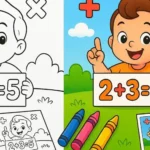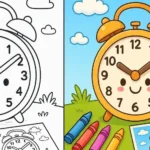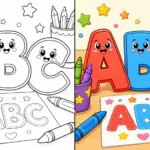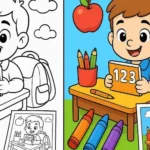

Early Elementary Coloring Pages
Early elementary coloring pages for grades 1 to 3, with printable activities that add more detail, vocabulary, science ideas, math practice, and creative problem solving.
These collections work well for children who are ready for finer lines, fuller scenes, diagrams, and pages that can support short lessons or independent quiet work.
Explore other age-based pages
Explore other age-based hubs when you want simpler pages for younger children or more detailed designs for older kids.
Early Elementary Coloring Pages
Use the early elementary hub for printable coloring pages that still feel fun while carrying more educational value and detail.
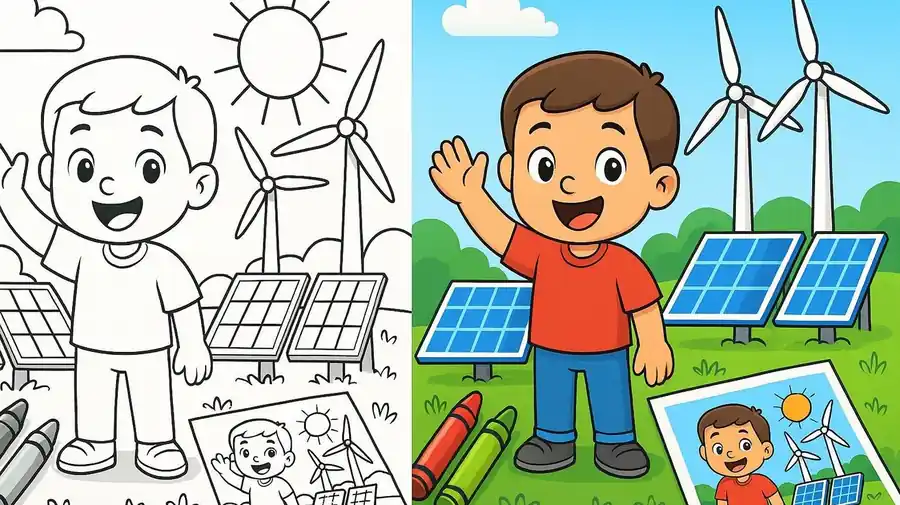

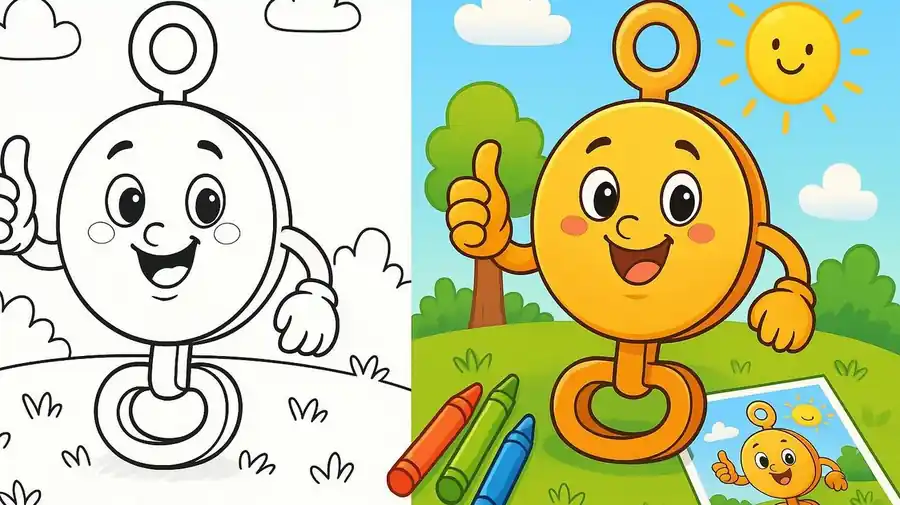
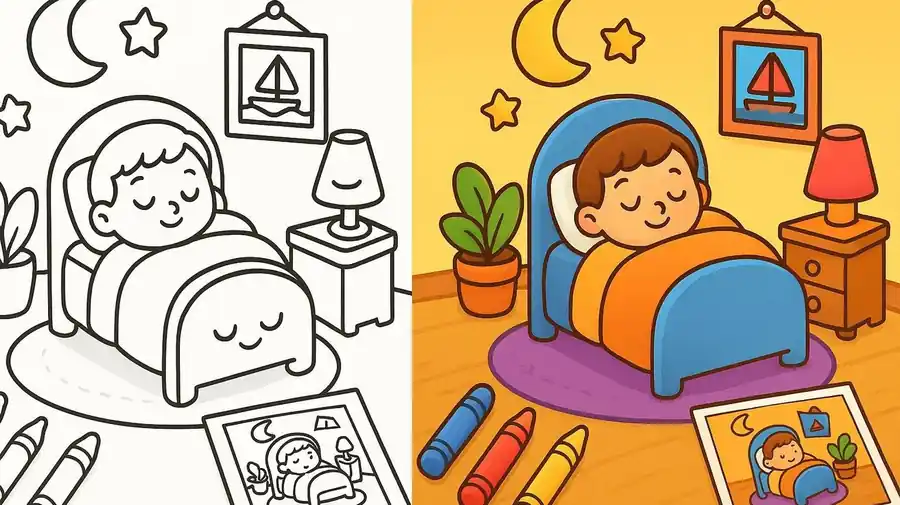
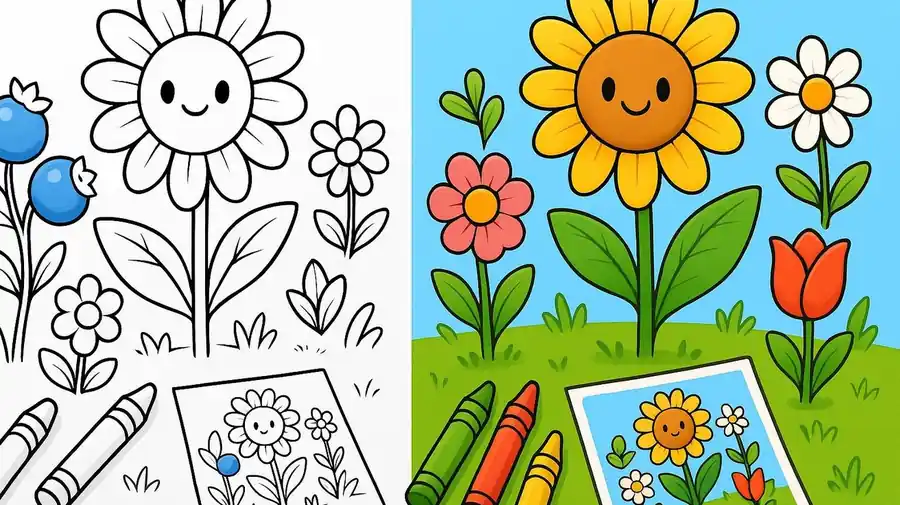
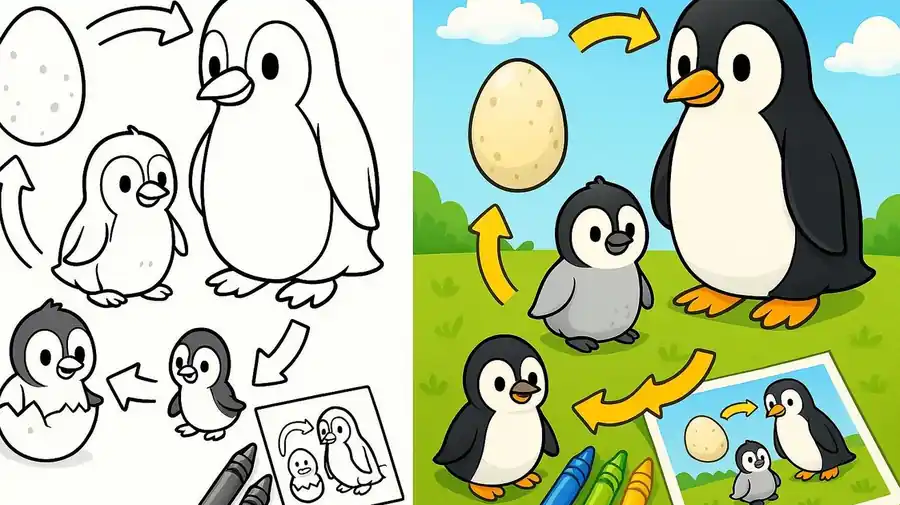
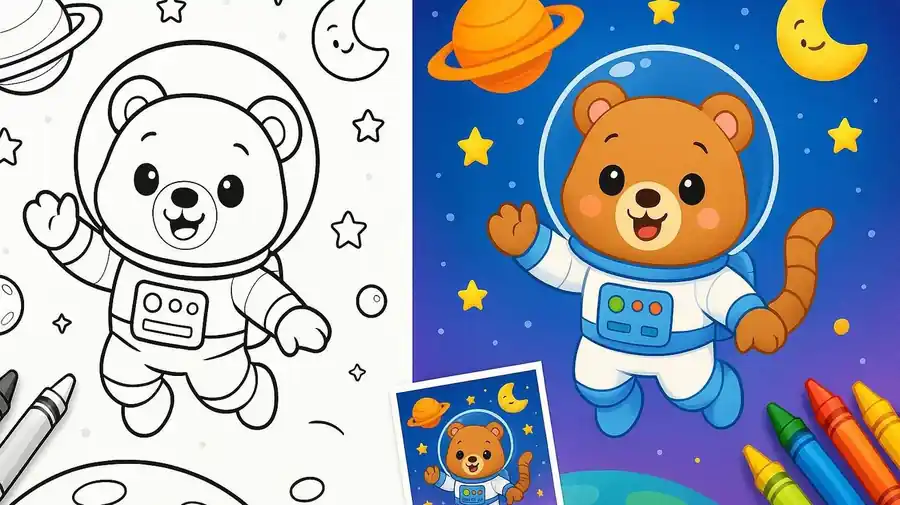
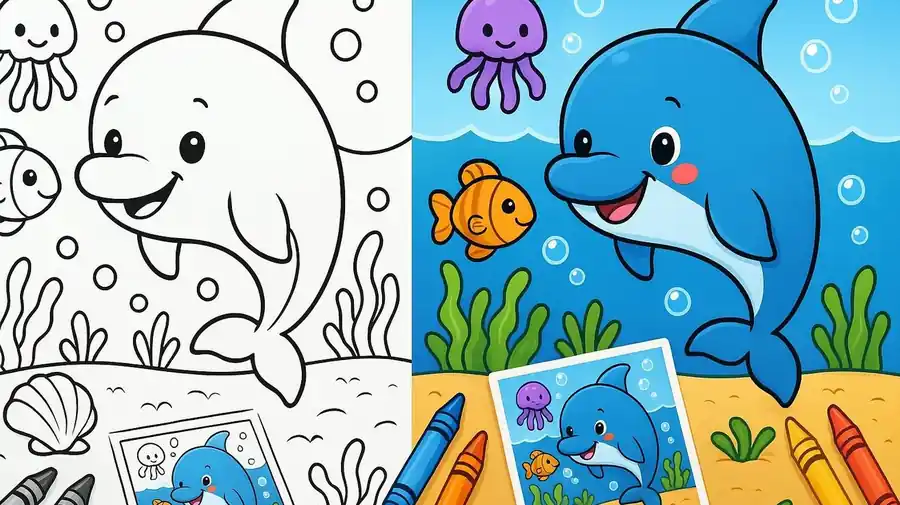
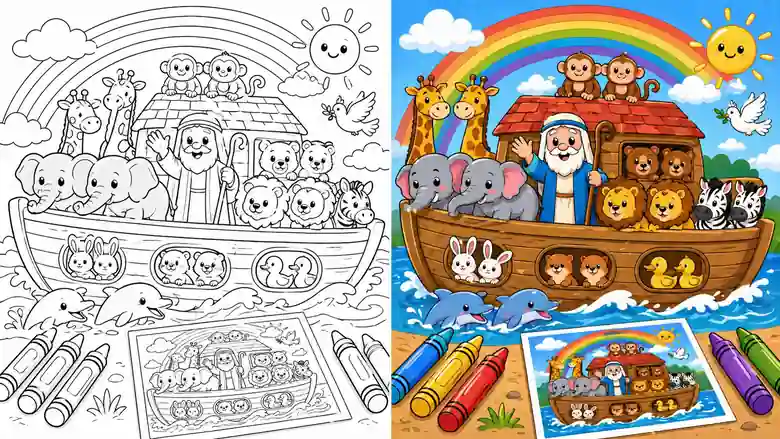
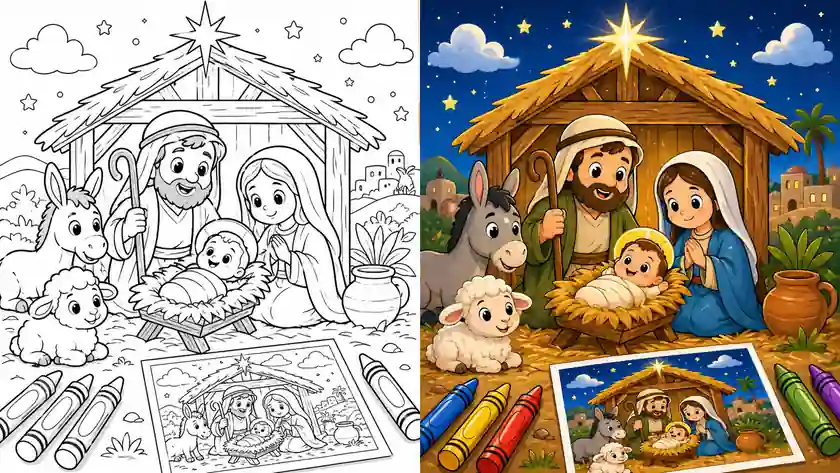
Where the Pages Get Properly Interesting
A volcano mid-eruption with the layers labelled. A dinosaur detective with a magnifying glass. A spaceship whose panels are numbered so the colours build the hull as you go. By six or seven, most children can stay inside a line without thinking about it, which frees them up to enjoy something with more going on.
That is what this collection is for. Finer line work, fuller scenes, and plenty of pages where there is something to work out as well as something to colour.
What Six- to Eight-Year-Olds Go For
- Detailed scenes — a busy street, an underwater world, a jungle. Twenty or thirty minutes of absorbed quiet.
- Colour by number with a proper key — ten or more colours, and the picture only appears if you follow it. Genuinely puzzle-like.
- Dinosaurs, space and volcanoes — the subjects that need no selling at this age, and happen to carry real science.
- Life cycles and diagrams — caterpillars, frogs, the water cycle. Interesting first, educational second.
- Mazes and find-and-colour — for when they want a challenge rather than a calm-down.
Keeping It From Feeling Like Homework
Six- to eight-year-olds have a reliable radar for disguised schoolwork, and a page that is obviously a worksheet in costume gets resistance.
Two things help. Let the child choose the page rather than assigning it — the sense of picking is most of the difference. And do not quiz them while they work. A child colouring a butterfly life cycle is absorbing the sequence whether or not they can recite it back on demand.
In the Classroom
Early finishers. A tray of medium-detail pages gives fast workers somewhere to go that does not create noise.
End of a unit. A themed page works as a low-pressure recap and produces something for the wall.
Substitute folders. Pages needing no setup are worth keeping ready for days you are not there.
Instead of written homework. For children who dig in over worksheets, a subject-linked colouring page covers similar ground without the same fight.
How to Print These Early Elementary Coloring Pages
All pages are free PDFs formatted for US Letter and A4 at 300 dpi. Click a thumbnail to open and print.
Finer line work benefits from printing at normal rather than draft quality, since draft mode can break up thin outlines. For colour by number pages, check the key has printed legibly before running a full class set.
Questions Parents and Teachers Ask
What age is early elementary? Broadly six to eight, roughly grades one to three. If pages feel too simple, the teens and tweens pages add detail; if too demanding, the kindergarten pages step back.
My child rushes and does not finish. Common at this age, and usually a sign the page is either too easy to hold interest or too dense to feel achievable. One step in either direction normally sorts it.
Do colouring pages still help at this age? The fine motor benefit tapers as control becomes automatic. What remains is sustained attention, following instructions, and a low-pressure way back into subject content.
Can I print class sets? Yes, free for personal, classroom and homeschool use. See the licensing policy.