
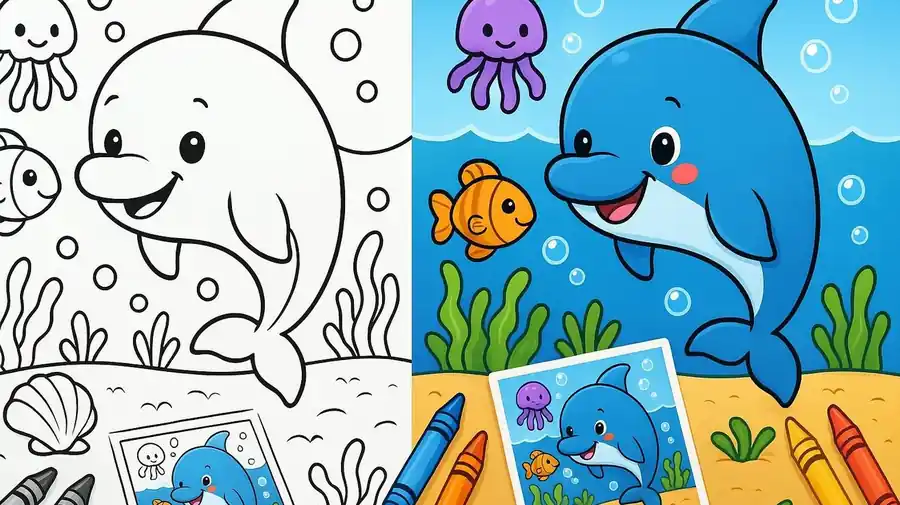
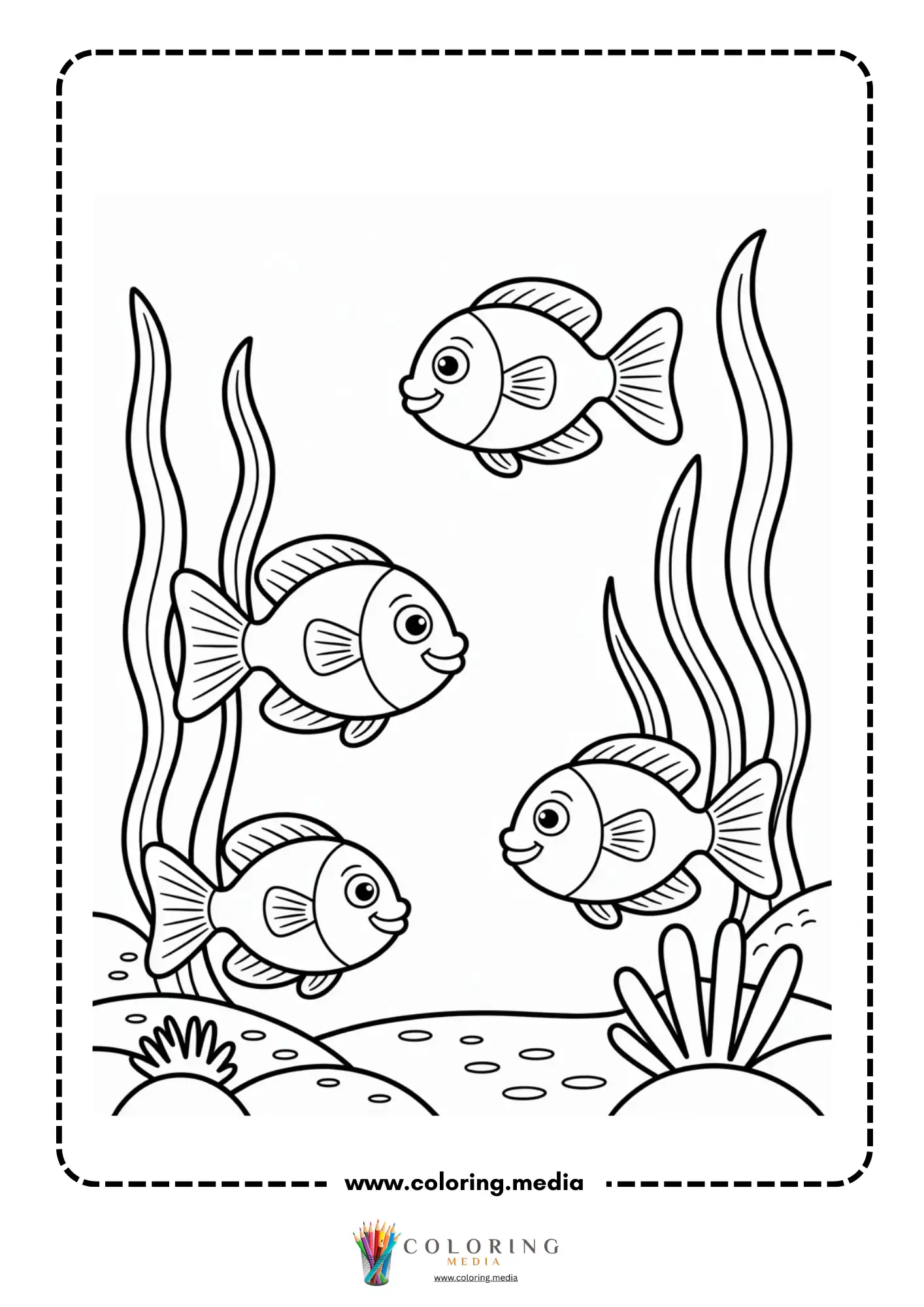
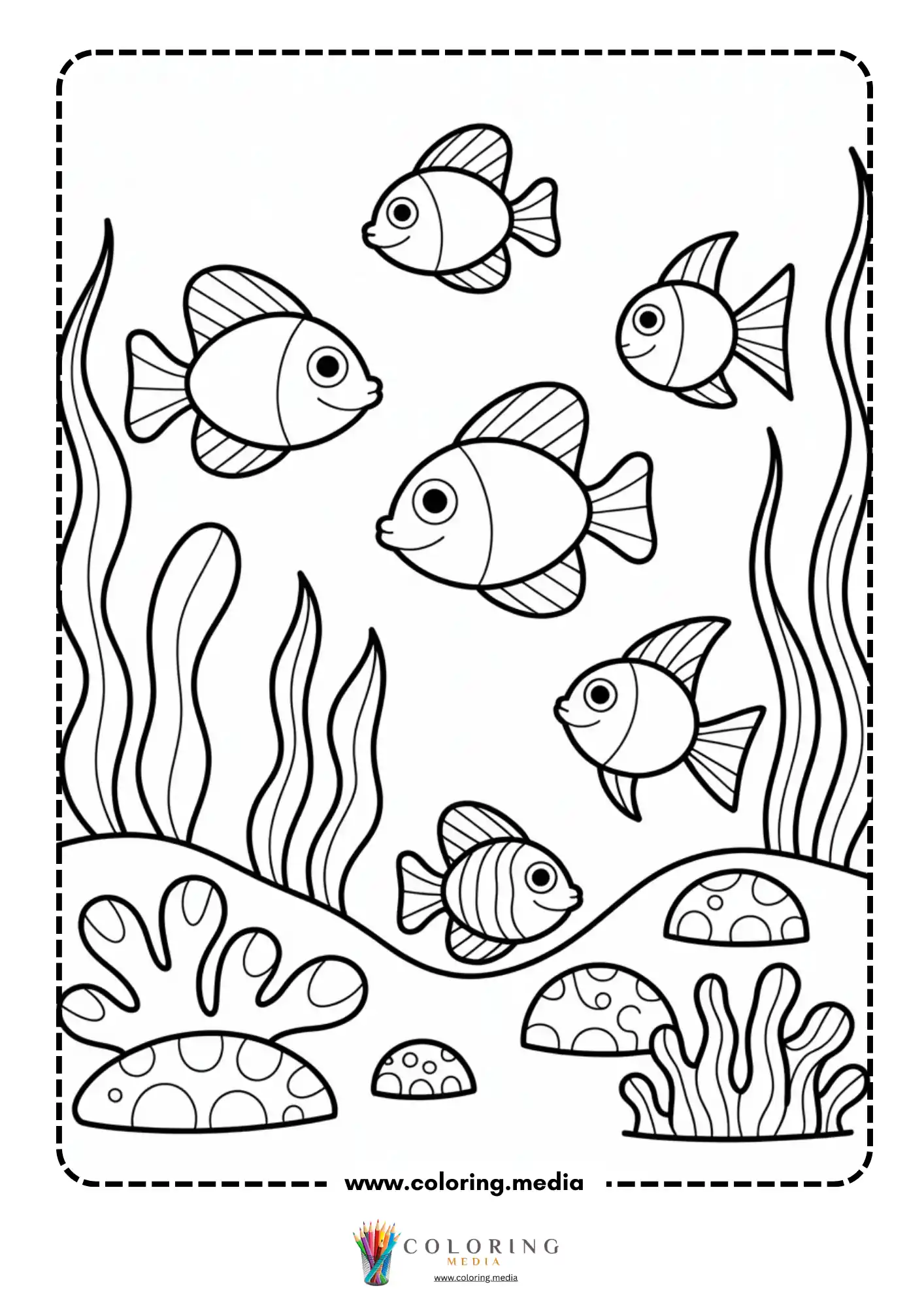
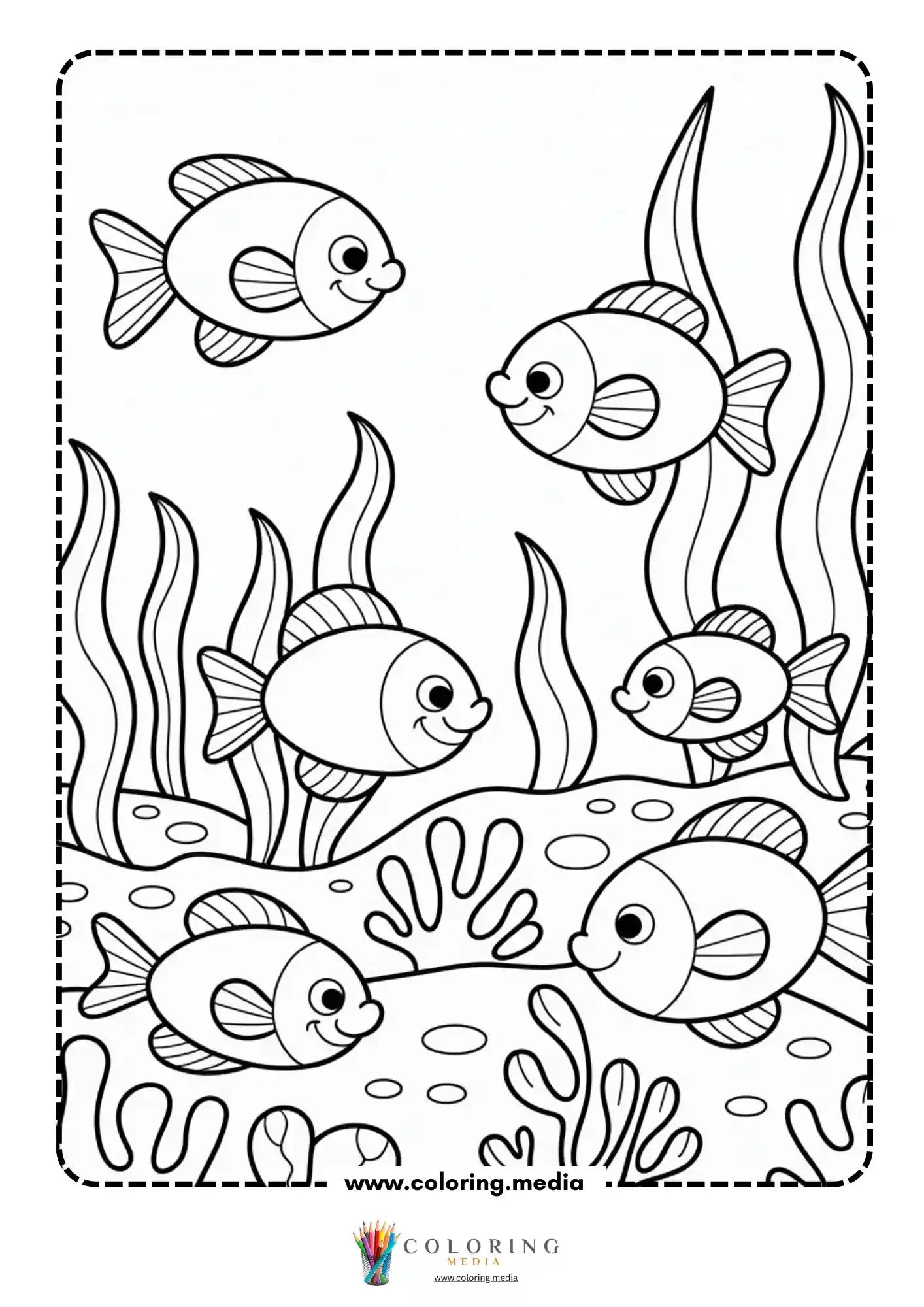
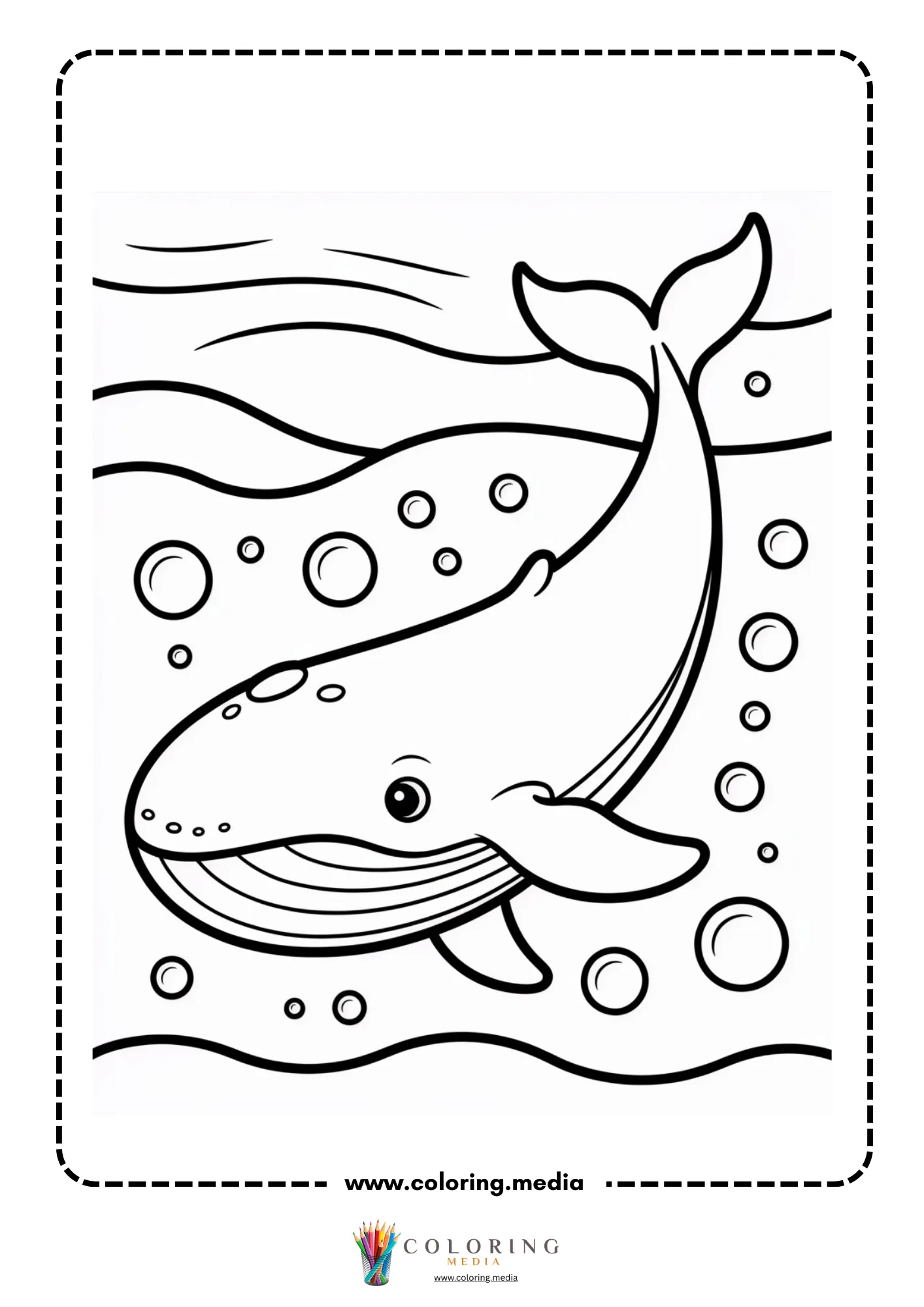
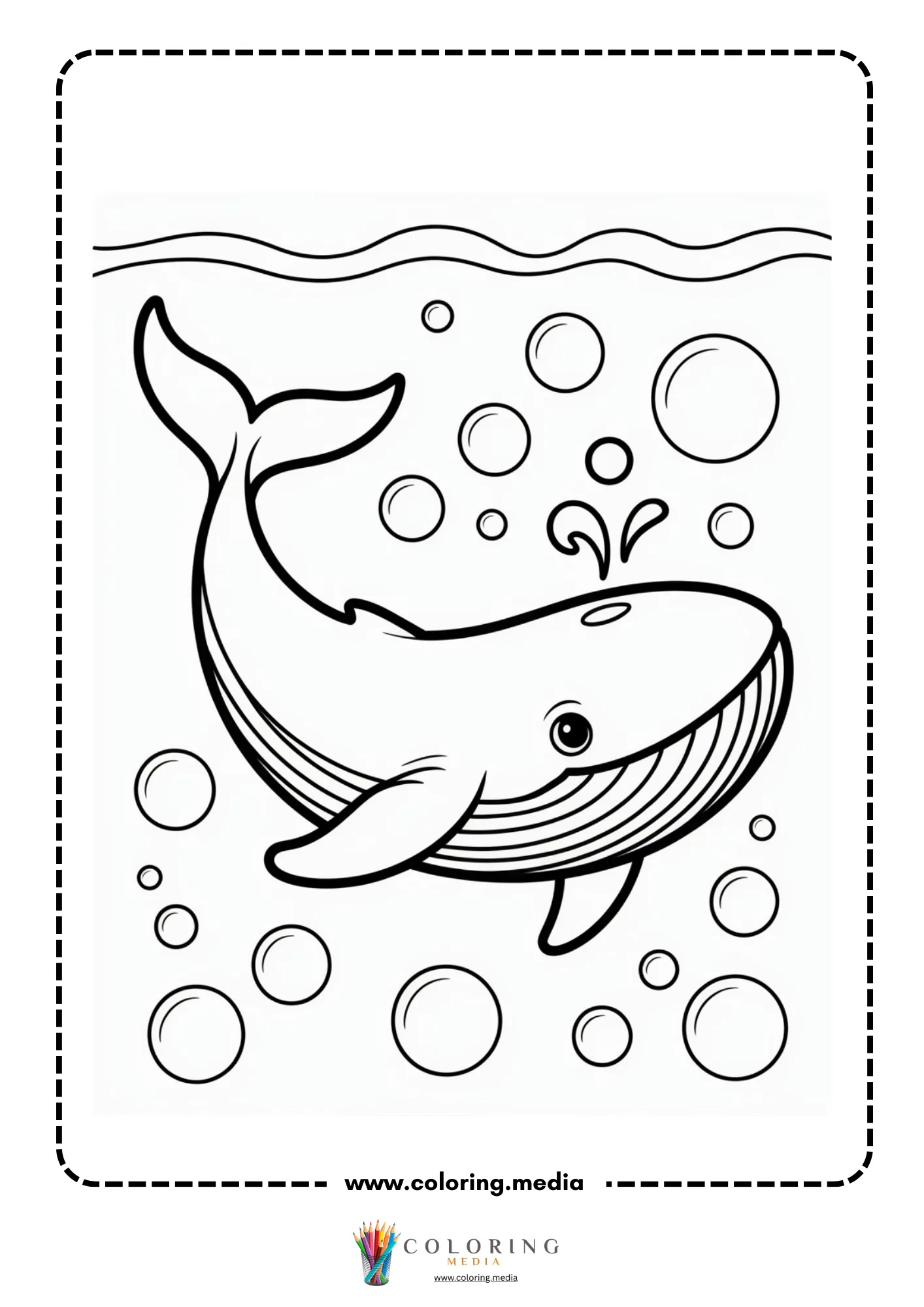
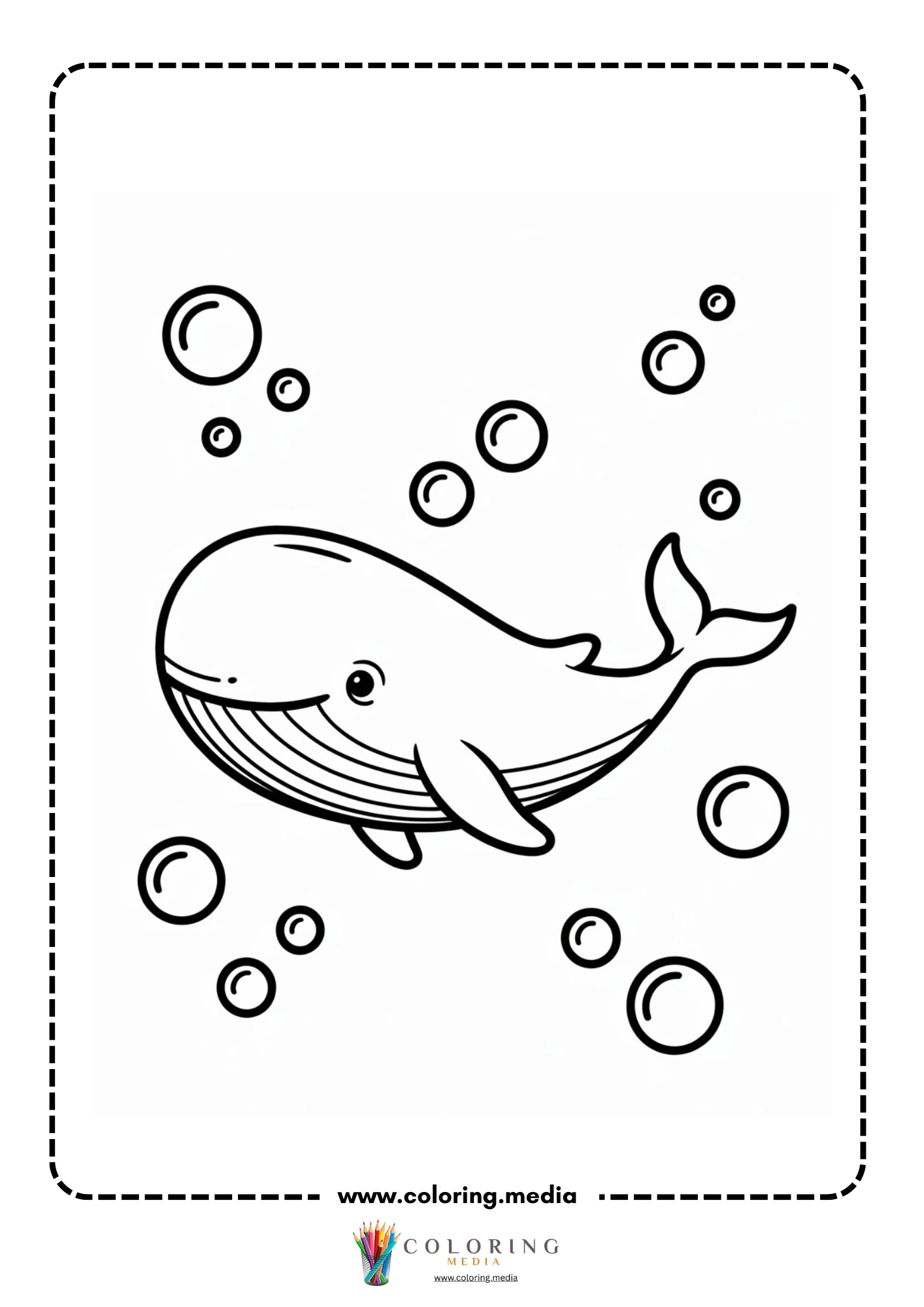
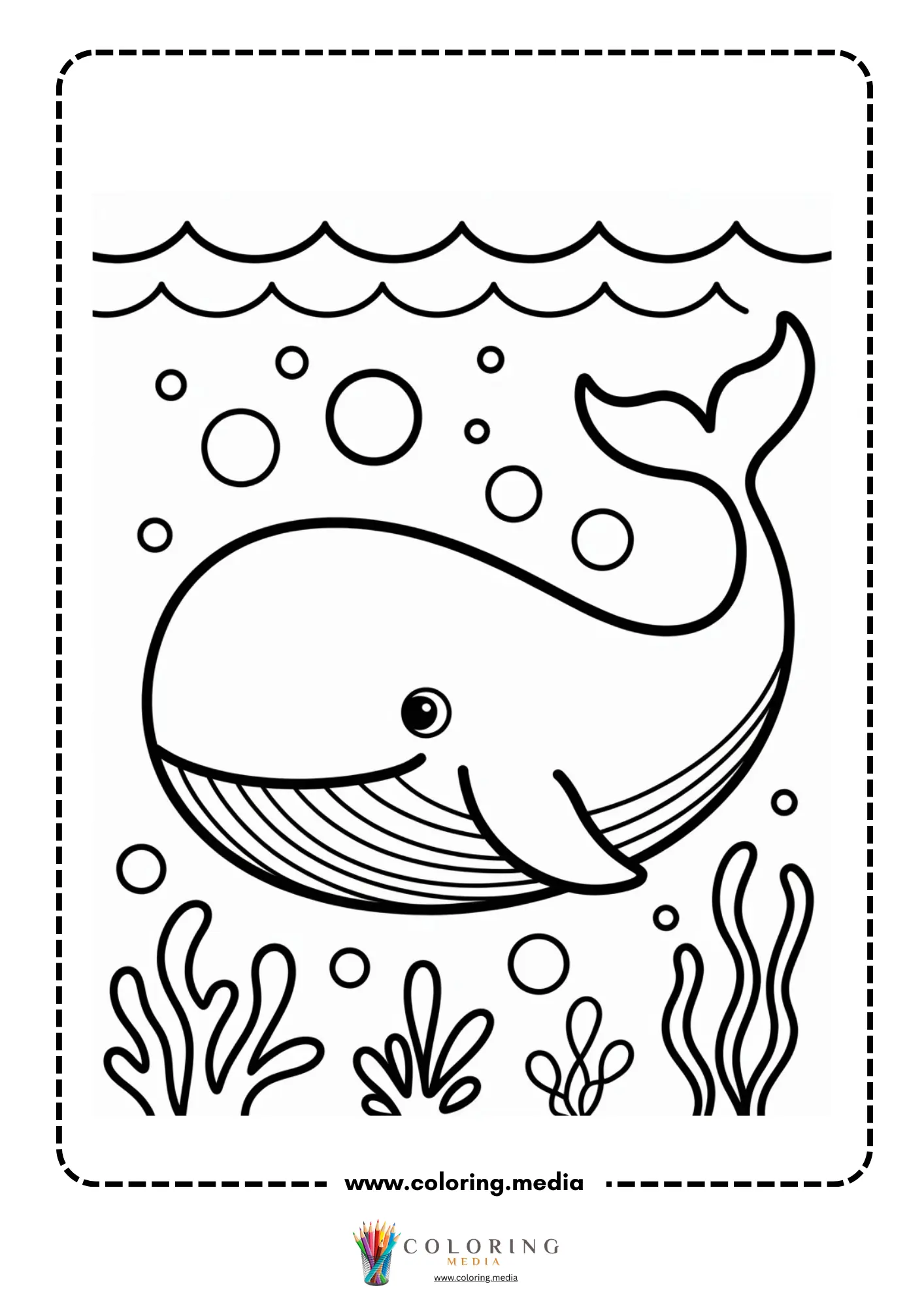
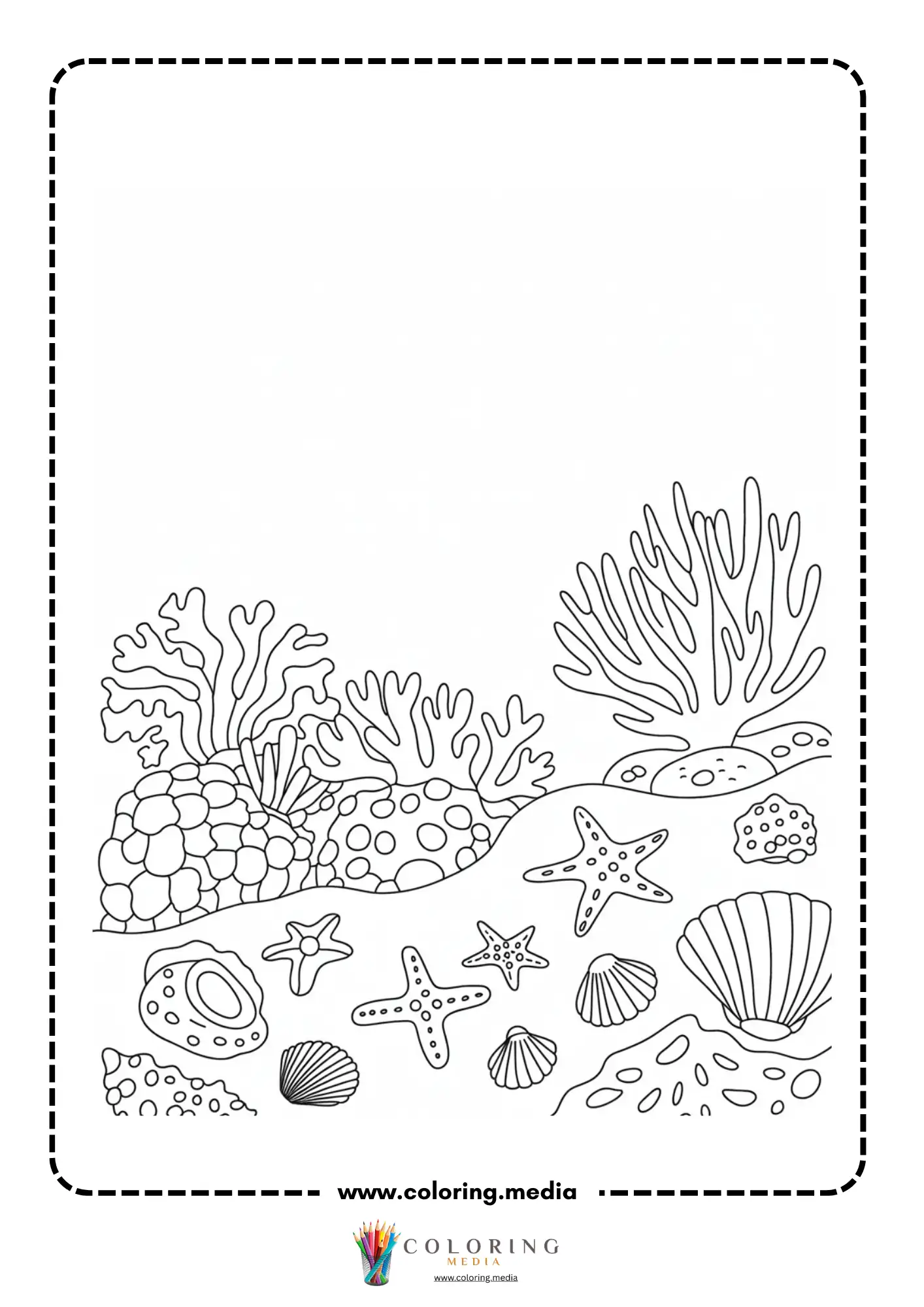
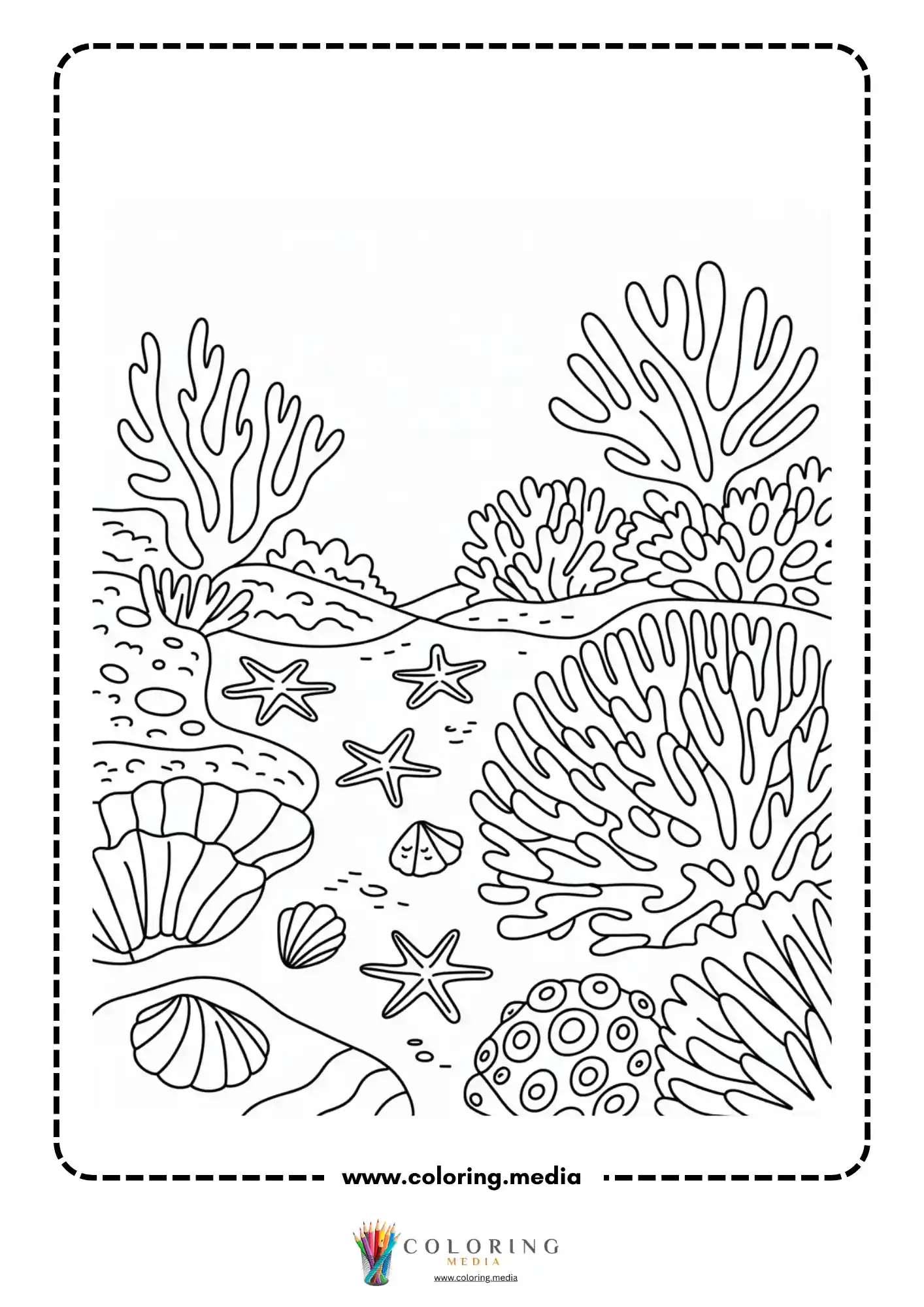
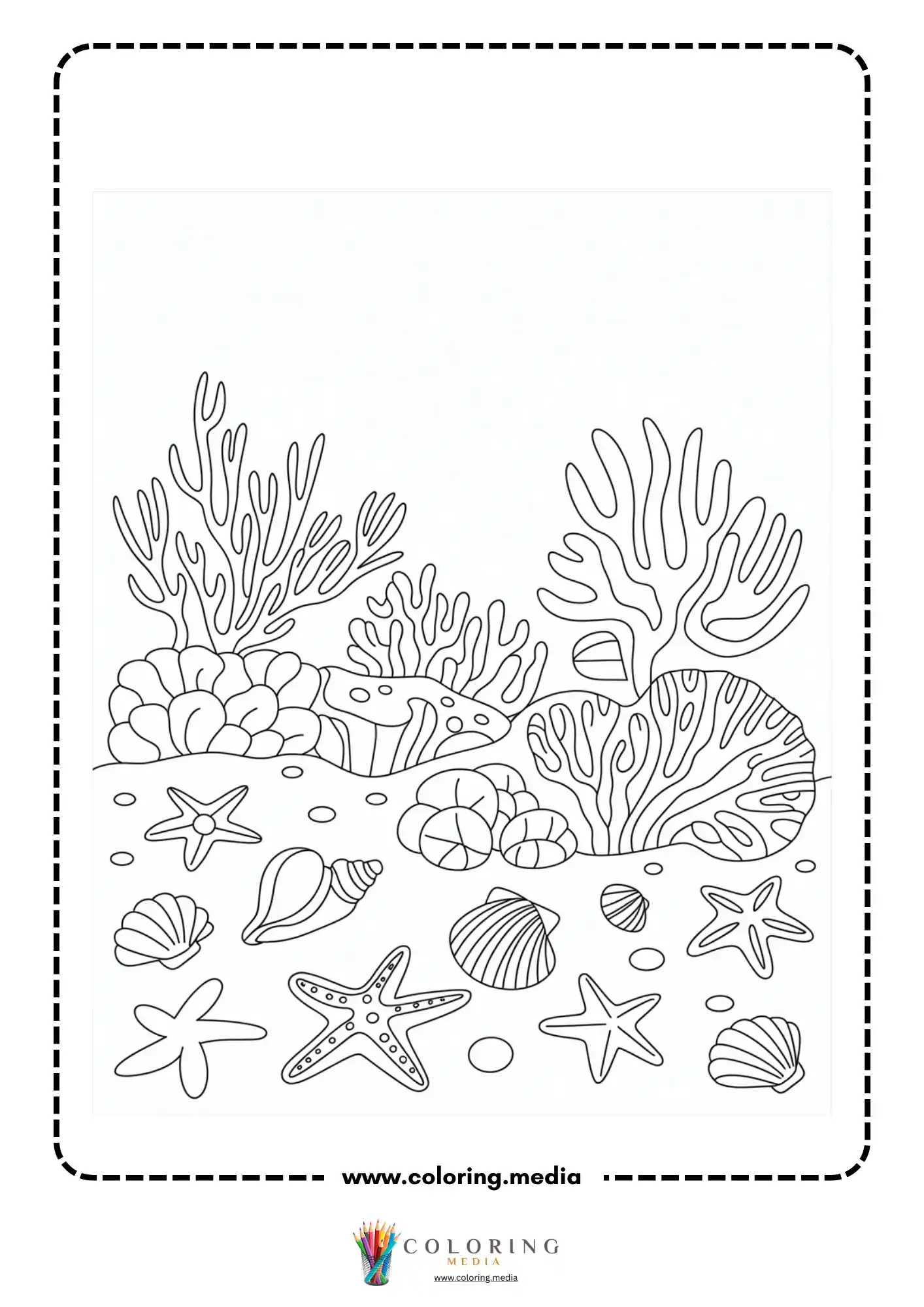
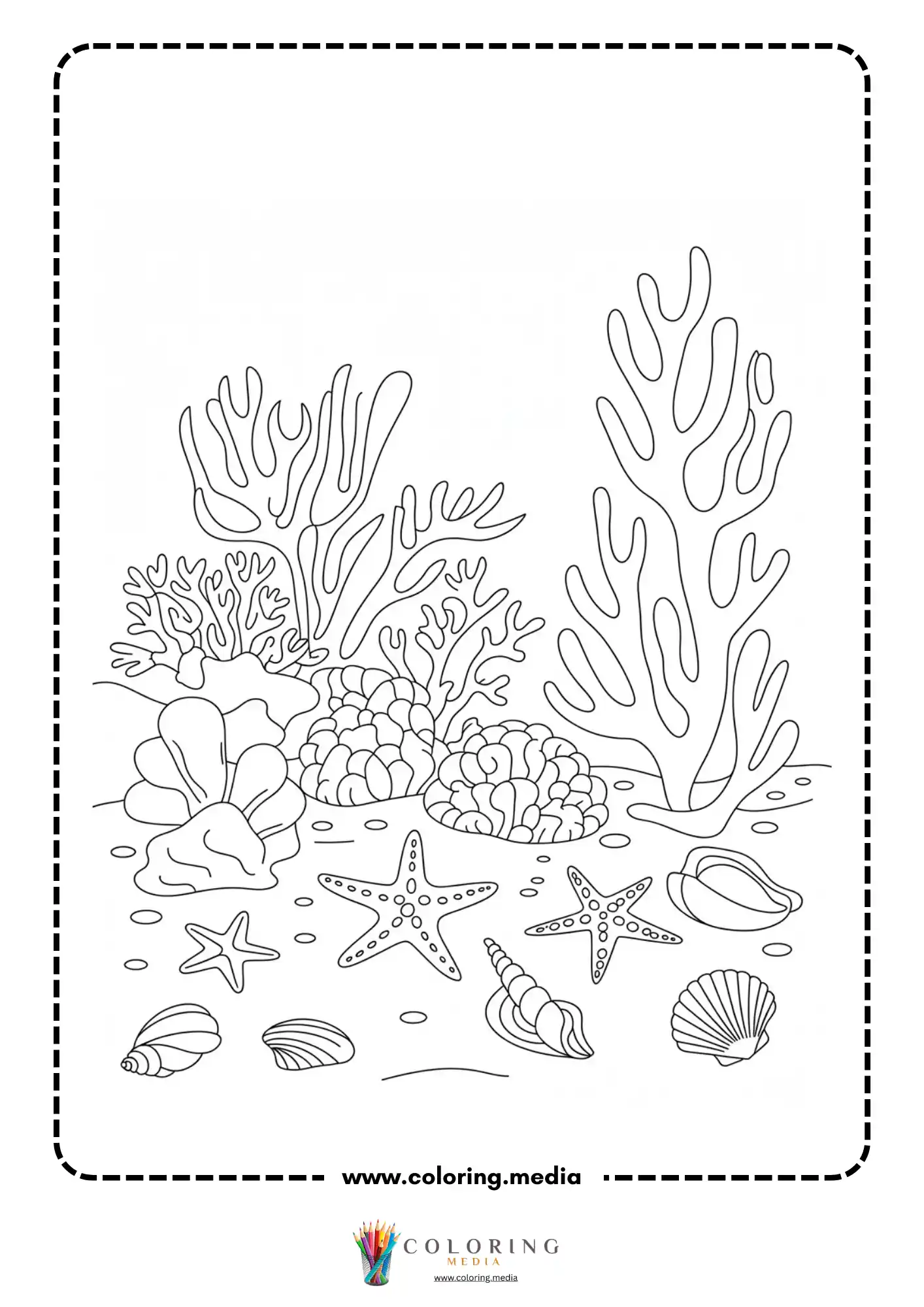
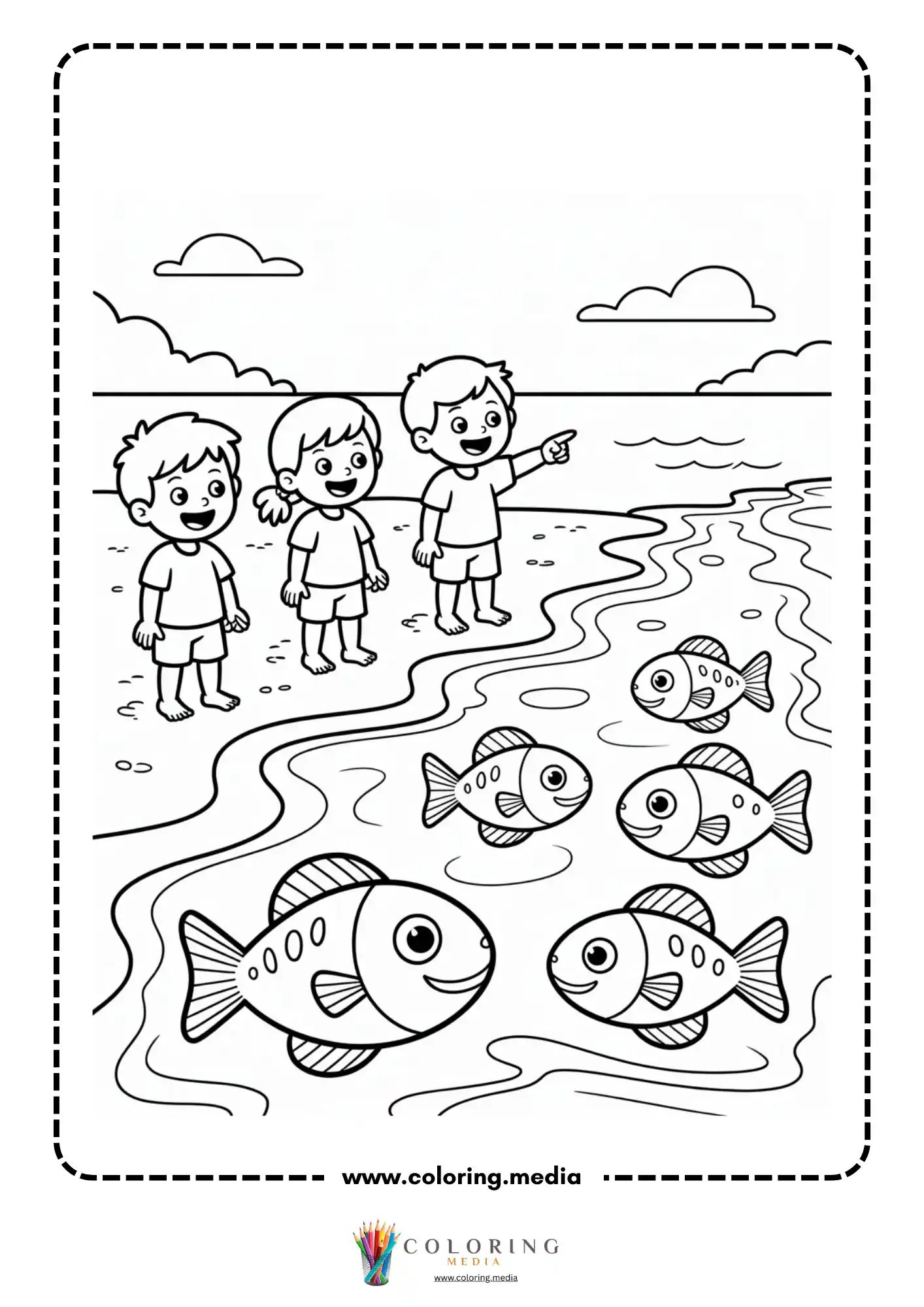
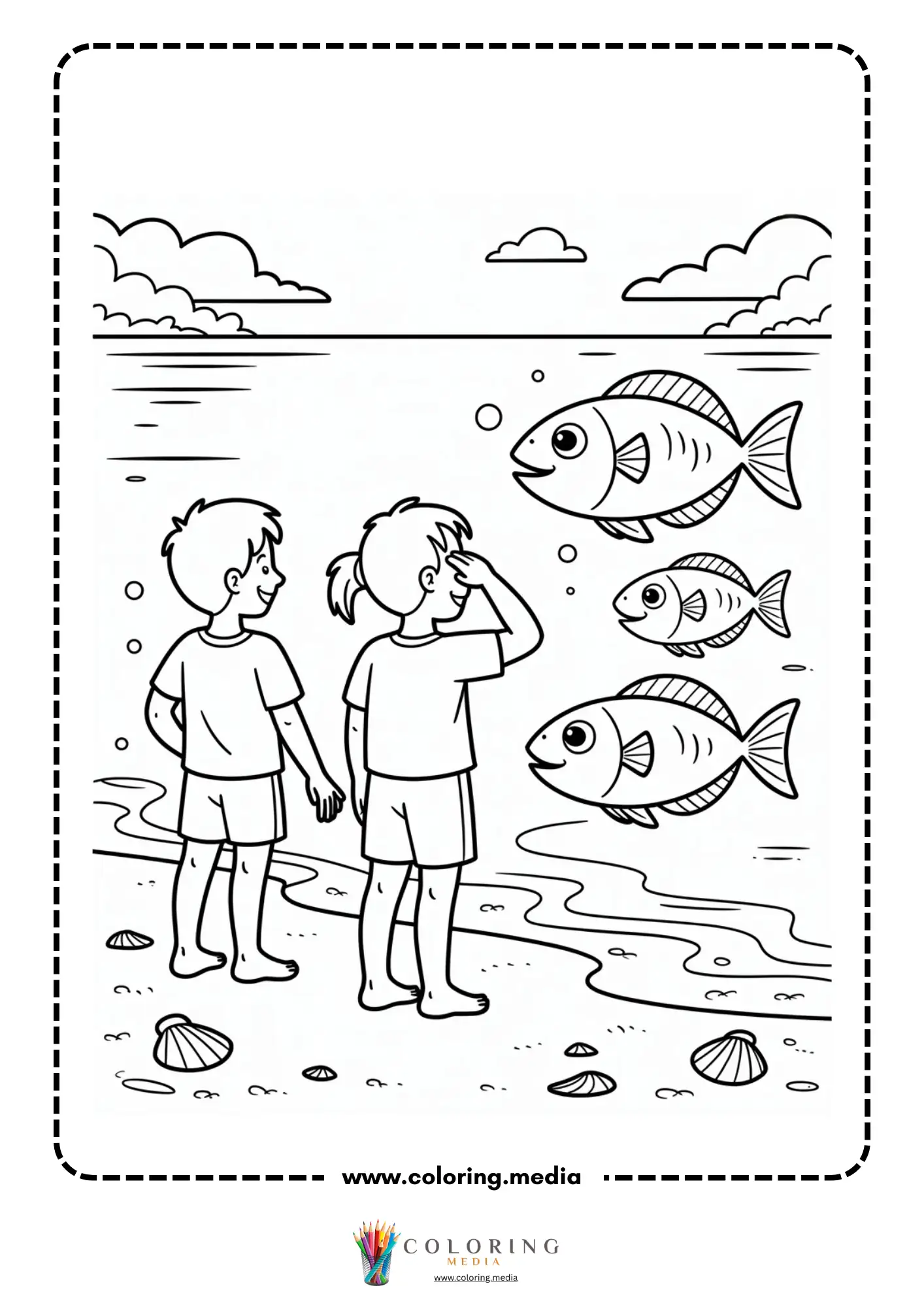
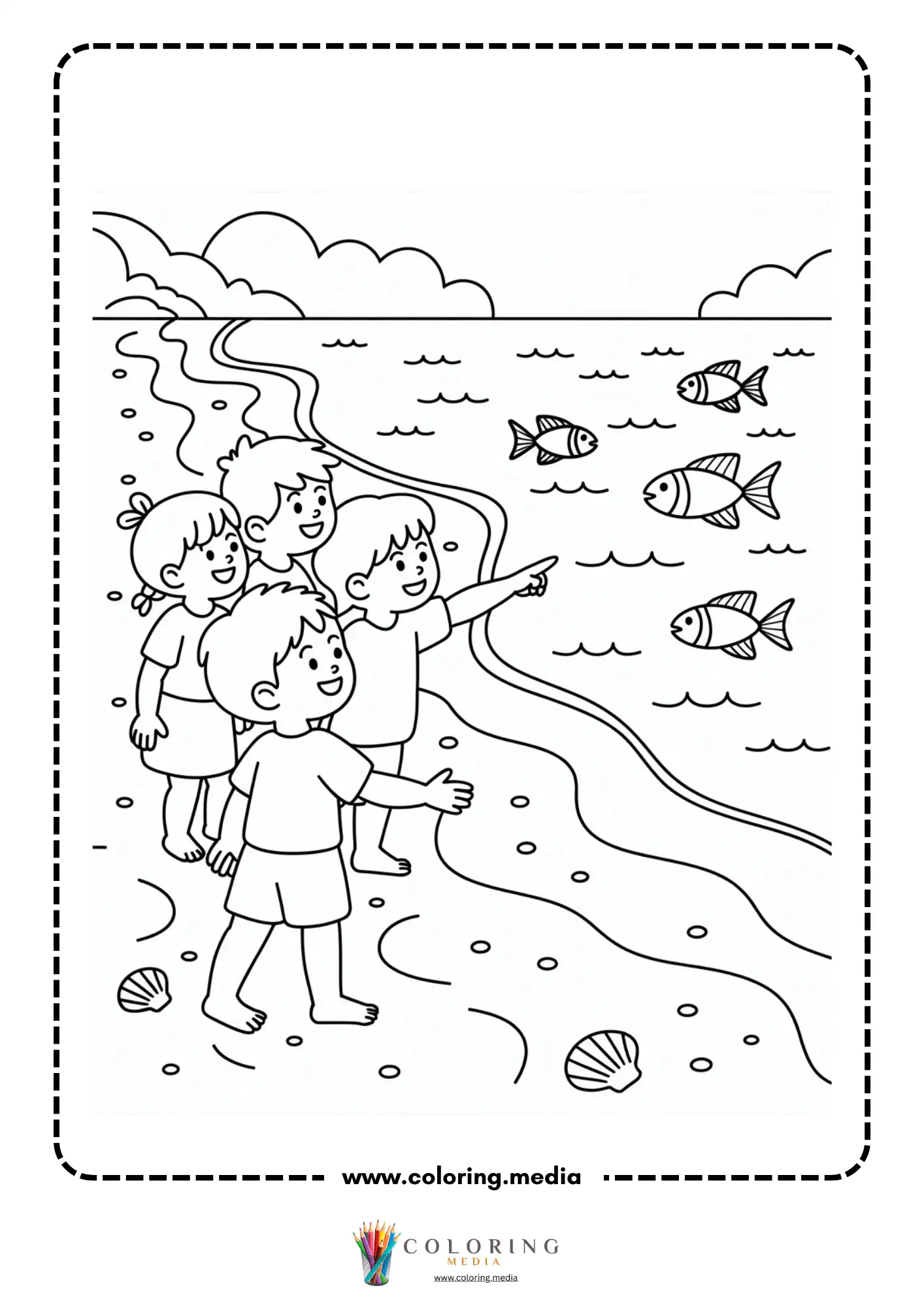
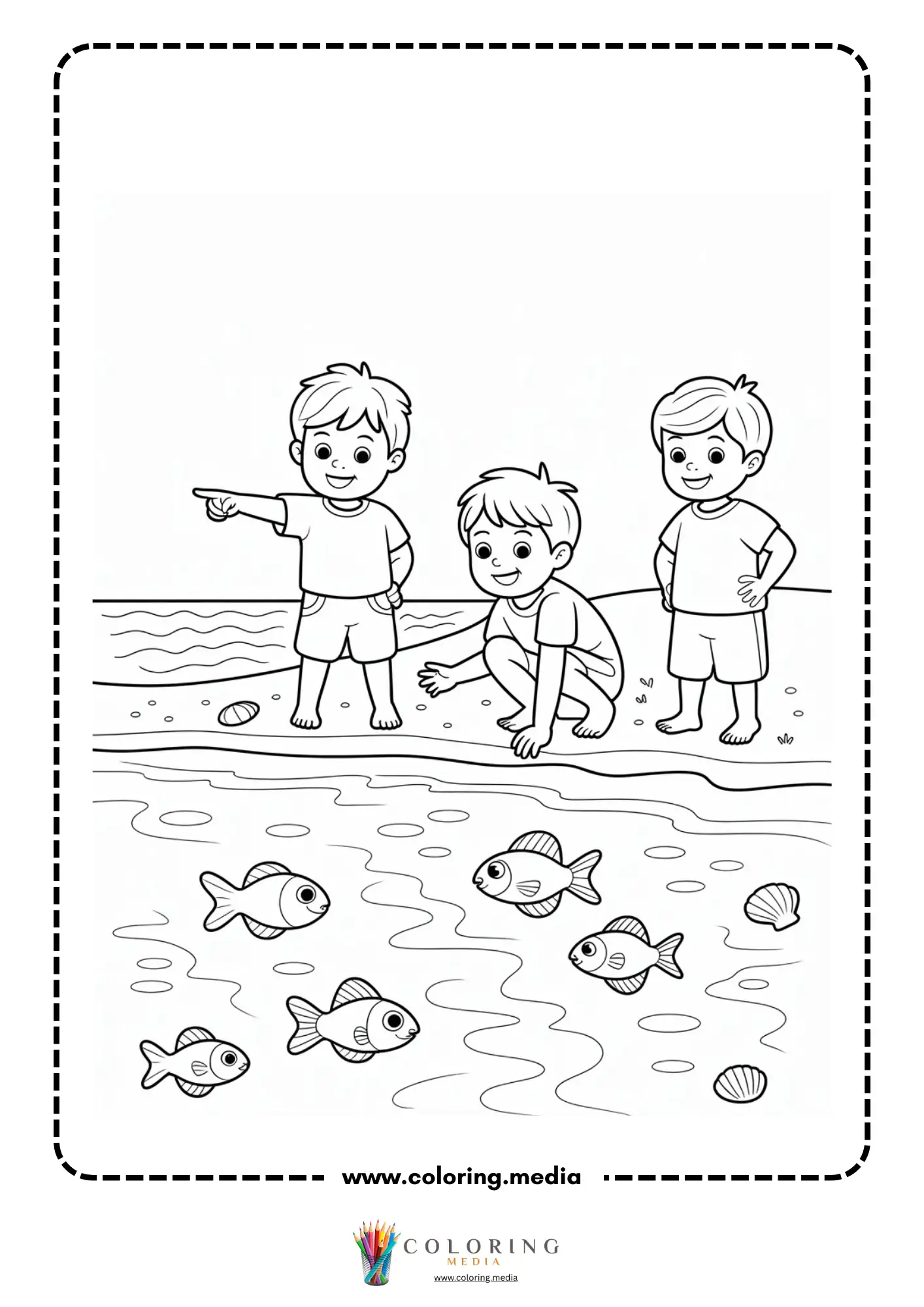
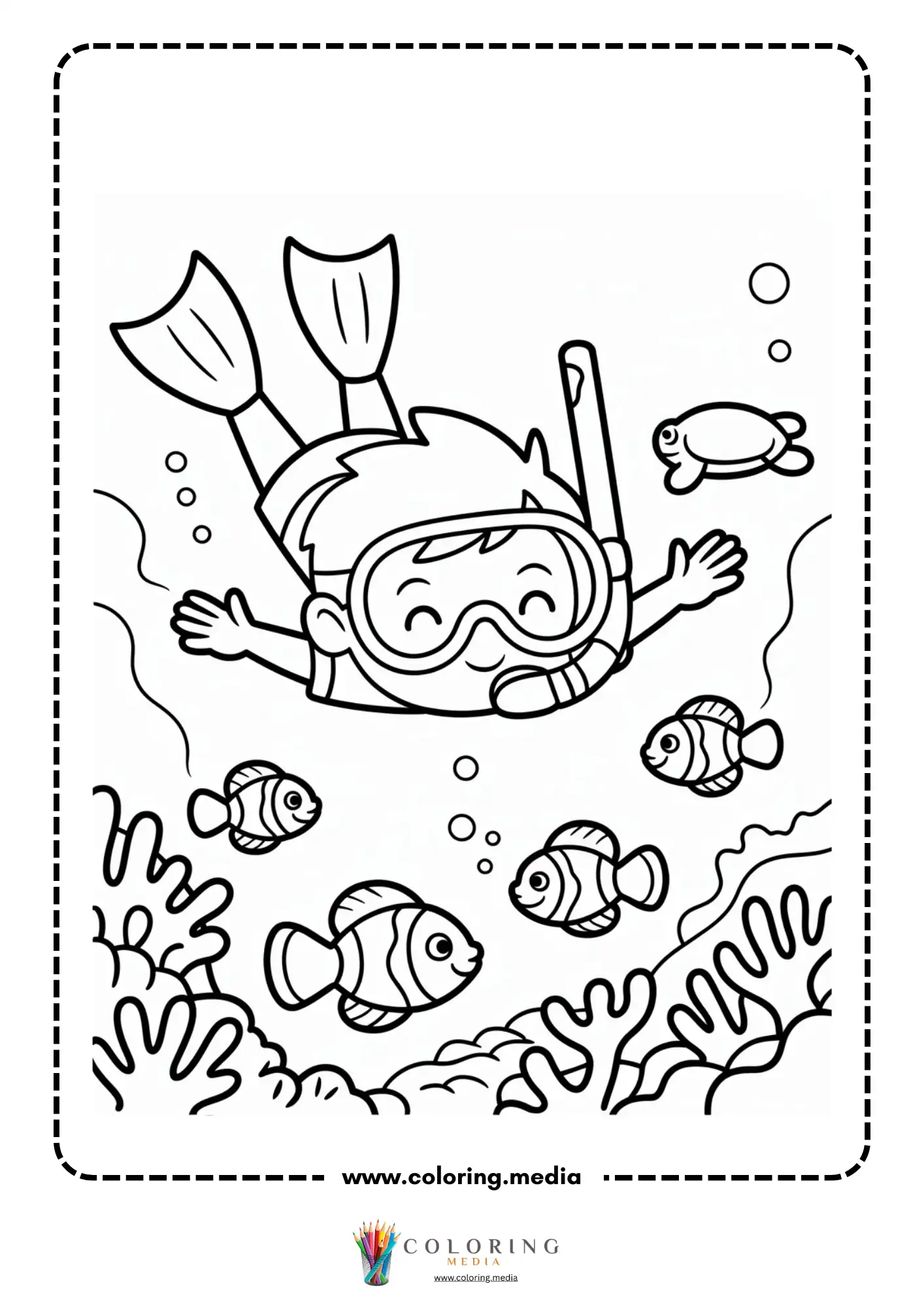
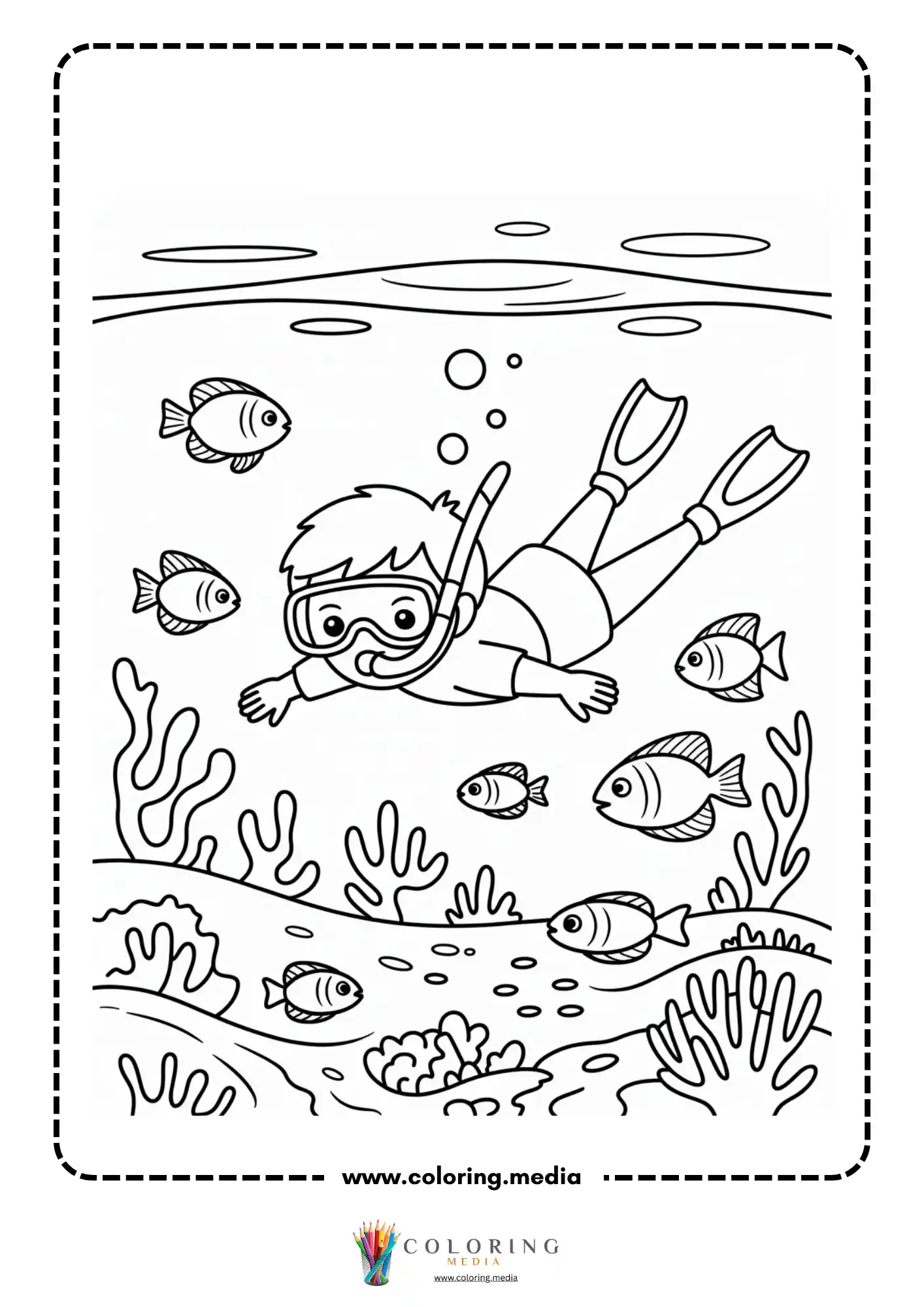
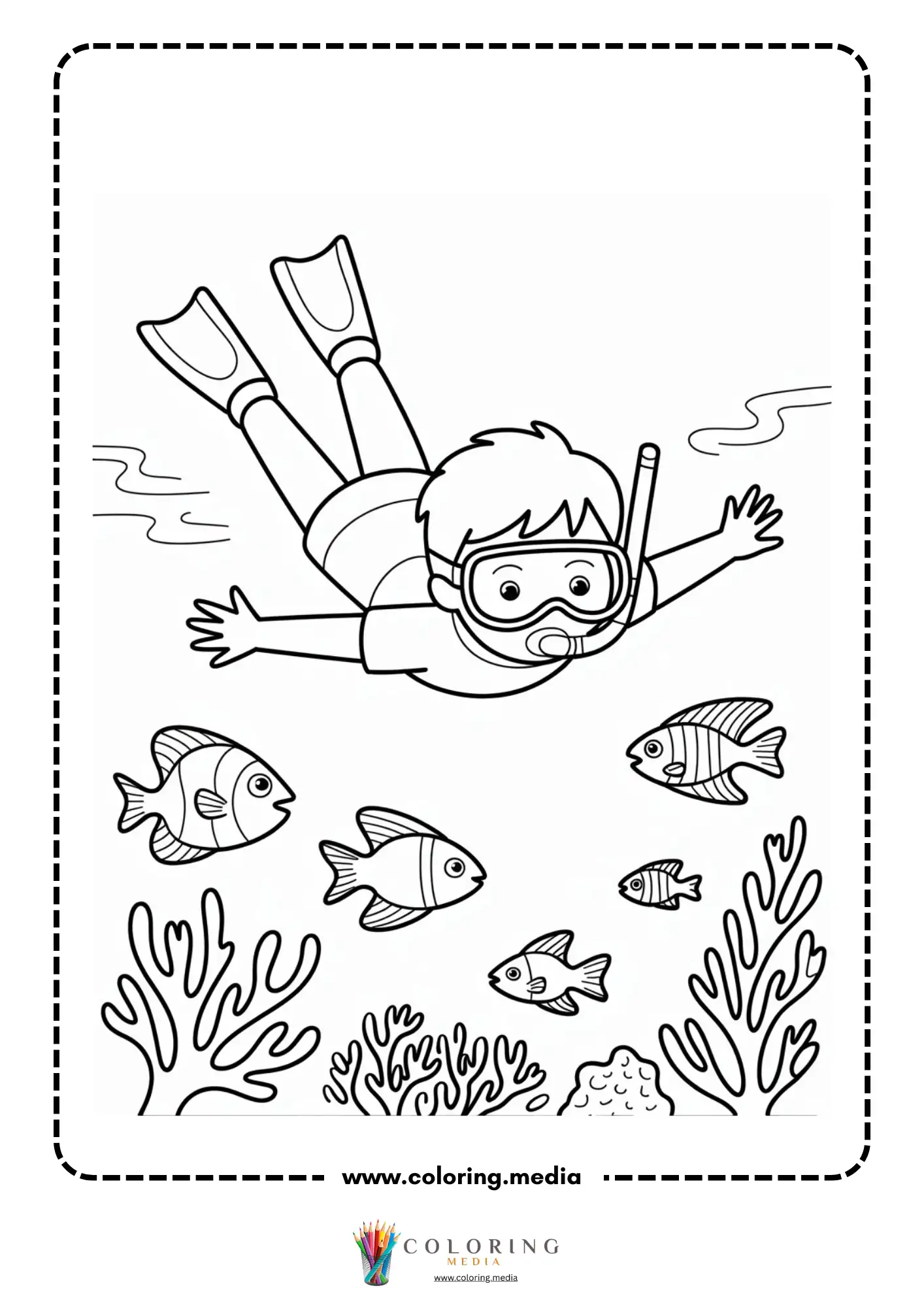
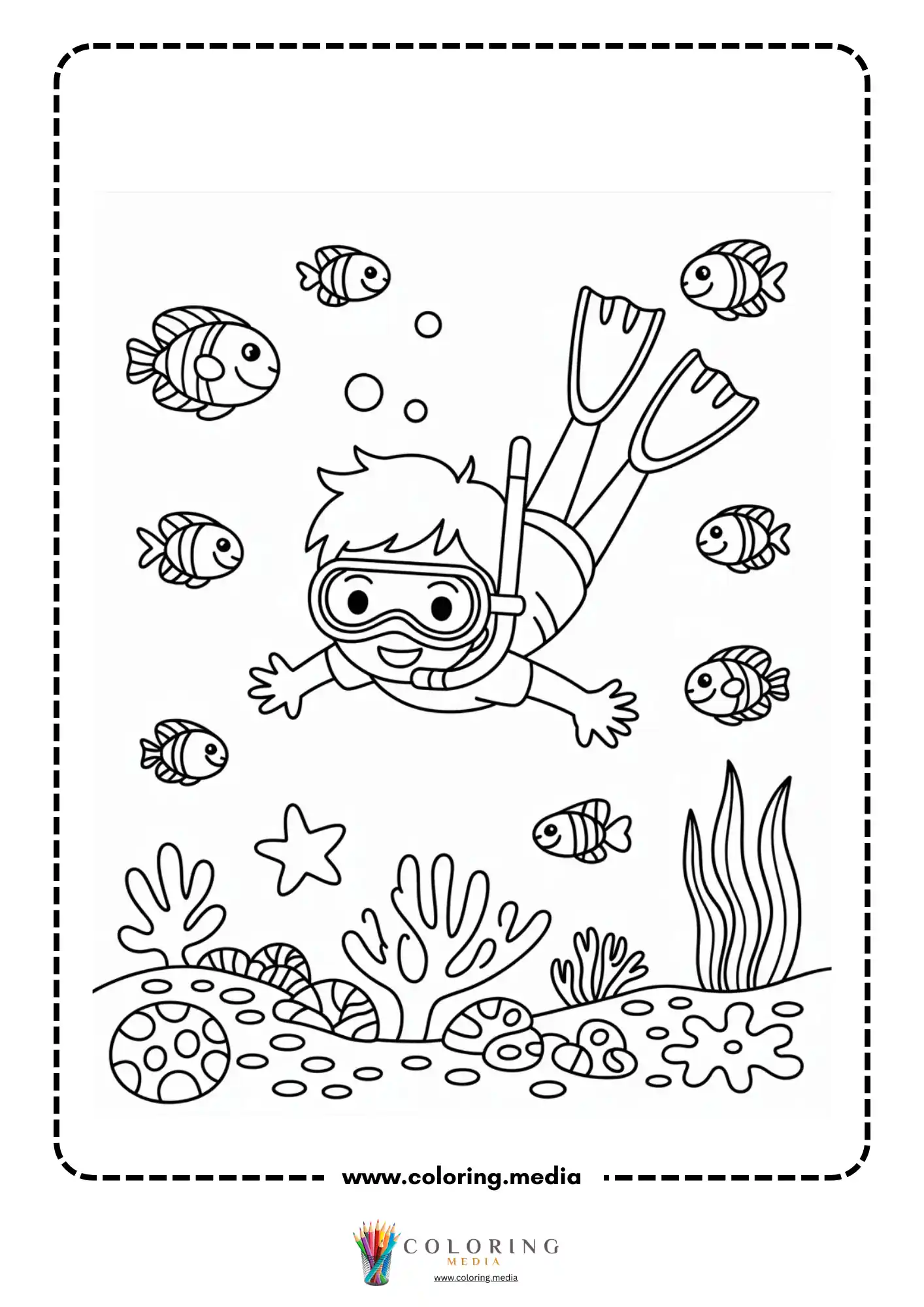
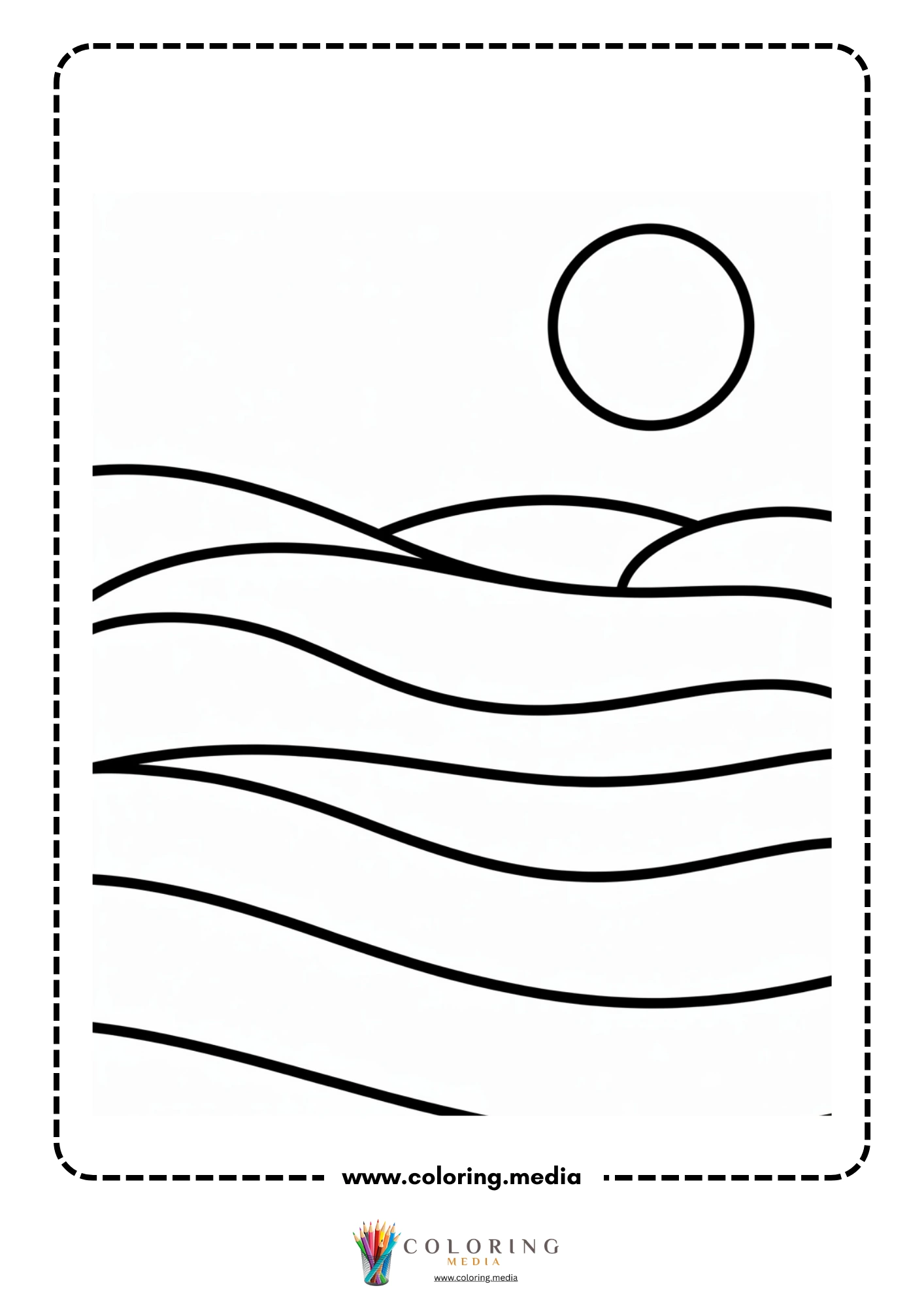
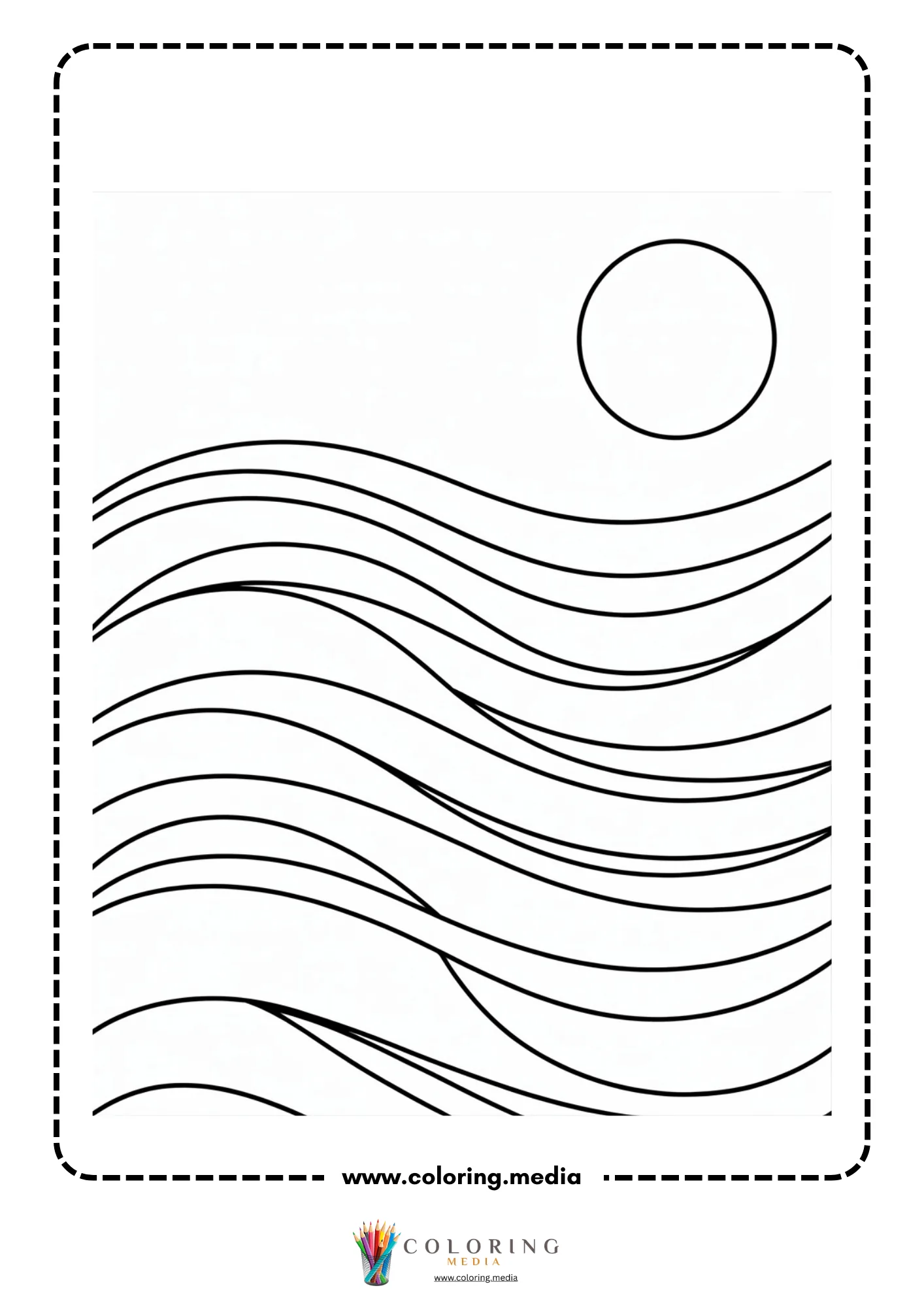
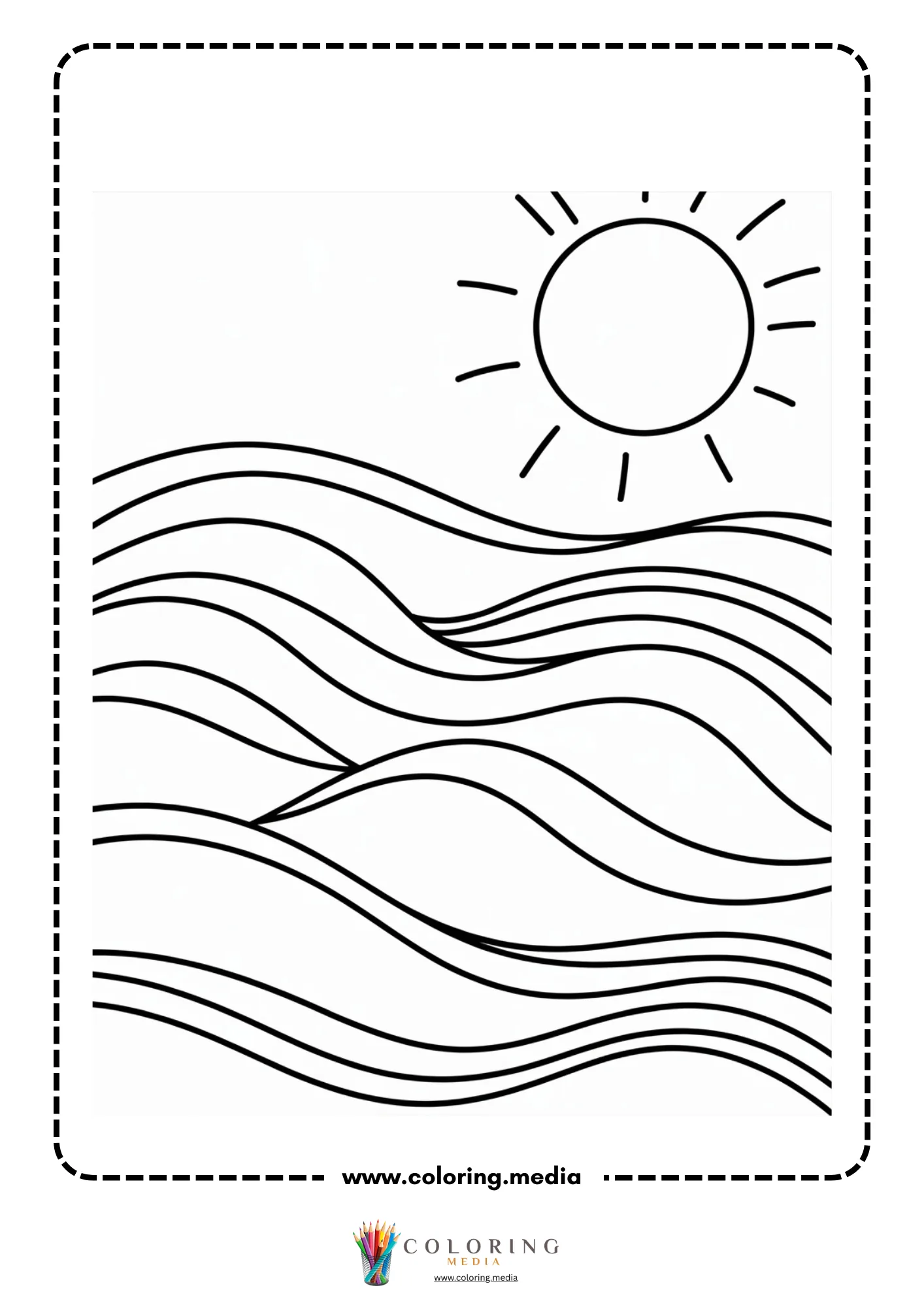
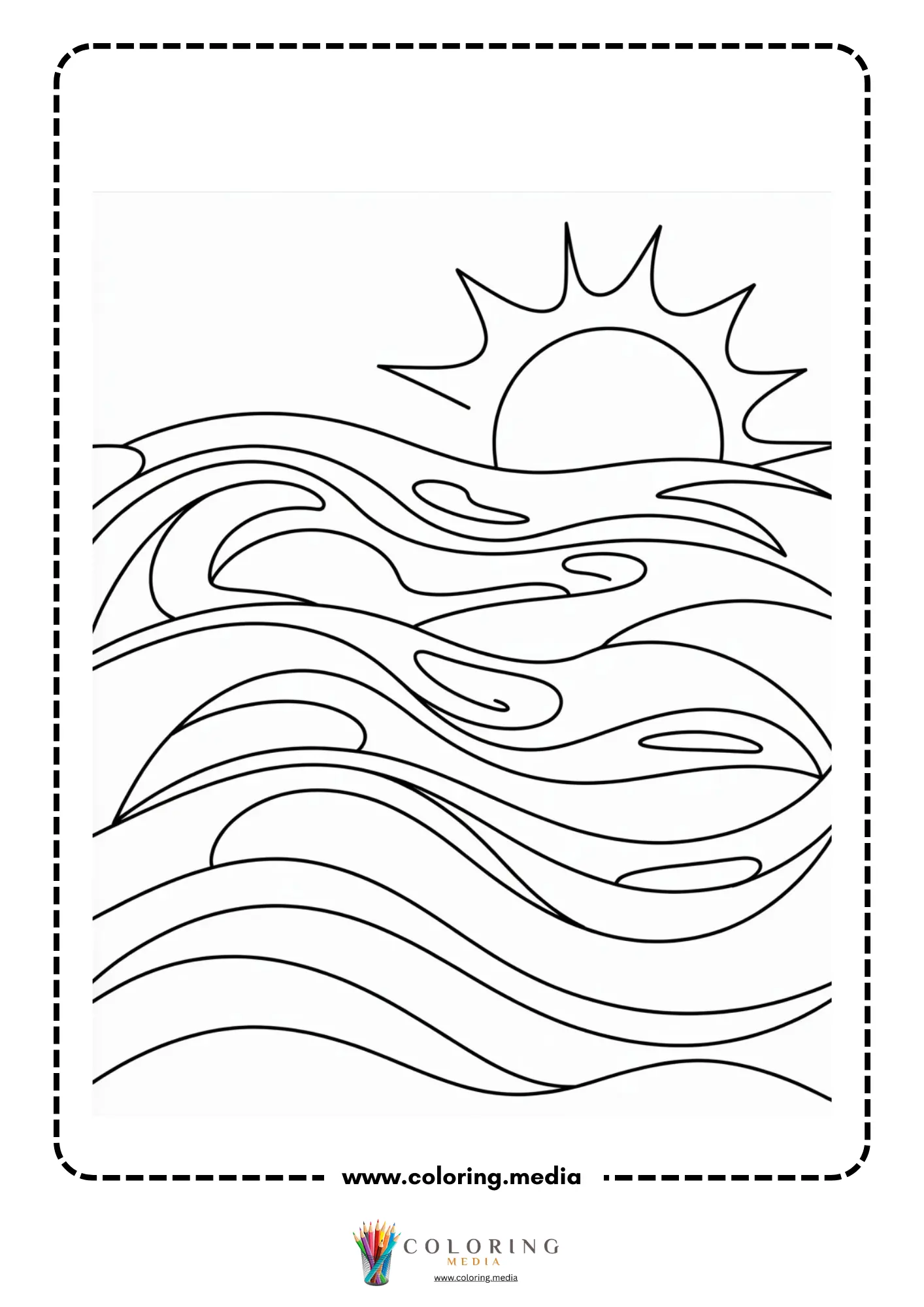
These 28 pages cover ocean life and environments from multiple angles — coral reef scenes bustling with tropical fish, children snorkeling above colorful sea beds, scuba divers exploring deeper zones, whale and dolphin illustrations, simple repeating wave patterns for younger colorists, a beach scene with seagulls and sailboats, underwater tunnels with fish schools, and close-up images of individual sea creatures like seahorses and sea turtles. The art style ranges from simple kawaii-adjacent outlines with thick lines to more detailed scene compositions.
The ocean is visually unlike any other environment on Earth, and children who have not seen it directly often have an intense curiosity about what lives beneath the surface. These pages provide a structured way to explore that curiosity — specific creatures, specific habitats, specific human activities in the ocean environment. Everything here is free to download and easy to print.
Free Printable Ocean Coloring Pages
This collection includes 28 printable ocean coloring pages featuring coral reef ecosystems, scuba diving scenes, whale and dolphin illustrations, wave patterns, beach scenes, underwater habitat illustrations, and individual sea creature portraits — in a range of styles from simple thick-outline designs to more detailed scene compositions. Print on US Letter or A4 paper.

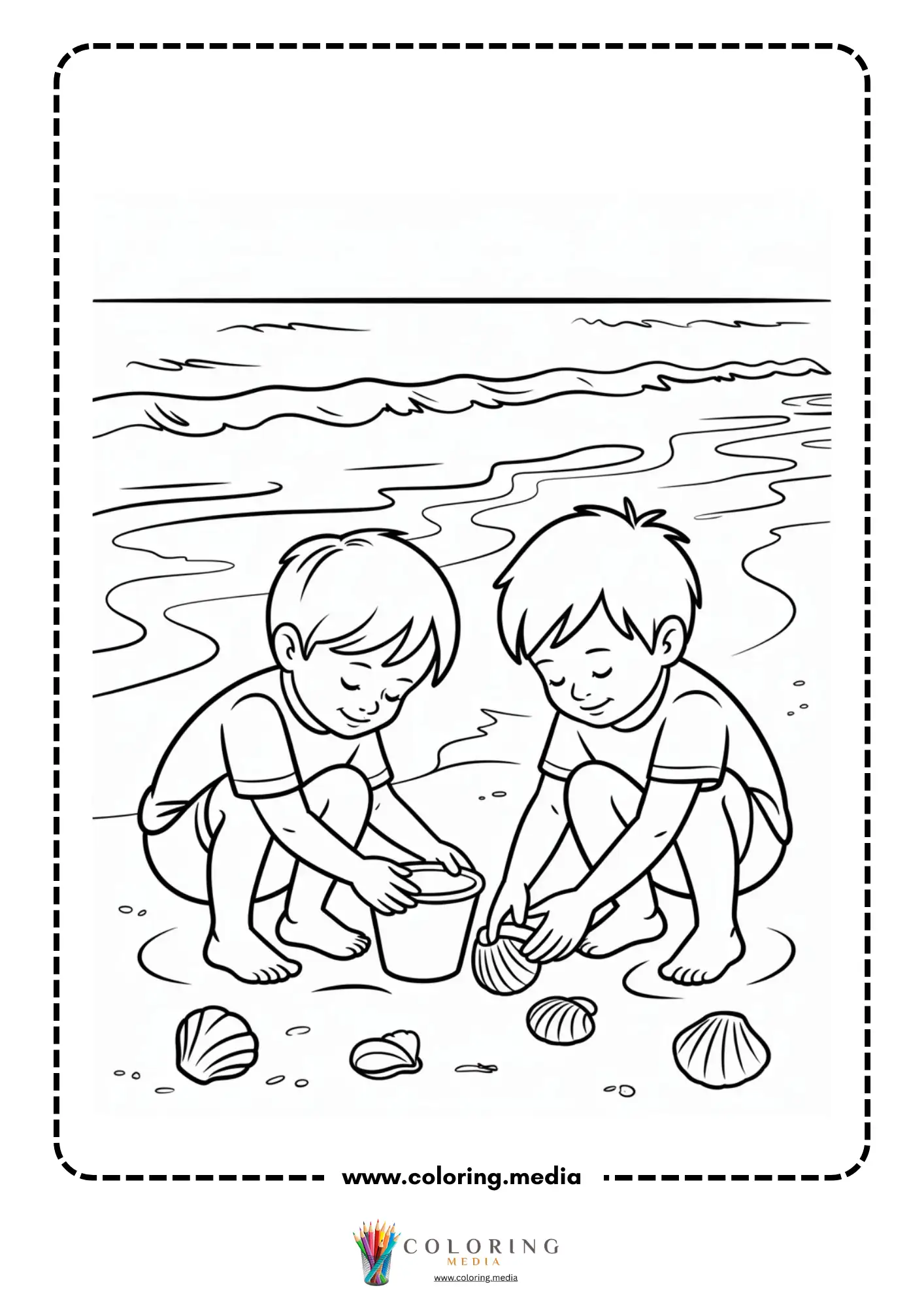
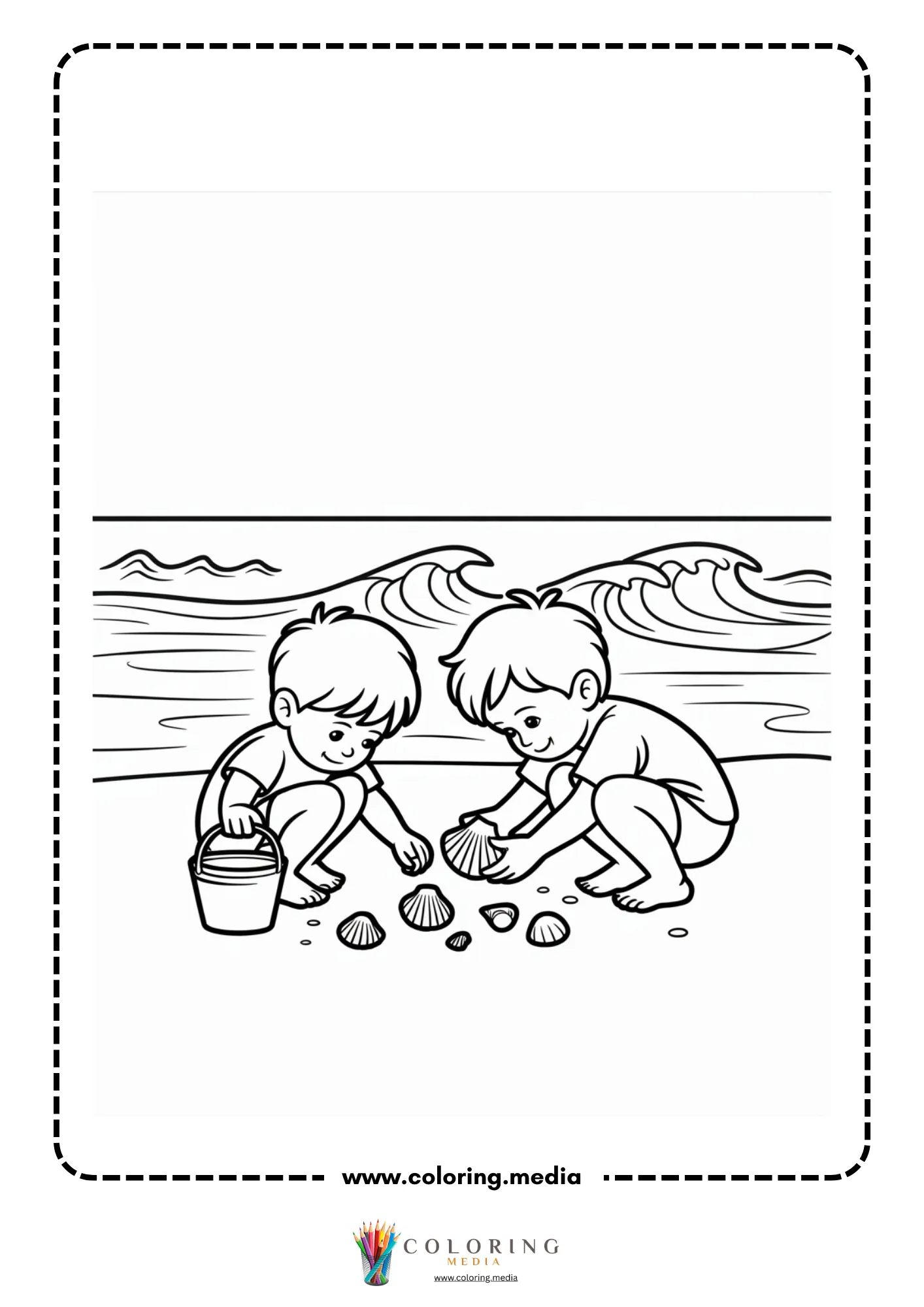
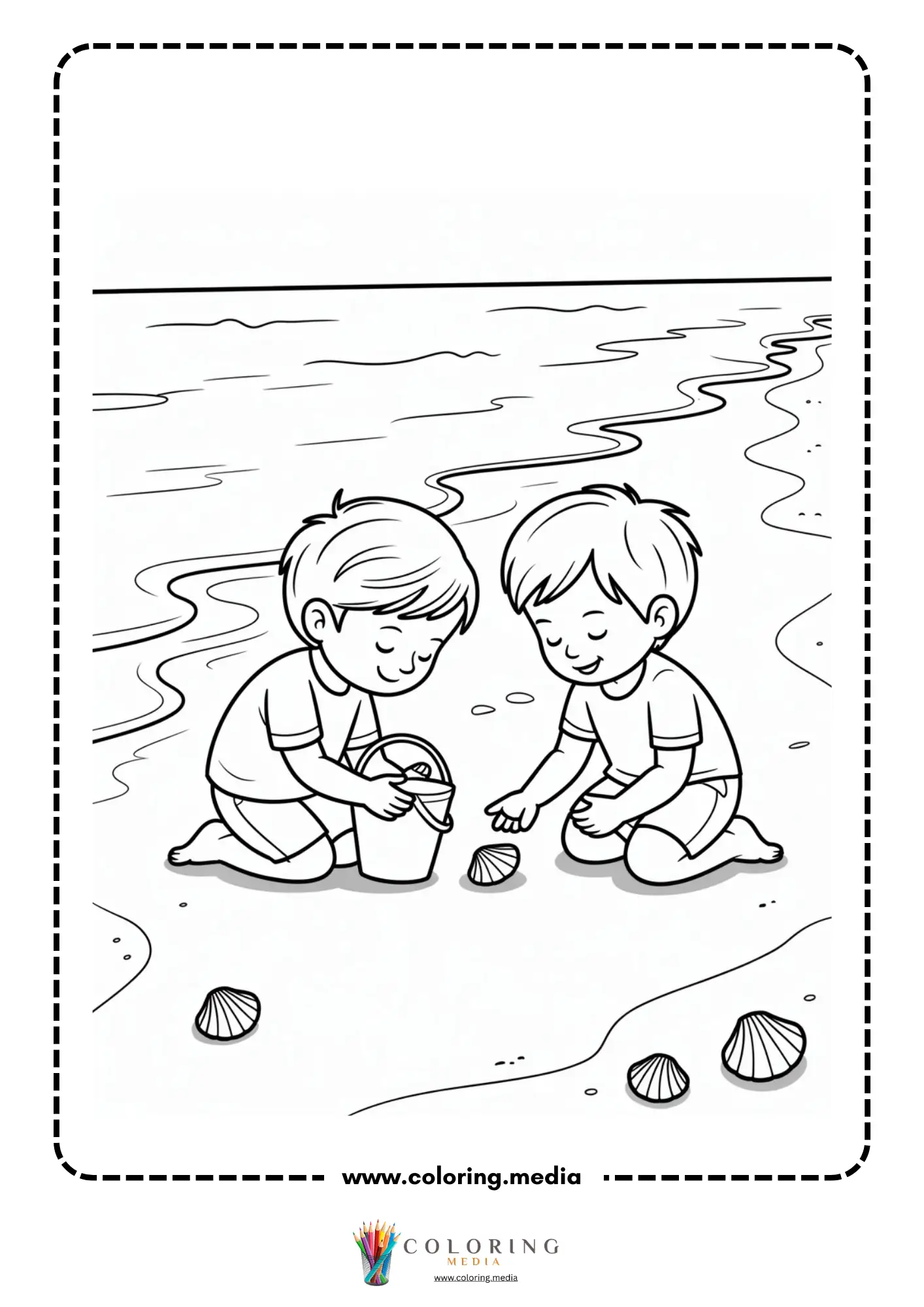
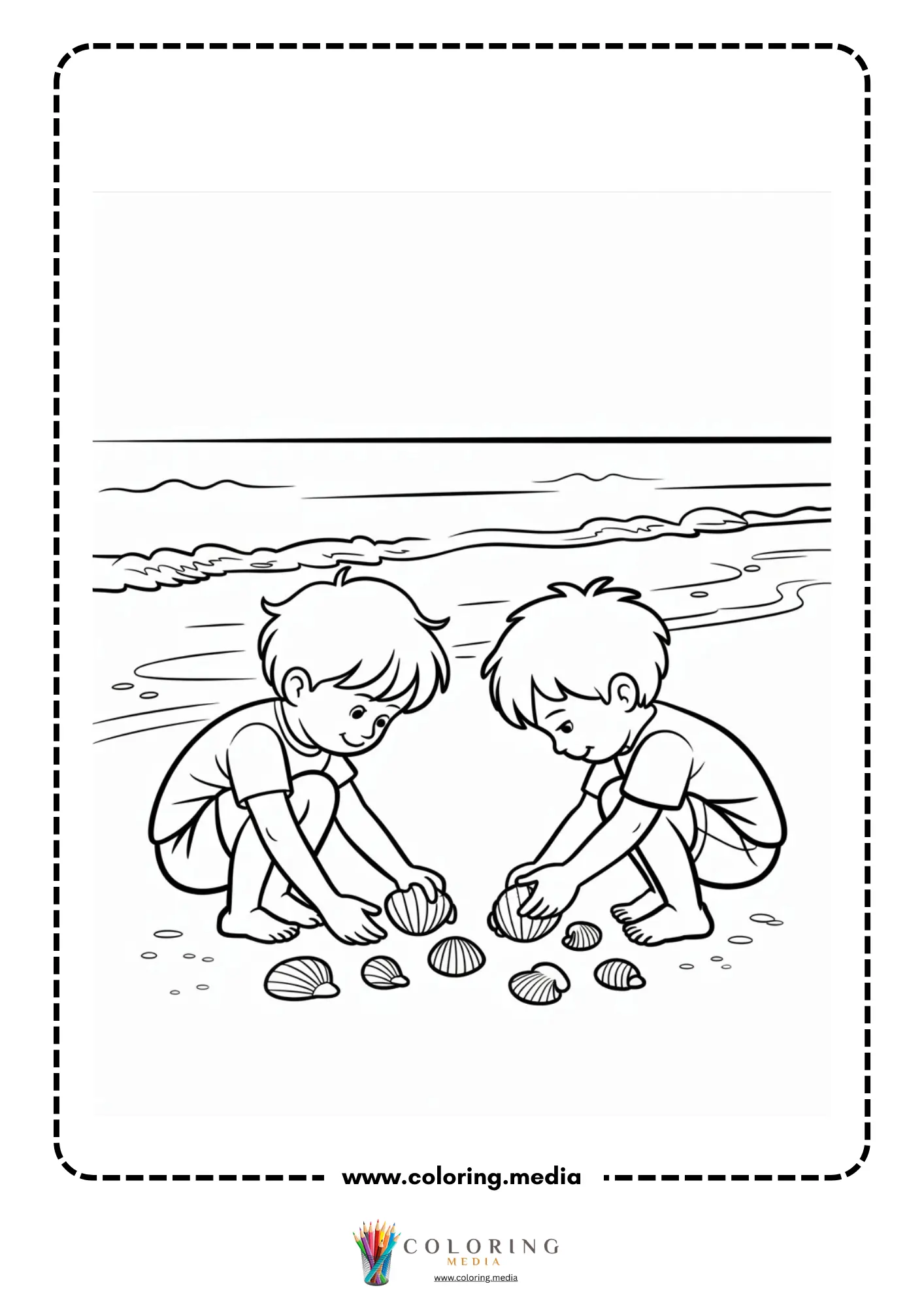
Who Are These Ocean Coloring Pages Best For?
Kindergarteners and early-elementary children (ages 4-8) are the primary audience, with different pages suited for different ends of that range. The simple wave pattern pages and single-creature close-ups work well for 4-5 year olds who want large, clear areas to color. The coral reef scenes with multiple species and the scuba diver scenes — with more background elements and smaller individual details — work better for 6-8 year olds who can manage more visual complexity.
Choosing ocean colors from reference is a particularly good activity for these pages. Real coral reef fish come in staggering color variety — the clownfish’s orange-white-black, the parrotfish’s blue-green, the angelfish’s yellow-blue bands — and looking up real images before coloring transforms the activity from guessing into an observation exercise.
Teachers covering ocean ecosystems, water conservation, or marine biology units will find the habitat and ecosystem pages particularly useful. The scenes that show children snorkeling and scuba diving connect the academic subject to a real human activity, which grounds the science in something children can imagine doing themselves.
Interesting Ocean Facts to Share While Coloring
The ocean covers more than 70% of Earth’s surface but humans have explored less than 20% of it. The deepest point, the Challenger Deep in the Mariana Trench, reaches nearly 11 kilometers (7 miles) below the surface — deeper than Mount Everest is tall. Creatures live even there, surviving pressure 1,100 times that at sea level.
Coral reefs are built by tiny animals, not plants. Coral polyps are animals related to jellyfish; each polyp secretes a hard calcium carbonate skeleton. The reef structure that looks like a rock formation is actually the accumulated skeletons of millions of generations of polyps, built up over thousands of years.
The blue whale is the largest animal known to have ever existed. Adults can reach 30 meters (100 feet) in length and weigh up to 200 tonnes — heavier than the largest dinosaurs. Their hearts are the size of a small car and their heartbeat can be heard up to 3 kilometers away through sonar equipment.
Sound travels about 4.3 times faster through ocean water than through air. This makes the ocean an excellent sound medium — whale songs can travel hundreds of miles. The lowest frequency whale calls are below the threshold of human hearing, making them invisible to us without specialized recording equipment.
Creative Ocean Coloring and Craft Ideas
Research-First Coloring Before coloring the coral reef page, look up real photos of two or three fish species visible in the scene and color them with accurate colors and markings.
Ocean Zones Diagram Draw a vertical cross-section of the ocean divided into zones (sunlight, twilight, midnight, abyssal) and sketch one creature from each zone — then compare to the coloring pages to see which zone the illustrated scenes represent.
Watercolor Wash Background For the deeper ocean scenes, use a wet-on-wet watercolor wash in blues, greens, and purples before coloring the creatures for a more naturalistic underwater atmosphere.
Species Count On the coral reef pages, count how many distinct species you can identify and list them — a visual identification activity that builds ecological awareness.
Size Comparison Draw yourself to scale beside the blue whale on a large sheet of paper — how many times taller is the whale than you?
Plastic Pollution Discussion Use the ocean scenes as a starting point for discussing ocean plastic pollution — what does it mean for the creatures shown if their habitat contains more plastic than plankton in some areas?
Snorkeling Fantasy After coloring the snorkel scene, write a paragraph describing what you would see, hear, and feel during your first five minutes snorkeling on a coral reef.
Marine Conservation Drawing Design a ‘No plastic here’ sign that a diver could hold underwater — what image and text would communicate the message clearly without words?
How to Print These Ocean Coloring Pages
Each page downloads as a PDF formatted for US Letter and A4 paper. Standard copy paper handles crayons and colored pencils. For the watercolor wash technique on deeper ocean scenes, use 90 lb mixed-media paper. All designs print cleanly in grayscale, though the ocean scenes benefit from color printing for reference when working from real ocean color palettes.
Explore More Science & Nature Coloring Pages
If you enjoyed these pages, you may also like:
Ecosystem Coloring Pages
Earth Science Coloring Pages
Outer Space Coloring Pages
Weather Coloring Pages
Science & Nature Coloring Pages