
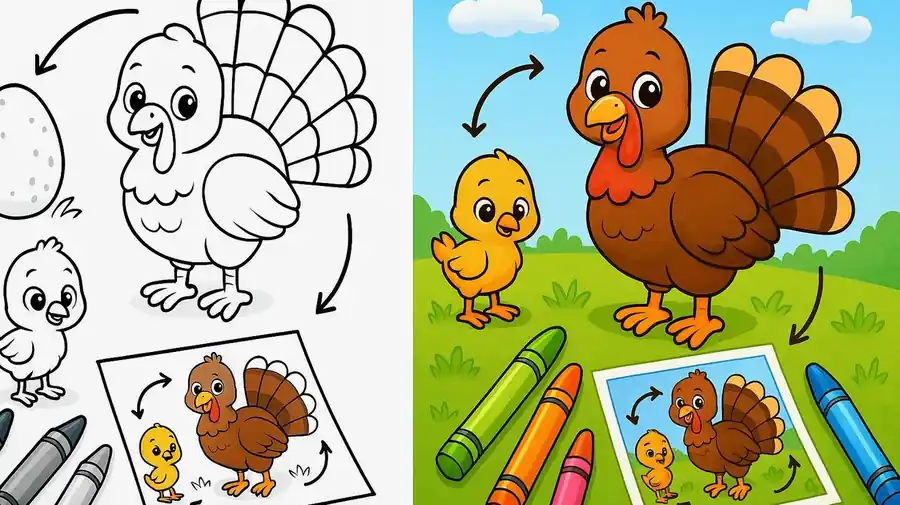
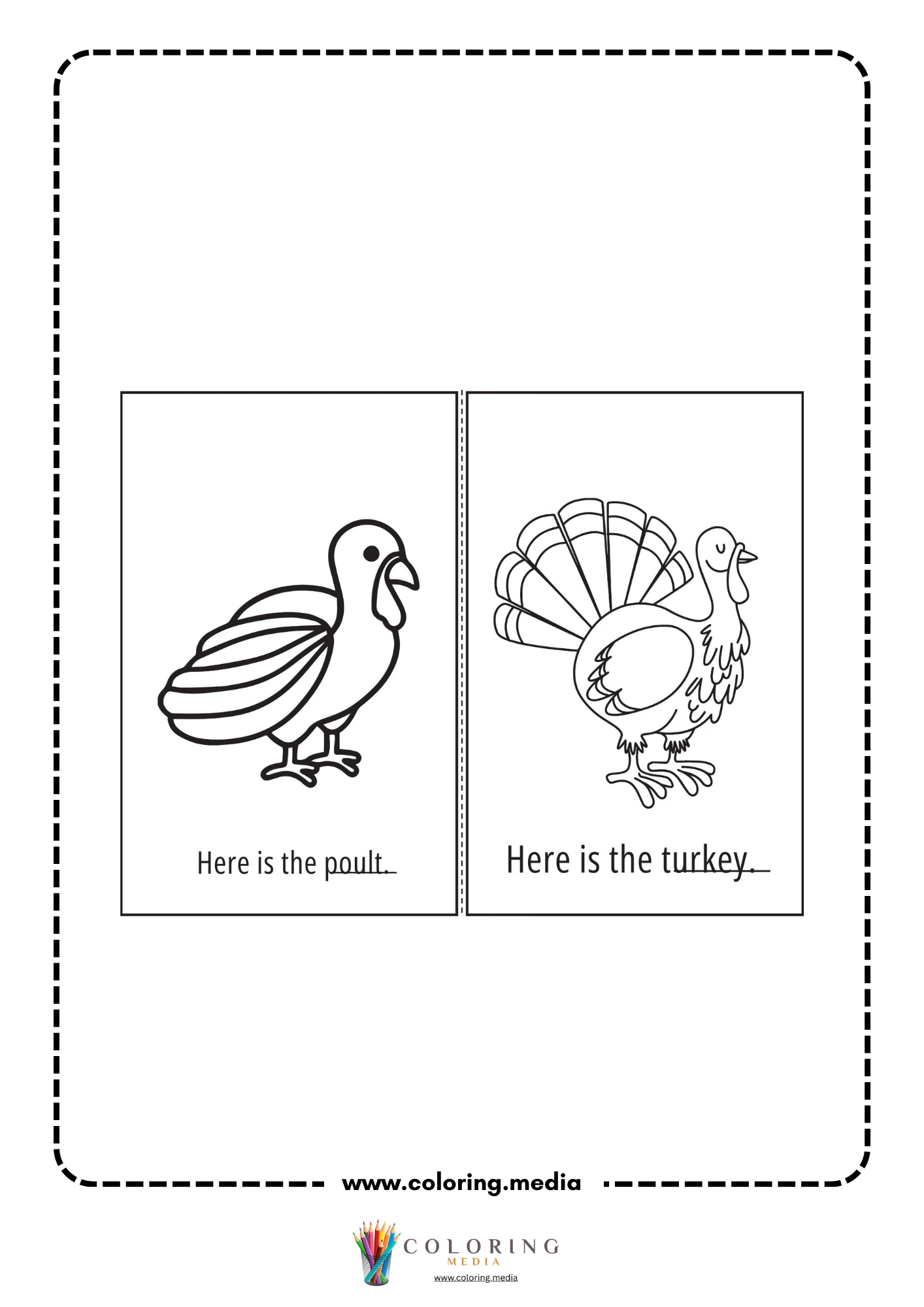
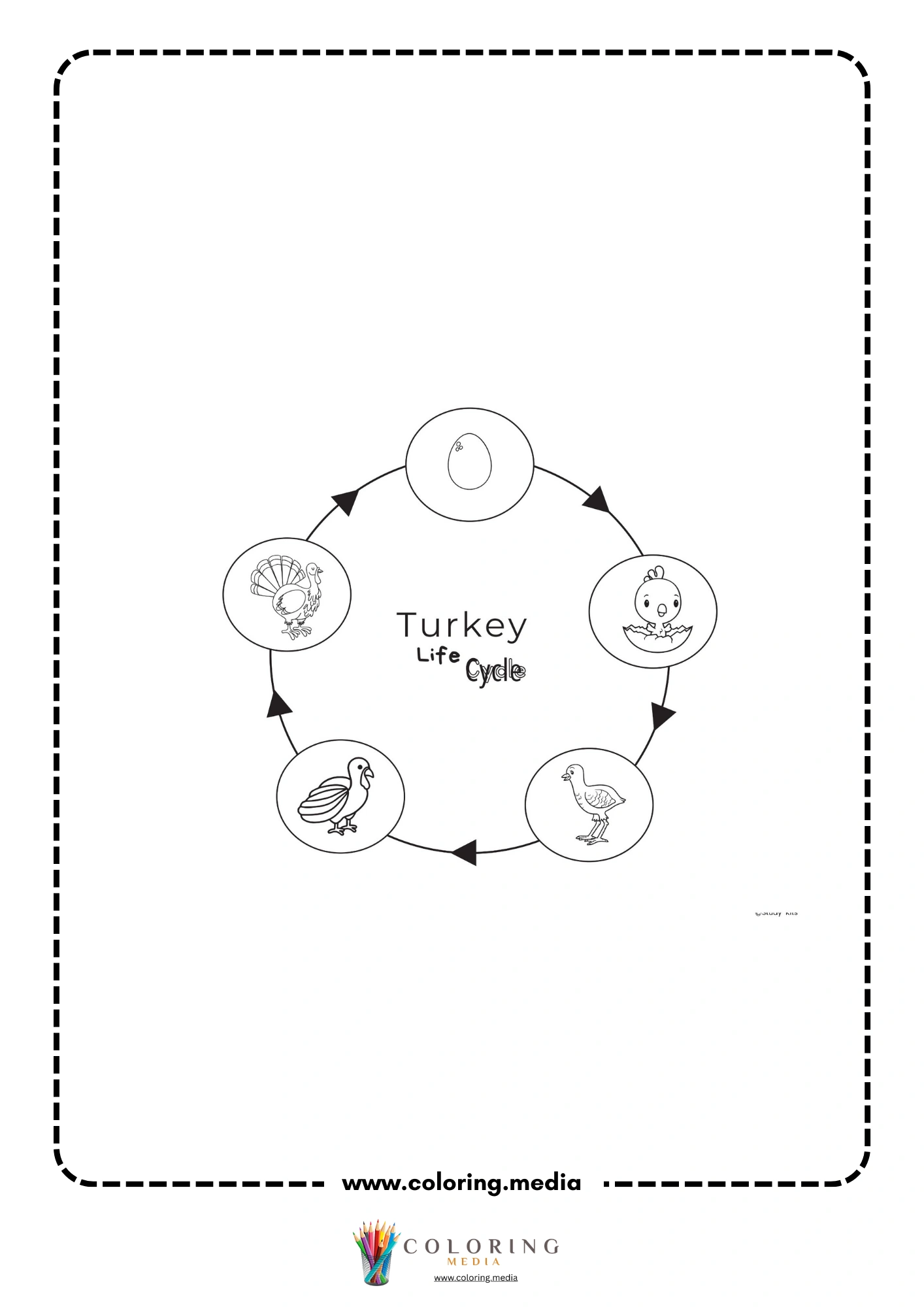
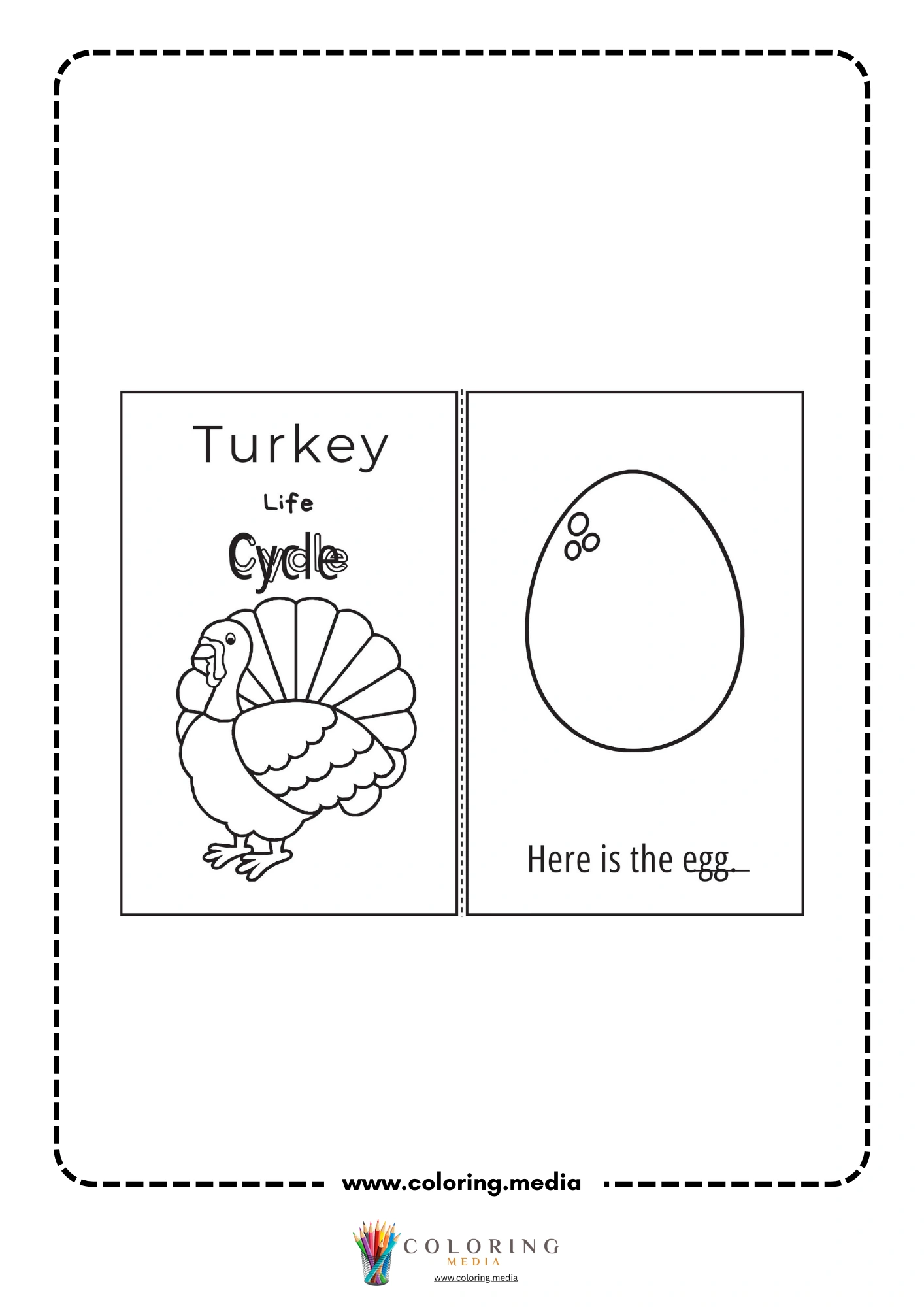
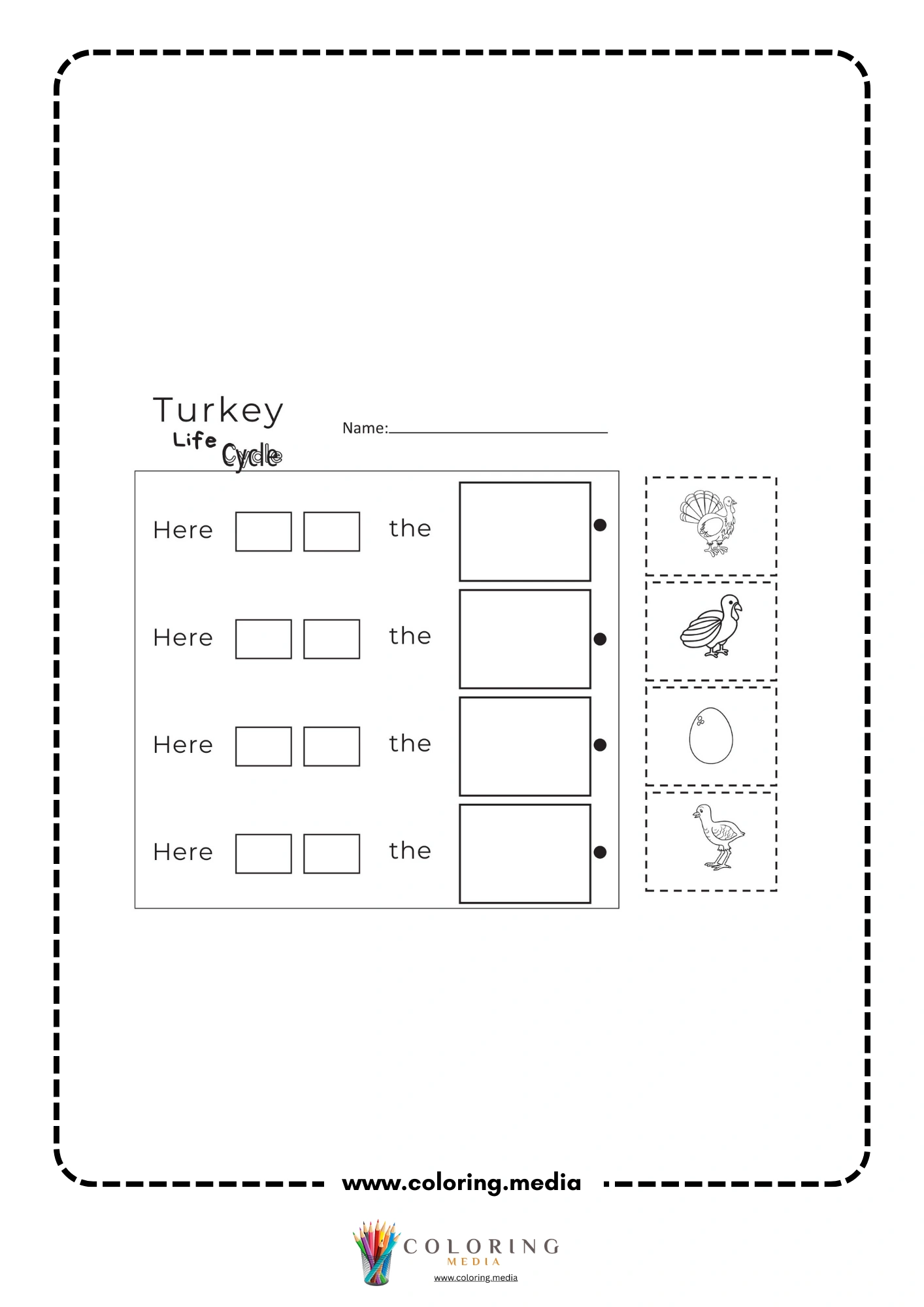
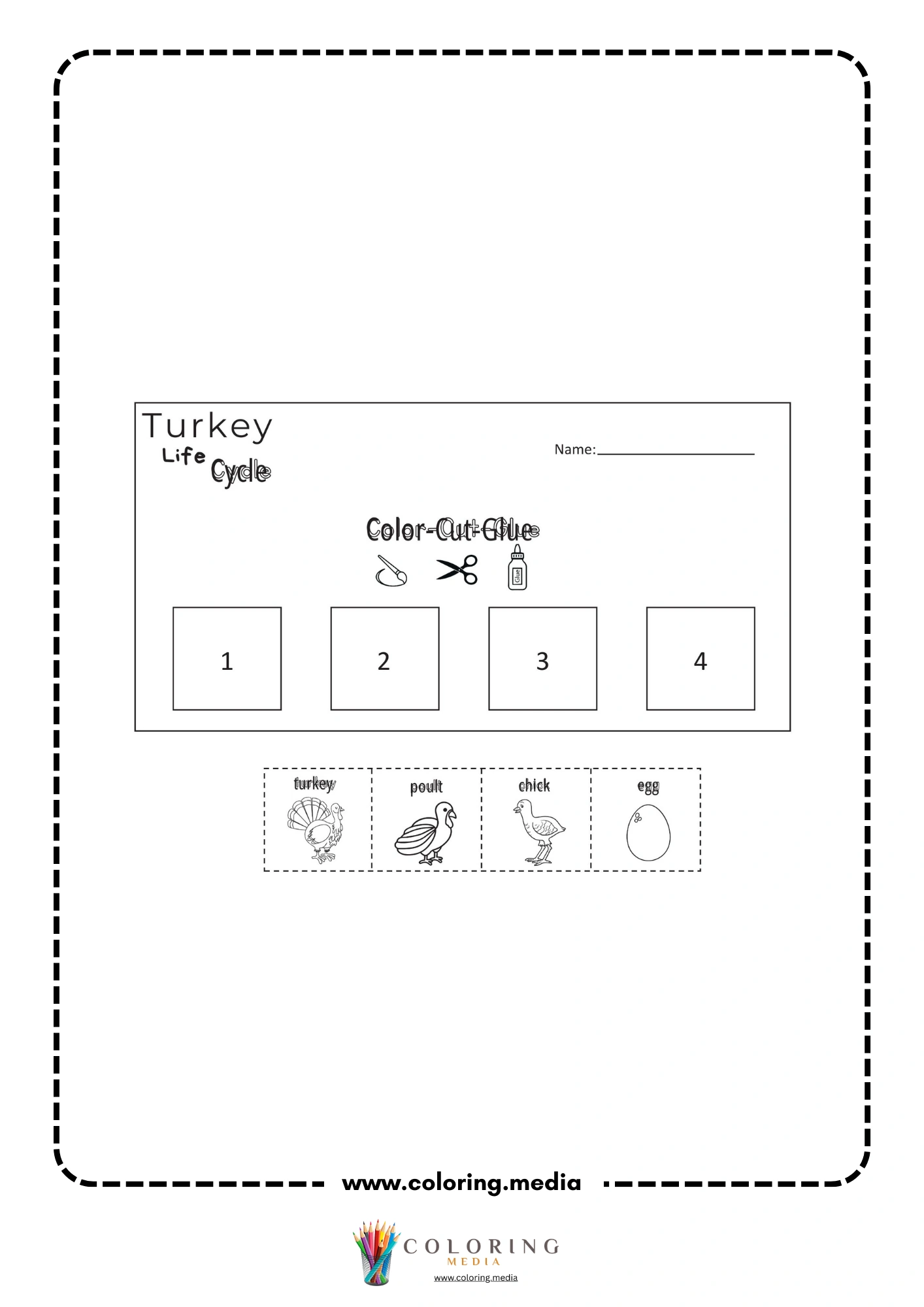
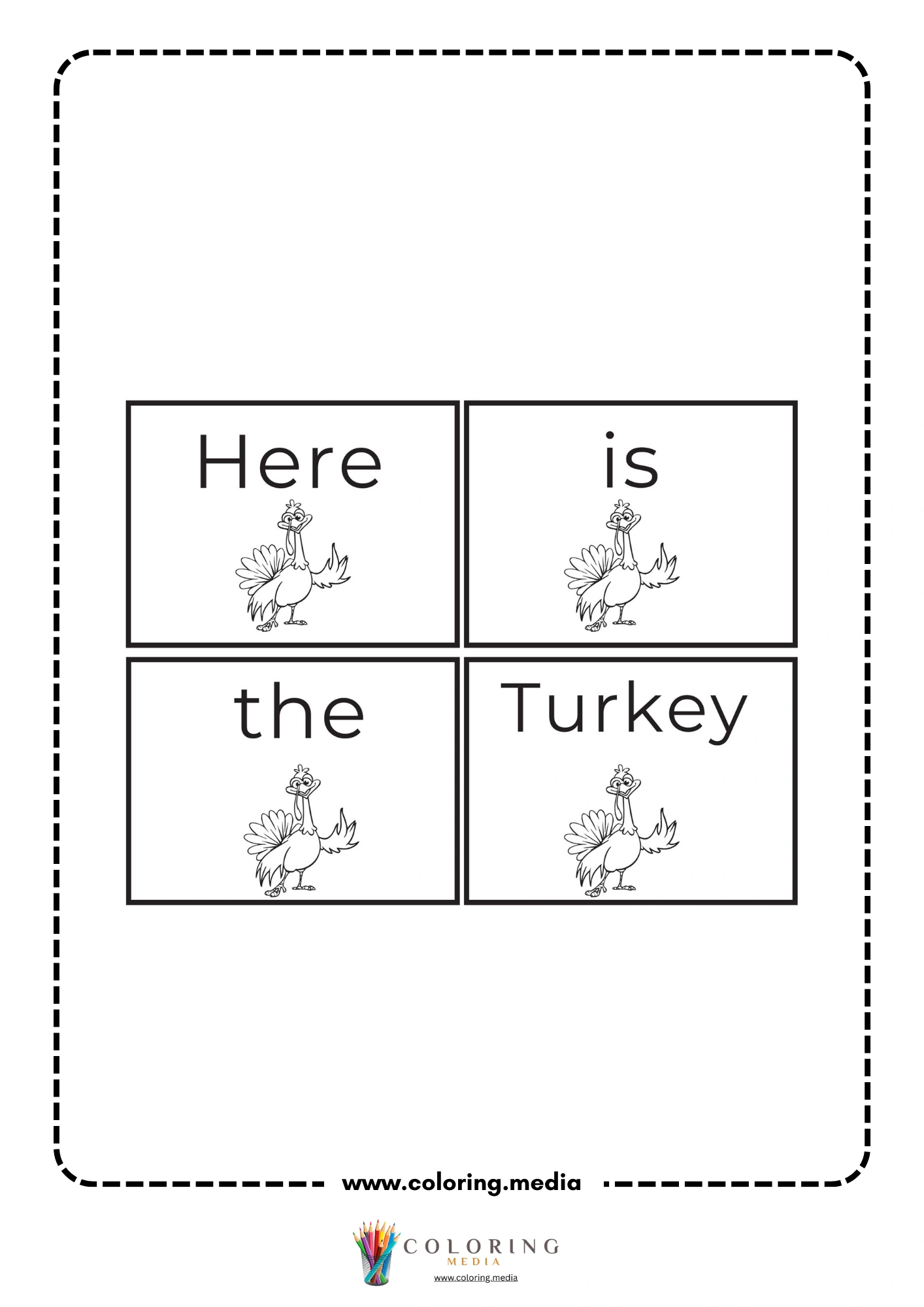
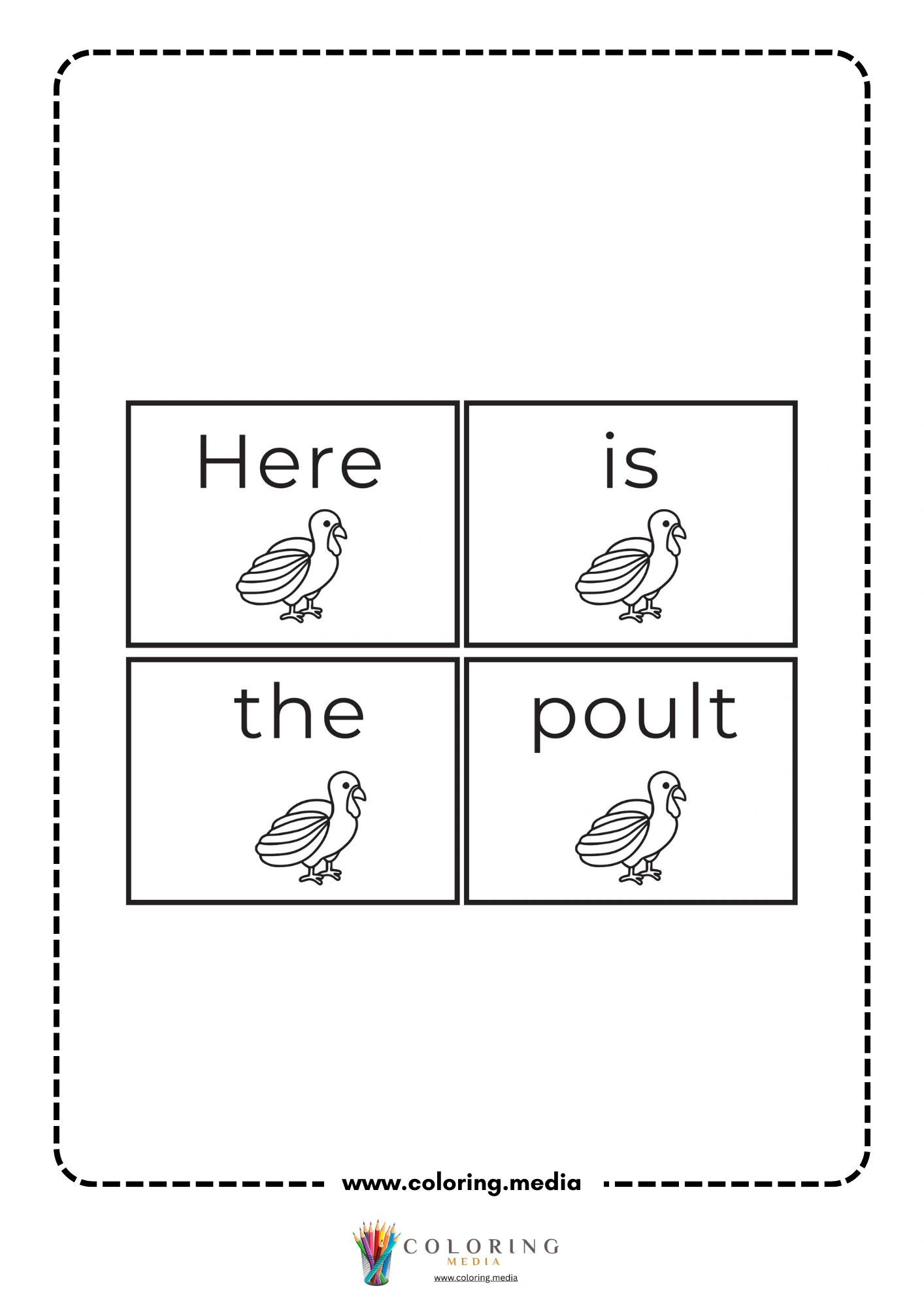
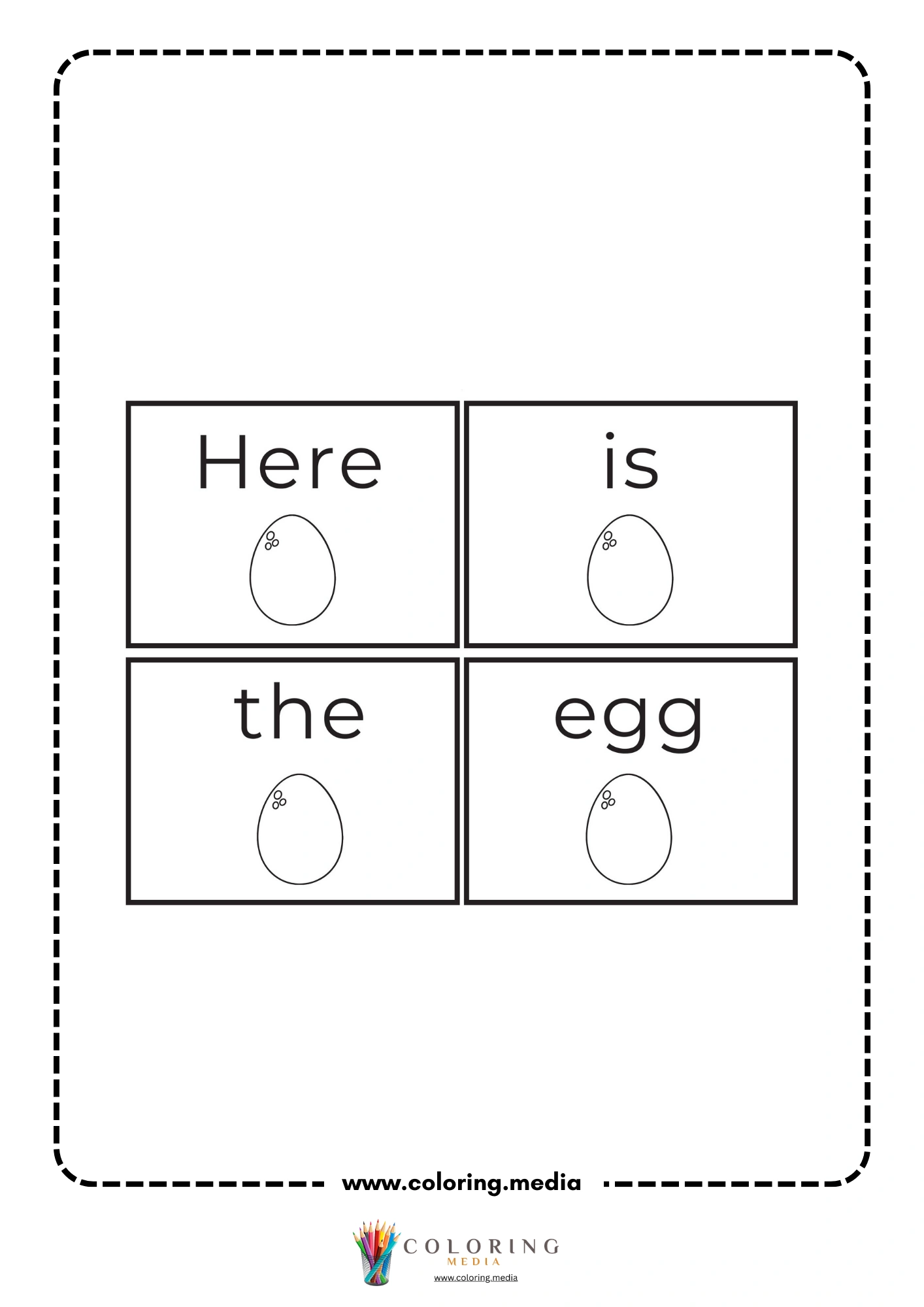
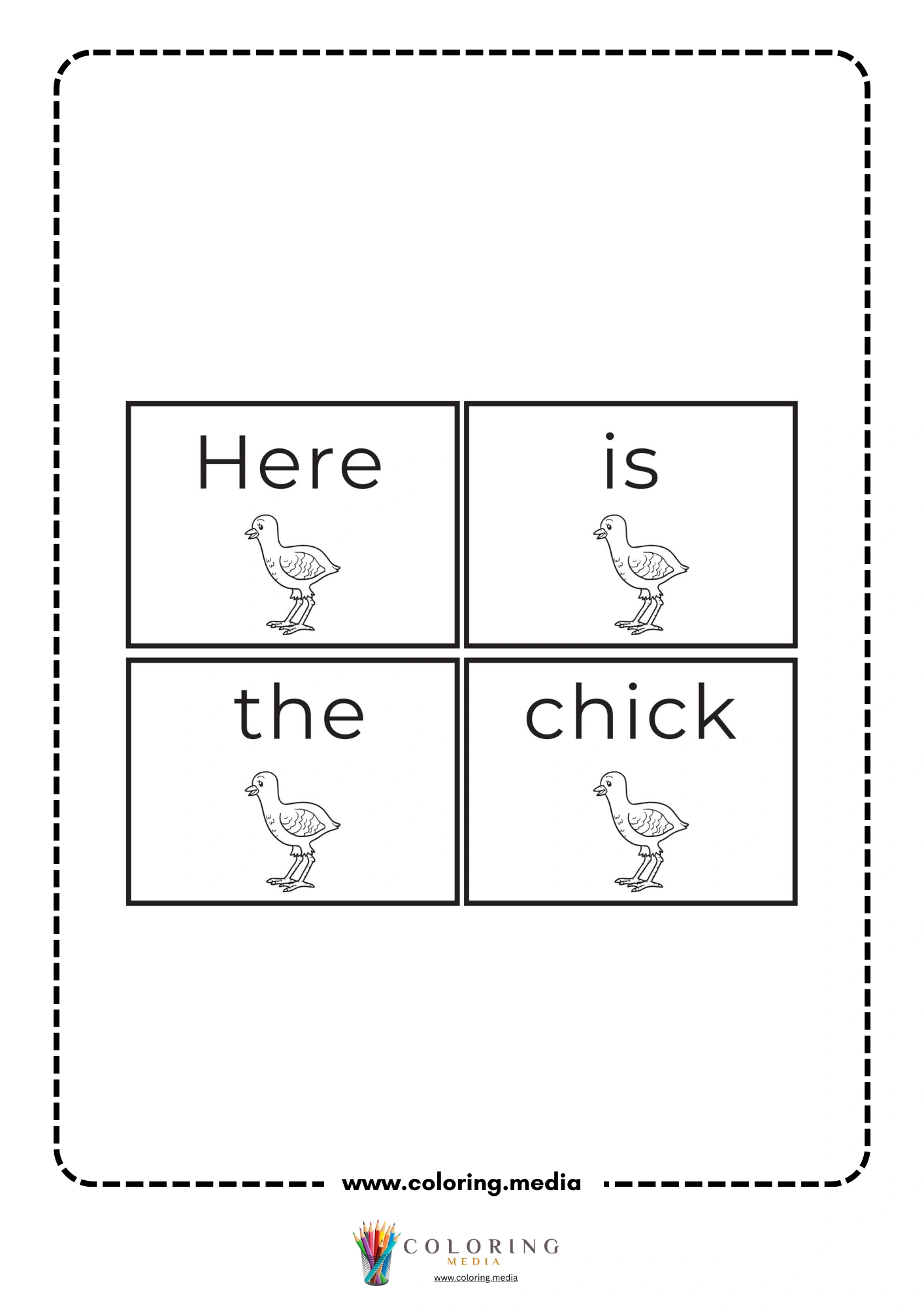
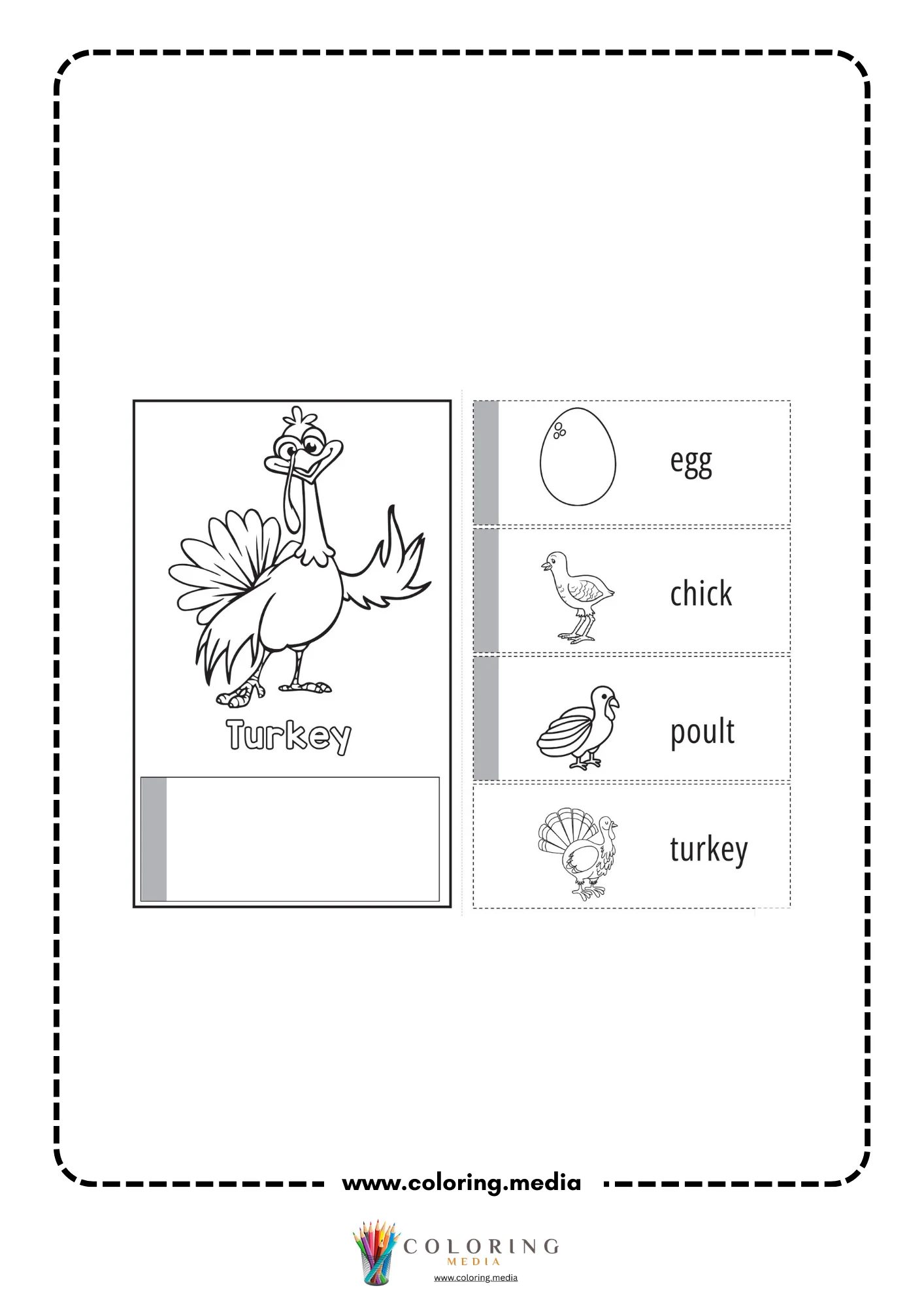
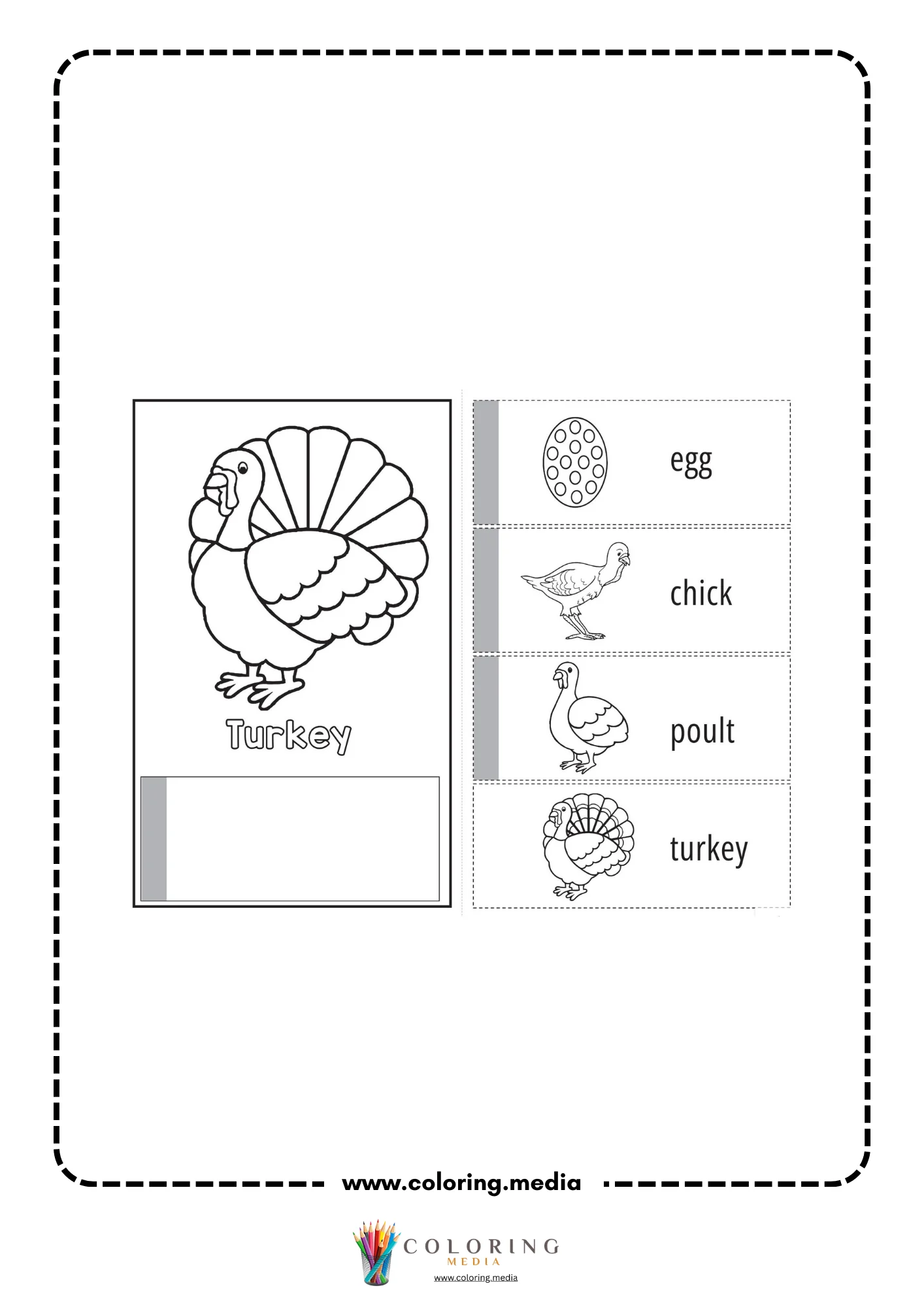
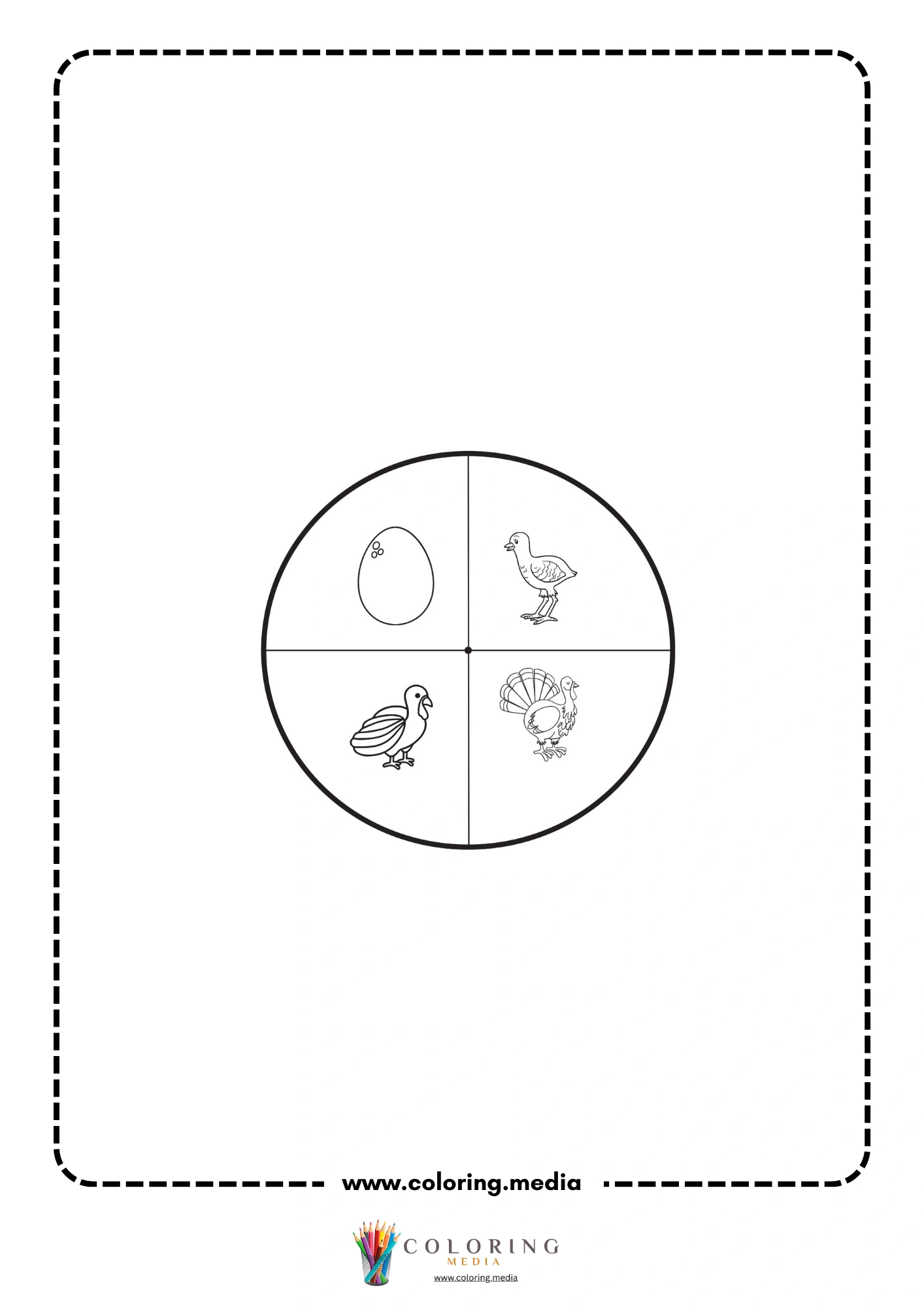
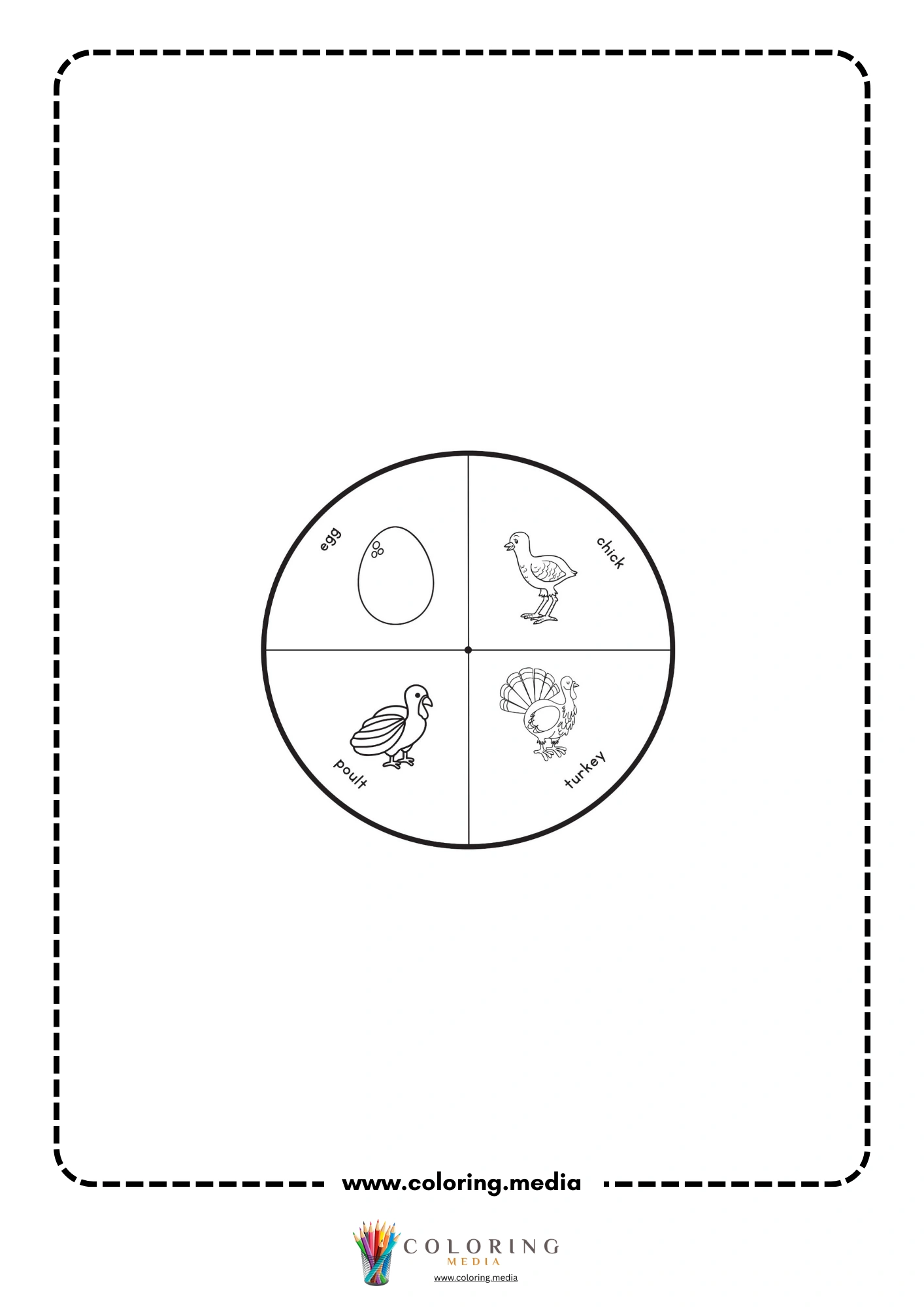
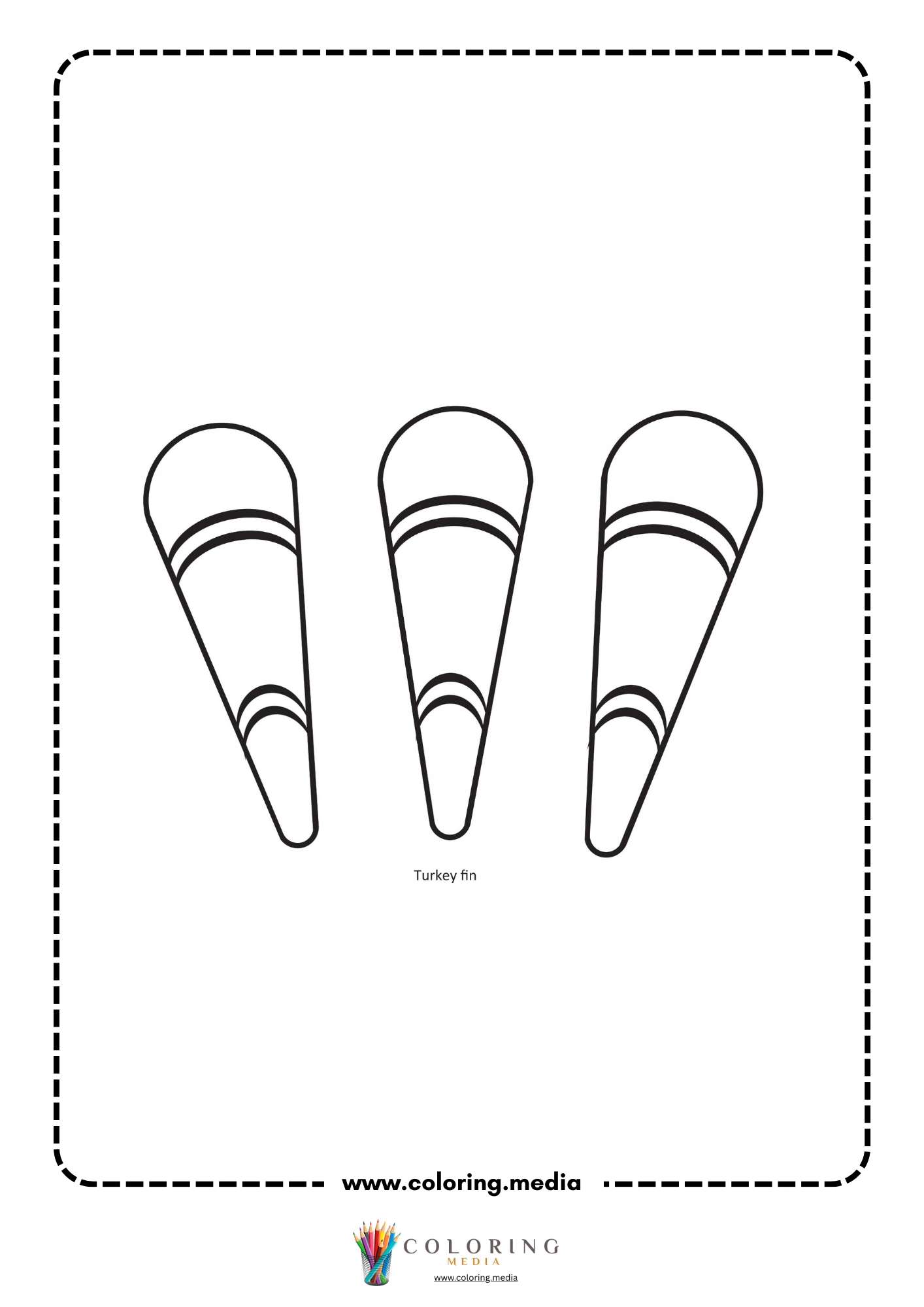
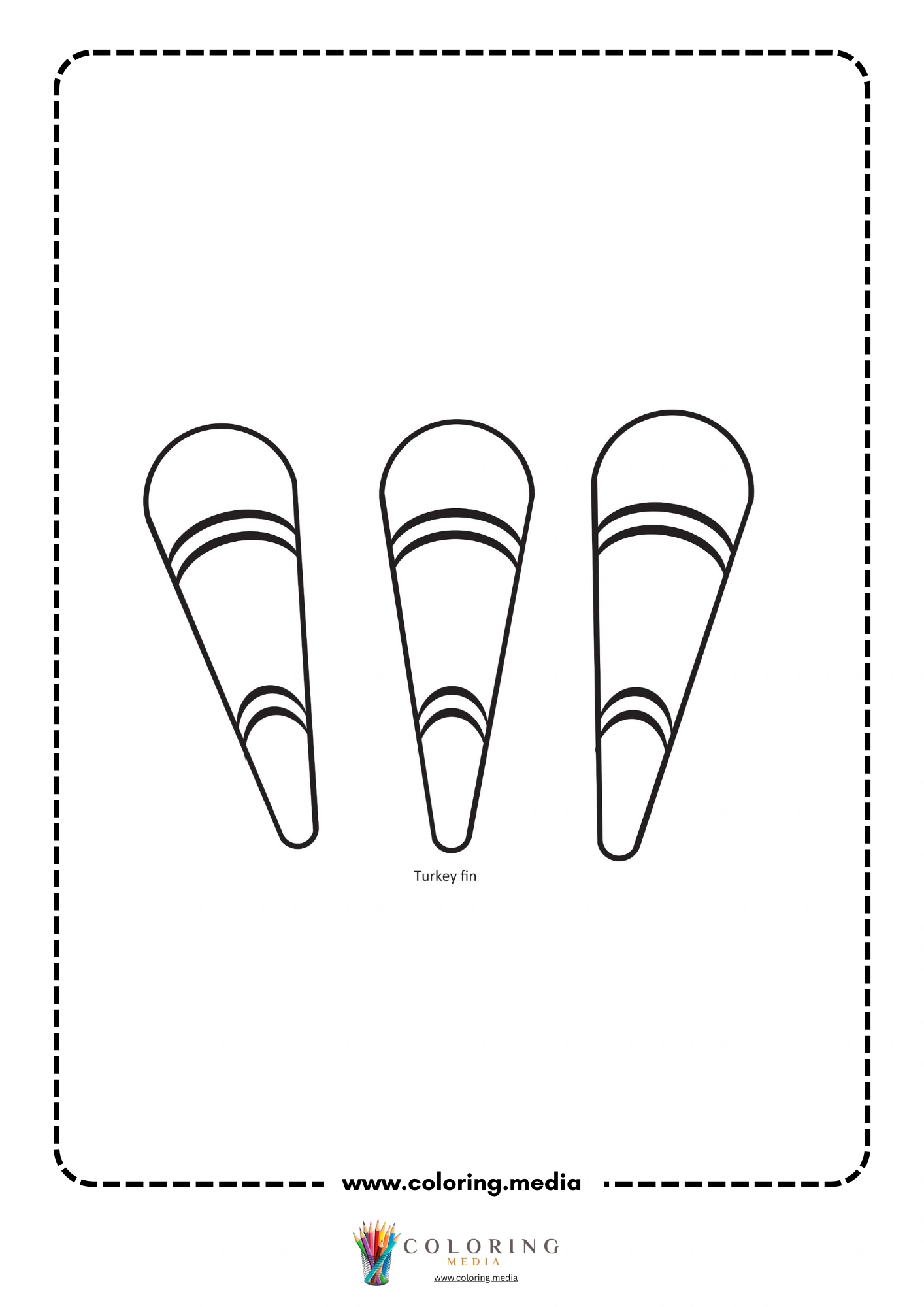
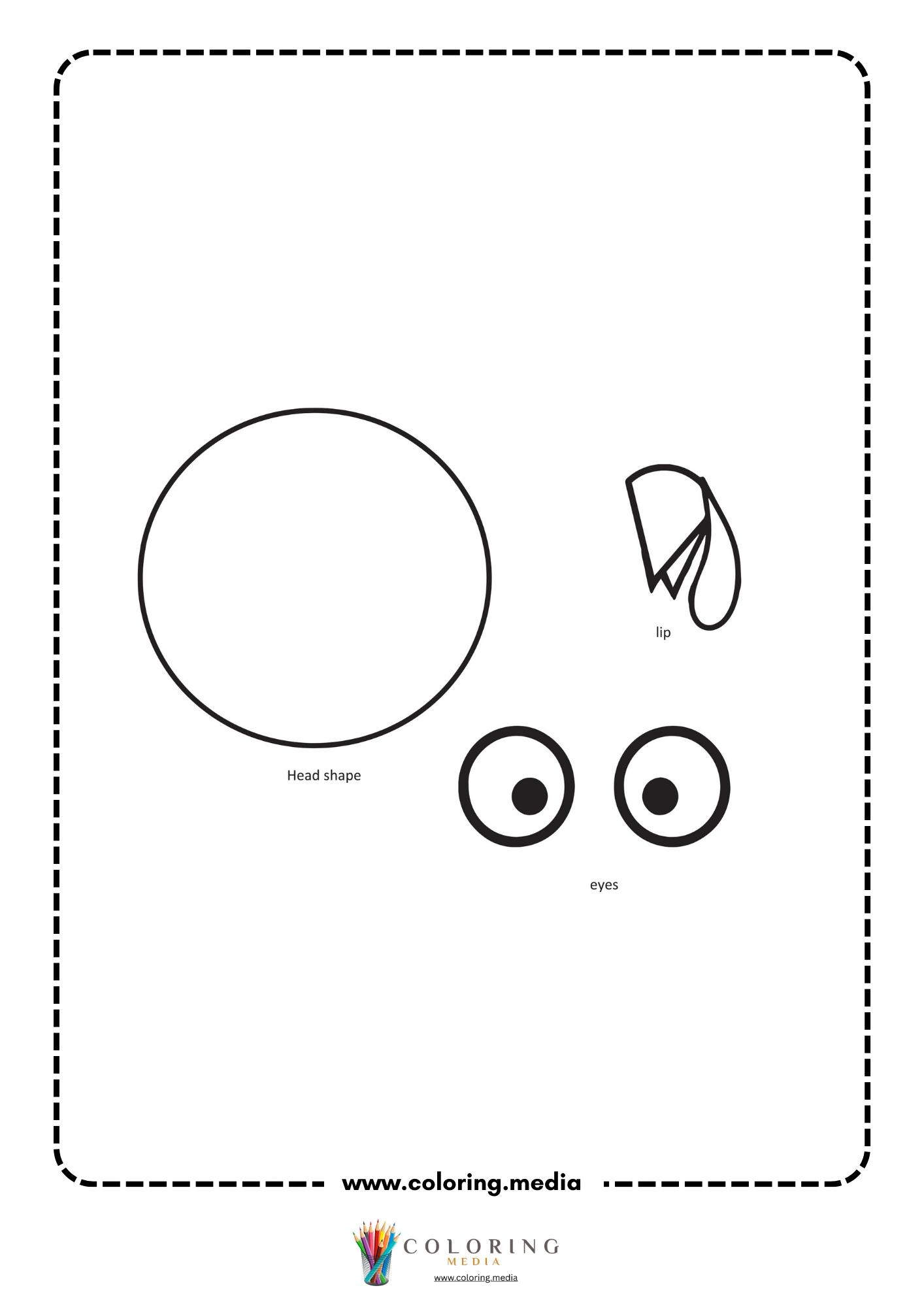
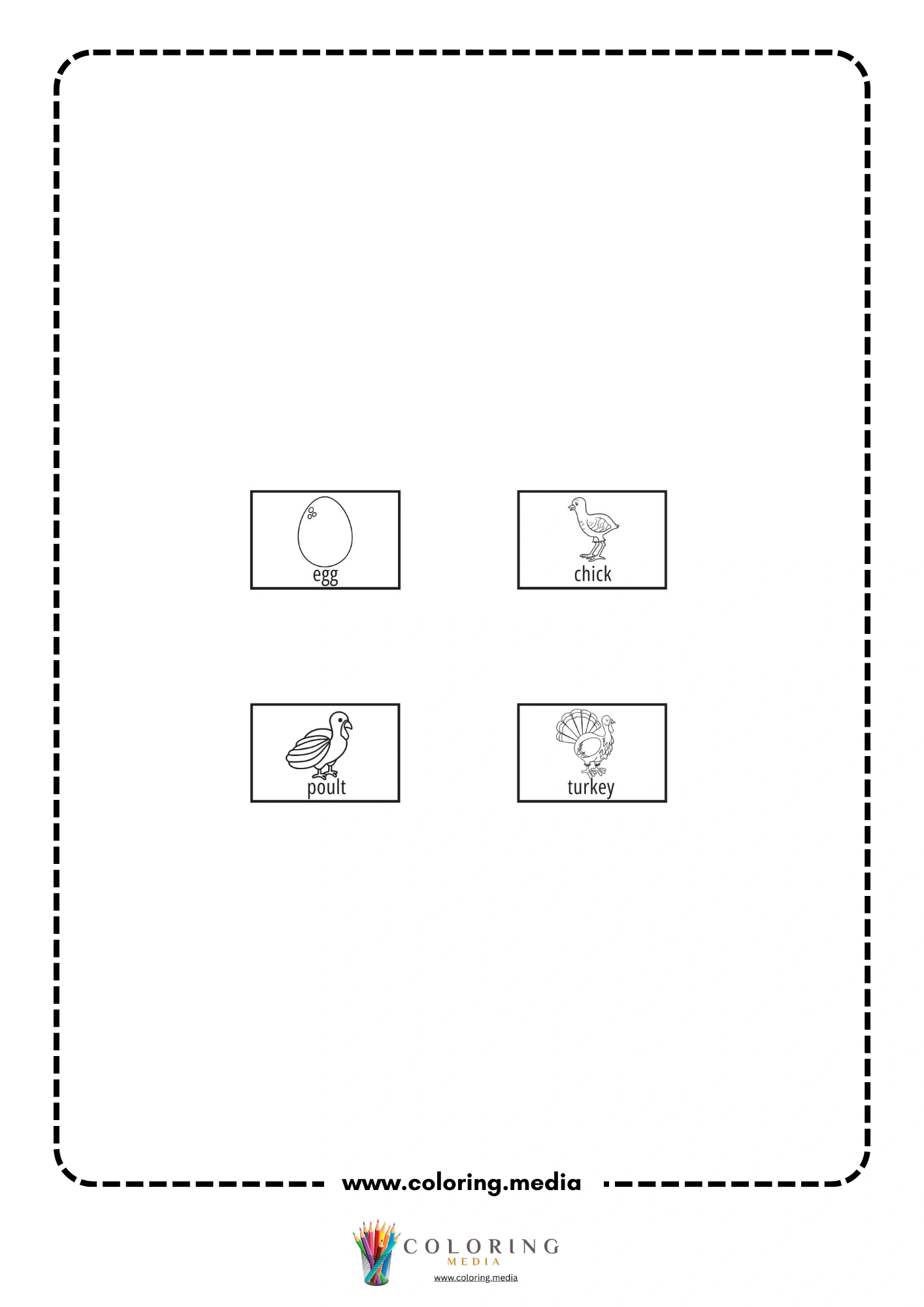
These 25 pages provide a comprehensive educational packet on the turkey life cycle — individual stage pages (‘Here is the poult’, ‘Here is the egg’, ‘Here is the chick’), circular life cycle diagrams in labeled and blank versions, egg shape illustration pages, feather outline pages, sentence writing activities, reading passages with detailed turkey biology information, and a complete circular diagram showing the full lifecycle from egg through juvenile (poult) to adult turkey. The set covers more ground than most single-species life cycle packets, making it suitable for a multi-day unit rather than a single lesson.
The turkey is an interesting life cycle subject because it connects to a North American cultural context (Thanksgiving) while offering genuine biological content about a bird with distinctive biology — turkeys are precocial like chickens, but with a much more dramatic visual transformation from fluffy poult to full-plumaged adult. Everything here is free to download and easy to print.
Free Printable Turkey Life Cycle Coloring Pages
This collection includes 25 printable turkey life cycle coloring pages covering the full development cycle from fertilized egg through poult, juvenile, and adult turkey — in individual stage pages, labeled and blank circular diagrams, sentence writing activities, reading passages, feather illustrations, and egg shape pages. Print on US Letter or A4 paper.
Who Are These Turkey Life Cycle Coloring Pages Best For?
Kindergarteners and early-elementary children (ages 4-8) are the primary audience, with this set being especially well-timed for use in November around Thanksgiving. The cultural context gives children a motivation to engage with turkey biology that other life cycle subjects do not automatically have, and these pages take advantage of that motivation to deliver real science content.
The sentence writing activity pages make this set useful for integrated science and language arts instruction. Children who are learning to write simple sentences can practice with prompts like ‘The turkey egg…’ or ‘A baby turkey is called a…’ — connecting literacy practice to science content in a way that reinforces both.
The multiple diagram formats in this set make it easy to differentiate. Give the pre-labeled diagrams to children who need support, the blank versions to children ready for independent recall, and the reading passages to children ready for informational text. A single printed packet can serve three different instructional levels.
Interesting Turkey Life Cycle Facts to Share While Coloring
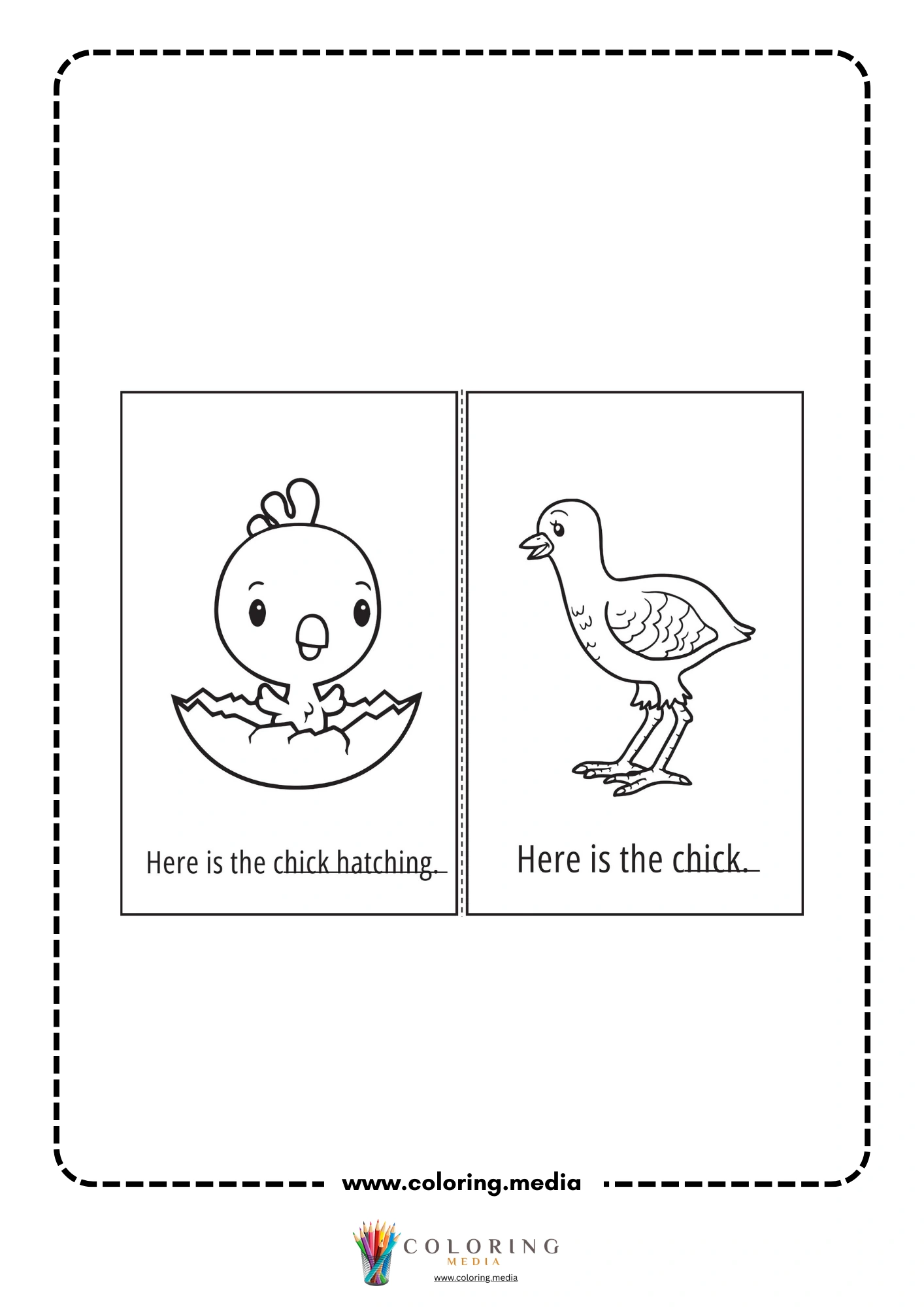
Baby turkeys are called poults, not chicks. Poults hatch fully covered in down feathers and can walk, eat, and drink within a few hours of hatching — the same precocial pattern as chickens. Their adult plumage develops gradually over several months, and males (toms) develop the distinctive fanning tail by about 6 months.
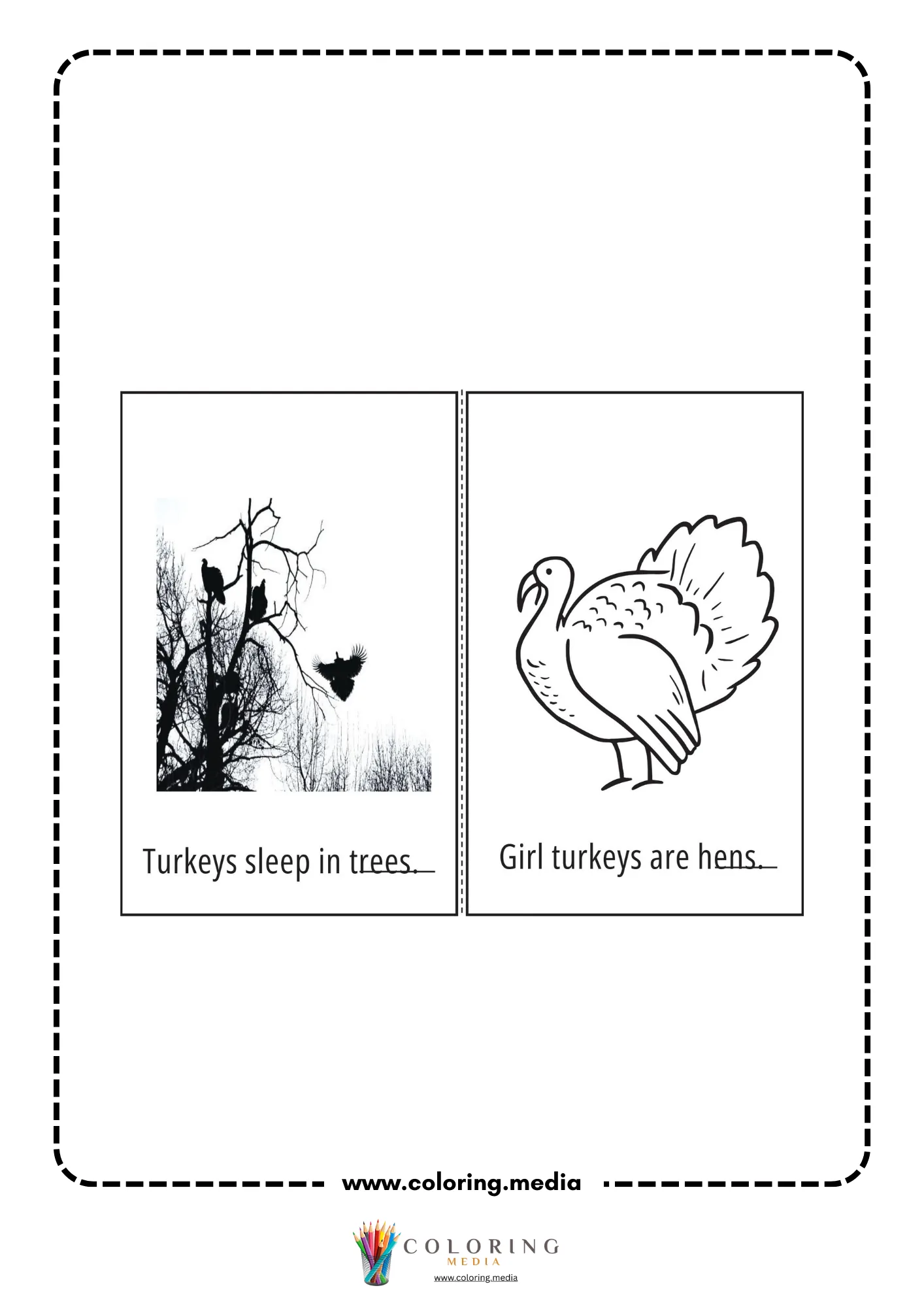
Wild turkeys can fly — domestic turkeys cannot. Wild turkeys roost in trees at night to avoid predators and can fly at speeds up to 55 mph for short distances. Domestic turkeys have been selectively bred for large breast muscle (meat) to the point that many are too heavy to fly or even reproduce naturally.
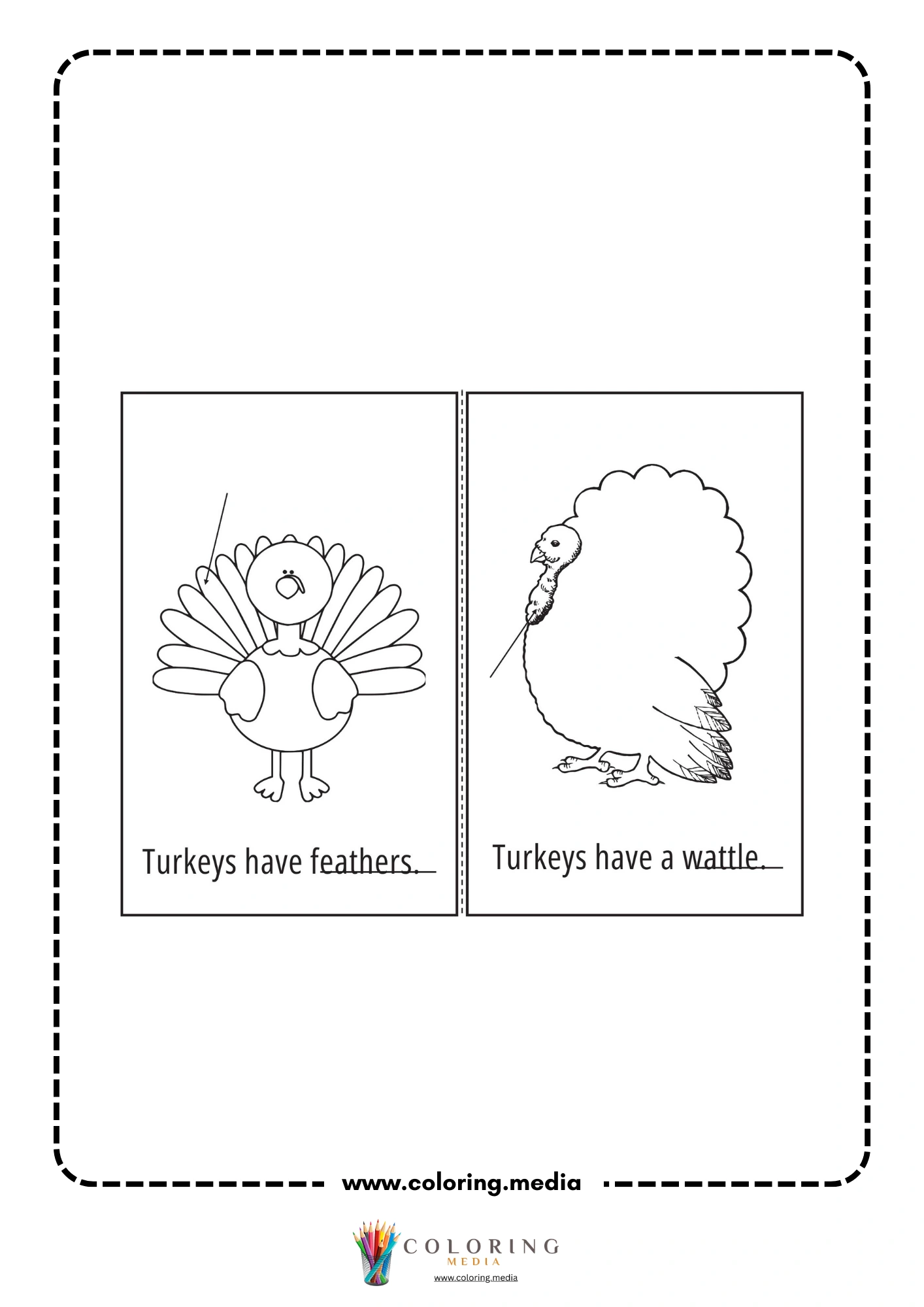
The male turkey’s head changes color with its mood. The skin on a tom’s head is normally red, but it turns blue-white when the bird is excited and bright red when it is alarmed or aggressive. The fleshy growth hanging from the beak (the snood) also changes — a longer snood is associated with dominance and health in male turkeys.
Creative Turkey Life Cycle Coloring and Craft Ideas
Sentence Starters Complete the sentence writing activity pages using the reading passage as a reference — connecting the coloring and writing activities within the same session.
Feather Science After coloring the feather page, find a real feather (or use a craft store feather) and examine how the barbs interlock — run your finger through to separate them and then zip them back together.
Turkey Call Research Look up the names of different turkey calls (gobble, cluck, yelp, purr) and listen to recordings of each — then connect the call to what context a turkey uses it in.
Wild vs. Domestic Comparison Draw the same life cycle stage for a wild turkey and a domestic turkey side by side, noting physical differences (flight ability, size, feather color).
Thanksgiving Science During a November lesson, connect the turkey pages to a broader discussion of where food comes from — egg to poult to juvenile to adult to the table.
Stage Sorting Race Cut the individual stage pages into cards and race to sequence them correctly — use the labeled diagram as an answer key.
Egg Size Comparison Research the size of a turkey egg compared to a chicken egg and a dinosaur egg (some theropods) — draw all three to scale on a single page.
Turkey Population Map Mark on a North American map where wild turkey populations live naturally vs. where they have been introduced — discussing habitat range and conservation.
How to Print These Turkey Life Cycle Coloring Pages
Each page downloads as a PDF formatted for US Letter and A4 paper. For classroom use in November, print a selection of pages (diagram, one or two stage pages, writing activity) as a packet rather than the full 25 pages. Grayscale printing works for all pages. Print the reading passages on slightly heavier paper if they will be used as shared reading reference sheets.
Explore More Science & Nature Coloring Pages
If you enjoyed these pages, you may also like:
Life Cycle of a Chicken Coloring Pages
Penguin Life Cycle Coloring Pages
Butterfly Life Cycle Coloring Pages
Life Cycle of a Frog Coloring Pages
Science & Nature Coloring Pages