
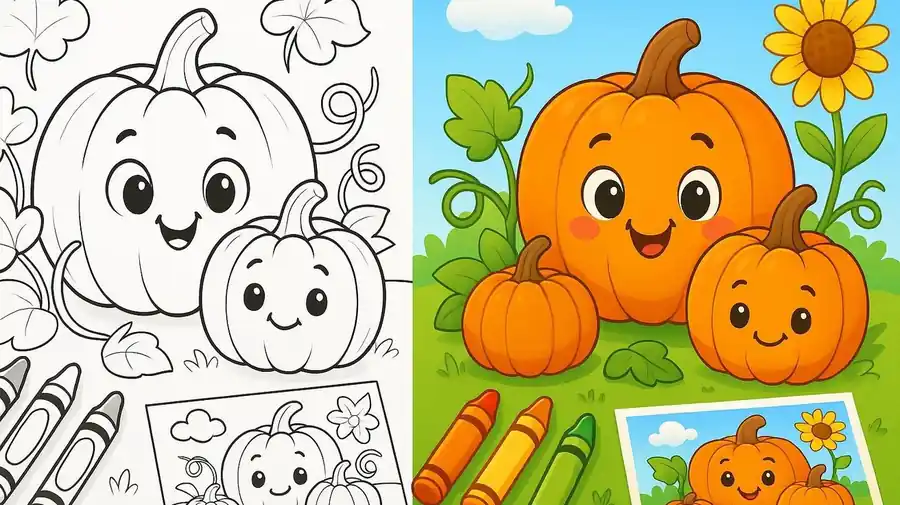
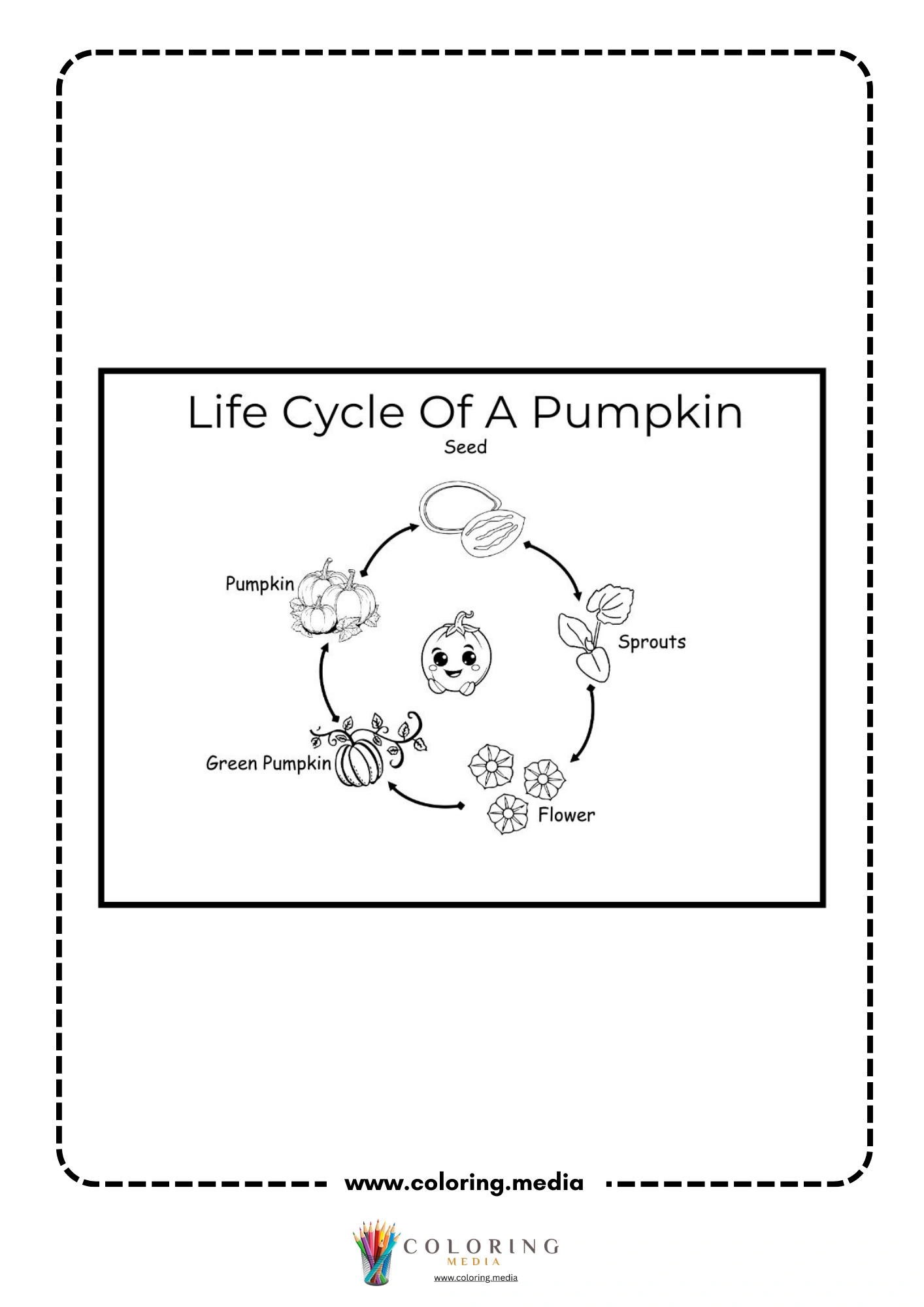
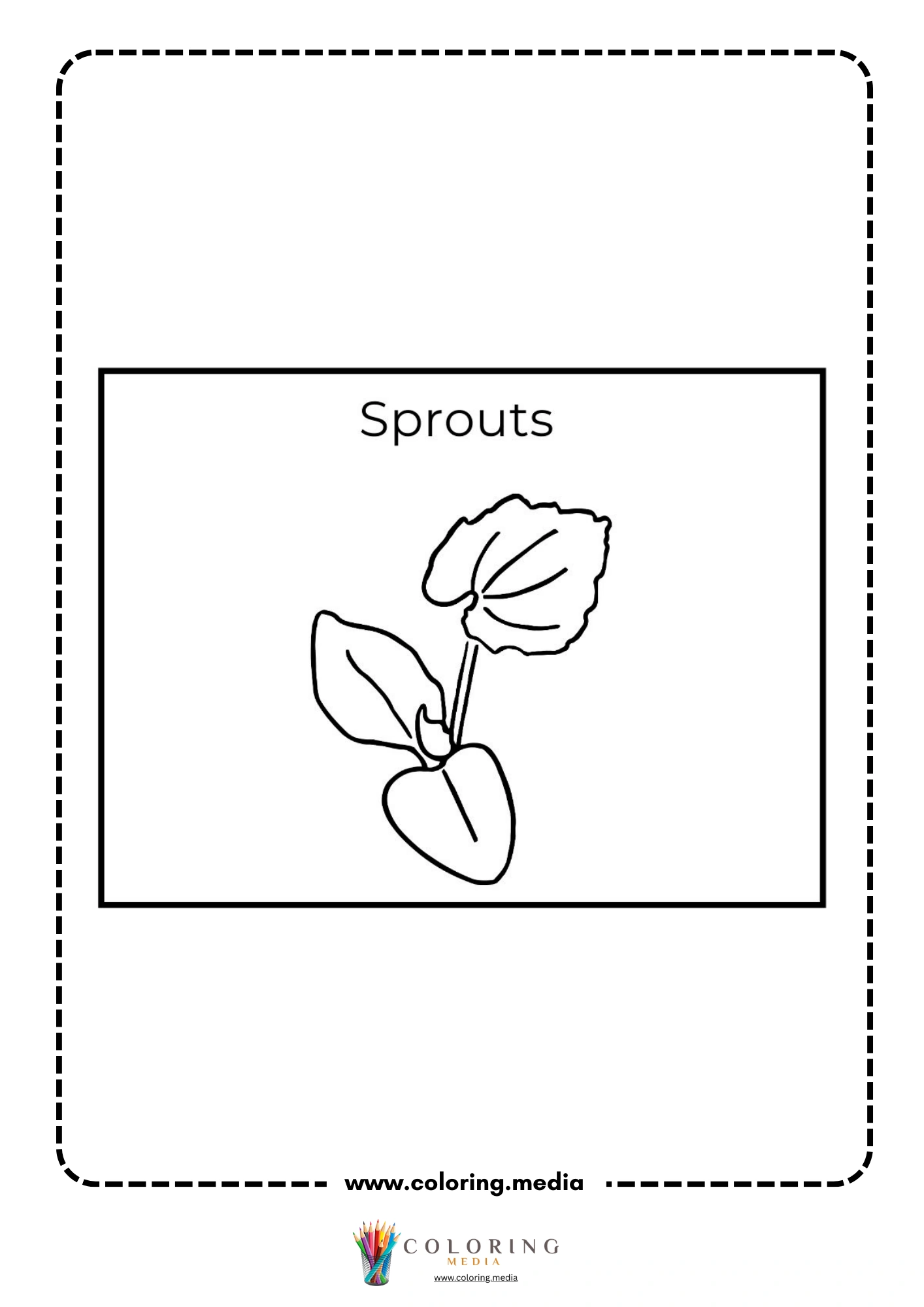
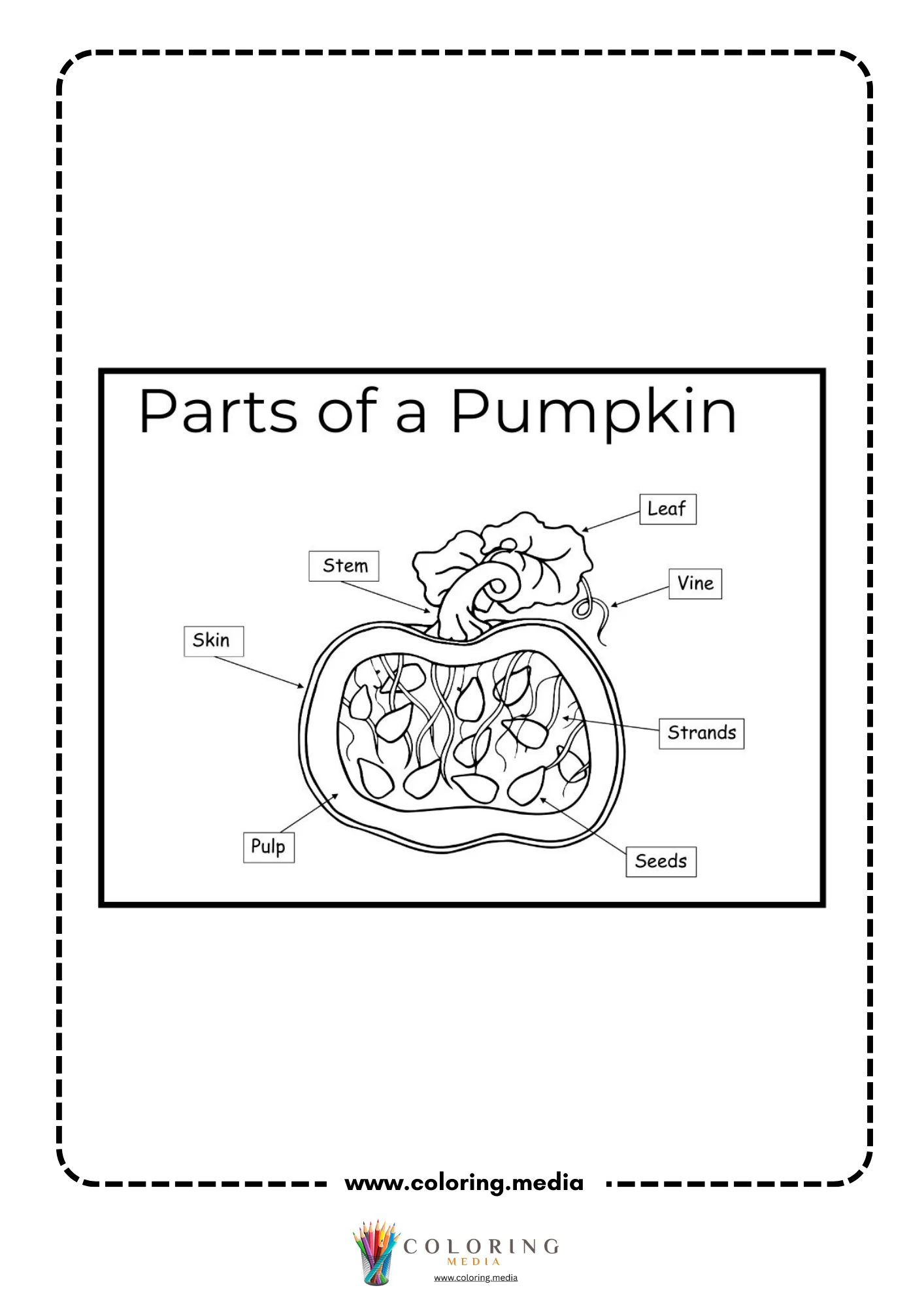
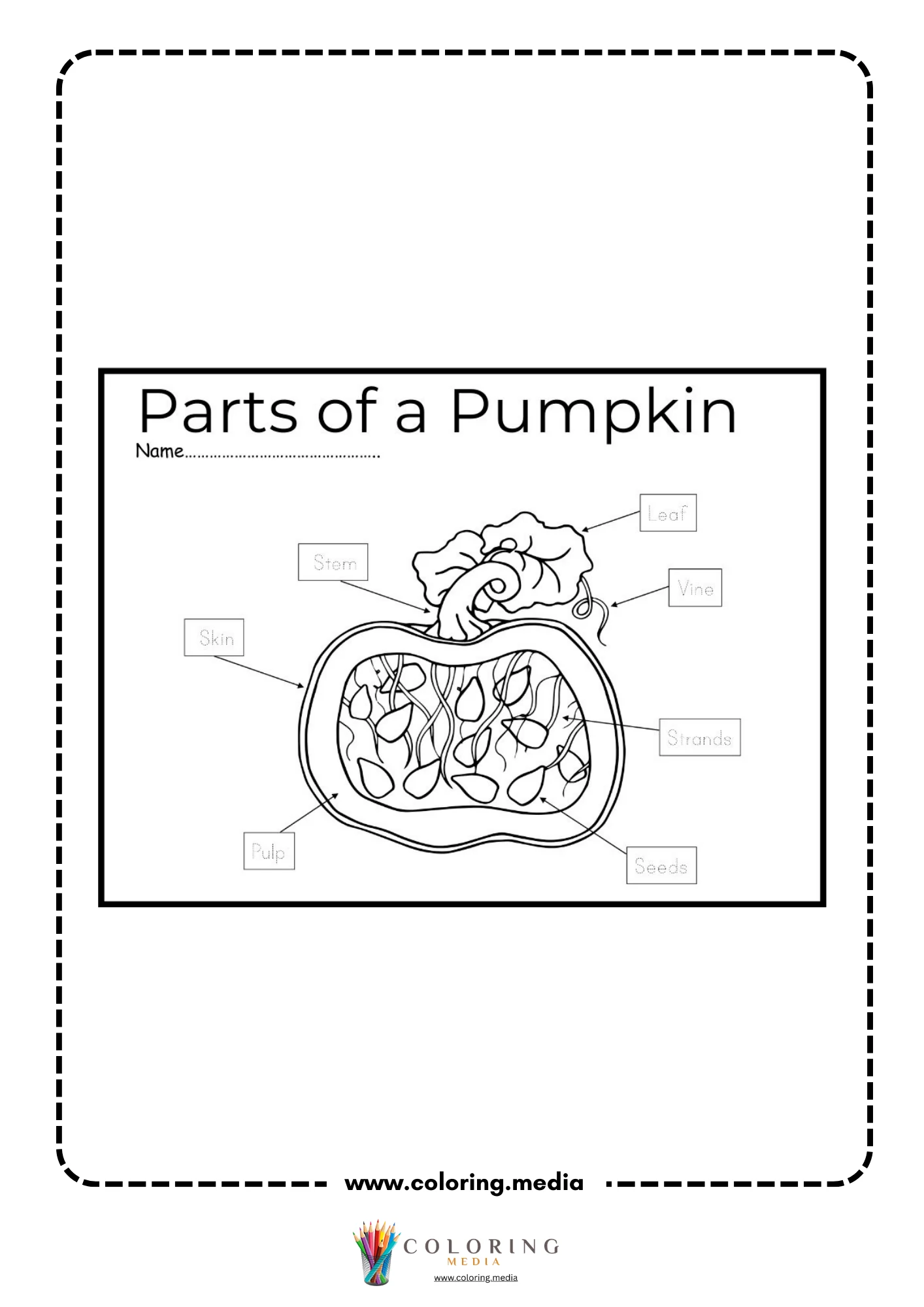
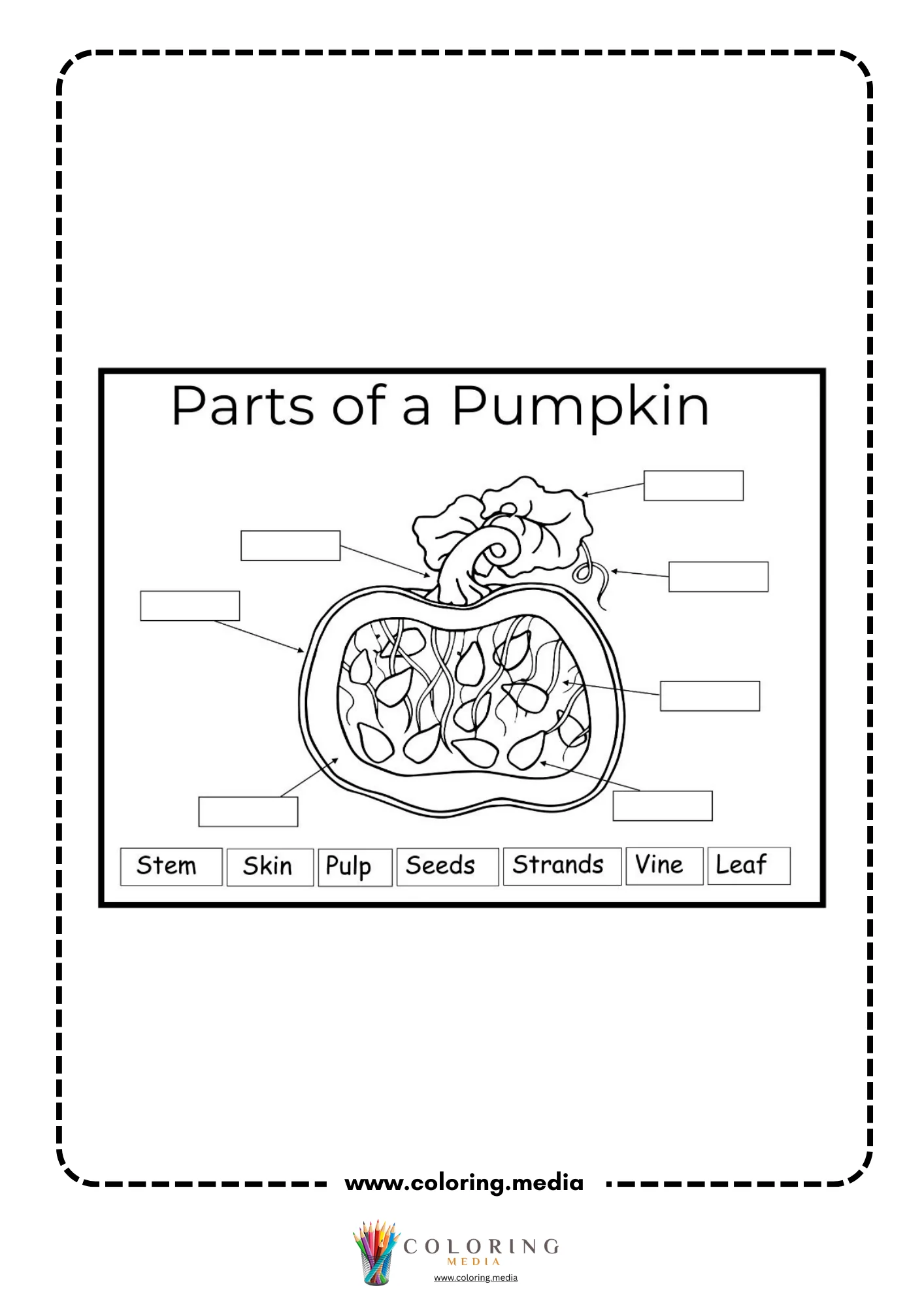
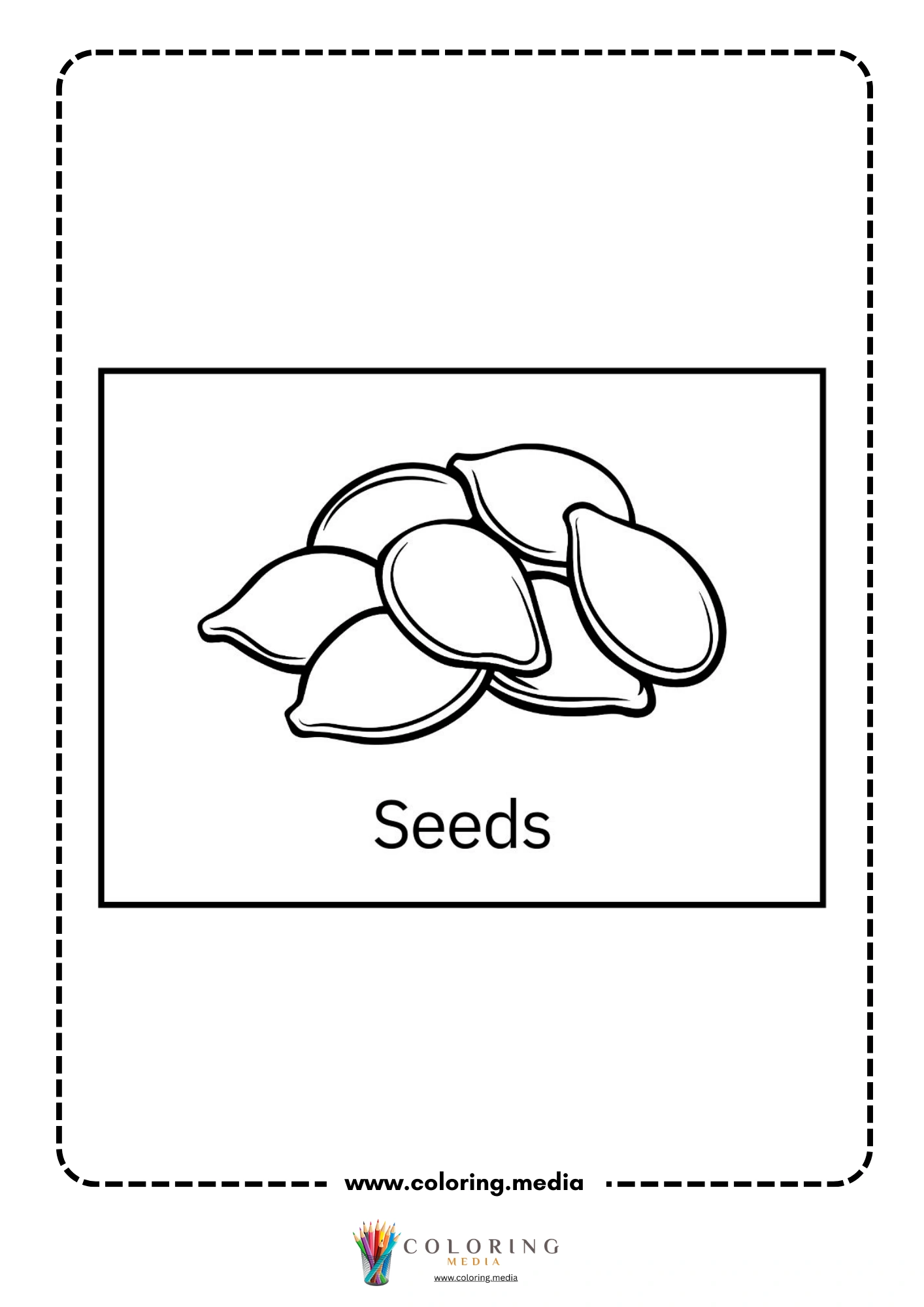
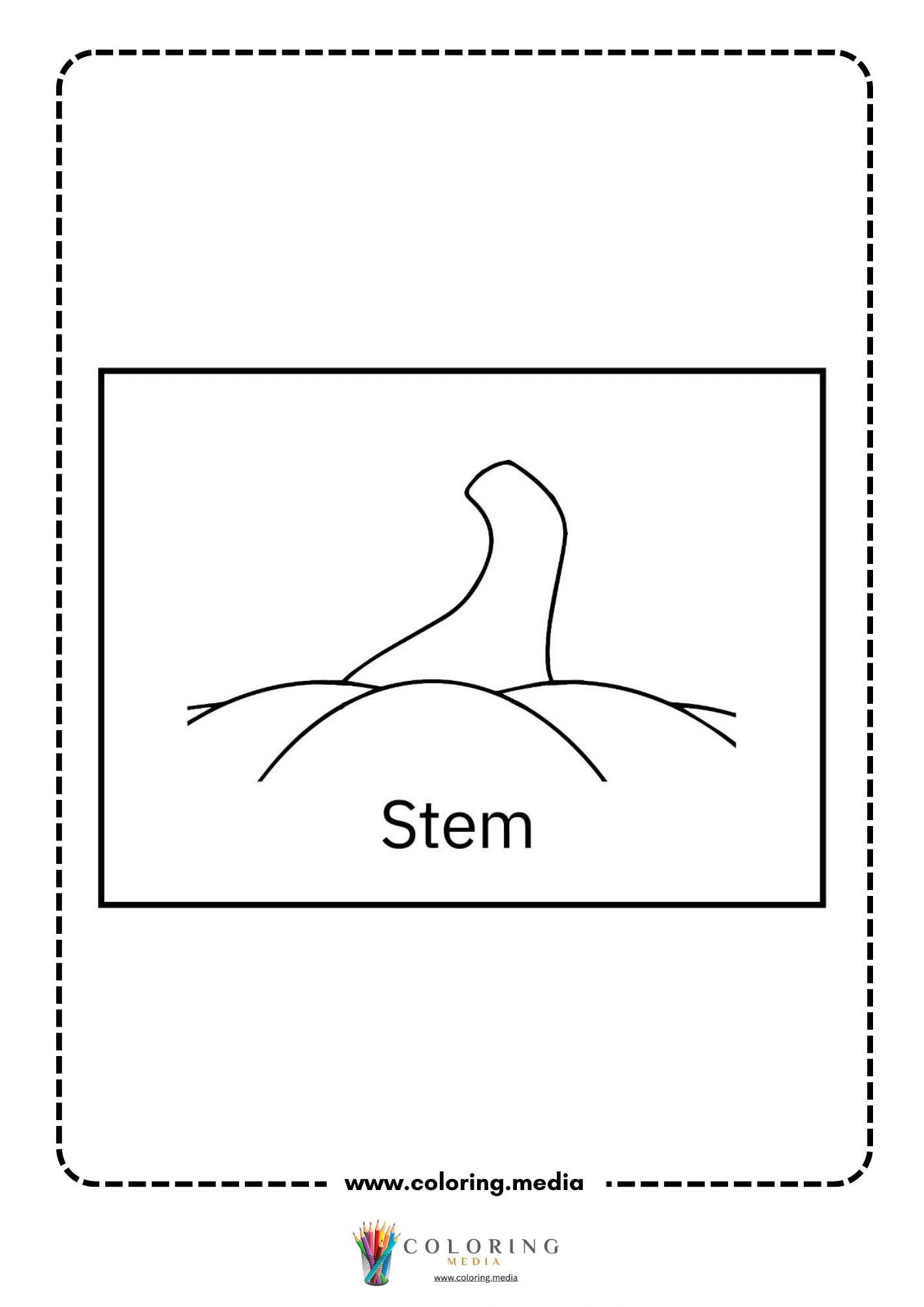
This isn’t a single-subject coloring set — it’s a full preschool unit on pumpkins dressed up with crayons. The 28 pages cover the pumpkin from every educational angle: a labeled diagram of the parts (stem, vine, leaf, skin, seeds), individual close-up pages for each part, vocabulary word pages, tracing sheets, life cycle pages, and simple coloring pages of whole pumpkins and pumpkin faces. The illustrations are drawn with thick outlines sized appropriately for small hands, and the overall packet is organized to walk a child through what a pumpkin actually is before moving on to what it looks like carved and decorated.
For a preschool or kindergarten classroom this kind of packet earns its real value in October, either alongside a pumpkin patch visit or as a standalone fall science unit. The coloring pages are embedded throughout the packet rather than front-loaded, so the activity naturally mixes visual learning with hands-on coloring without feeling like two separate things. Everything here is free to download and easy to print.
Free Printable Preschool Pumpkin Coloring Pages
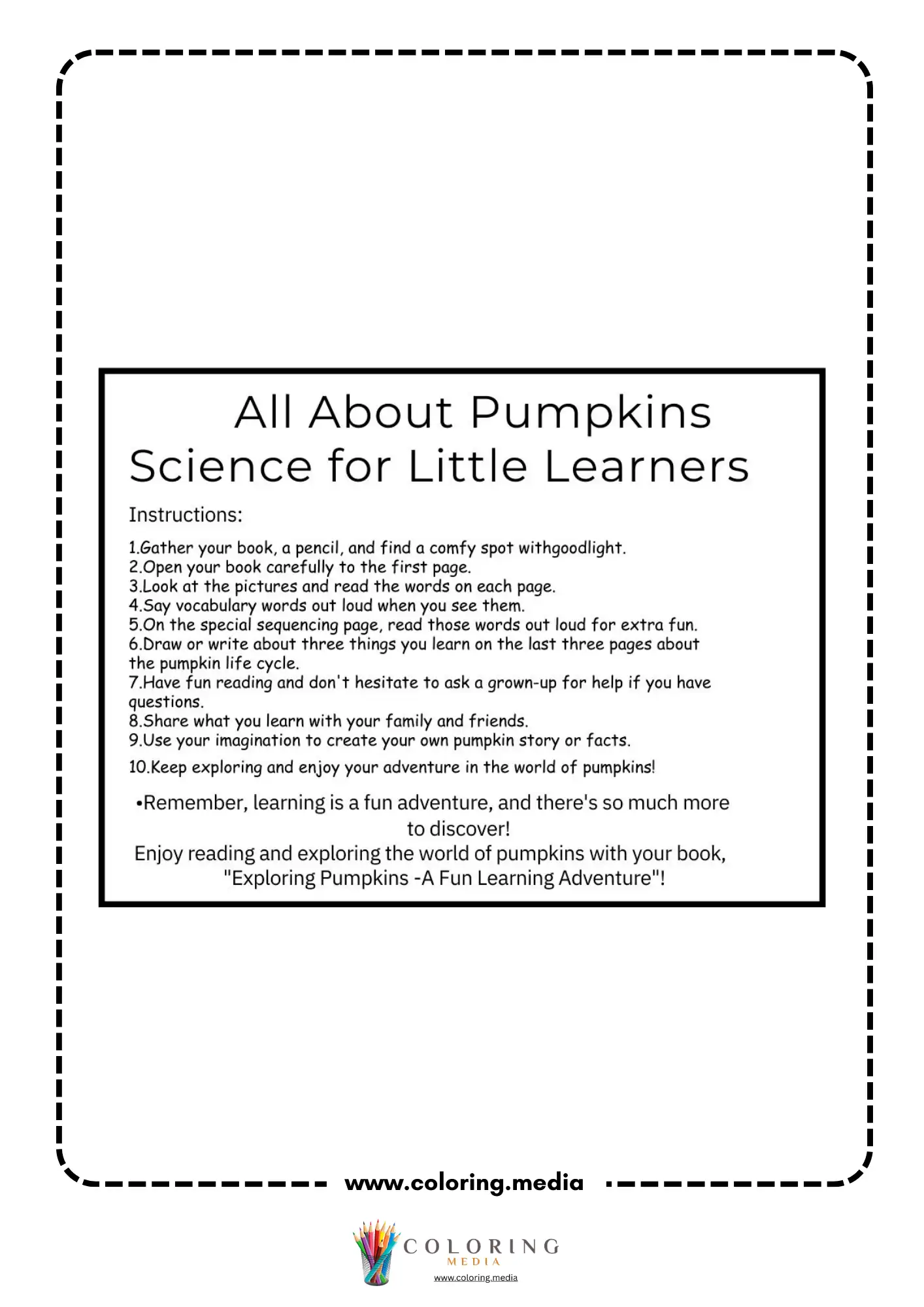
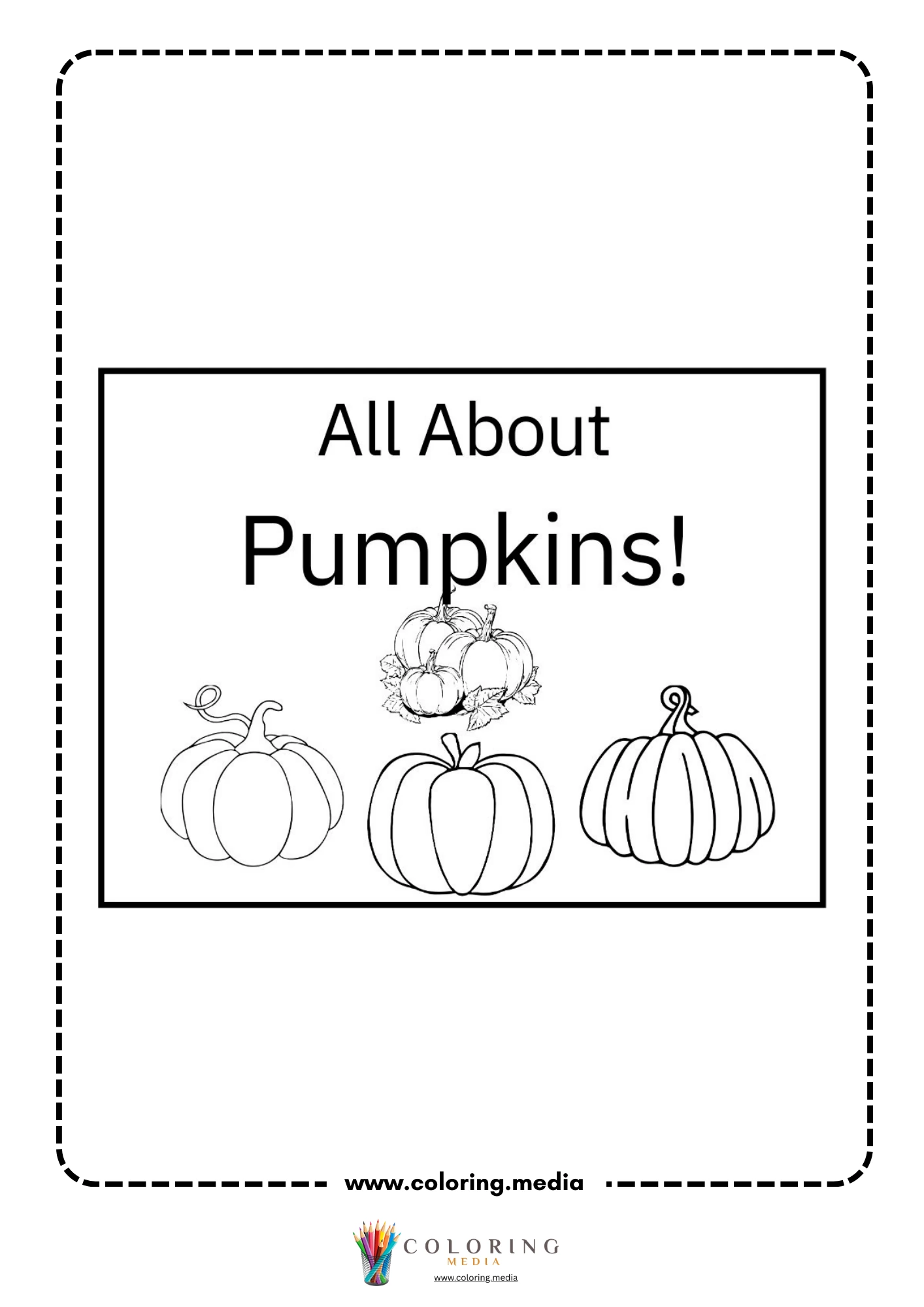
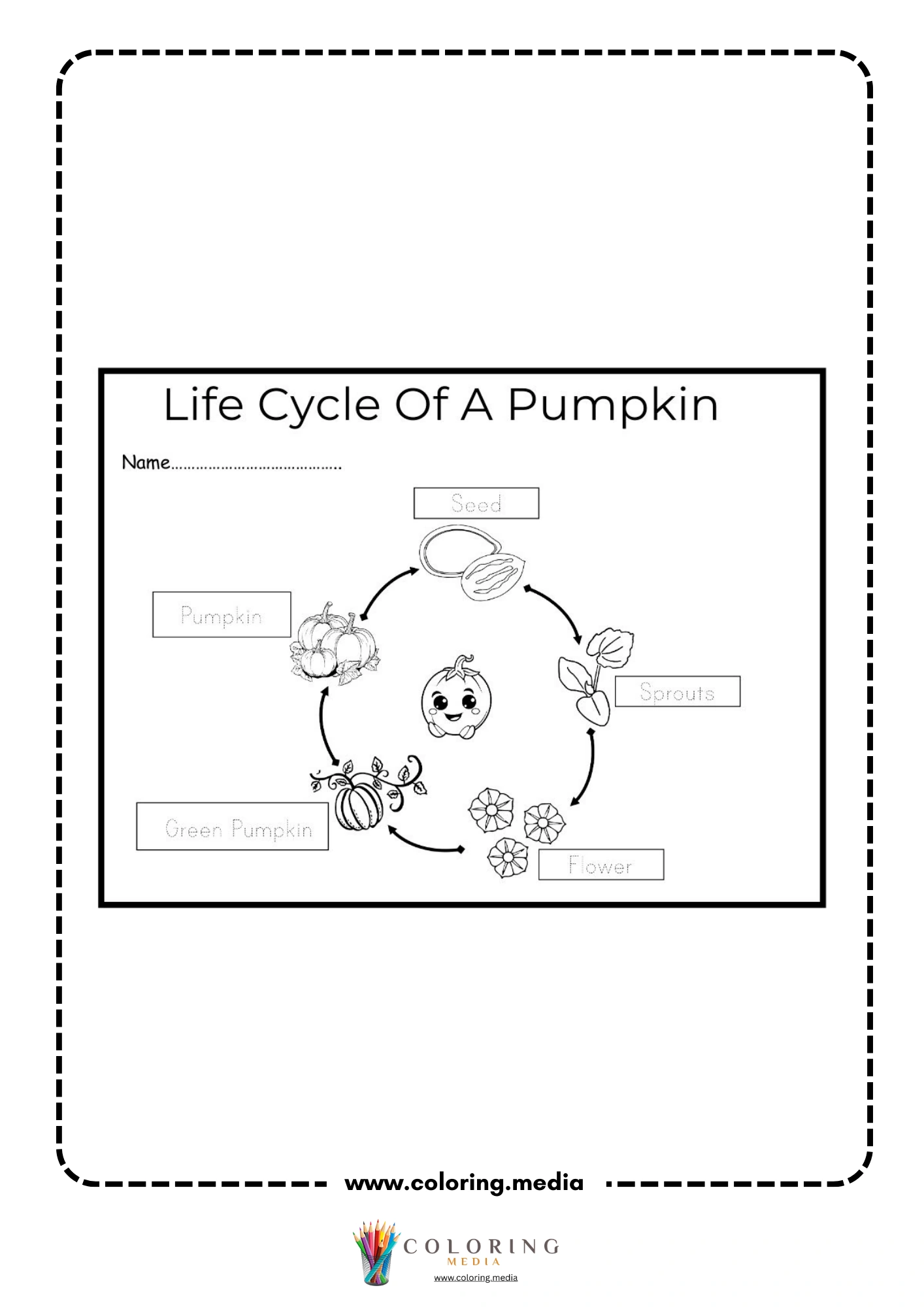
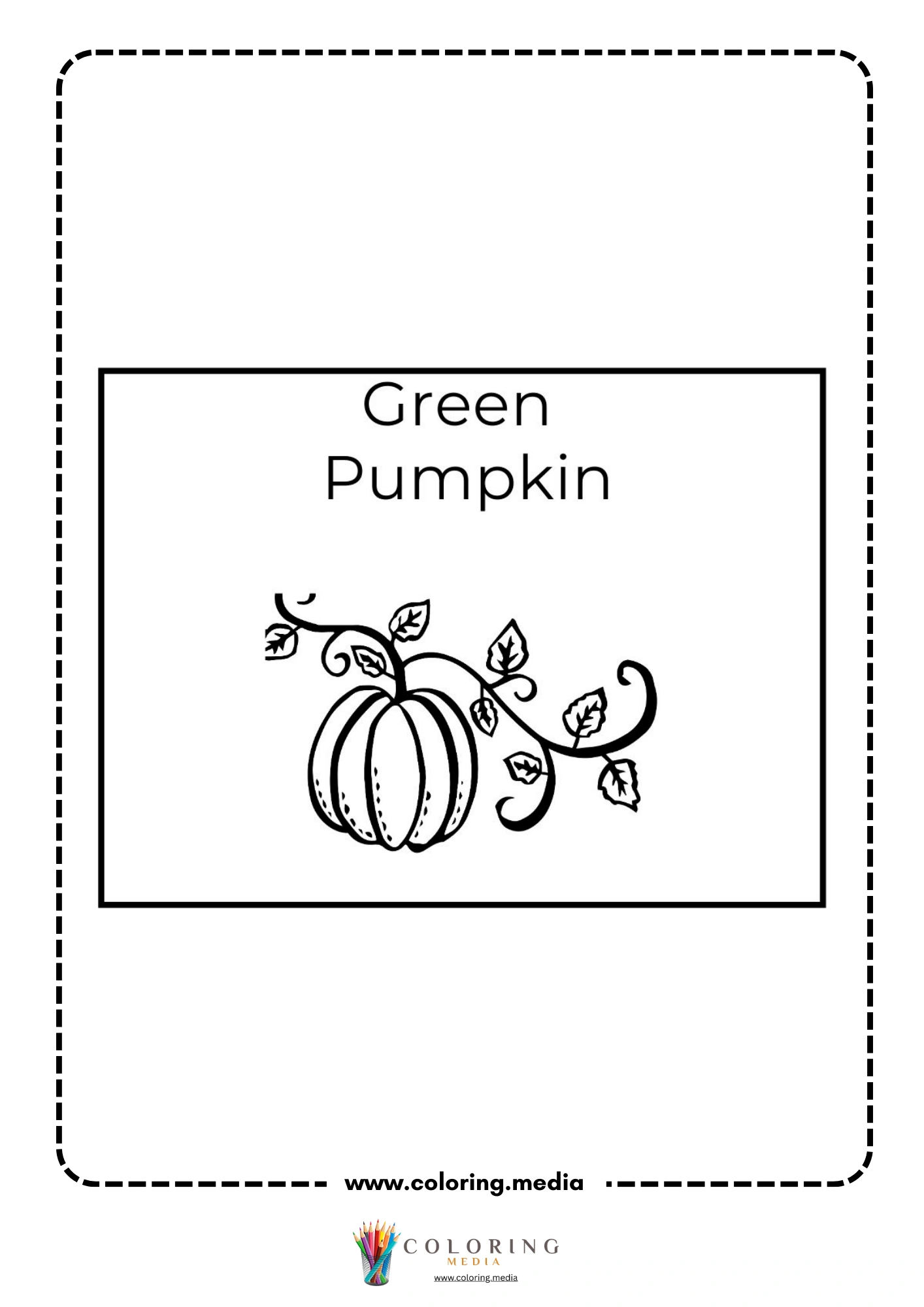
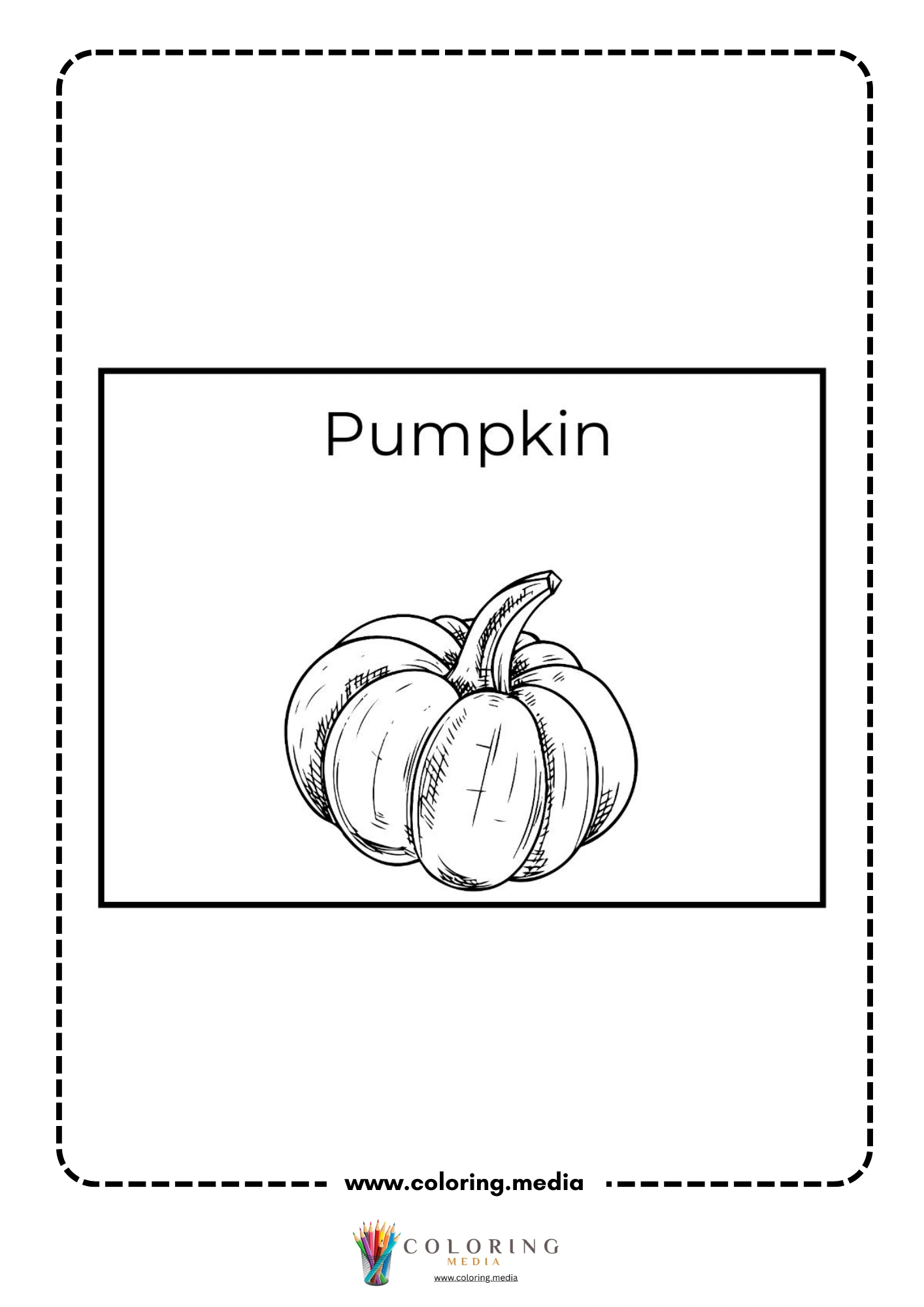
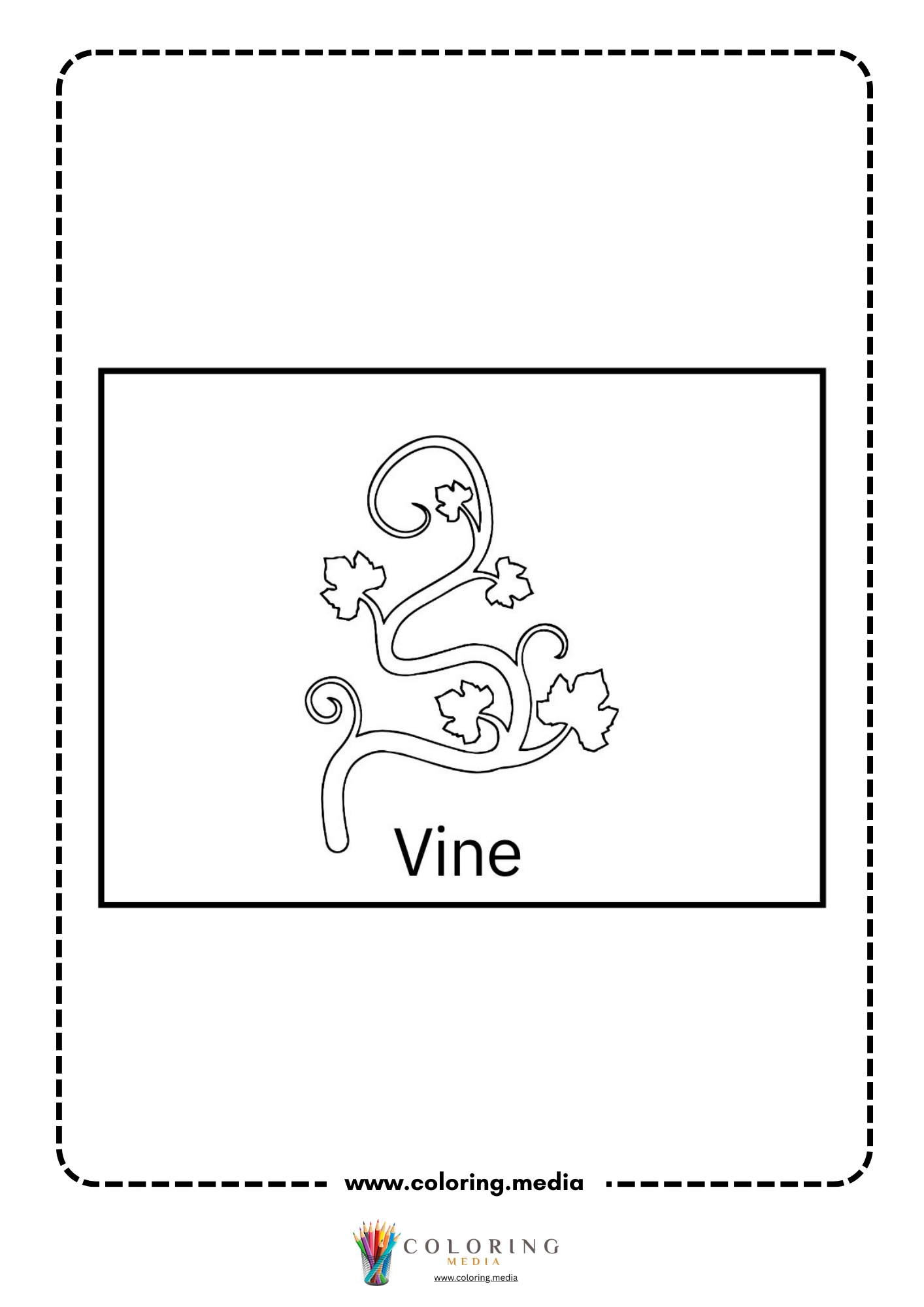
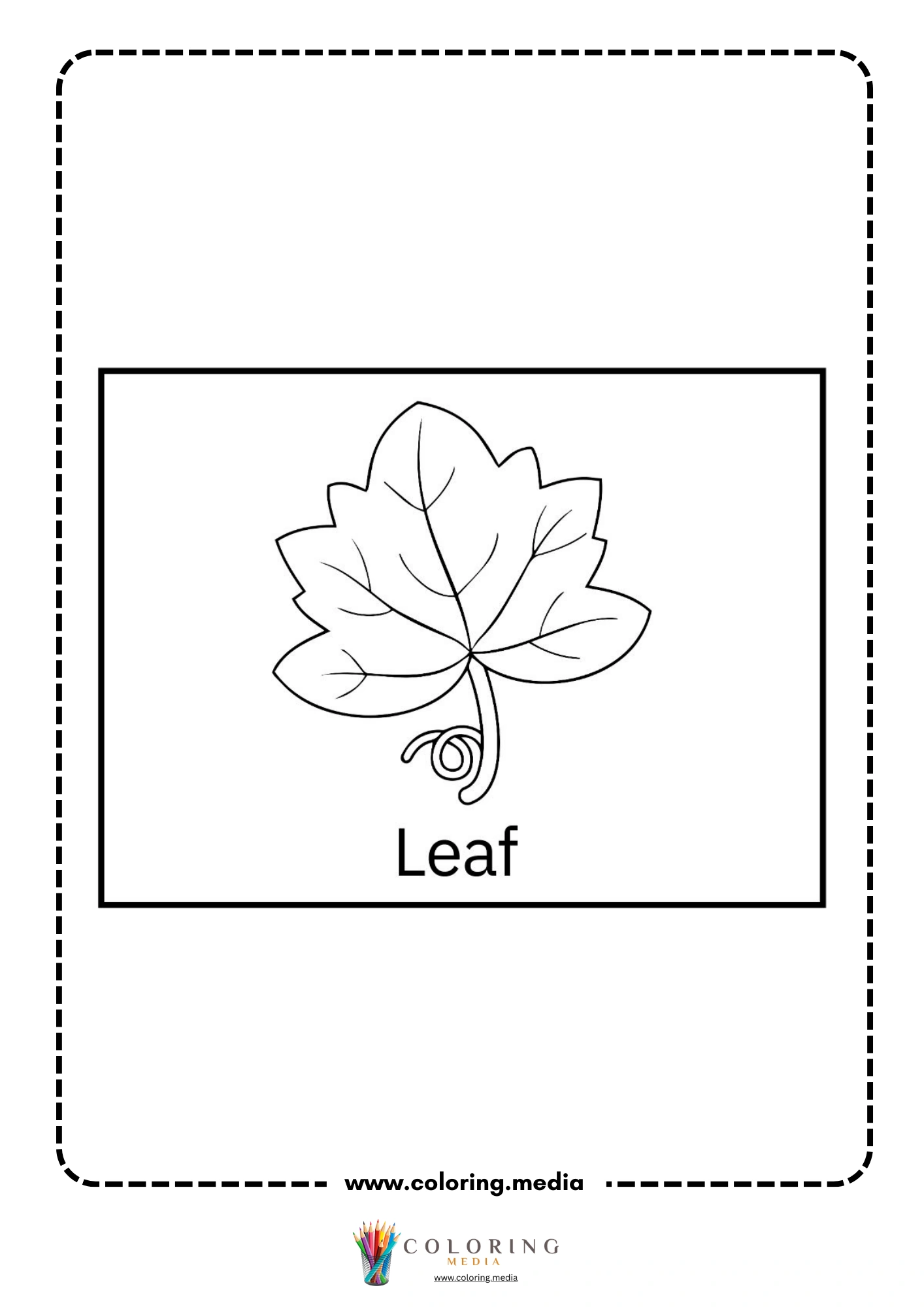
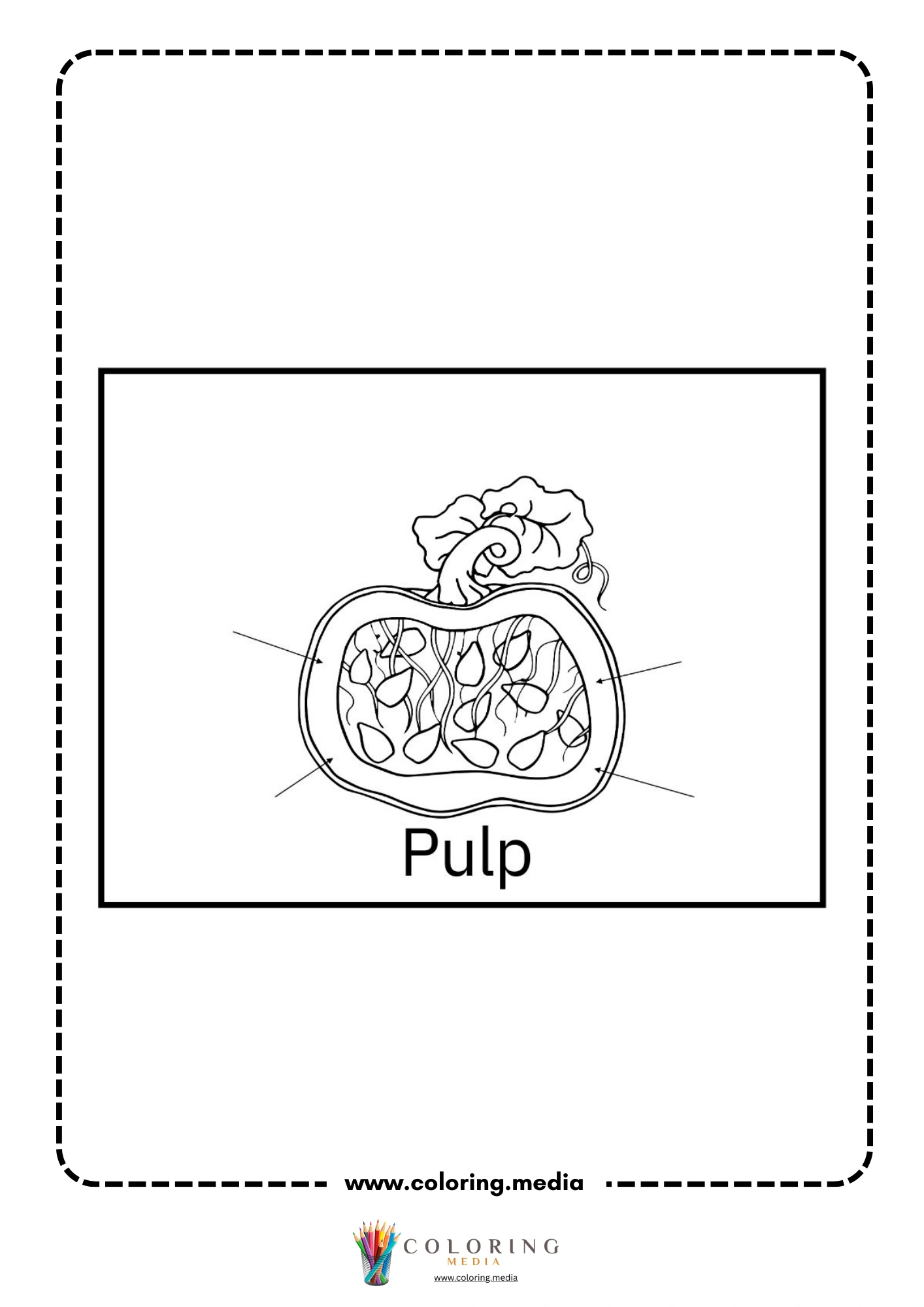
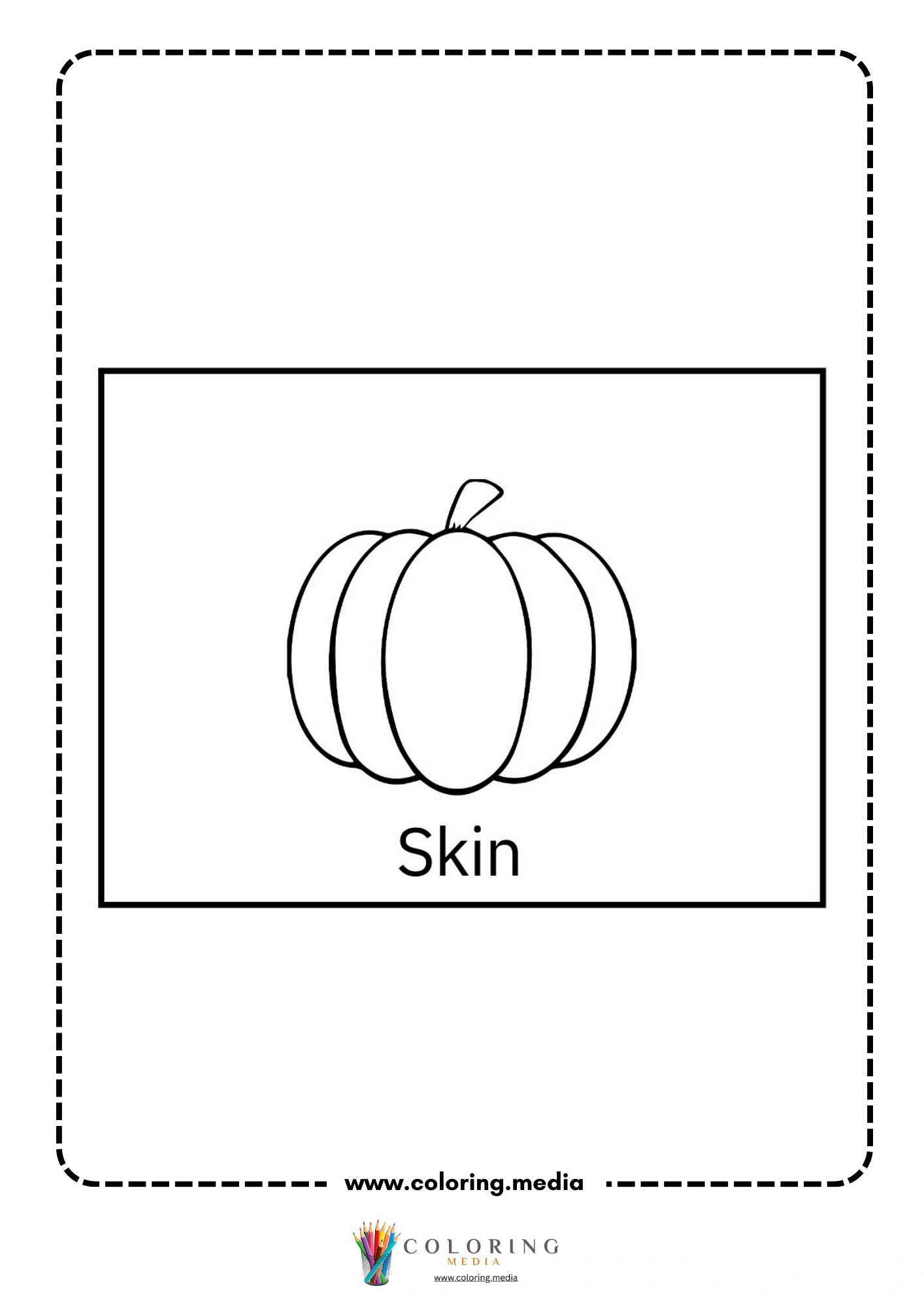
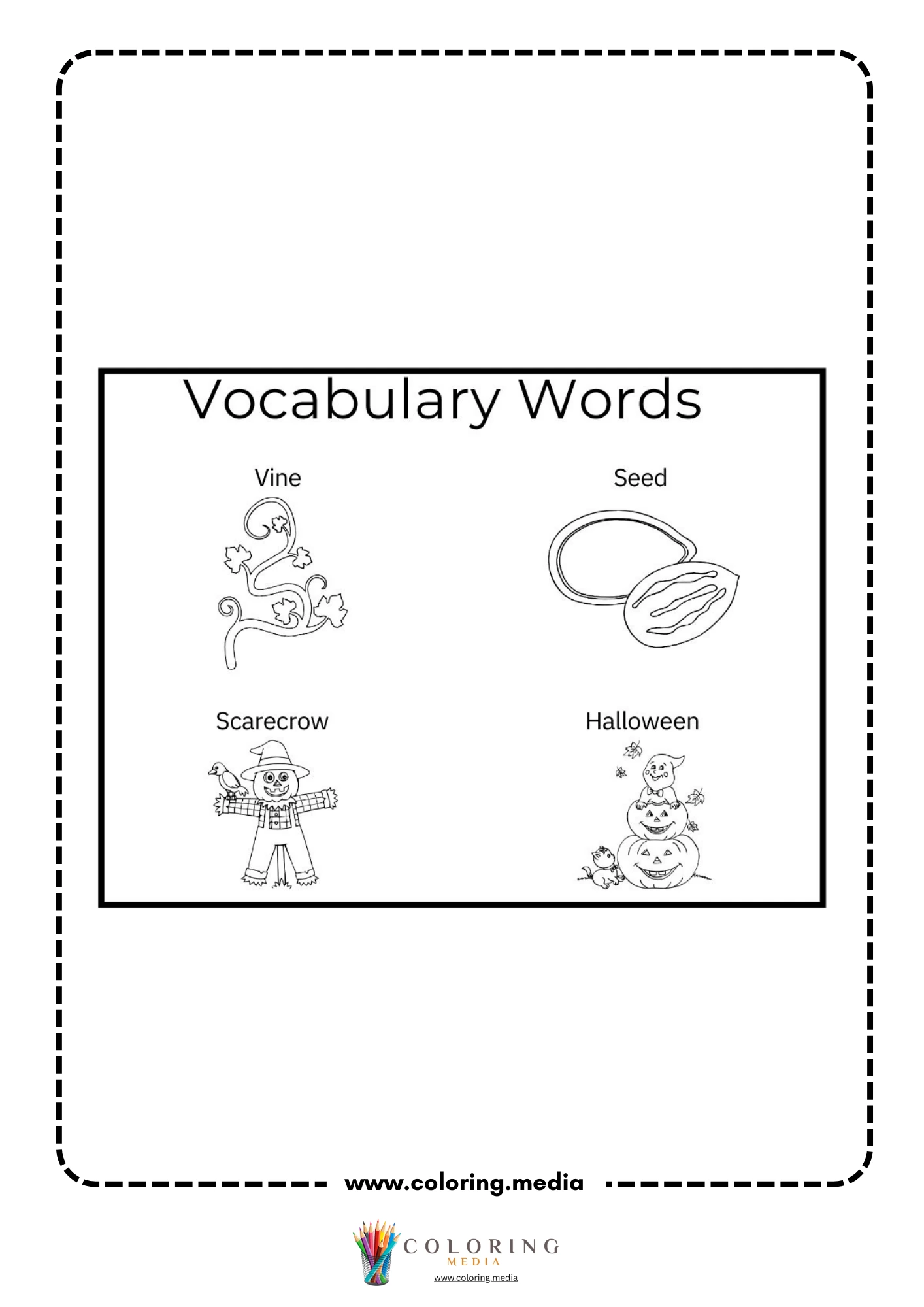
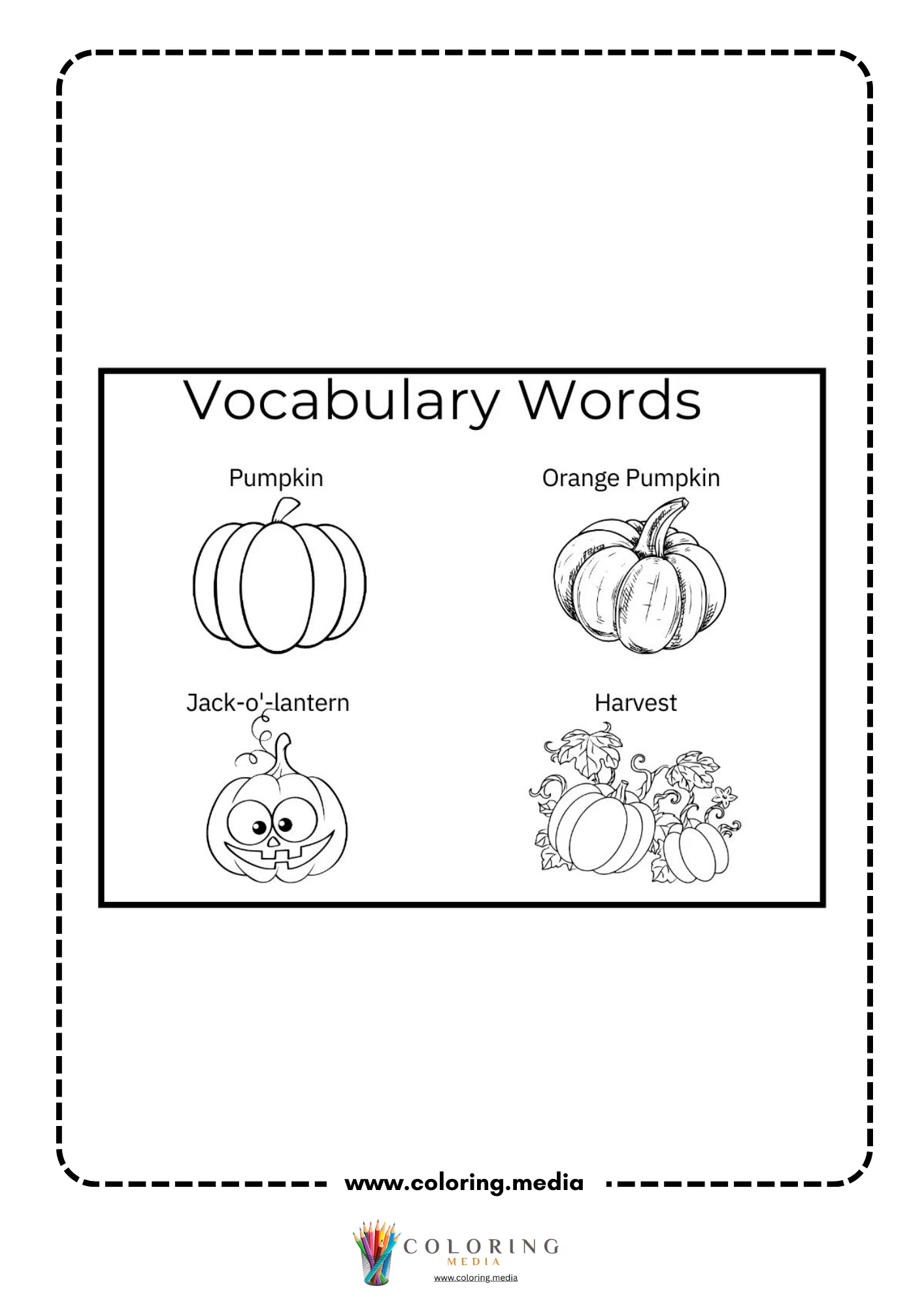
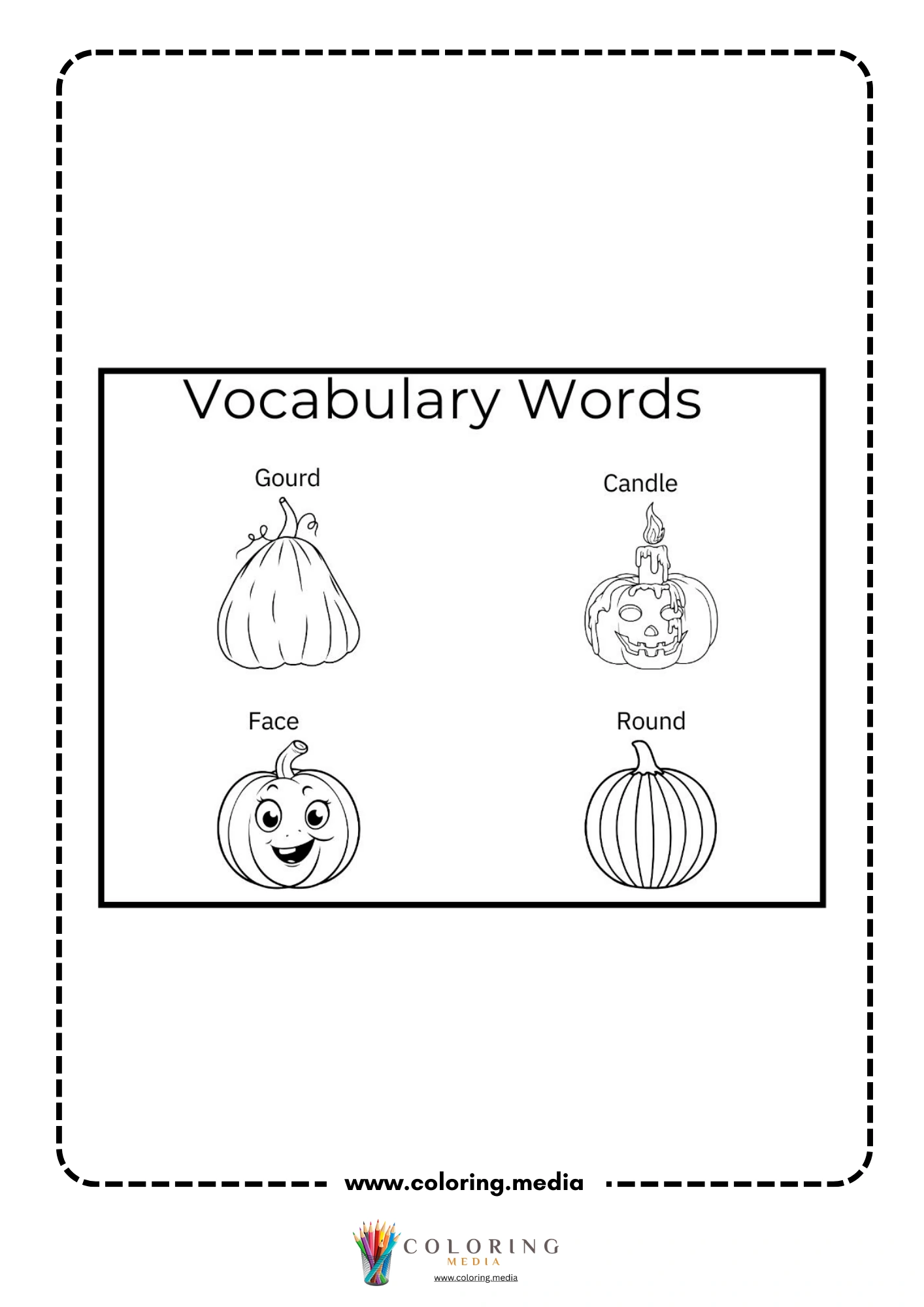
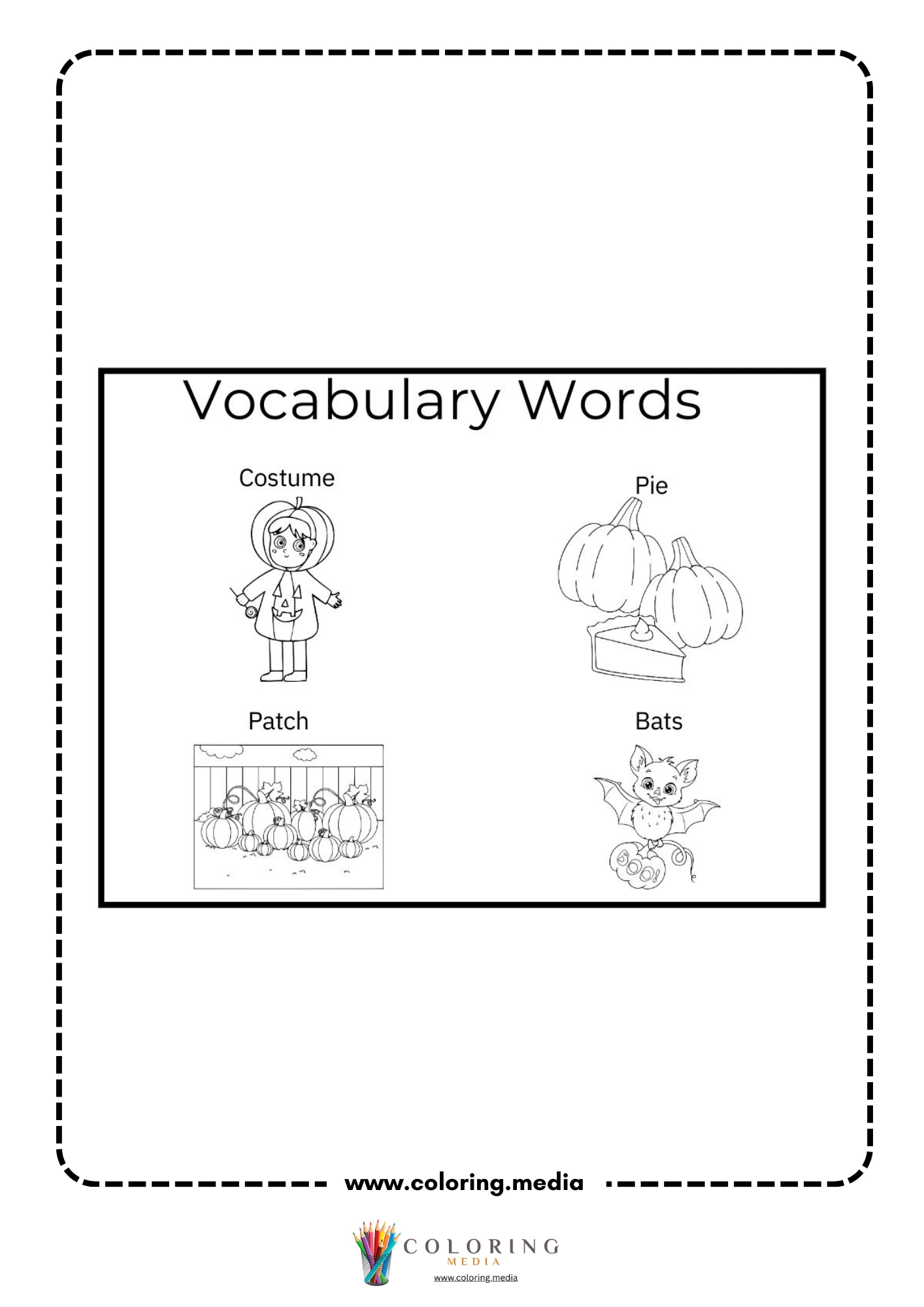
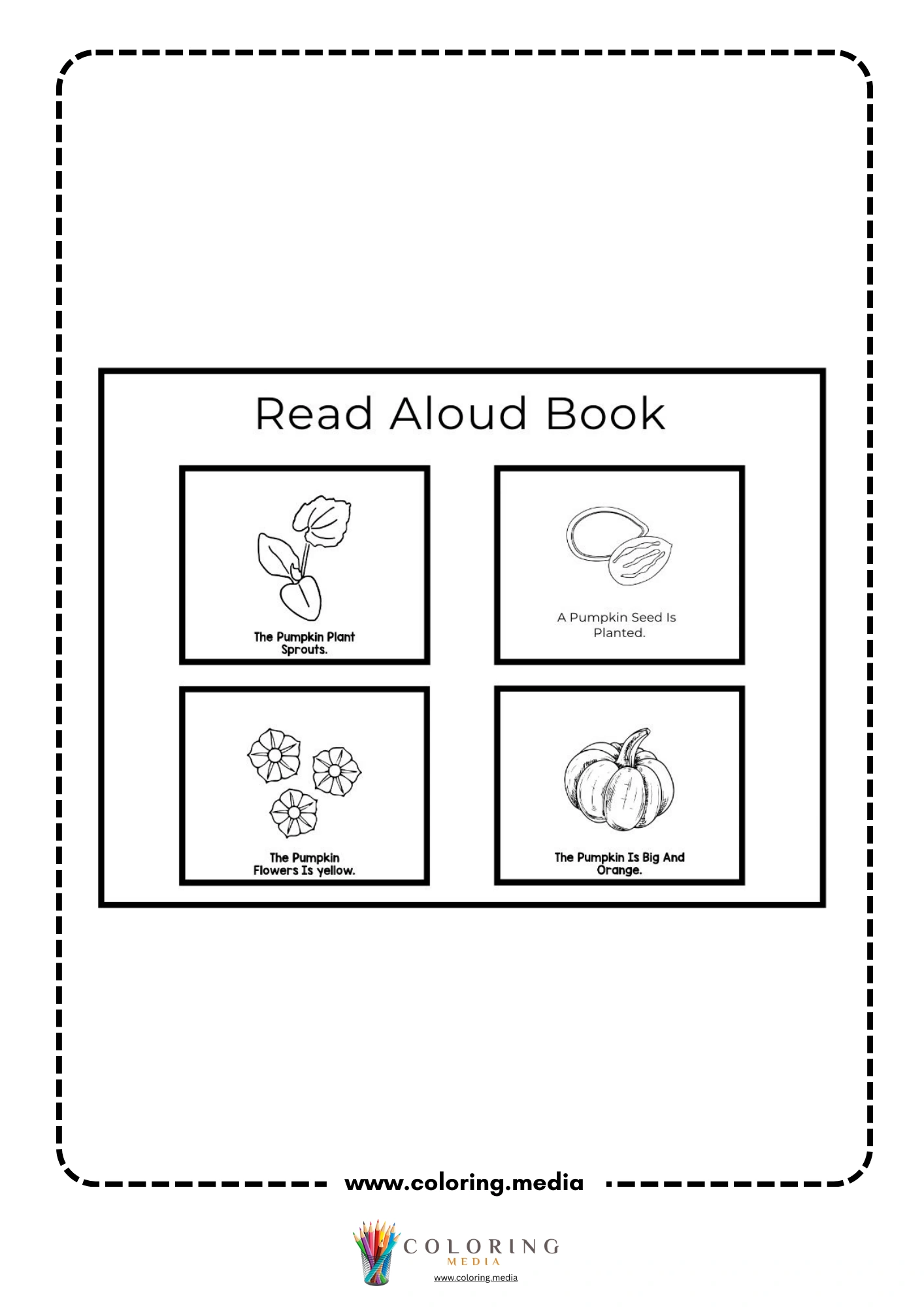
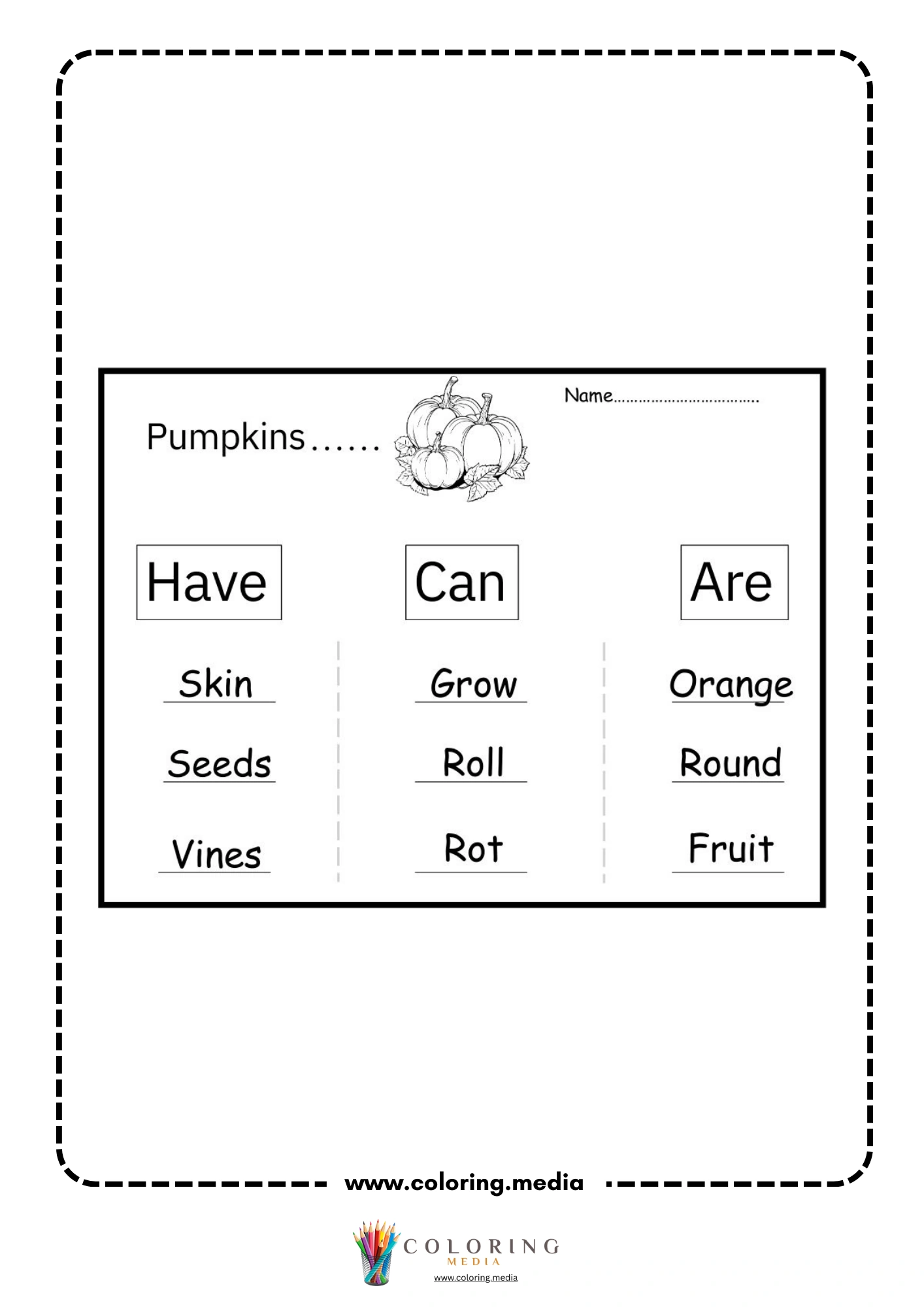
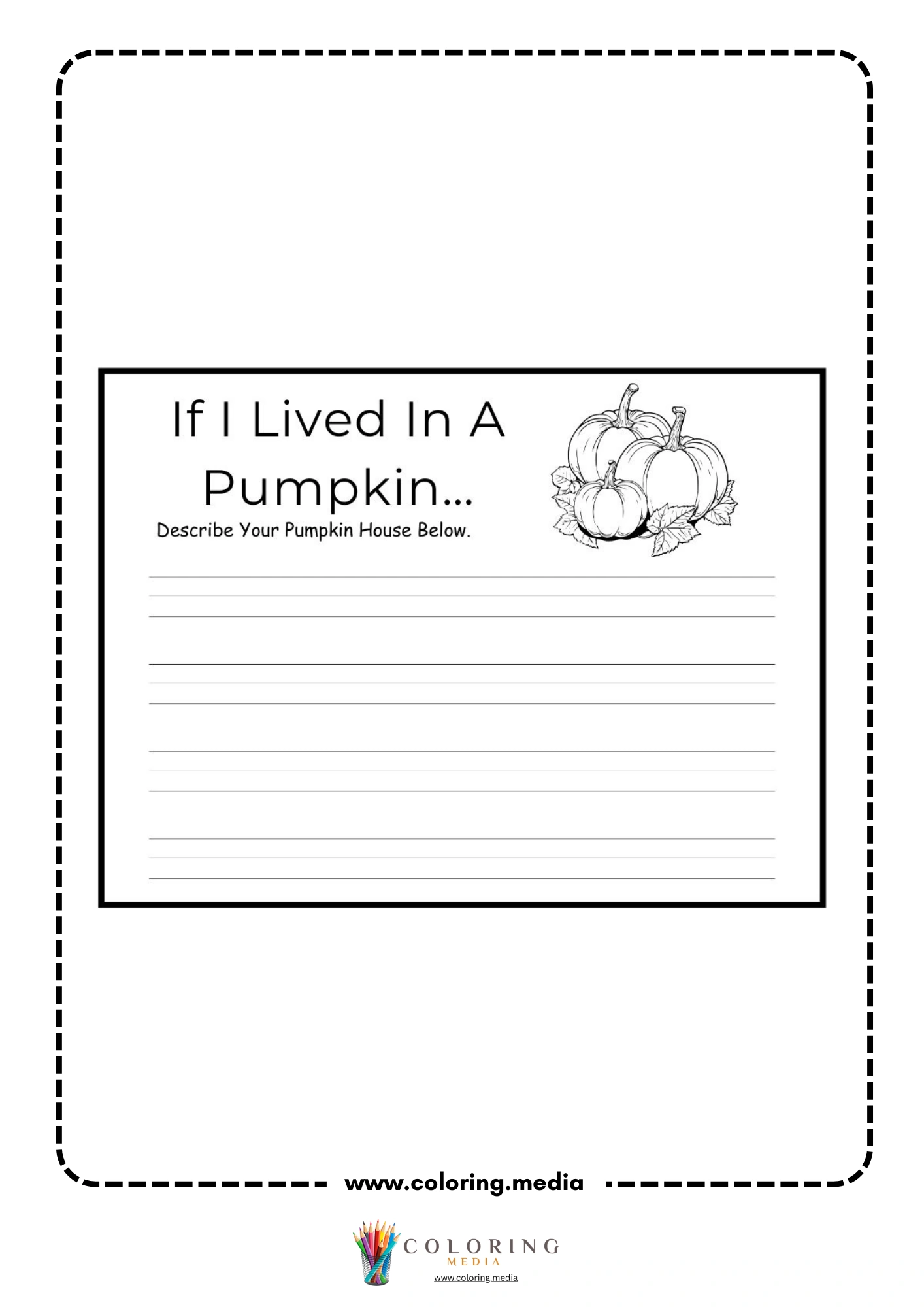
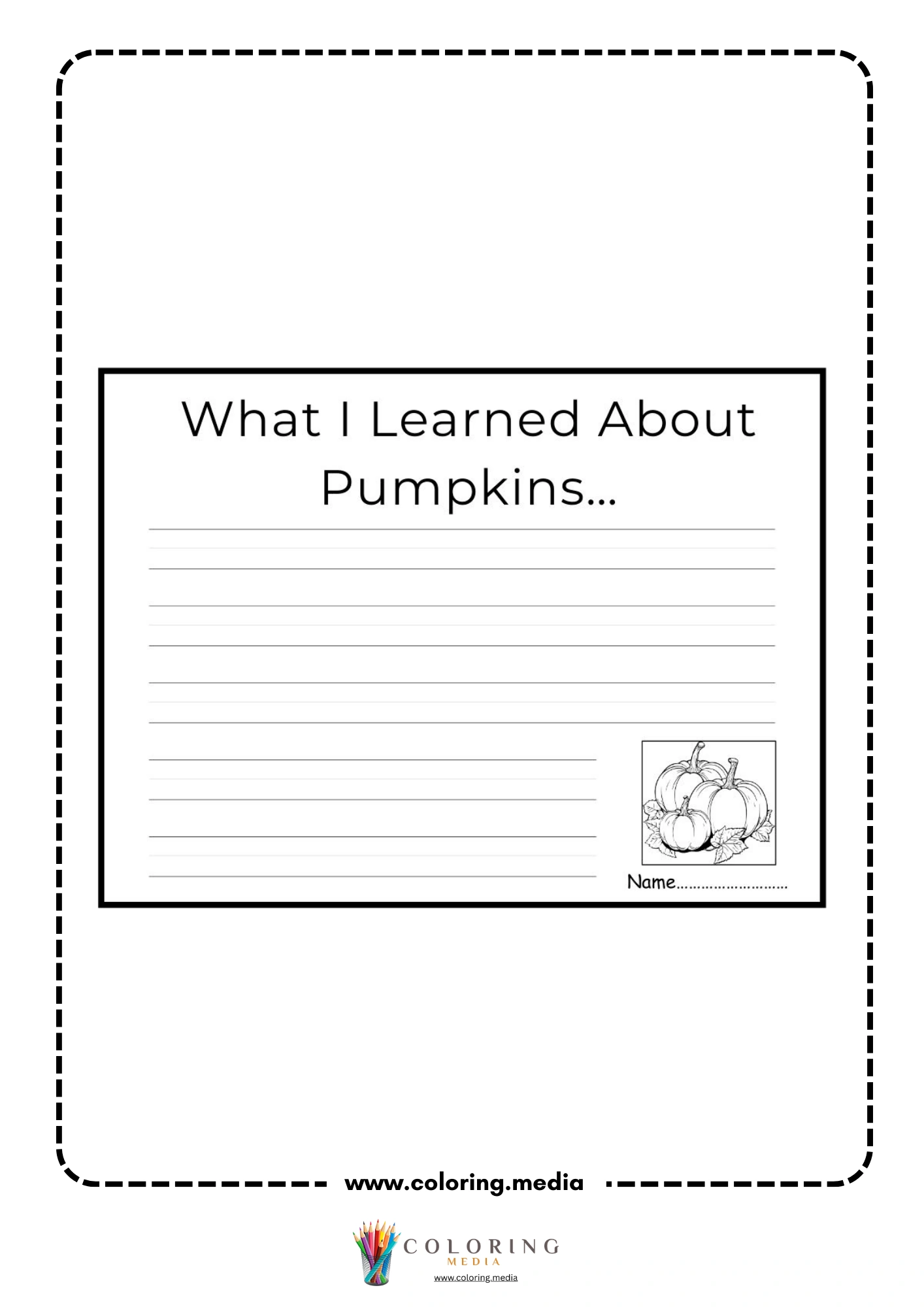
This collection includes 28 printable preschool pumpkin pages covering a full educational unit: a cover page, a labeled parts-of-a-pumpkin diagram, individual illustration pages for the stem, vine, leaf, skin, and seeds, vocabulary word sheets, tracing and writing practice pages, life cycle illustrations, pumpkin size comparison activities, simple whole-pumpkin coloring pages, and cut-and-paste activity sheets. Pages are formatted for A4 and US Letter paper and download as print-ready PDFs.
Who Are These Pumpkin Pages Best For?
Preschoolers (ages 3–5) can engage with the coloring and illustration pages throughout the packet, even if they’re not yet reading the vocabulary words independently. The pumpkin outlines are drawn with thick 3–4mm borders — wide enough for a chubby crayon to fill without frustration. The parts pages (stem, leaf, vine) each feature one simple isolated drawing, which means a preschooler can complete a page in under five minutes and feel a genuine sense of accomplishment before moving to the next.
Kindergarteners (ages 5–6) can work through the entire packet more independently. They’ll be able to trace the vocabulary words, follow the labeled diagram with the teacher’s guidance, and engage with the life cycle pages as a sequencing activity. The cut-and-paste sheets add a motor skills component that breaks up coloring without losing the fall theme. For a homeschool family, this packet spans roughly two to three fall afternoon sessions as a complete science and literacy unit.
Interesting Pumpkin Facts to Share While Coloring
Pumpkins are technically a fruit, not a vegetable. Botanically, any plant that develops from a flower and contains seeds is a fruit. A pumpkin grows from the flower of the pumpkin vine and is full of seeds, which puts it firmly in fruit territory — the same category as tomatoes, cucumbers, and squash.
A pumpkin is about 90% water. Despite looking solid and dense, the orange flesh is mostly water held in plant cells. This is why pumpkins feel heavy for their size — they’re essentially very firm containers of water with a hard outer skin.
Pumpkin seeds are edible and nutritious. Roasted pumpkin seeds (also called pepitas) are a good source of zinc, magnesium, and protein. Many cultures have eaten them for thousands of years, long before pumpkins became synonymous with Halloween and Thanksgiving.
The largest pumpkins can weigh over 2,000 pounds. World record giant pumpkins, grown through careful seed selection and competitive cultivation, have exceeded one ton. A standard carving pumpkin typically weighs between 5 and 20 pounds — so the record holders are over 100 times heavier.
Pumpkins grow on every continent except Antarctica. They’re native to North America but have been cultivated globally for centuries. The vine can spread up to 30 feet in a single growing season, and one plant can produce several pumpkins depending on the variety.
Creative Pumpkin Coloring and Learning Ideas
Real Pumpkin Comparison Bring a small real pumpkin to the table while kids color the parts diagram — point to each labeled part on the real pumpkin as kids color the corresponding page. Touching the actual stem and counting the ridges makes the vocabulary stick.
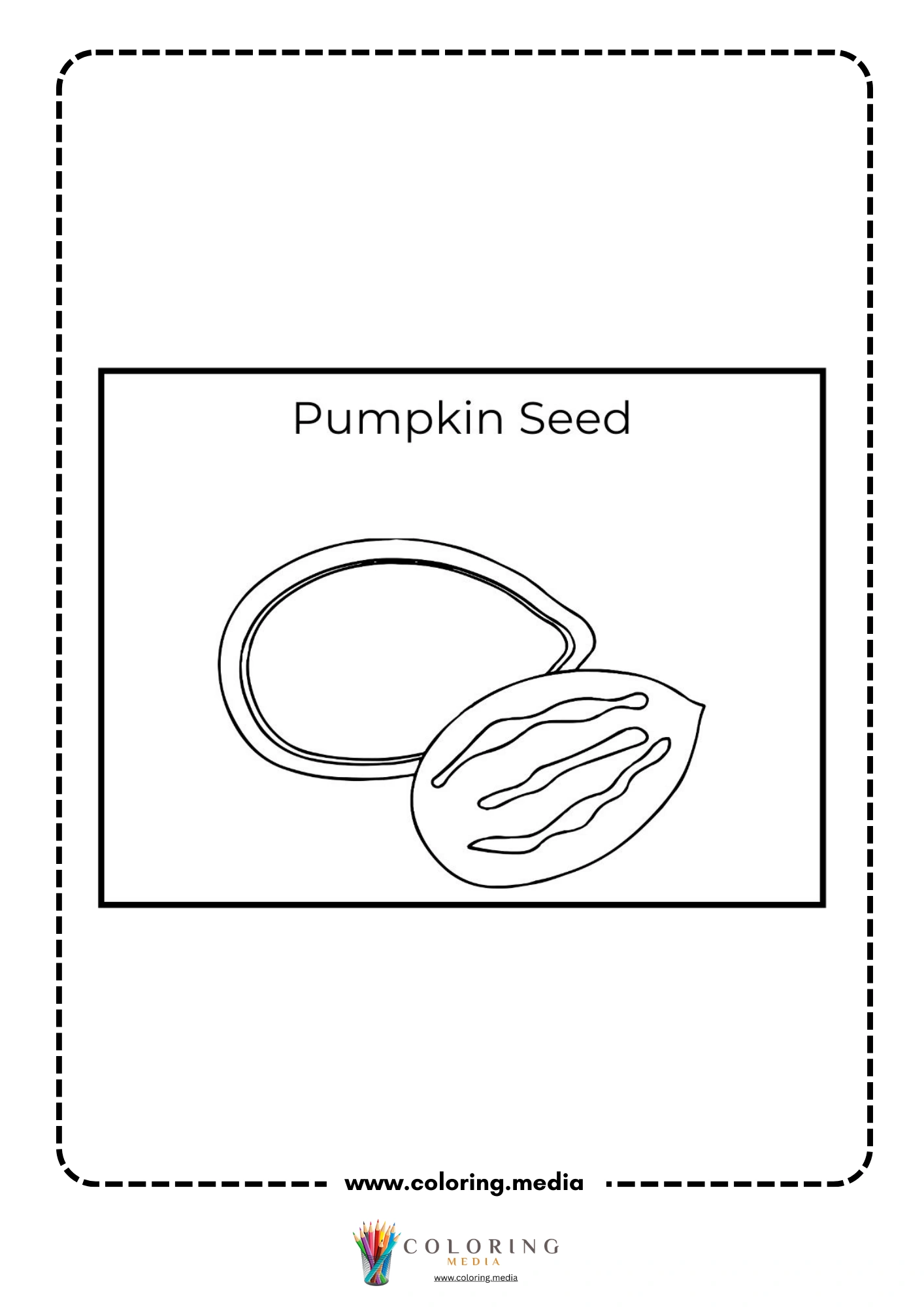
Seed Count and Sort After coloring the seed page, scoop the seeds from a real pumpkin and count them together. Kids are usually surprised by how many there are. Dry and roast them afterward for a bonus snack activity.
Make a Mini Booklet Print all 28 pages, staple or bind the left edge, and let each child color their personal copy as a “My Pumpkin Book” they can take home. The cover page makes it feel like a real published book.
Life Cycle Sequencing Print the life cycle pages, cut them apart, mix them up, and have kids put them back in order before coloring. Reinforces sequencing skills alongside science content.
Vocabulary Wall After completing the vocabulary word pages, tape them to a classroom wall at child height to create a “pumpkin word wall” that stays up through October.
Size Comparison Drawing On the size comparison pages, have kids measure themselves against how tall the largest pumpkin ever grown was (roughly 6 feet for really big ones). Most preschoolers are shorter than a record pumpkin, which they find funny.
How to Print These Pumpkin Coloring Pages
Each page downloads as a PDF compatible with both A4 and US Letter paper. Print all 28 pages in one batch and staple the left edge to create a complete packet, or select individual pages to print on demand. Standard 20 lb copy paper works well for crayons. For the cut-and-paste activity pages, slightly heavier paper (24–28 lb) gives the pieces more durability when handled by small hands. Print in black-and-white mode for the sharpest outlines.
Explore More Holiday Coloring Pages
If you enjoyed these pages, you may also like:
Disney Halloween Coloring Pages
Hello Kitty Halloween Coloring Pages
Grinch Coloring Pages
Easter Bunny Coloring Pages
All Holiday Coloring Pages