
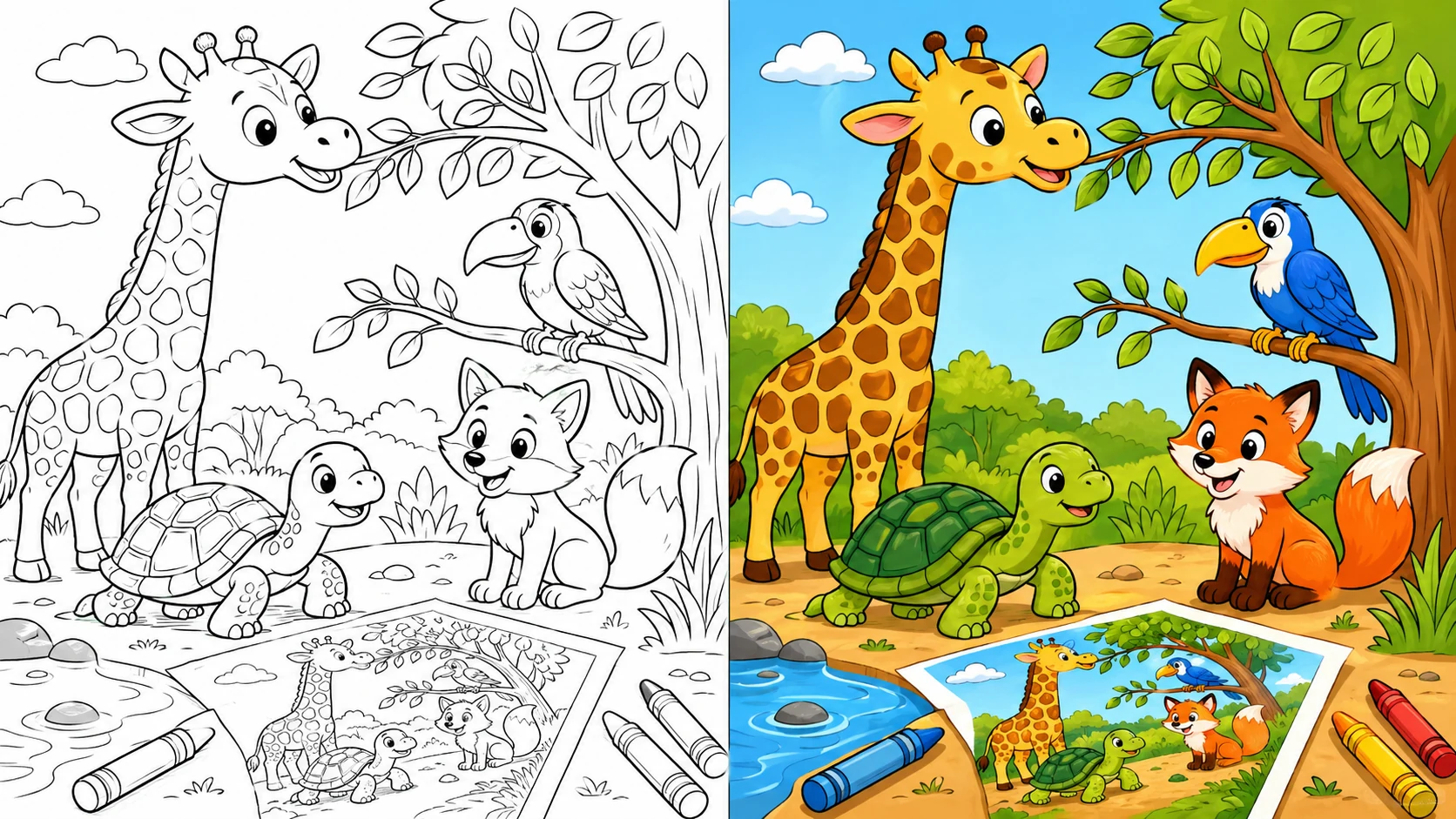
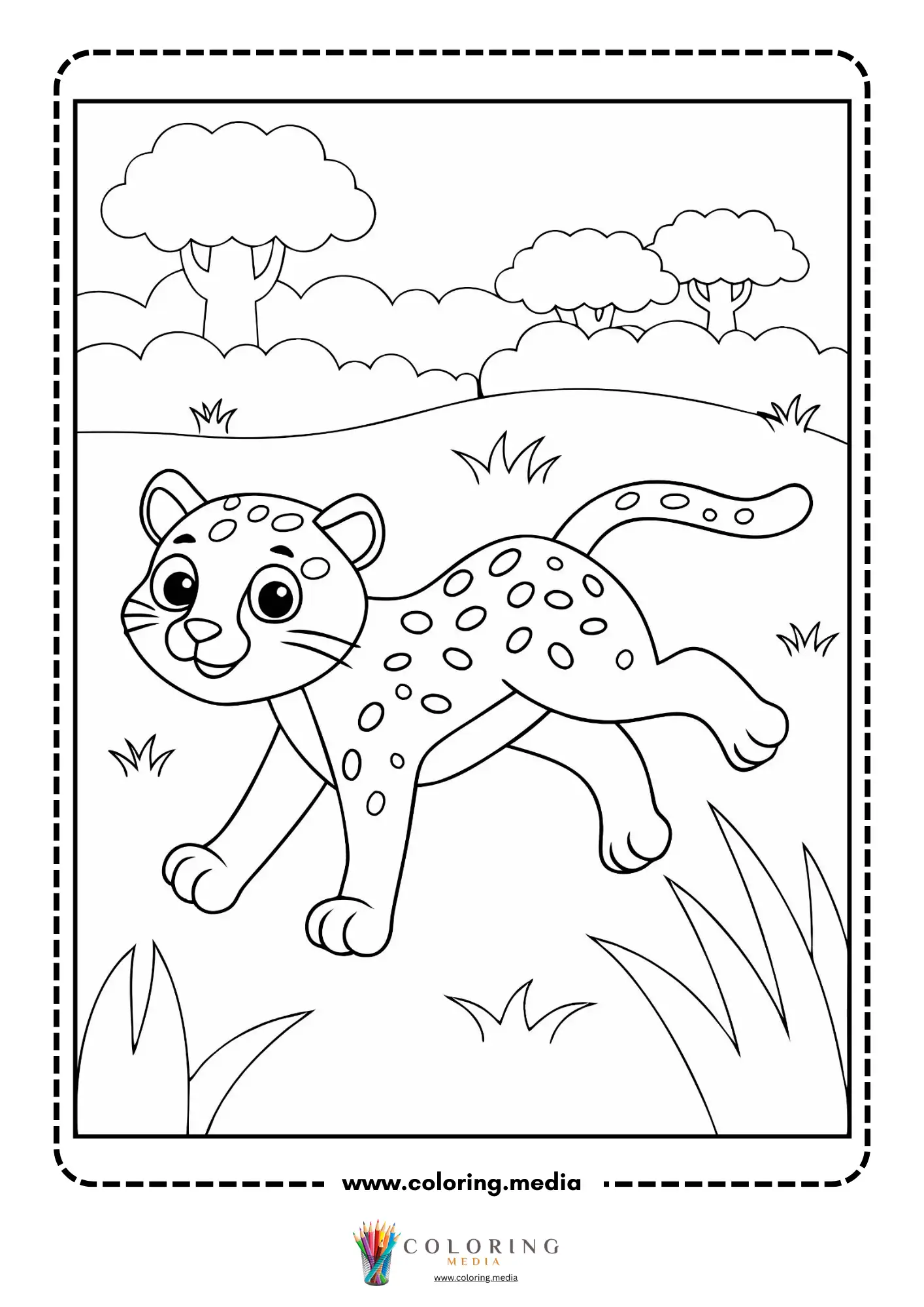
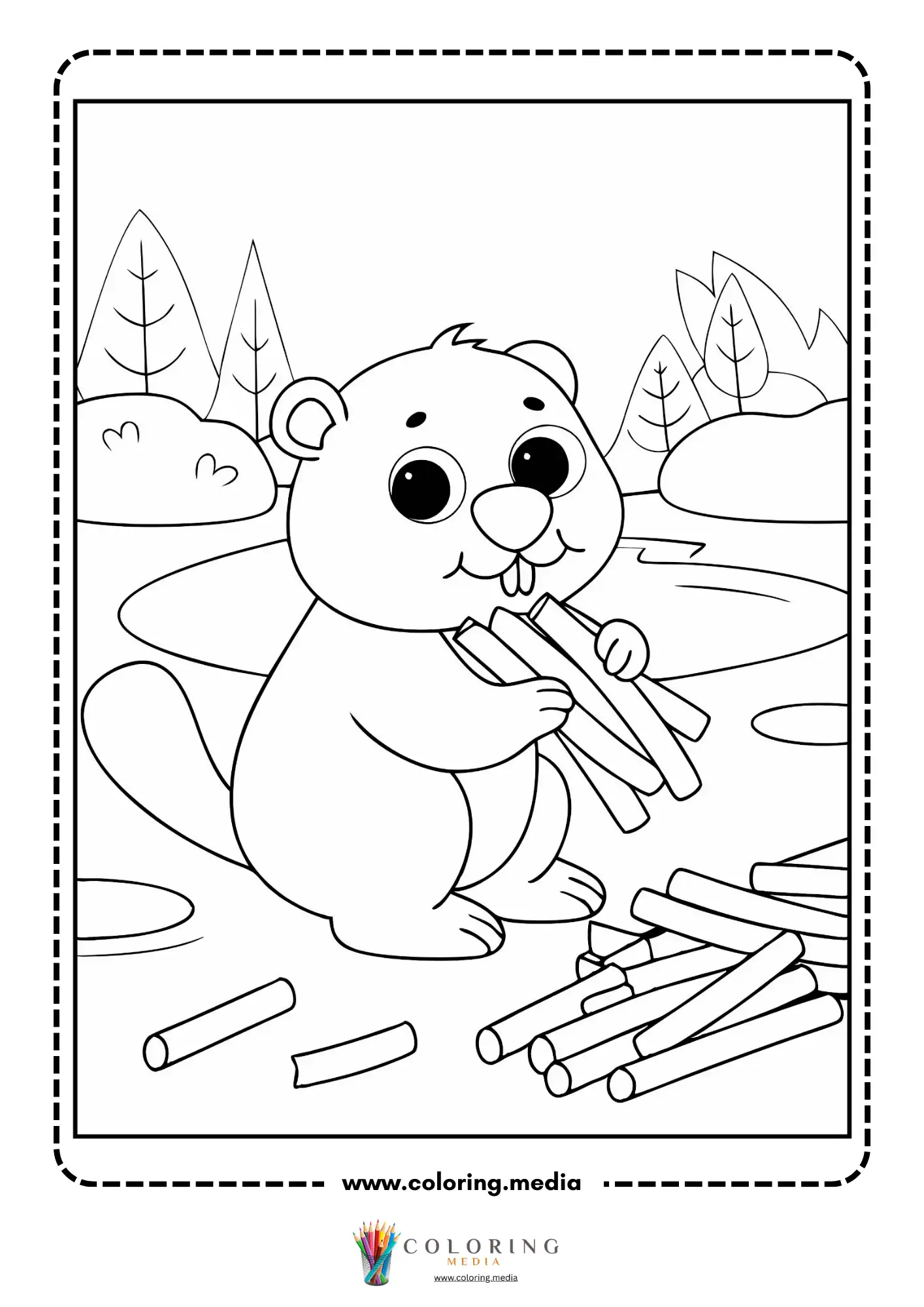
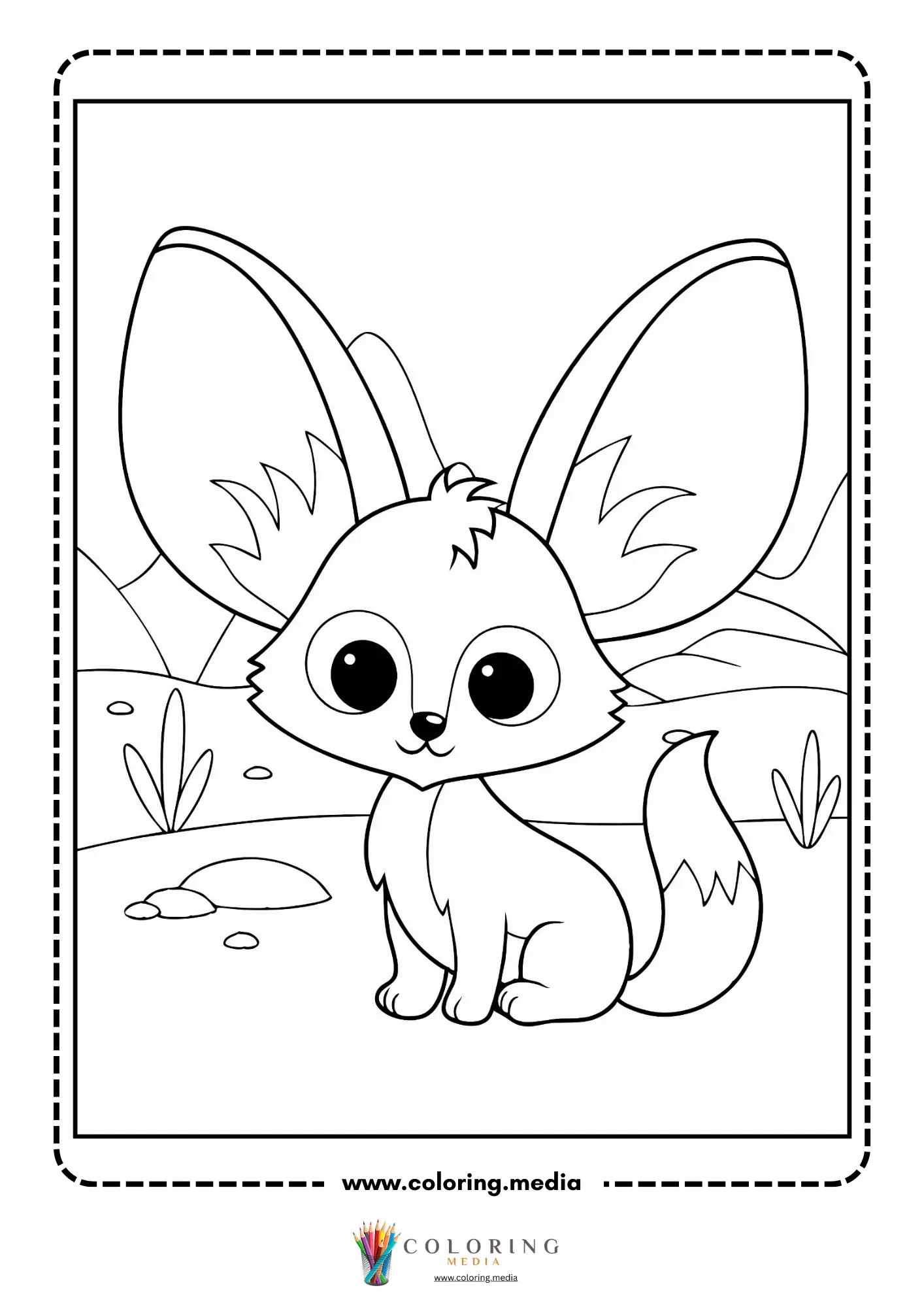
This set covers 21 different animals, each drawn in the environment where it actually lives — a cheetah mid-sprint across the savanna, a beaver hauling sticks beside a pond, a fennec fox sitting in the desert with ears that are almost comically oversized. The style is clean cartoon with consistent line weights, fun enough for young kids but not so simplified that it looks babyish.
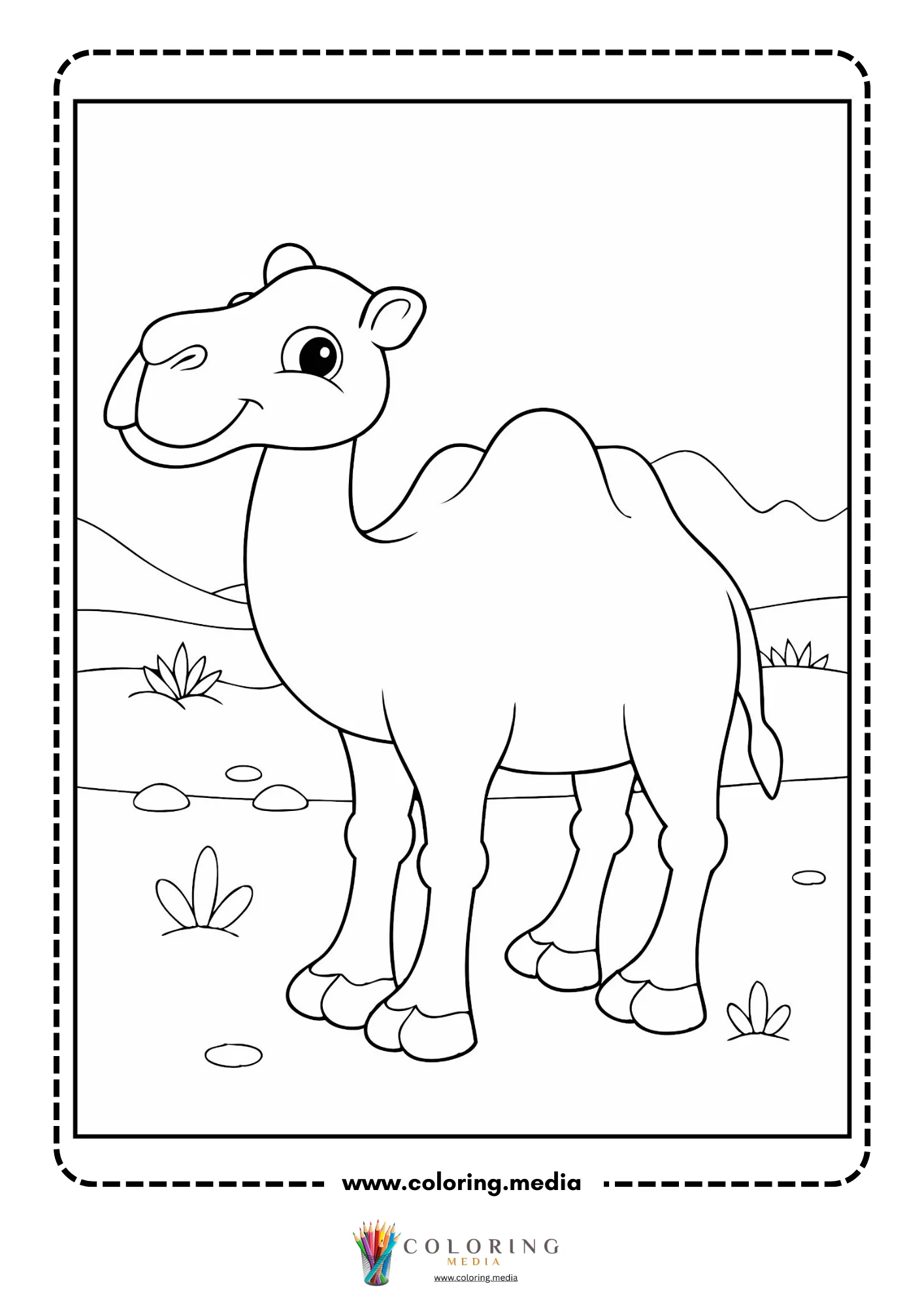
Kids tend to ask questions while they color something specific — why does the camel have that hump, how does the chameleon change color — and this set gives you 20 good animals to spark that conversation. Everything here is free to download and easy to print.
Free Printable Animal Adaptation Coloring Pages
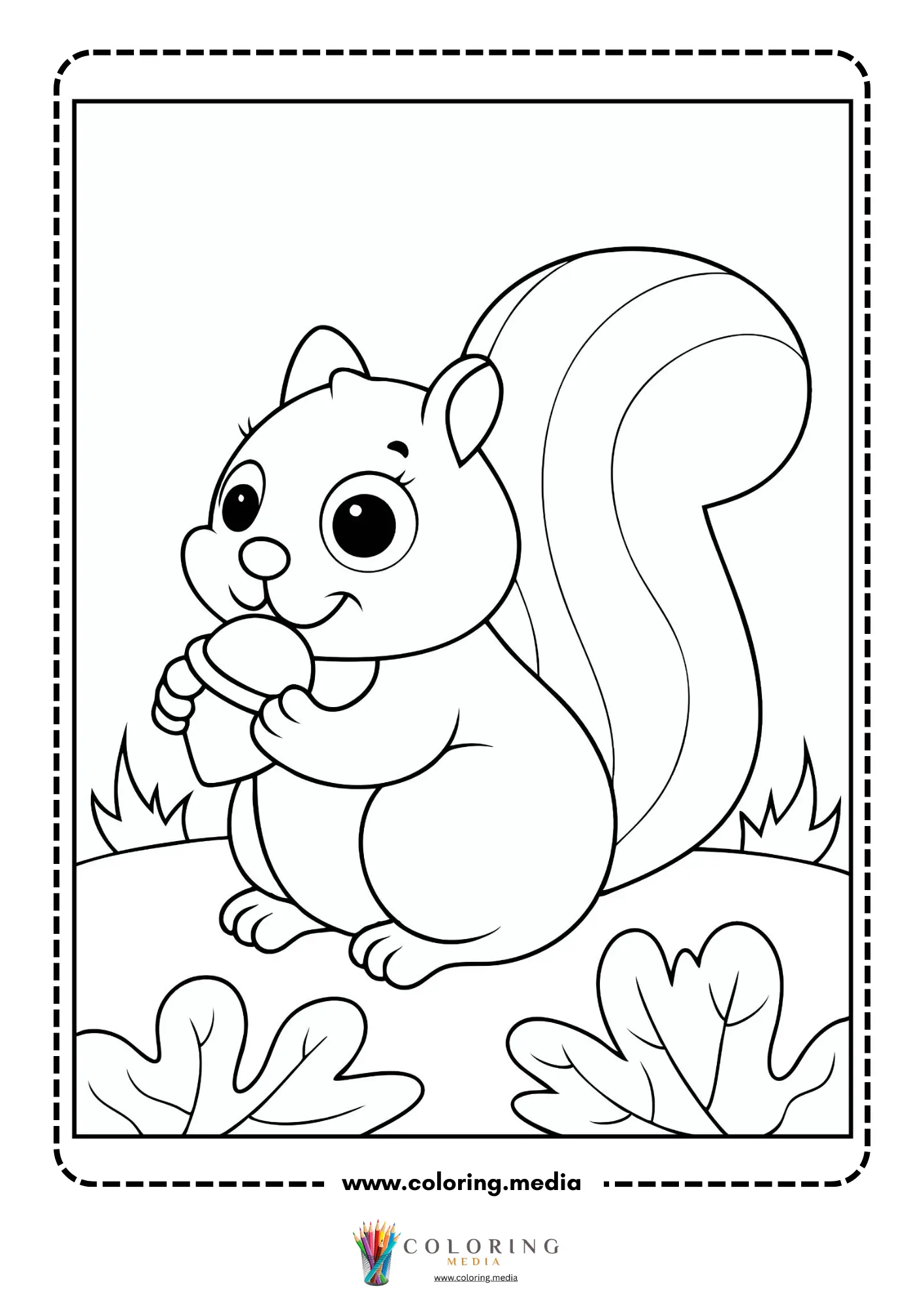
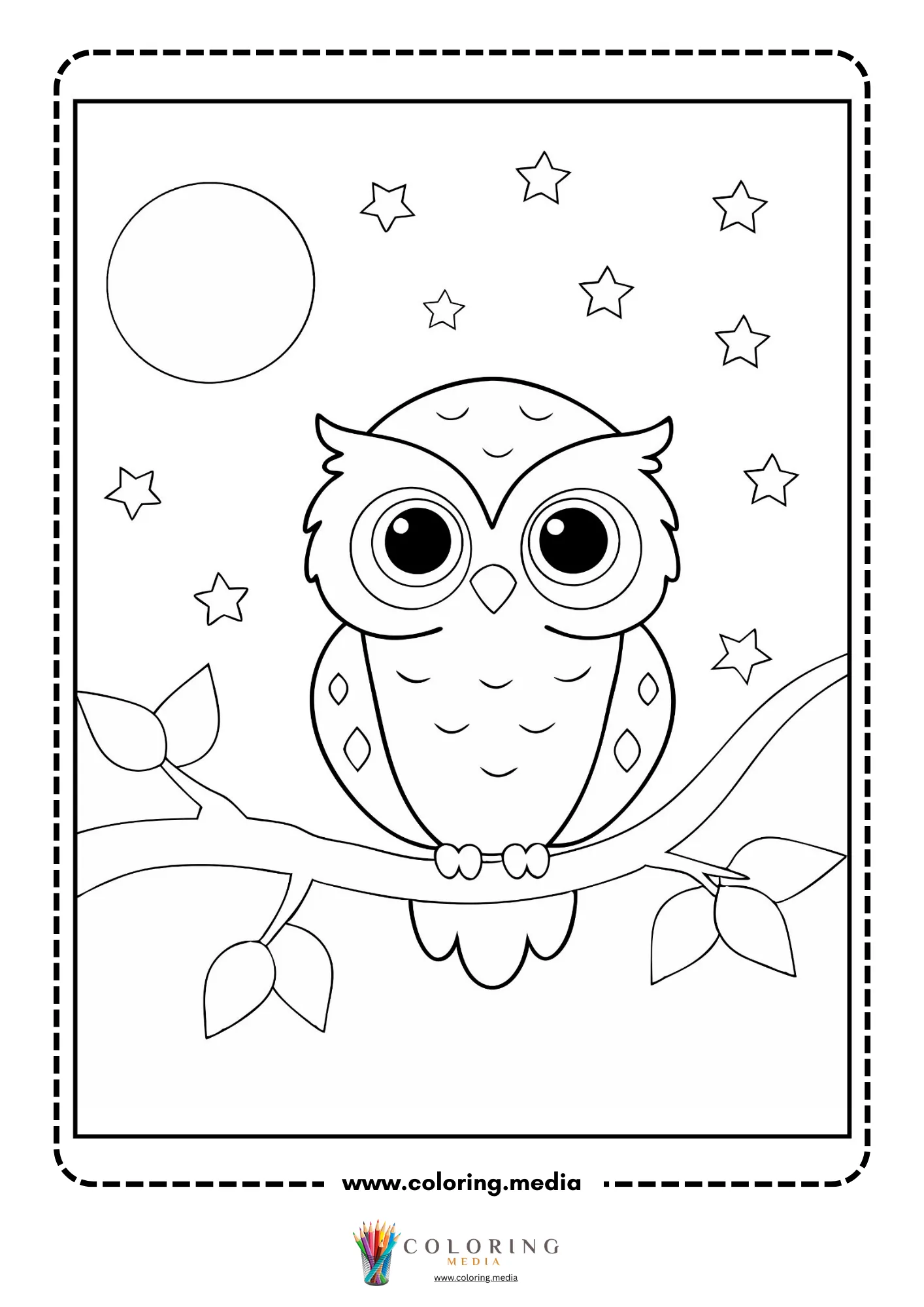
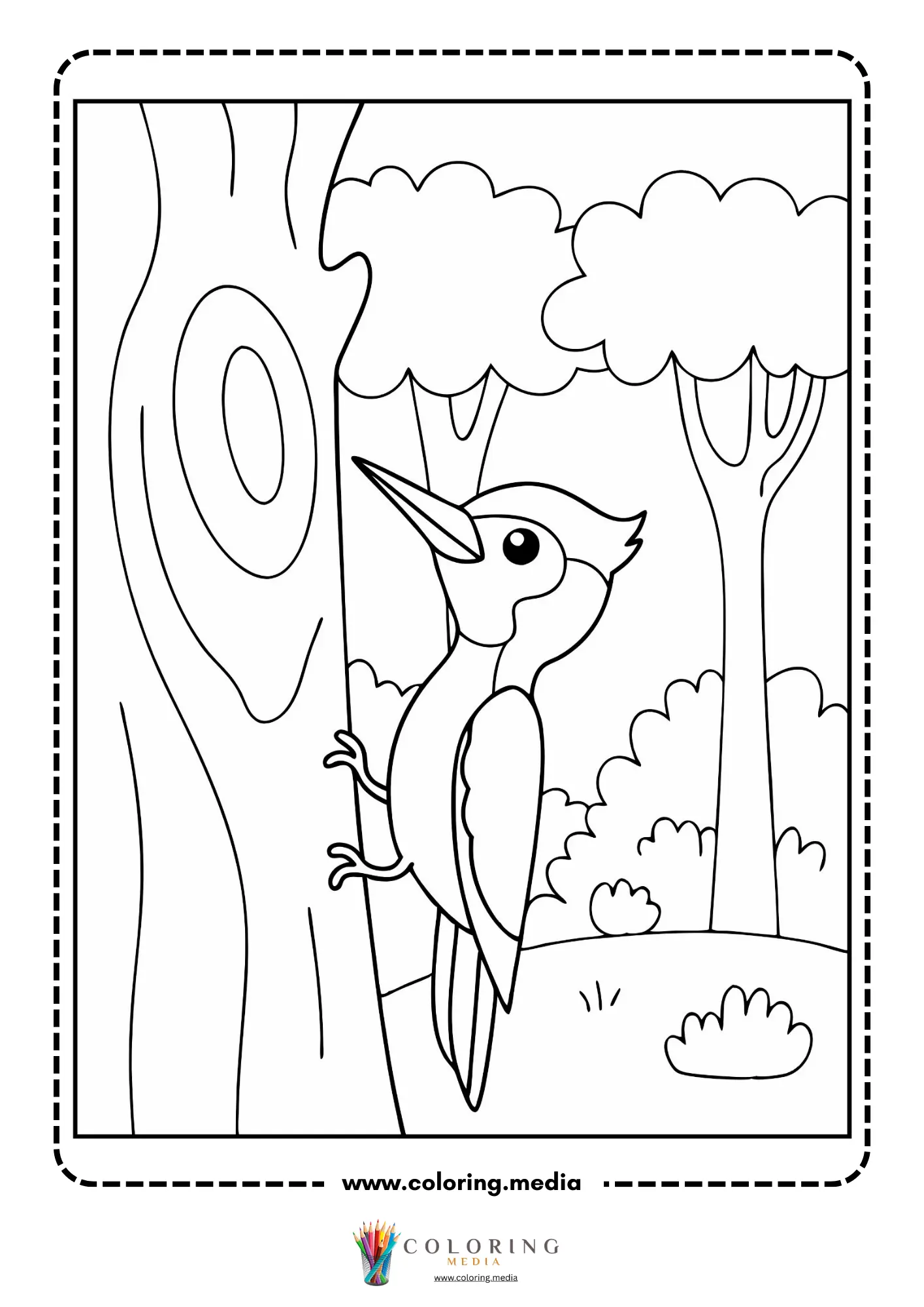
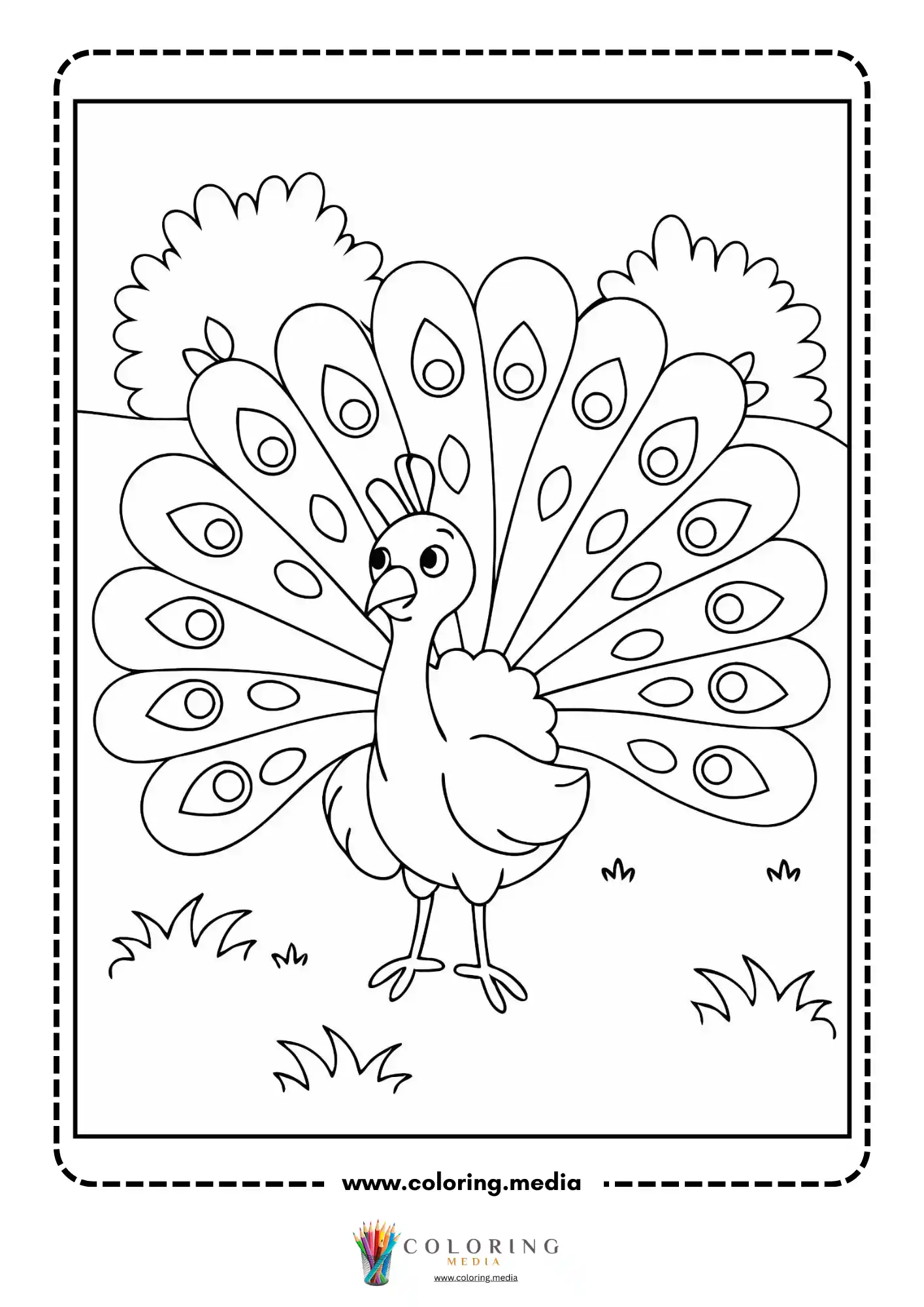
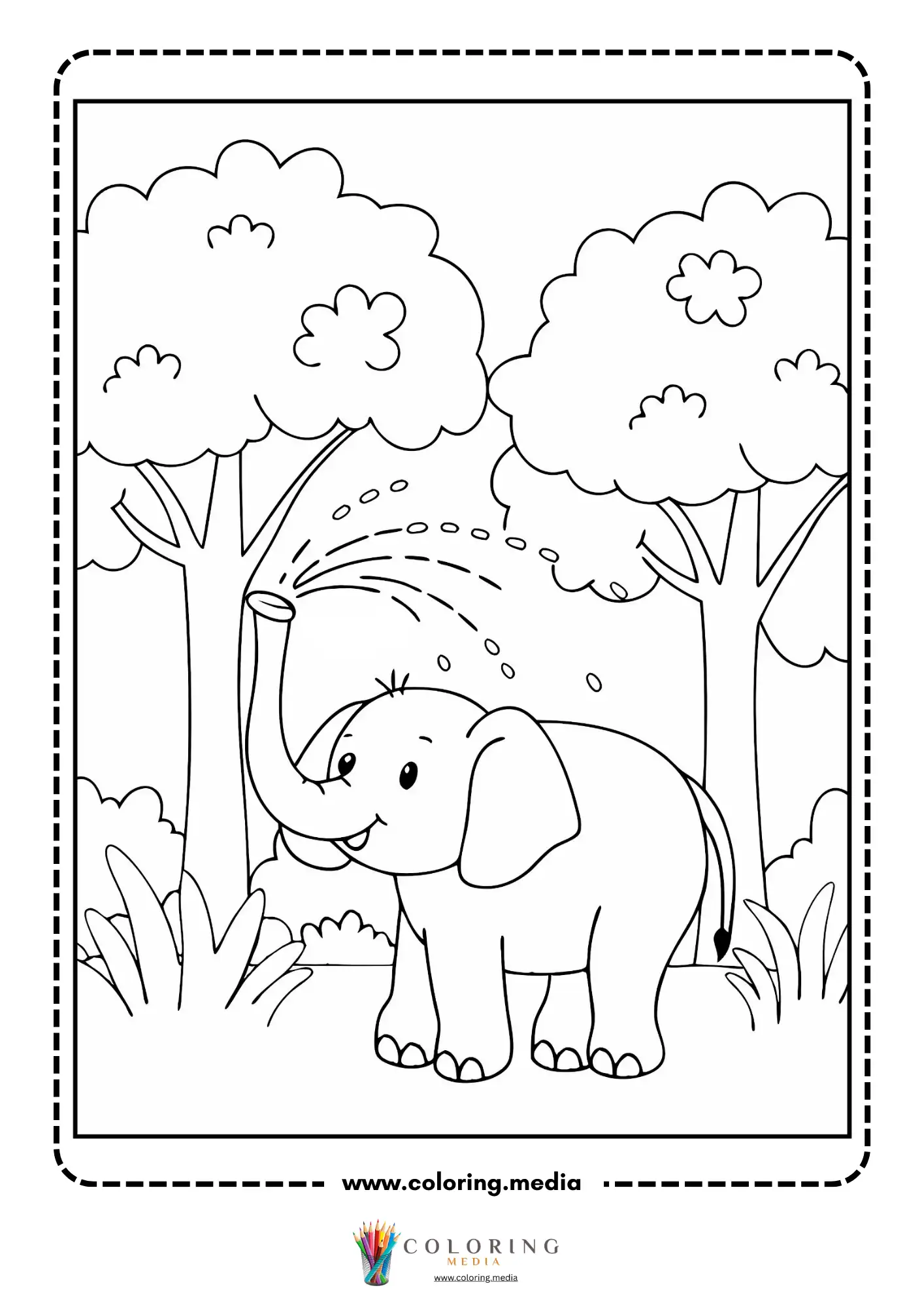
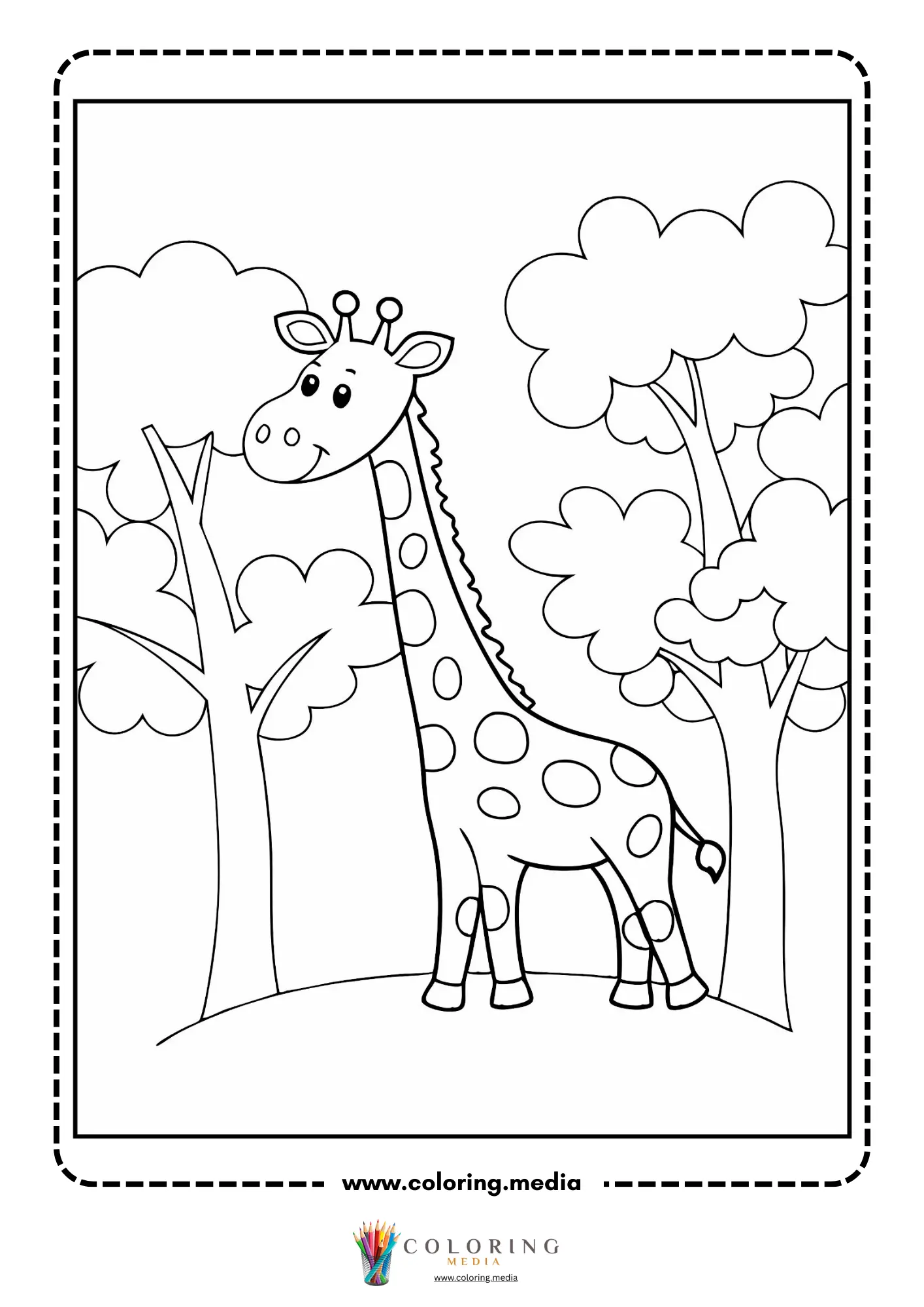
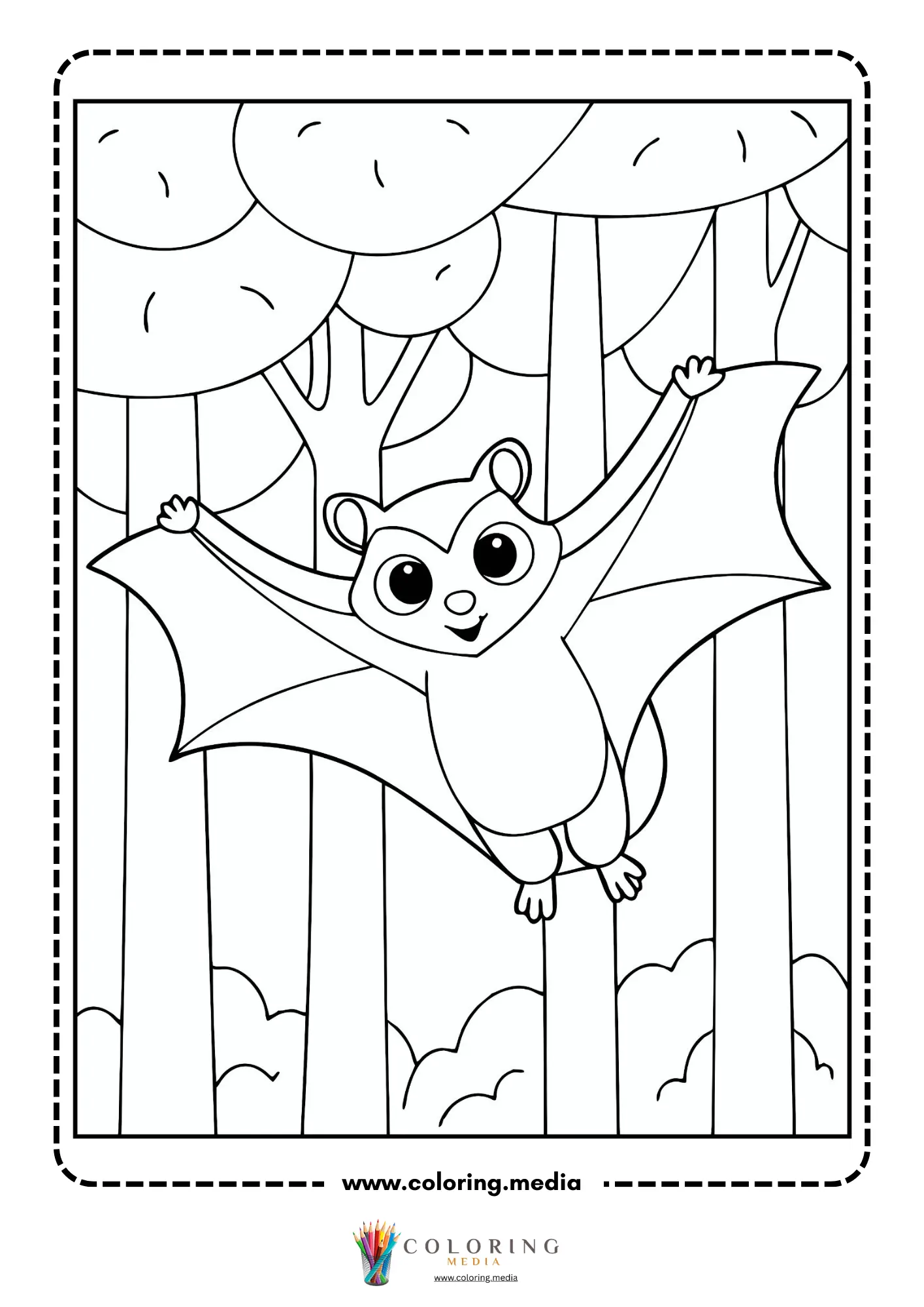
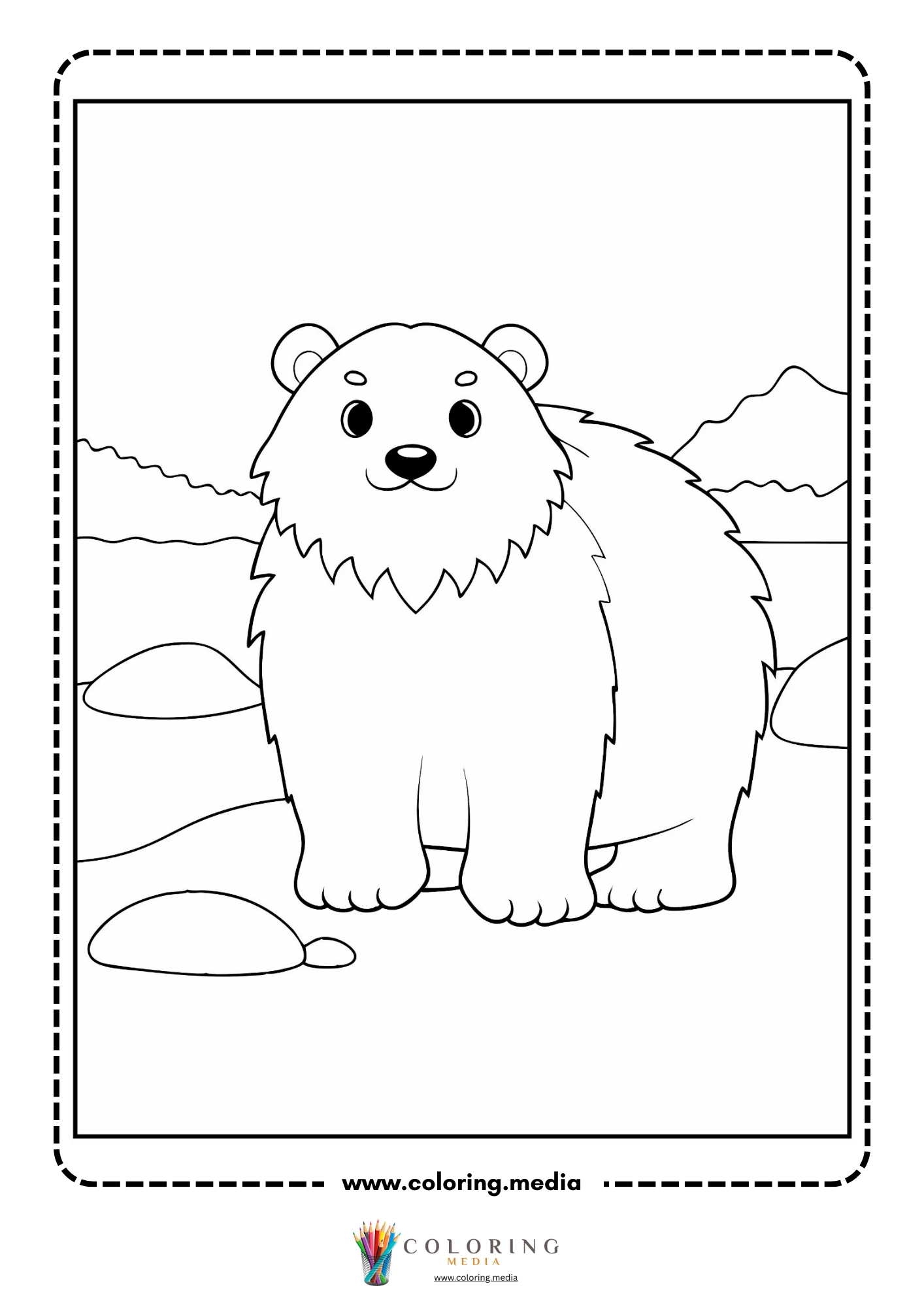
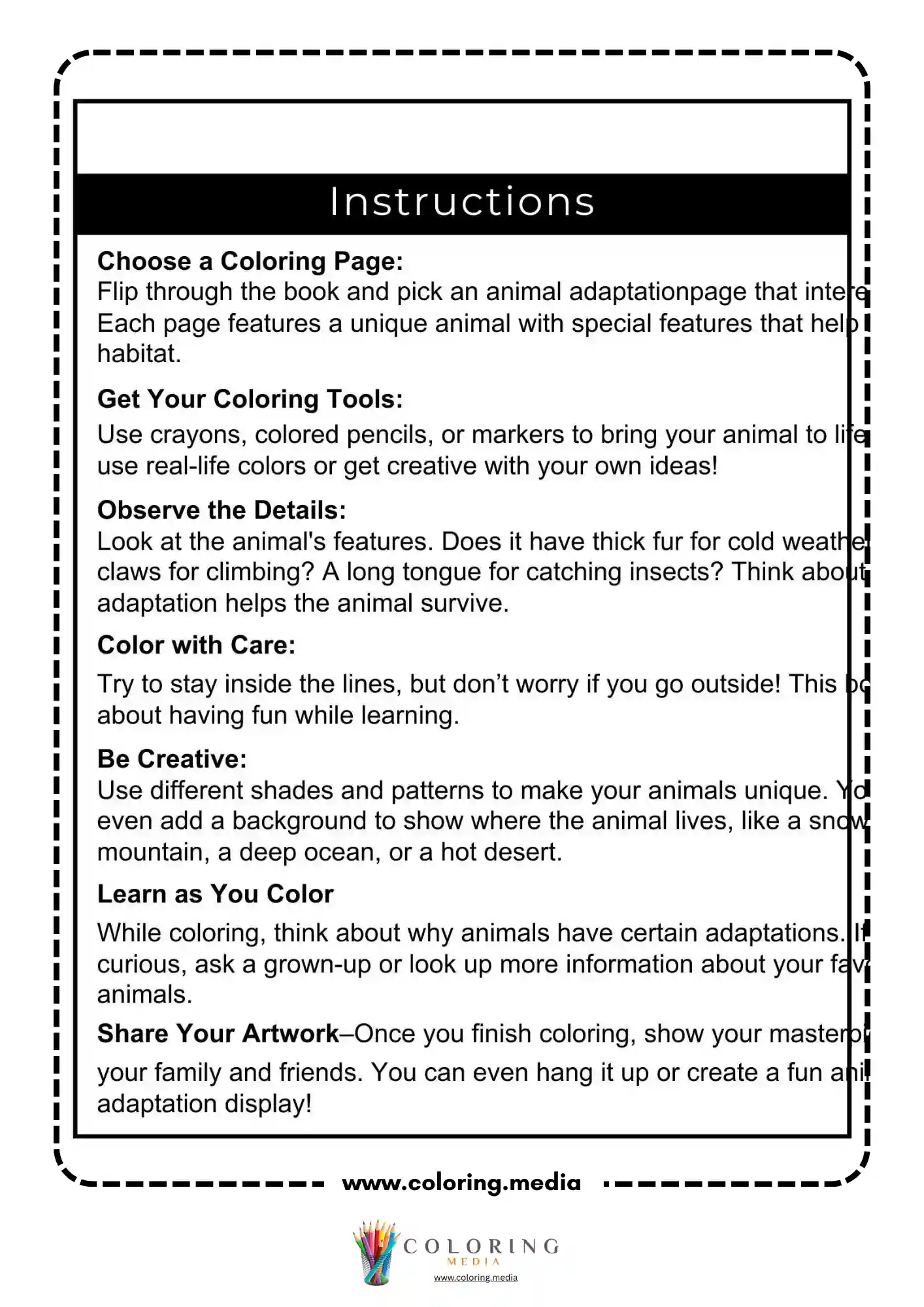
This collection includes 21 printable animal adaptation coloring pages featuring a squirrel, cheetah, camel, owl, woodpecker, peacock, elephant, beaver, dolphin, octopus, penguin, hedgehog, seahorse, kangaroo, turtle, giraffe, fennec fox, flying squirrel, polar bear, and chameleon — plus one illustrated instructions page. Each animal is drawn in its natural setting. Pages are sized for US Letter and A4 and print cleanly in black and white.
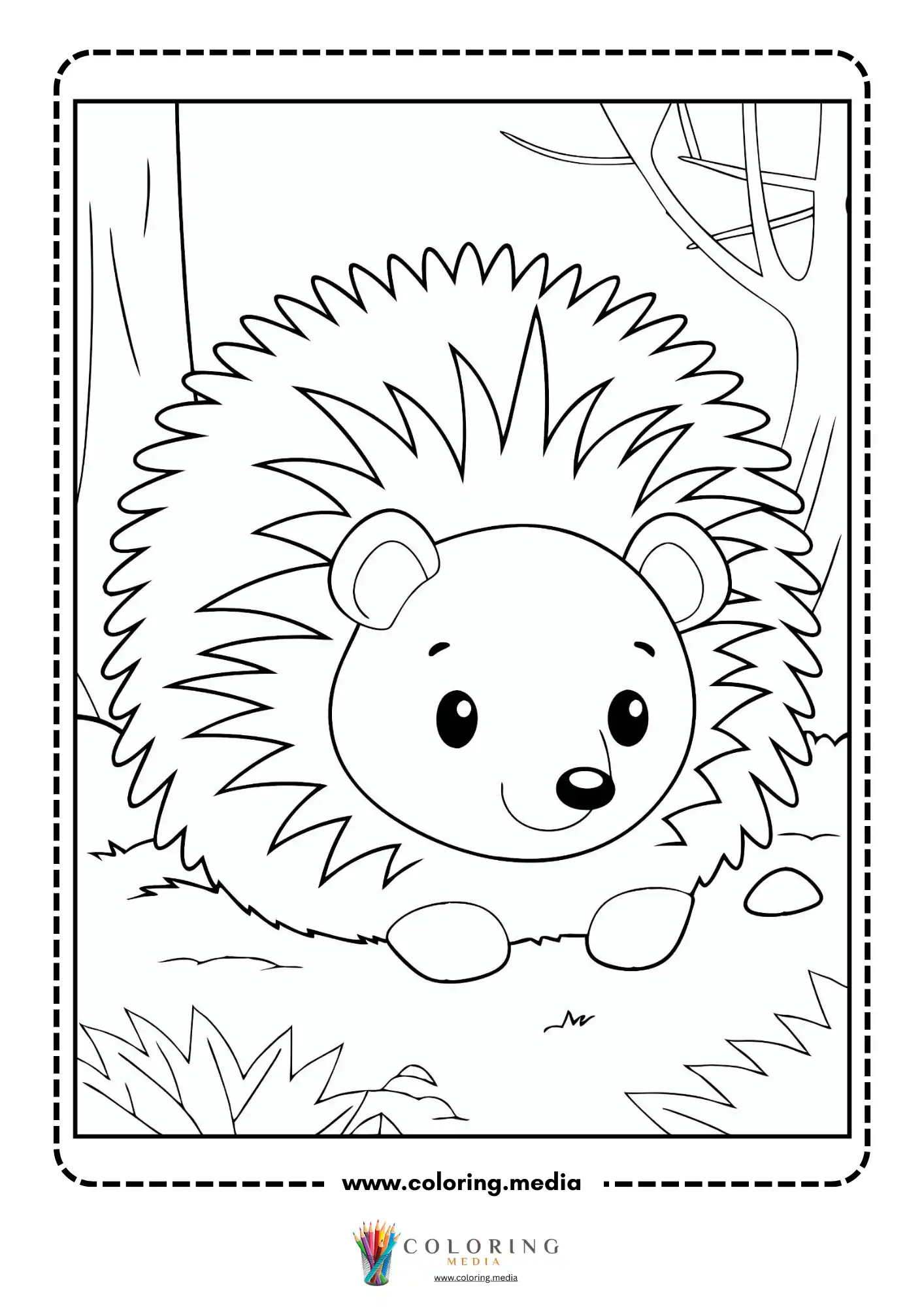
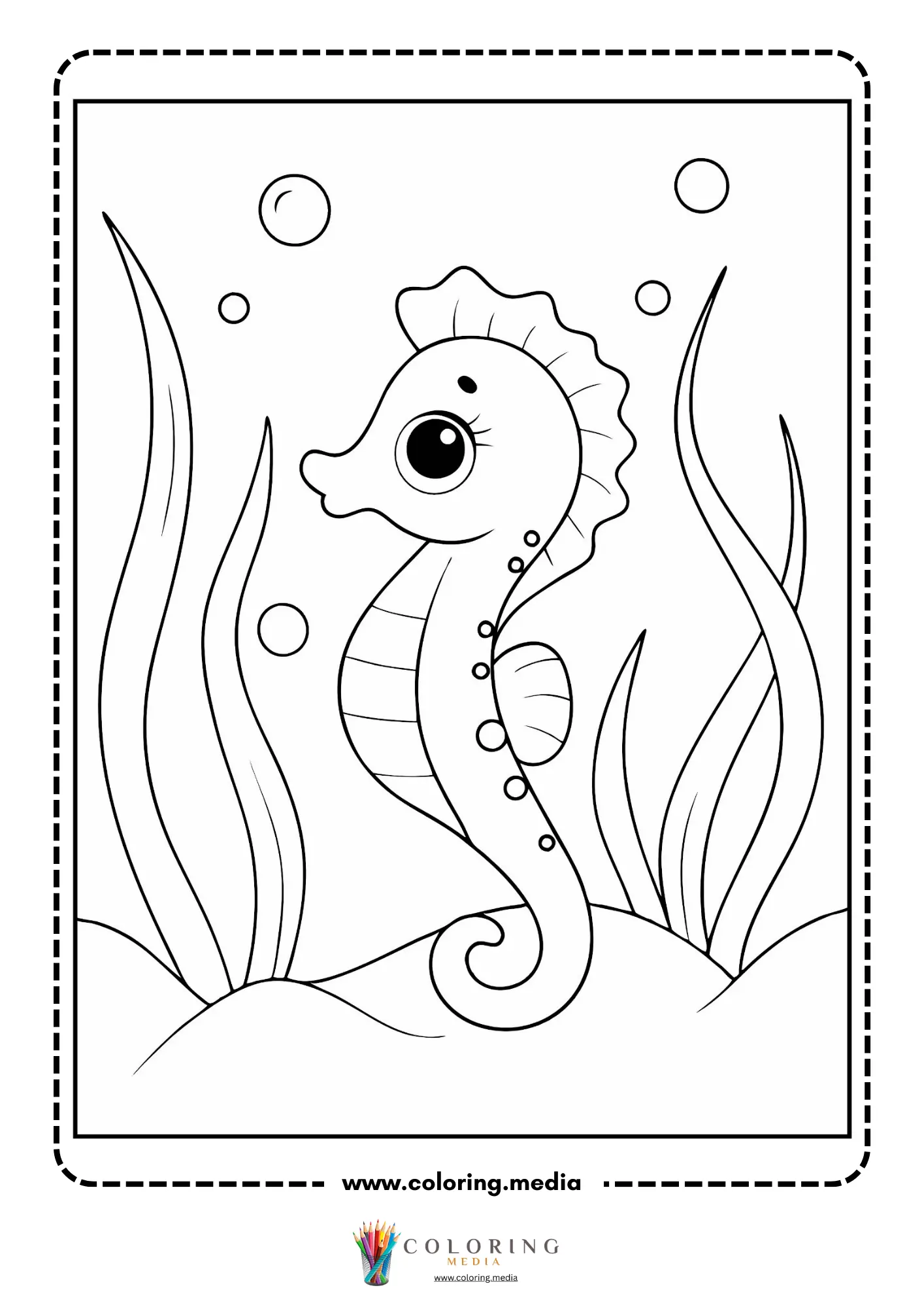
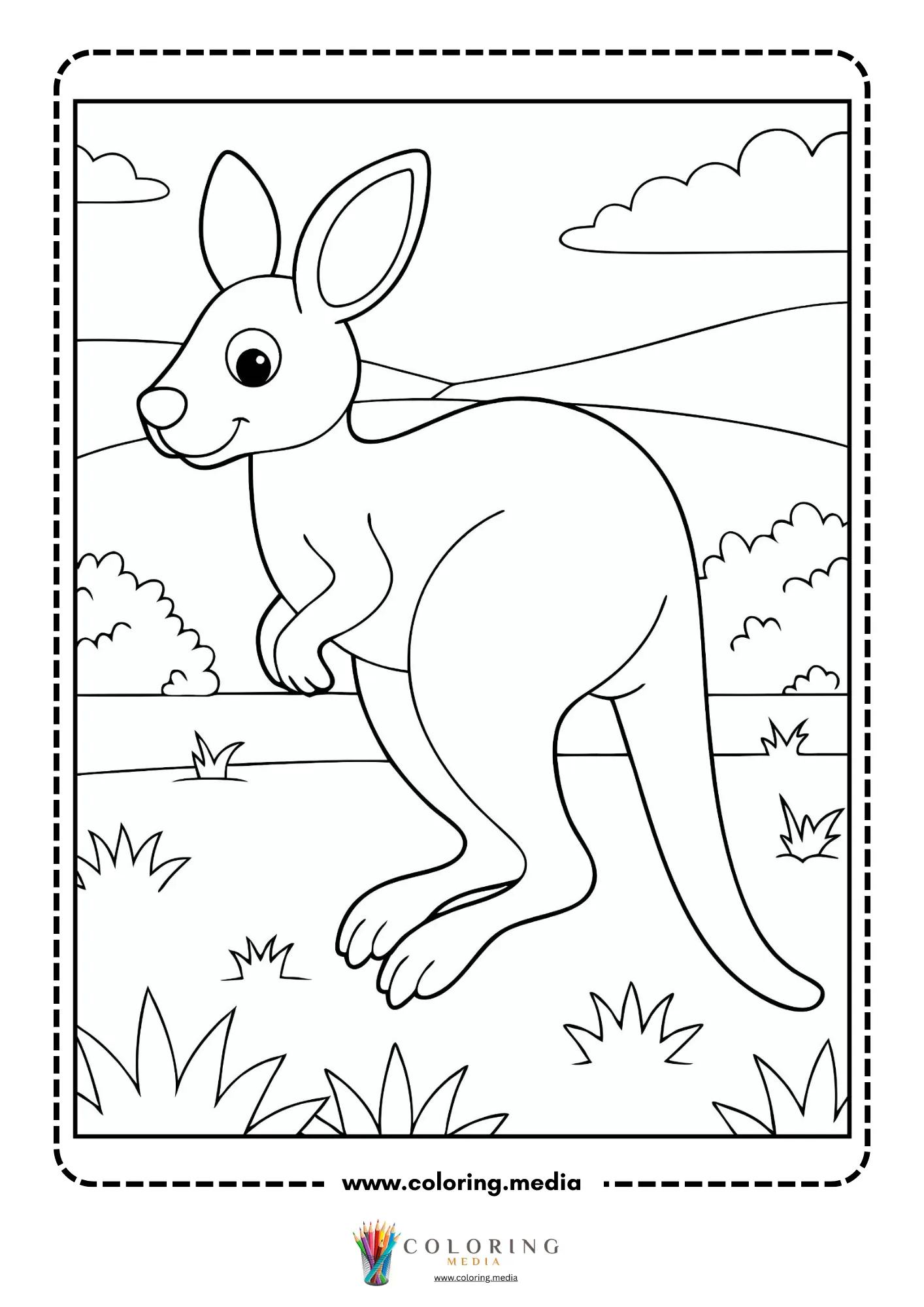
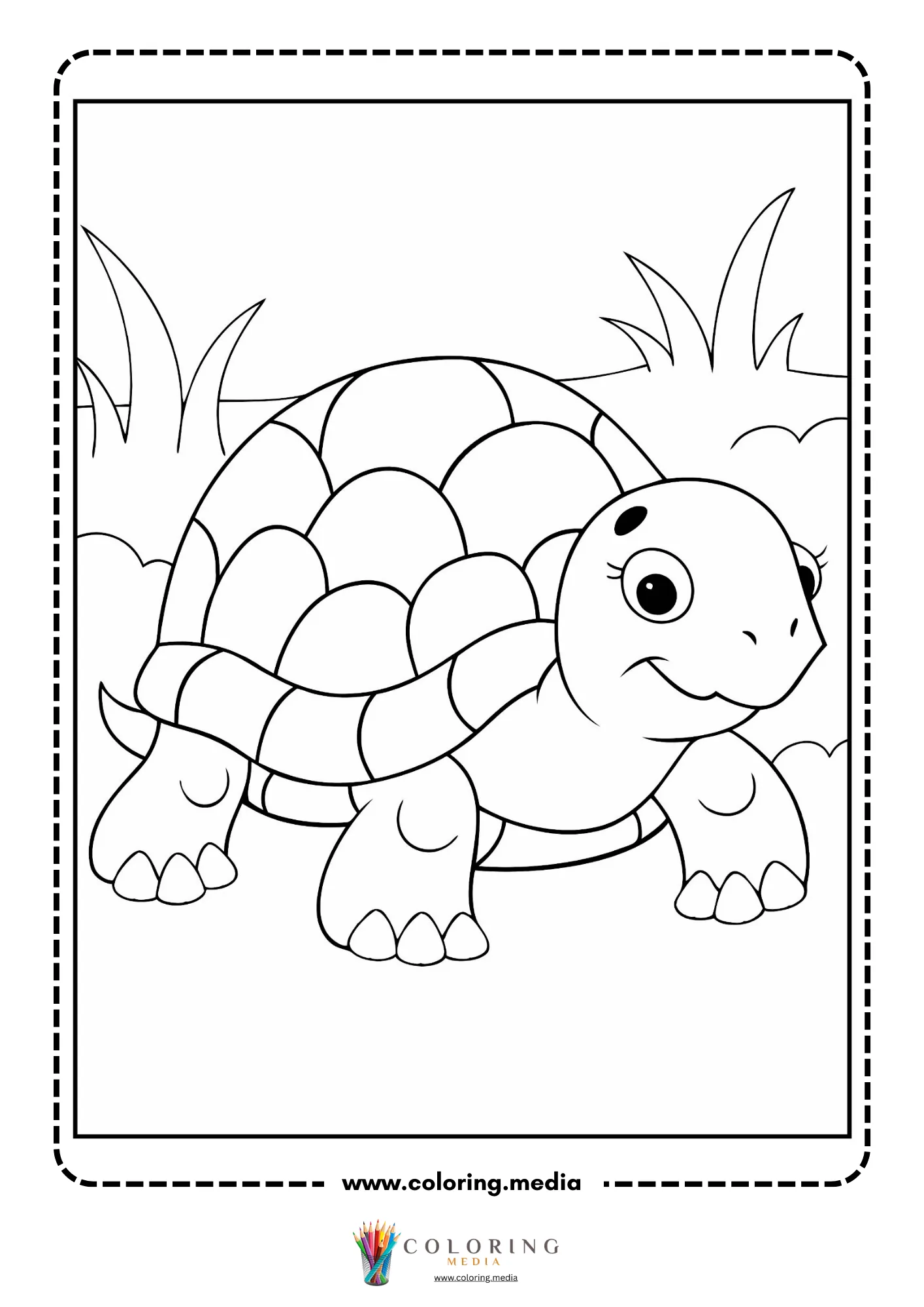
Who Are These Animal Adaptation Coloring Pages Best For?
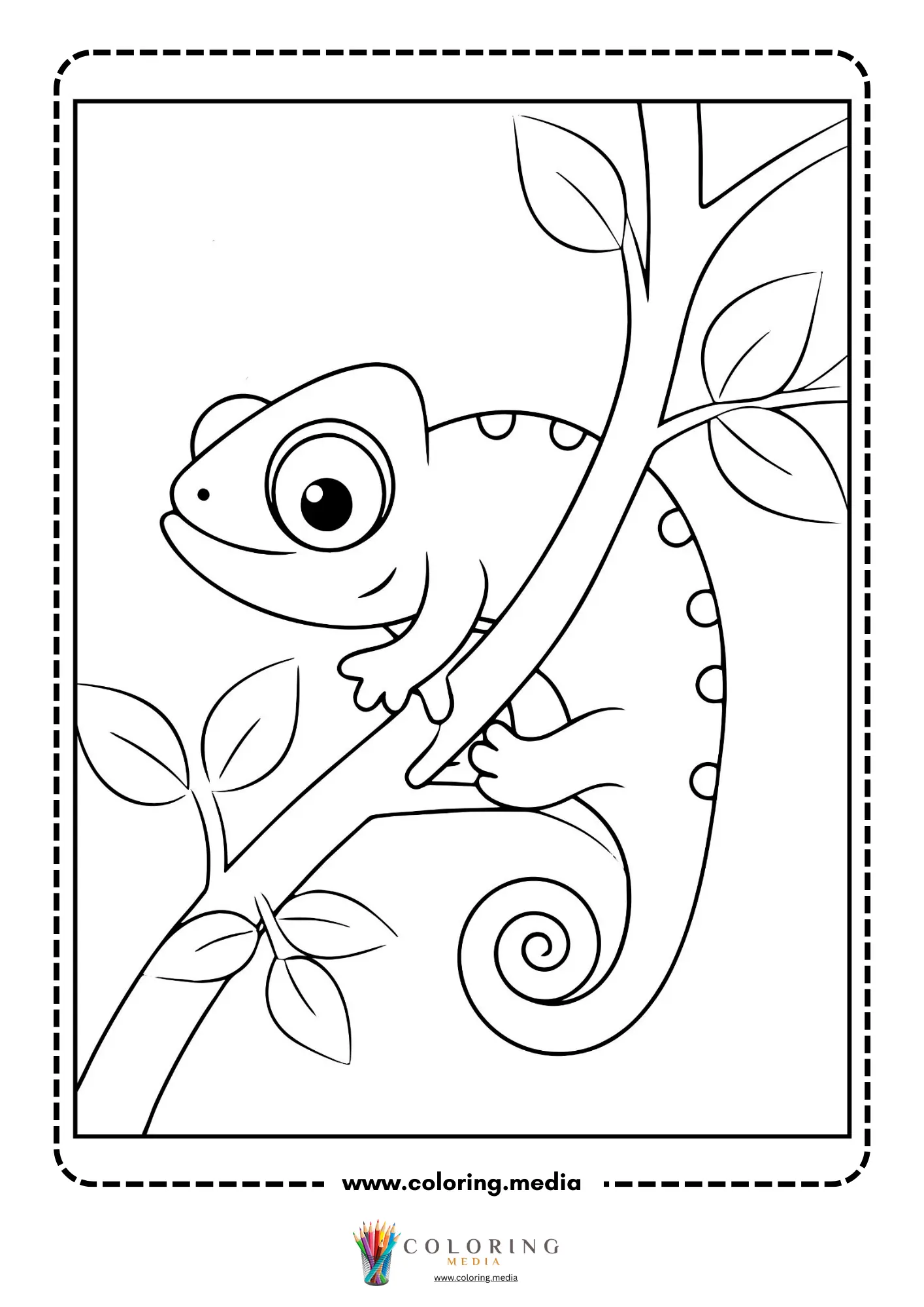
Most of these pages are a comfortable fit for kindergarten through early elementary — ages 5 to 8. The bold, clear lines help younger kids stay on track, while pages like the chameleon on its branch or the peacock with its full tail spread have enough going on to keep a second-grader genuinely engaged. A few simpler pages, like the polar bear and the dolphin, could work for a confident 4-year-old too.
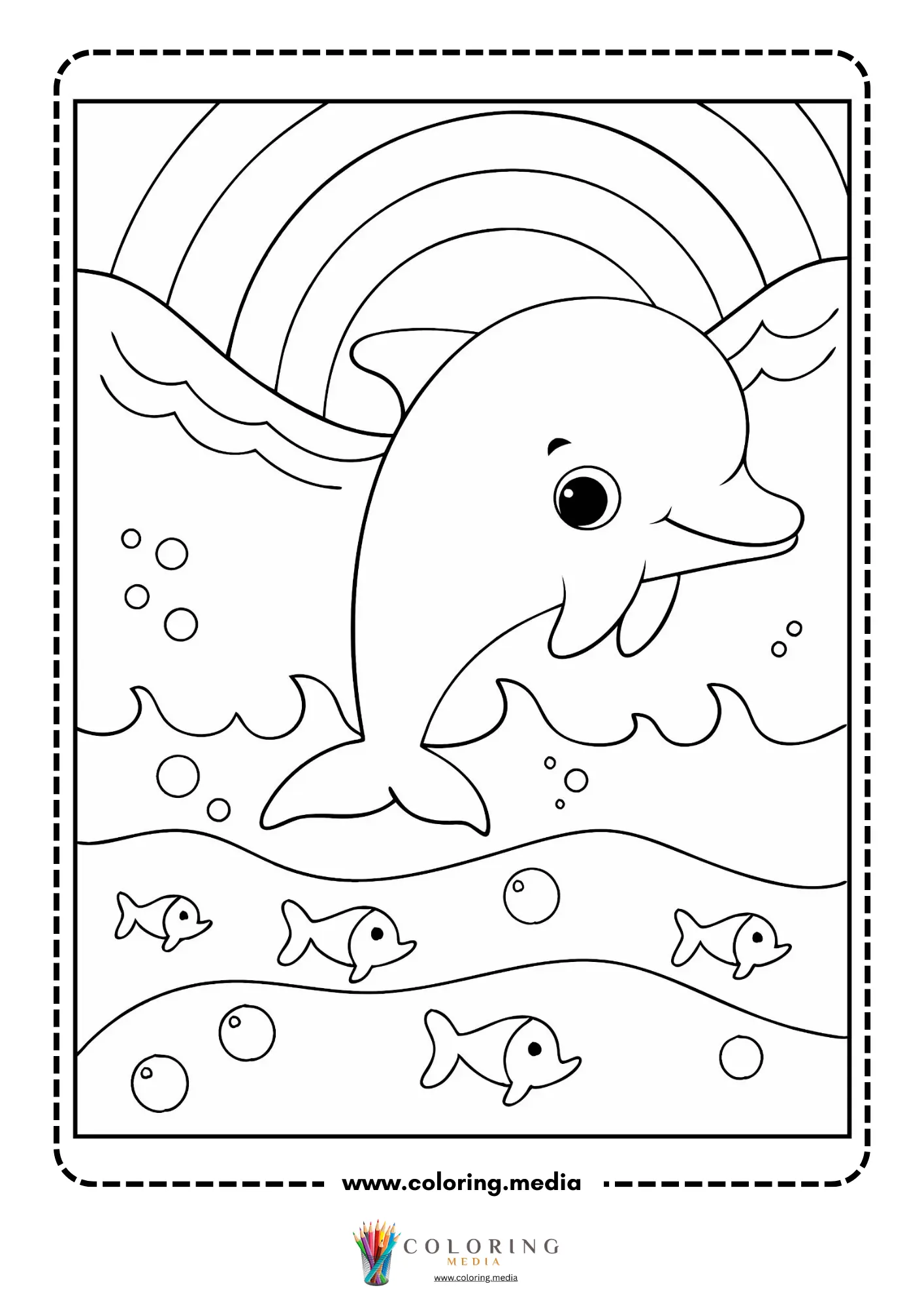
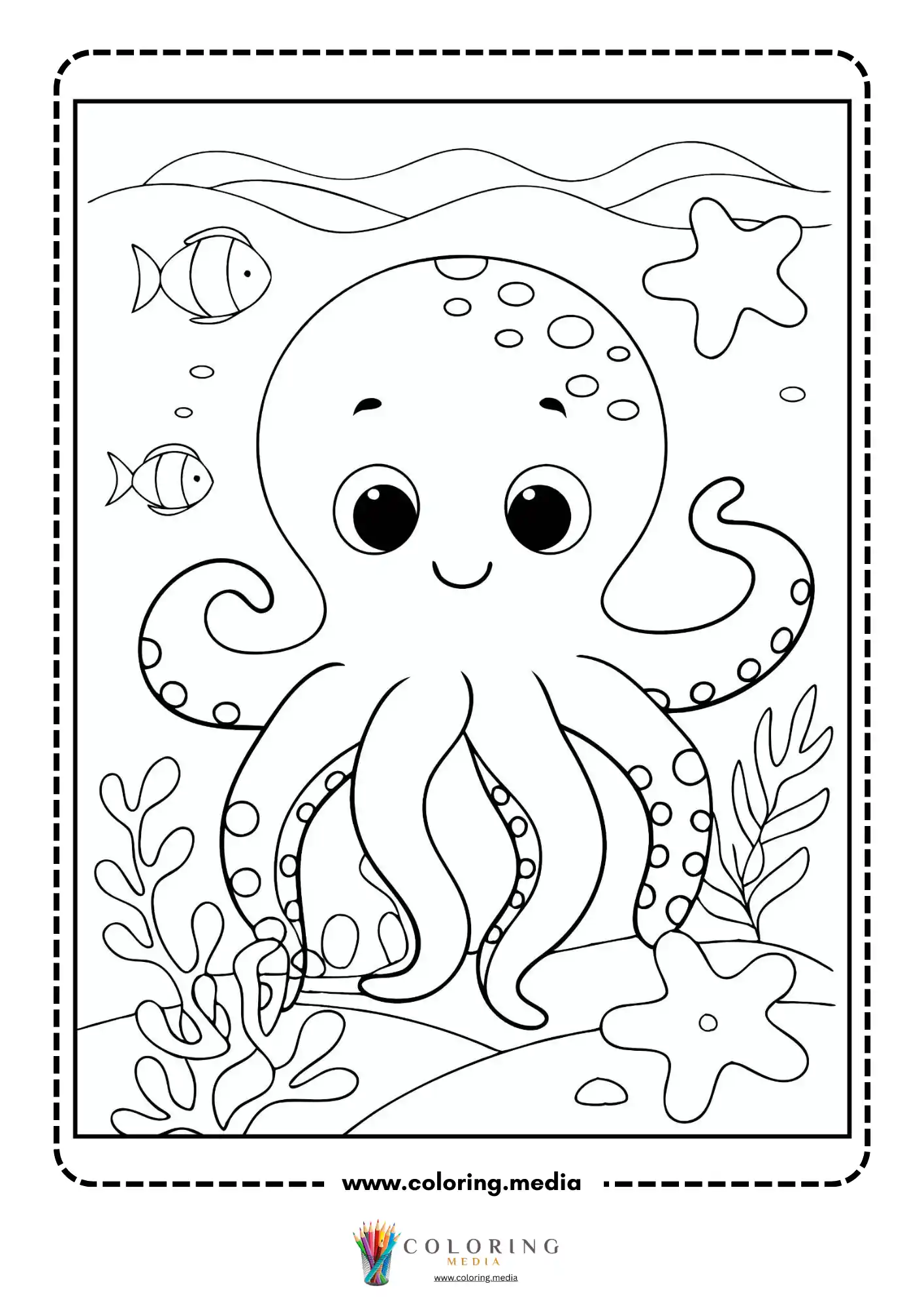
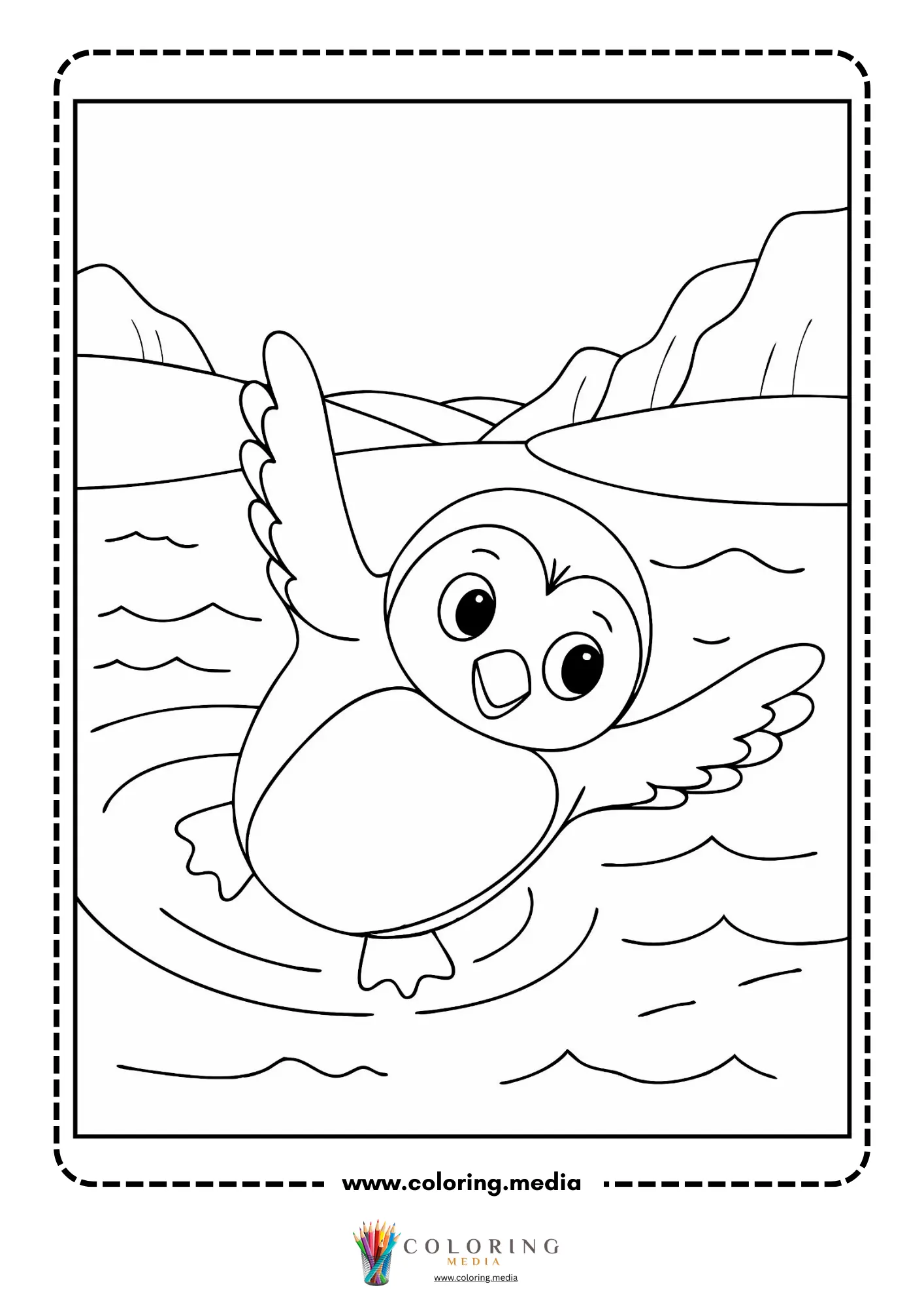
The topic connects naturally to first and second grade science, when kids are often studying habitats and how animals survive in them. Pair the right page with whatever the class just covered — ocean habitats for the dolphin, octopus, and seahorse; cold climates for the penguin and polar bear — and the coloring session becomes a quiet reinforcement of something they already learned. These work just as well at home for curious kids who simply like animals.
Interesting Animal Adaptation Facts to Share While Coloring
A cheetah can go from standing still to 60 mph in about three seconds. Its whole body is engineered for that burst — a flexible spine that coils and extends like a spring, non-retractable claws that grip the ground like cleats, and a deep chest that pulls in extra oxygen at speed.
A beaver’s teeth never stop growing. The constant gnawing involved in building and maintaining dams keeps them worn down. Without it, the teeth would curve back and eventually become unusable — so the building is as much about dental health as it is about home construction.
The fennec fox’s ears are almost half the length of its body. They do two things: pick up the sounds of prey moving underground at night, and release body heat through the blood vessels close to the skin’s surface, keeping the fox cool without sweating.
Chameleons change color mainly to communicate, not to hide. Mood, temperature, and social signals all trigger the shift. The camouflage effect is real, but it is almost a bonus rather than the main purpose.
Creative Animal Adaptation Coloring and Craft Ideas
Habitat Backdrop
Draw the animal’s natural environment on a separate sheet and glue the finished coloring page on top for a layered scene.
Hot vs. Cold Sort
Color desert animals in warm tones and cold-climate animals in cool blues and whites. Talk about why their features point in such different directions.
Spot the Adaptation
After coloring, draw one labeled arrow to the body feature that helps the animal survive — the beaver’s teeth, the owl’s large eyes, the giraffe’s neck.
Mini Field Guide
Stack the finished pages, write one fact under each animal, and bind with a staple or binder ring into a personal reference book.
Photo Reference Challenge
Look up a real photo of the animal before coloring and try to match the actual colors as closely as possible with whatever supplies are on hand.
Habitat Sort Game
Cut out the finished animals and sort them onto large sheets labeled ocean, desert, forest, grassland, and Arctic. A few will be trickier than they look.
How to Print These Animal Adaptation Coloring Pages
Each file is a single-sided PDF that fits US Letter (8.5 x 11 in) and A4 paper with no scaling needed. Standard copy paper works fine for crayons and colored pencils; cardstock is worth it if kids plan to use markers or watercolors. Set your printer to grayscale — the pages are already black and white, so it saves ink.
Explore More Animals Coloring Pages
If you enjoyed these pages, you may also like:
Birds Coloring Pages
Butterfly Coloring Pages
Farm Animals Coloring Pages
Sea Life Coloring Pages
Animals Coloring Pages