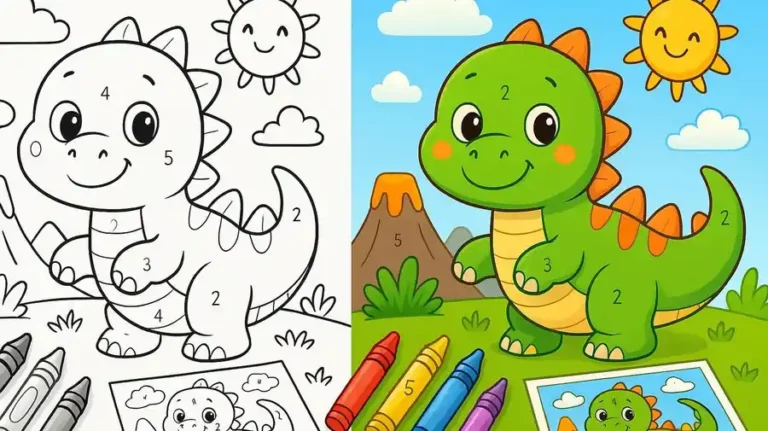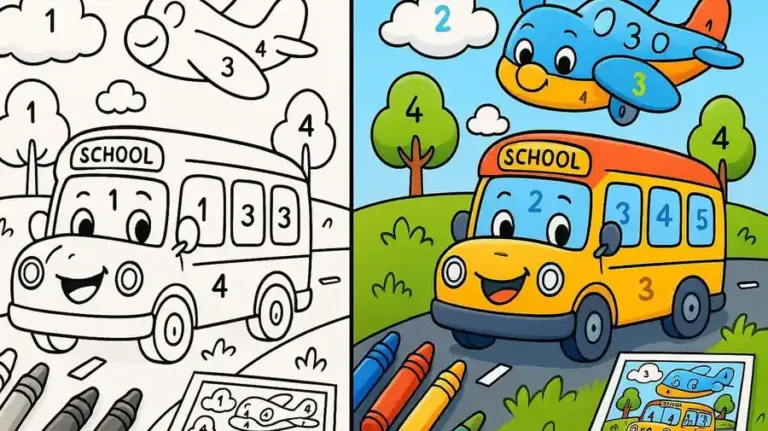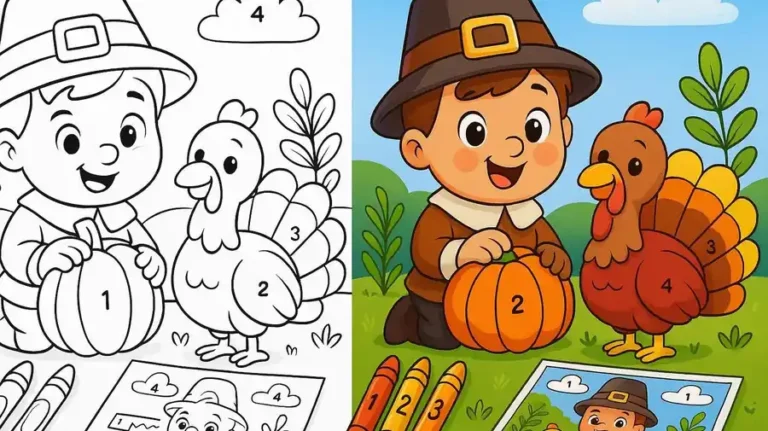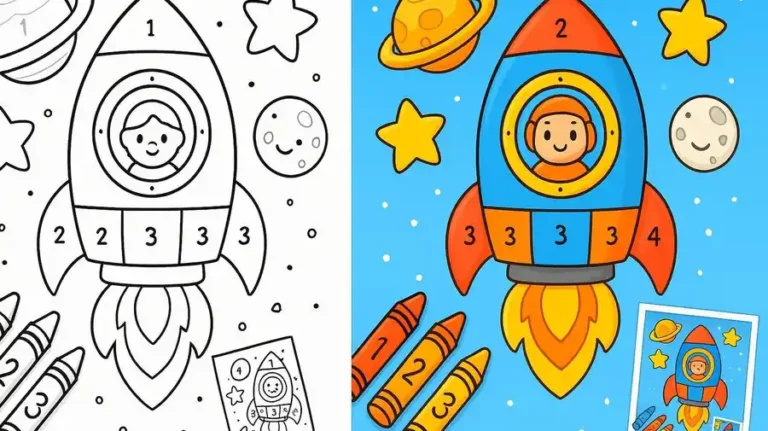

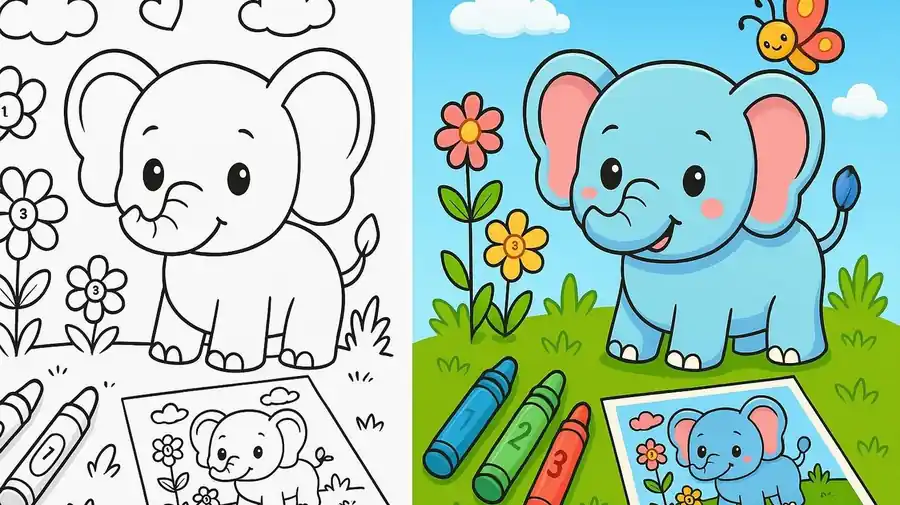
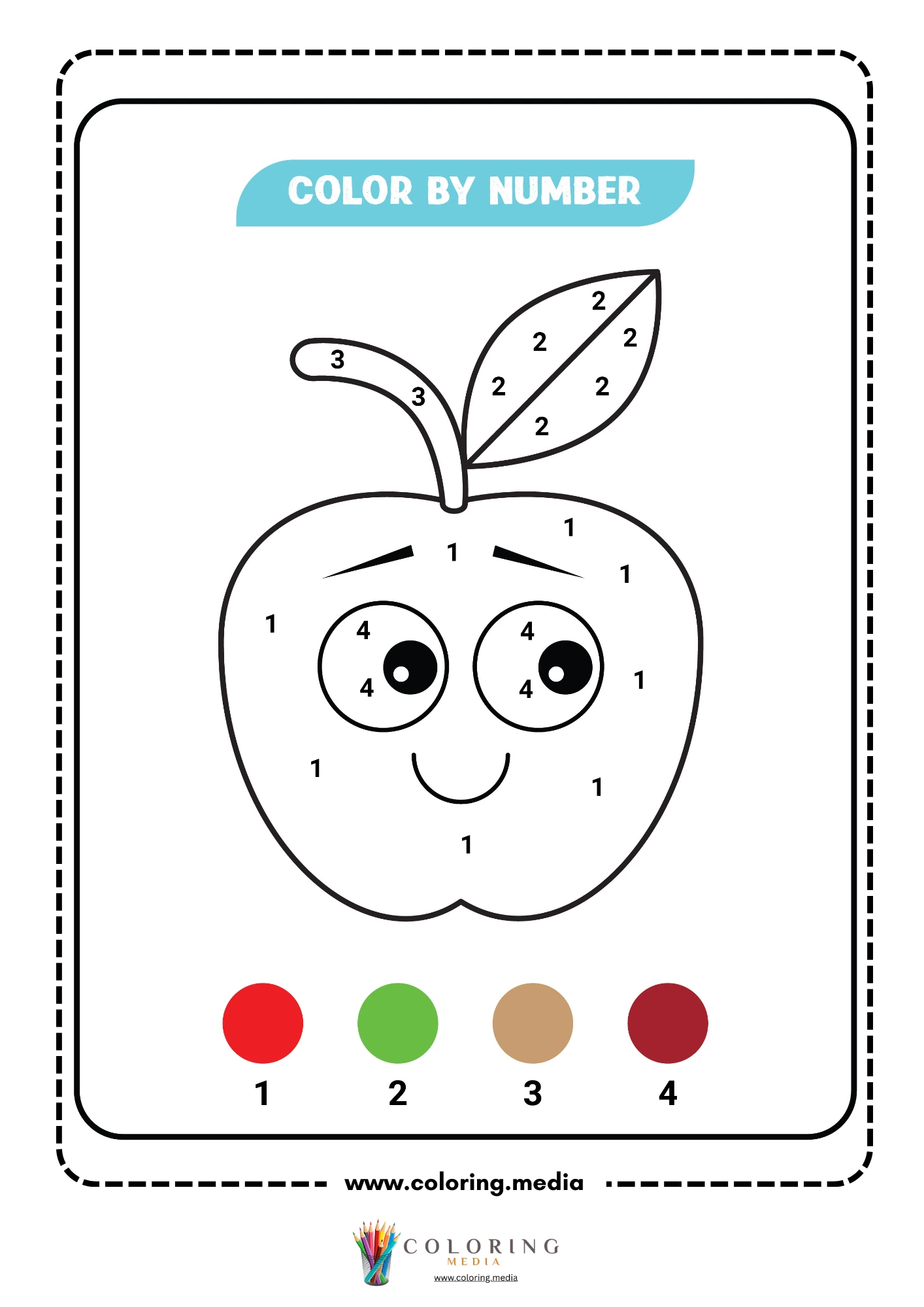
Each page in this set features one large kawaii-style object — a rubber duck, a tiered birthday cake, a cactus in a terra cotta pot, a smiling sun with rosy cheeks — drawn with thick black outlines and divided into four to eight oversized color zones. The number key at the bottom of every page uses colored dots beside the numerals, so a child who can’t yet identify written numbers can still match by color sample alone. That single design decision opens the whole format up to kids who are a full year younger than a standard numbered grid would reach.
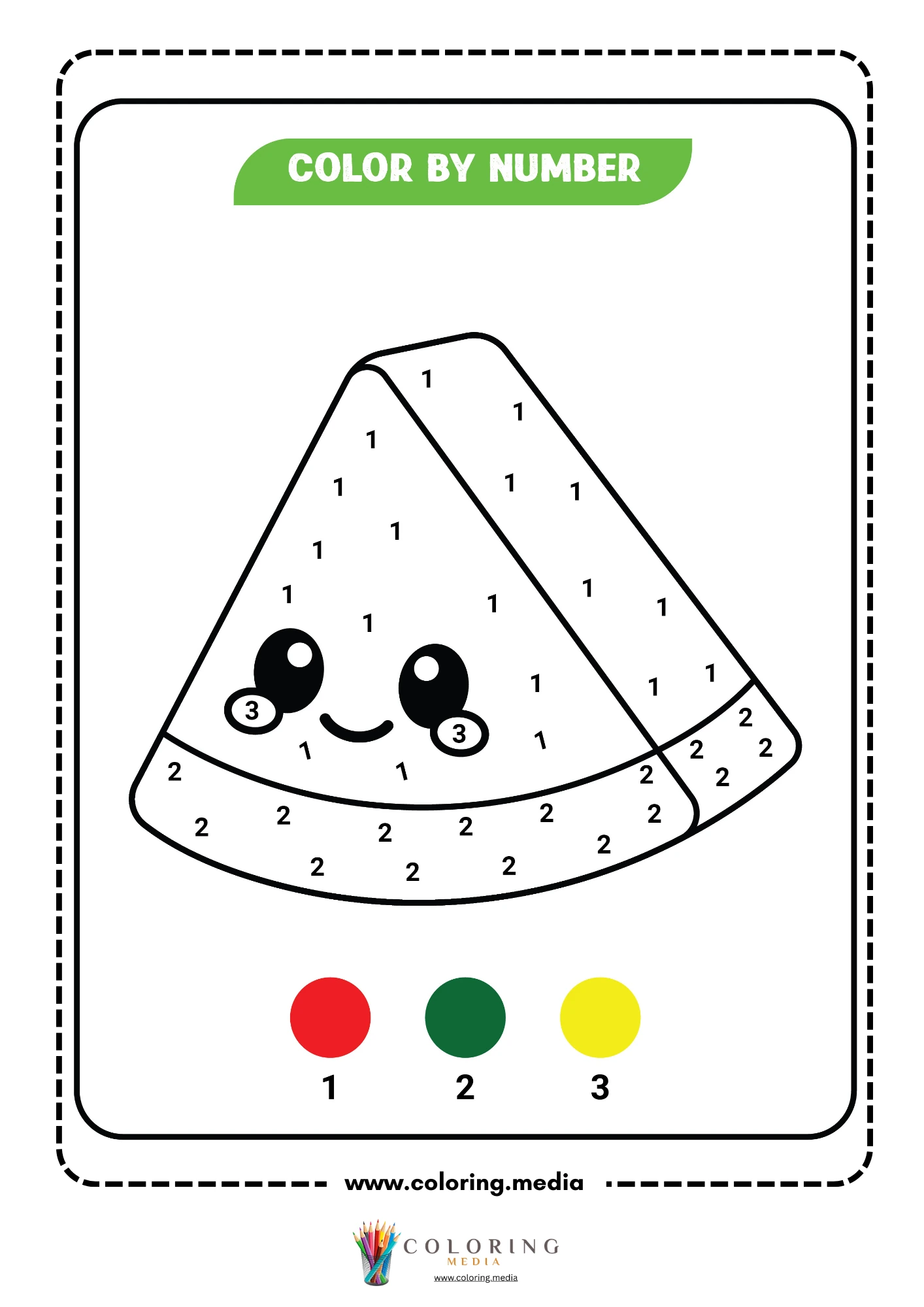
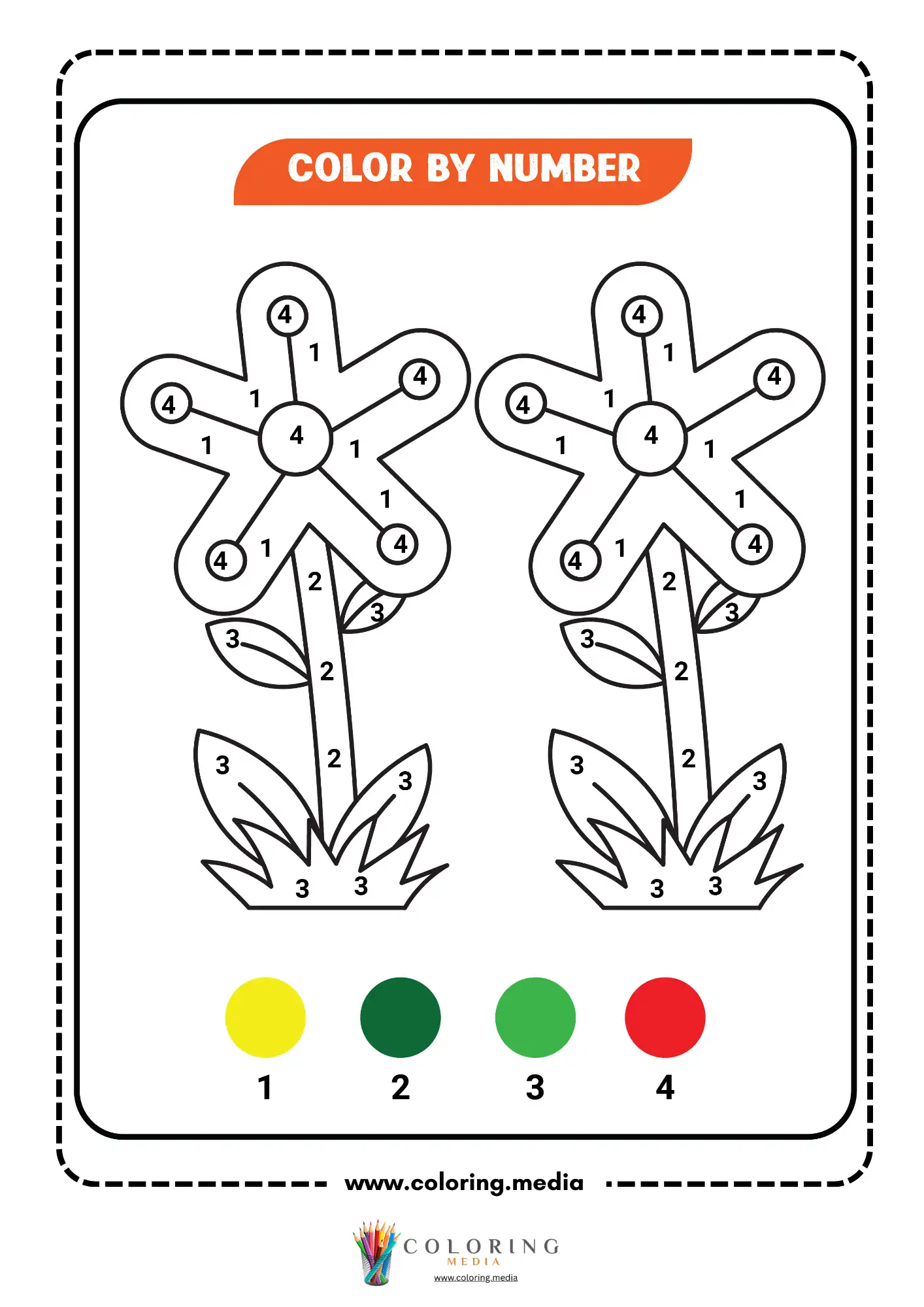
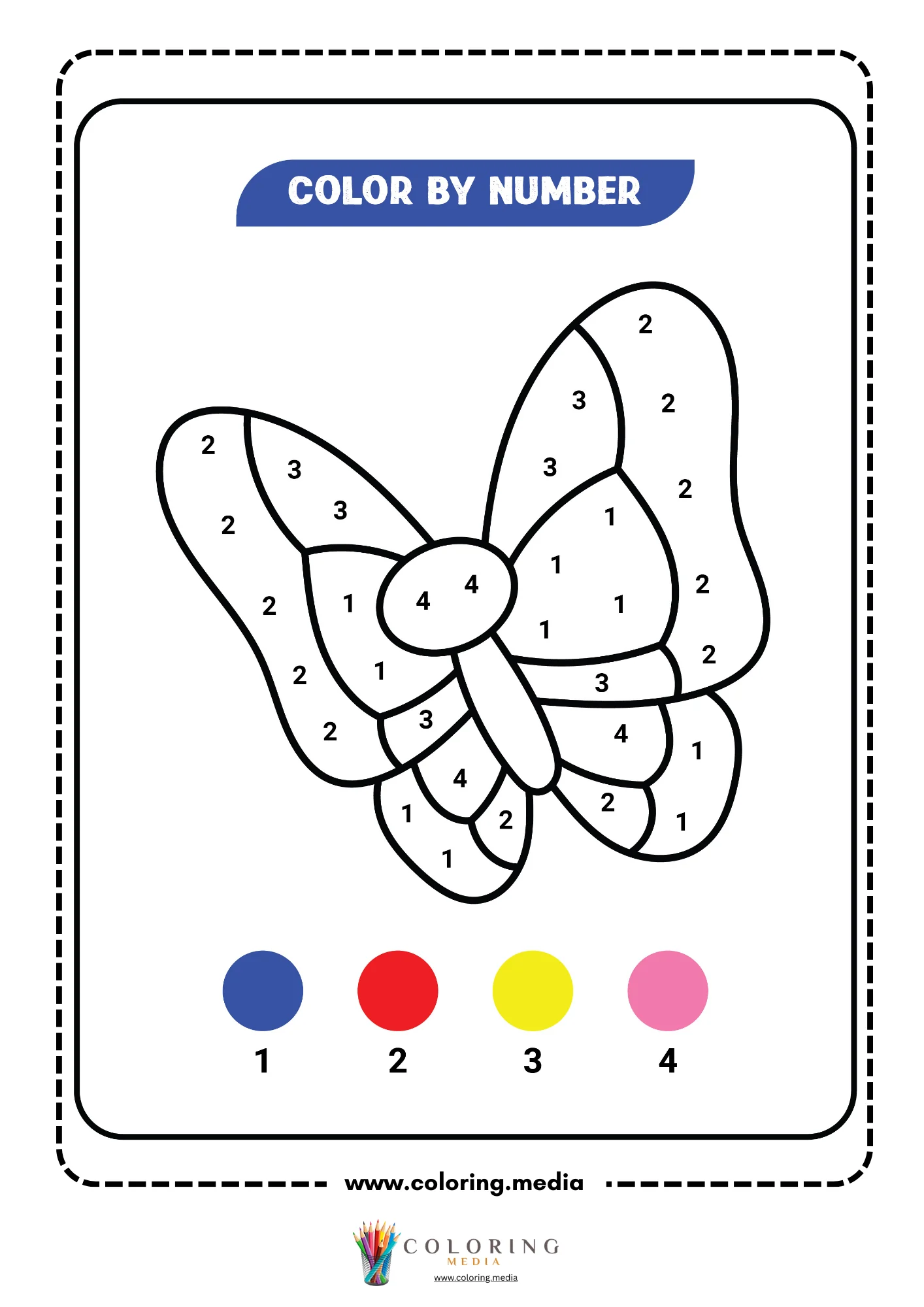
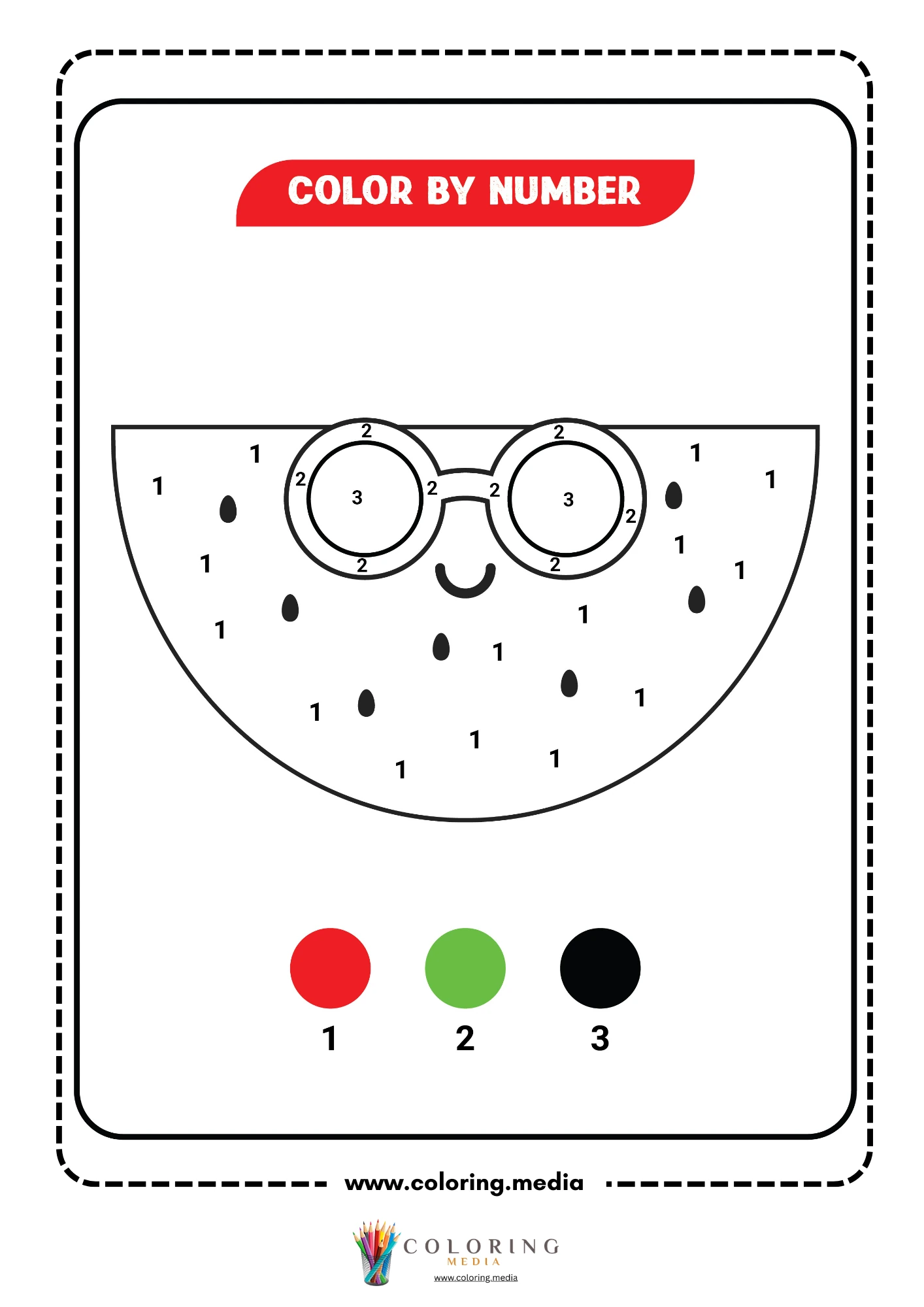
The subjects rotate through cheerful, familiar things: ice cream cones, watermelon slices, butterflies, a polka-dot ball, a beach ball, a hamburger, flowers, a bee, a mushroom, a snail. There’s enough variety across the 25 pages to keep a preschooler interested across multiple sittings without any theme wearing thin. Everything here is free to download and easy to print.
Free Printable Color by Number Easy Kindergarten Coloring Pages
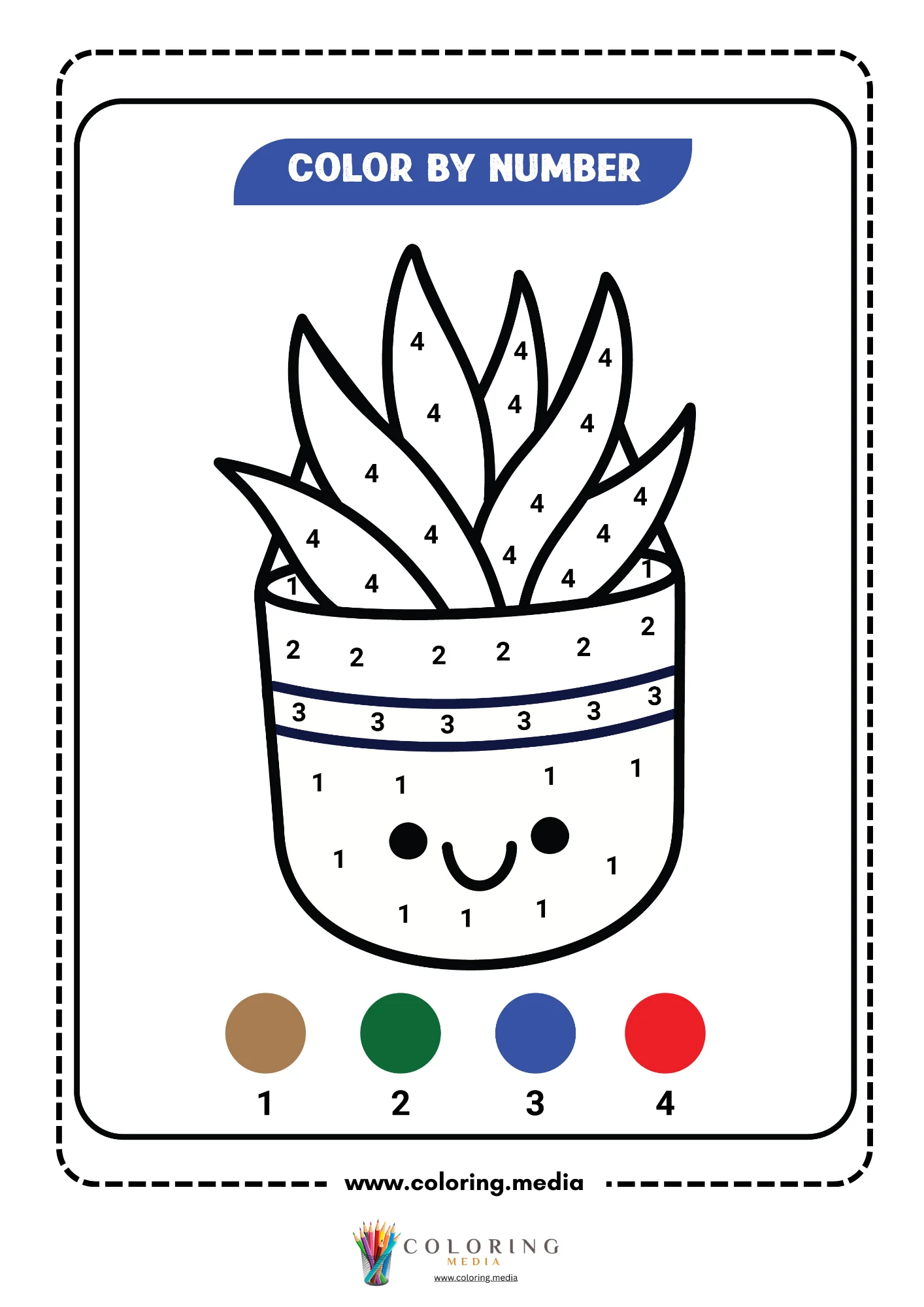
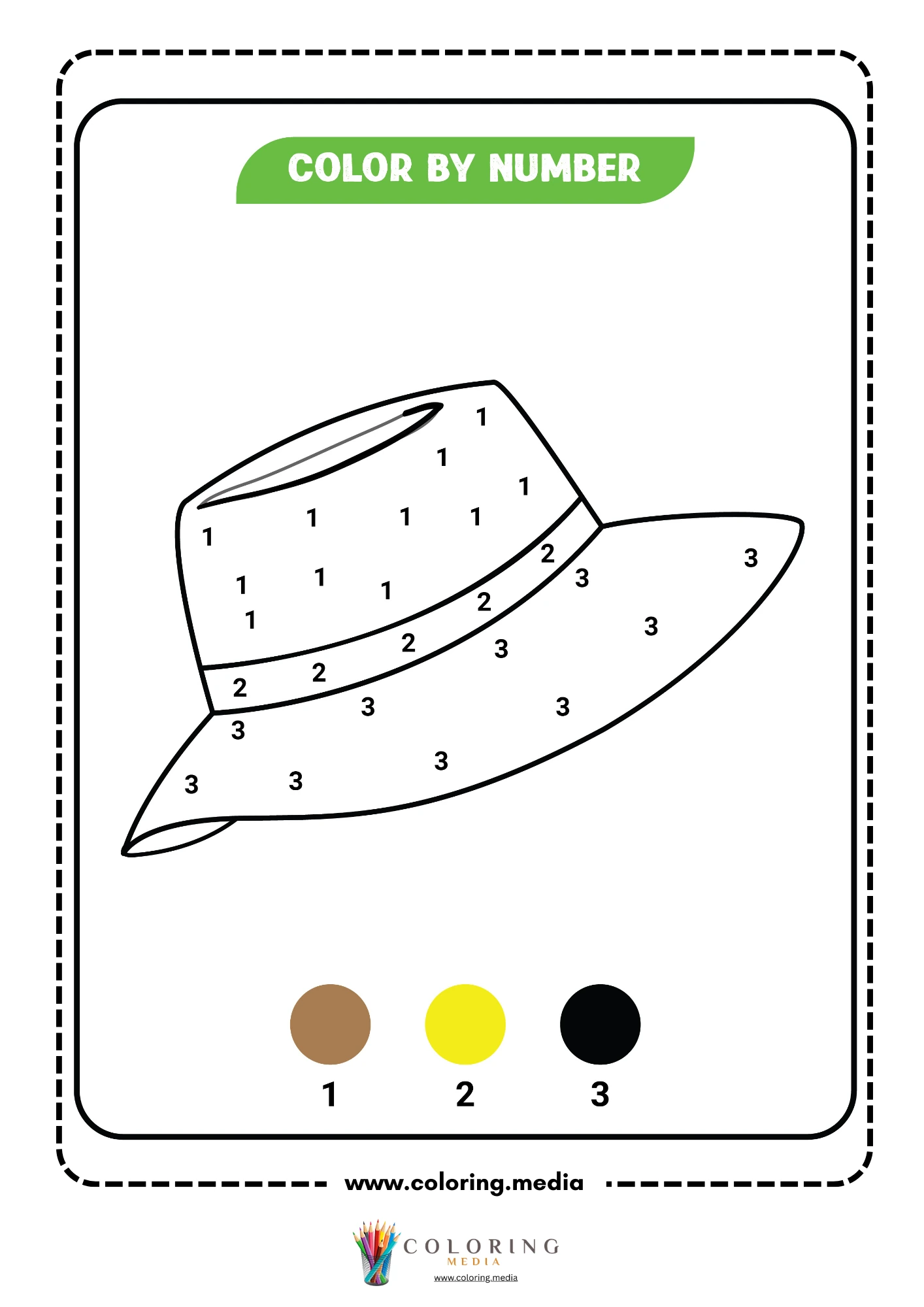
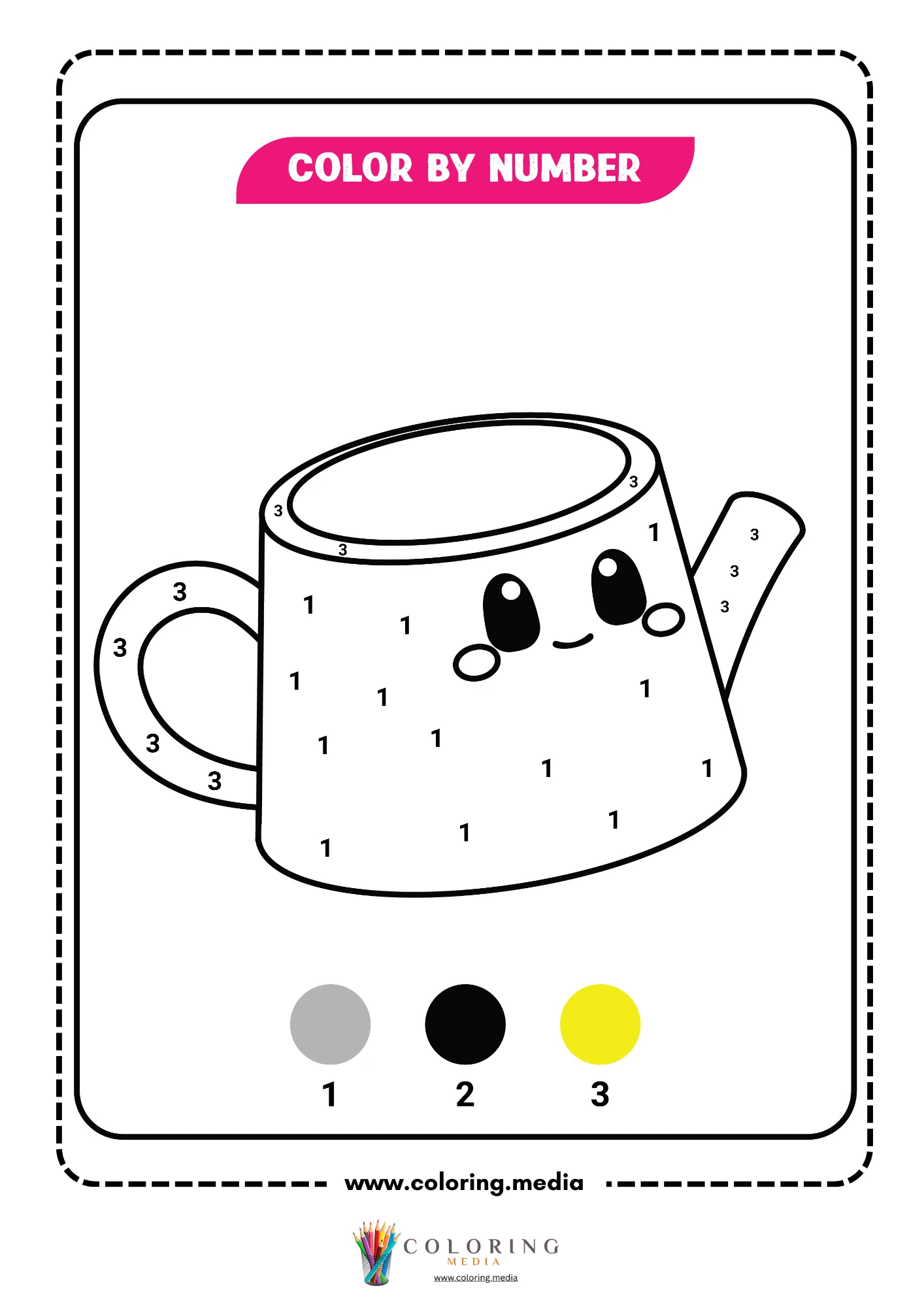
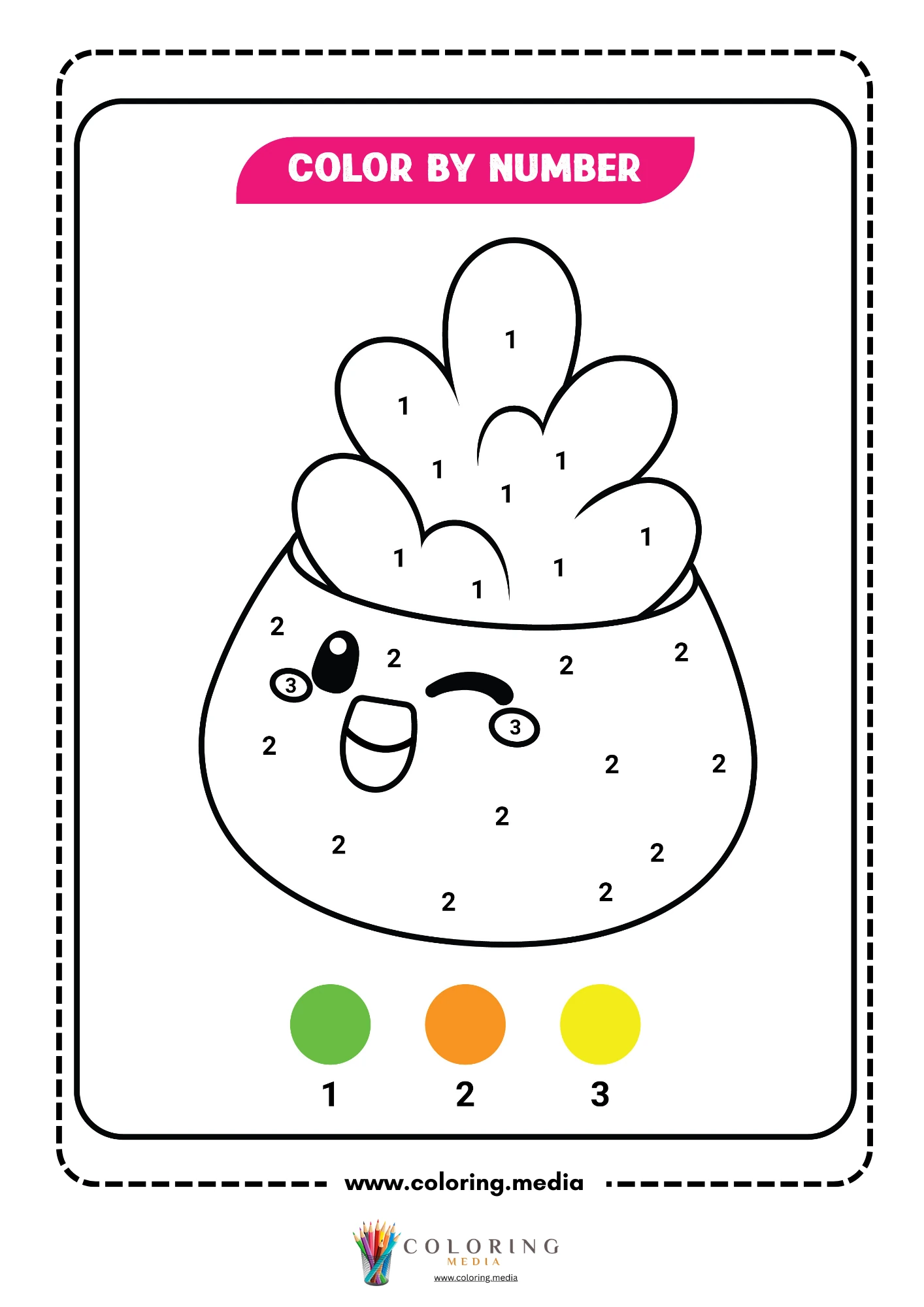
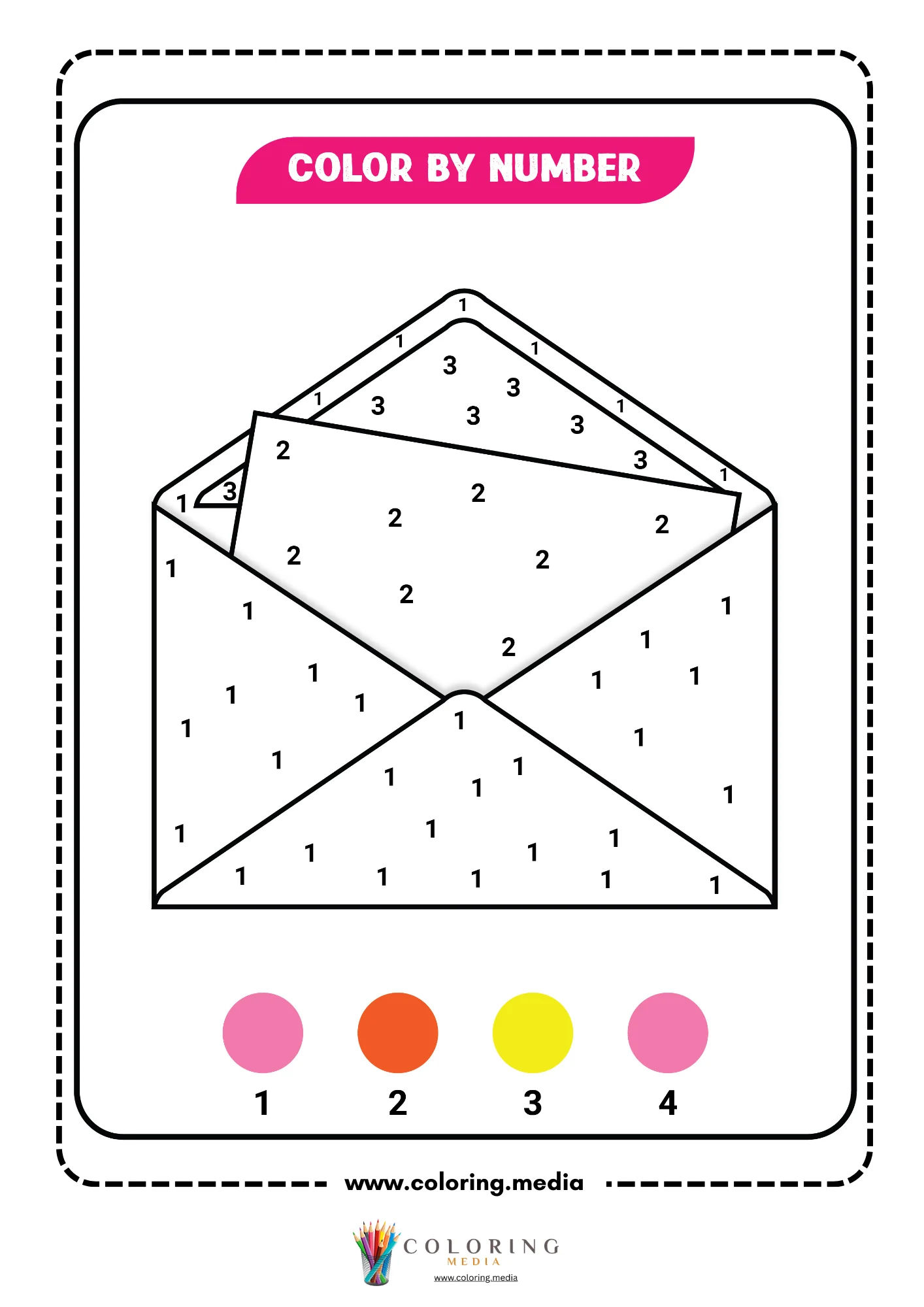
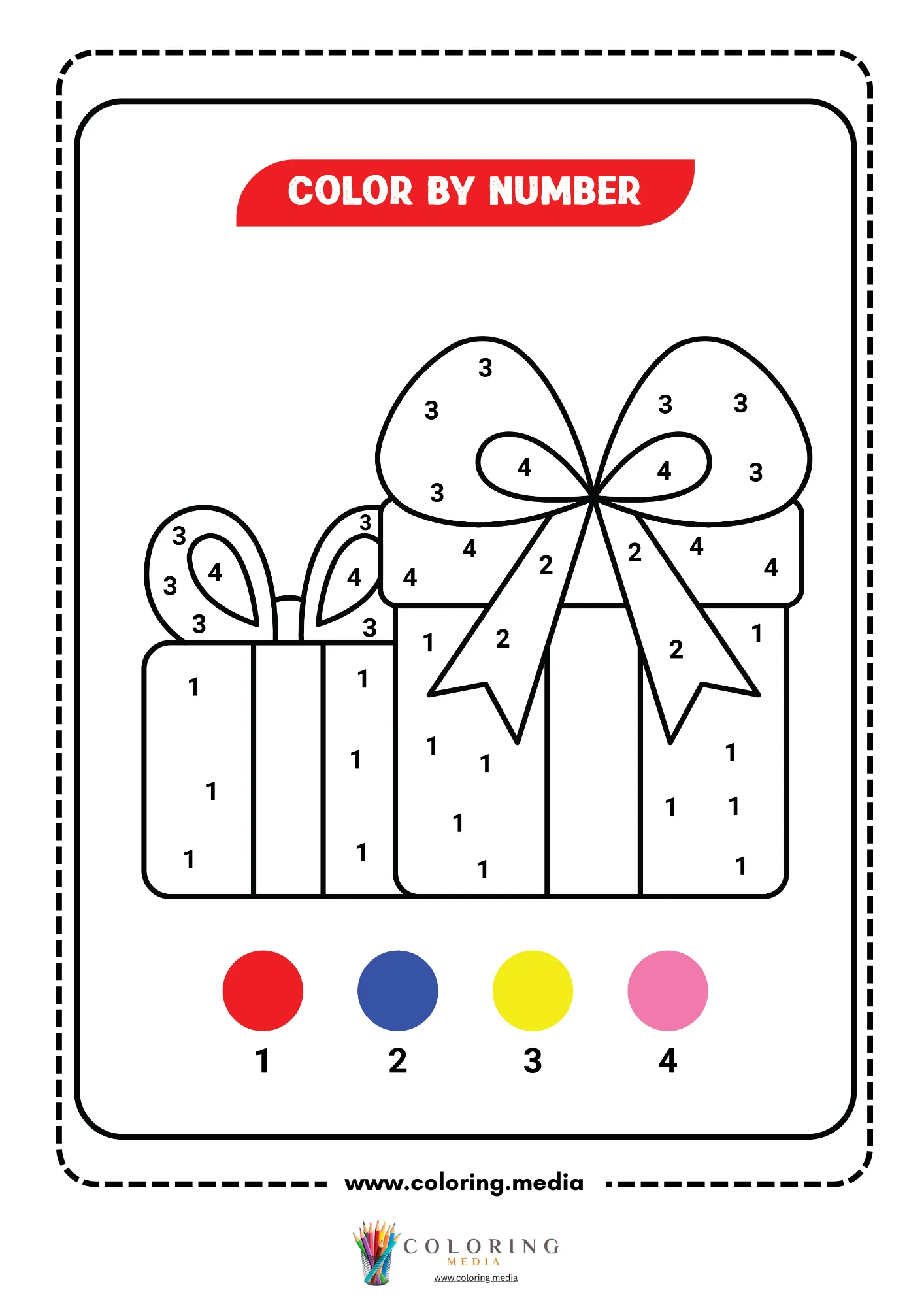
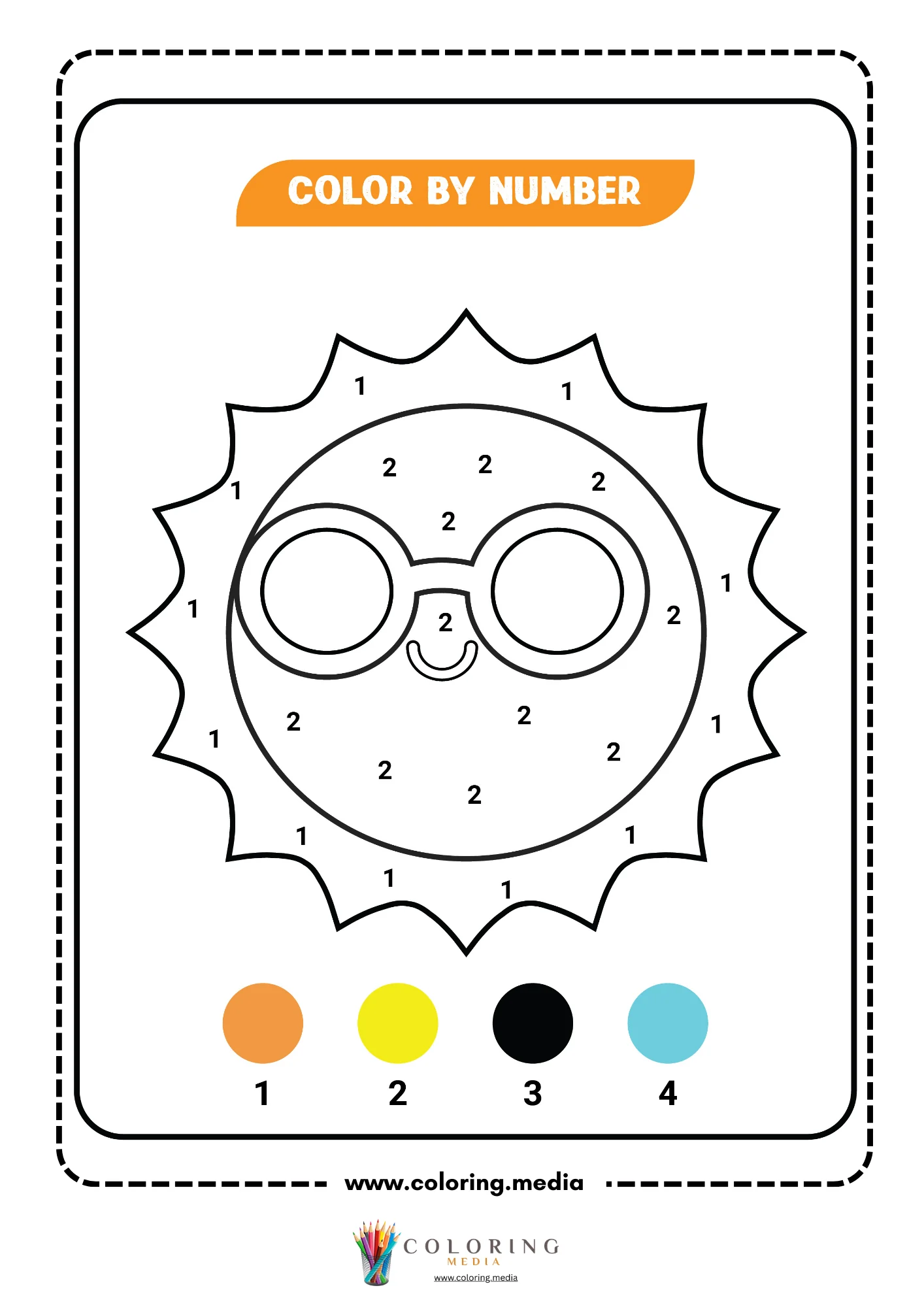
This collection includes 25 printable color by number easy kindergarten coloring pages featuring kawaii-style everyday objects: rubber duck, tiered cake, cactus, teacup, ice cream sundae, envelope, kite, folding fan, shooting star, gift boxes, watermelon slice, butterfly, polka-dot ball, beach ball, smiling sun, hamburger, apple, flowers, bee, mushroom, snail, flower pot, and hat. Each design uses four to eight large color regions with a numbered dot key for guided coloring. All pages are formatted for standard US Letter and A4 paper and download as print-ready PDFs.



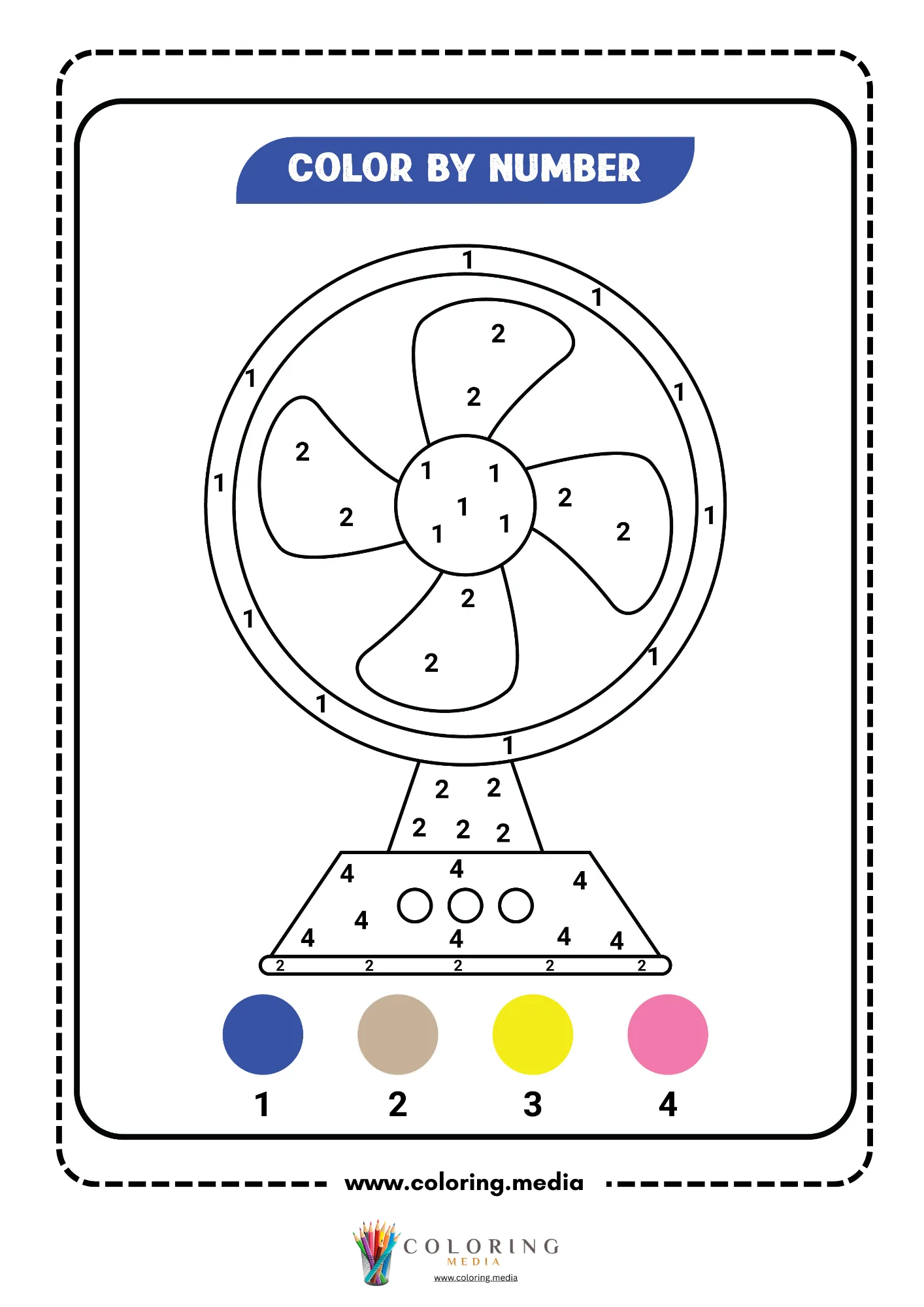

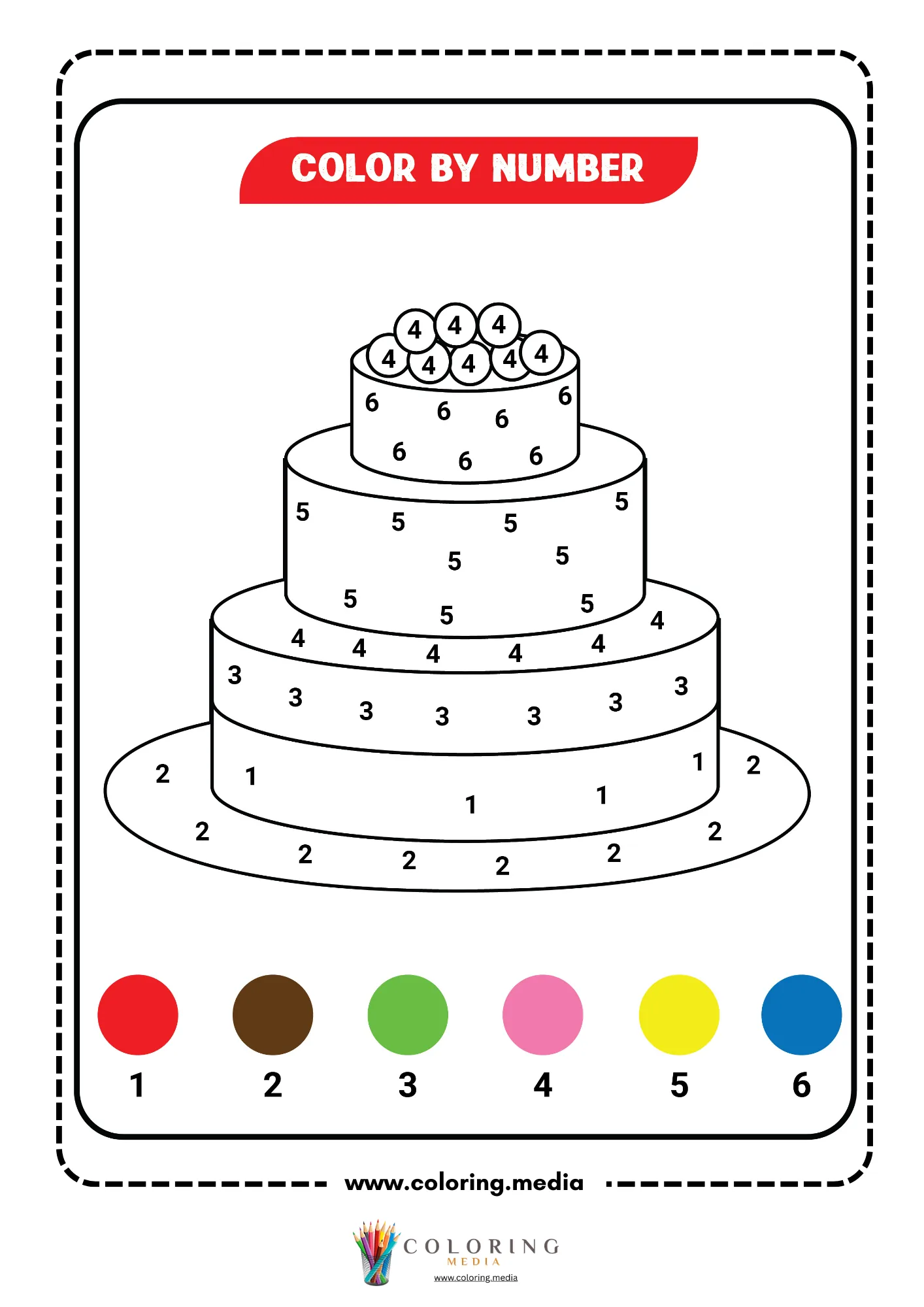
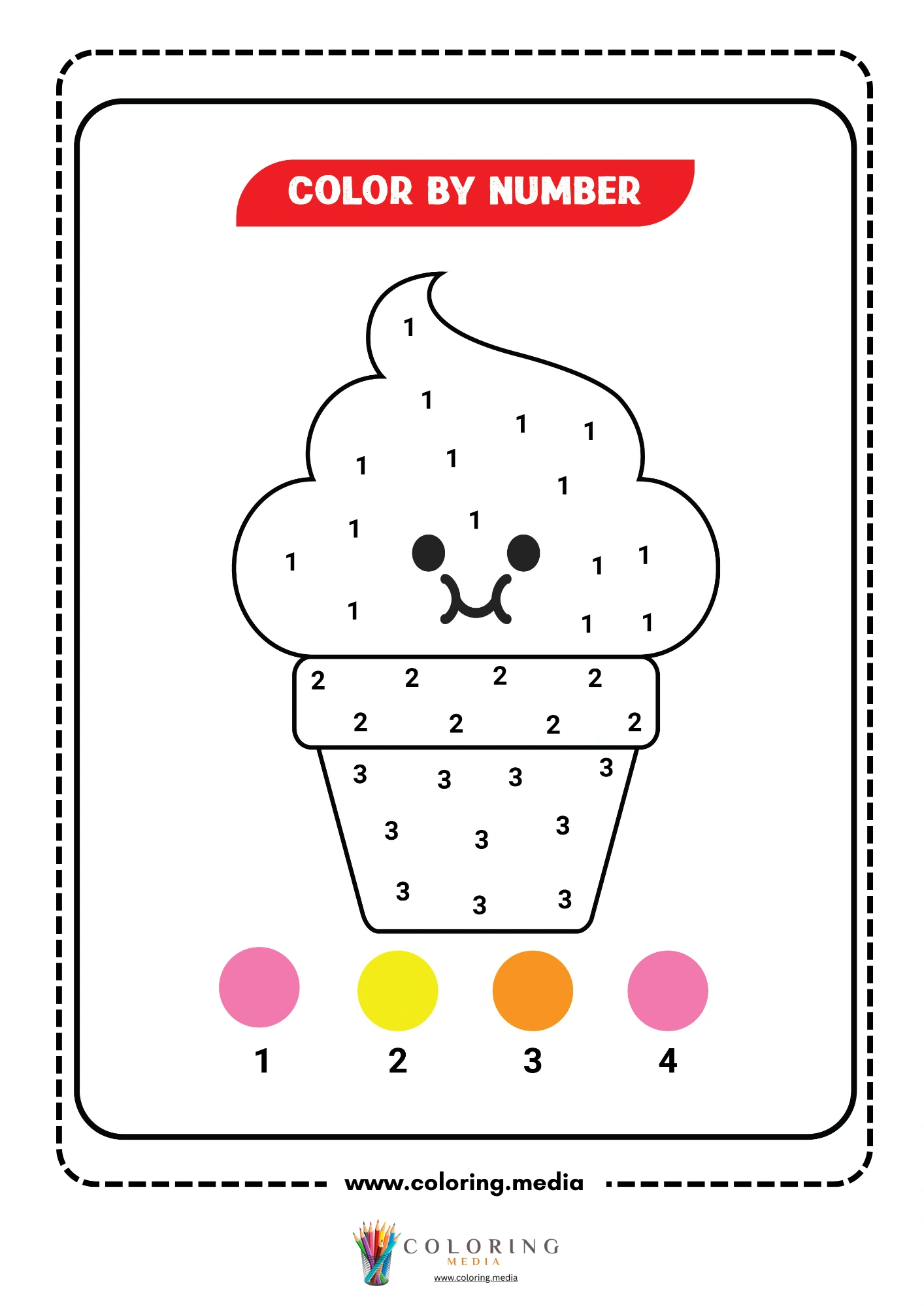
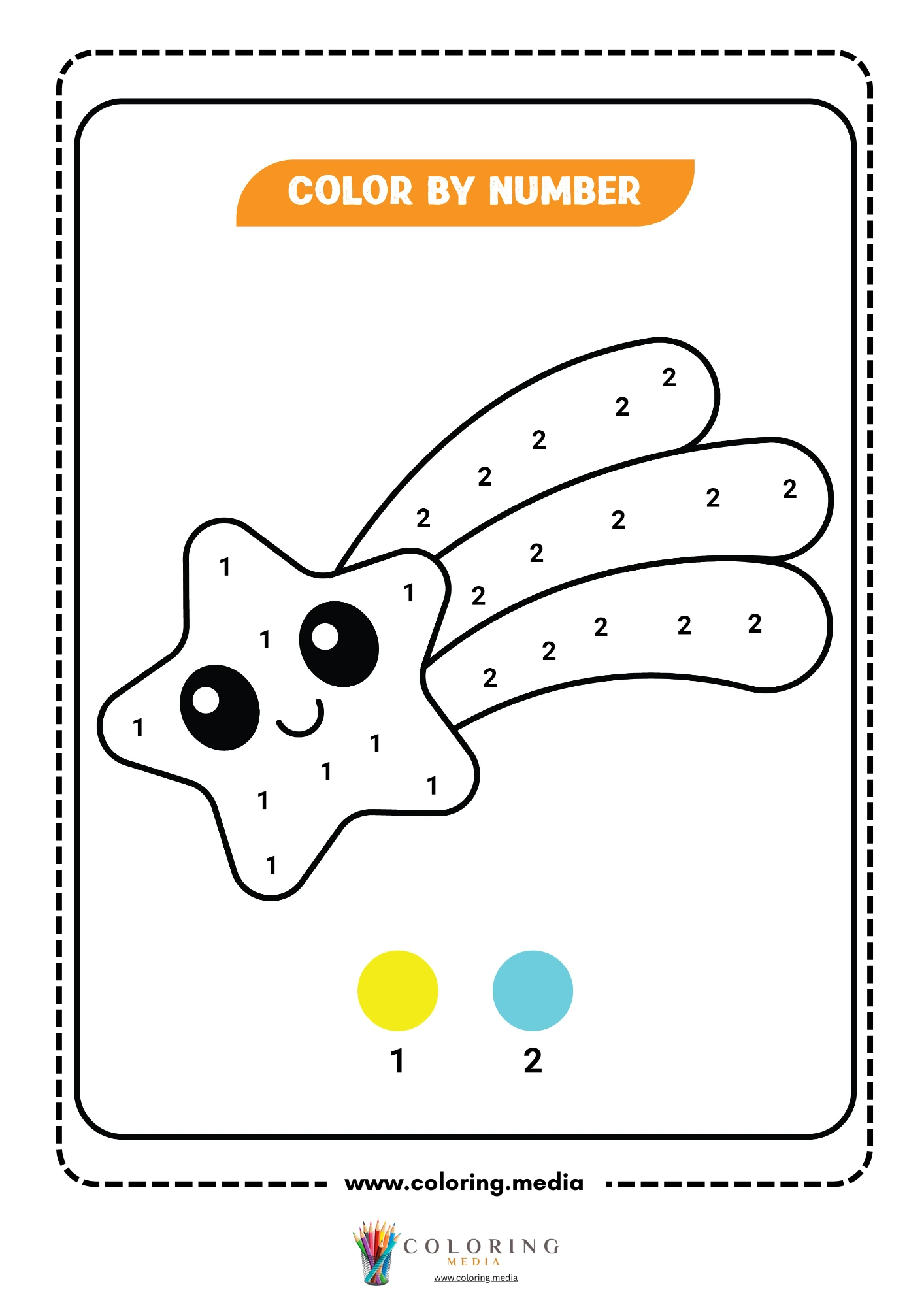


Who Are These Color by Number Easy Kindergarten Coloring Pages Best For?
The target range is preschool through kindergarten — roughly ages 3 to 6 — though the dot key design makes the youngest end genuinely reachable. A 3-year-old using broad crayons or chunky markers can fill the regions without running out of space or getting lost in a tangle of lines. The outlines are bold enough that even imprecise coloring still reads as intentional. That matters for the confidence of kids who are still developing grip control.
Kindergarteners get something slightly different from the activity: number recognition practice embedded into something they actually want to do. Matching the numeral in a region to the numeral in the key, then choosing the matching crayon, is a real cognitive step — it requires holding two pieces of information at once. Pages with six or seven colors push that working memory just enough to make the task engaging rather than automatic.
In a classroom, these pages work well as quiet morning work or a fine-motor warm-up before writing. For home use, they’re a good choice for the 20-minute window before dinner when a child needs something structured but low-stakes. One sheet per sitting is usually about right for preschoolers; kindergarteners often want to do two or three in a row once they get going.
Interesting Color by Number Facts to Share While Coloring
Color-by-number kits were invented in the 1950s. A paint company called Palmer Paint developed the first commercial kits in 1950, and they became one of the best-selling craft products of the decade. The idea was to make painting accessible to people who thought they couldn’t draw — the same logic that makes these pages work for young children who can’t yet stay inside a freehand line.
The dot key on these pages is an accessibility design choice. Traditional color-by-number uses numbers only, which excludes children who haven’t yet learned to read numerals. Adding a colored dot next to each number means the format works as a color-matching activity for pre-readers — no number recognition required, though the activity still reinforces it passively over time.
Filling in color regions trains the hand for writing. The motion of coloring within a bounded space — controlling pressure, changing direction at the border, lifting and repositioning the crayon — directly exercises the same fine-motor pathways that handwriting uses. It’s one reason occupational therapists often recommend coloring as a pre-writing activity for children 3 and up.
Kawaii means “cute” in Japanese. The style originated in Japan in the 1970s, when young people began writing in rounded, childlike lettering as a form of self-expression. It evolved into a full visual language — round shapes, minimal features, soft expressions — that now appears in product design, fashion, and art worldwide. The cactus and rubber duck on these pages are textbook kawaii: oversized proportions, dot eyes, small mouths, no sharp angles anywhere.
Creative Color by Number Coloring and Craft Ideas
Color Outside the Key Try one page following the number key exactly, then do the same page again using any colors the child chooses. Comparing the two versions side by side is a quick, concrete lesson in how color decisions change the feel of an image.
Sticker Reward Chart Print a set of 10 pages and create a simple chart on card stock. Each completed page earns a sticker on the chart. Kids who finish all 10 get to choose the next activity. Works better than screen-time bargaining for most 4-year-olds.
Mini Greeting Cards Print pages at 50% scale — two per sheet, then cut apart. The butterfly, flower pot, and gift box designs work especially well at small size. Children color them and fold them in half to make mini cards for family members or friends.
Name the Colors Game Before coloring, point to each dot in the key and ask the child to name the color. Then ask them to find something in the room that matches. It takes two minutes and doubles as a vocabulary activity without feeling like one.
Watercolor Wash Over Crayon Complete a page with crayons, then brush a thin wash of watercolor over the whole thing. The wax in the crayon resists the watercolor, giving the finished piece a painterly look with a clear outline still visible. The bee and mushroom pages work particularly well for this technique.
Cut-and-Collage After coloring, cut out the central object and glue it onto a sheet of colored construction paper. Add cut-paper details — a ground line, a sky strip, simple paper flowers — to build a scene around it. The rubber duck and beach ball naturally suggest a poolside or ocean setting.
Group Mural Print one page per child in a class or playgroup. After coloring, cut out all the objects and arrange them on a large sheet of butcher paper to create a shared scene. A collection of kawaii foods — hamburger, watermelon, ice cream — makes a natural farmers’ market or picnic layout.
Compare and Discuss Lay two completed versions of the same page side by side — two children’s work, or the same child’s work on two different days. Ask: which colors are the same? Which are different? Why did you pick that color for the sun? It’s low-pressure art conversation that builds vocabulary without any pressure to perform.
How to Print These Color by Number Easy Kindergarten Coloring Pages
Each file downloads as a PDF sized for US Letter (8.5 × 11 inches), which also prints cleanly on A4 with no cropping needed. Standard 20 lb copy paper works fine, though 24 lb or heavier paper holds up better to markers and watercolor washes without bleed-through. If your printer has a grayscale or ink saver mode, these pages still work well in black and white — just ignore the key colors and let the child choose freely.
Explore More Color by Number Coloring Pages
If you enjoyed these pages, you may also like:
Color by Number Back to School Coloring Pages
Color by Number Easter Coloring Pages
Color by Number Christmas Coloring Pages
Color by Number Halloween Coloring Pages
Color by Number Pages