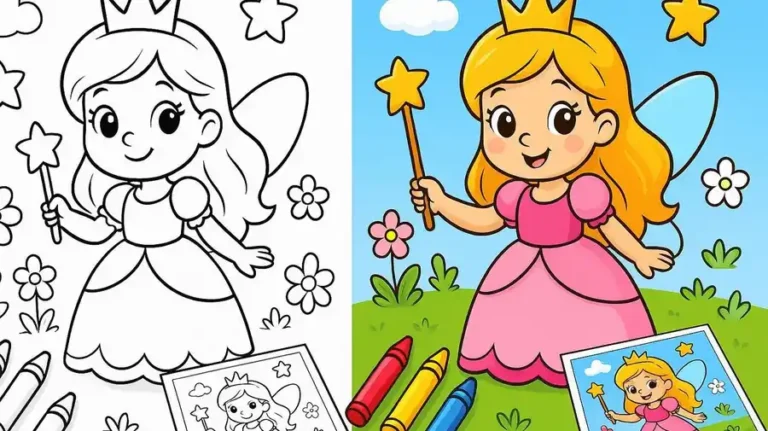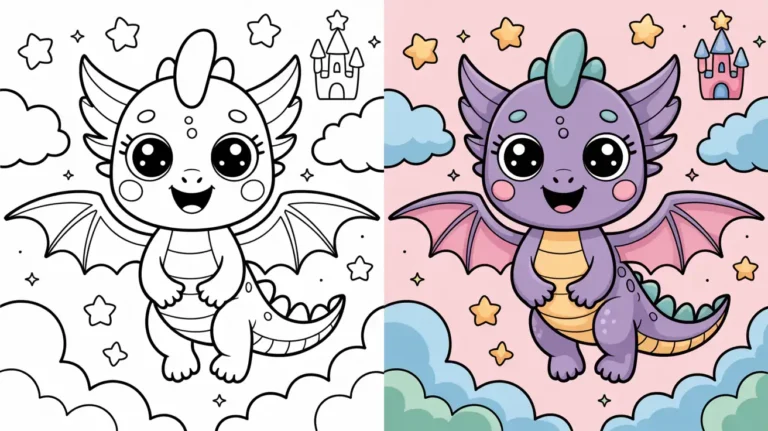

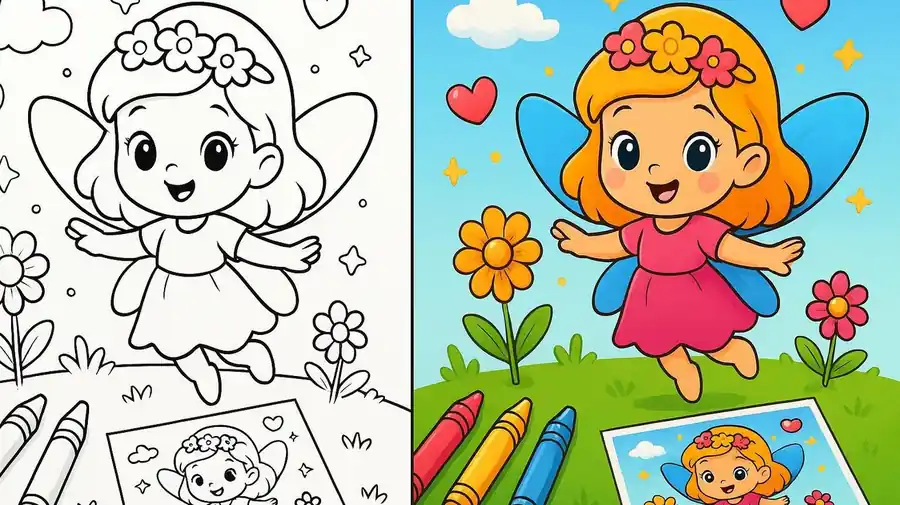
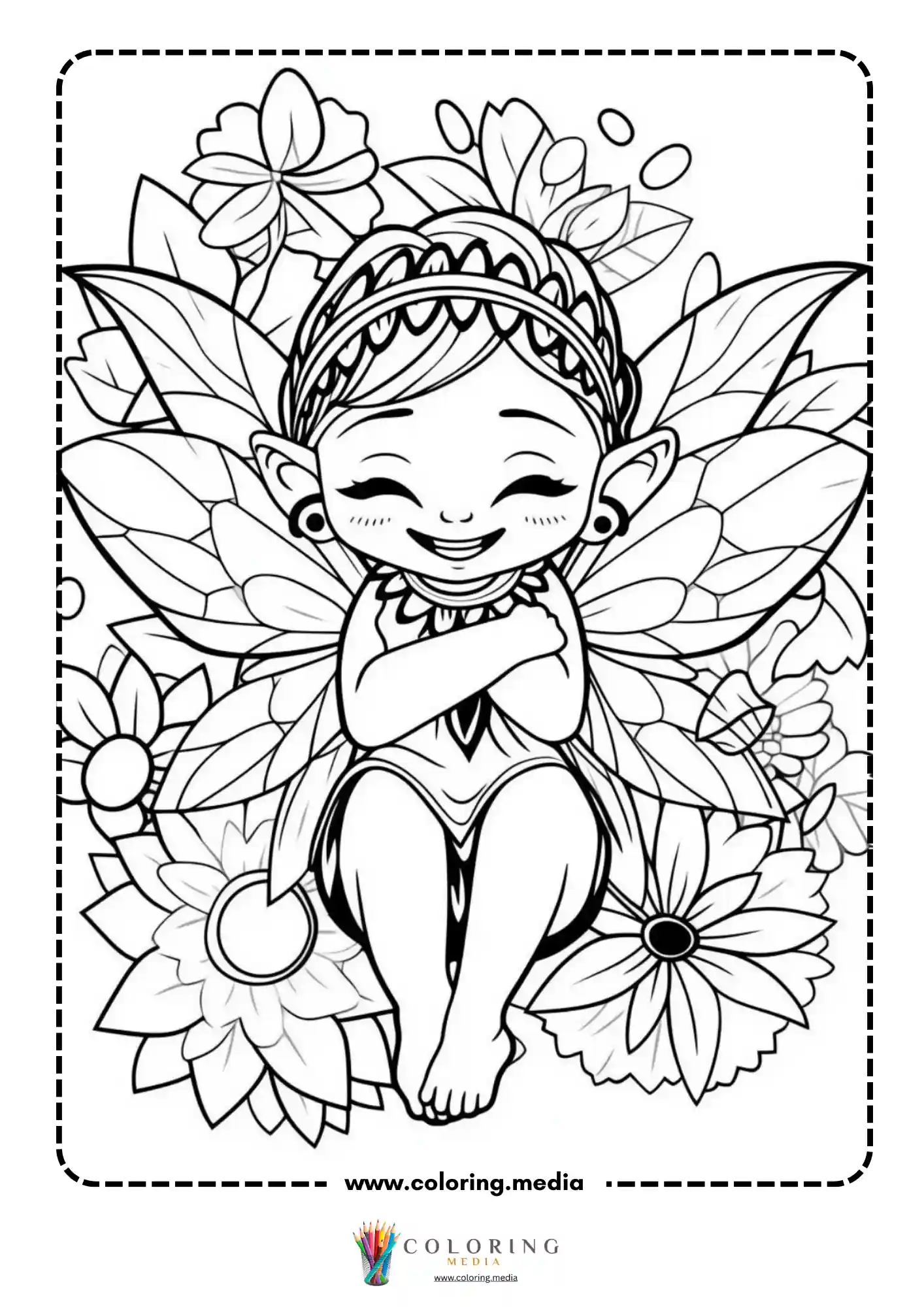
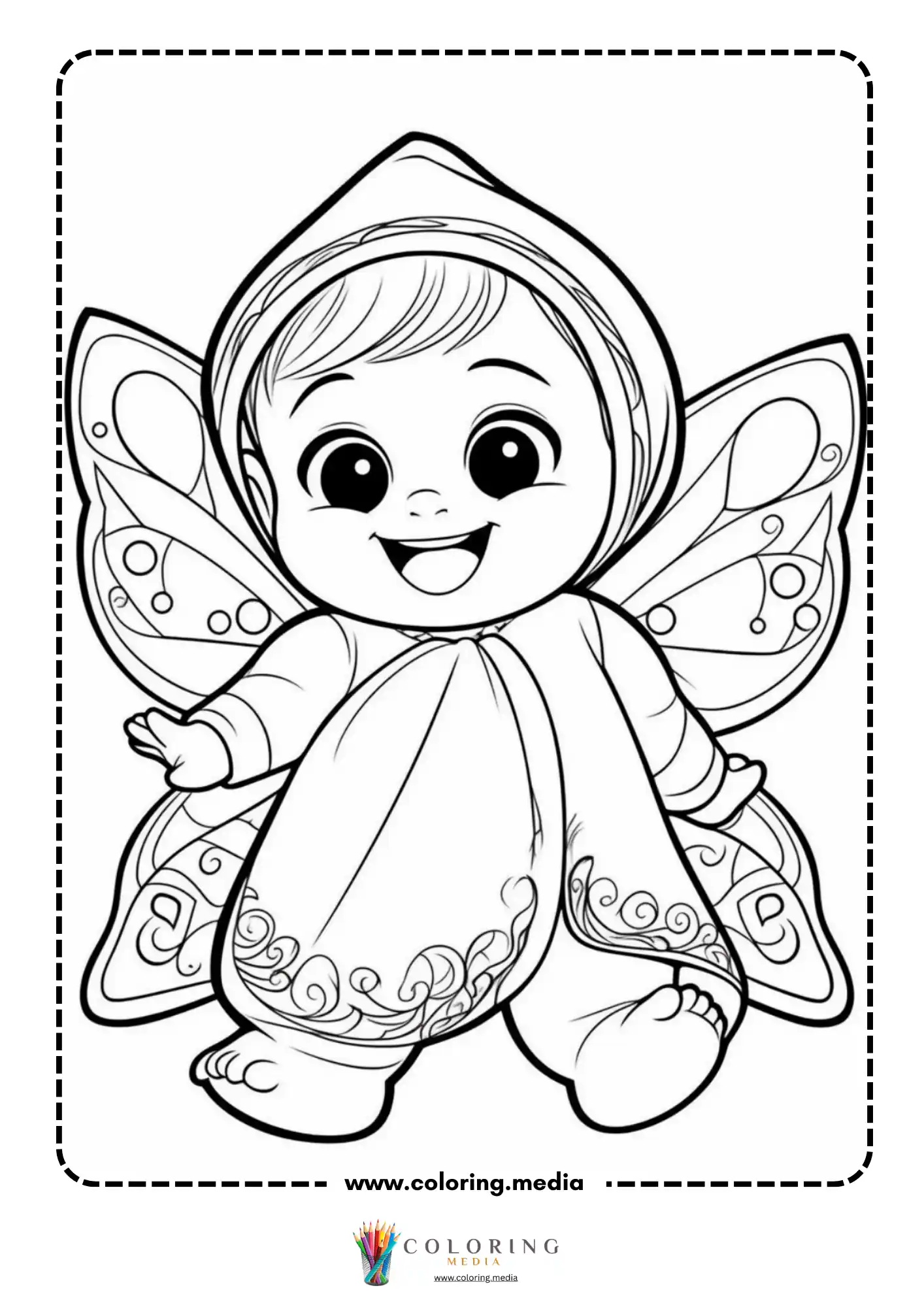
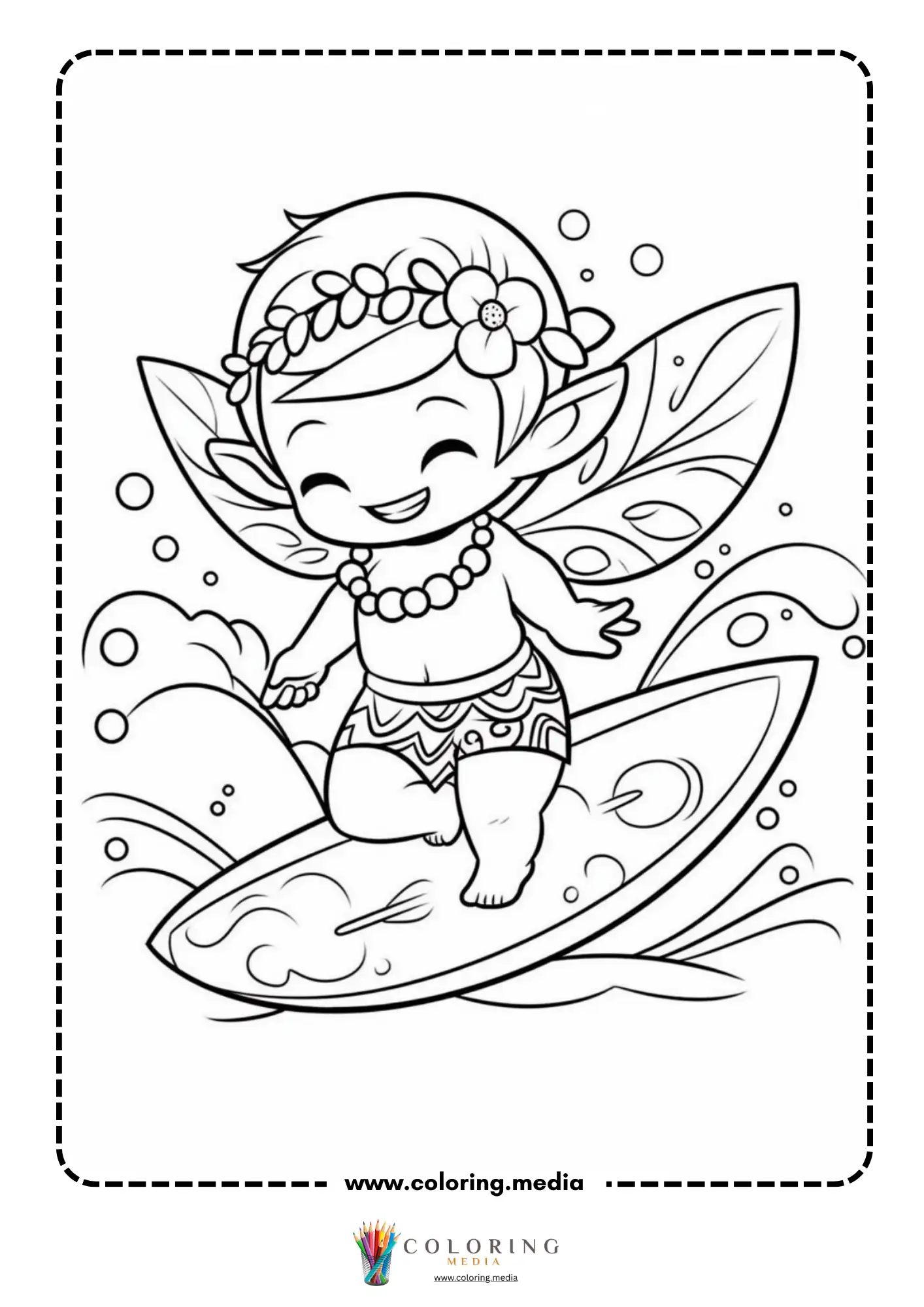
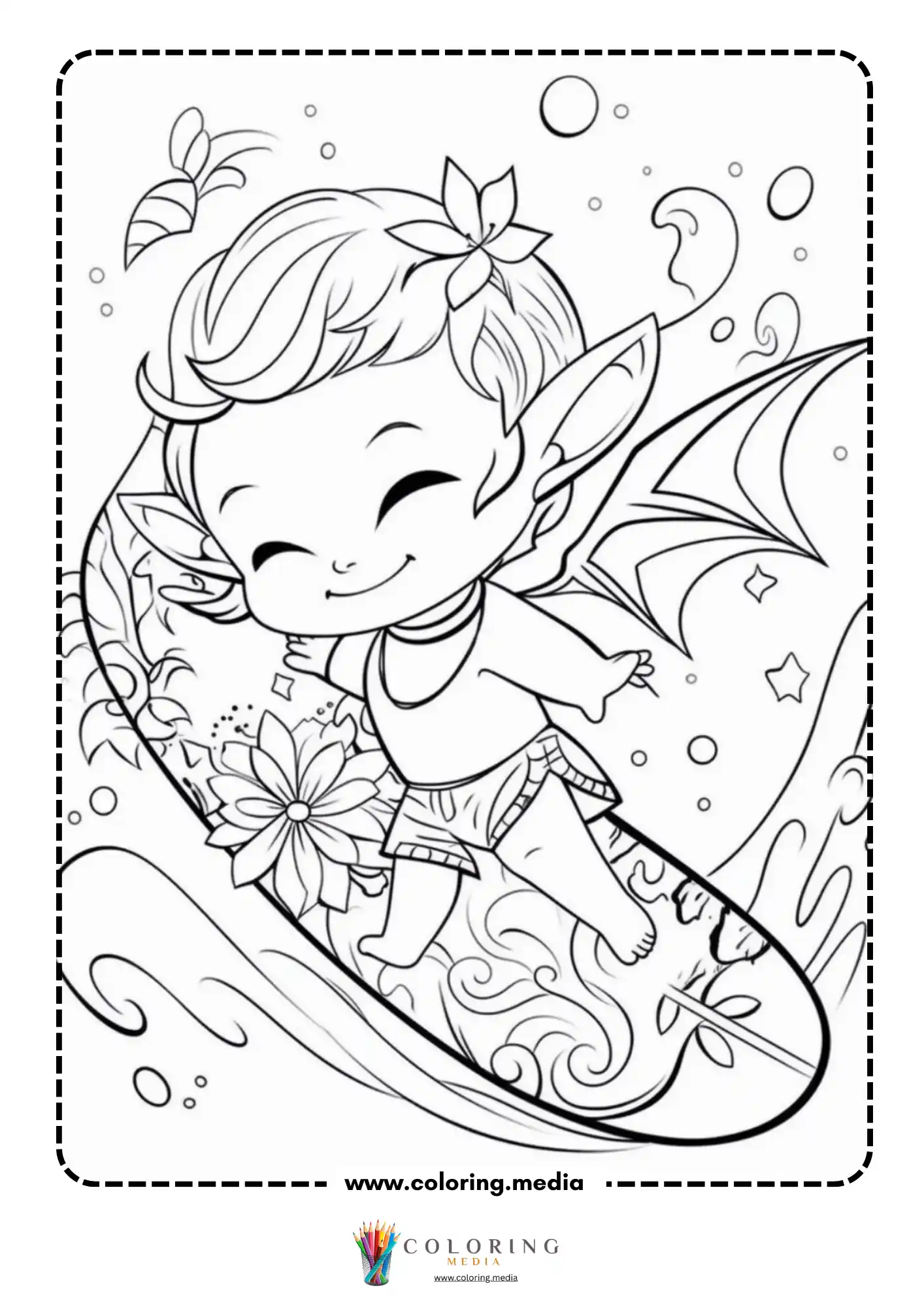
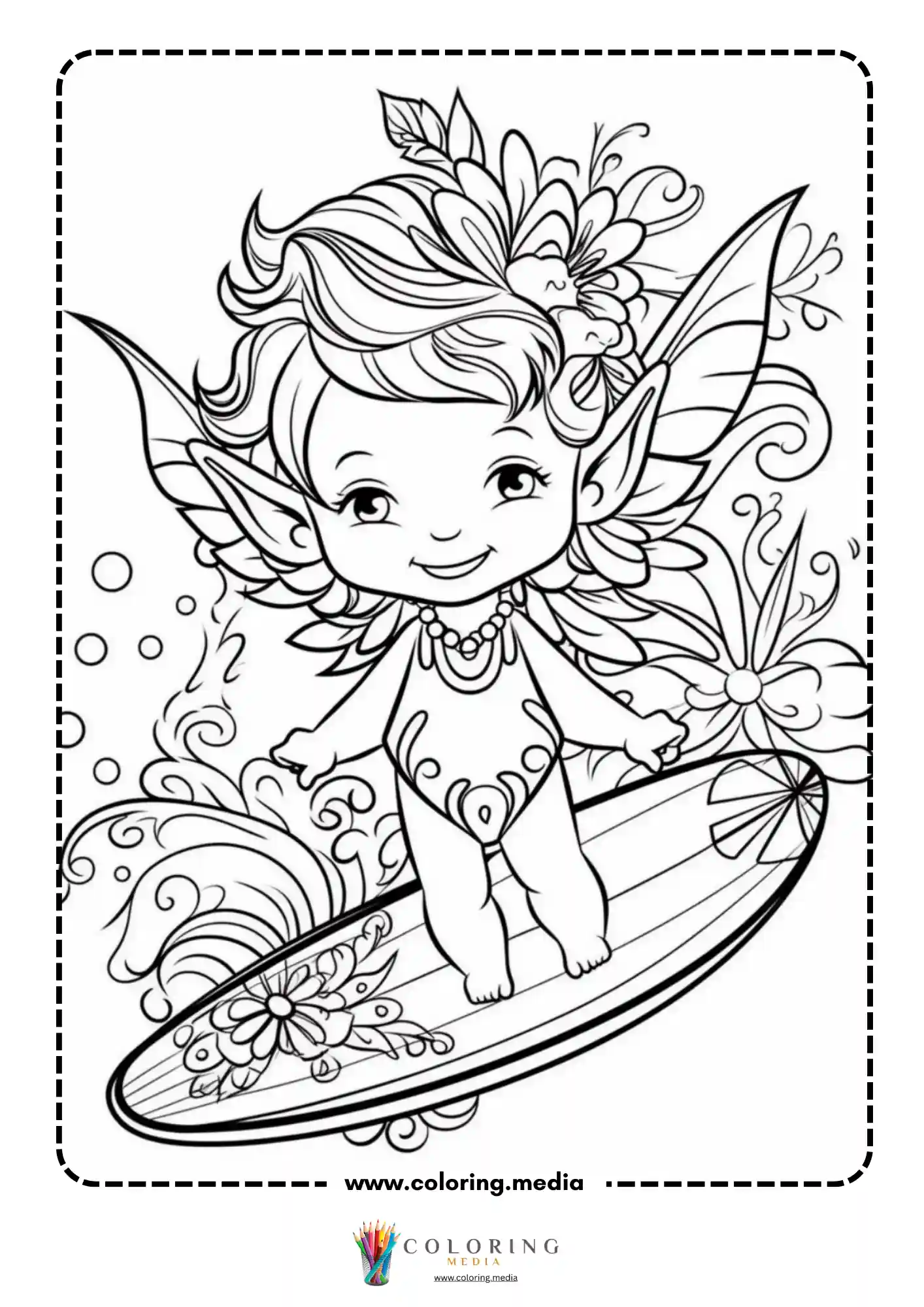
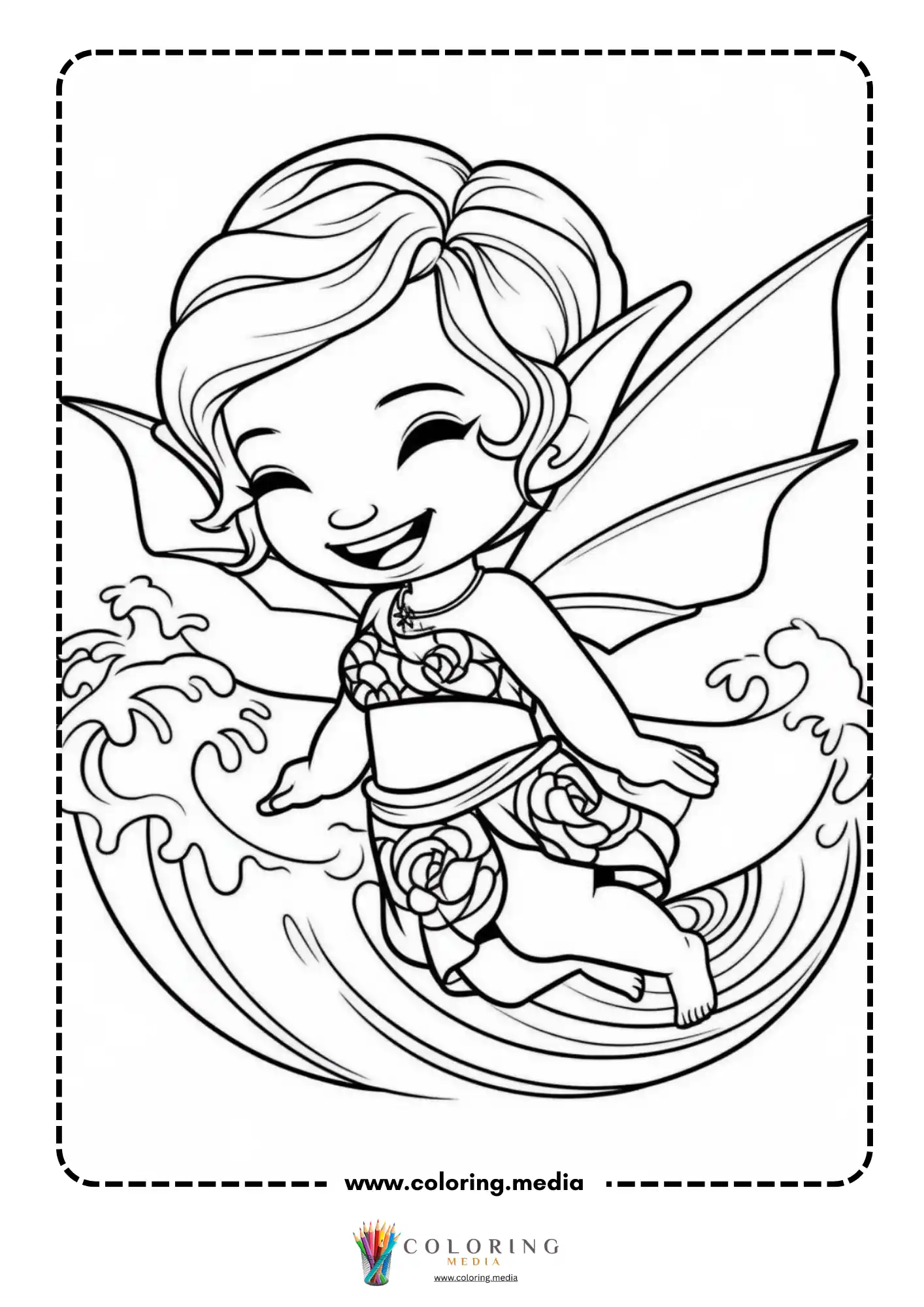
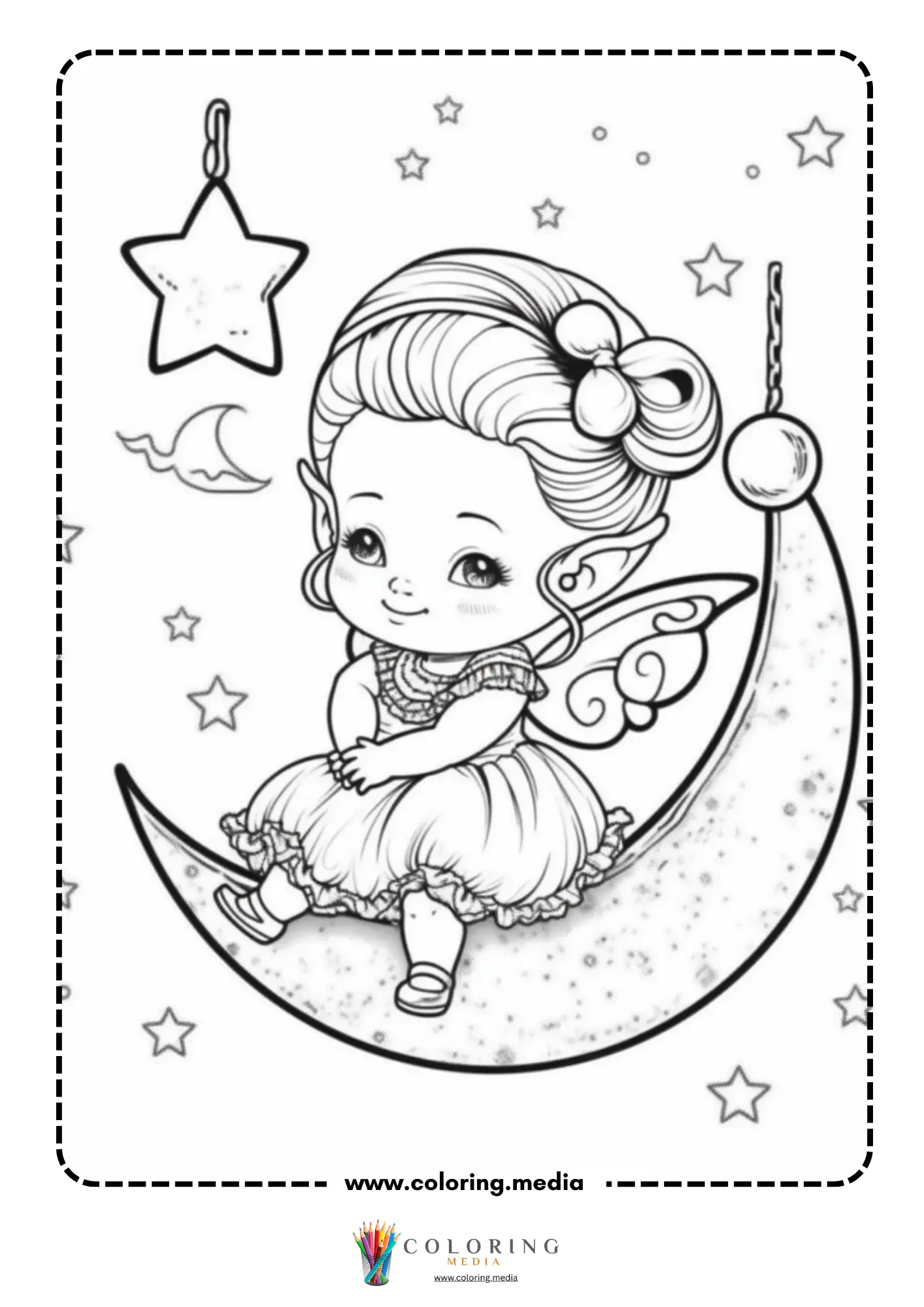
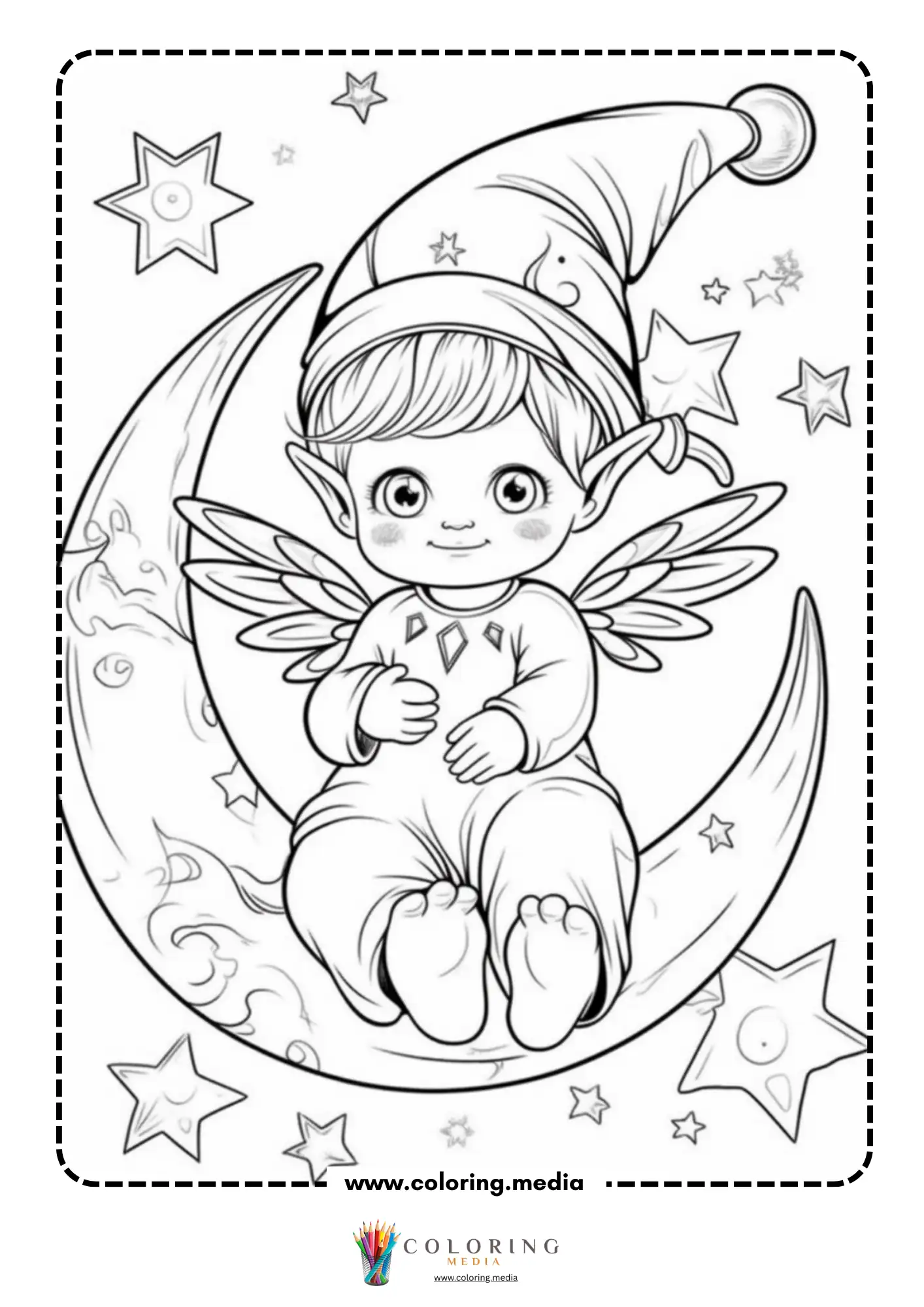
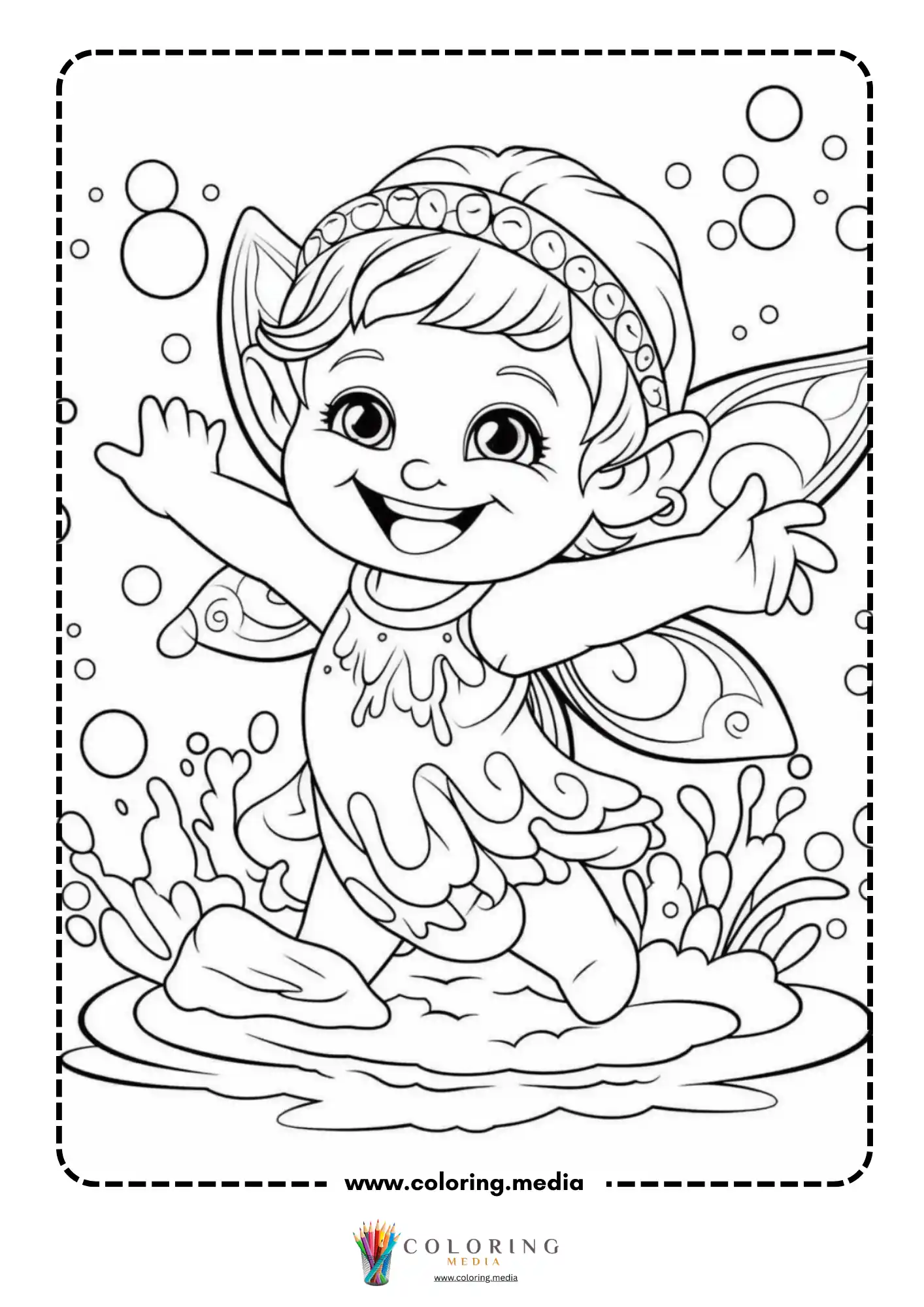
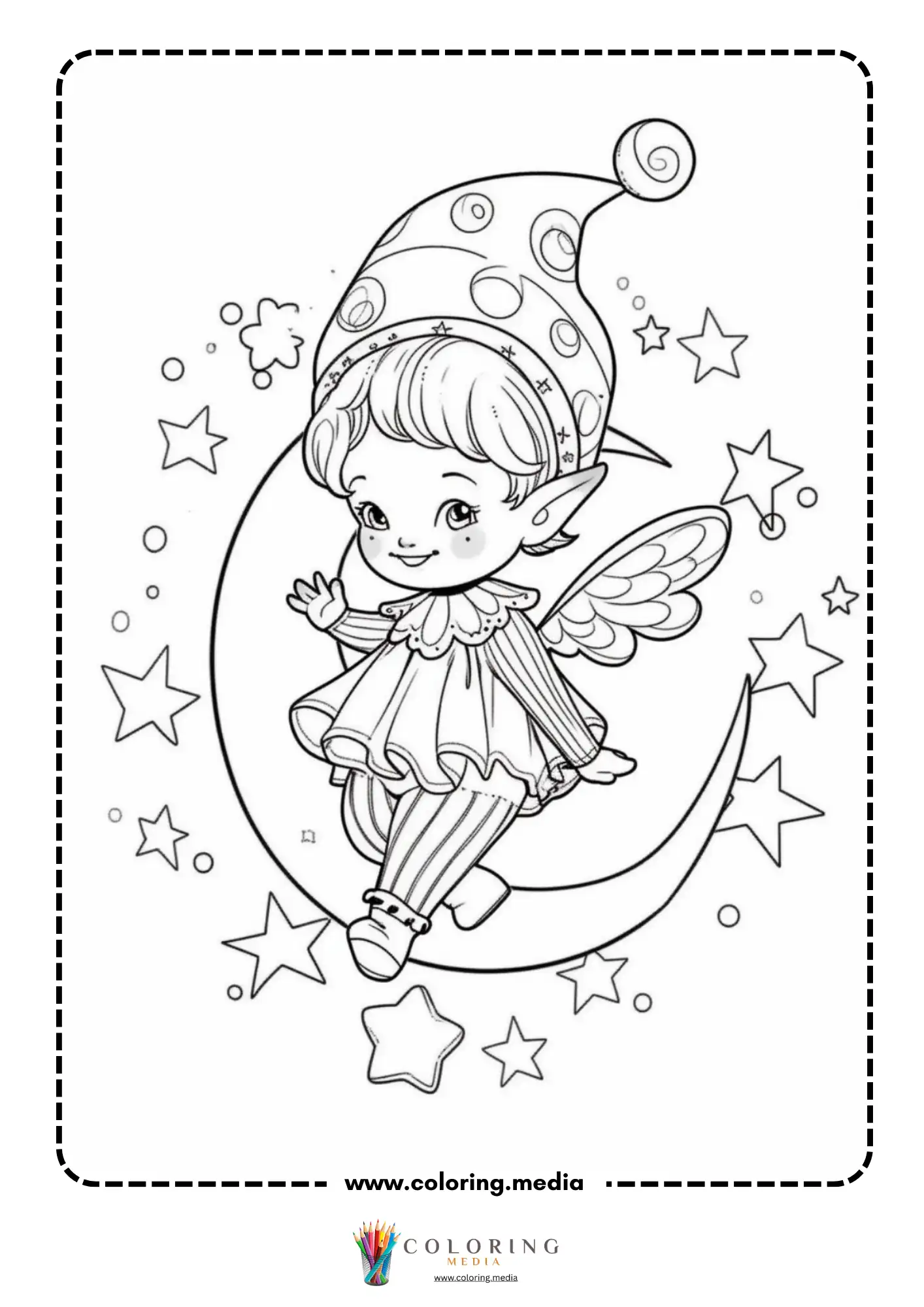
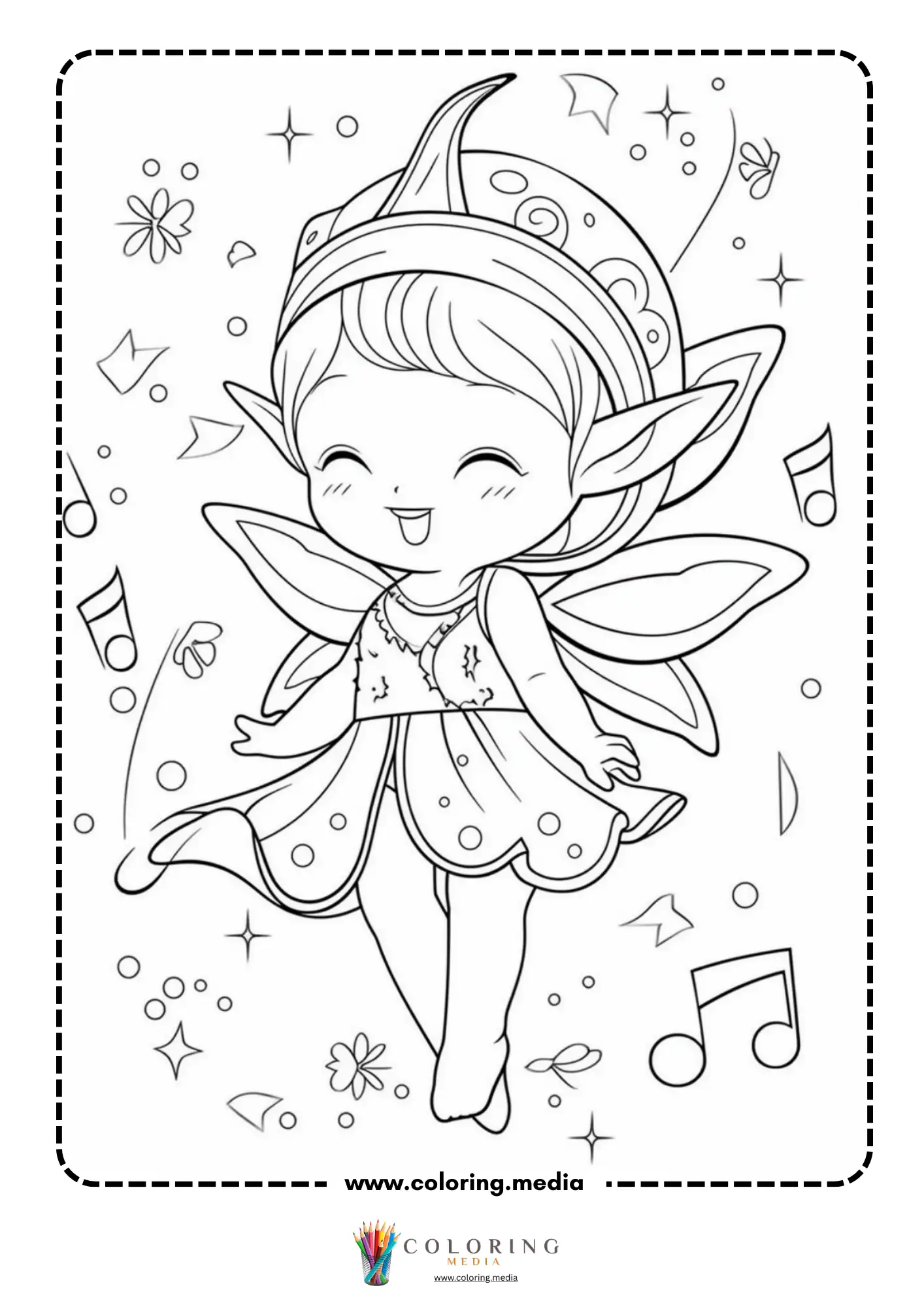
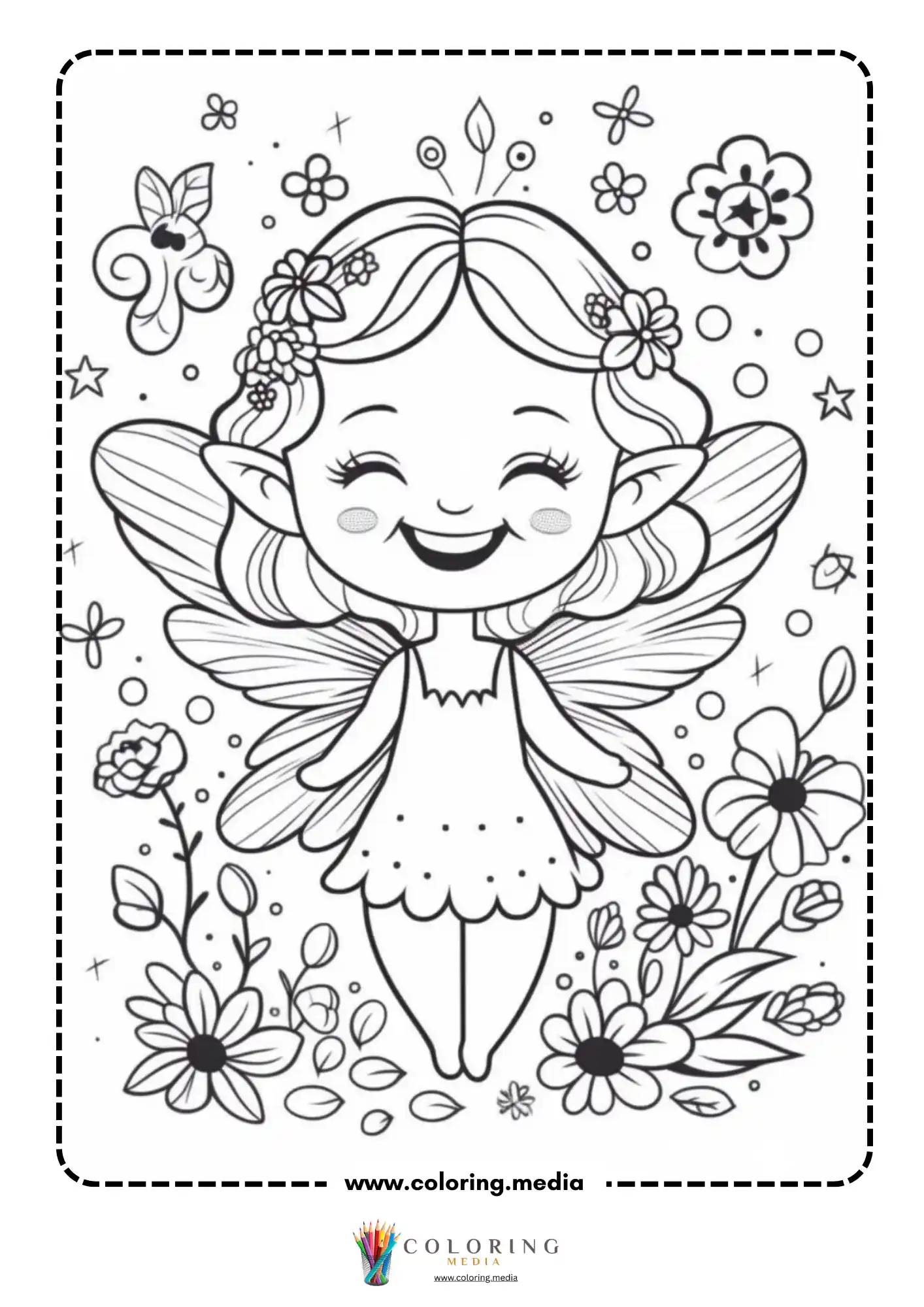
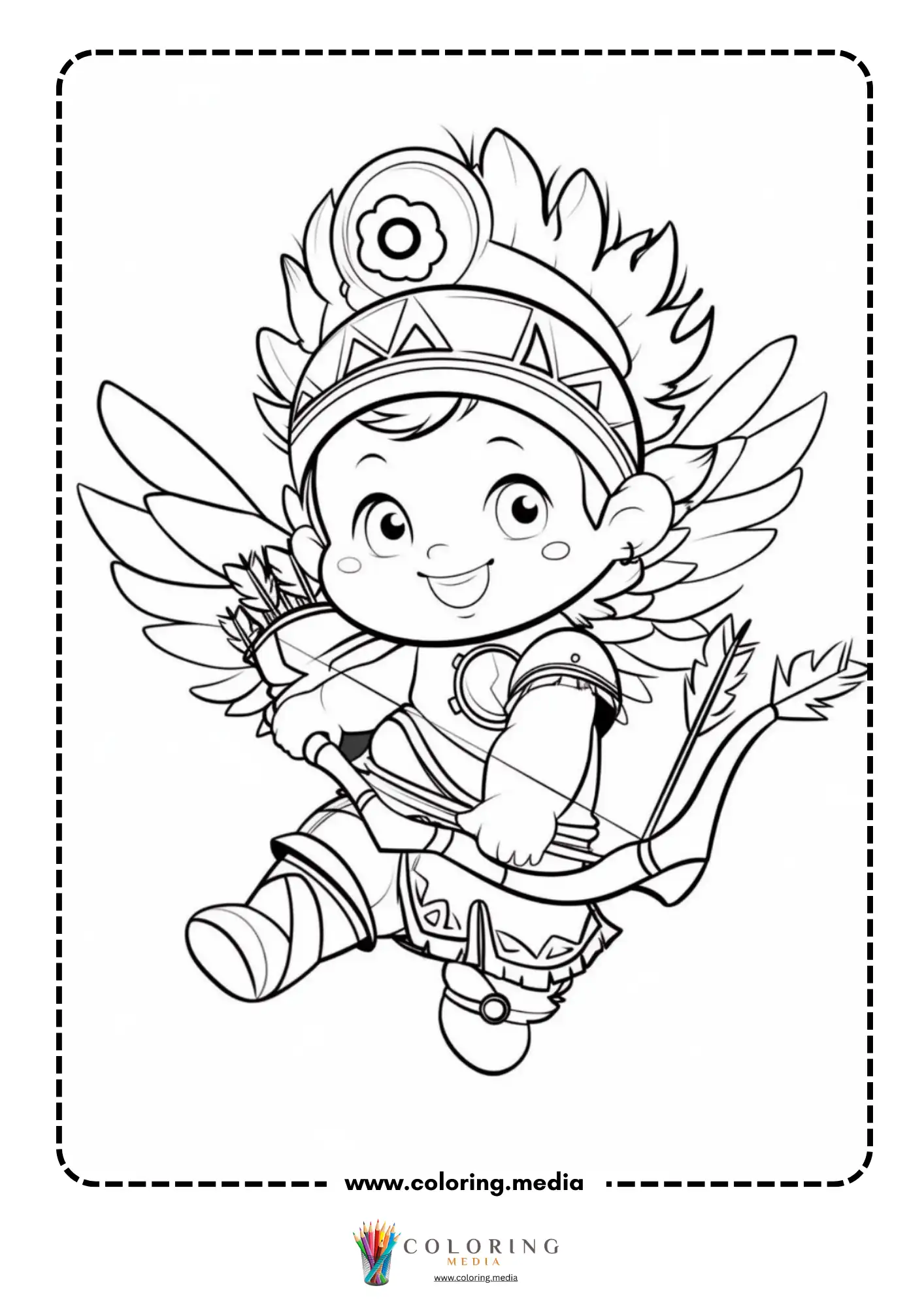
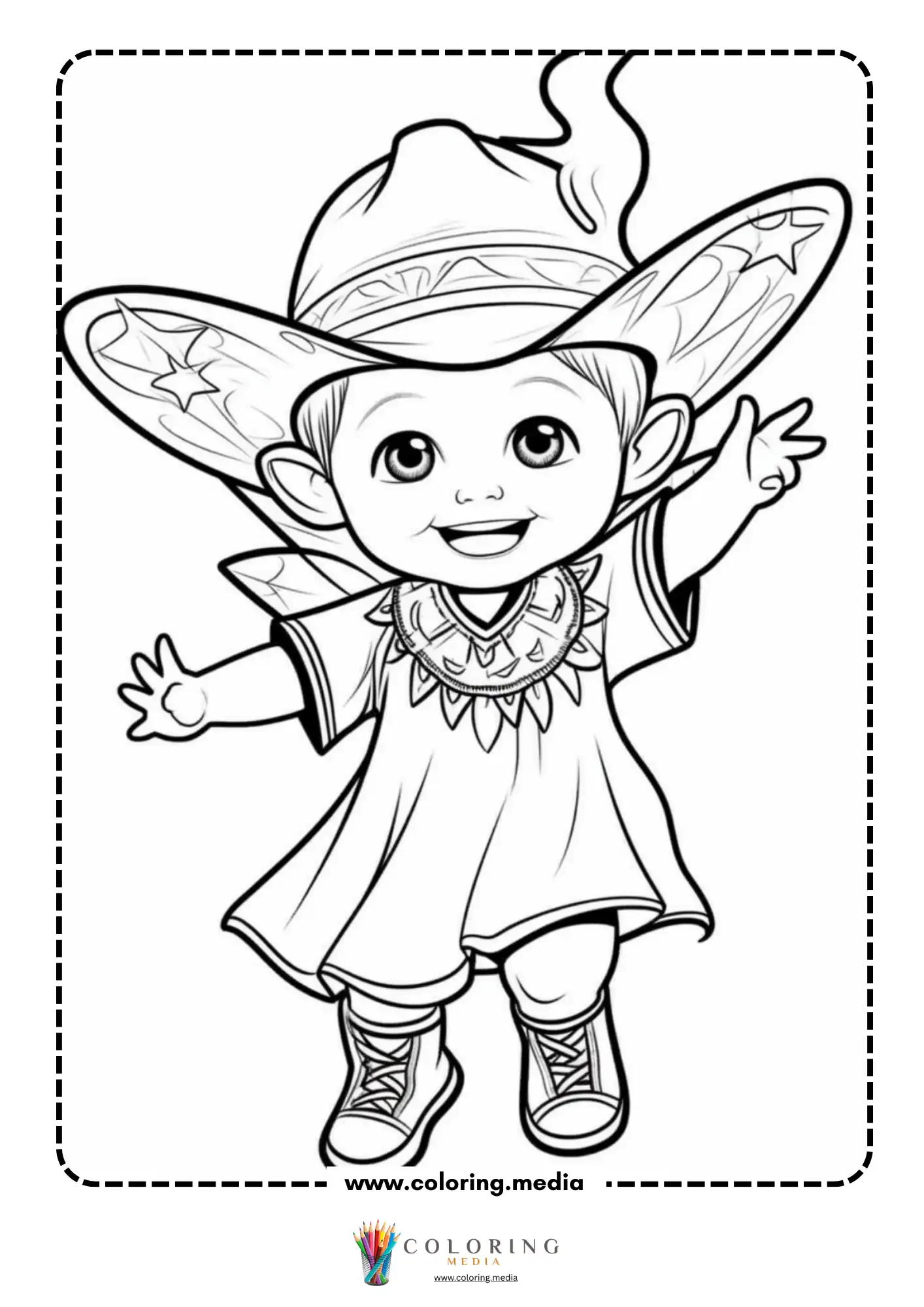
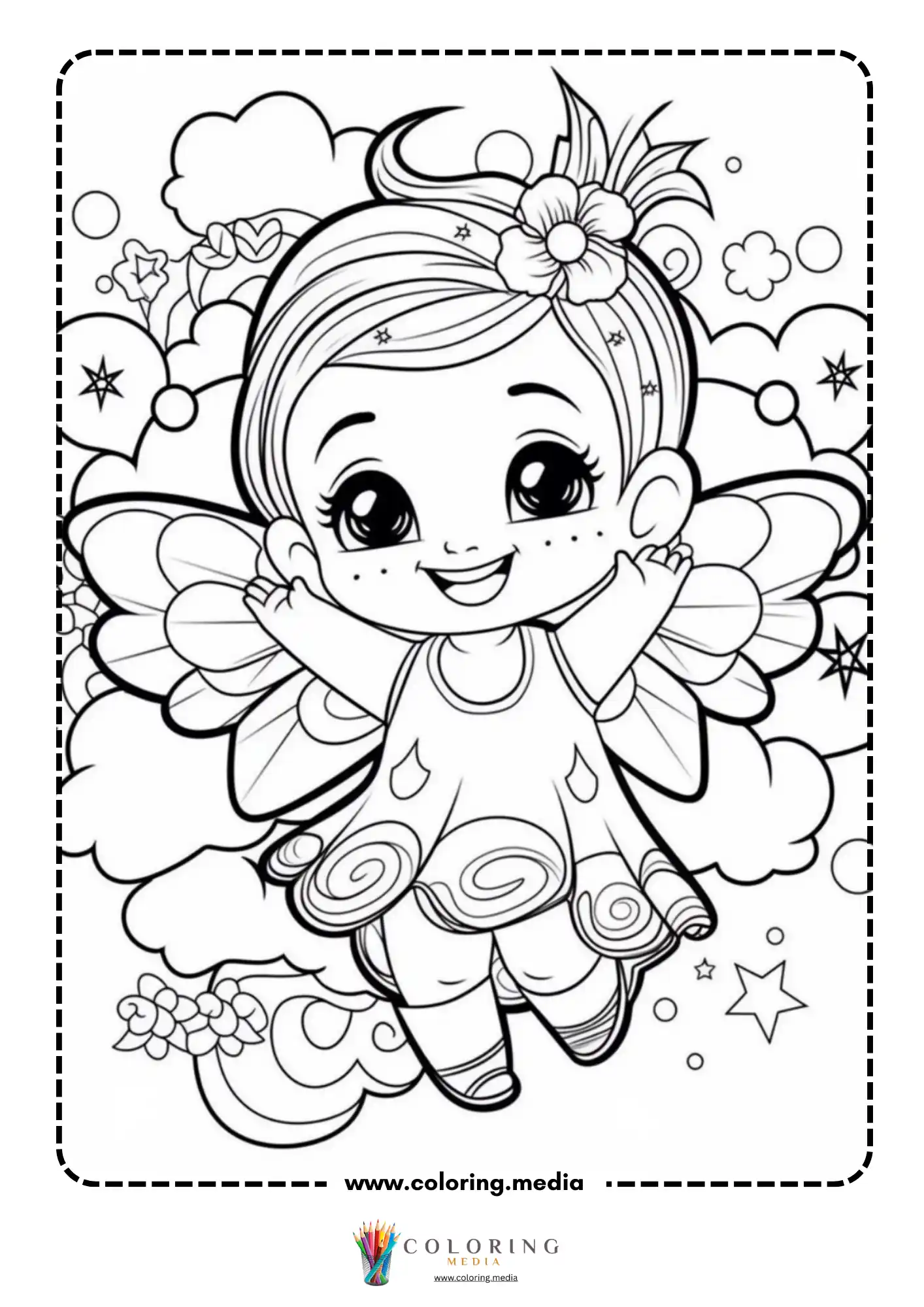
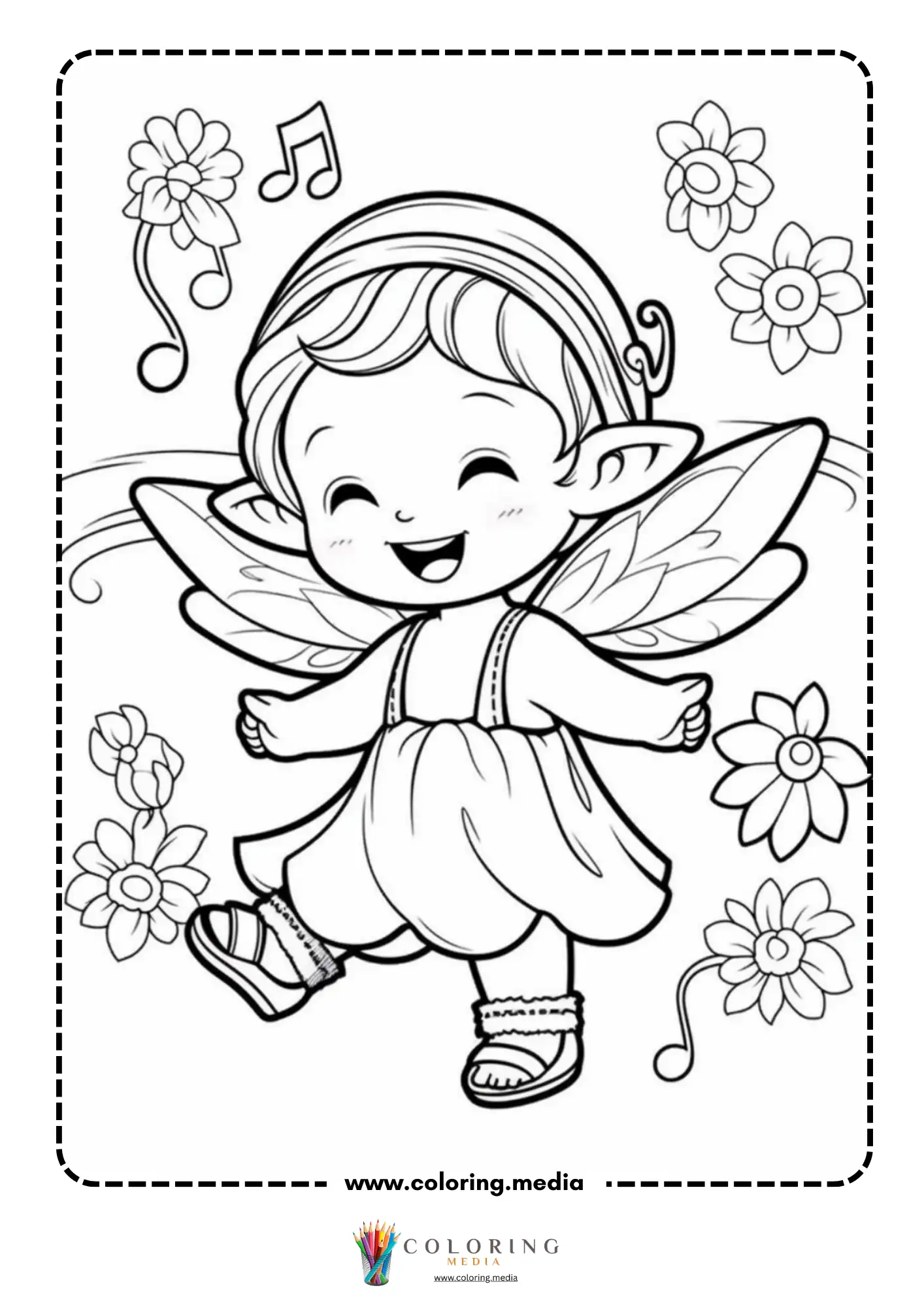
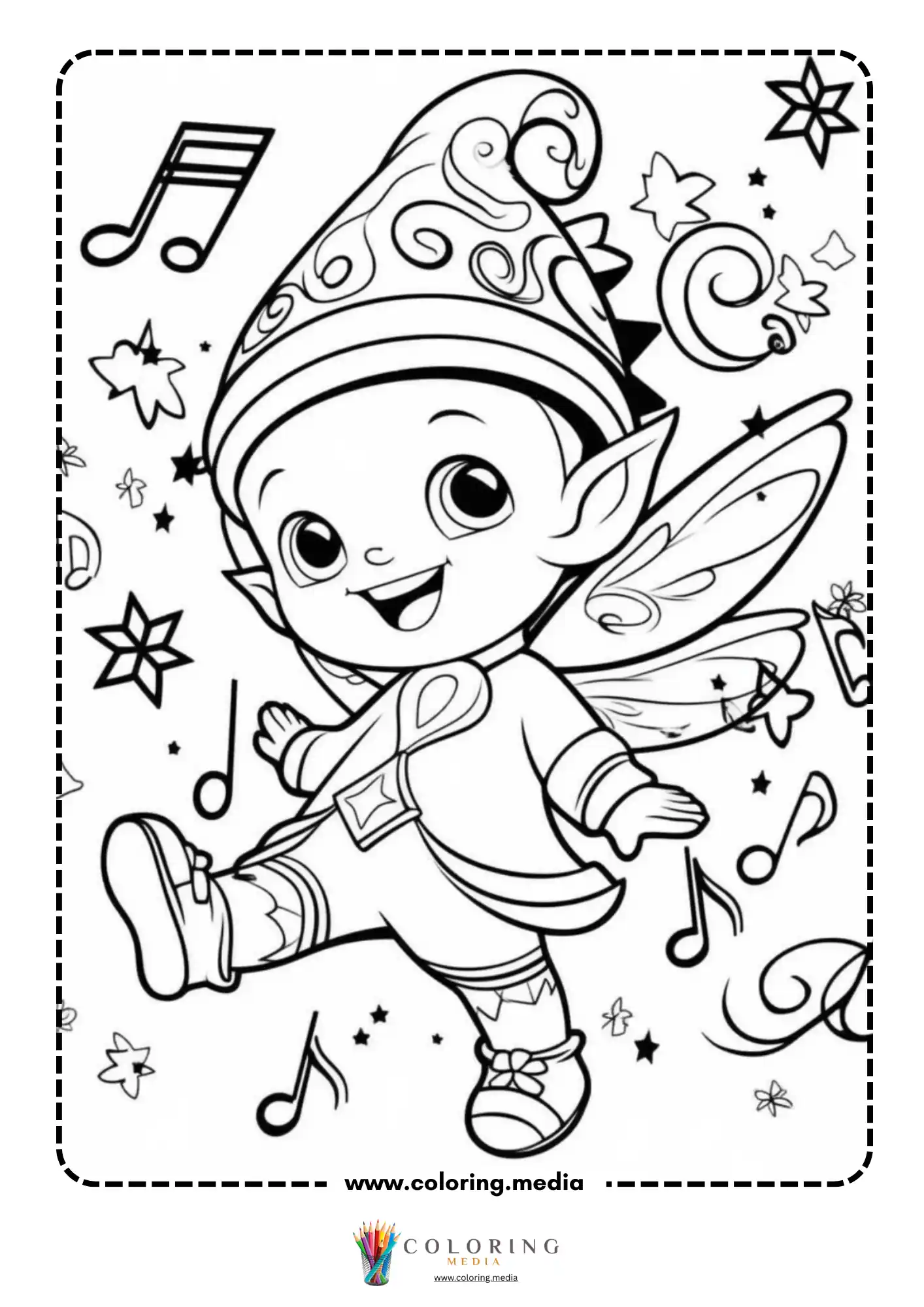
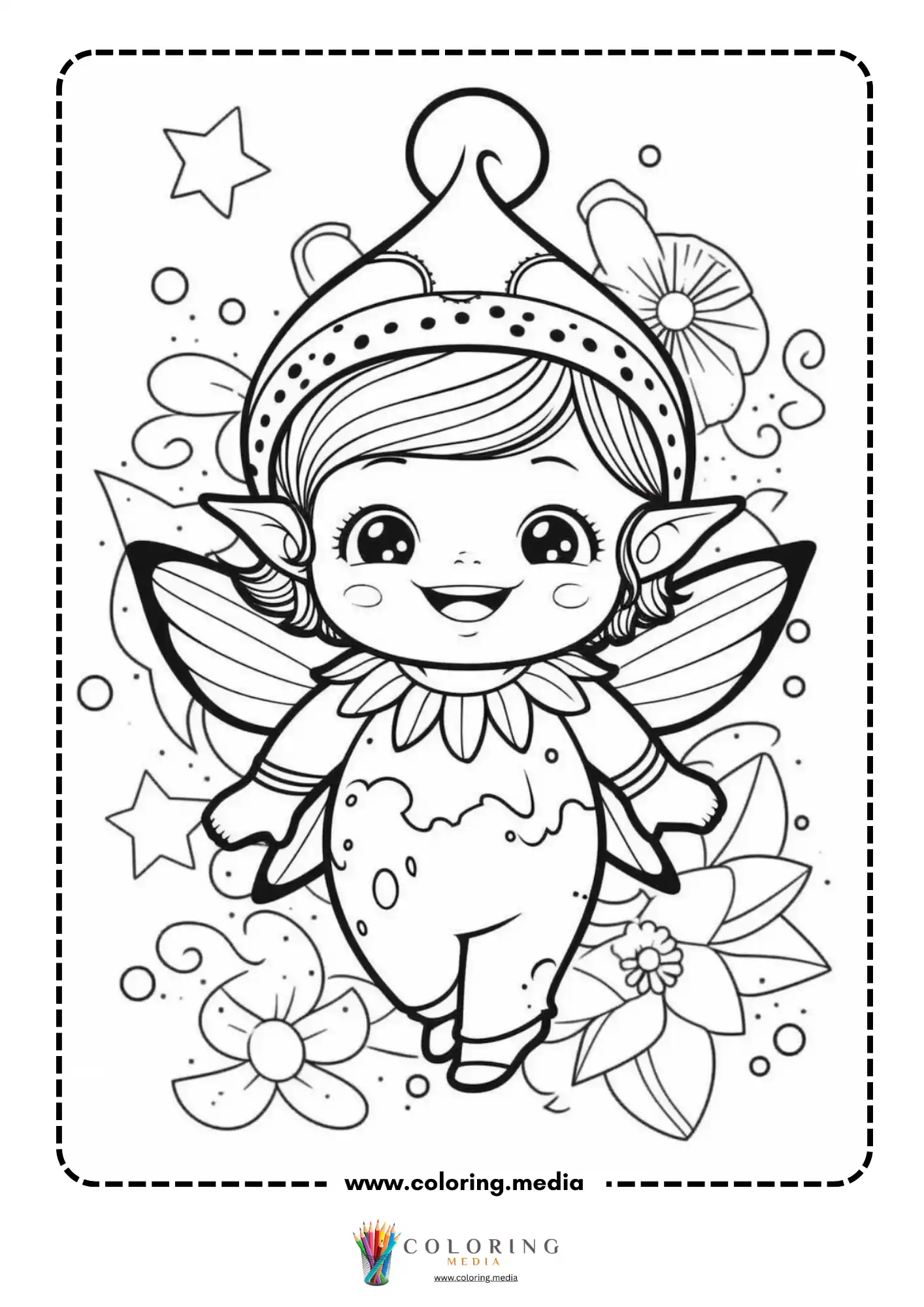
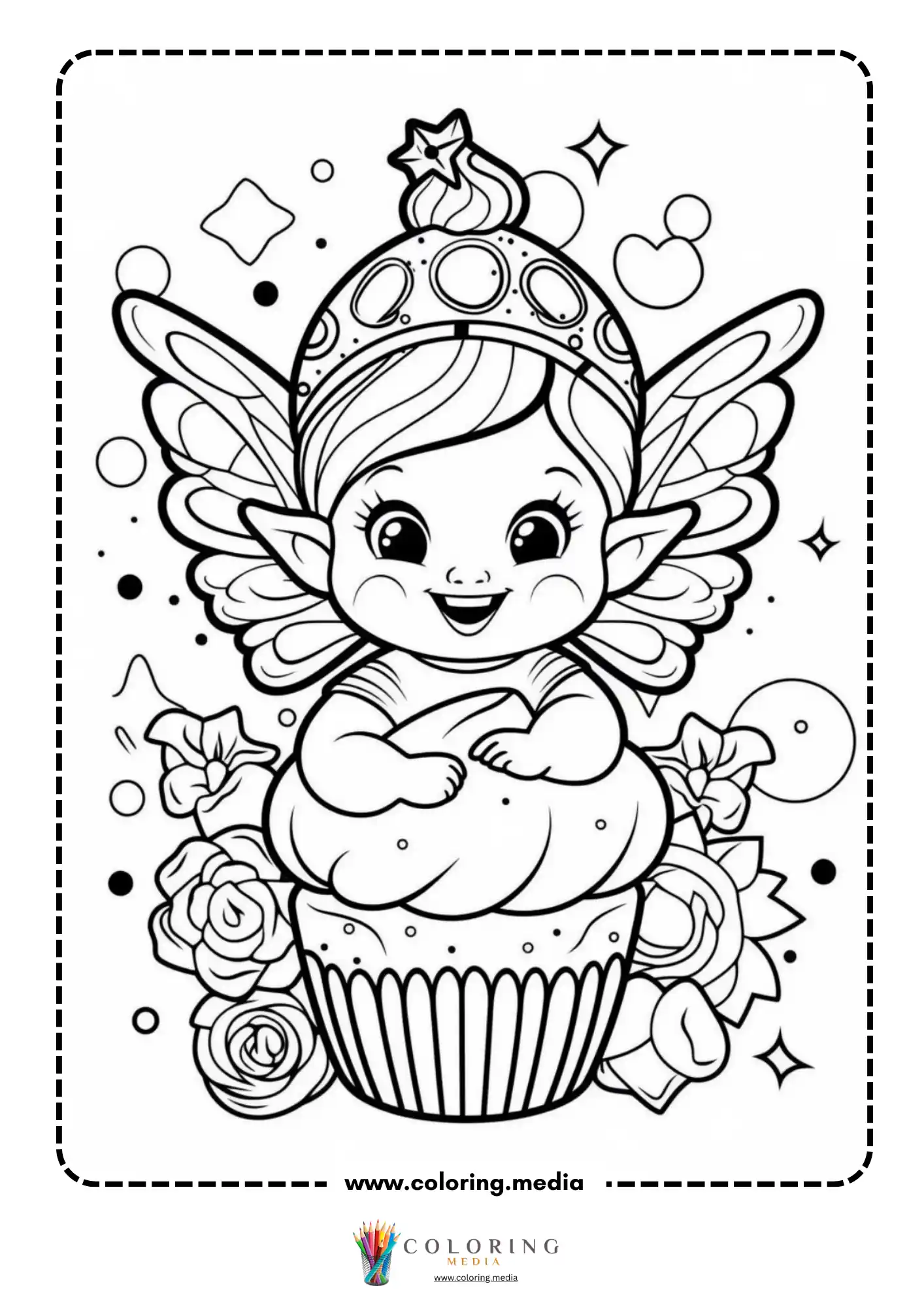
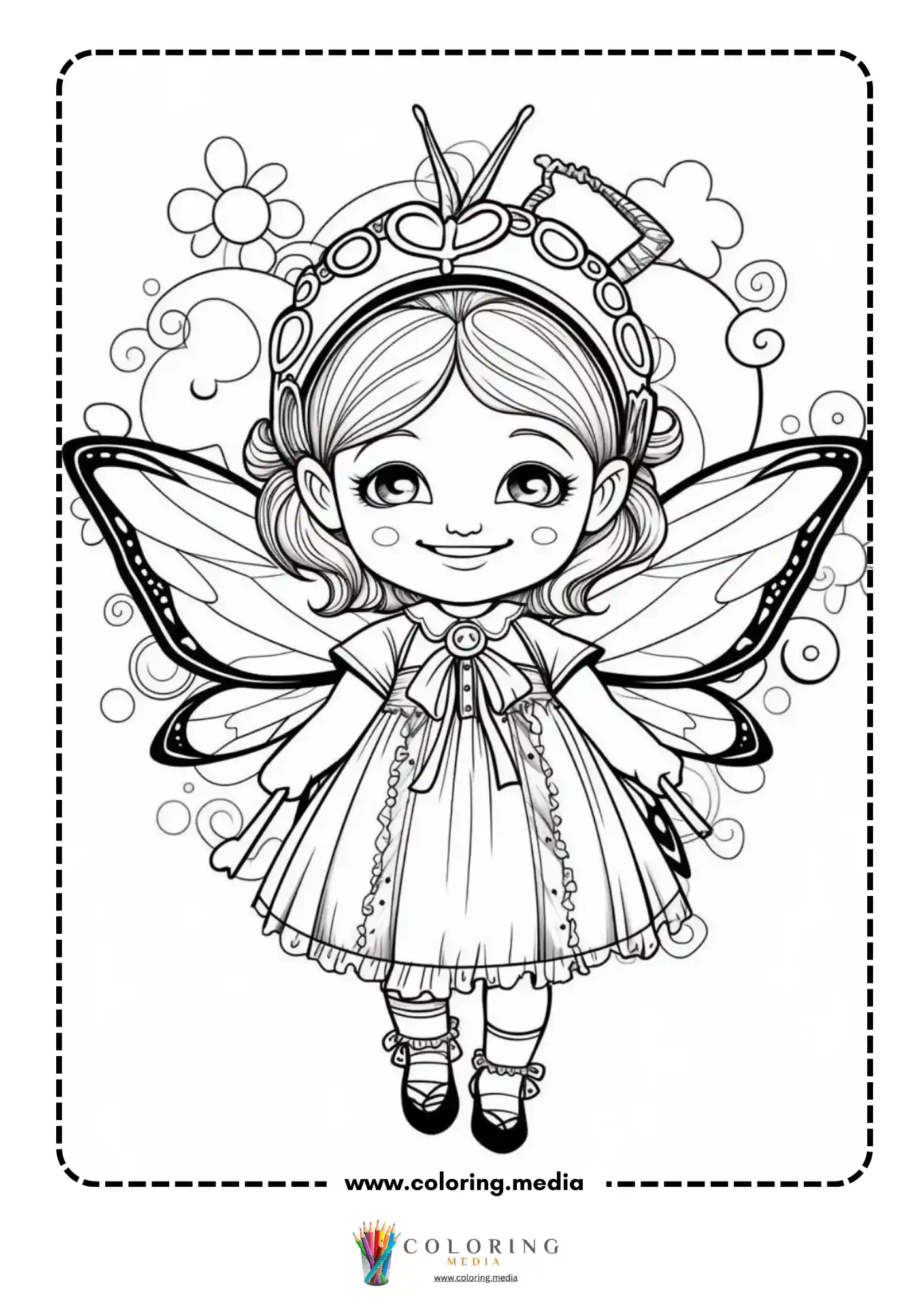
These kawaii fairies are small, round-headed, and drawn with the signature chibi proportions that make complex subjects approachable: oversized heads with large shining eyes, compact bodies, and delicate wings that look more like decorative accessories than actual flight equipment. The variety across the 20 pages is wider than most single-theme sets — some fairies hold musical instruments, some wear themed hats, some perch on crescent moons, some float above giant cupcakes. The consistent art style ties them together, but no two pages feel like the same idea repeated.
The line complexity sits at a moderate level — clear, well-defined outlines with minimal fussy detail inside the main shapes. Younger kids who can manage to stay roughly inside the lines will find these satisfying to complete. Everything here is free to download and easy to print.
Free Printable Kawaii Fairy Coloring Pages
This collection includes 20 printable kawaii fairy coloring pages featuring chibi-style fairy characters in a wide range of scenes and themes — a musical fairy with a tiny instrument, a seasonal fairy in a winter hat, a fairy riding on a surfboard, a fairy curled up on a crescent moon, and more. The wings on each character vary in shape: some are rounded and butterfly-like, some are angular and insect-like. Each page prints as a clear PDF on A4 or US Letter paper.
Who Are These Kawaii Fairy Coloring Pages Best For?
Kindergartners can handle most of these pages with minimal frustration — the chibi proportions mean the main coloring areas (the body, the wings, the head) are large enough to fill in without requiring precision. The wing outlines have some detail, but the shapes are simple enough that a child who can work with a standard crayon will get a satisfying result even if they go slightly outside the lines. The big expressive eyes are usually outlined clearly enough to color around easily.
Early elementary kids in grades 1 and 2 get the most out of the thematic variety — being able to choose between “the fairy with the cupcake” or “the fairy on the surfboard” or “the fairy with the hat” is genuinely engaging for 6 and 7-year-olds in a way that less varied collections are not. They also have the control to stay inside the smaller detail areas like the wing patterns and the decorative elements on the fairies’ outfits.
In a classroom setting these work well as a free-choice Friday activity or as part of a creative writing exercise — color a fairy, give her a name, write what her magical power is, and where she lives. The themed variety means each child in a group picks something different, which avoids the comparison anxiety that comes when everyone colors the same image.
Interesting Fairy Facts to Share While Coloring
Real insects inspired fairy wing designs. The most commonly depicted fairy wings — translucent, veined, slightly iridescent — are modeled closely on dragonfly wings. Dragonflies have four separate wings, each covered in a network of veins that gives them rigidity, and the wings catch light in a way that makes them appear to change color. Victorian illustrators used them as direct references for their fairy depictions.
The Japanese word “kawaii” means more than just cute. It’s closer to “lovable” or “endearing” and captures something specific about the appeal of round shapes, large eyes, and small noses — a visual language that triggers the same nurturing response humans have toward babies. It emerged as a cultural and artistic movement in Japan in the 1970s and has since influenced character design worldwide, from Hello Kitty to the style of these very pages.
Fairies in folklore were often associated with specific locations. A fairy wasn’t a generic magical being — it was attached to a particular stream, hill, or grove. Moving a stone or cutting down a tree on a “fairy path” was considered genuinely dangerous in parts of Ireland as recently as the 20th century. A construction project in County Clare in 1999 was reportedly rerouted to avoid disturbing a known fairy bush.
Moon fairies appear across many unrelated cultures. The Japanese moon rabbit, the Chinese goddess Chang’e, the Gaelic moon spirits — different traditions developed similar ideas about small magical beings associated with the moon independently. The pages in this set that show fairies sitting on crescent moons tap into one of the oldest and most widespread pieces of fairy imagery that exists.
Creative Kawaii Fairy Coloring and Craft Ideas
Pastel rainbow wings Use a different pastel color for each wing panel — pale pink, light lavender, sky blue, soft mint — and leave the fairy’s outfit in a contrasting bolder color so the wings stand out.
Glitter gel pen finish After coloring with crayons or markers, trace over the wing outlines and any star or sparkle details with a gold or silver glitter gel pen. This takes about two minutes and dramatically lifts the finished look.
Fairy name generator game Have kids combine their birth month (January = Star, February = Moon, etc.) with the first letter of their name (A = Blossom, B = Shimmer, etc.) to create their fairy name, then color the page that “matches” their personality. It’s a low-stakes game that gets kids invested in the activity before they pick up a crayon.
Themed fairy set Print four pages and assign each a seasonal theme — color the wings and outfit in spring/summer/autumn/winter colors. Display them as a set on a bedroom wall.
Moon fairy night scene After coloring the crescent moon fairy page, cut it out and glue it onto dark blue or black paper. Add silver gel pen dots for stars and a pale yellow circle for the full moon behind the fairy.
Fairy paper doll variation Color and cut out two or three fairy pages, then mount each one on cardstock before cutting. Fold a small strip at the base so each fairy stands up — a quick paper doll alternative without requiring any extra materials.
Collaborative fairy garden poster In a classroom, have each student color one fairy page. Cut them out and arrange them on a large sheet of green paper with drawn or painted flowers and mushrooms. Each fairy gets a name tag and a “special power” written by the student.
How to Print These Kawaii Fairy Coloring Pages
Each page downloads as a PDF that prints cleanly on A4 or US Letter paper. Standard copy paper works well for crayons and markers. If you’re adding gel pen details after coloring, slightly heavier paper — 32lb copy paper or 65lb cardstock — holds up better to the pressure. Print in color mode if you want the subtle gray tone in the preview image to show the detail; black and white works equally well for the actual coloring.
Explore More Fantasy Coloring Pages
If you enjoyed these pages, you may also like:
Dragon Coloring Pages
Fairy Princess Coloring Pages
All Fantasy & Mythical Coloring Pages