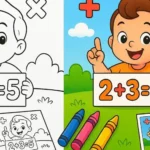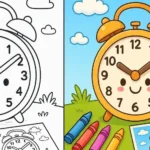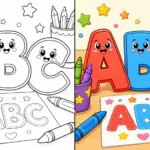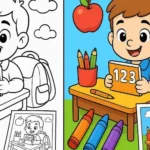

Kindergarten Coloring Pages
Kindergarten coloring pages for ages 4 to 6, including alphabet, counting, seasons, animals, science topics, and simple activity sheets that fit early classroom learning.
The pages here are chosen for children who can handle a little more detail but still need clear shapes, readable outlines, and subjects that connect to familiar lessons.
Explore other age-based pages
Explore nearby age hubs when you need simpler preschool pages or more detailed early elementary worksheets.
Kindergarten Coloring Pages
Use this kindergarten hub as a starting point for printable coloring pages that blend creativity with early literacy, math, science, and seasonal themes.
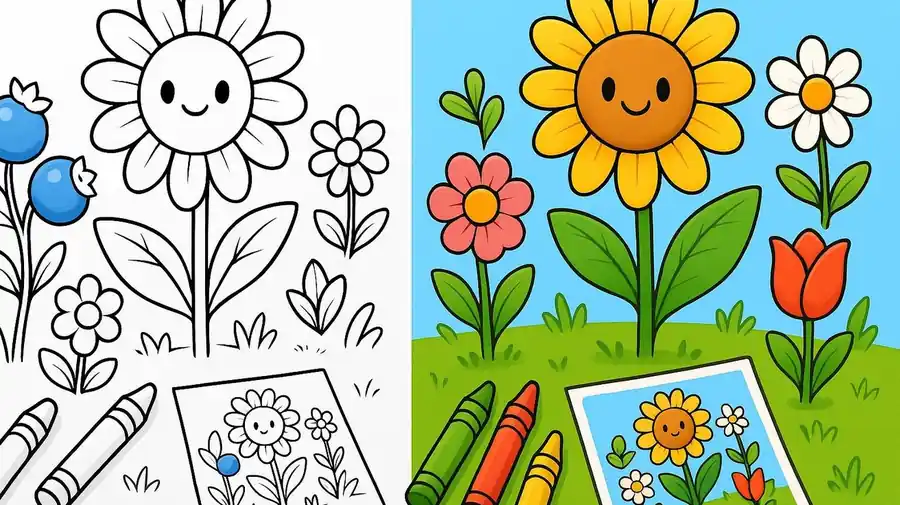
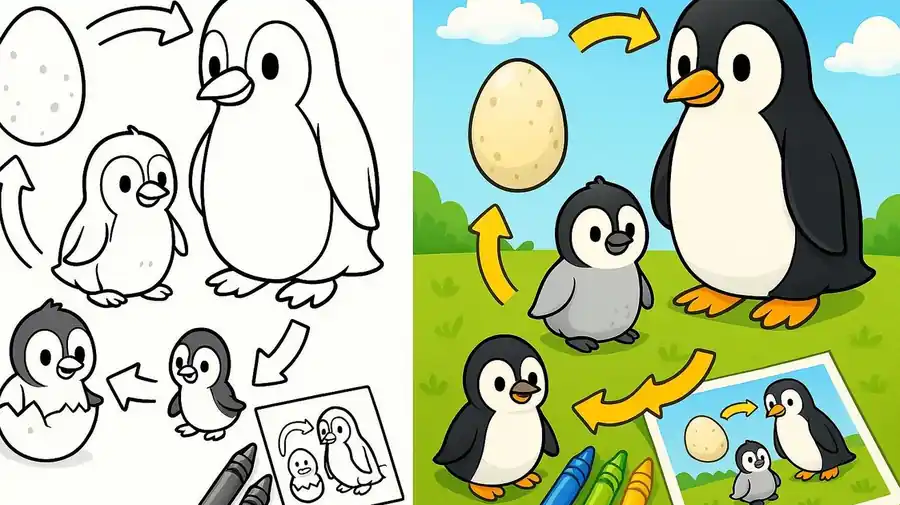
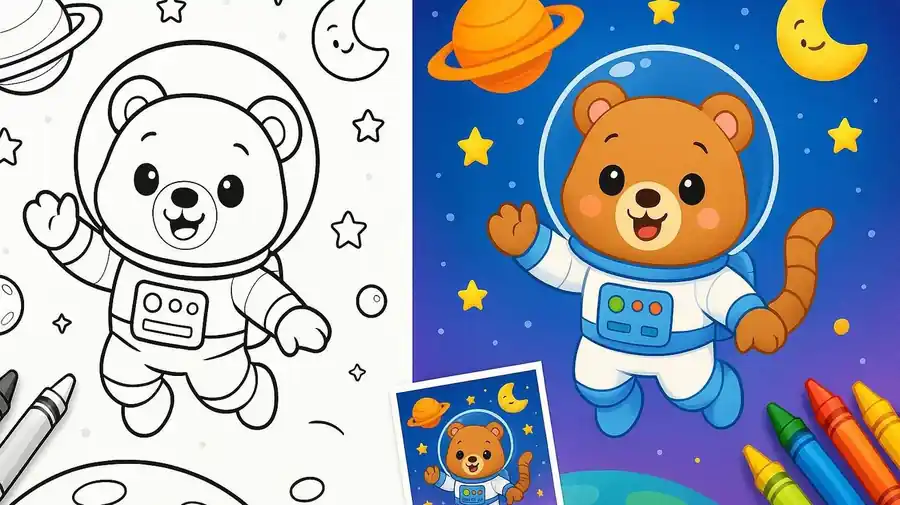
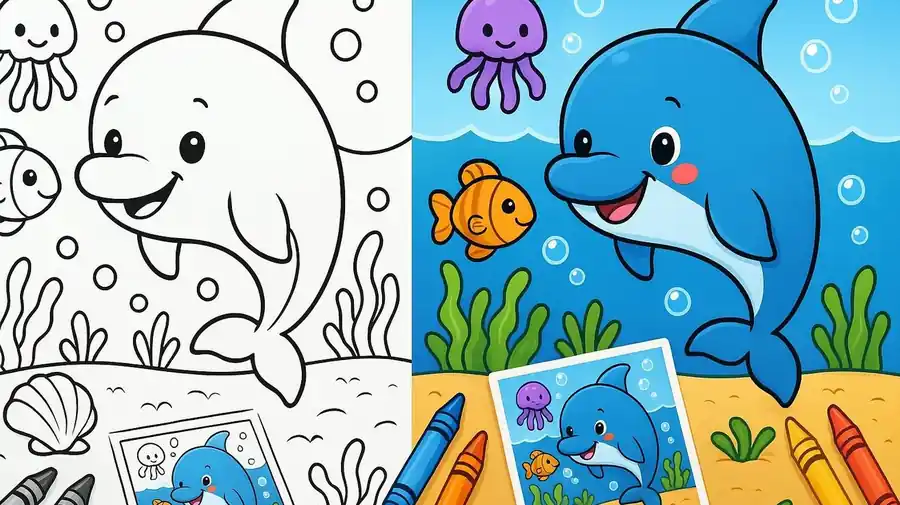
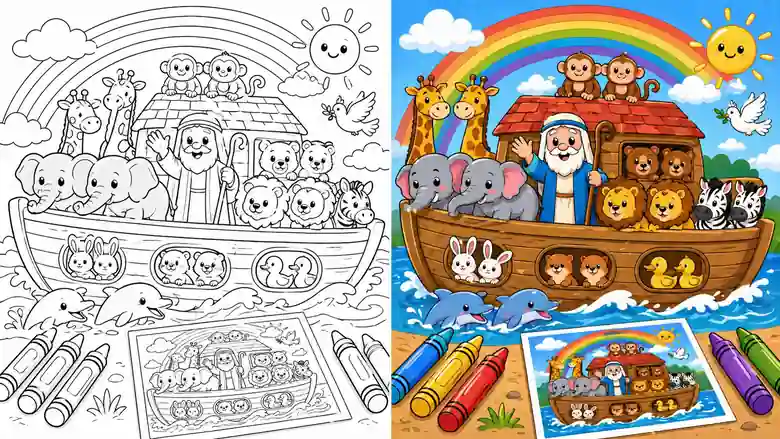
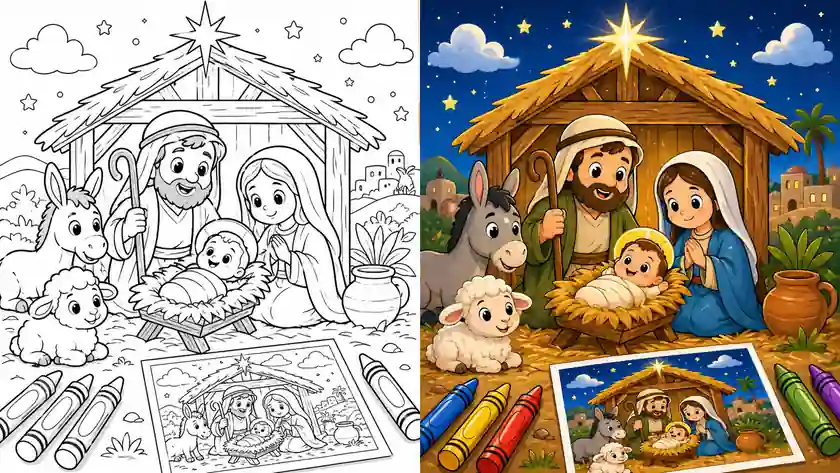
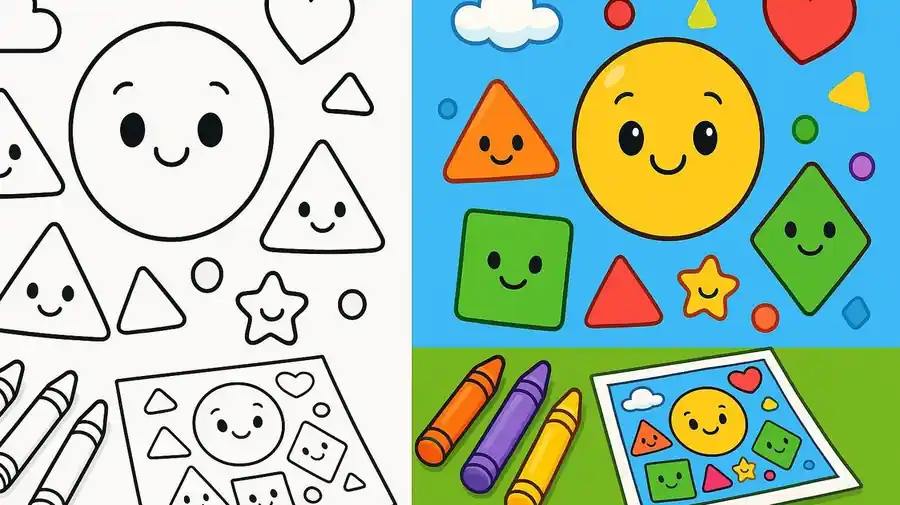
What Kindergarteners Actually Want to Colour
A robot who has lost his bolts. A caterpillar wearing five odd socks. A rocket with the numbers painted down the side. Give a five-year-old a page like that and they will happily spend twenty minutes on it — and count the bolts back on without once noticing they are doing maths.
That is the whole idea behind this collection. The pages are built to be enjoyed first. The letters, numbers and science are in there, but they sit inside something a child actually wants to pick up.
Pages Kindergarteners Tend to Love
- Silly creatures with a job to do — monsters sorting shapes, robots counting bolts, animals delivering post. The task is disguised as a story.
- Alphabet pages with a character per letter — far more appealing than a bare letter, and the letter still gets learned.
- Colour by number — the closest thing to a puzzle. Children who resist worksheets will happily do twenty of these.
- Life cycles — caterpillars, frogs, sunflowers. Genuinely interesting to a five-year-old, and they absorb the sequence without being taught it.
- Seasonal and festive scenes — pumpkins, snowmen, egg hunts. Nothing to learn, everything to enjoy, and they still practise the same hand control.
Getting the Difficulty Right
Kindergarteners sit in a gap. Toddler pages feel babyish; the detailed pages an eight-year-old loves are simply too fiddly. A page that misses in either direction gets abandoned halfway.
Ours are drawn for the middle: thick outlines you can actually see, shapes big enough to fill without frustration, and subjects a five-year-old can name on sight. Where there is a task, it is one task — not three stacked on top of each other.
What They Are Quietly Practising
None of this needs justifying as a lesson. But a child working on a page is rehearsing the grip that handwriting will later depend on, the control to follow a line, and the patience to finish something they started. For children who find writing stressful, a colouring page is a gentler way into exactly the same physical skills — with no wrong answers anywhere on it.
In the Classroom
Early finishers. A tray of these gives fast workers somewhere to go that does not create noise.
Morning work. Something to settle into while the rest of the class arrives.
After a lesson. A life cycle or weather page lets the class revisit what they just heard, in a mode that feels like a reward.
Cover days. Pages that need no setup and no explanation are worth keeping in a folder for the days you are not there.
How to Print These Kindergarten Coloring Pages
Every page is a free PDF, formatted for US Letter and A4 at 300 dpi, so it prints sharp on a home or classroom printer. Click a thumbnail to open it, then print.
For class sets, black and white at draft quality is fine — the line work is designed to hold up. If markers are involved, slightly heavier paper stops the colour bleeding through.
Questions Parents and Teachers Ask
What age is kindergarten colouring for? Broadly five and six. If a page feels too easy, the early elementary pages add detail; if it feels too hard, the preschool pages use simpler shapes.
My child only wants the silly ones, not the learning ones. That is fine, and honestly it is the point. The colouring is doing its job either way, and children who start with the monsters usually drift to the counting pages on their own.
Are these free to use in a classroom? Yes — free for personal, classroom and homeschool use. See the licensing policy.
How long should a kindergartener spend on one page? Ten to twenty minutes is typical, and stopping before it is finished is completely normal at this age.