
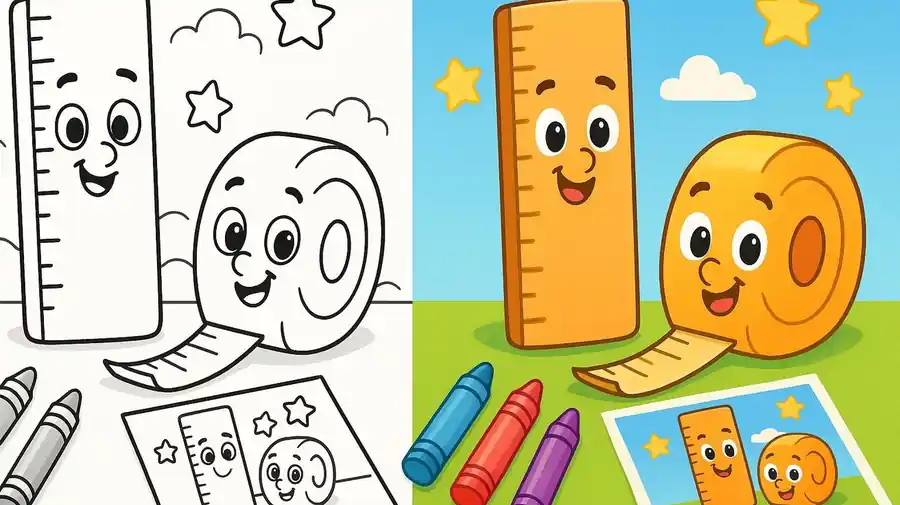
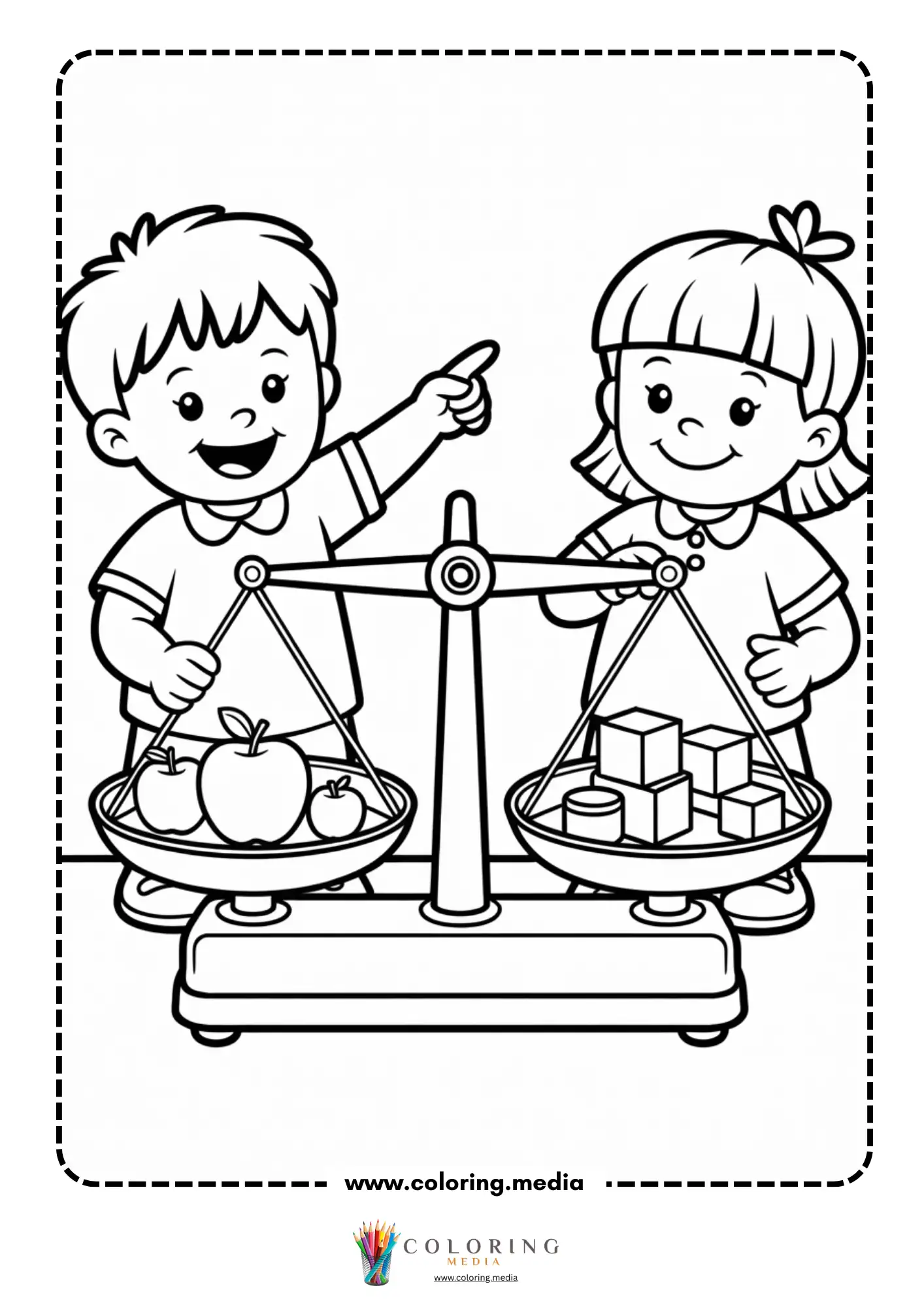
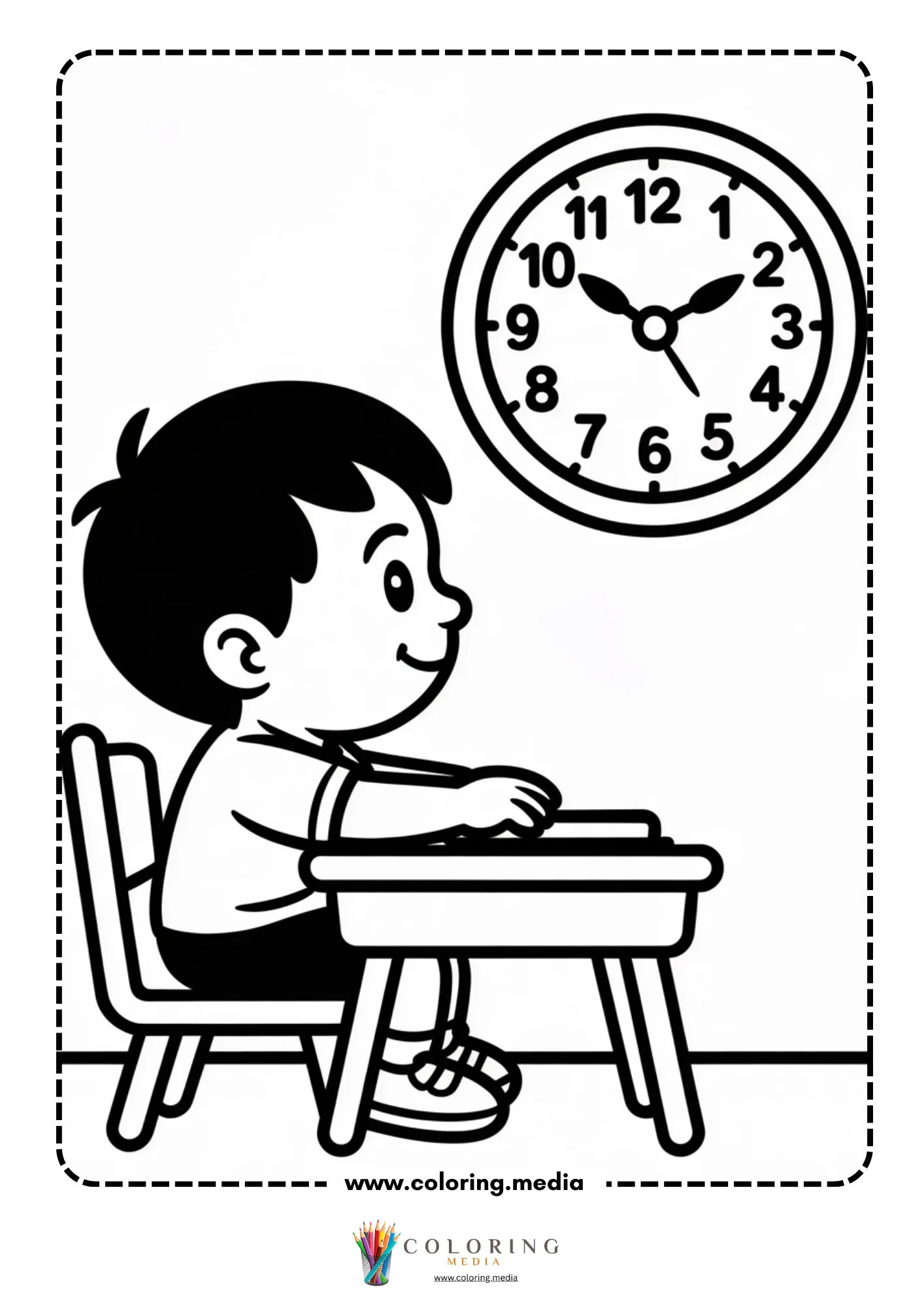
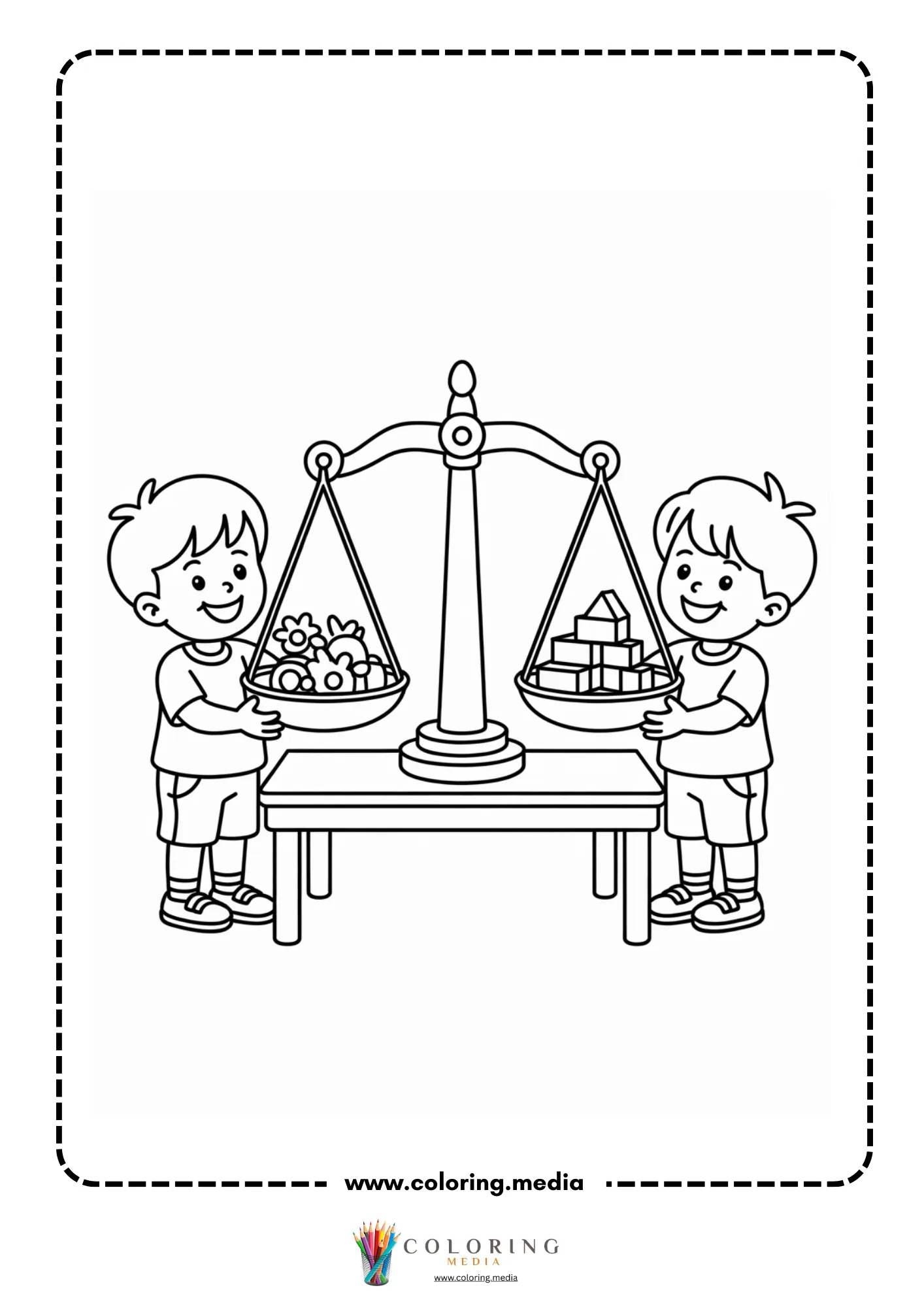
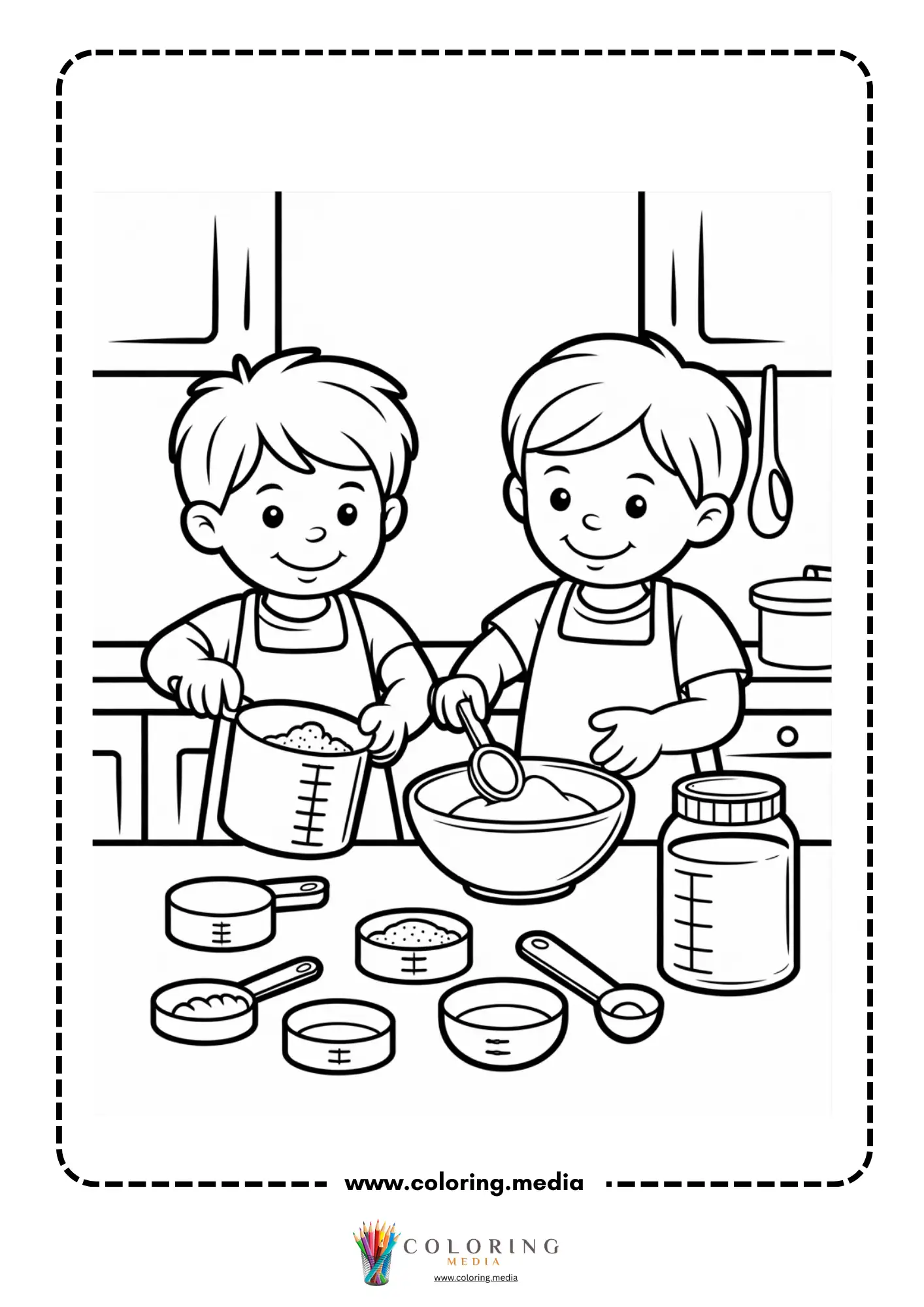
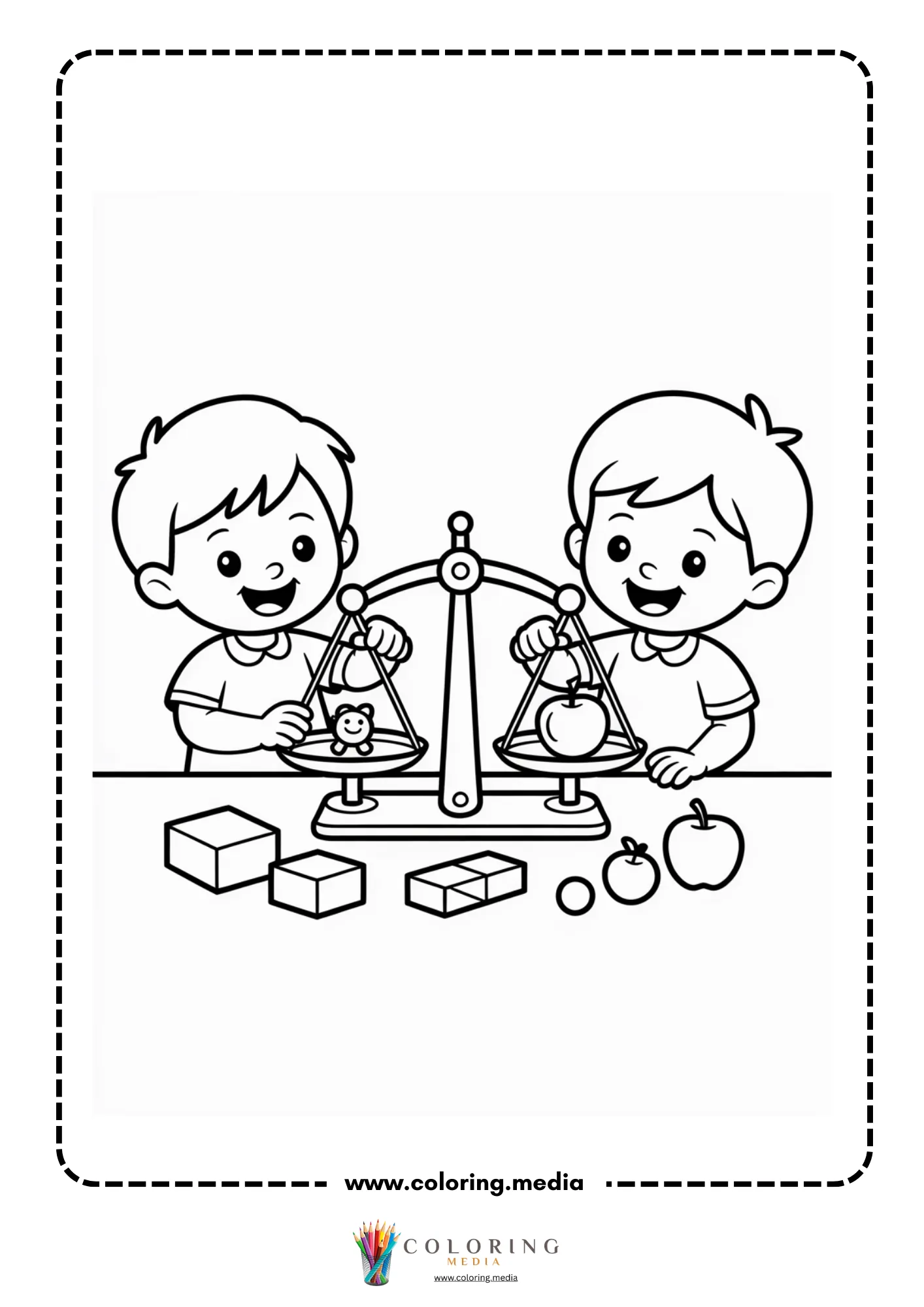
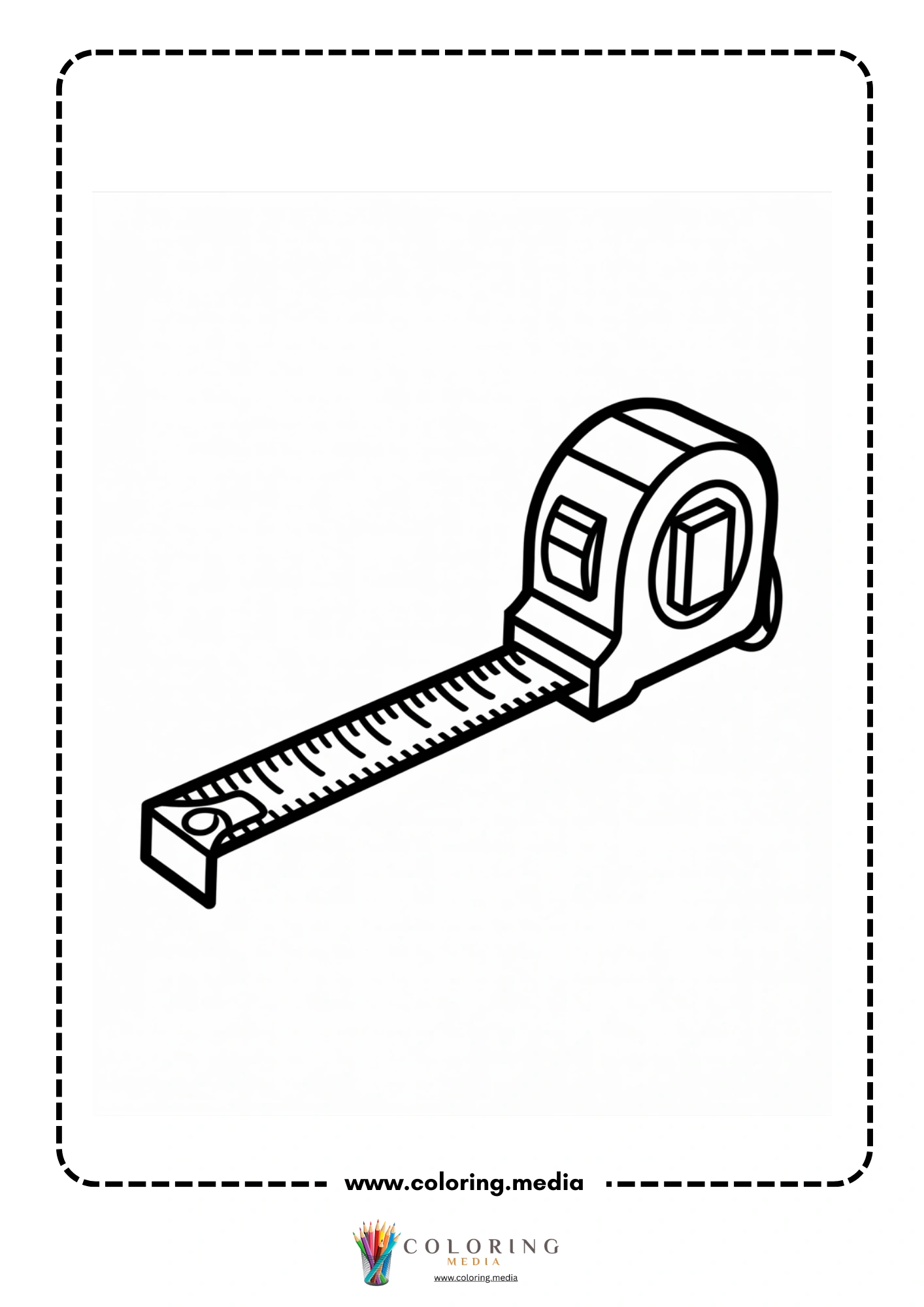
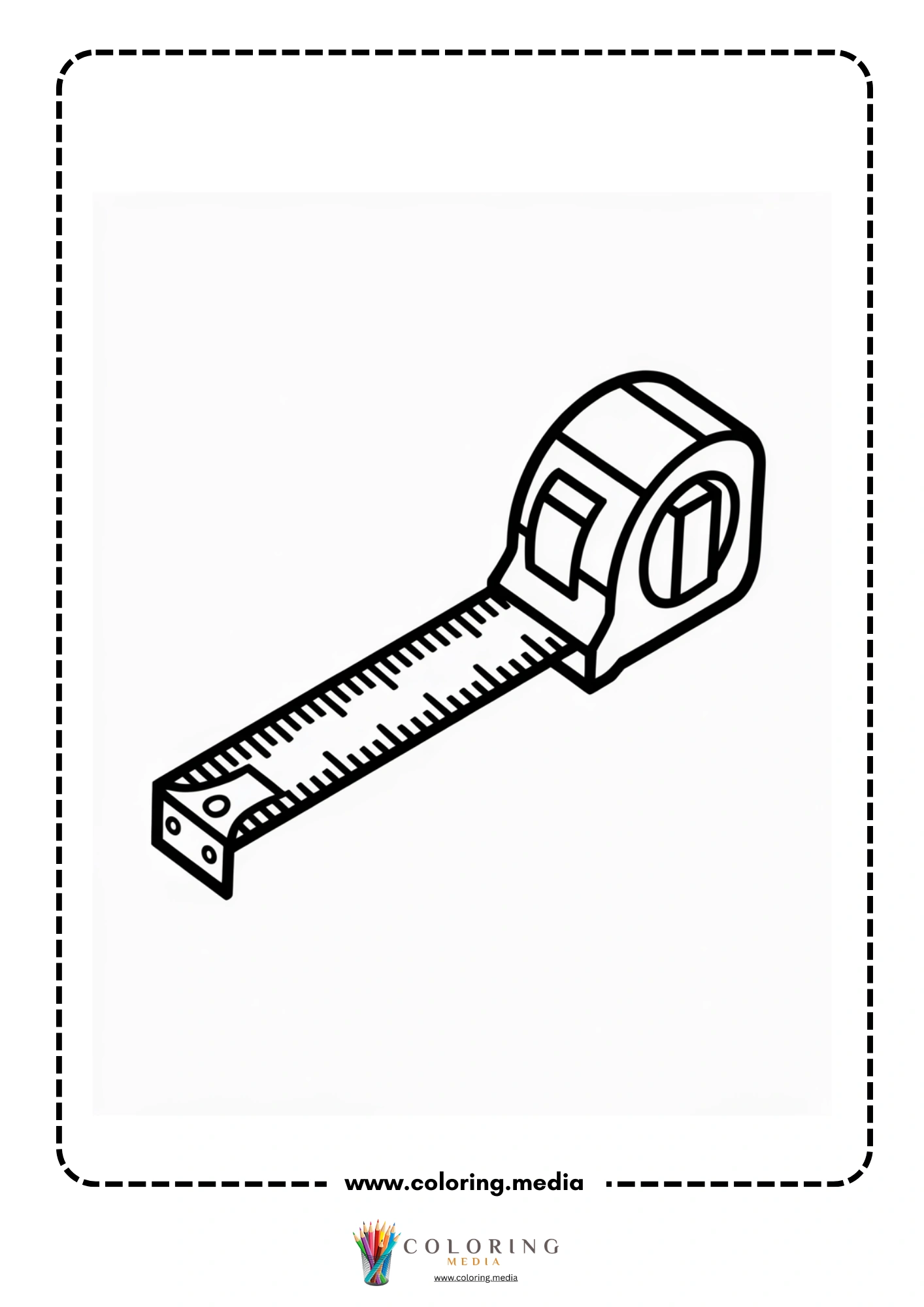
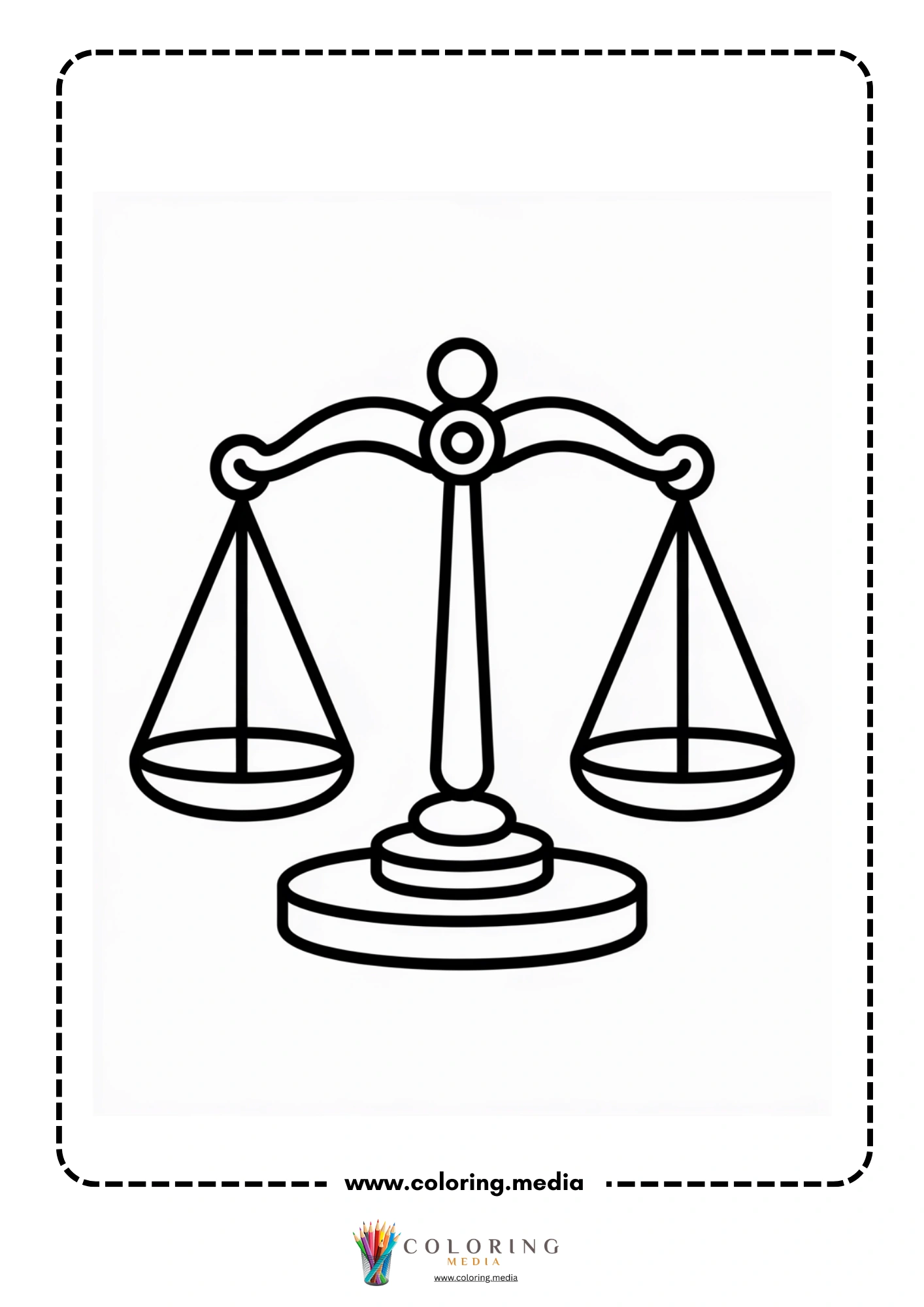
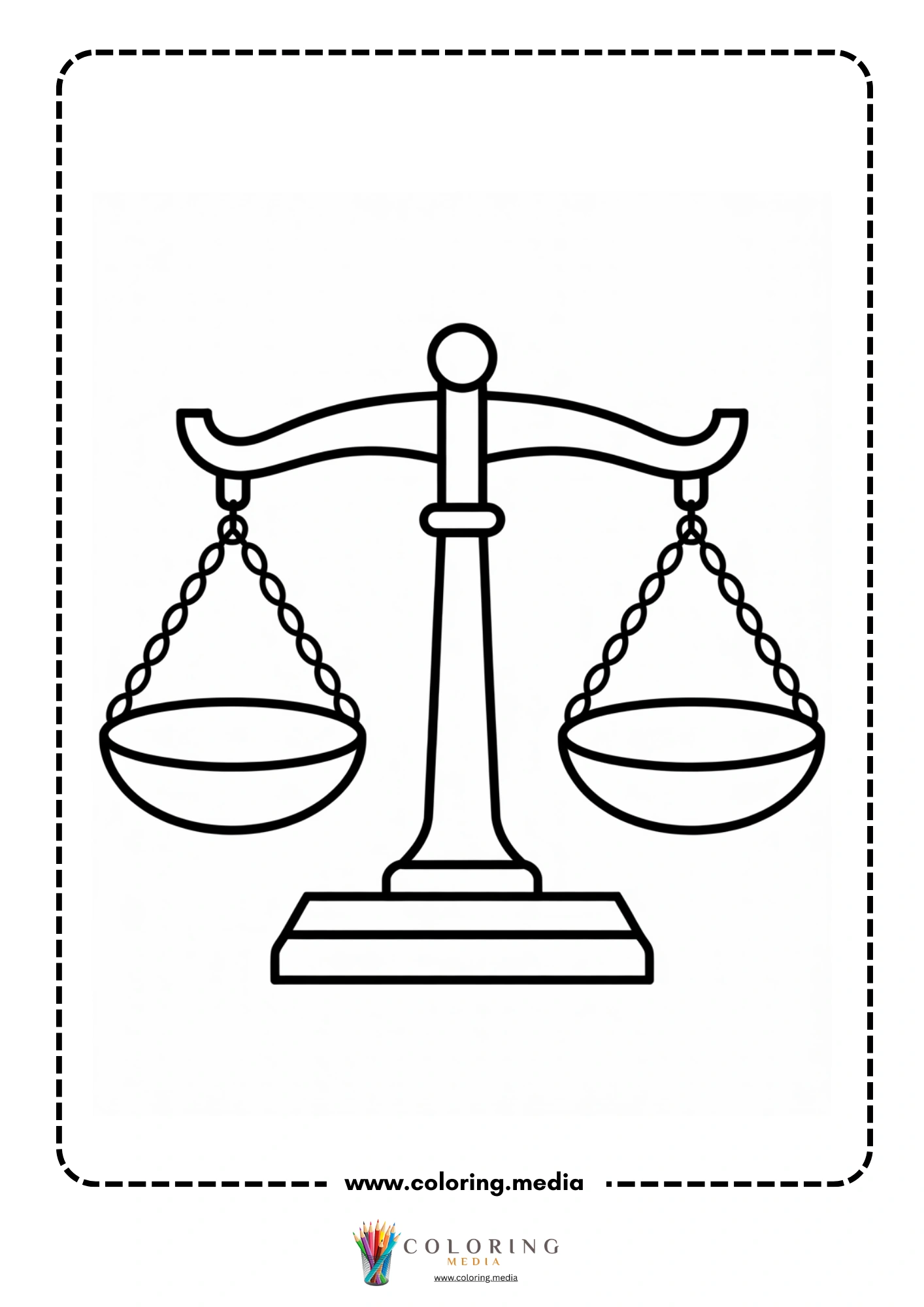
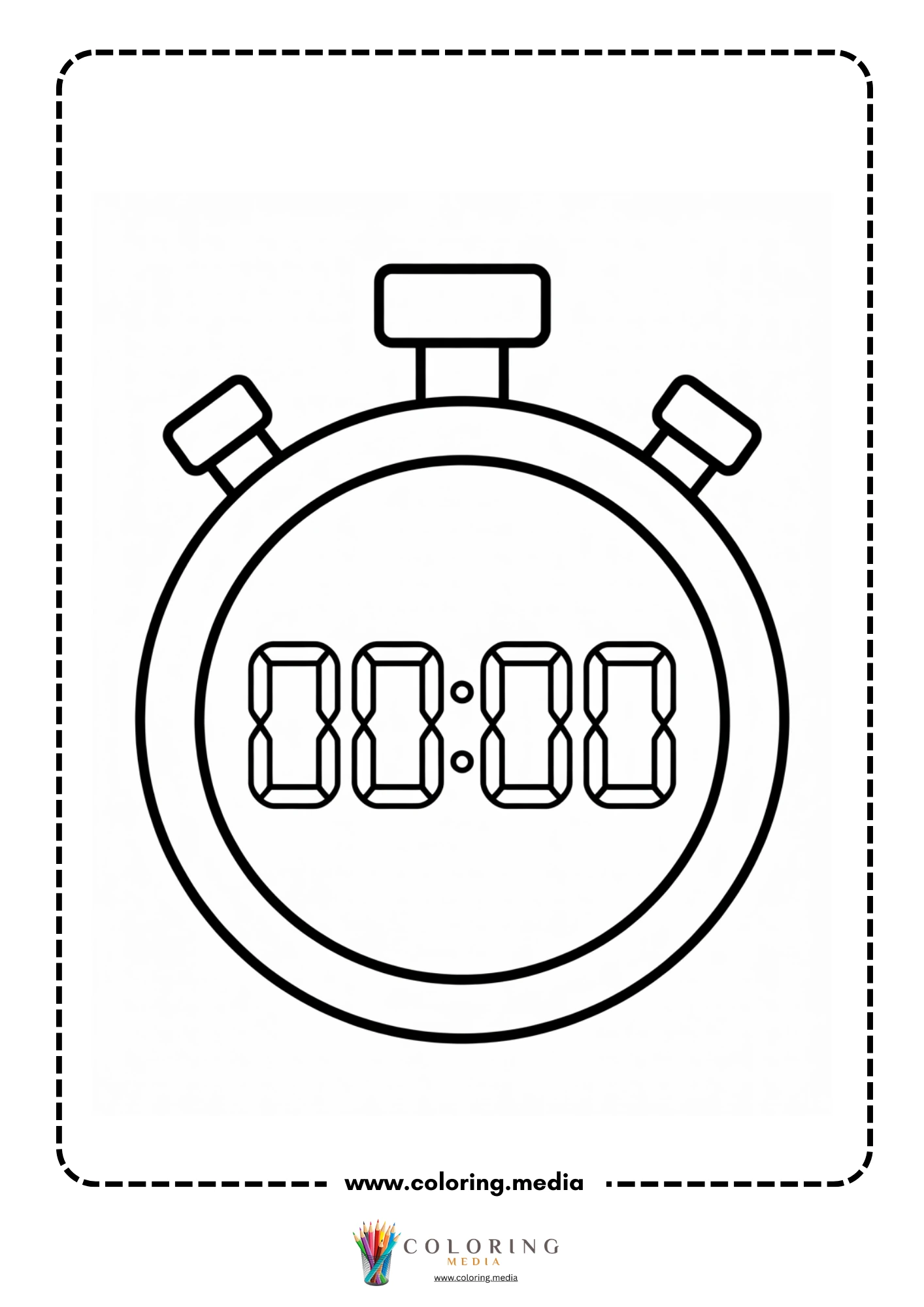
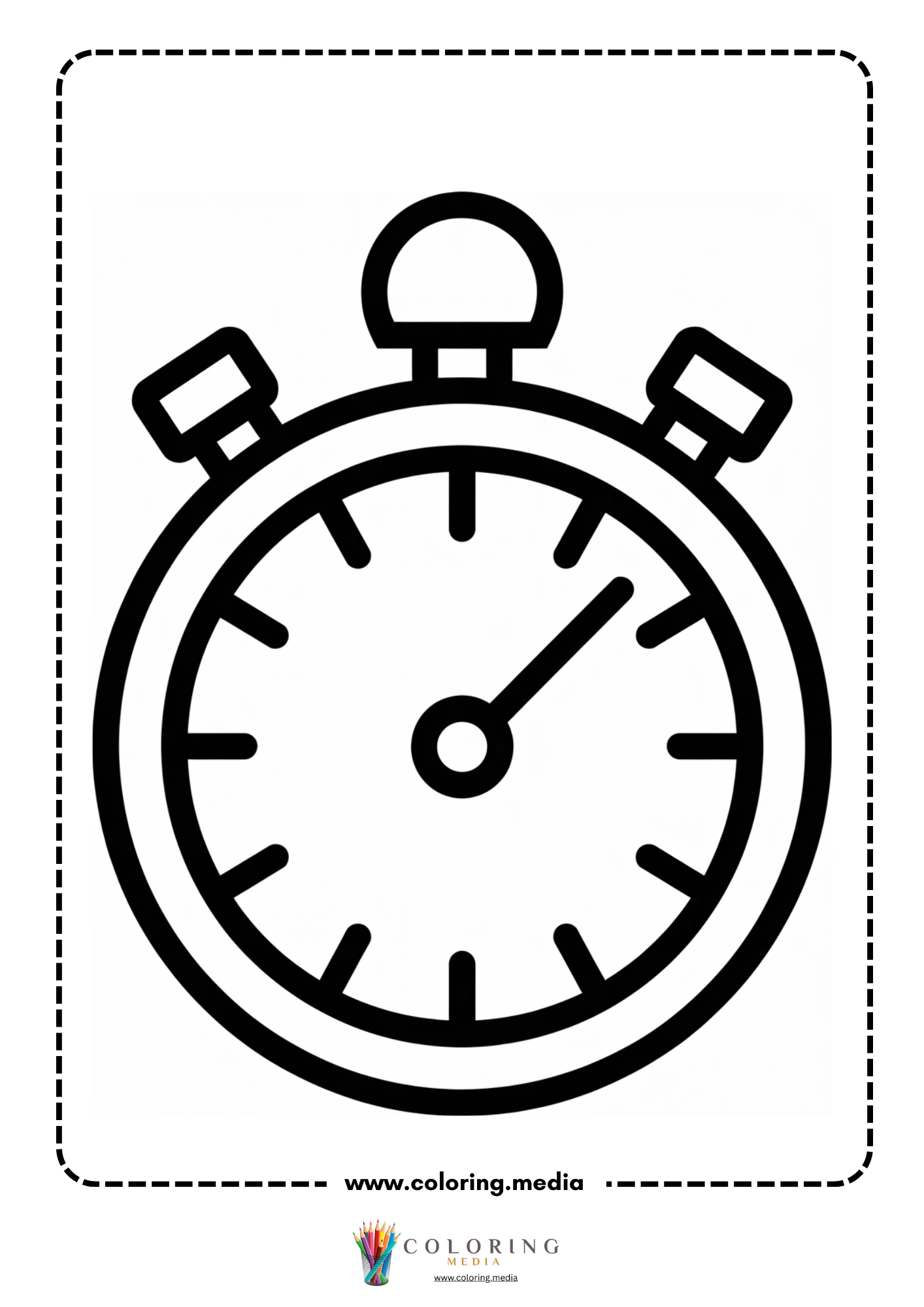
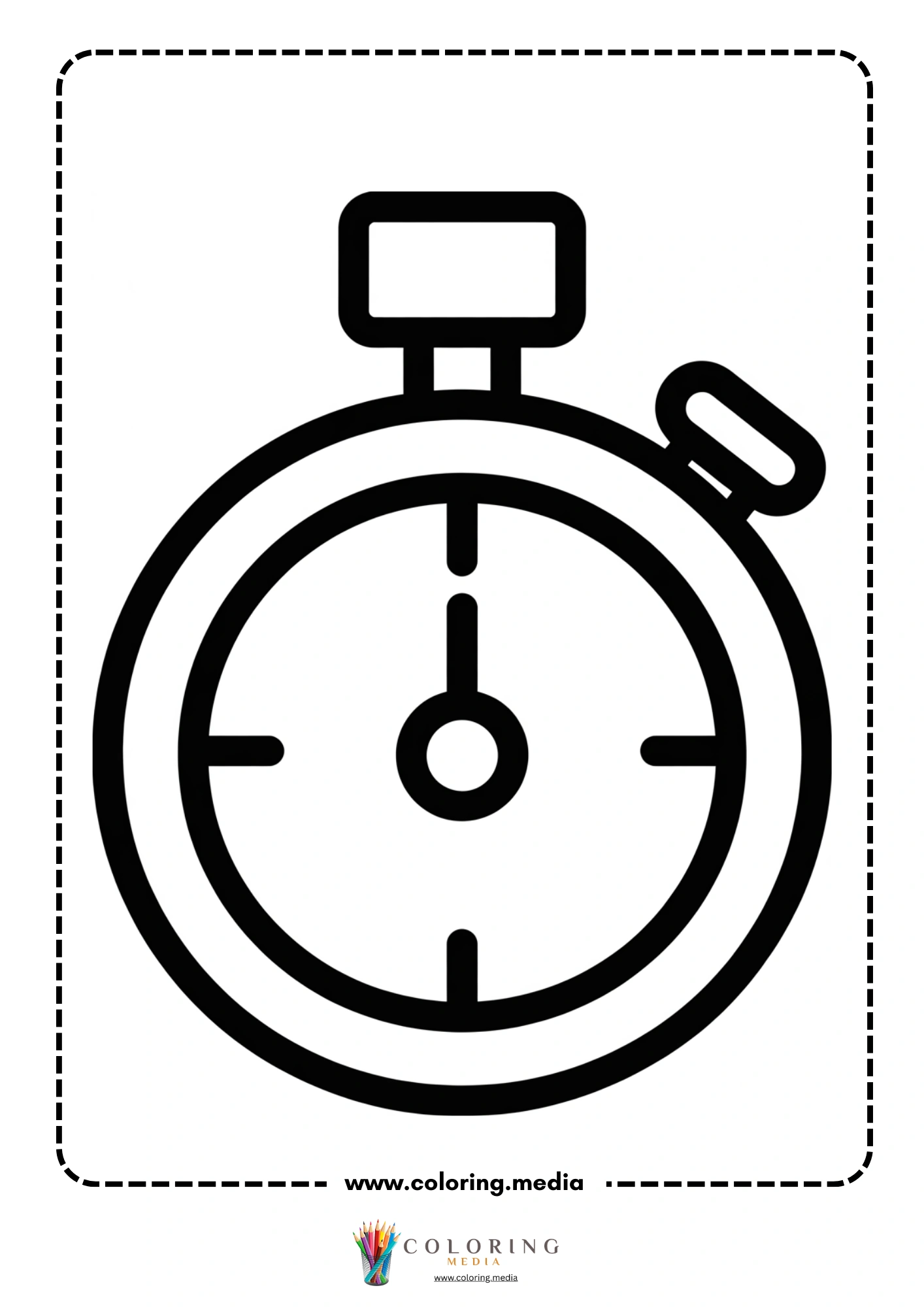
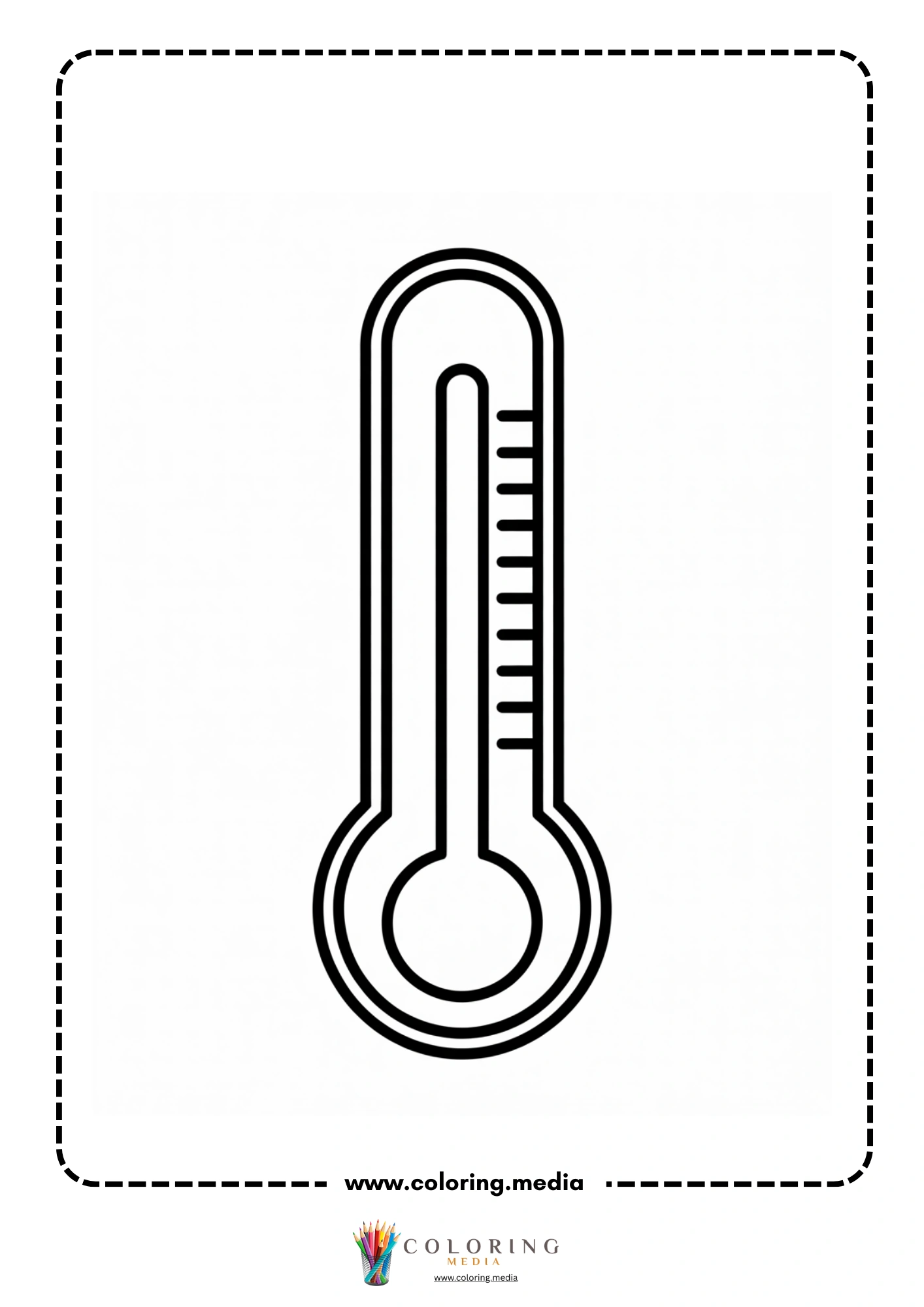
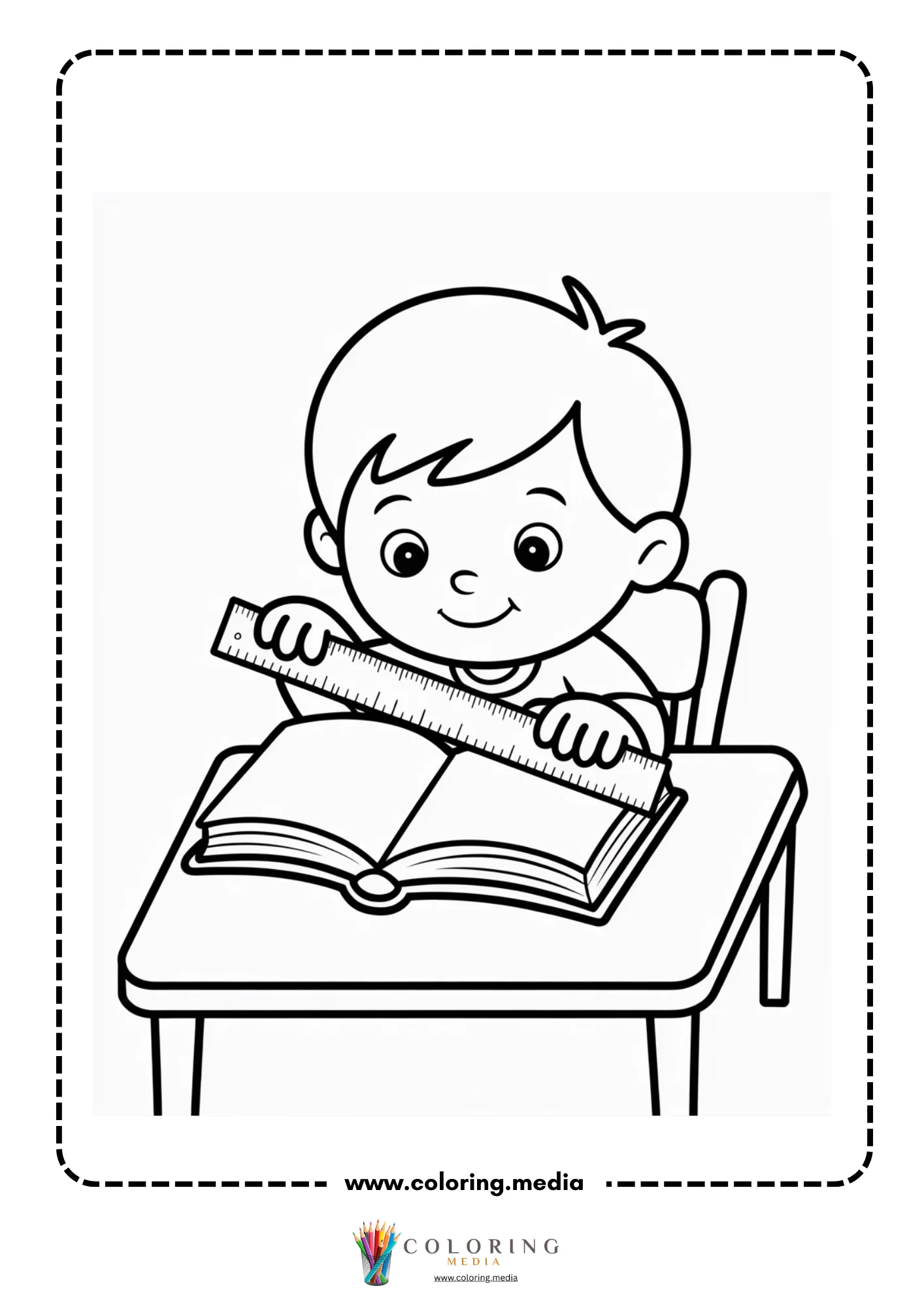
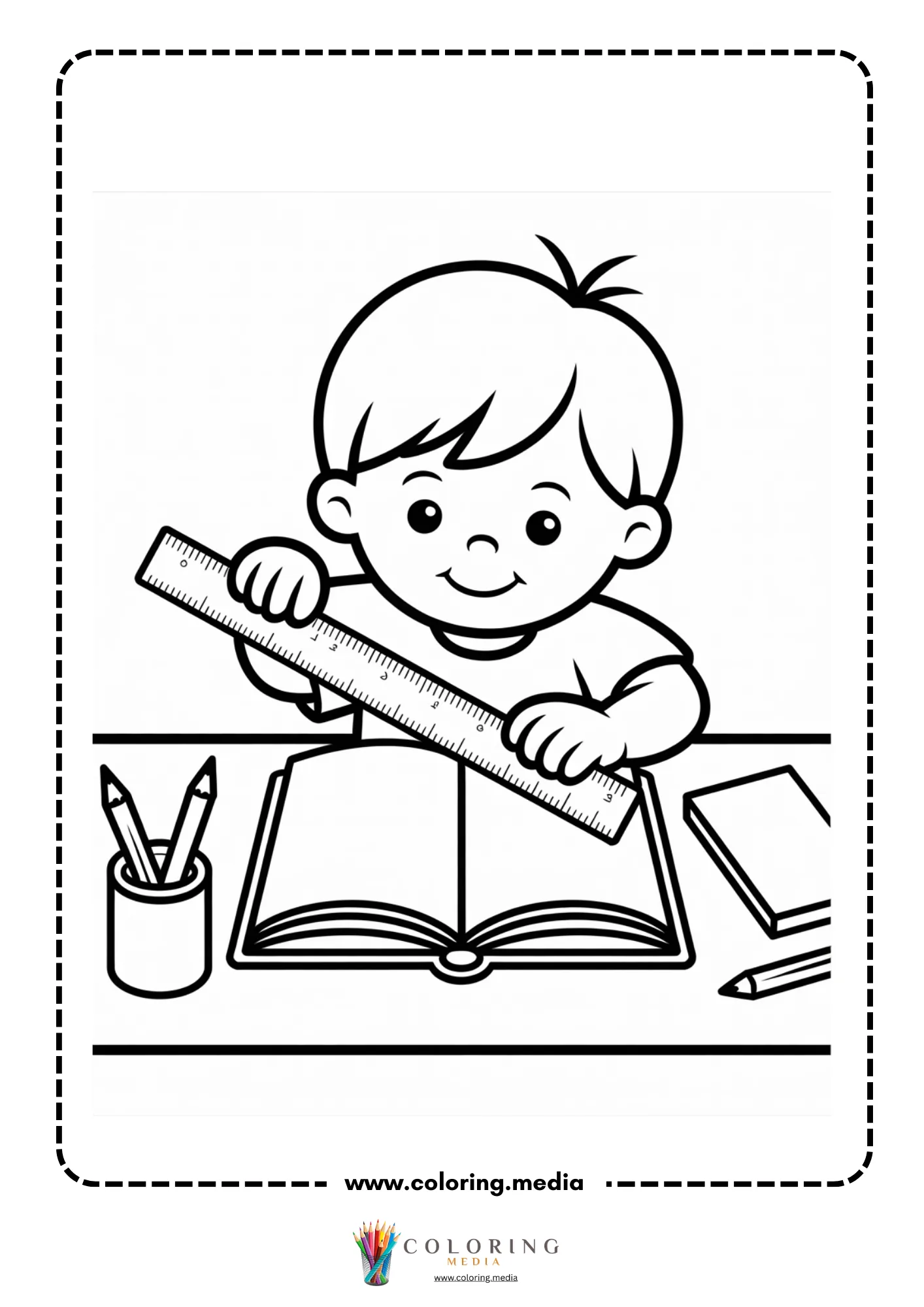
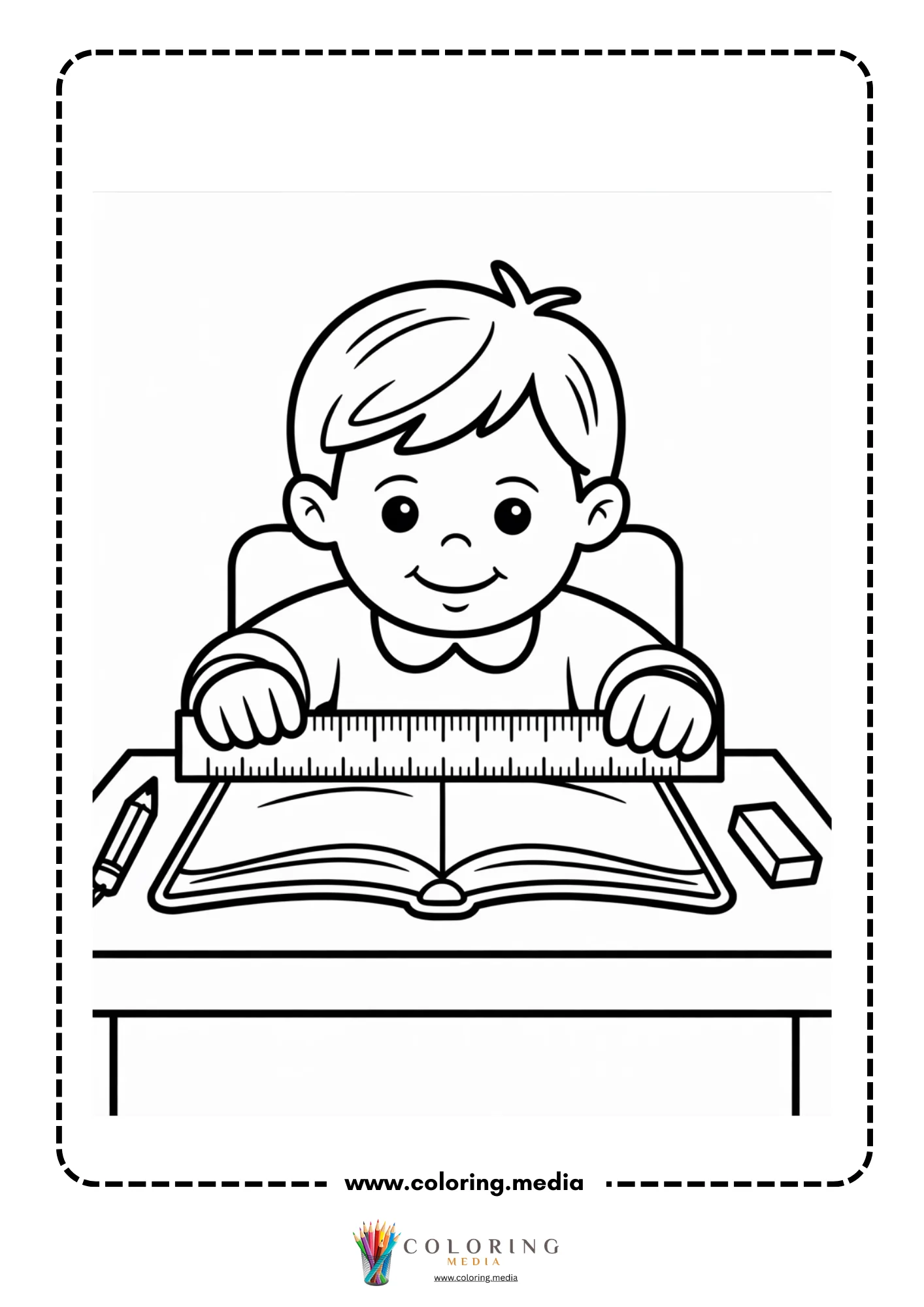
The collection covers the main categories of measurement that early science students encounter: length (ruler, tape measure, retractable tape), weight and mass (balance scales, platform scales), time (digital timer, analog stopwatch), temperature (thermometer), and electrical quantity (voltmeter). Several pages step out of the isolated-tool format to show children actually using measurement tools — a boy at a desk measuring something with a ruler, a group using a balance scale in what looks like a classroom experiment.
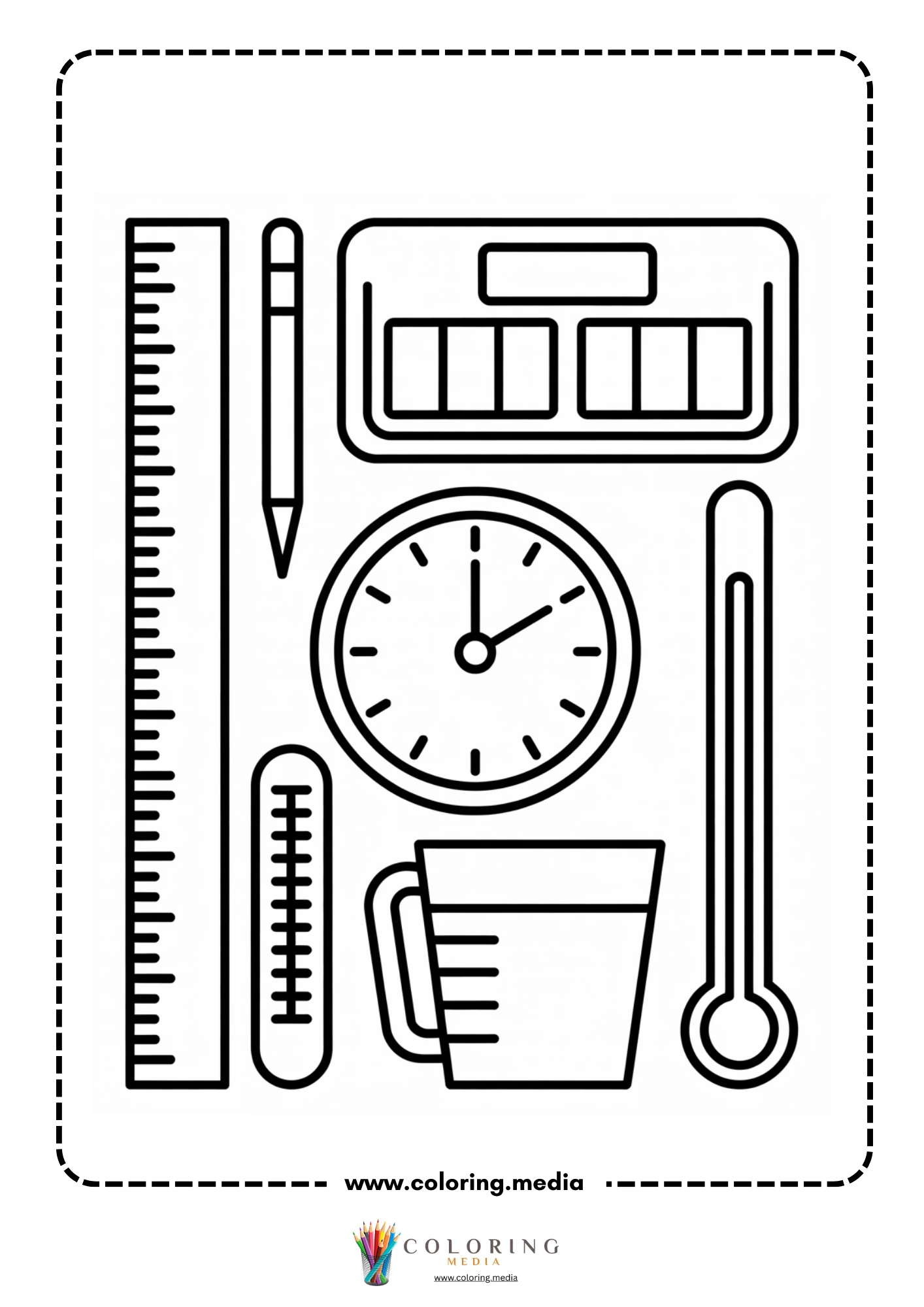
The tool illustration pages are drawn in a clean, slightly simplified style that sits between technical diagram and cartoon — detailed enough to show how each instrument works but not so dense that coloring becomes tedious. Everything here is free to download and easy to print.
Free Printable Measuring Tools Coloring Pages
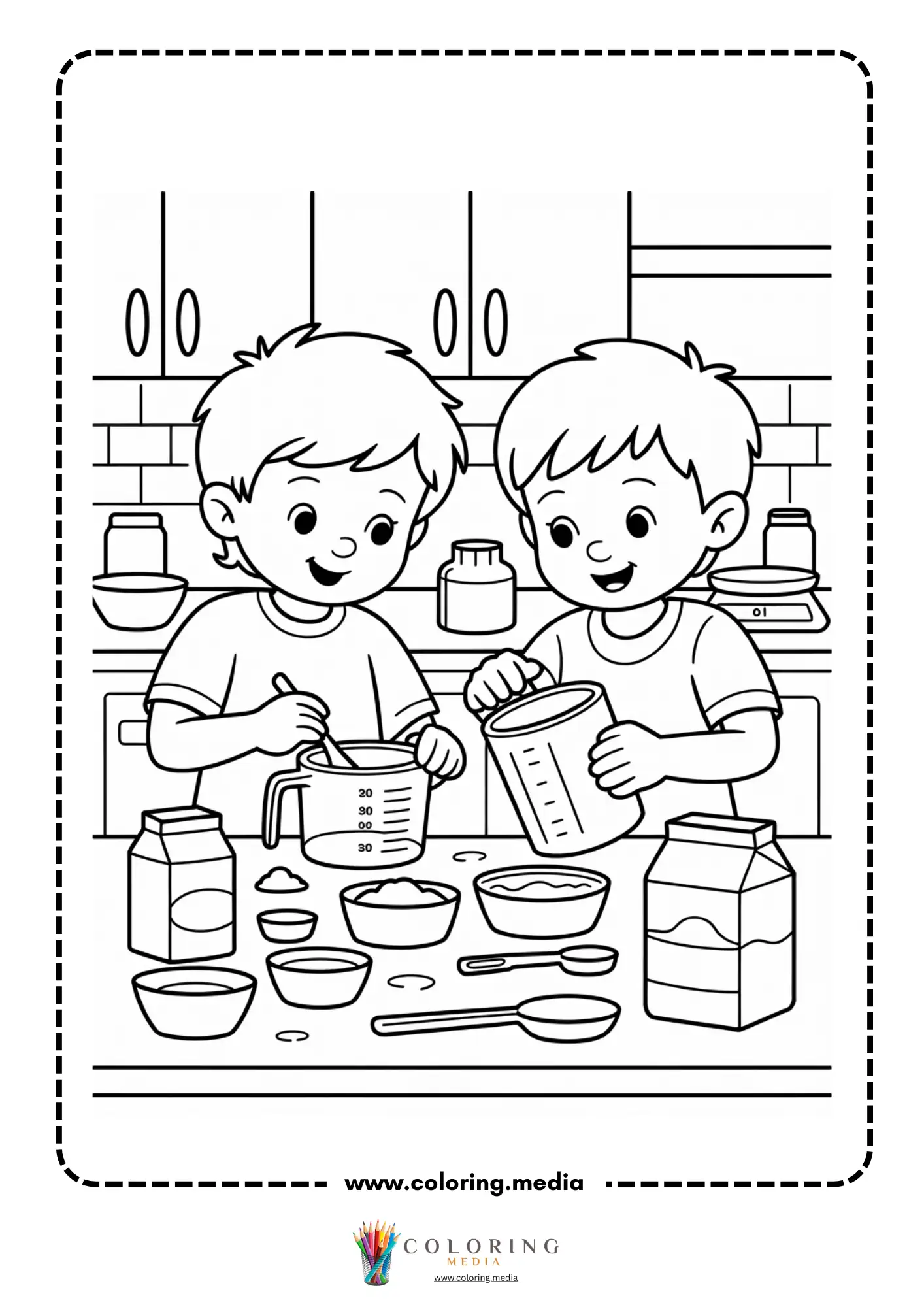
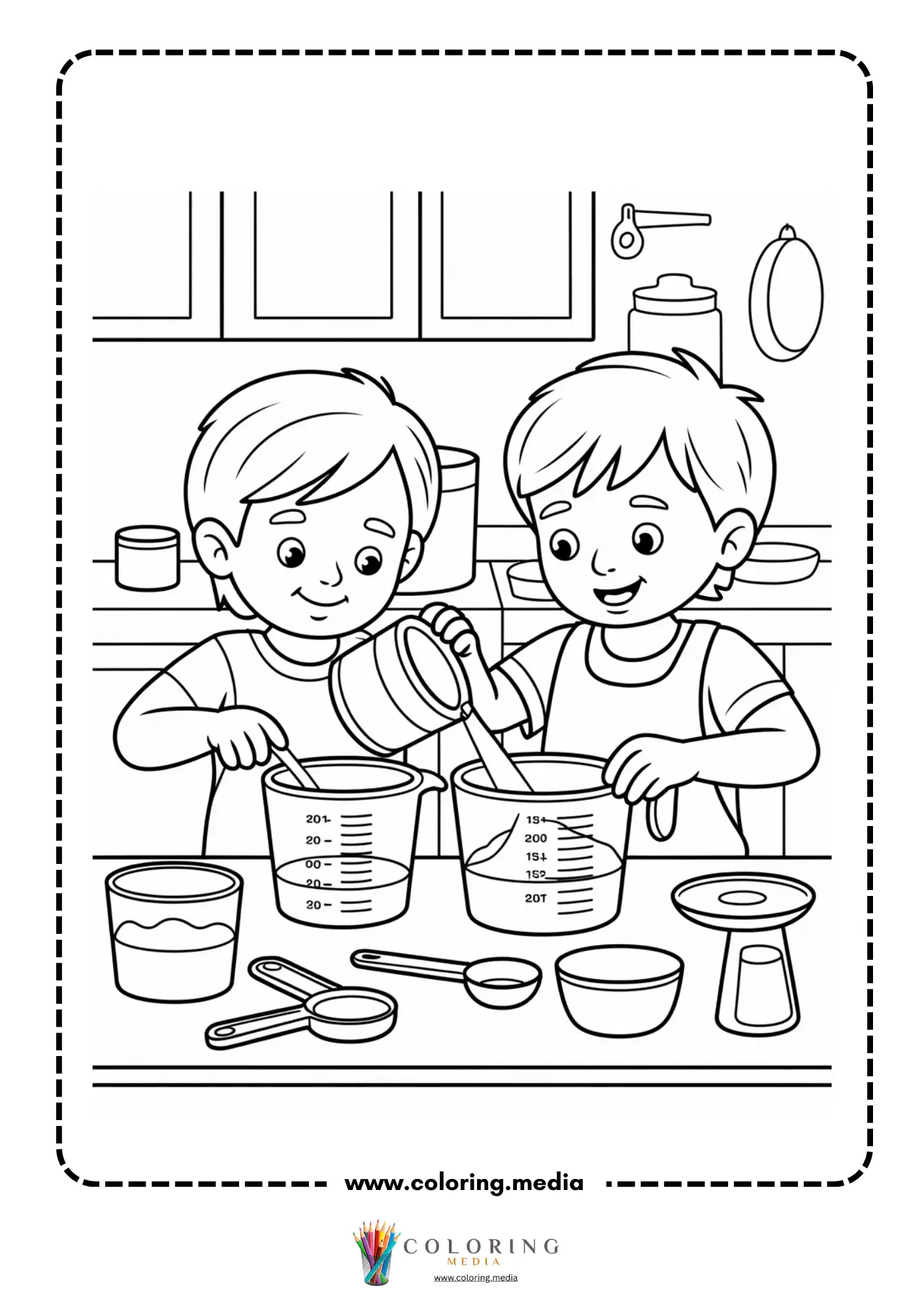
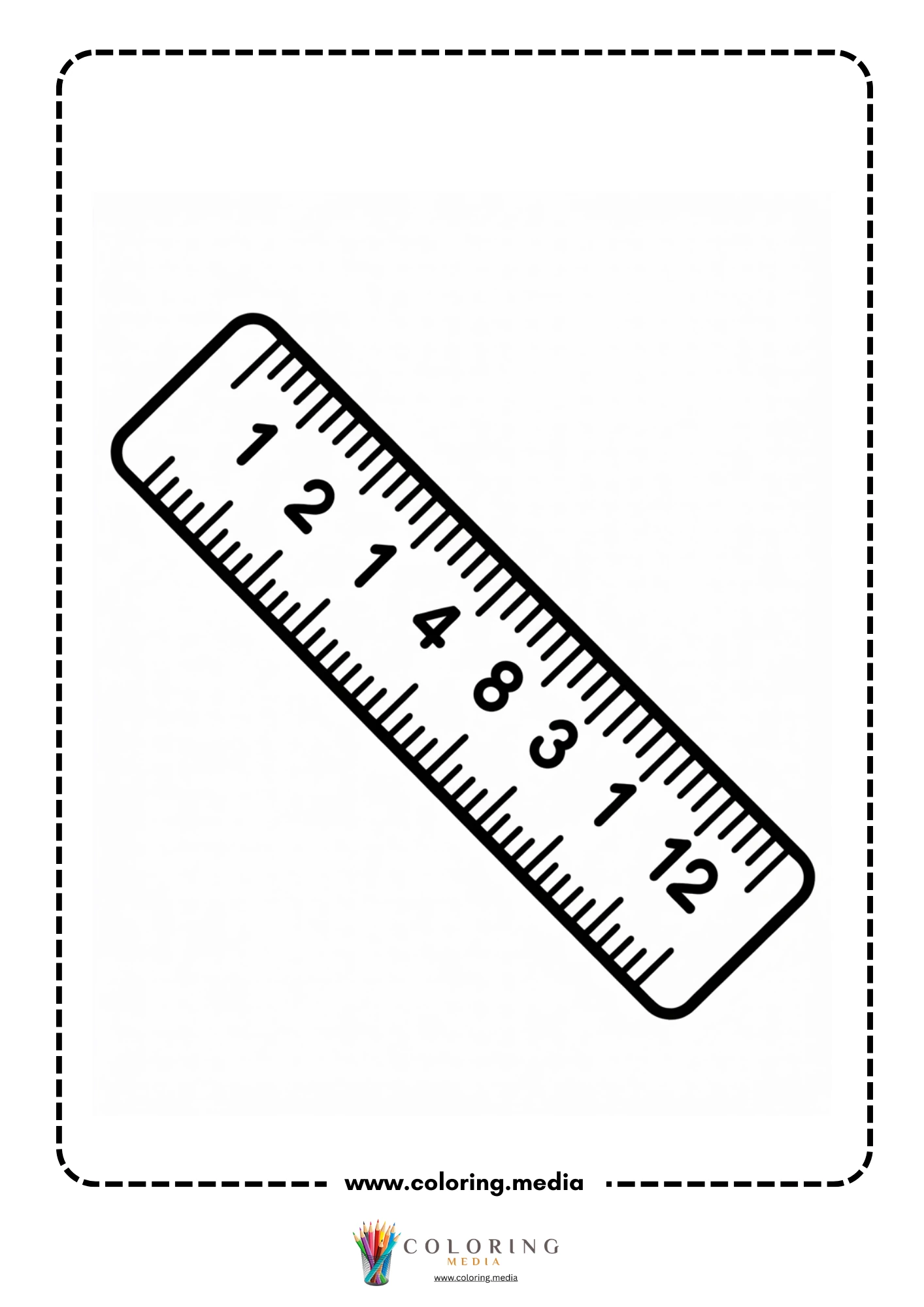
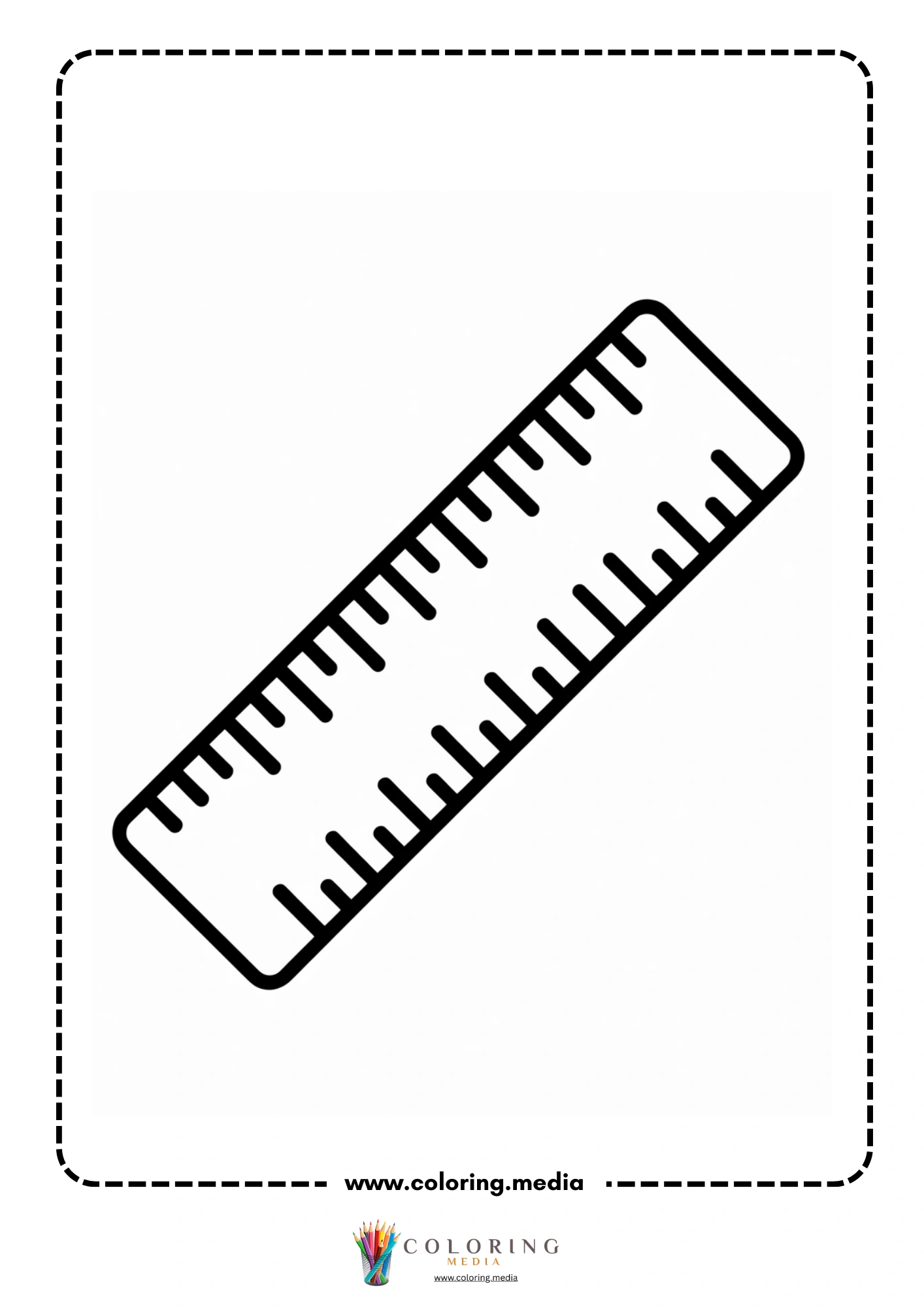
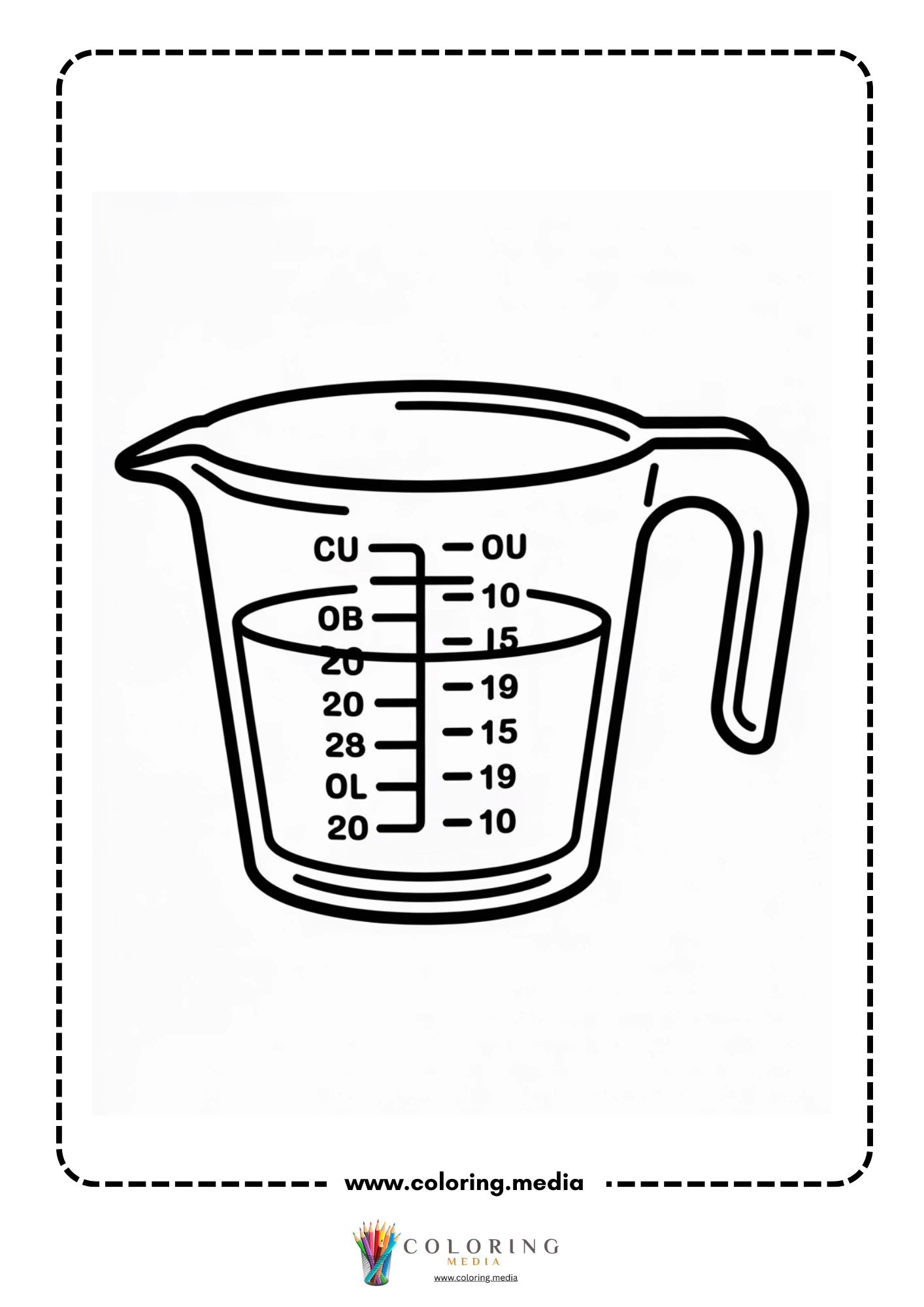
This collection includes 22 printable measuring tools coloring pages featuring a standard ruler with millimeter markings, a flexible tape measure, a retractable measuring tape, a two-pan balance scale, a digital display timer showing 00:00, an analog stopwatch, a thermometer with visible scale markings, a measuring cup with volume gradations, a voltmeter, and multiple classroom scenes showing children using these tools individually and in group settings. The variety covers length, mass, time, temperature, volume, and electrical measurement. All pages print on A4 or US Letter paper.
Who Are These Measuring Tools Coloring Pages Best For?
Kindergarteners will recognize the ruler and balance scale most readily — these appear in most kindergarten classrooms and are familiar objects. The instrument illustration pages with clear outlines and large plain areas are easy to color with crayons and serve as a concrete visual introduction to the concept of measurement tools as a category.
Early elementary students (grades 1–3) benefit most from the full set. Children who have used a stopwatch, read a thermometer, or measured with a tape measure can connect the coloring page to their own experience, which deepens engagement. The classroom scenes also show measurement in context — not just what the tool looks like but what it looks like to use it.
Science teachers running a measurement unit will find this set genuinely useful as a before-or-after activity. Coloring a balance scale page while discussing the difference between mass and weight, or coloring a thermometer while reviewing Celsius vs. Fahrenheit, keeps hands busy during what can otherwise be abstract verbal instruction.
Interesting Measurement Facts to Share While Coloring
The metric system was invented during the French Revolution to replace hundreds of inconsistent local measurement units across Europe. The original definition of a meter was one ten-millionth of the distance from the North Pole to the equator. Today the meter is defined in terms of the speed of light.
The most precise clock in the world loses less than one second every 300 million years. Optical atomic clocks measure time by counting the vibrations of electrons in strontium atoms. GPS satellites use atomic clocks, and without continuous corrections from the ground, your GPS would be off by about 11 kilometers per day.
Balances and scales measure different things. A balance compares one mass against another and works correctly everywhere, including on the Moon. A scale measures weight — the gravitational force on an object — and would give a different reading on the Moon because gravity is weaker there.
Temperature was not measured numerically until the 1600s. Galileo invented one of the earliest thermometers around 1593, but it had no fixed scale. Gabriel Fahrenheit introduced his scale in 1724; Anders Celsius proposed his scale in 1742. The two scales share exactly one point: -40 degrees is the same temperature in both.
The human body is remarkably good at estimating some measurements and terrible at others. We are reasonably accurate at judging the passage of a few seconds, but we wildly overestimate distances beyond about 100 meters and are almost useless at estimating volume by eye without a reference container.
Creative Measuring Tools Coloring and Craft Ideas
Tool Category Sort After coloring all pages, sort them by what they measure (length, time, temperature, weight) and arrange them in groups on a table.
Mark the Scale For the ruler, thermometer, and measuring cup pages, use a fine-tip pen to add colored marks at specific values — body temperature on the thermometer, one cup on the measuring cup.
Measurement Scavenger Hunt Find one object at home that requires each tool shown in the pages to measure accurately. Write the object and its measurement on the back of each tool’s page.
Build a Paper Ruler Mark centimeter and half-centimeter intervals on a strip of card stock after coloring the ruler page. Use the homemade ruler to measure five objects.
Classroom Experiment Design For each tool page, write one experiment question that tool could help answer — e.g., for the stopwatch: ‘Does a heavy ball roll faster than a light one?’
Unit Conversion Practice For the ruler page, write the same length in centimeters, millimeters, and inches below the coloring. For the thermometer, mark the boiling and freezing points of water in both Celsius and Fahrenheit.
Invent a New Unit Create a fictional unit of measurement — for example, 1 ‘blobble’ = the length of your foot. Measure five objects in blobbles and write the results.
Before Measurement Was Standard Research what a ‘cubit’ (ancient unit of length) was and how long it was in centimeters. Write the answer on the back of the ruler page.
How to Print These Measuring Tools Coloring Pages
Each file downloads as a single PDF at 300 dpi, formatted for A4 and US Letter paper. Print from Adobe Reader or a browser with ‘fit to page’ enabled. Standard copy paper is fine for crayons and pencils. For the instrument detail pages where fine scale markings are present, colored pencils give cleaner results than broad crayons. Select black-and-white print mode to save color ink.
Explore More STEM Coloring Pages
If you enjoyed these pages, you may also like:
Simple Machines Coloring Pages
Levers Coloring Pages
Circuit Coloring Pages
Coding Coloring Pages
STEM & Technology Coloring Pages