
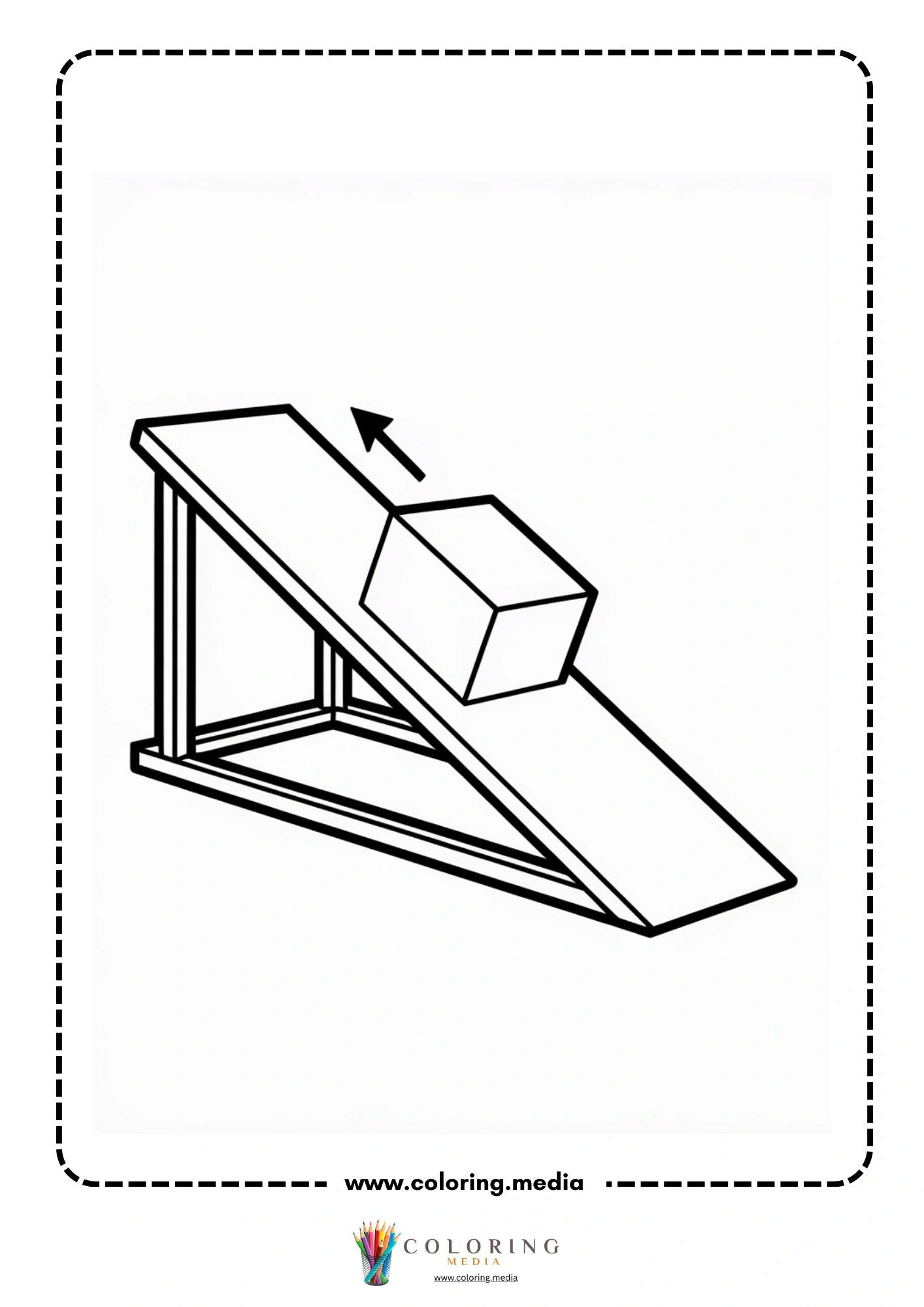
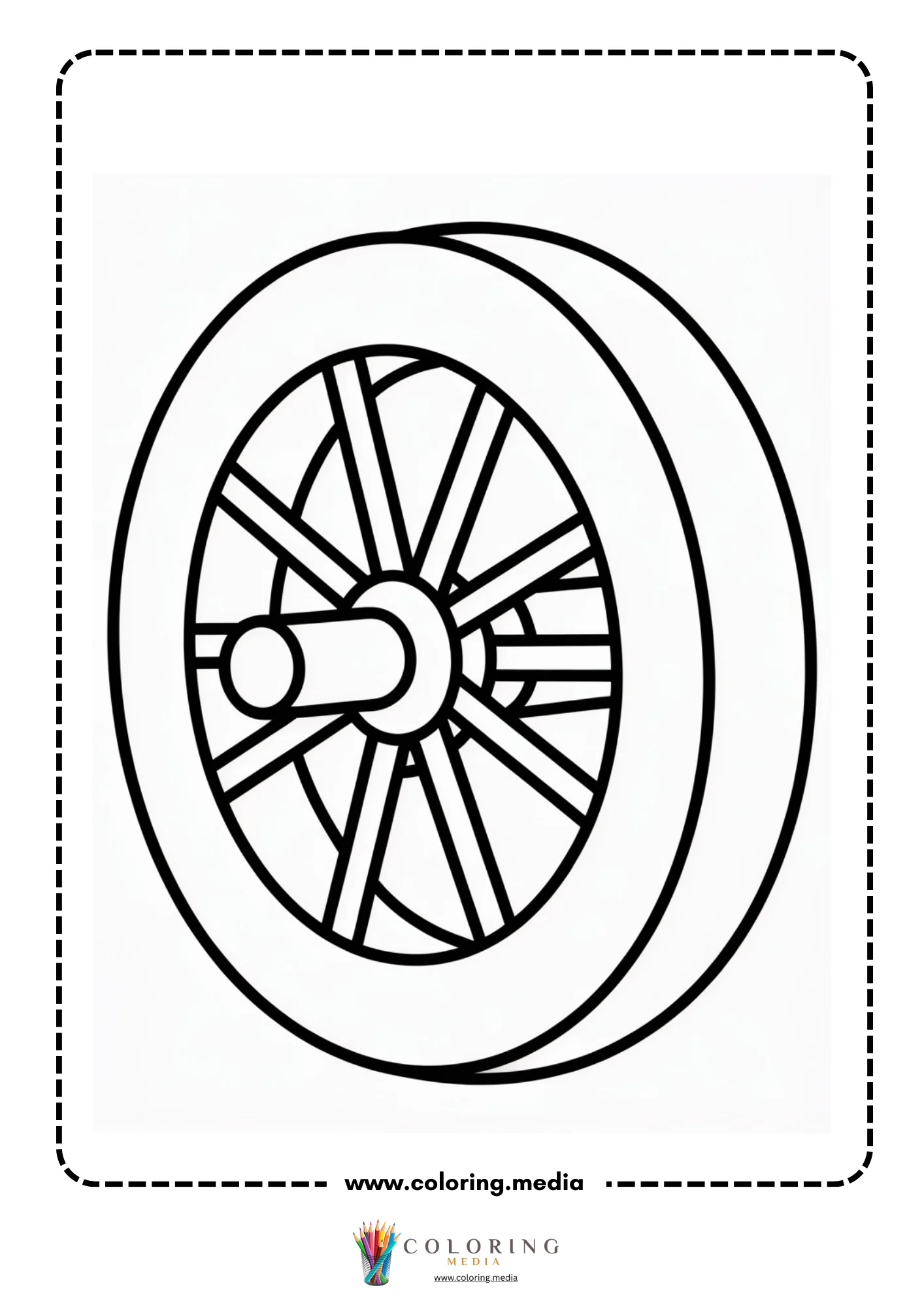
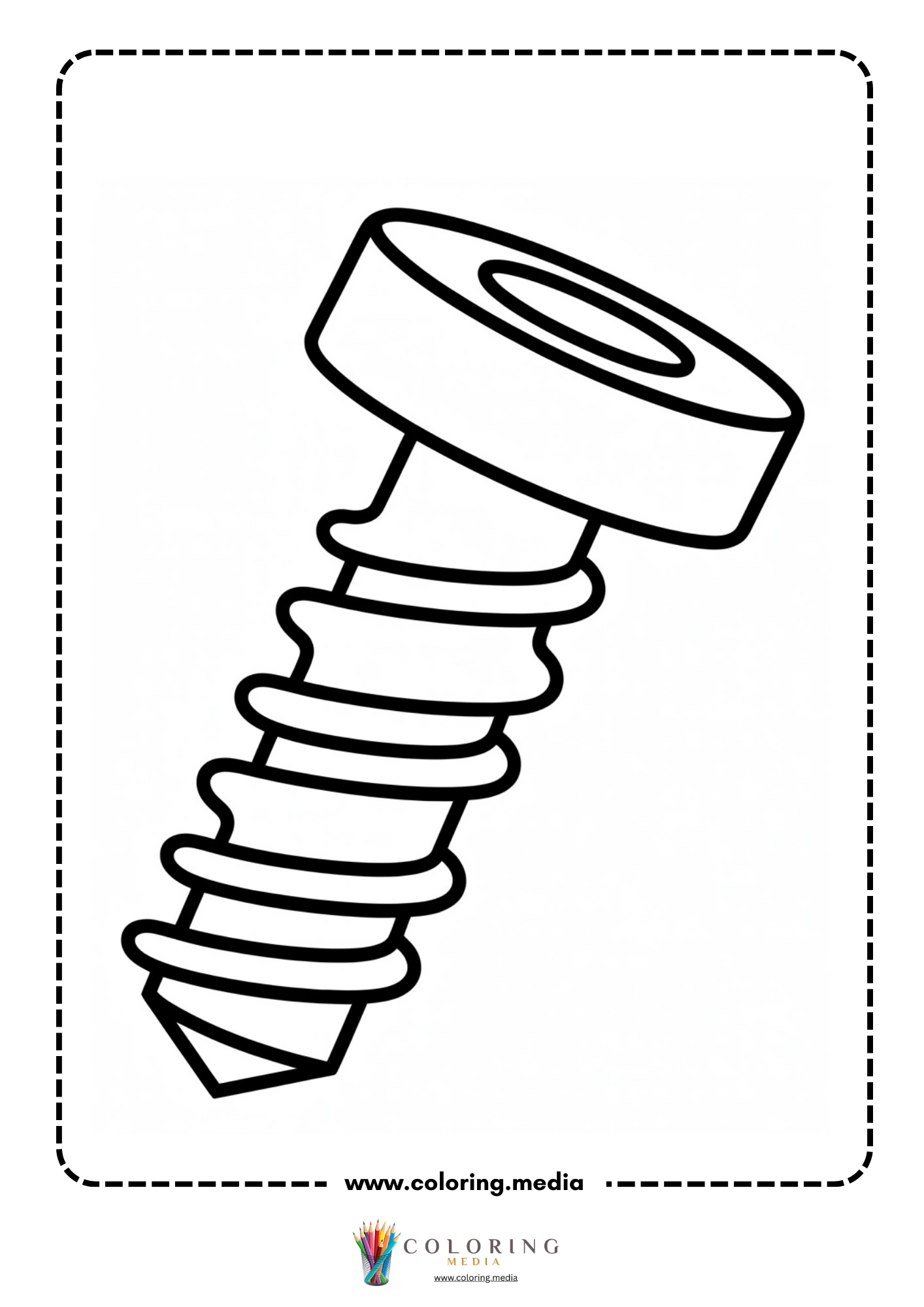
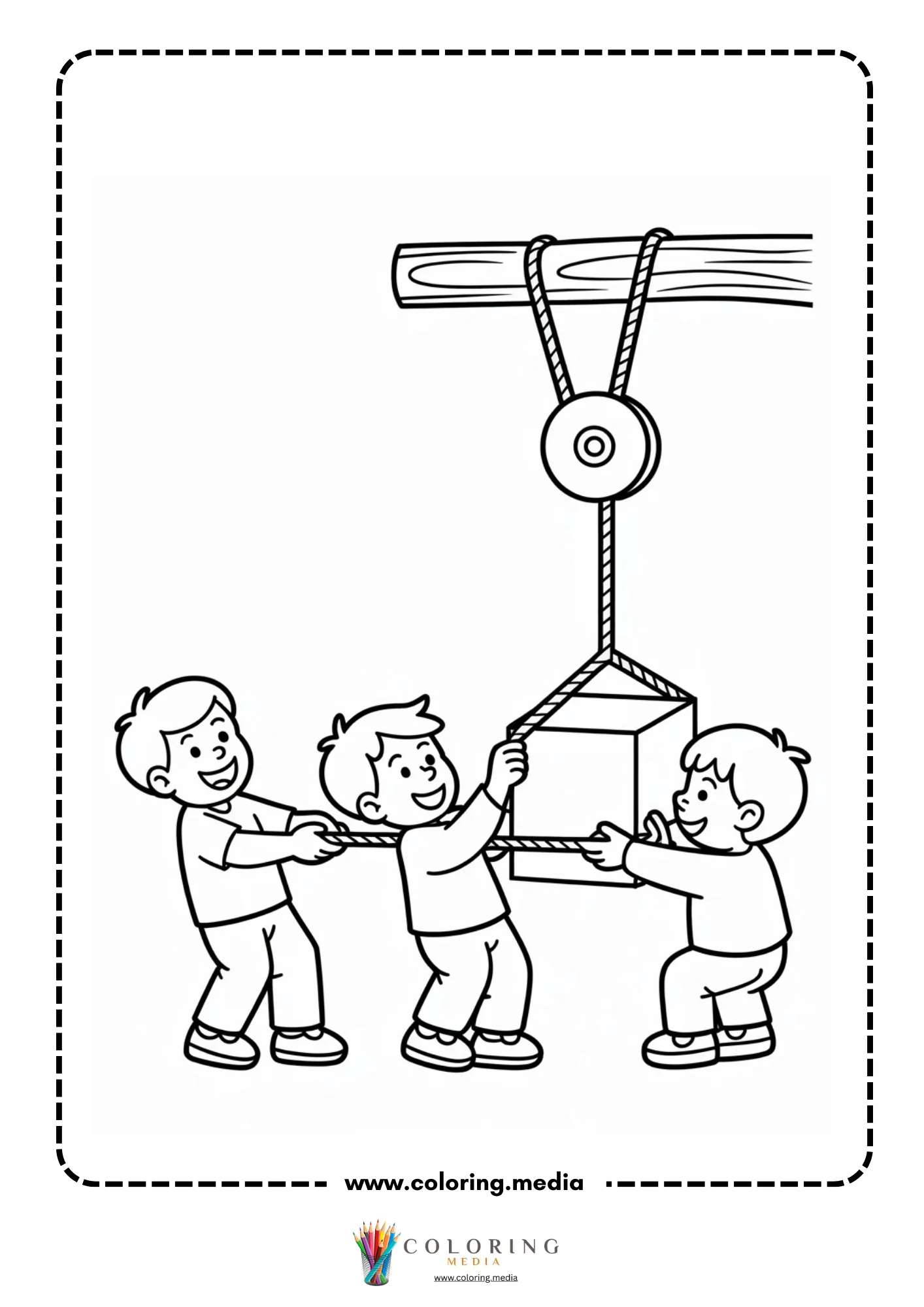
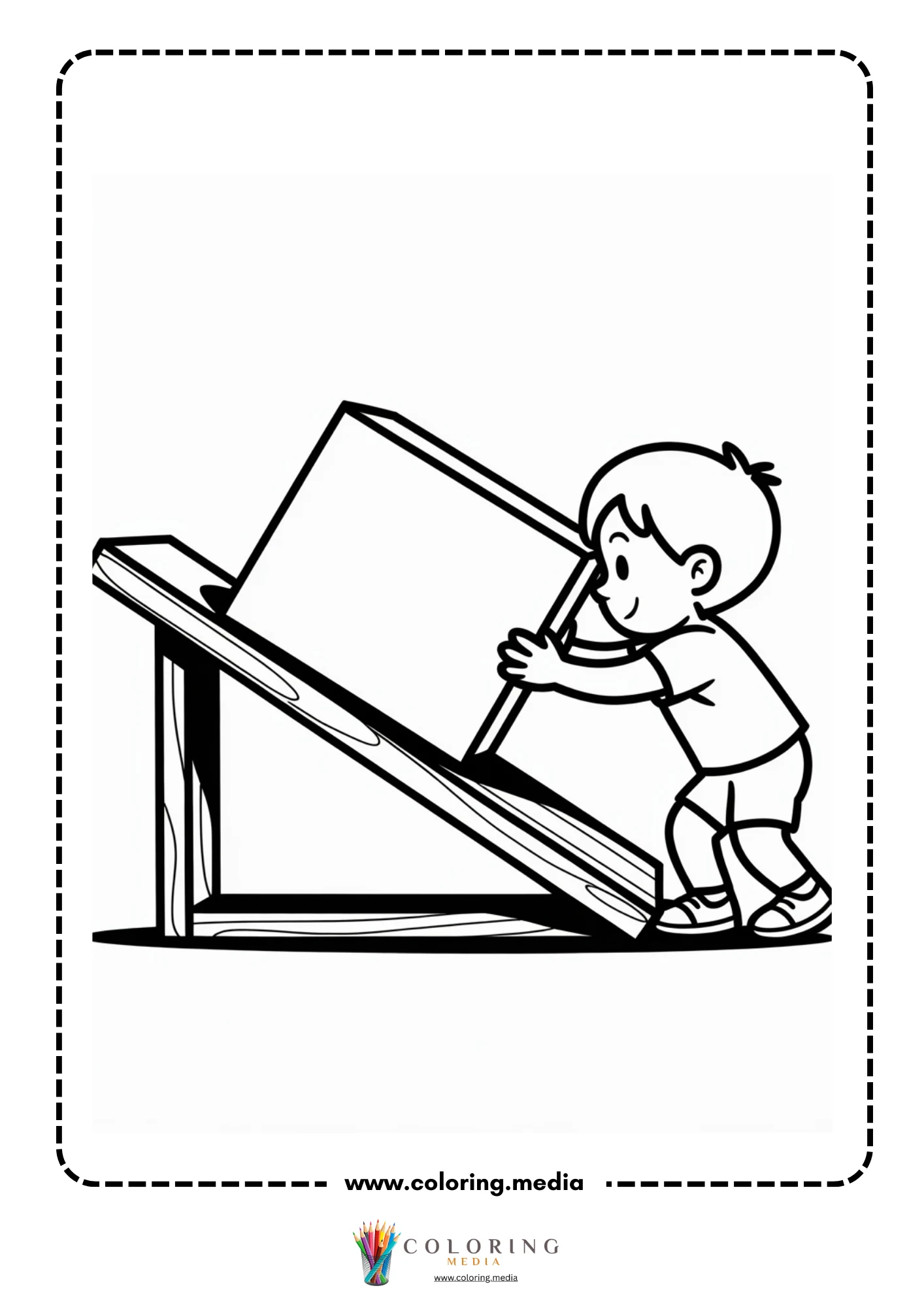
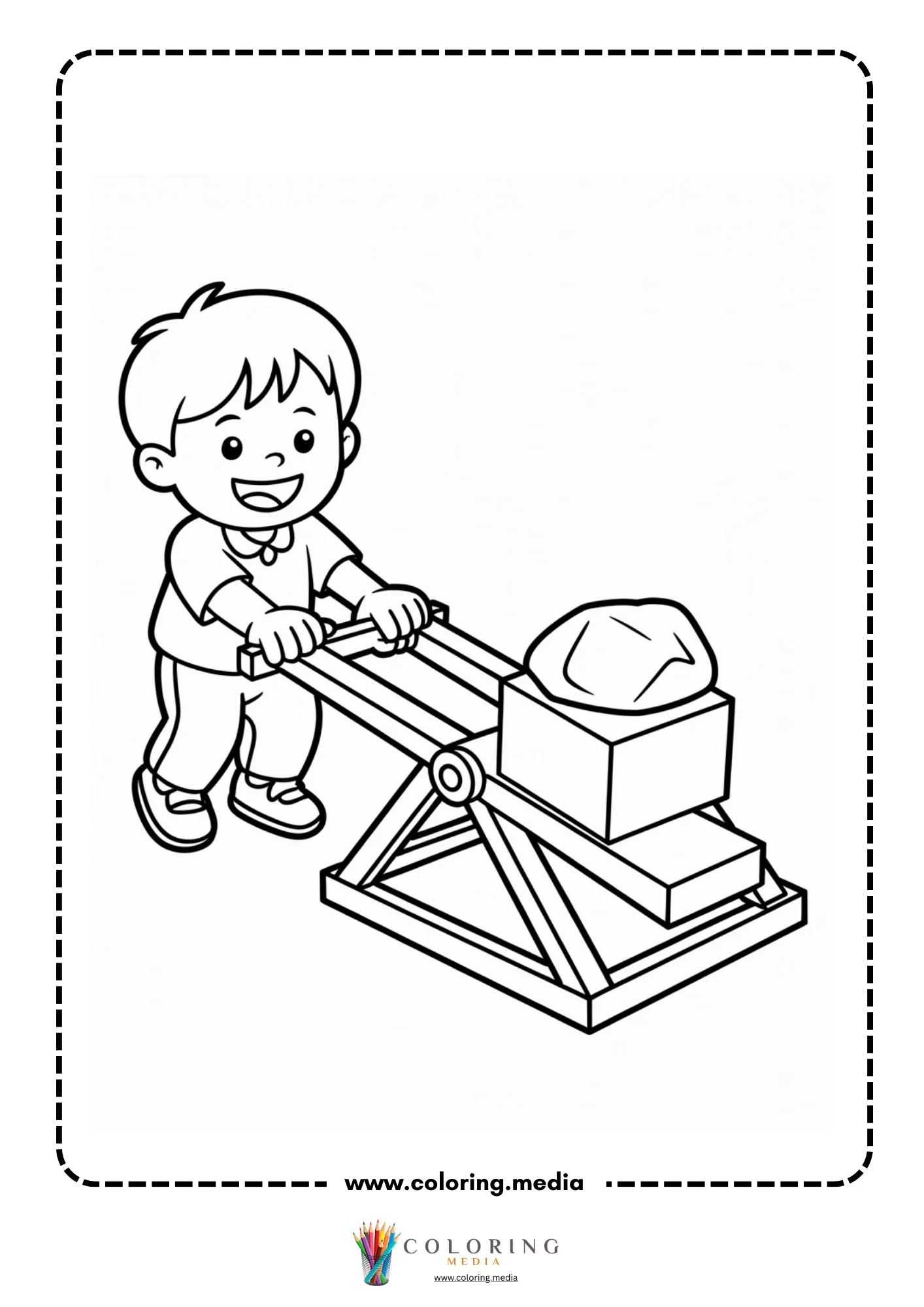
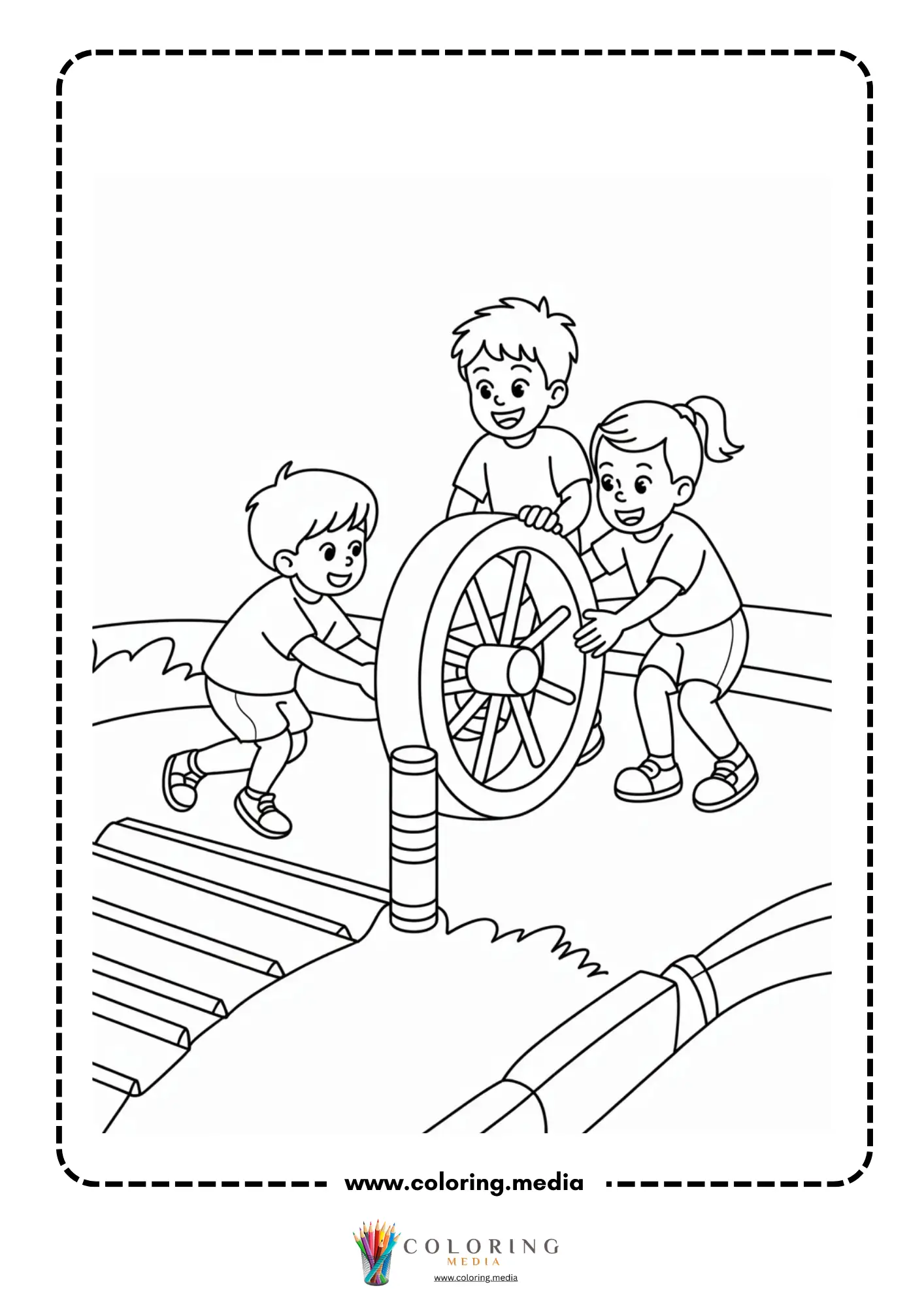
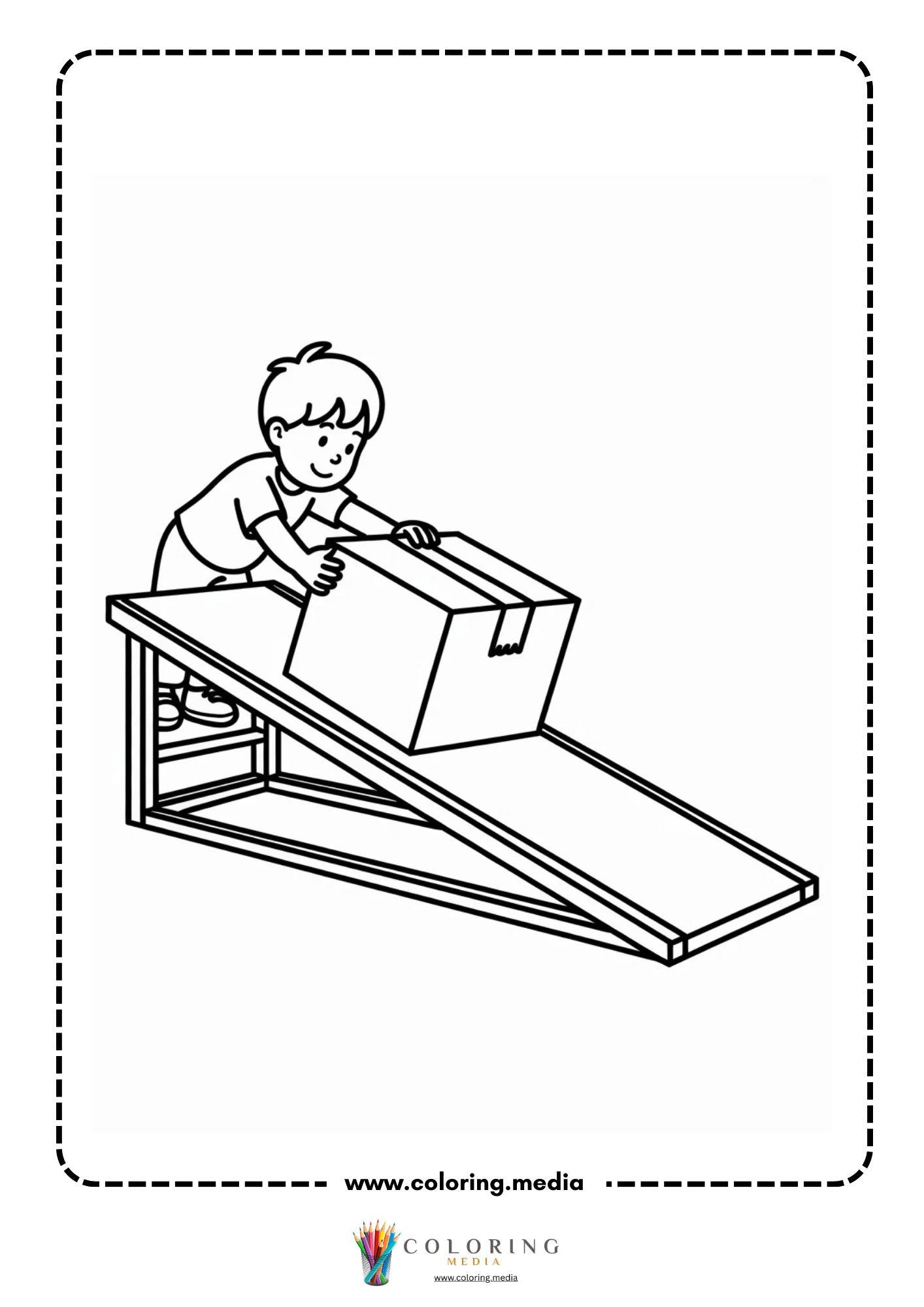
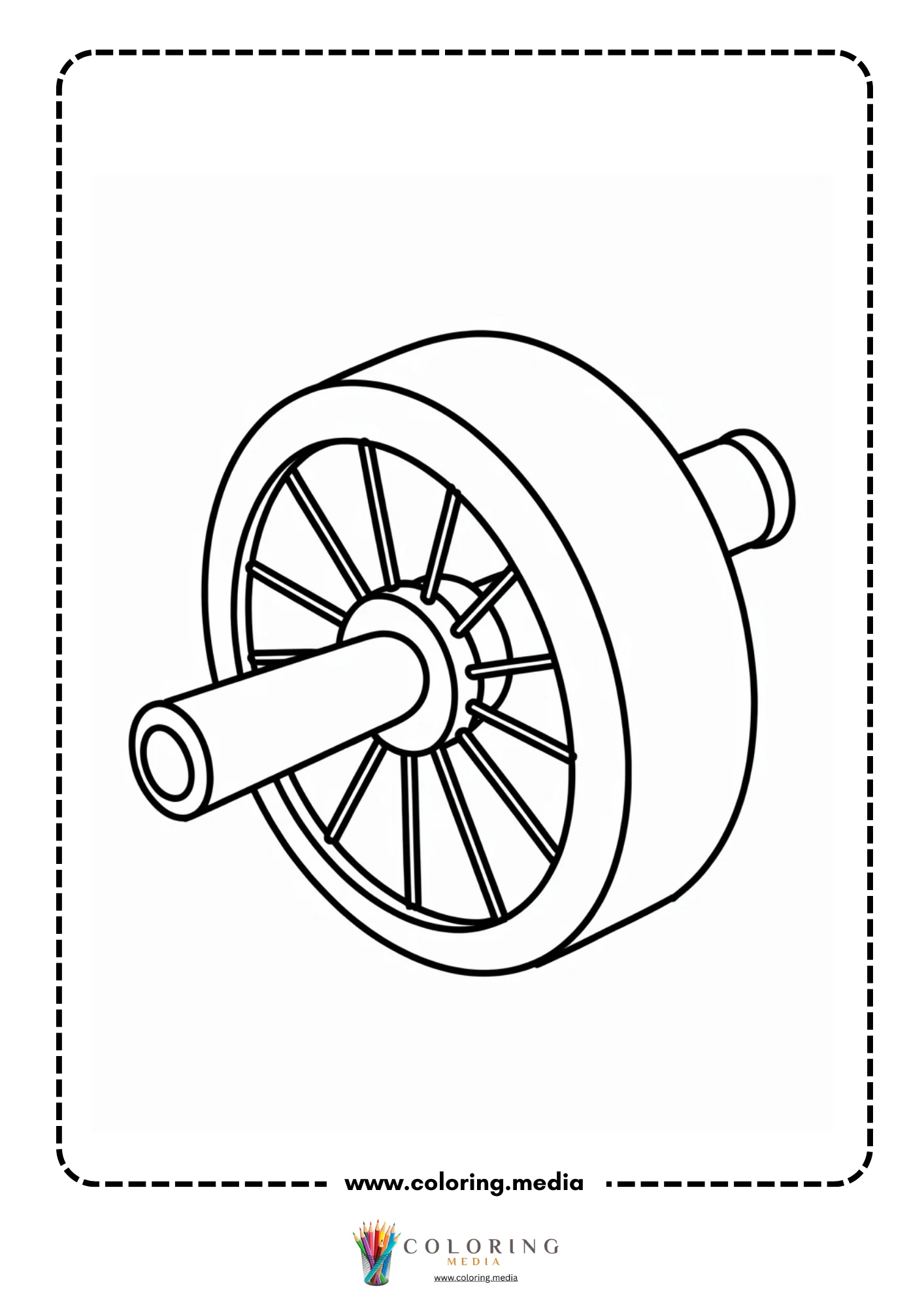
Twenty pages cover all six classical simple machines — lever, wheel and axle, pulley, inclined plane, wedge, and screw — in a mix of isolated object illustrations and contextual scenes. The inclined plane appears as a ramp with a cart being pushed up it. The wheel and axle shows both a standalone wheel and an axle cross-section. The screw is illustrated both as a threaded fastener close-up and as an Archimedes screw used to lift water. Several pages show children using these machines in recognizable contexts: sliding something down a ramp, turning a wheel, operating a pulley. One page appears to be a reference chart showing multiple machines together.
The variety of machine types and visual approaches within a single set of 20 pages makes this one of the more educationally dense collections here. Everything here is free to download and easy to print.
Free Printable Simple Machines Coloring Pages
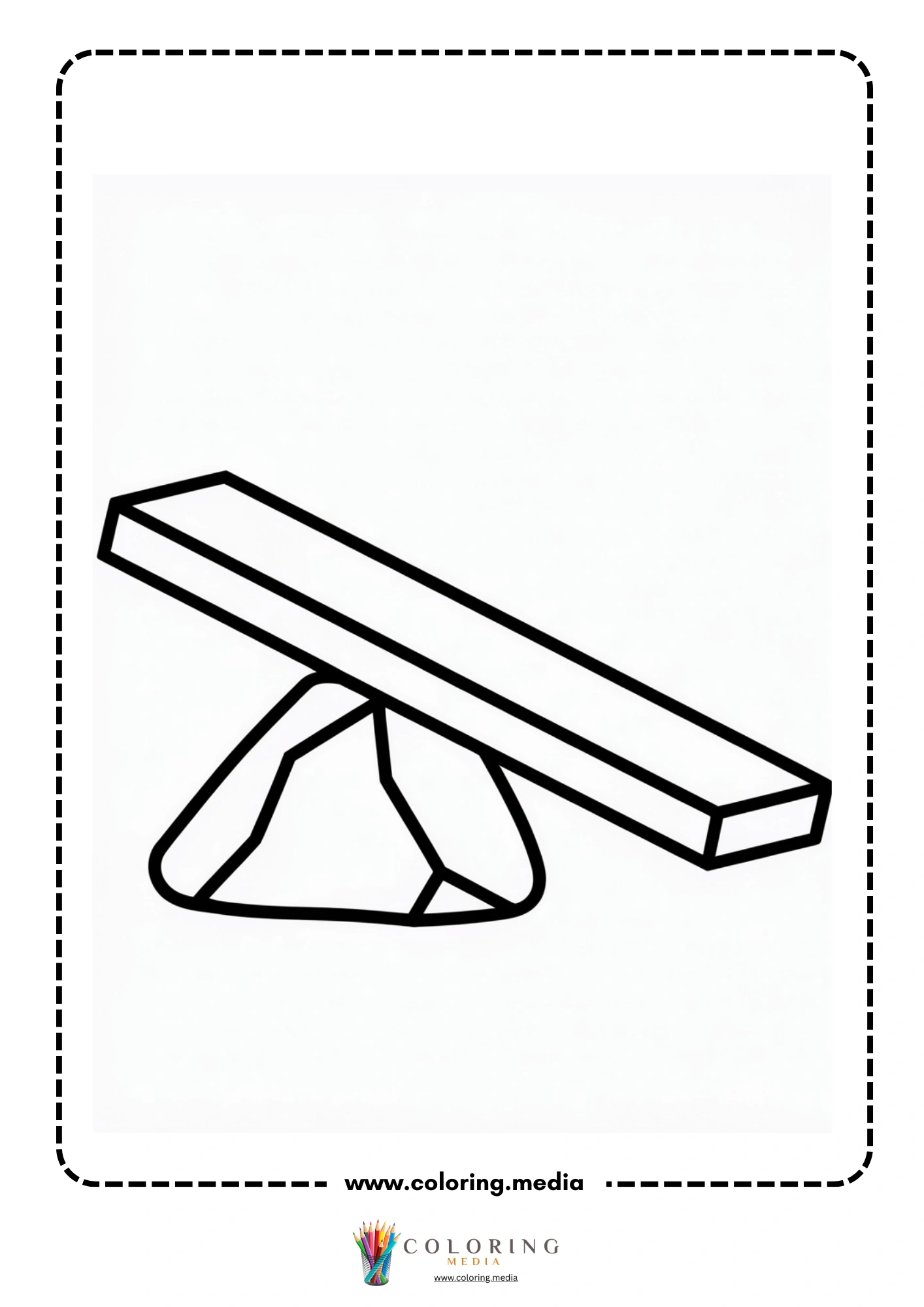
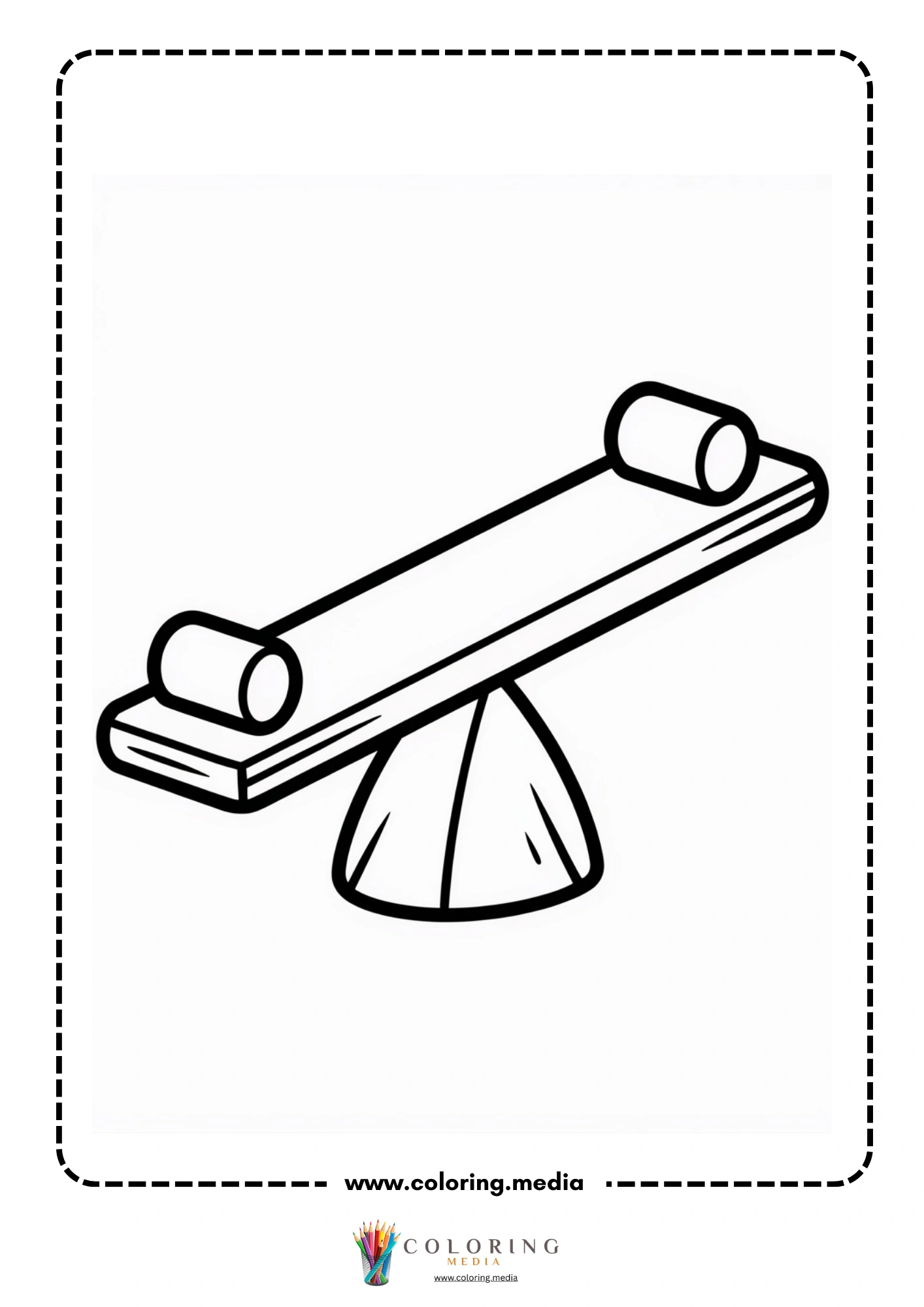
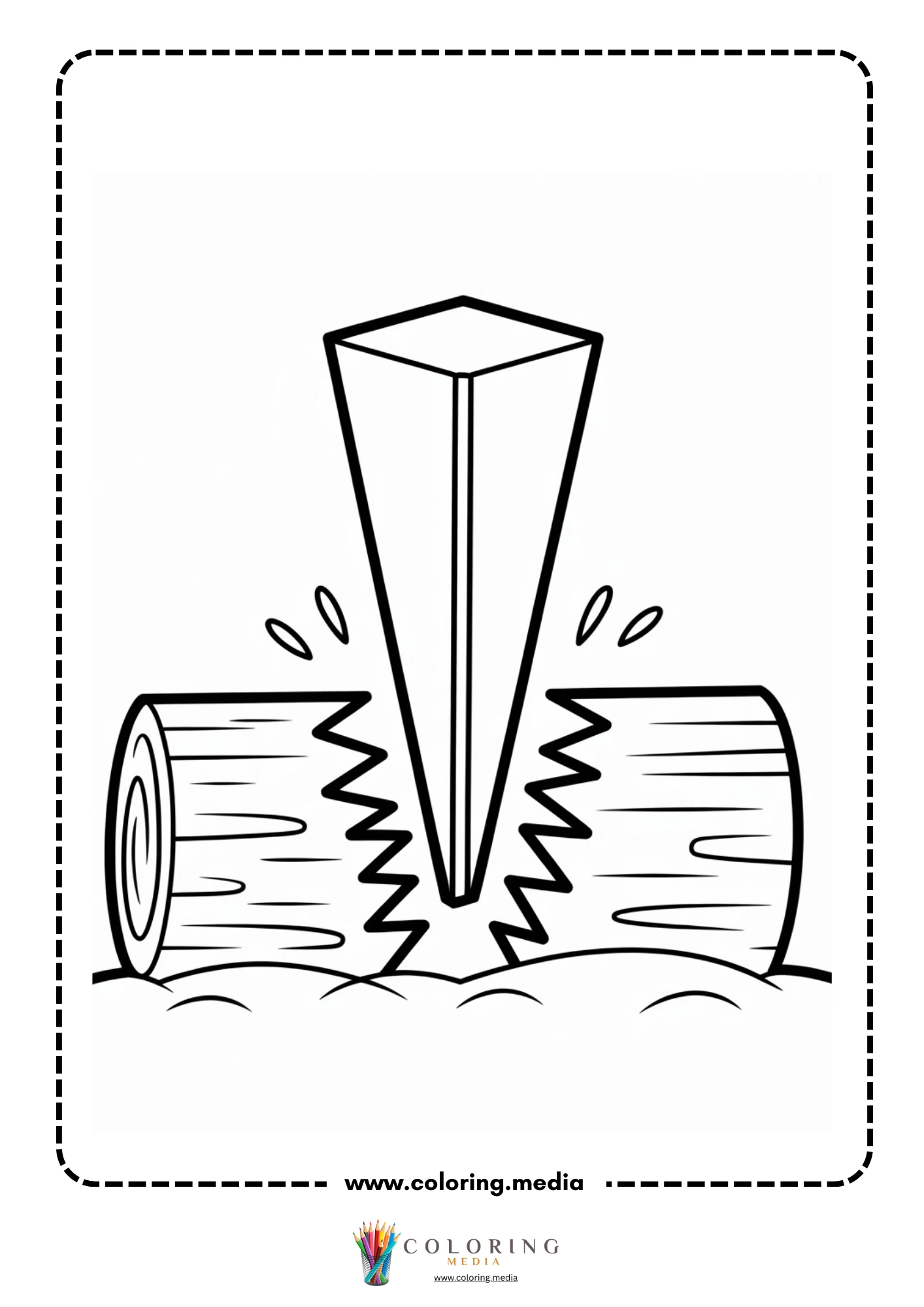
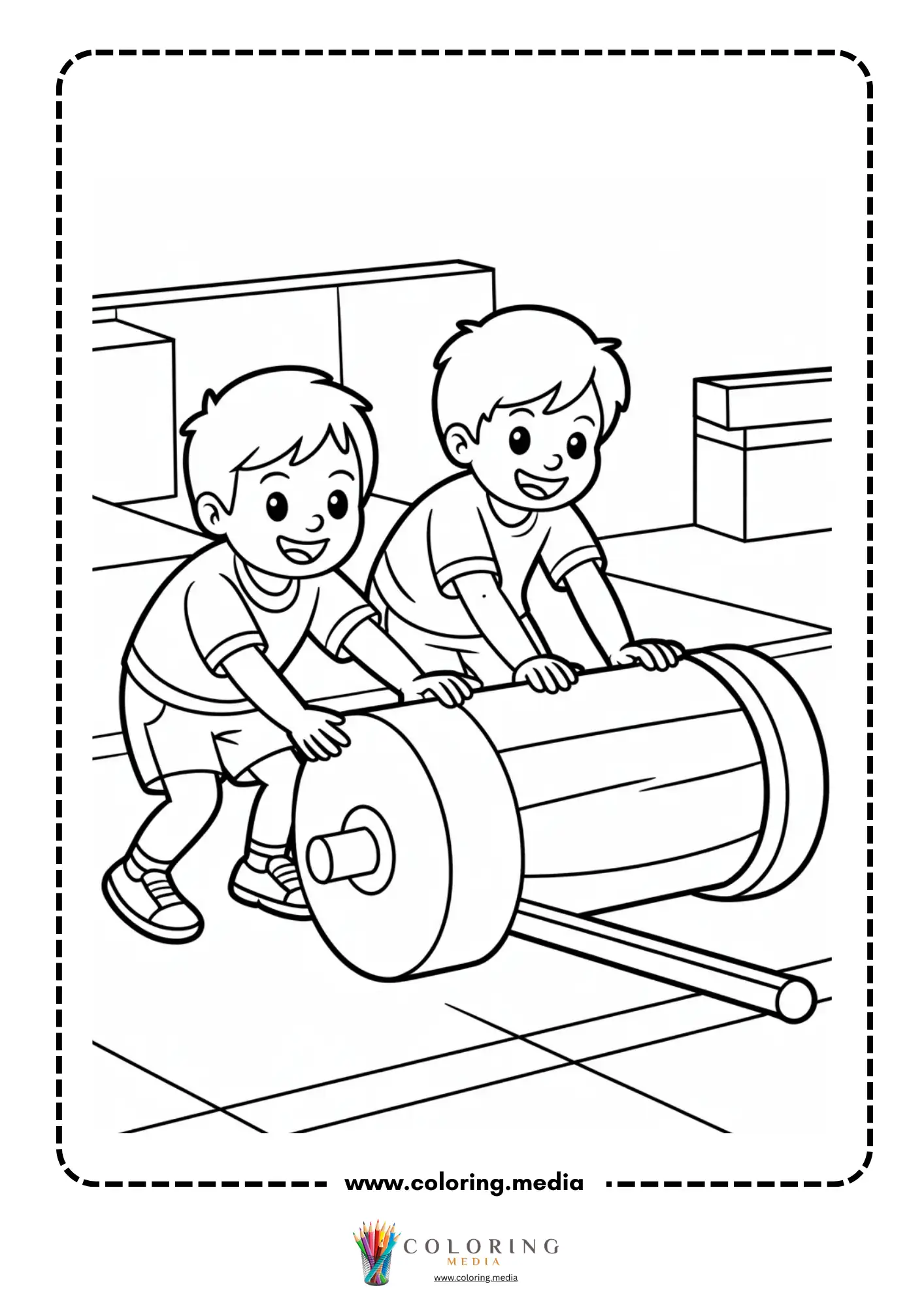
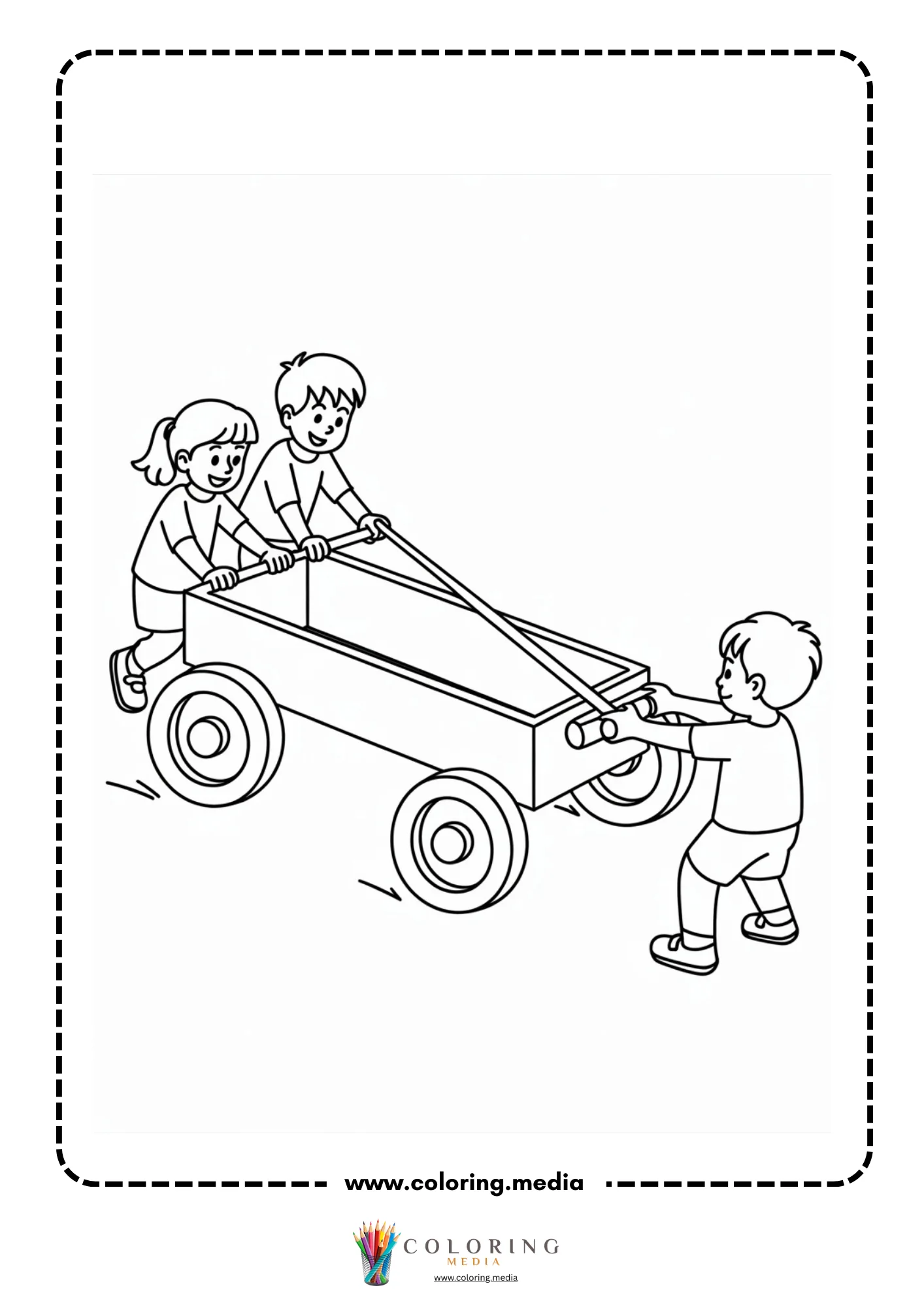
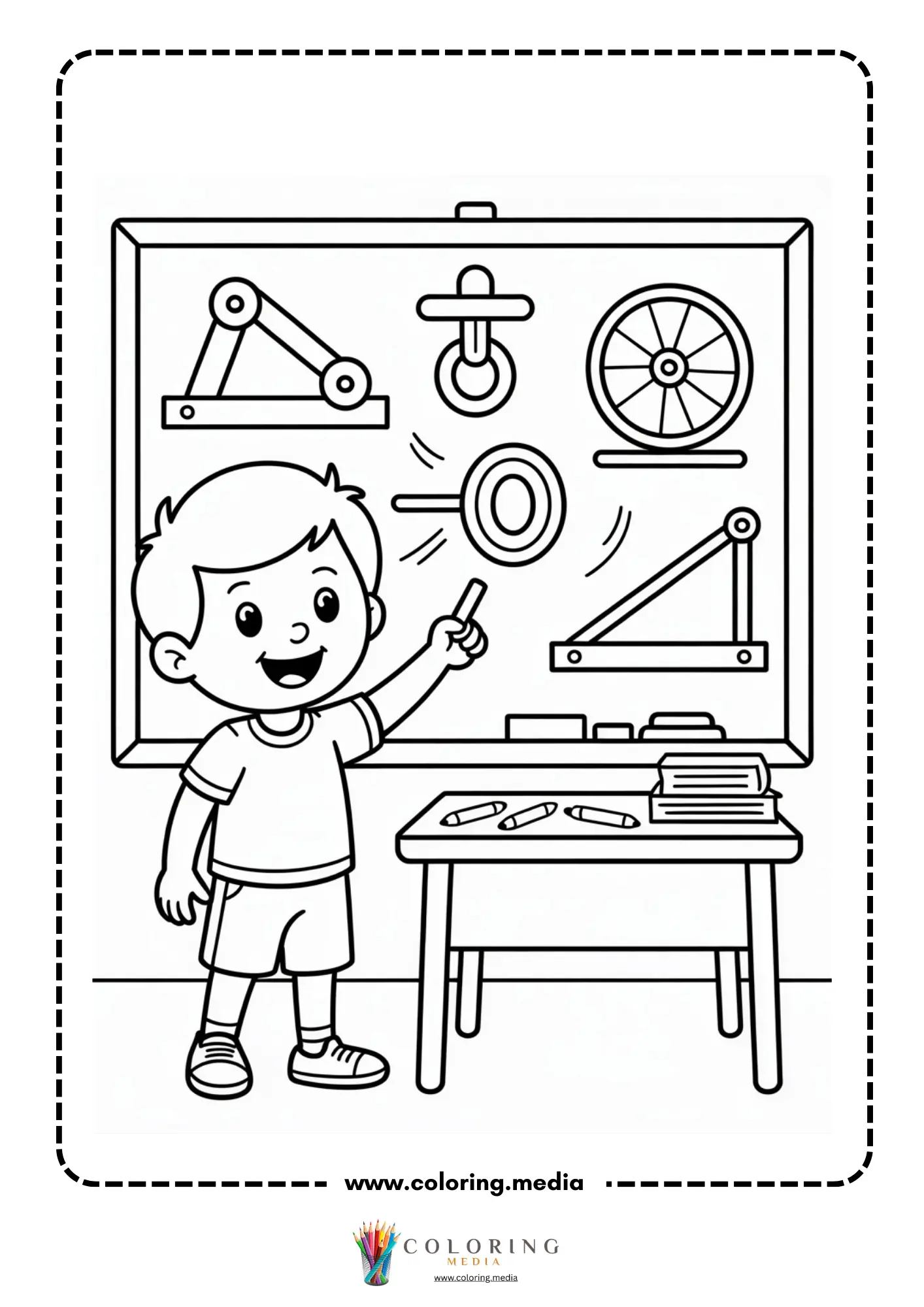
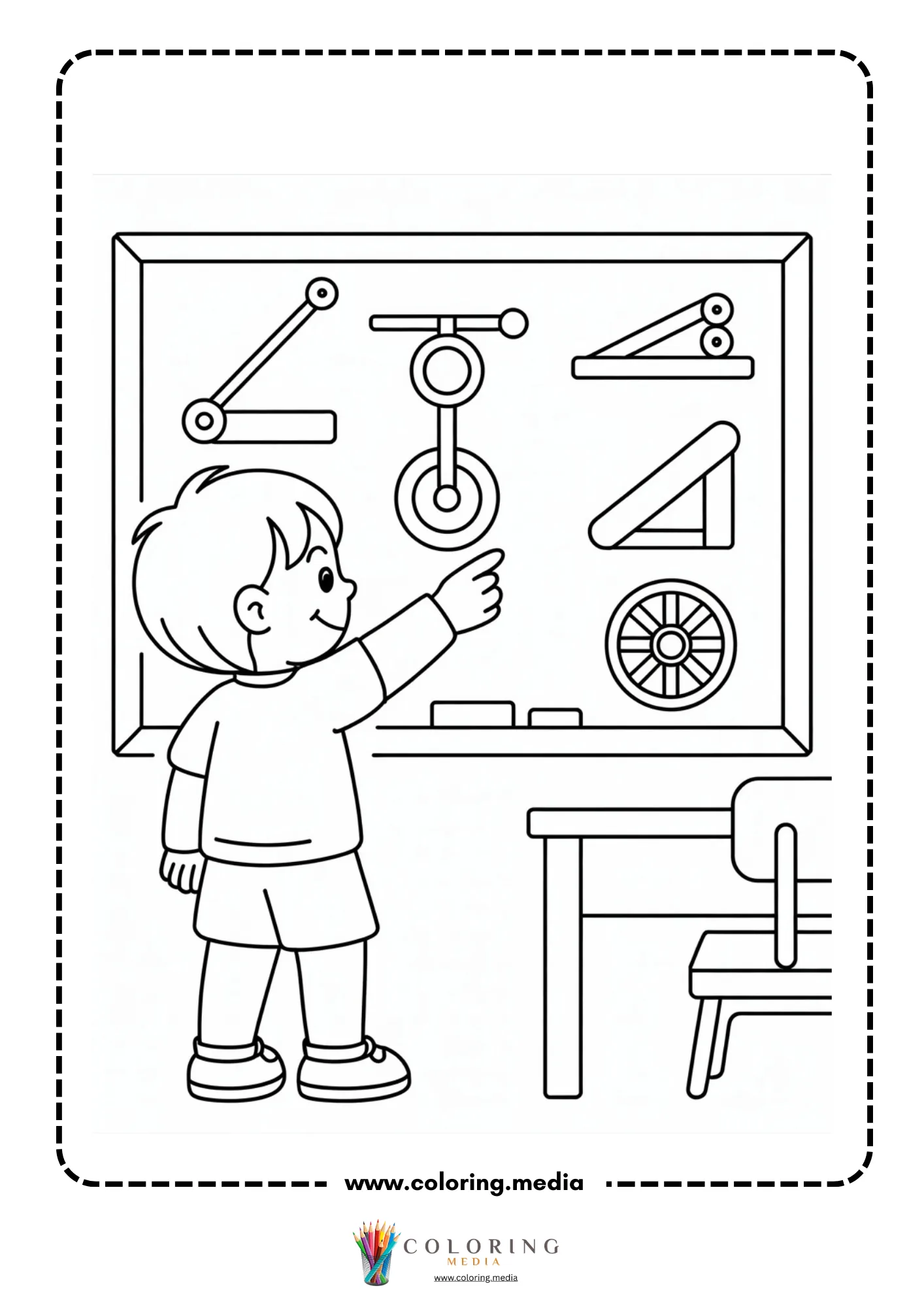
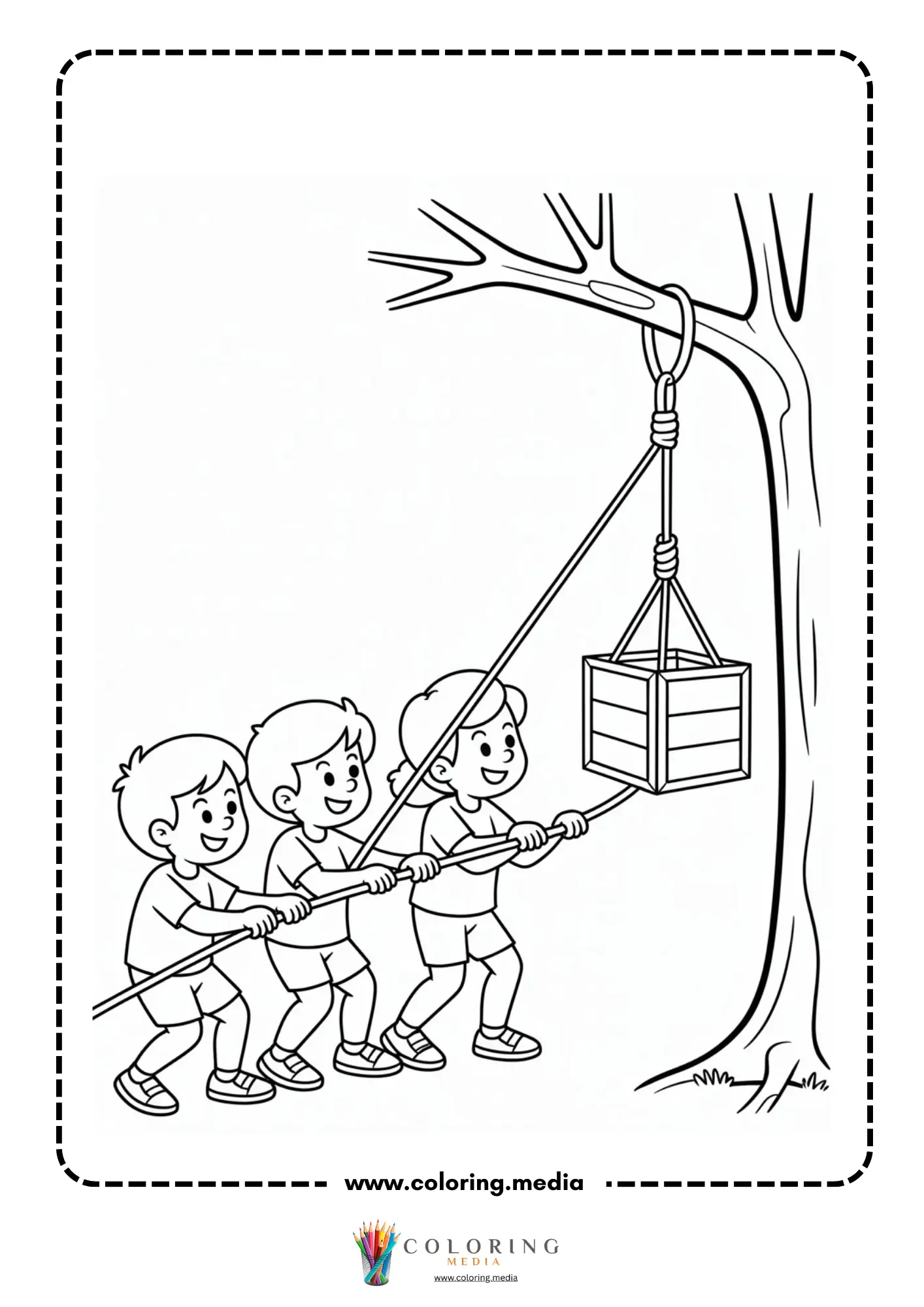
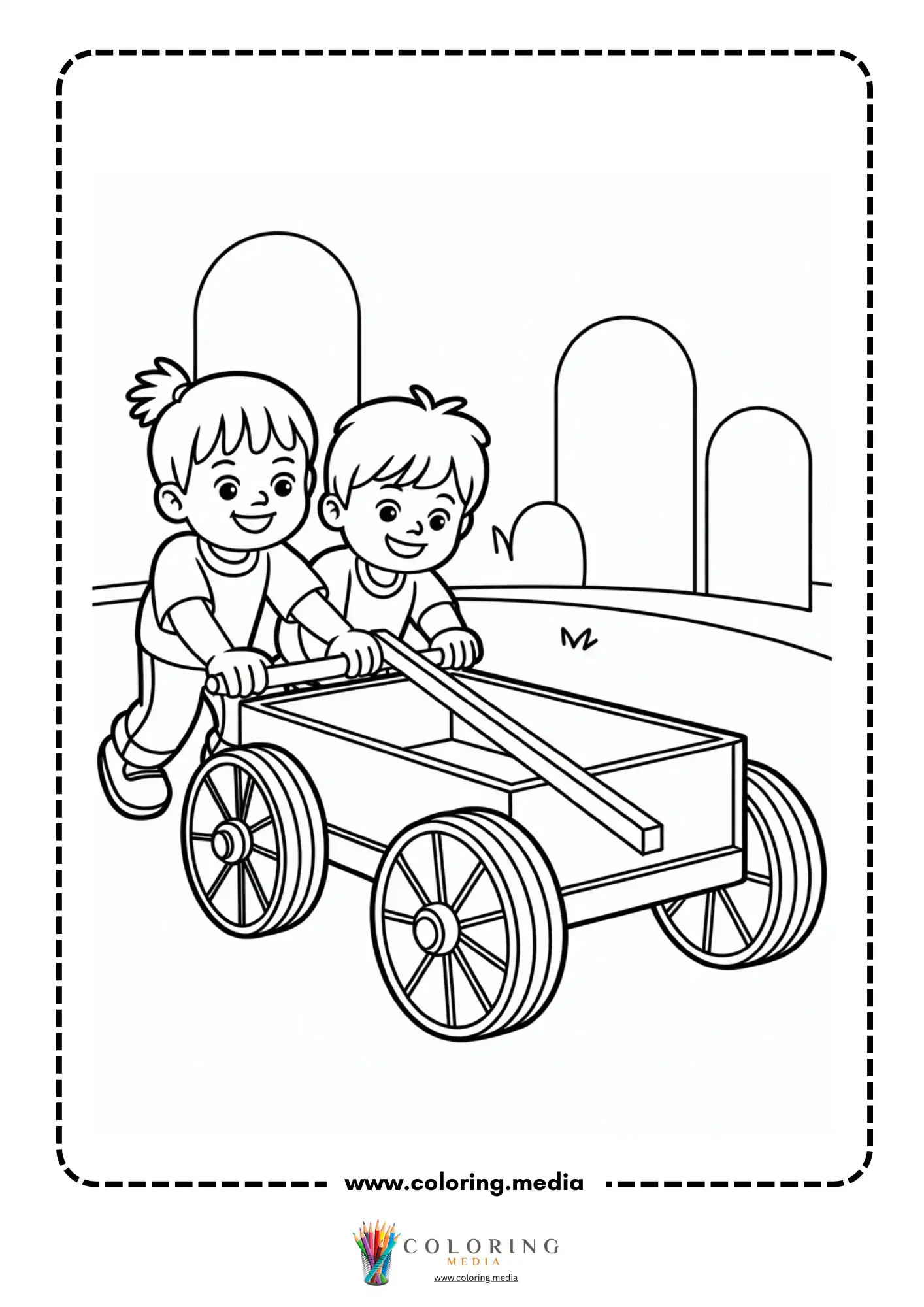
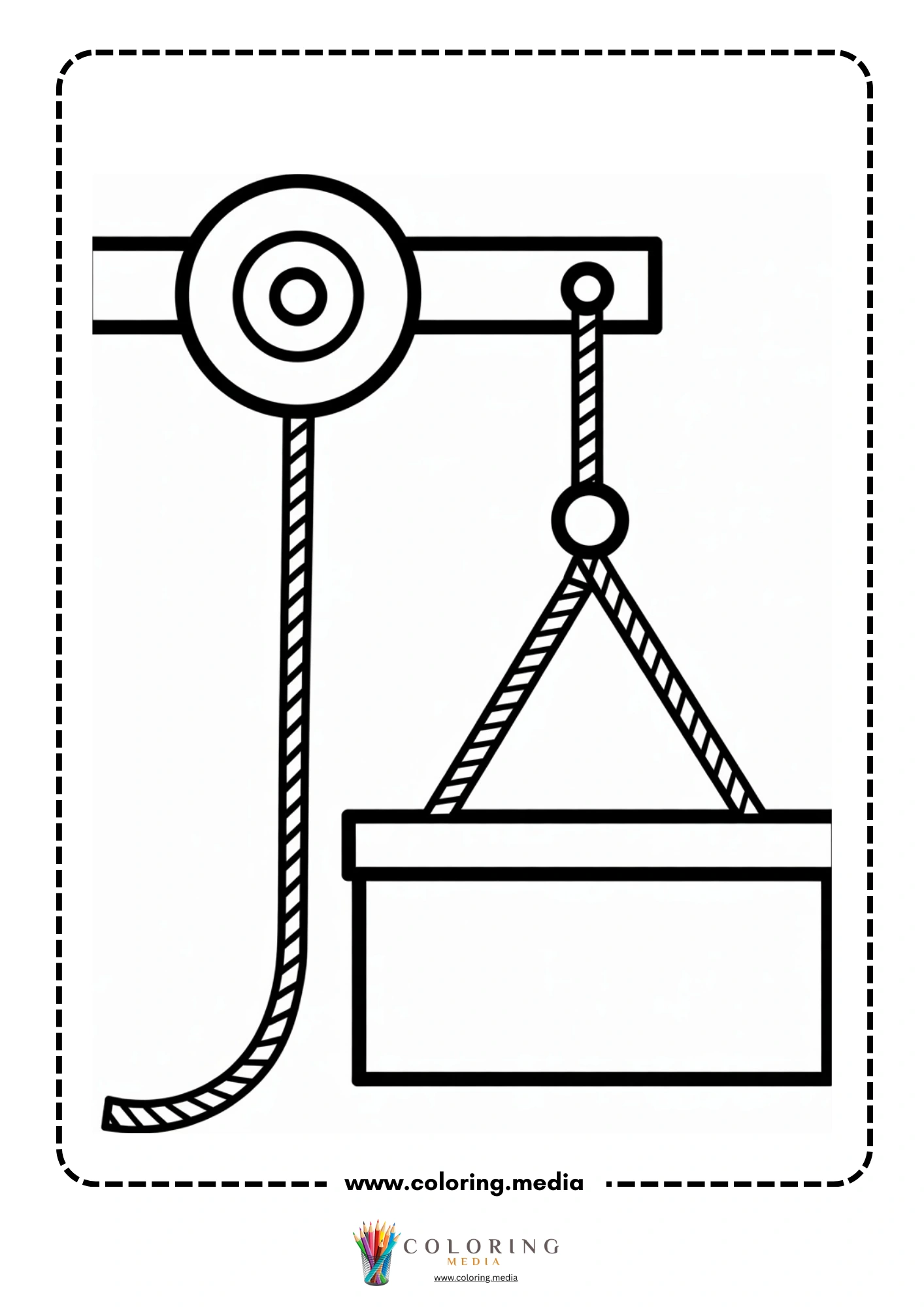
This collection includes 20 printable simple machines coloring pages featuring inclined plane ramp scenes with loads being pushed or rolled upward, wheel-and-axle diagrams and cross-sections, single and compound pulley systems, lever-and-fulcrum diagrams with effort and load indicated, large screw thread illustrations and an Archimedes screw application, wedge illustrations showing the splitting action, and a multi-machine reference page showing several simple machine types together. The comprehensive coverage of all six machine types makes this set uniquely suited to a full simple machines science unit. All pages print on A4 or US Letter paper.

Who Are These Simple Machines Coloring Pages Best For?
Early elementary students in grades 2–3 are the primary audience for this set. Simple machines appear in most second and third grade science curricula, and these pages map directly onto the standard unit content. A child who has spent a week learning about levers, inclined planes, and pulleys can use this coloring set as both a review activity and a reference guide.
Kindergarteners and first-graders can engage with the individual machine pages in isolation, particularly the ones showing familiar objects like a ramp or a wheel. The visual connection — ‘oh, a ramp is a simple machine, that is the same as the slide at the playground’ — is one of the more satisfying moments of early science education, and these pages support it.
Homeschool parents running a full simple machines unit will find this set particularly valuable because no other topic in early elementary science maps as cleanly to a coloring page format. Every machine type has a clear visual identity, a clear function, and a real-world example that a child can immediately recognize.
Interesting Simple Machines Facts to Share While Coloring
All complex machines are combinations of the six simple machines. A bicycle uses wheels and axles, levers (the handlebars and brakes), a screw (pedal threads), a wedge (the tire edge on the road), and pulleys (the chain drive). Understanding the six simple machines means understanding the mechanical basis of almost every tool ever built.
The inclined plane is the oldest simple machine we have physical evidence for. Ramps were used to construct the pyramids of Egypt more than 4,500 years ago. Some researchers believe the stones were dragged up long external ramps; others argue internal spiraling ramps were used. The debate is still ongoing among archaeologists.
A screw is actually an inclined plane wrapped around a cylinder. If you cut the thread off a screw and unrolled it flat, you would have a long triangular ramp. Each turn of the screw advances the thread by one pitch length — the distance between successive threads — which is how screws convert rotational force into linear force.
The wheel and axle is one of the most transformative inventions in human history, appearing around 3500 BC in Mesopotamia — first for pottery, then for carts. Before the wheel, everything had to be dragged, carried, or rolled on logs. The wheel reduced the friction involved in moving loads by an order of magnitude.
A wedge works by converting a downward force into sideways forces. When you swing an axe into wood, the wedge shape of the blade redirects the energy of the swing outward, splitting the fibers apart. Knives, chisels, nails, and teeth are all wedges.
Creative Simple Machines Coloring and Craft Ideas
Machine Type Labels After coloring each page, label which simple machine type it shows on the back, plus one real-world example from everyday life.
Six Machines Display Color one page representing each of the six machine types, then arrange them on a poster board with labels and brief descriptions.
Compound Machine Design Design a fictional machine that combines at least three simple machines. Draw and label each component and explain what each simple machine contributes.
Scavenger Hunt Find at least two examples of each simple machine type in your home. Write or draw each one on the back of the corresponding coloring page.
Force and Direction Analysis For each machine page, draw arrows showing the direction of the input force and the output force, then write whether the machine increases force, changes direction, or increases speed.
Ramp Experiment Using a board and some books to create different ramp angles, time how long it takes a toy car to roll down each angle. Record results on the back of an inclined plane page.
Ancient Machines Research Choose one simple machine and research which ancient civilization first used it and what problem it solved. Write a short paragraph on the back of the relevant page.
Machine Upgrade Challenge Choose a task (carrying water up stairs, opening a jar) and design an improved tool using at least one simple machine. Compare it to what is currently used.
How to Print These Simple Machines Coloring Pages
Each PDF is formatted for A4 and US Letter at 300 dpi. Download any page by clicking its thumbnail, then print from Adobe Reader or a browser with ‘fit to page’ enabled. Standard copy paper is suitable for crayons and colored pencils. For diagram pages with fine force-arrow annotations planned, colored pencils or fine-tip pens give cleaner results. Use black-and-white print mode to save ink.
Explore More STEM Coloring Pages
If you enjoyed these pages, you may also like:
Levers Coloring Pages
Pulley Coloring Pages
Gear Coloring Pages
Measure Tools Coloring Pages
STEM & Technology Coloring Pages