
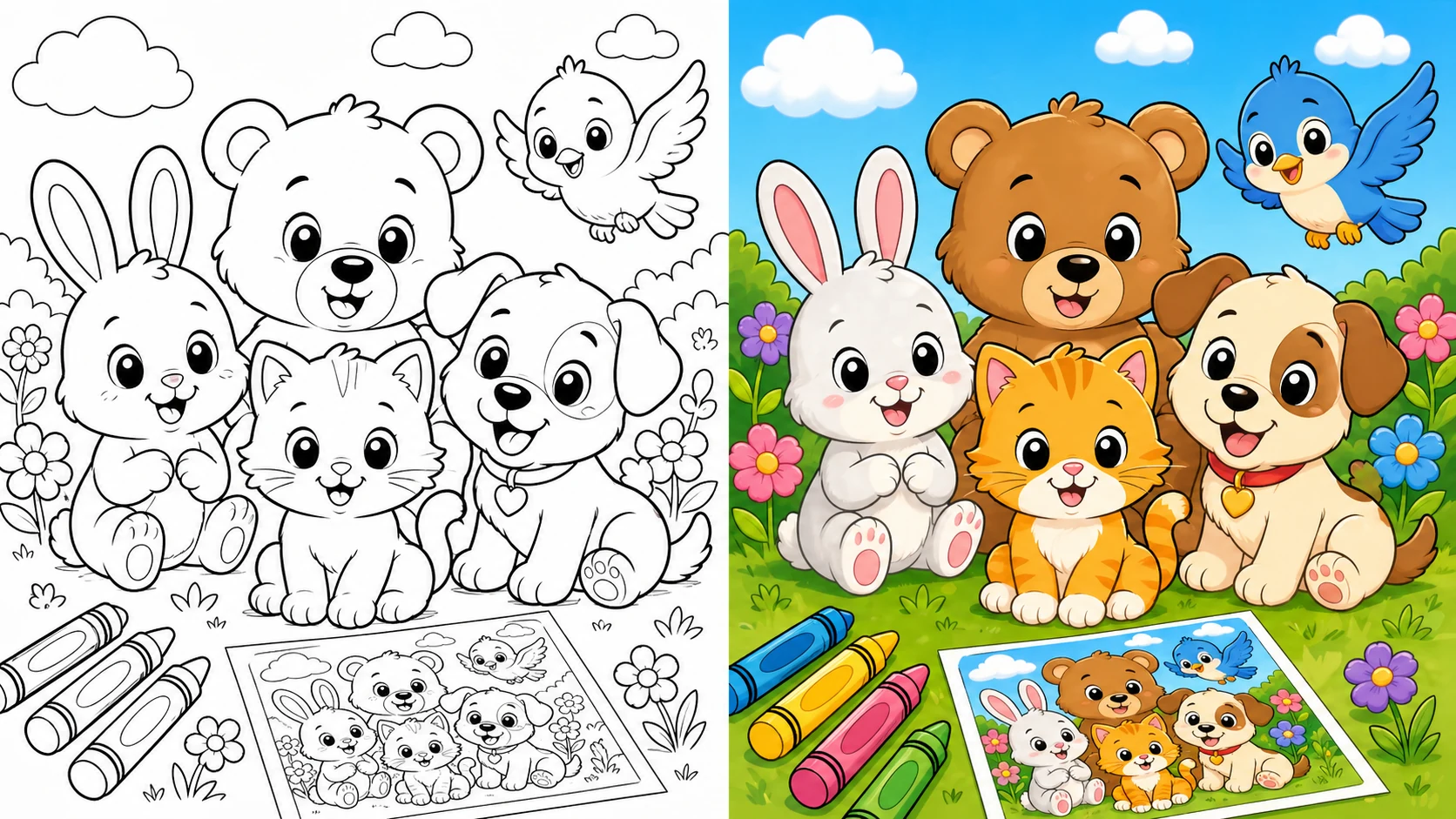
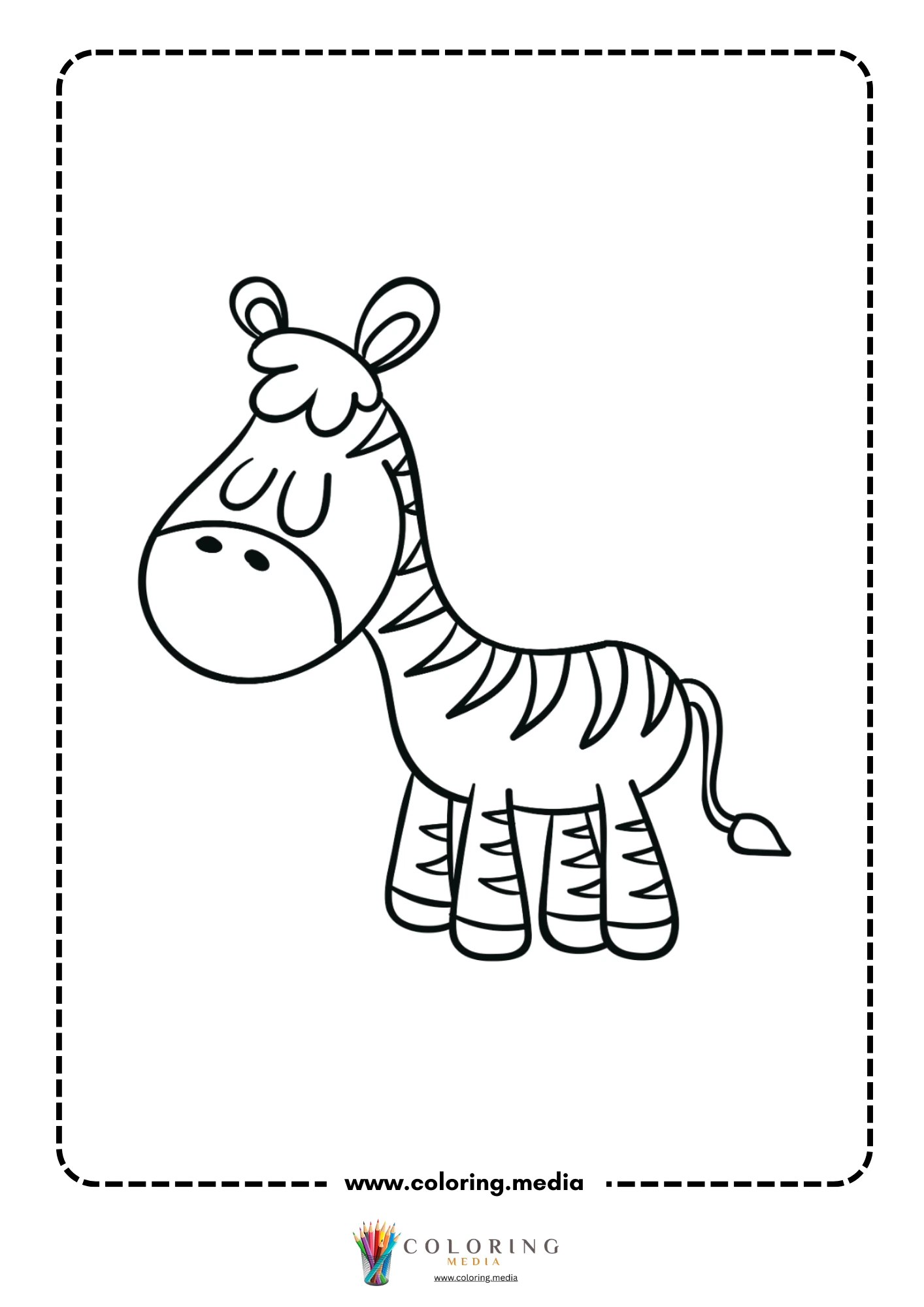
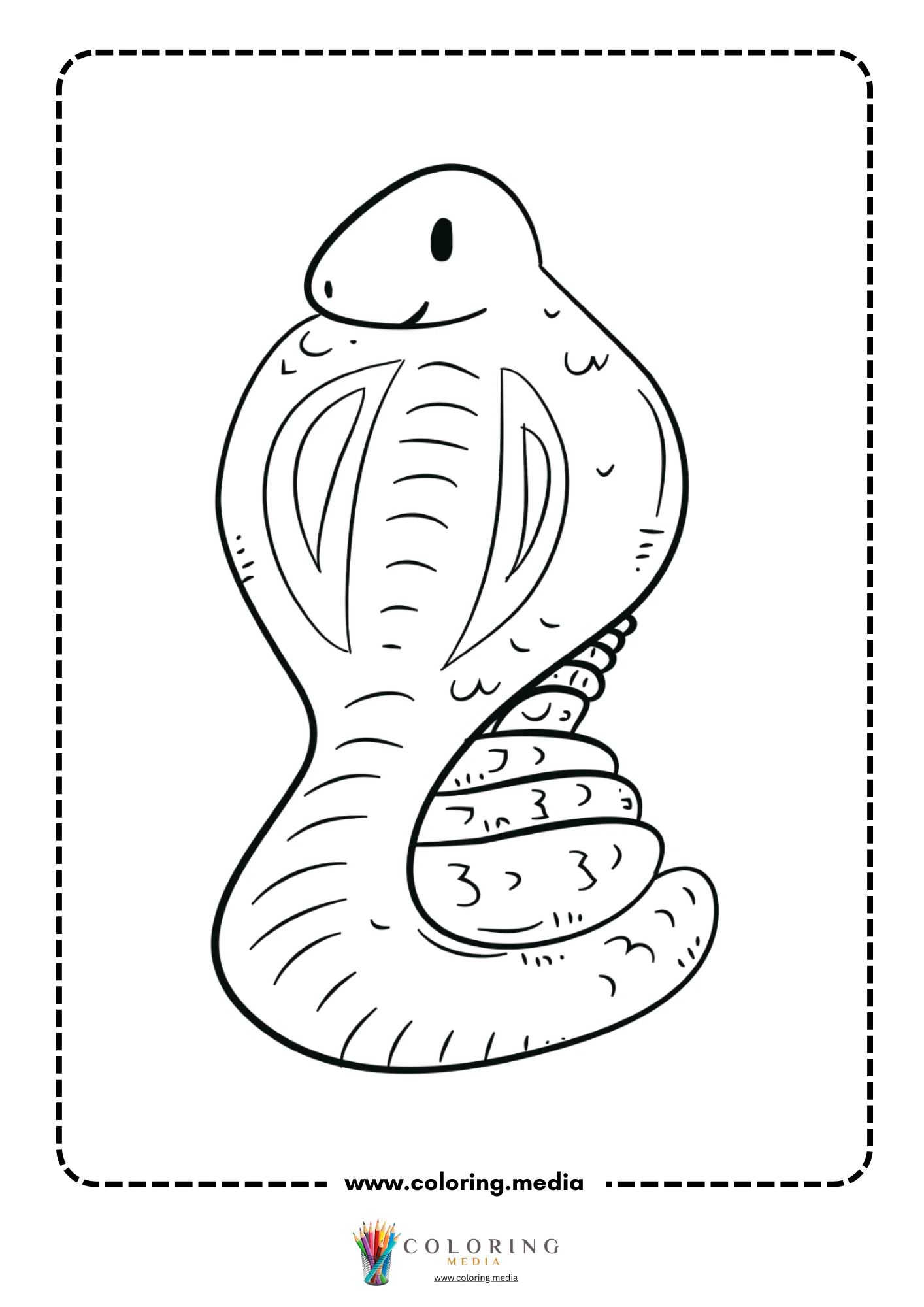
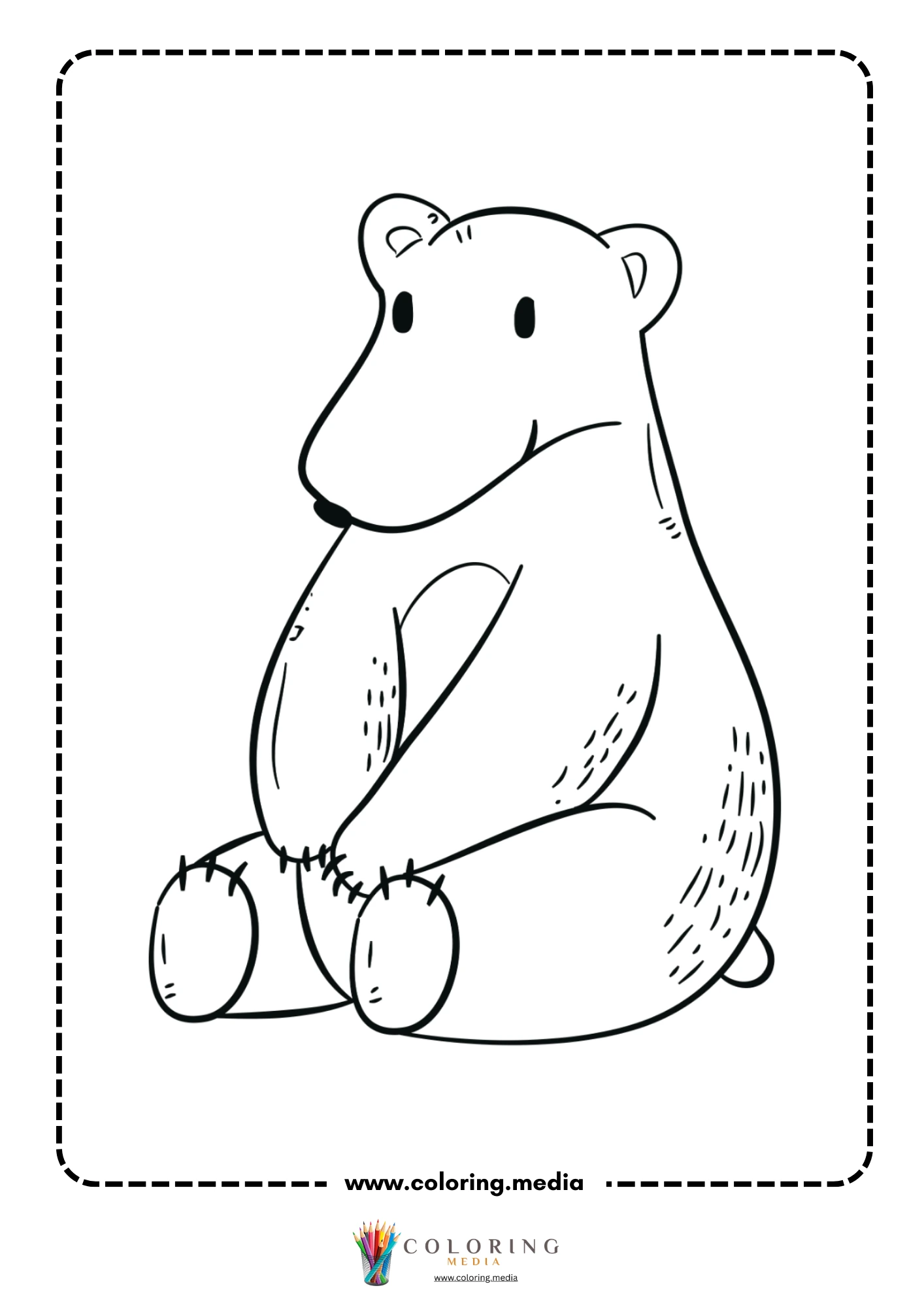
Every page in this set leads with a single animal drawn in a rounded, kawaii-inflected cartoon style — big eyes, soft curves, no sharp edges. The bear cub sits with its paws tucked in. The zebra’s stripes are bold and widely spaced. The cobra fans its hood with an almost friendly expression. Twenty different animals, each given its own full page, drawn with outlines thick enough that a three-year-old can grip a chunky crayon and stay mostly within the lines without much effort.
The collection spans mammals, birds, and reptiles — lions, elephants, giraffes, polar bears, parrots, hippos, wolves, horses, and more — which makes it useful whether you want a single animal to match a story you are reading or a whole stack to keep a group busy across multiple sessions. Everything here is free to download and easy to print.
Free Printable Cute Animal Coloring Pages
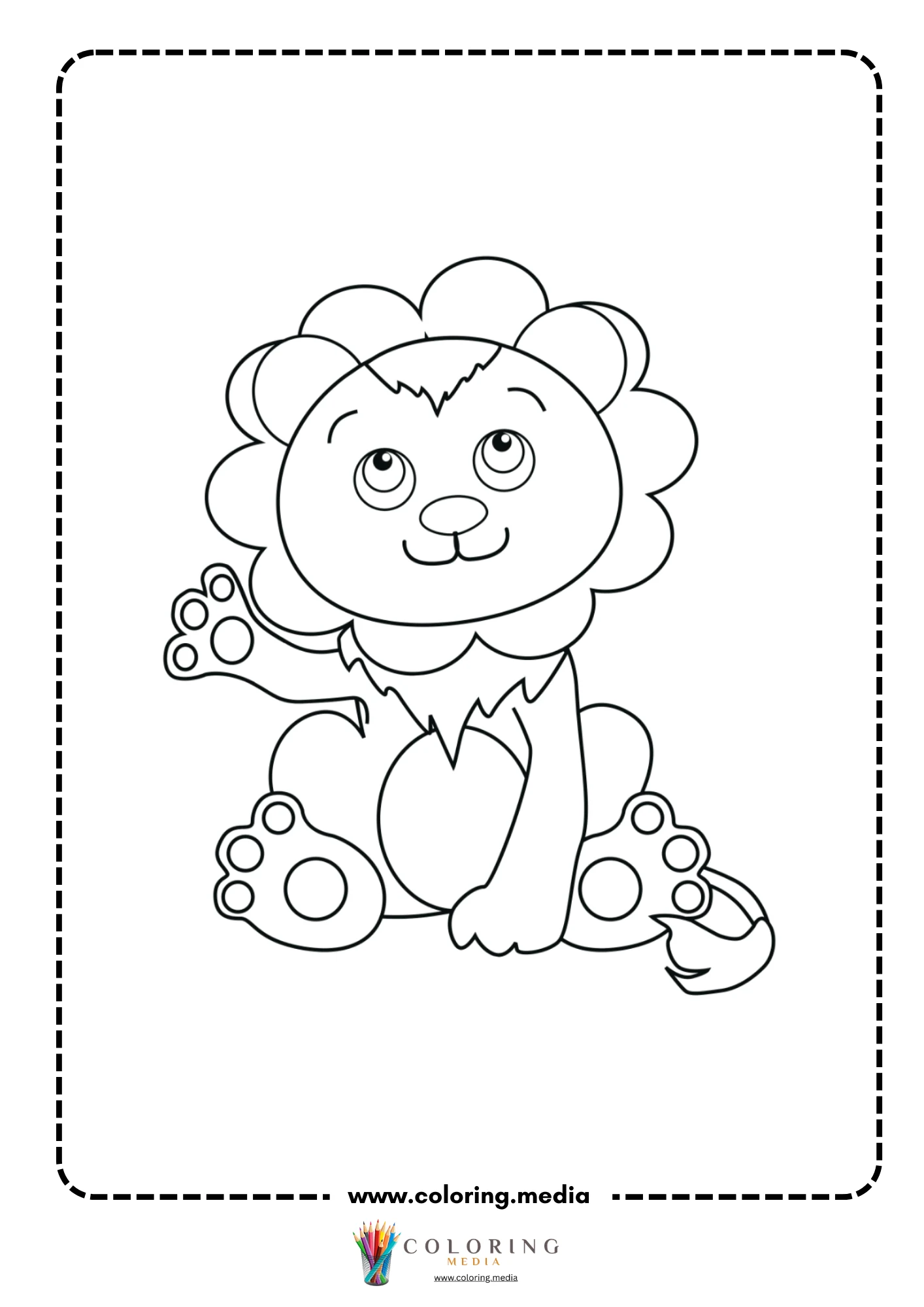
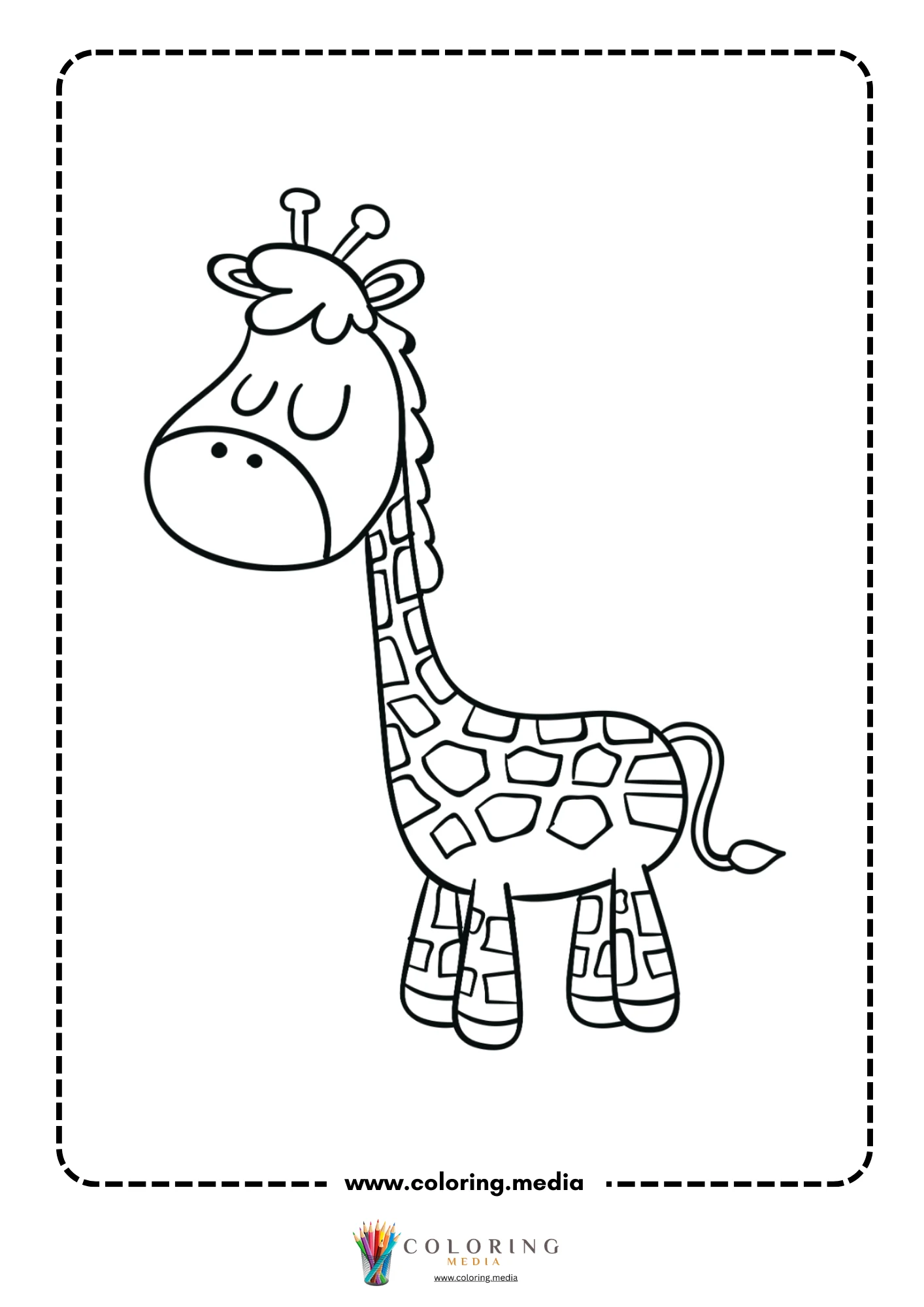
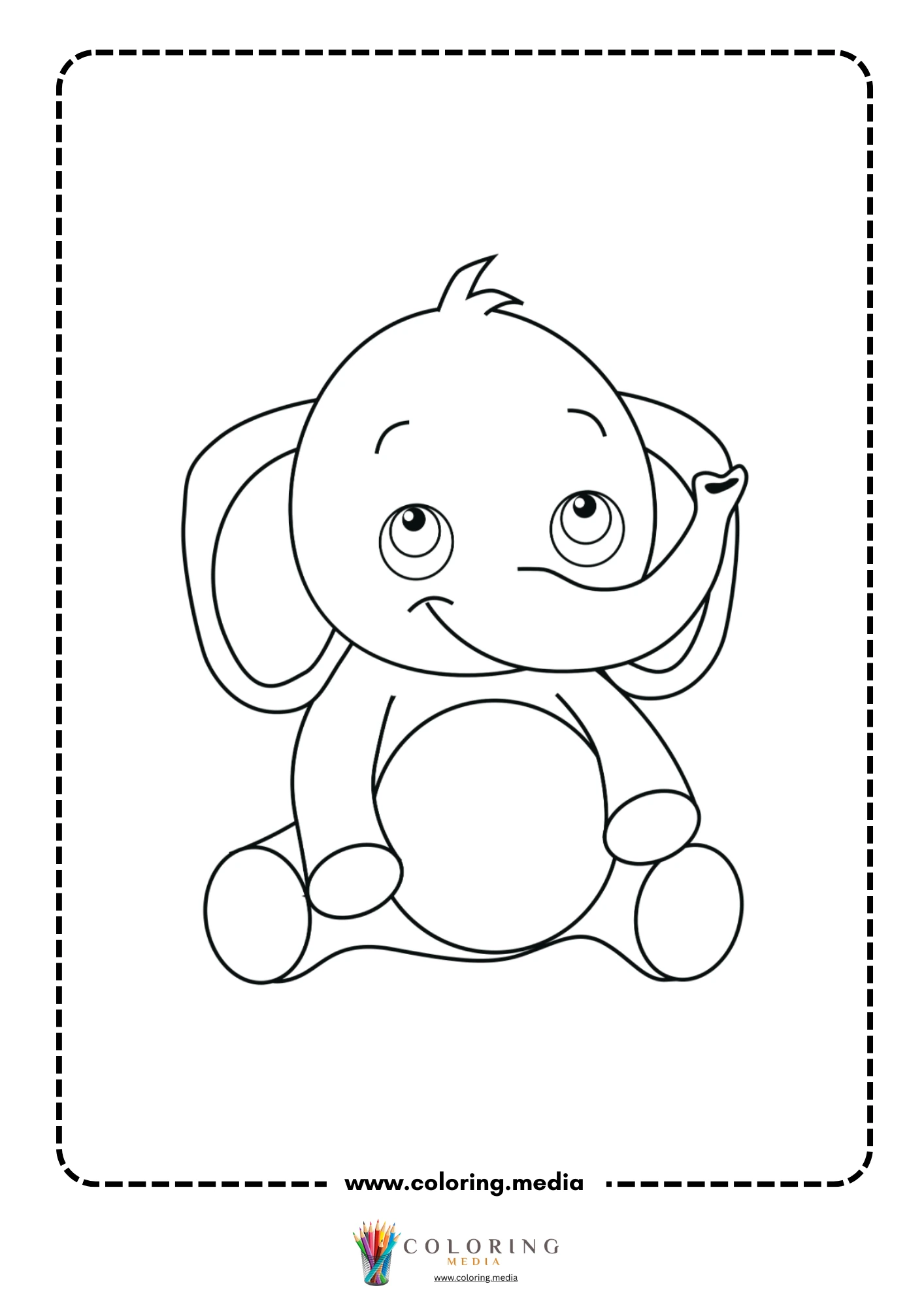
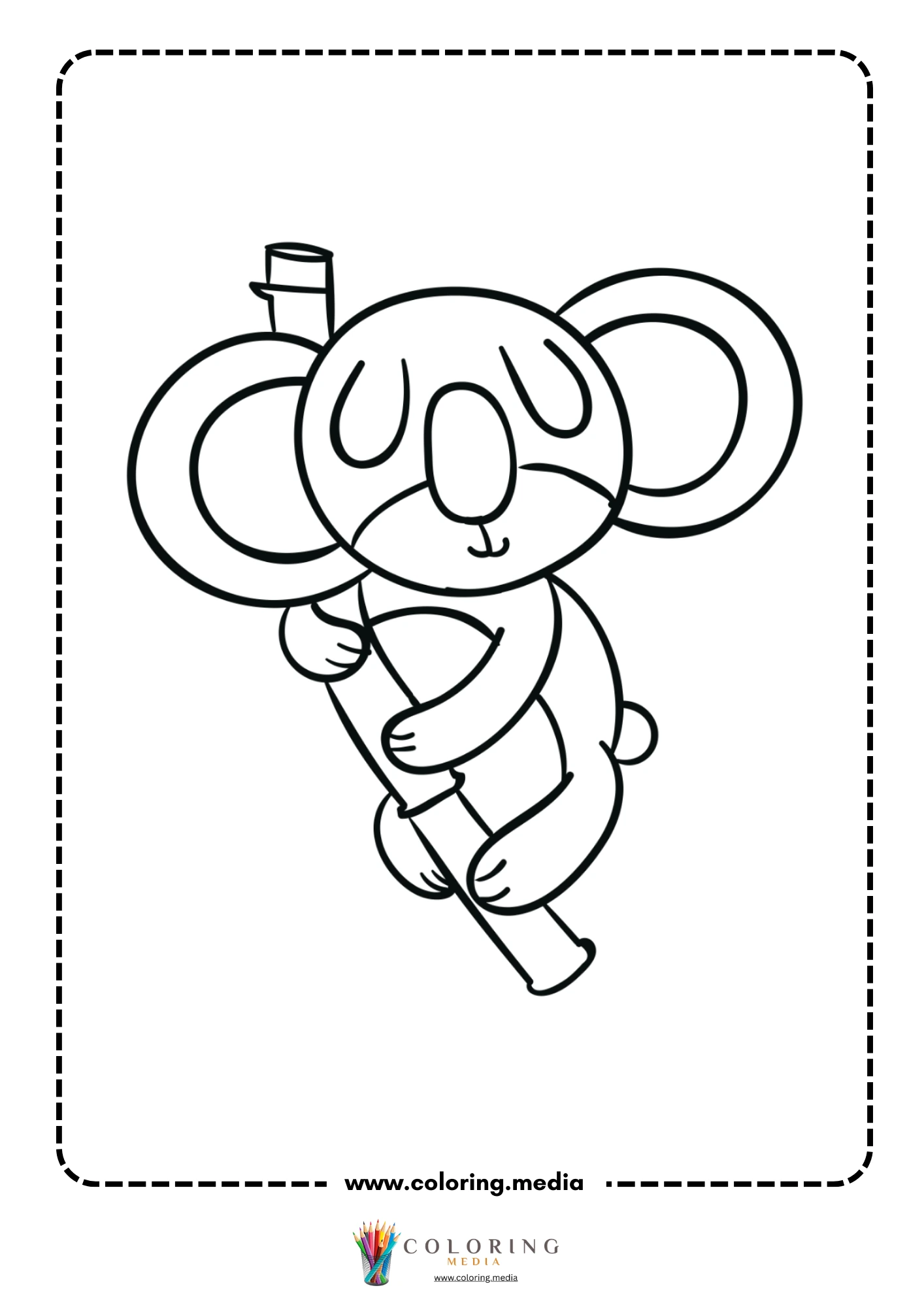
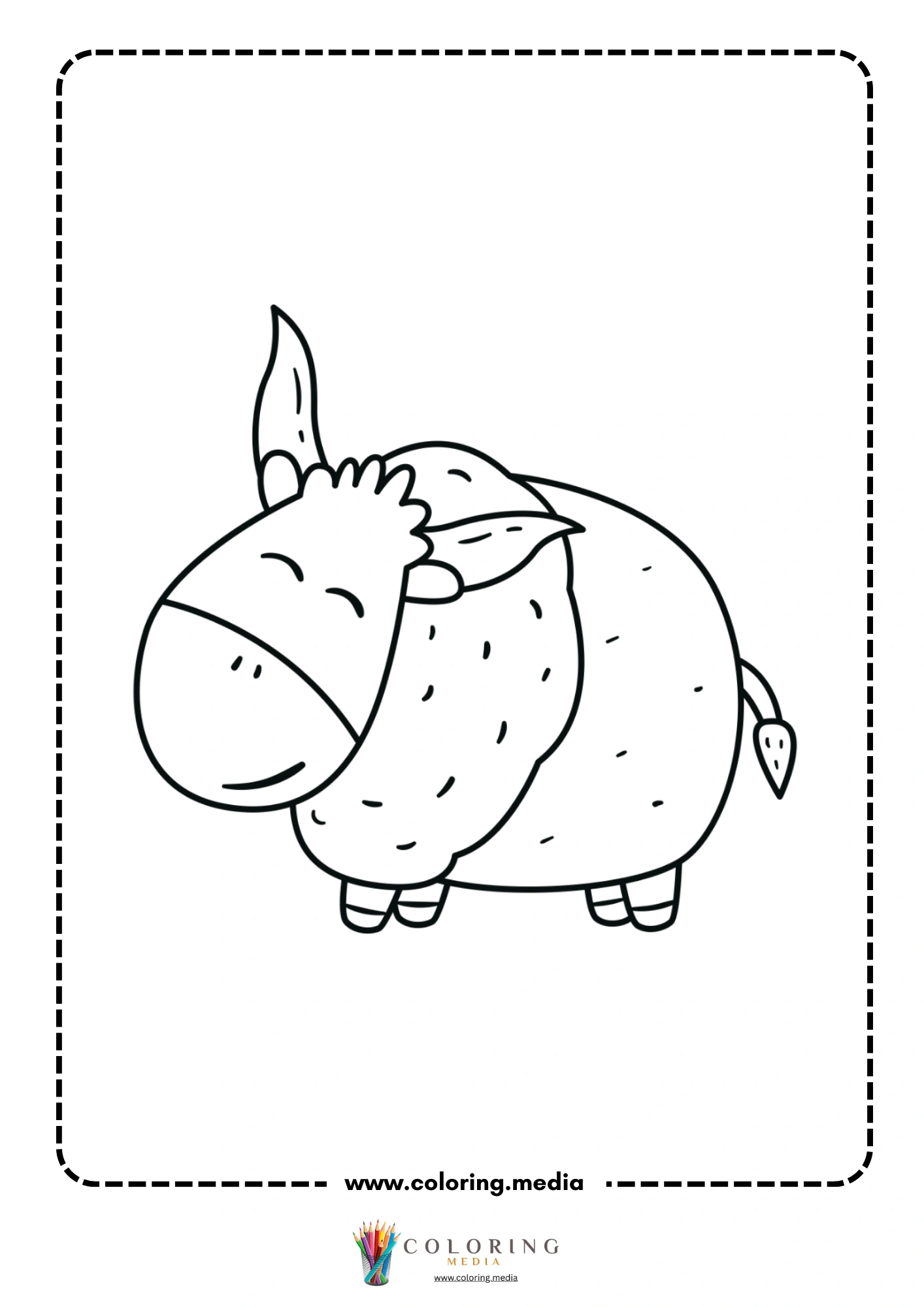
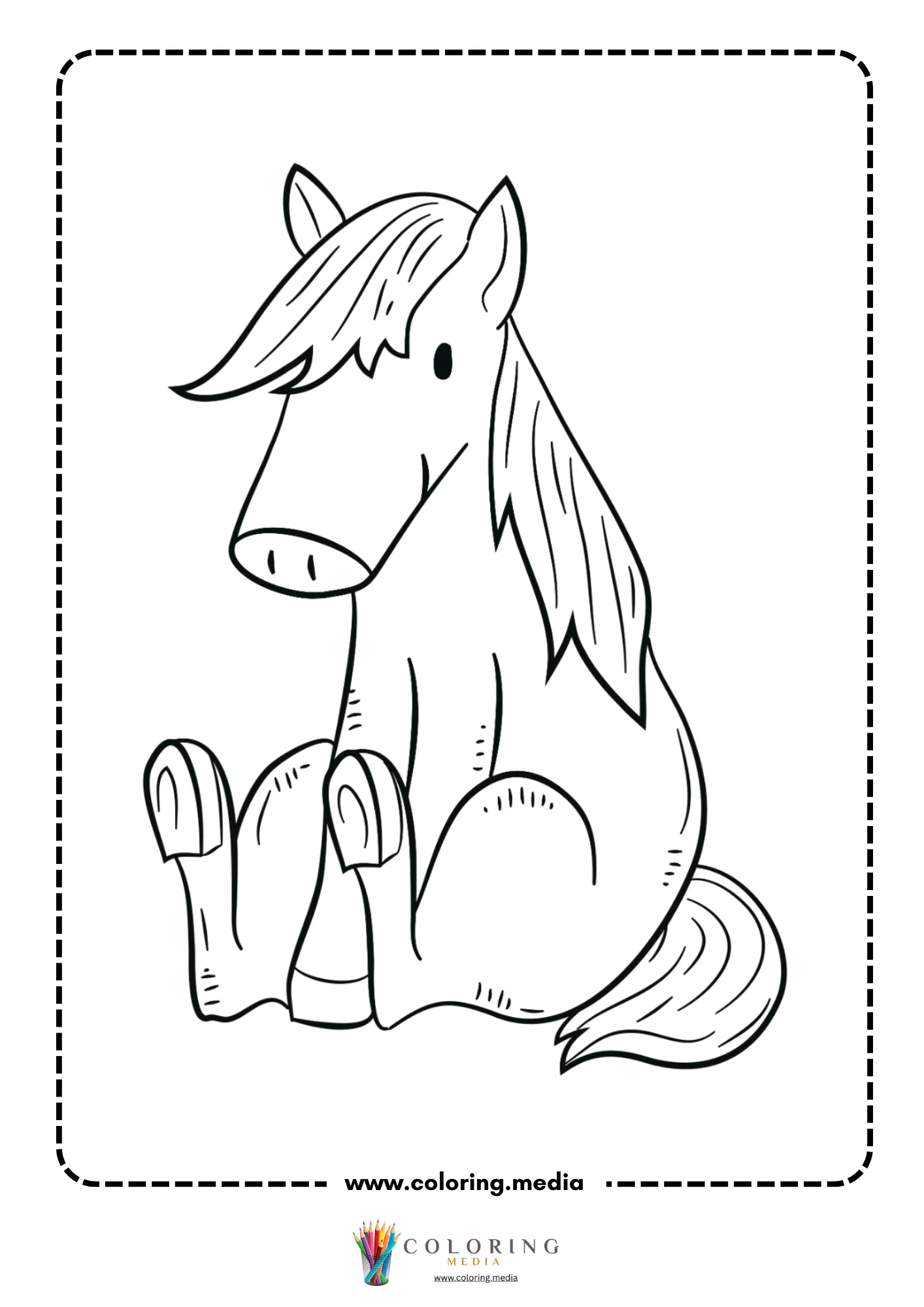
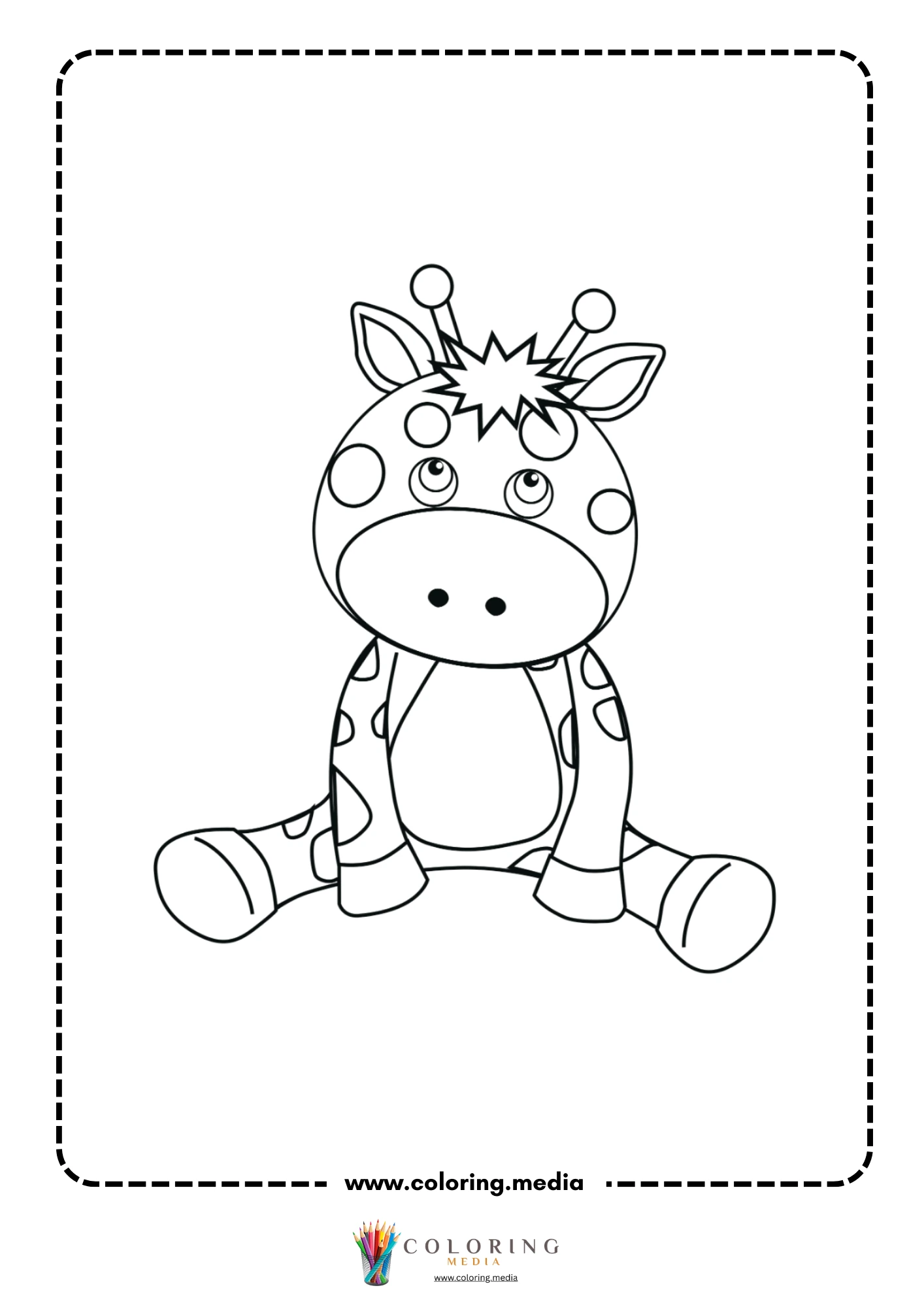
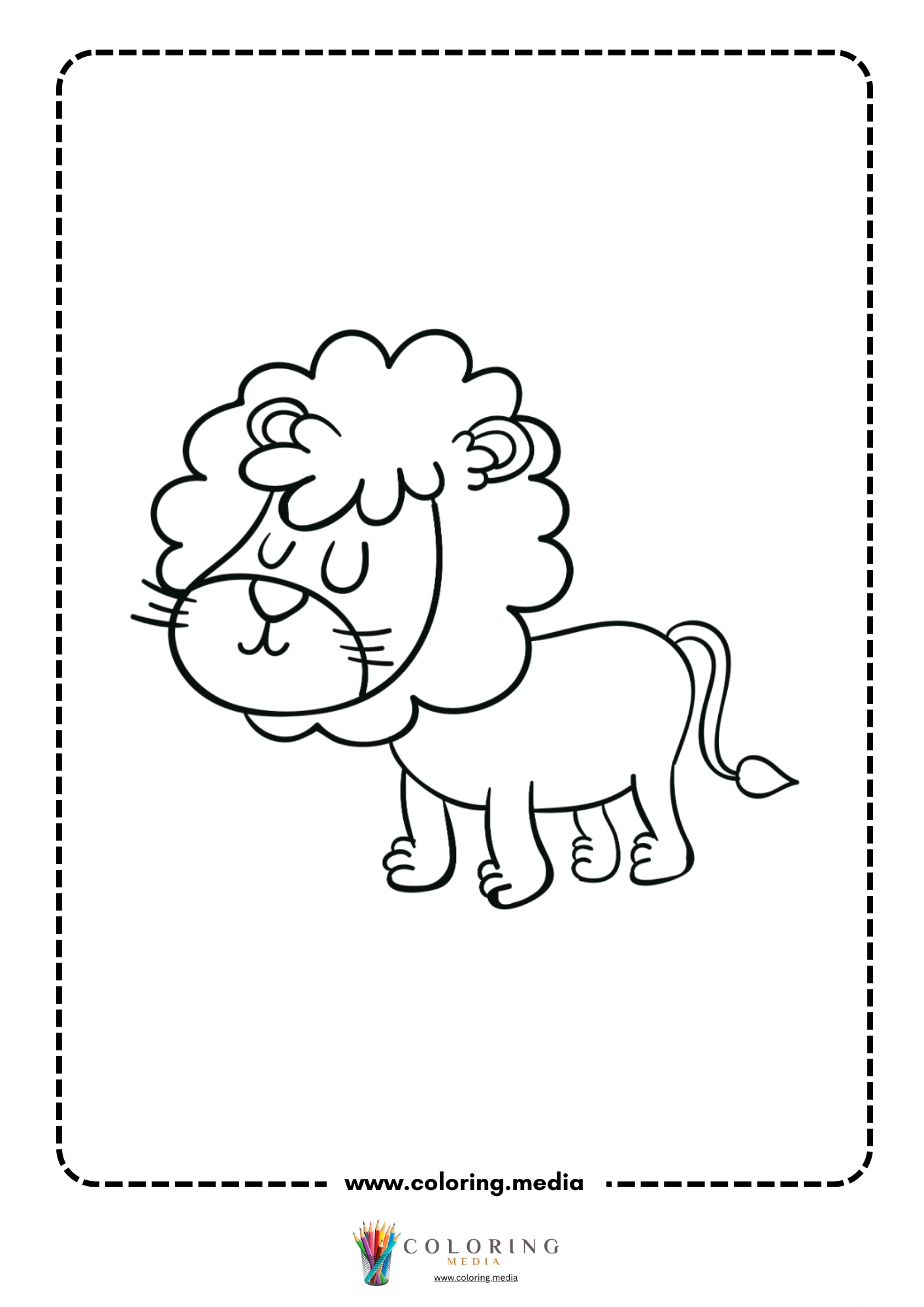
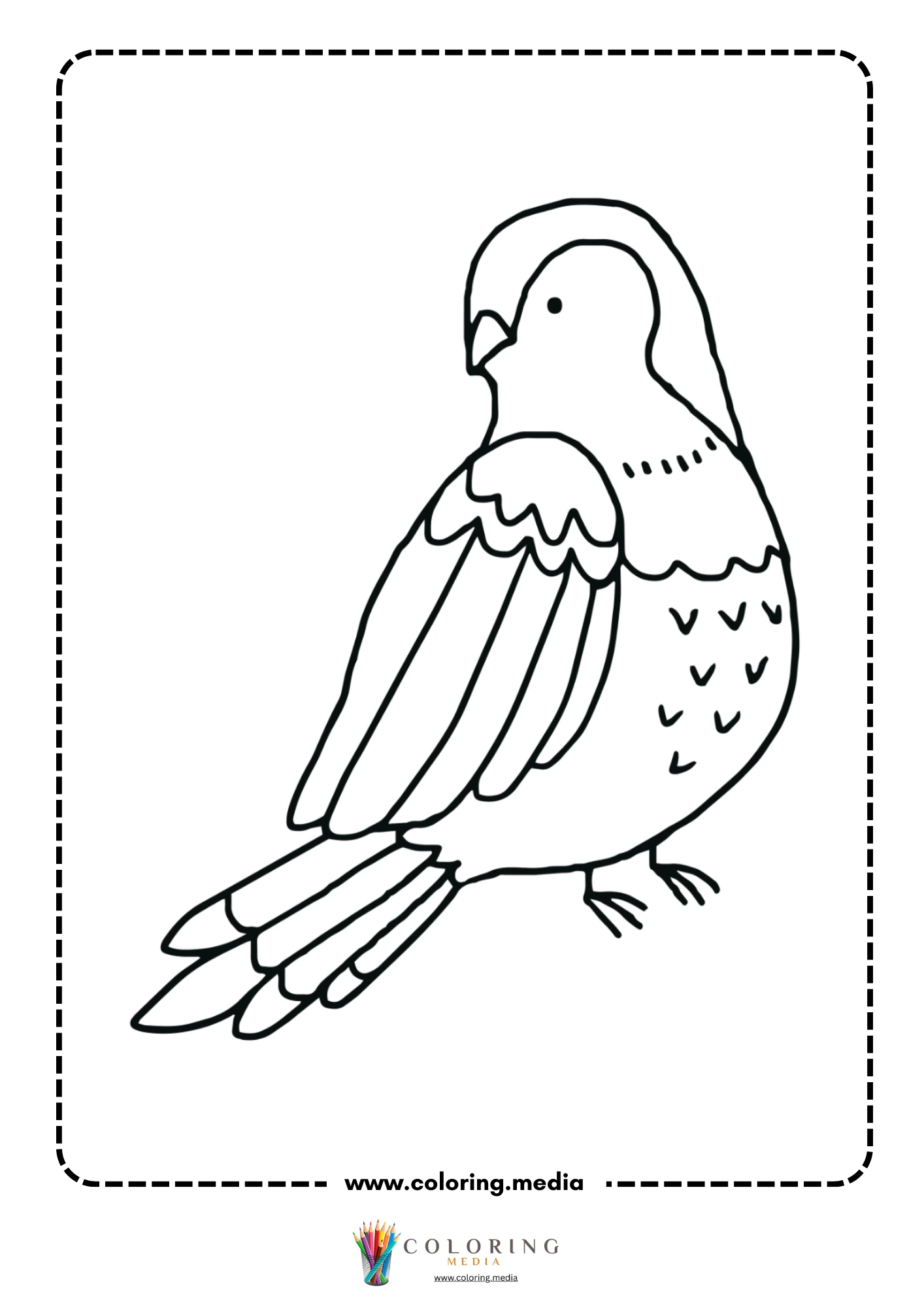
This collection includes 20 printable cute animal coloring pages featuring a bear cub, elephant, zebra, rhino, horse, giraffe, lion, parrot, cobra, polar bear, flamingo, tiger cub, hippo, wolf, rooster, and several more — each rendered in a kawaii cartoon style with wide rounded outlines and expressive faces. The scenes are simple single-animal portraits with no backgrounds, which keeps the focus on the animal itself and makes each page fast to finish. Files are formatted for standard US Letter and A4 paper at 300 dpi.

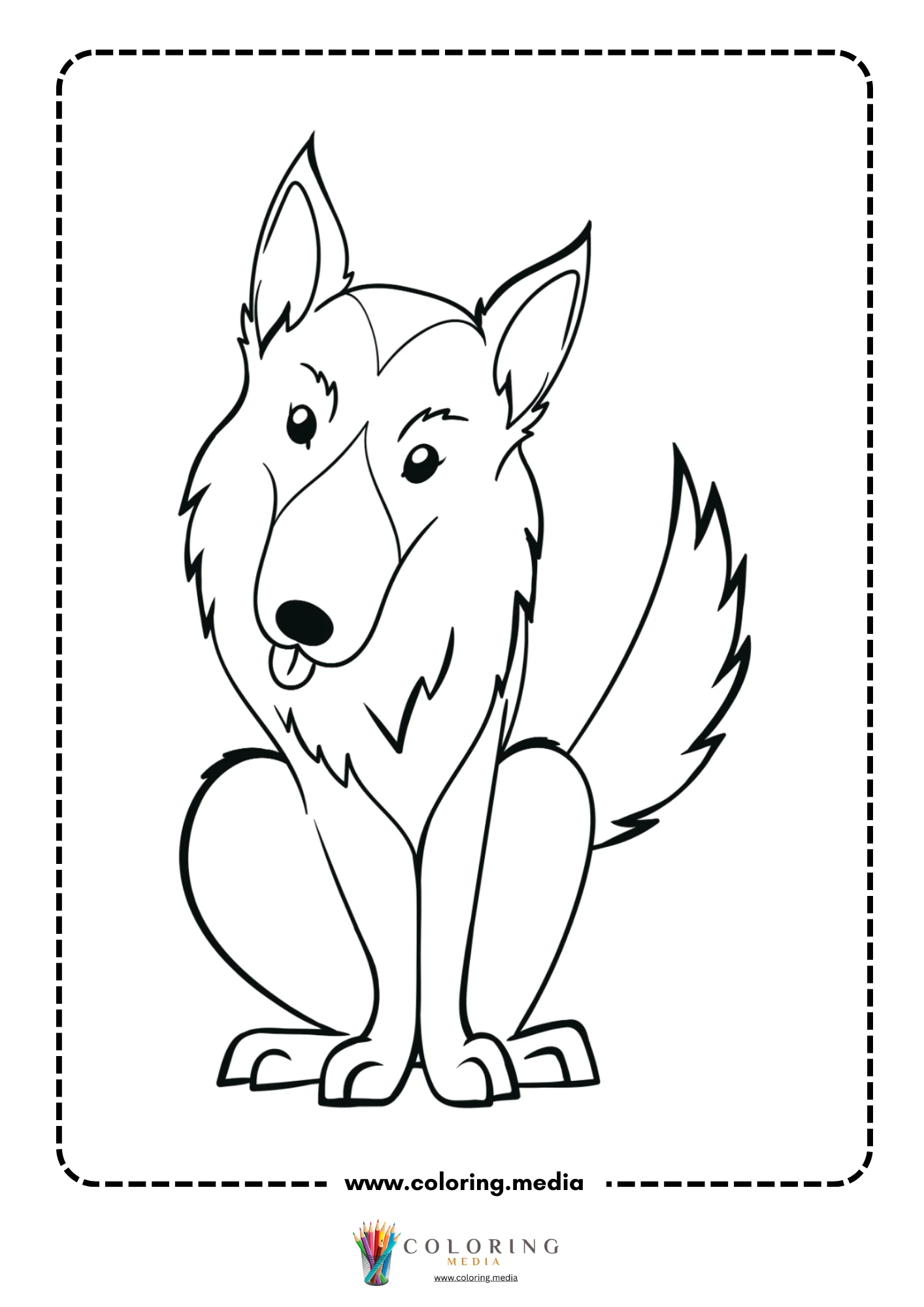

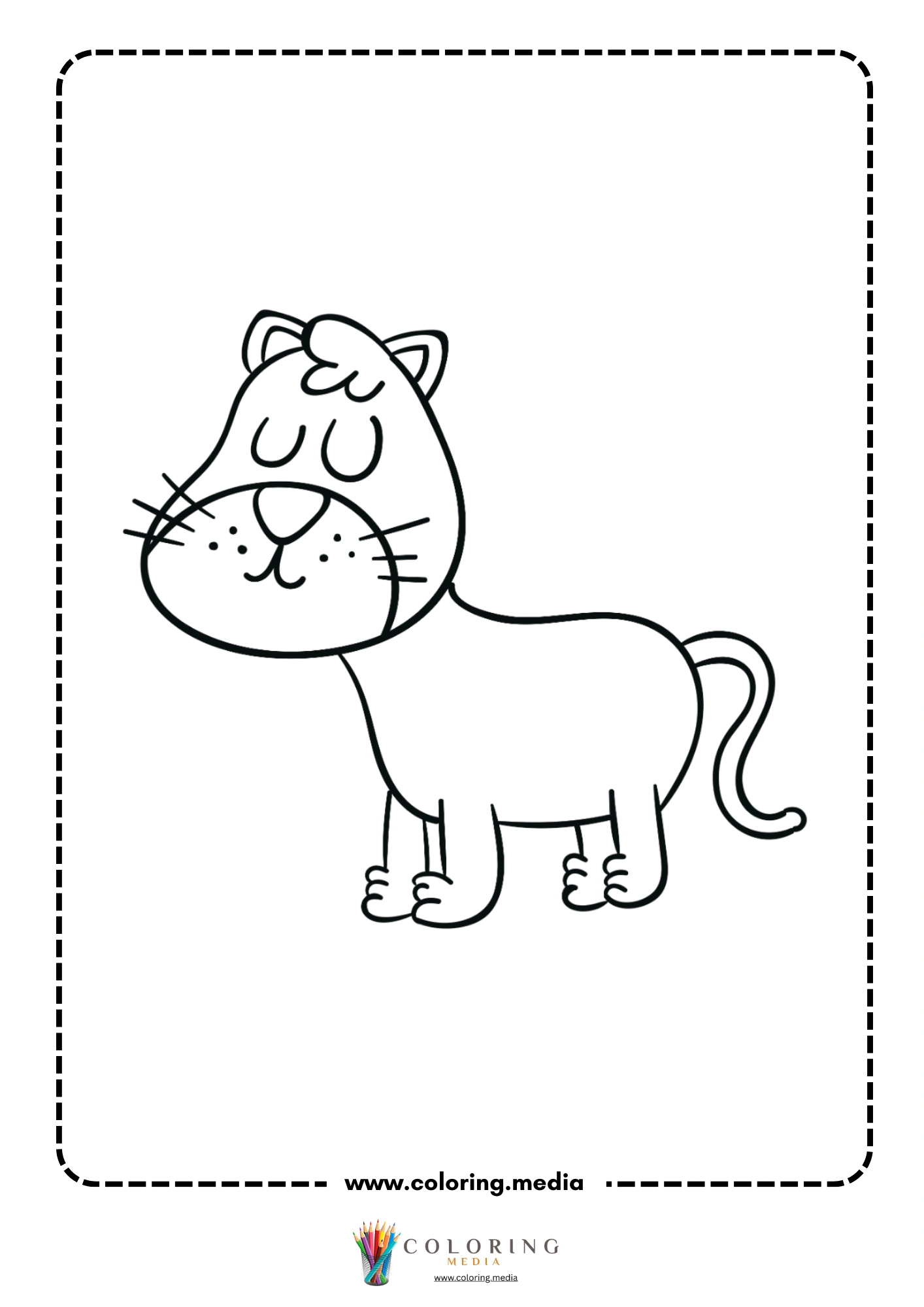
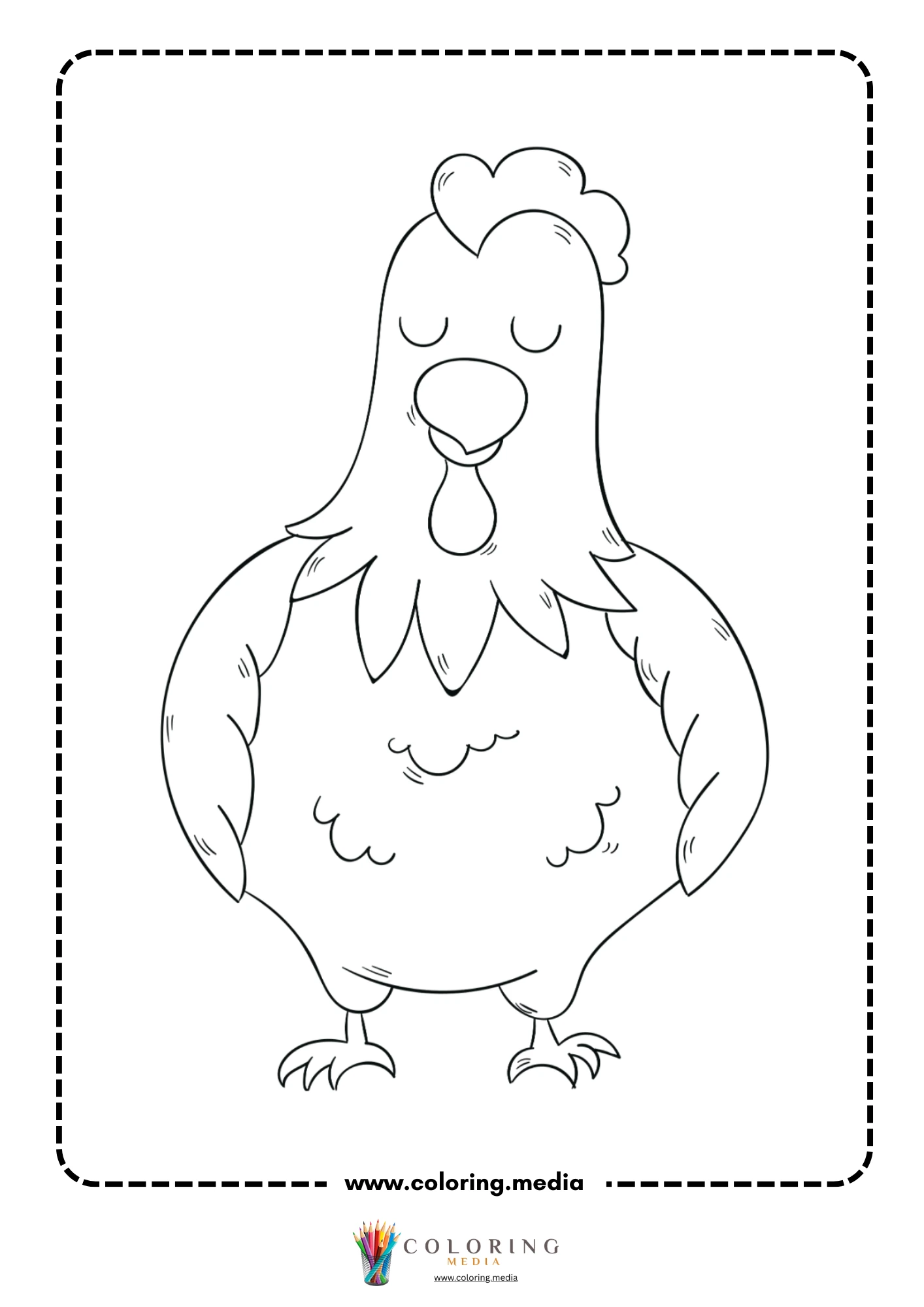
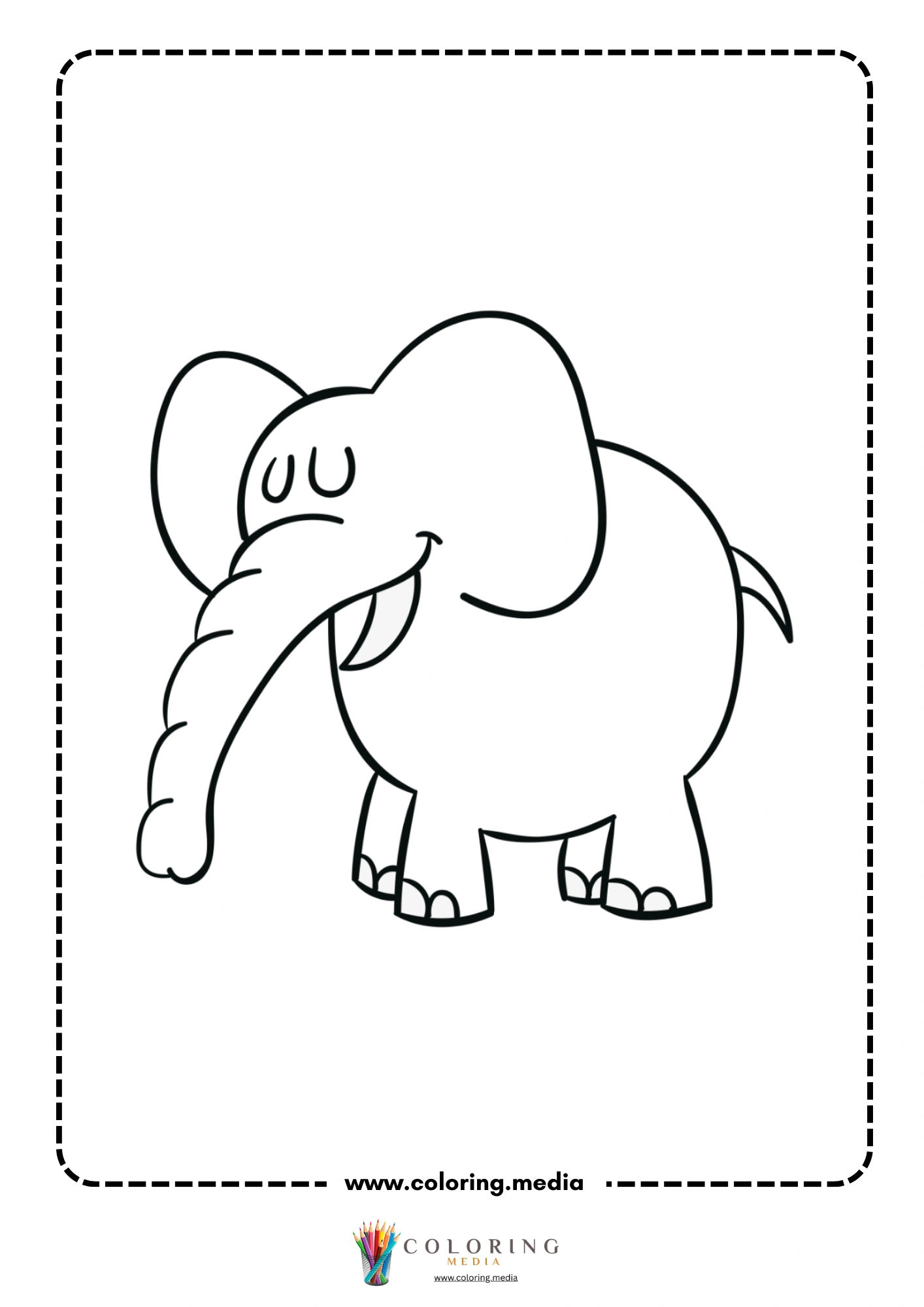
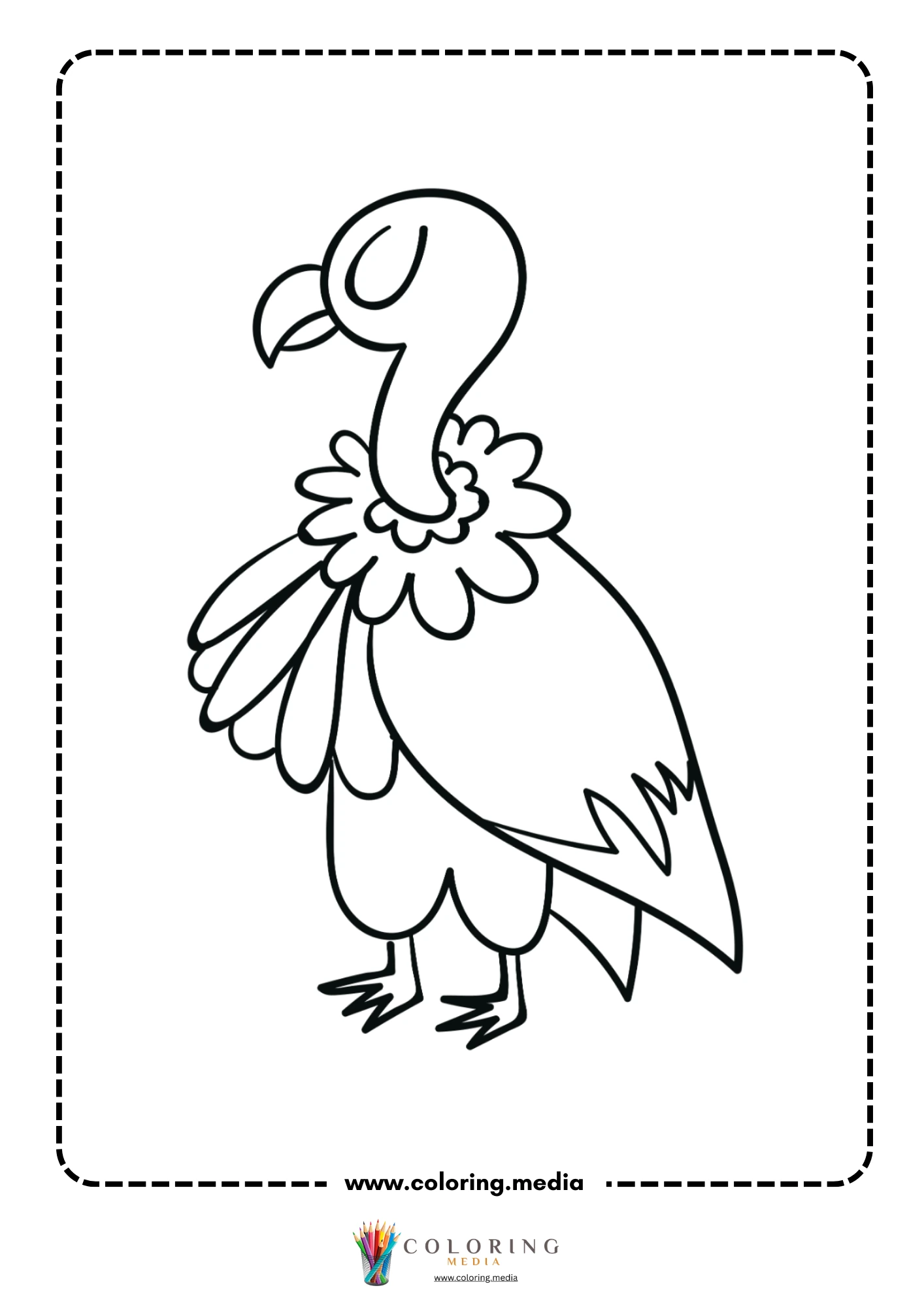
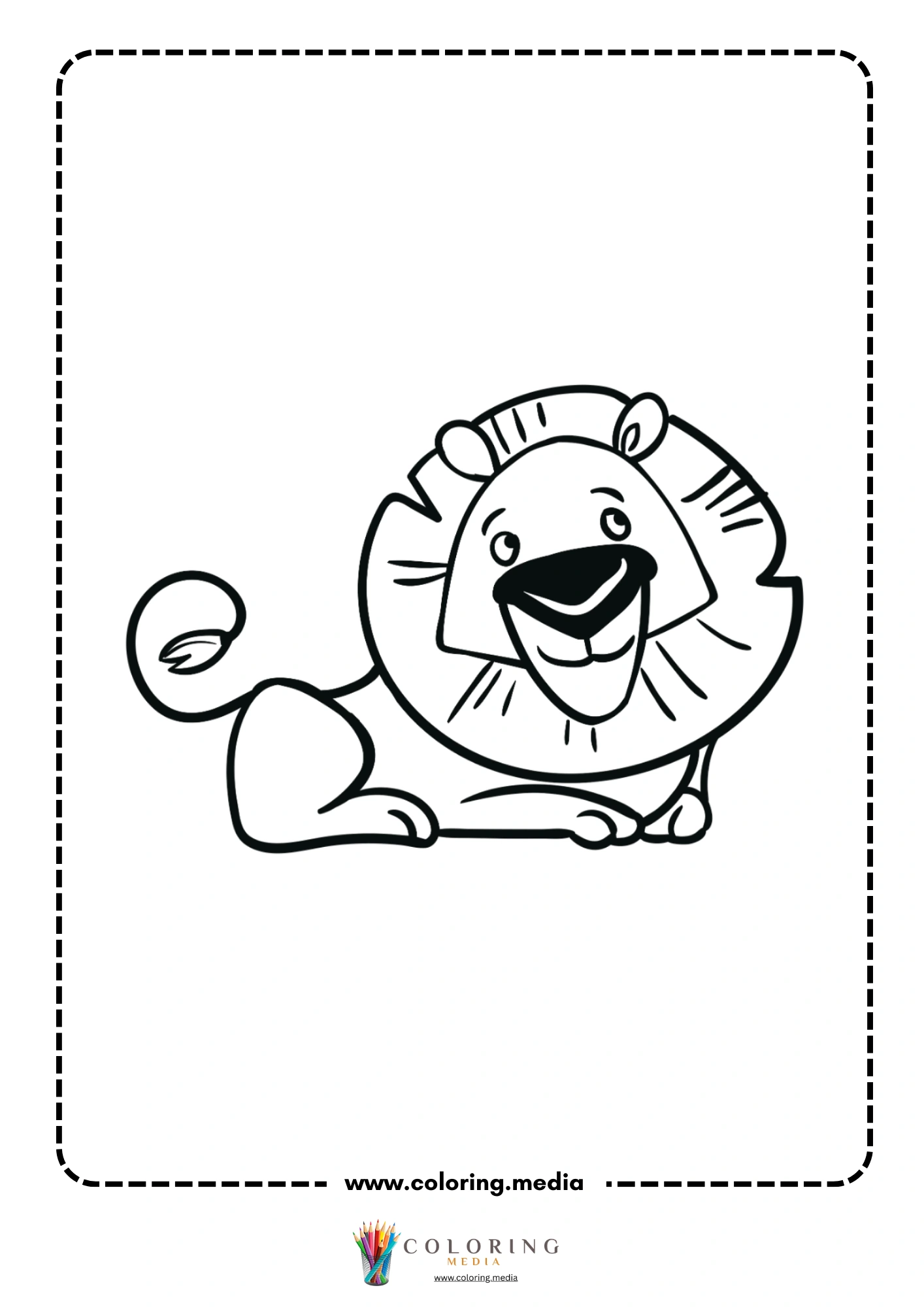
Who Are These Cute Animal Coloring Pages Best For?
The outlines on these pages run 2-3 mm wide with very few interior details — just enough to define the animal’s face and body without demanding fine motor precision. That makes them an easy win for preschoolers aged 3-4, who are still developing pencil control. The rounded shapes also mean there are almost no tight corners to navigate, so kids can move their crayons in broad sweeping strokes and still produce something that looks right.
Kindergarteners will find these satisfying rather than too simple. Each animal has just enough character detail — the giraffe’s spots, the lion’s mane, the parrot’s wing feathers — to give a five- or six-year-old something to think about when choosing colors. At that age, kids often want to color “correctly” (brown bear, gray elephant), and a little searching together about real animal coloring can turn a ten-minute activity into a genuine discovery session.
Toddlers with a bit of crayon experience can also tackle these — several pages like the elephant and the bear cub have especially large open areas that do not require much control at all. In a classroom or homeschool setting, these work well alongside animal unit studies: assign one animal per child and have them write or dictate one fact about it underneath for instant display-ready work.
Interesting Animal Facts to Share While Coloring
Giraffes have dark purple tongues. The purplish-black color is thought to protect the tongue from sunburn — giraffes spend hours a day reaching into thorny acacia trees, and their tongue is exposed to direct sunlight almost constantly. When you reach the giraffe page, it is a good excuse to ask: what color would you make the tongue?
Elephants are one of the few animals that recognize themselves in a mirror. Scientists tested this by painting a mark on an elephant’s forehead and letting it look in a large mirror. The elephant reached up to touch the mark on its own face — not the reflection — which means it understood it was looking at itself. Very few species pass this test.
Polar bear fur is not actually white — each hair shaft is transparent. The fur appears white because it scatters and reflects visible light. Underneath, a polar bear’s skin is black, which helps absorb heat from sunlight. So technically, the “correct” color for the polar bear page is clear, with black underneath.
Parrots do not have vocal cords the way humans do. They produce sound by controlling airflow through their syrinx — a structure at the base of the windpipe — and shaping it with their throat and tongue. African grey parrots can learn several hundred words and seem to understand context, not just mimic sounds at random.
A cobra’s hood is not a separate body part — it is the same skin as the rest of the neck. When threatened, the cobra spreads its ribs outward, stretching the loose skin into the wide flat shape we recognize. The eyespots on the back of the hood in some species look like a face to predators approaching from behind, which can buy the snake time to escape.
Creative Cute Animal Coloring and Craft Ideas
Animal Habitat Diorama Color the animal, cut it out, and stand it inside a shoebox decorated to look like its natural habitat — savanna grass for the lion, snow for the polar bear.
Mix-and-Match Animal Book Print two copies of several pages, cut each in half horizontally, and bind into a flip book where kids can combine a lion’s head with an elephant’s body.
Animal Sound Guessing Game Color a page face-down, then hold it up while someone makes the animal’s sound — first to guess correctly gets to color the next one.
Realistic vs. Fantasy Color Challenge Color one version with realistic colors (look up photos together), then do a second pass with completely invented ones — purple elephant, rainbow zebra.
Animal Fact Card Pairing Write one surprising fact on an index card and tape it to the completed coloring page for a classroom display that doubles as a reading activity.
Paper Bag Puppet Color and cut out the animal’s head, glue it to the flat bottom of a paper bag, and fold the bag flap open and closed to make the animal talk.
Watercolor Wash Background Color the animal with crayons first, then paint a loose watercolor wash over the whole page. The wax resists the paint and keeps the animal crisp while the background blooms with color.
Animal Alphabet Wall Pick 26 animals from the set and arrange them A-to-Z on a bedroom or classroom wall — bear, cobra, elephant, flamingo, giraffe, hippo, and so on.
How to Print These Cute Animal Coloring Pages
Each file downloads as a PDF sized for standard US Letter (8.5×11 in) and A4 paper — both formats print without cropping on either size. Plain copy paper works fine for crayons and colored pencils; if you are using markers or watercolors, 65-90 lb cardstock will prevent bleed-through. For the crispest lines, select “actual size” rather than “fit to page” in your print dialog, and if ink is running low, printing in grayscale at high quality typically gives a sharper outline than draft-mode color.
Explore More Animals Coloring Pages
If you enjoyed these pages, you may also like:
Butterfly Coloring Pages
Birds Coloring Pages
Elephant Coloring Pages
Farm Animals Coloring Pages
All Animals Coloring Pages