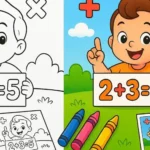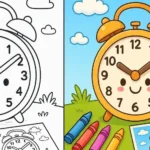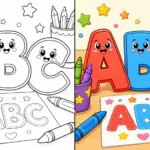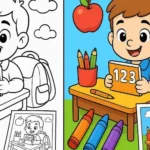

Preschool Coloring Pages
Preschool coloring pages for ages 3 to 5, with simple scenes, early learning themes, animals, shapes, holidays, and everyday objects that young children recognize.
These pages support color naming, hand control, visual attention, and early classroom routines. They are easy enough for crayons while still giving preschoolers something interesting to finish.
Explore other age-based pages
Explore other age-based hubs to find easier toddler pages or slightly more detailed kindergarten and elementary sets.
Preschool Coloring Pages
Use this preschool hub for printable pages that work well at home, in daycare, and in early childhood classrooms.
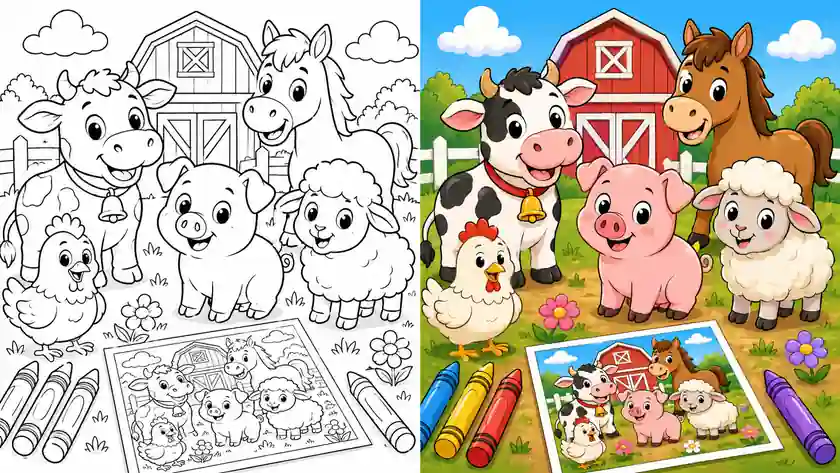
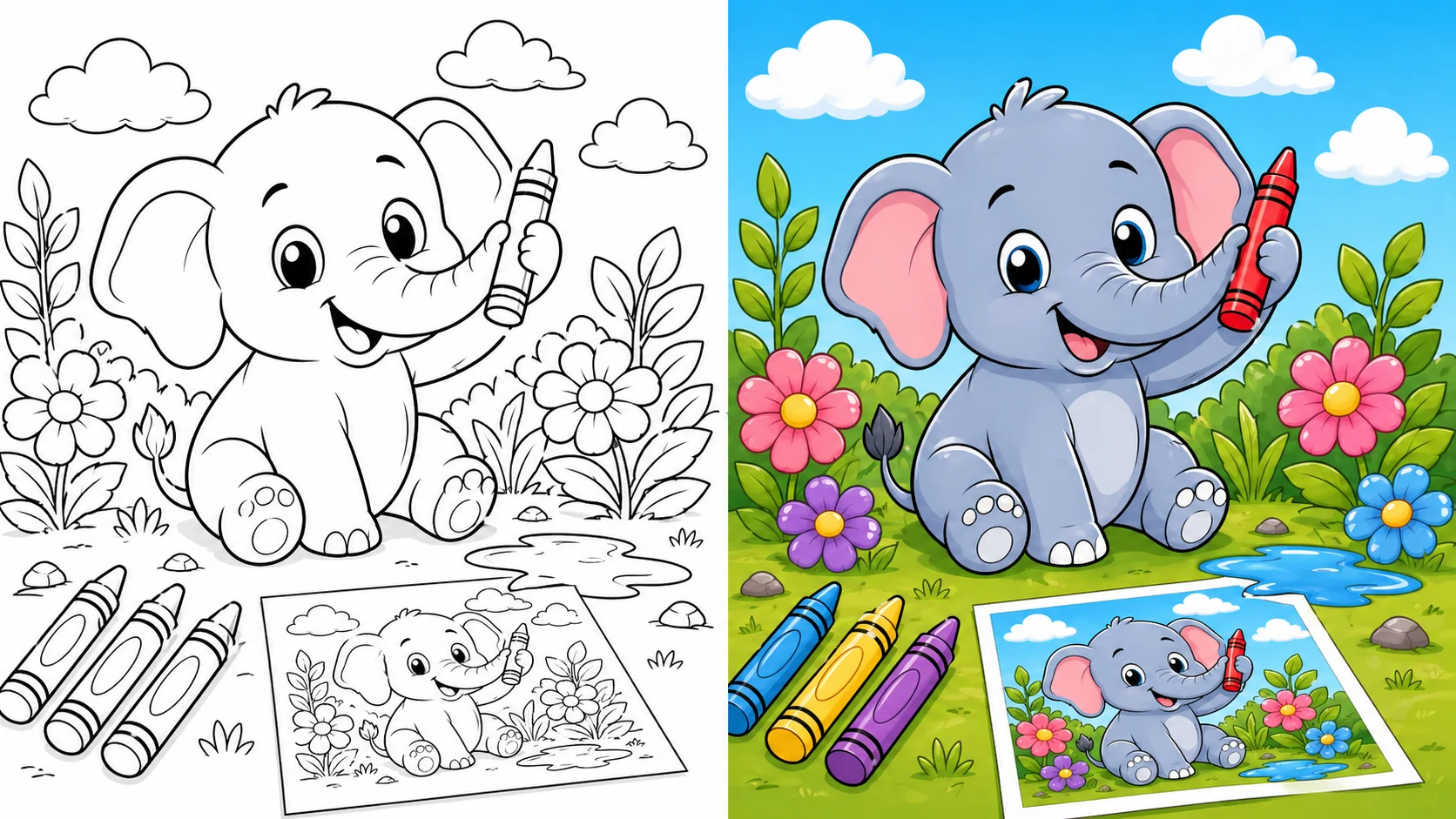
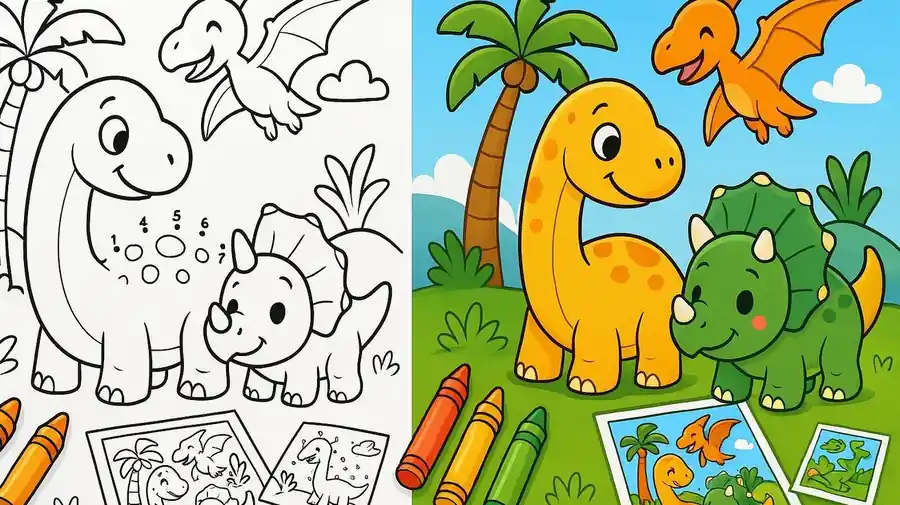
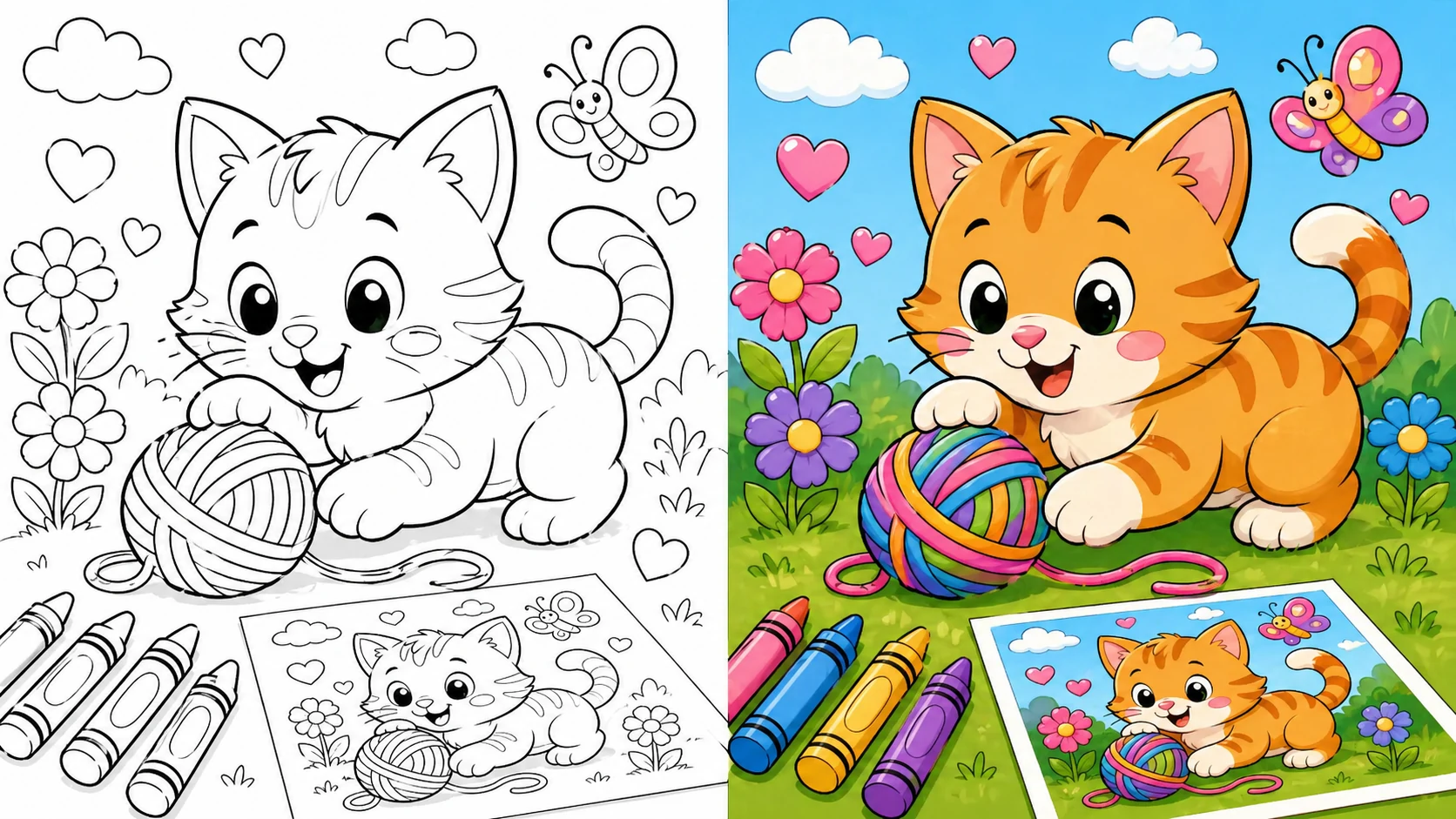
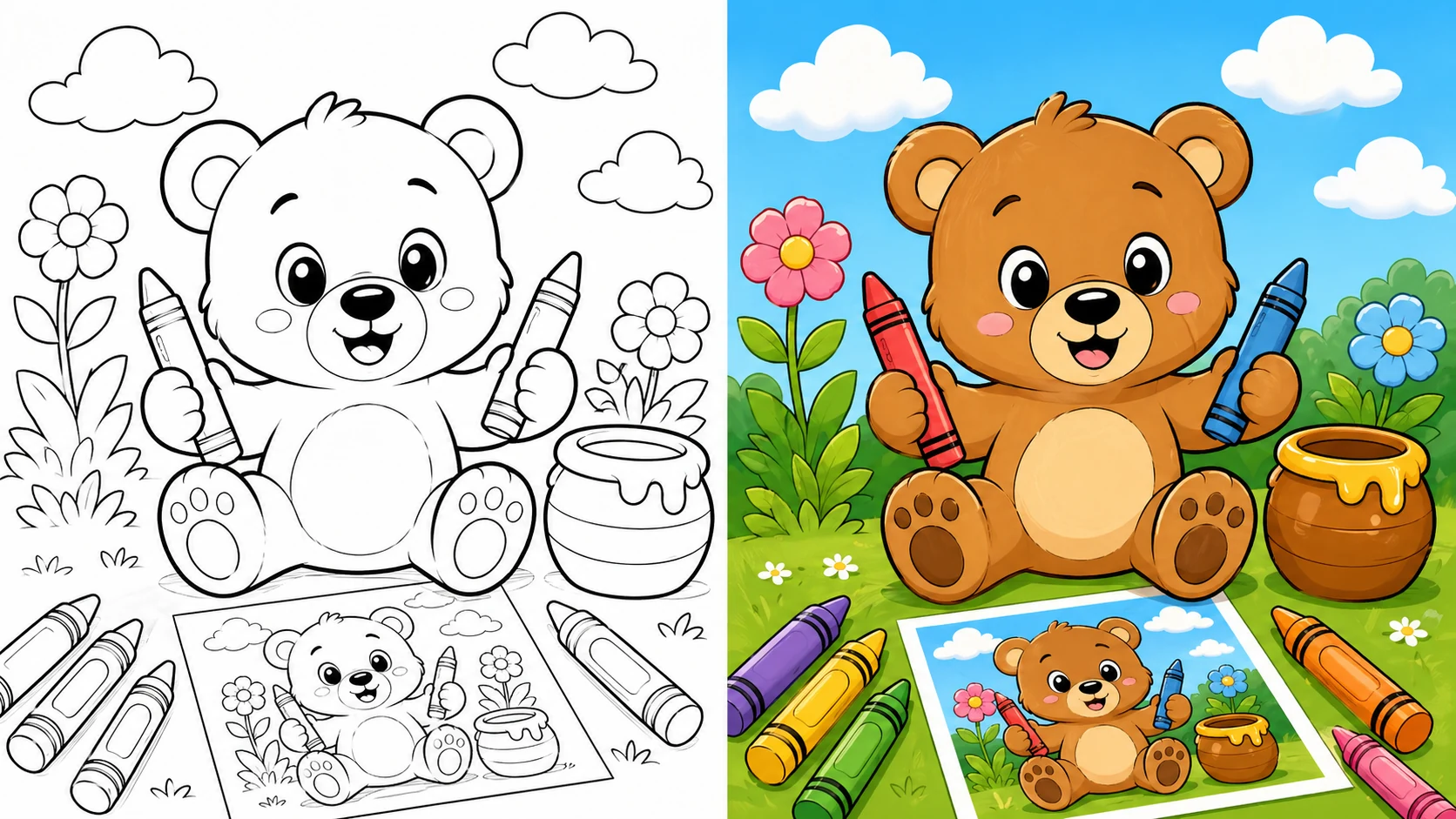
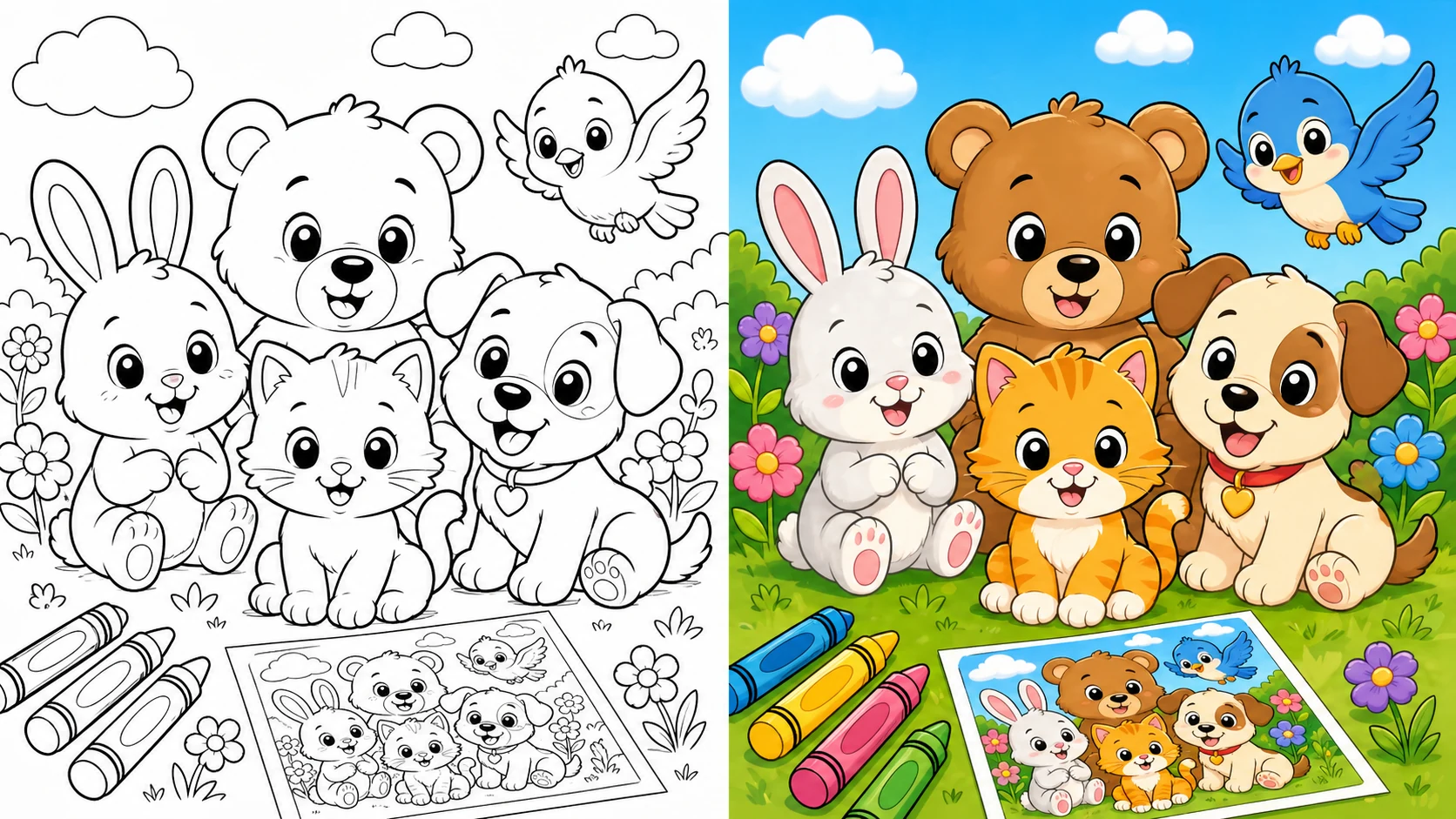
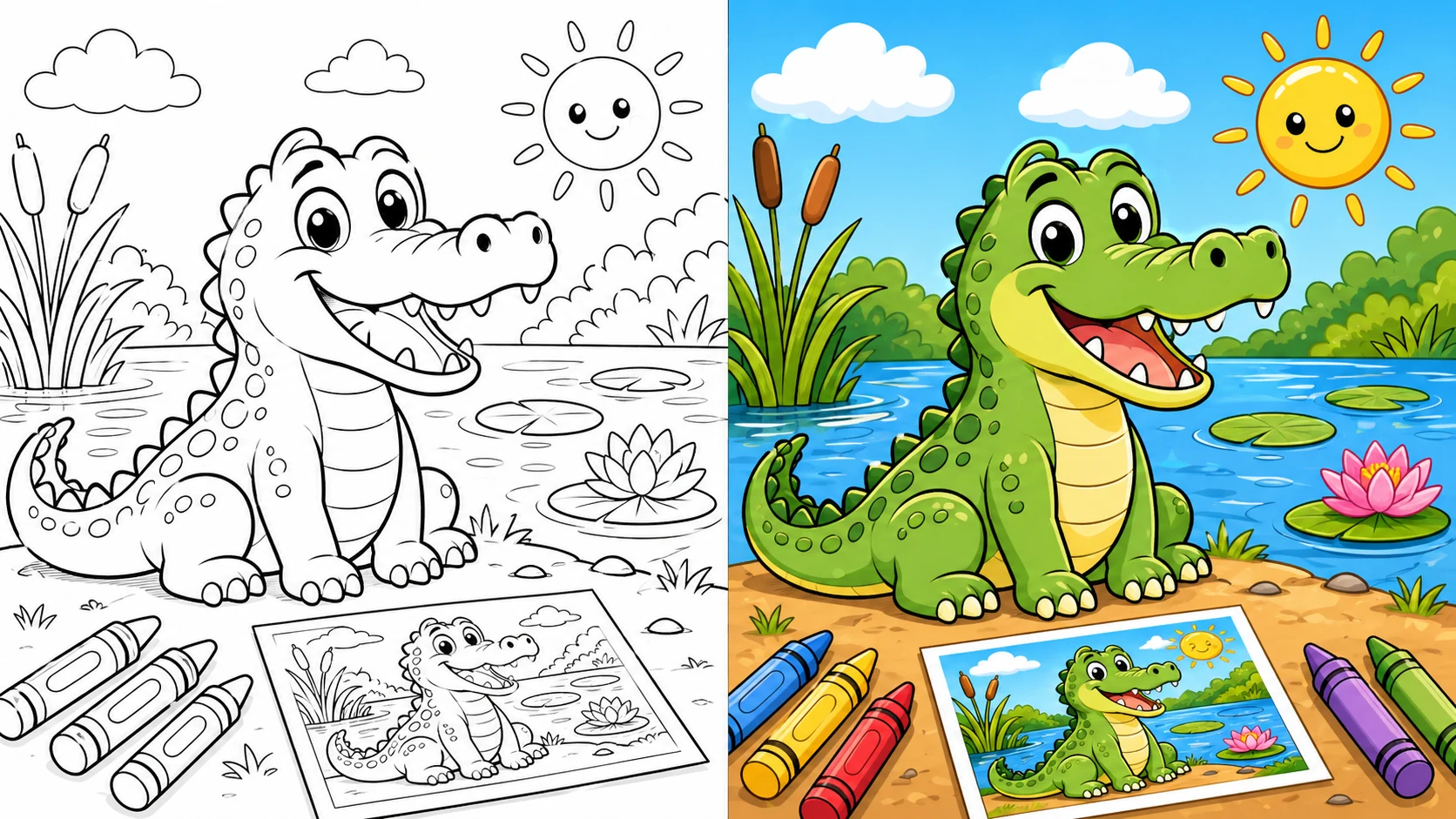
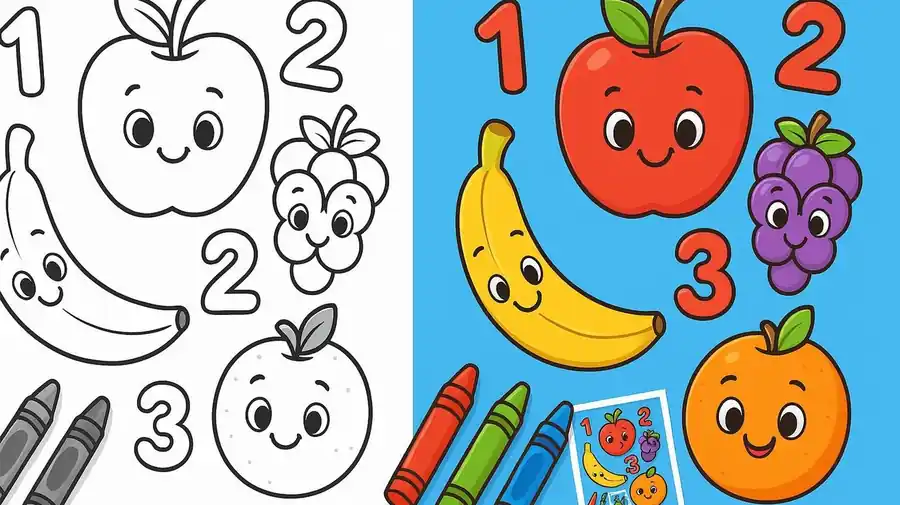
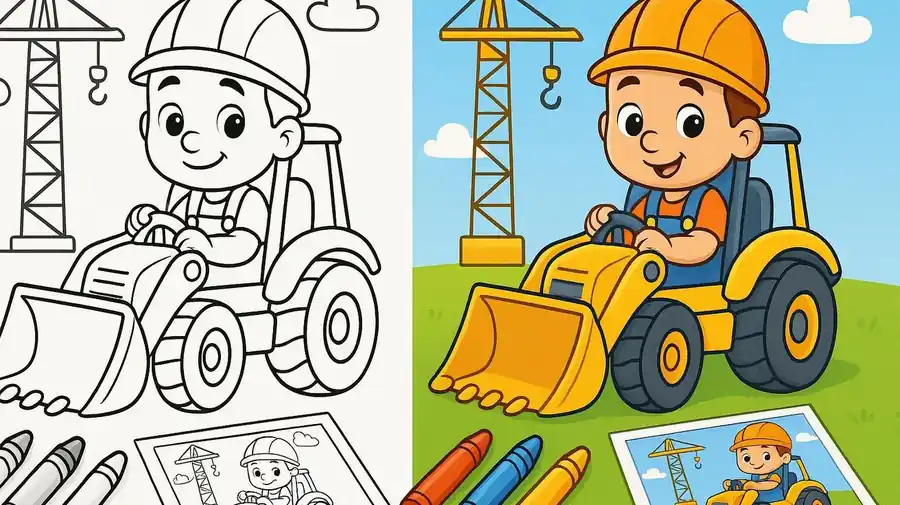
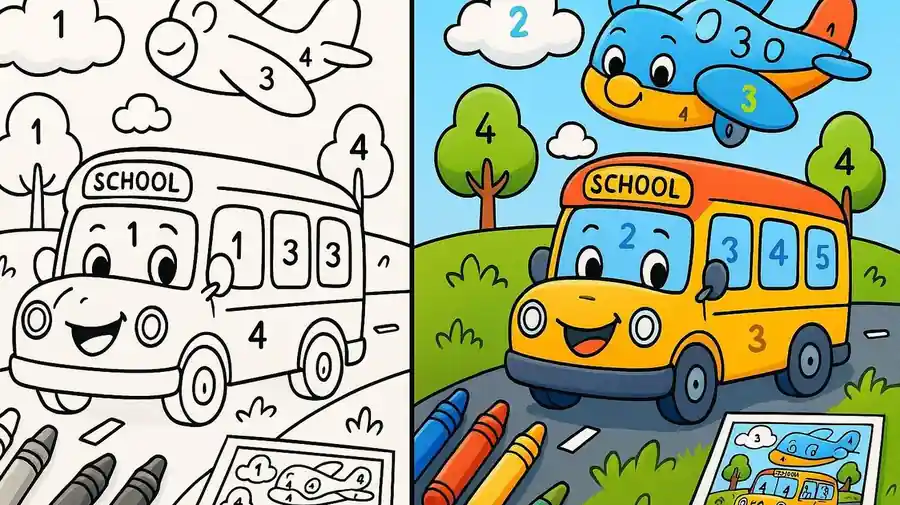
The Age Where Colouring Gets Really Satisfying
A cat wearing a party hat. A rocket with stripes to fill. A birthday cake with far too many candles. Somewhere between three and five, scribbling turns into filling, and a preschooler starts to take real pleasure in finishing a page and holding it up to show you.
These pages are drawn for that moment. Shapes are still generous, there are just more of them, and the subjects are things a preschooler has opinions about.
What Preschoolers Enjoy Most
- Animals doing something — a bear on a bicycle, a cat in a window. A tiny story is far more inviting than a plain outline.
- Food and treats — cupcakes, ice creams, fruit. Reliably popular.
- Shapes and patterns — satisfying to fill, and quietly building early geometry.
- Letters with a character attached — much more appealing than a bare letter, and the letter still lands.
- Holidays and seasons — pumpkins, snowmen, egg hunts, the first day of spring.
Choosing a Page That Gets Finished
The usual reason a preschooler abandons a page is that it had too many small areas. A few things to look for:
- Count the regions. Six to fifteen fillable areas is comfortable at this age. Thirty is a page that gets left half done.
- Check the smallest shape. If the tightest gap is narrower than a crayon tip, it will frustrate rather than absorb.
- One idea per page. A sheet that is a maze and a counting task and a colouring page asks a preschooler to hold too much at once.
What They Are Quietly Practising
Filling a shape works on grip, on the small wrist movements handwriting depends on, and on the harder skill of noticing a boundary and staying near it. There is also a run of small decisions — which colour, where to start, when it is done — and following them through.
Colouring is one of the few things at this age with no correct outcome, which makes it genuinely useful for children who are starting to worry about getting things right.
At Home and in Preschool
Quiet time. A page and a few crayons fills the gap between activity and rest without a screen.
Transitions. Something to do while a sibling is collected prevents a lot of friction.
Alongside a theme. If the week is about weather, or apples, or the letter S, a matching page gives a second pass at the idea in a different mode.
Waiting. A folded page and two crayons in a bag covers a restaurant, a waiting room, or a long journey.
How to Print These Preschool Coloring Pages
Every page is a free PDF, formatted for US Letter and A4 at 300 dpi. Click any thumbnail to open and print it.
Standard copier paper is fine for crayons and colored pencils. If your child prefers markers, heavier paper stops the ink reaching the table underneath.
Questions Parents and Teachers Ask
What age are preschool colouring pages for? Broadly three to five. If shapes still feel small, the toddler pages are bigger; when they want more detail, the kindergarten pages add it.
Should I teach staying inside the lines? It arrives on its own with practice. Handing over pages at the right difficulty does more than instruction, and keeps a relaxing activity from becoming a corrected one.
How long will a preschooler spend on a page? Ten to fifteen minutes is typical, and coming back to it later is normal.
Are these free for a preschool classroom? Yes, for personal, classroom and homeschool use. Terms are in the licensing policy.