
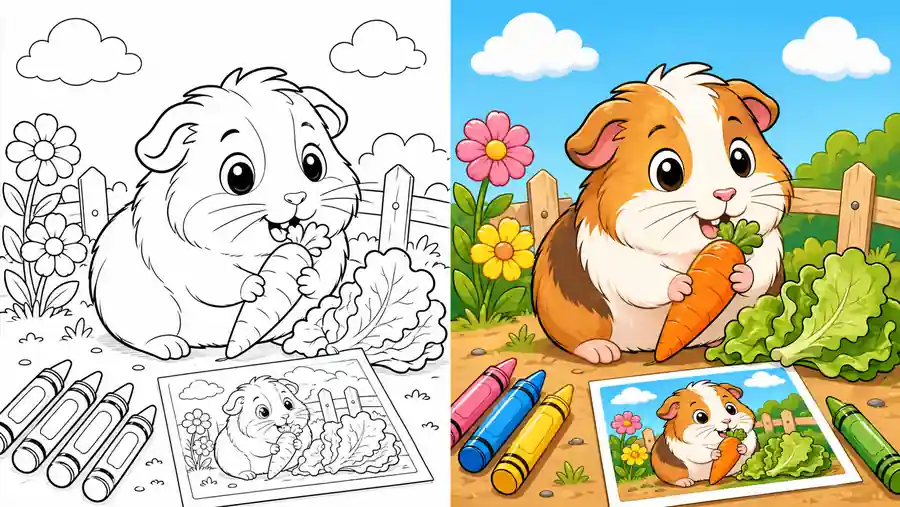
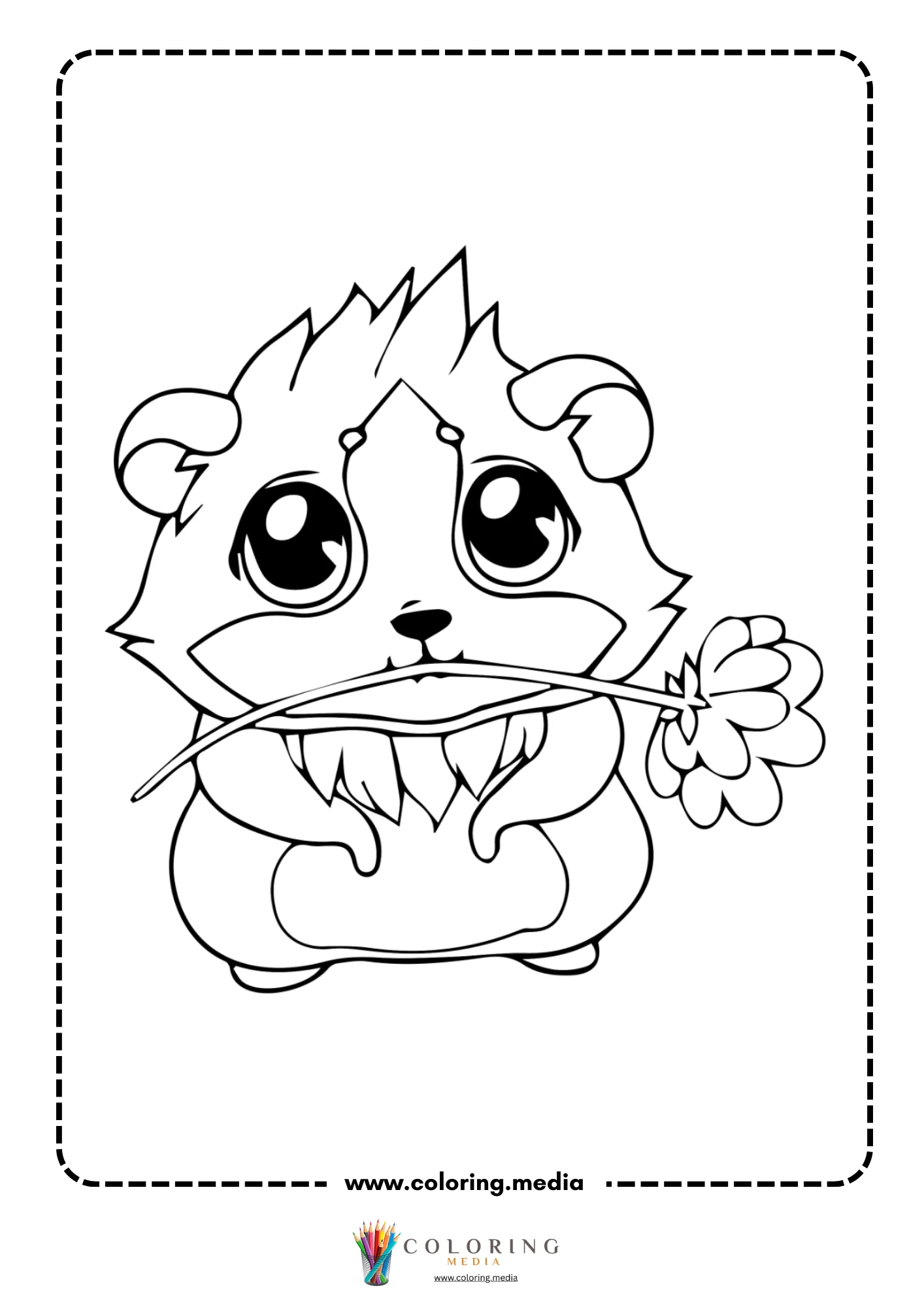
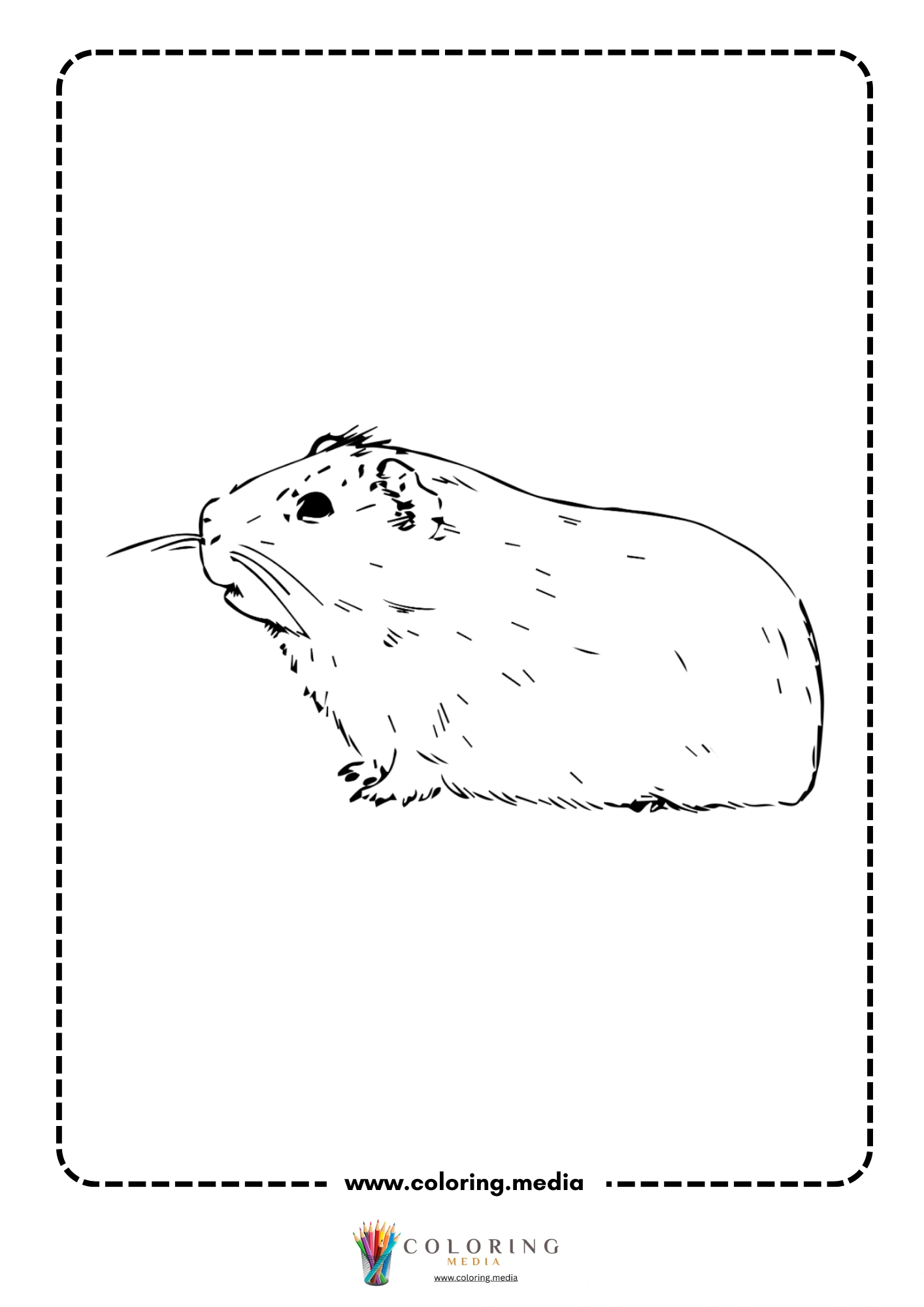
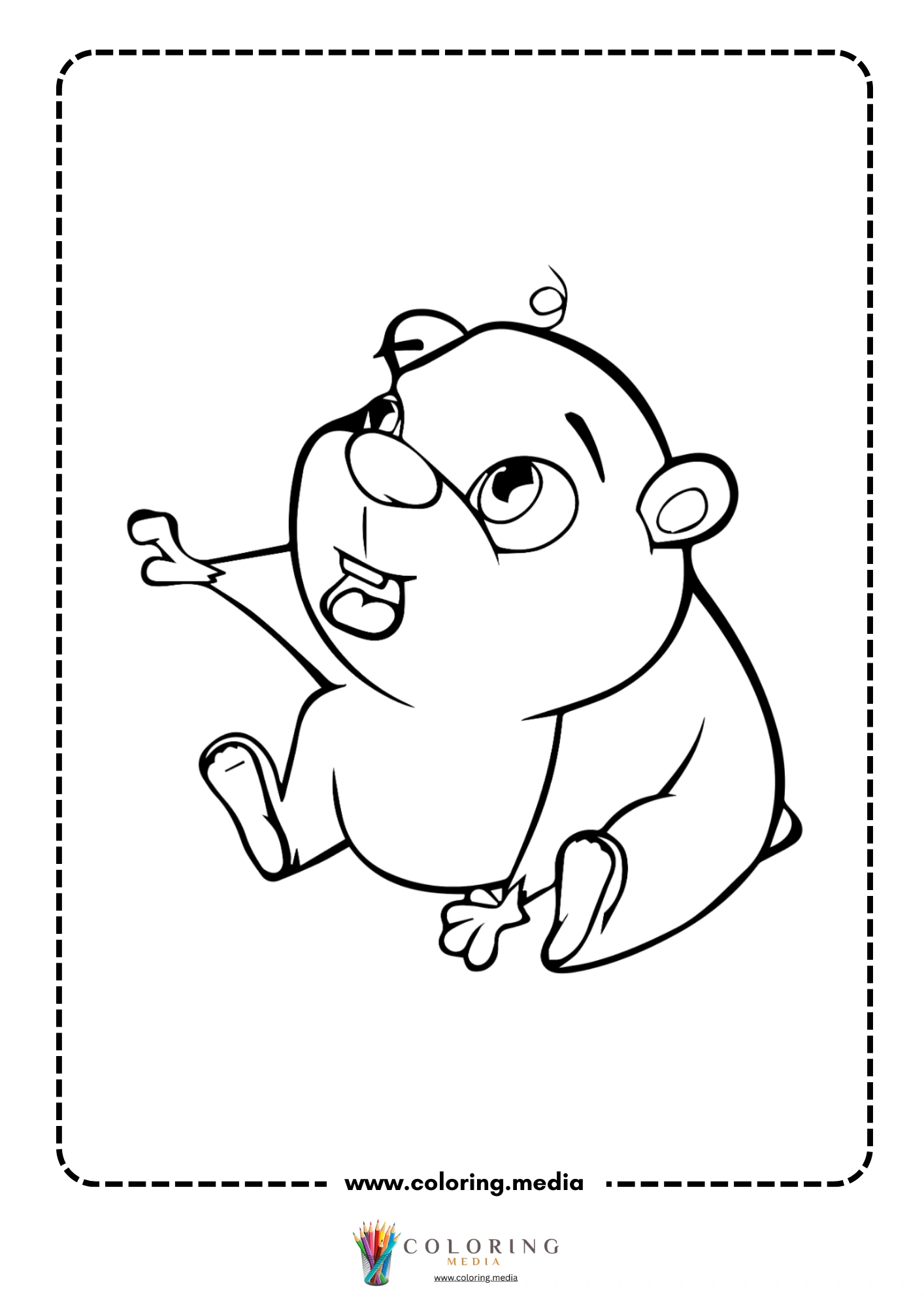
Guinea pigs are one of those animals that translates surprisingly well into a coloring page — the body is a simple rounded lump, the ears are neat little half-circles, and the face is almost entirely expression. These designs lean into that. Most of the guinea pigs here have oversized kawaii eyes and compact, chubby proportions that make them immediately appealing to young kids. A handful of pages tip toward slightly more realistic fur rendering, with short parallel strokes across the body to suggest texture.
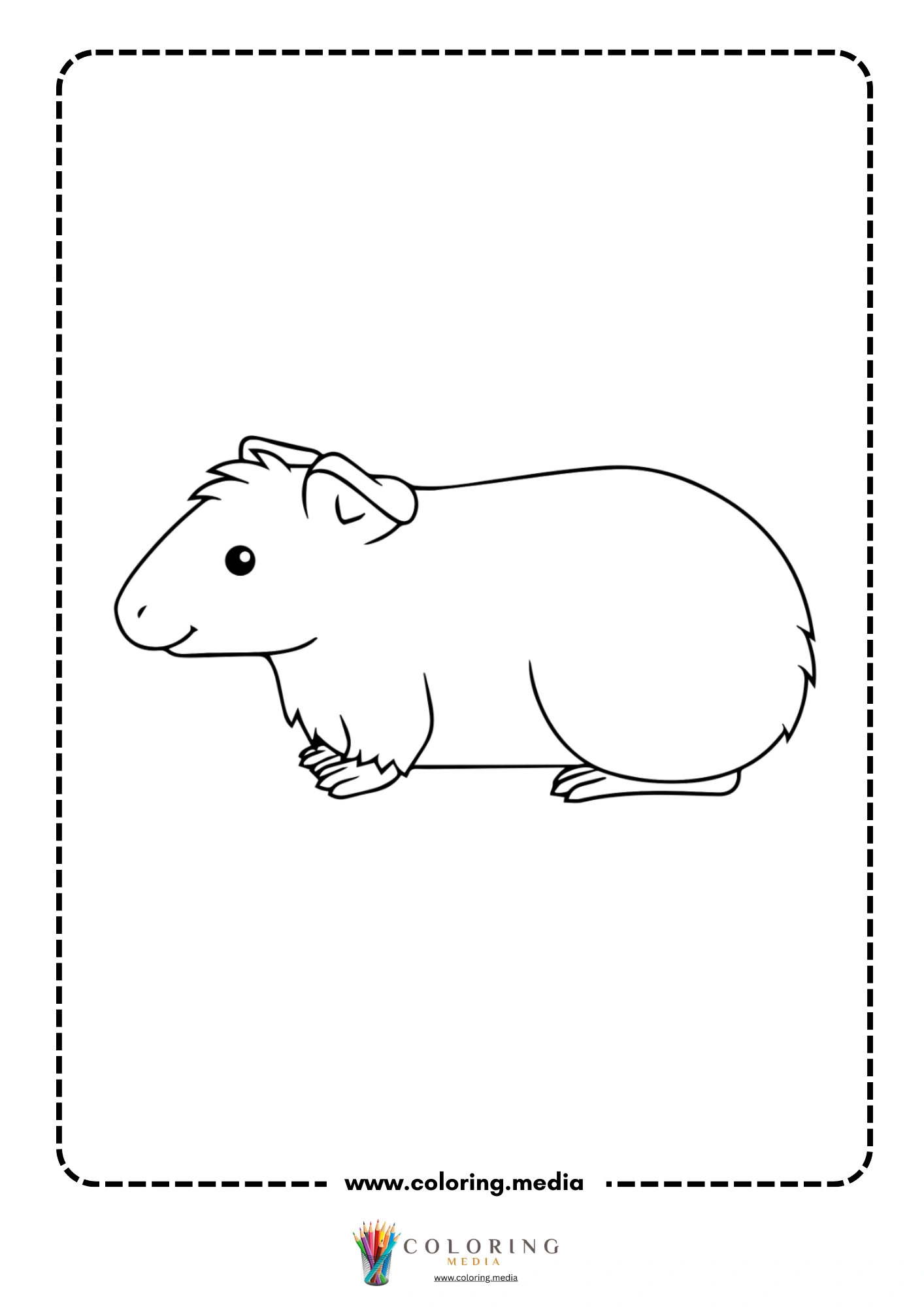
The collection spans from very open, simple outlines that a three-year-old can tackle with a fat crayon, all the way to busier compositions with flowers, accessories, and detailed facial expressions. That range makes it genuinely useful across a preschool-to-second-grade spread rather than locking in on one age. Everything here is free to download and easy to print.
Free Printable Guinea Pig Coloring Pages
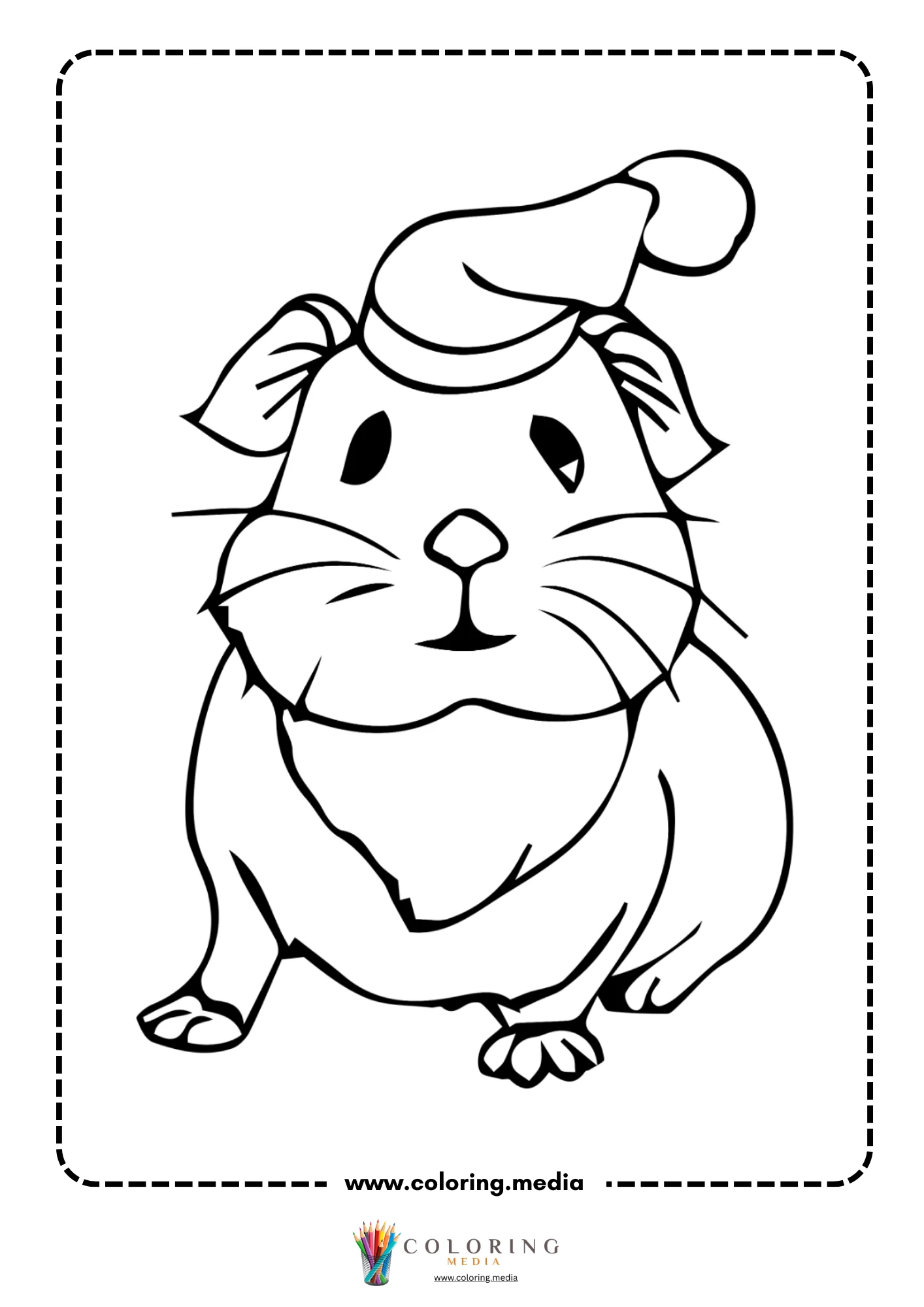
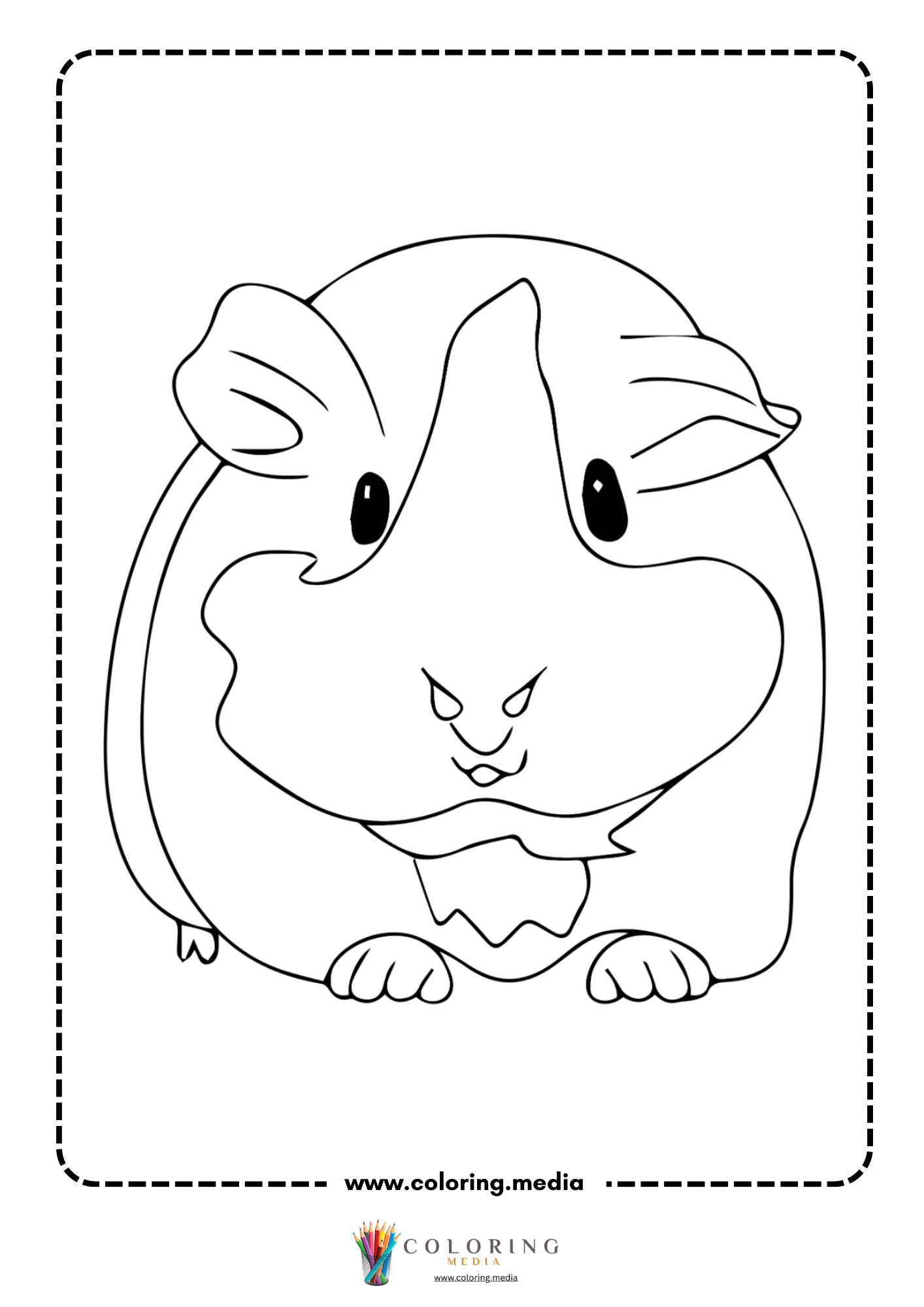
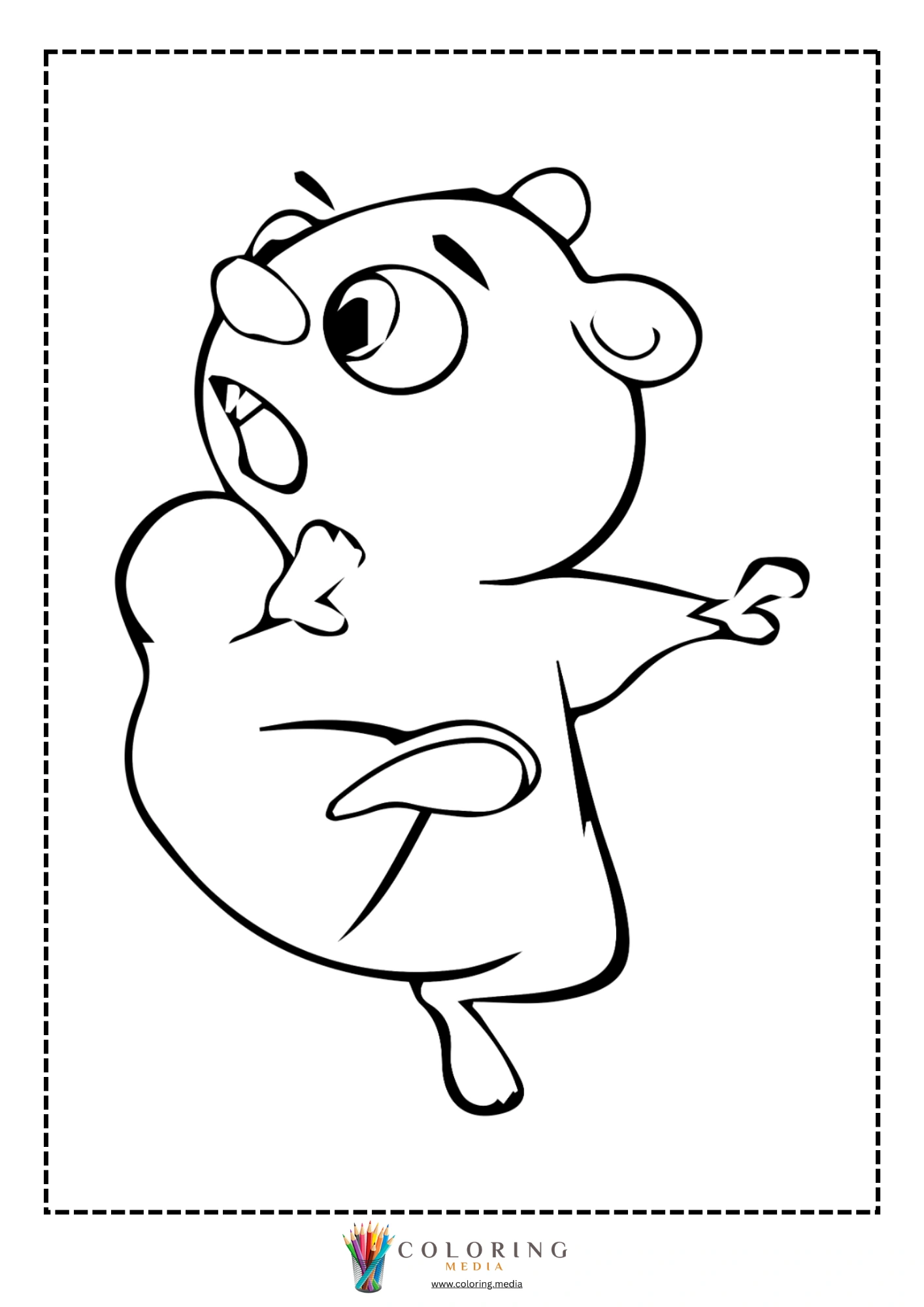
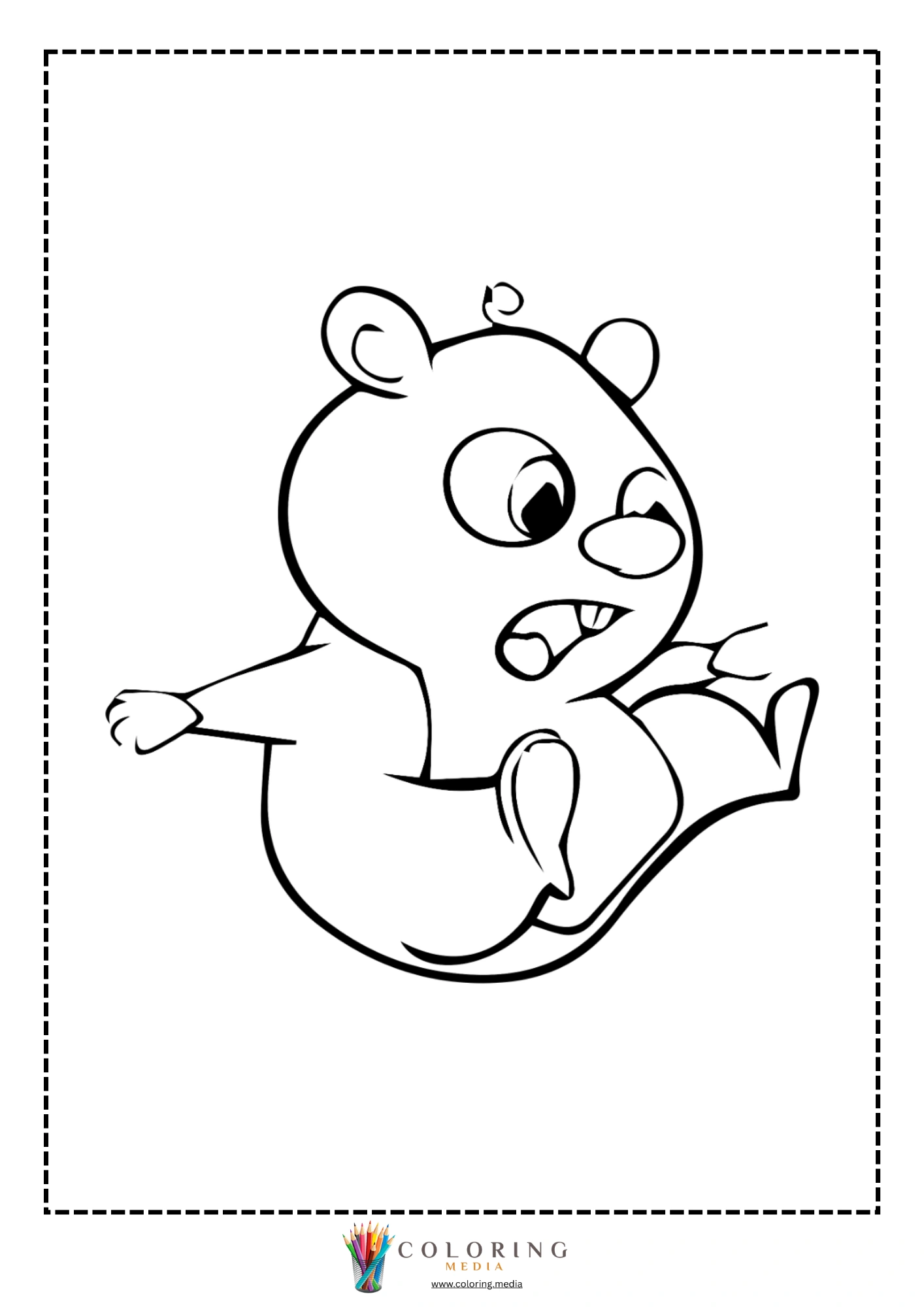
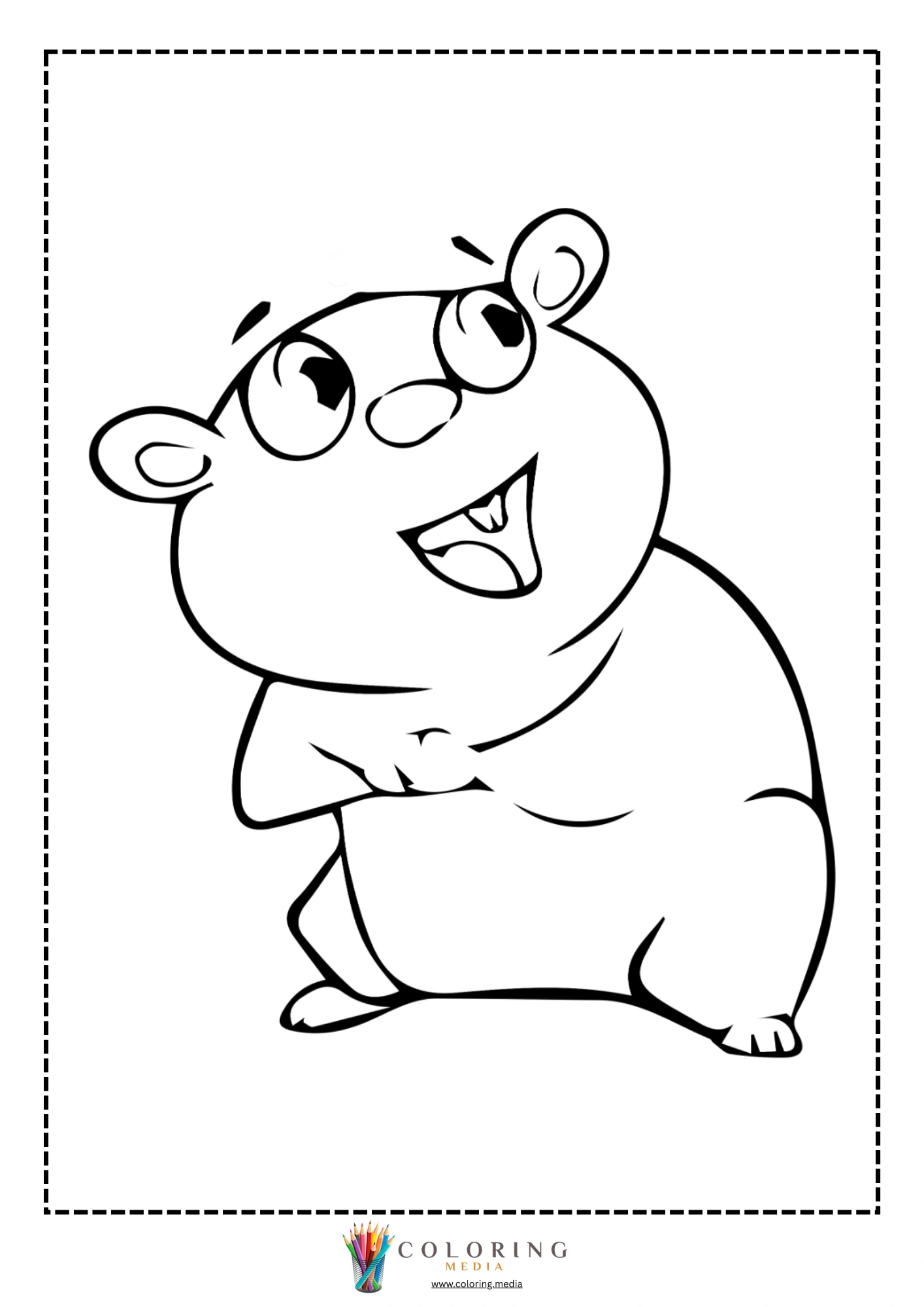
This collection includes 20 printable guinea pig coloring pages featuring kawaii-style cavies, chubby cartoon guinea pigs nibbling food, curious guinea pigs mid-explore, and a few more detailed poses with fur texture and floral backgrounds. The designs range from portrait-style close-ups to full-body compositions. Each page is formatted for US Letter and A4 paper and downloads as a ready-to-print PDF.
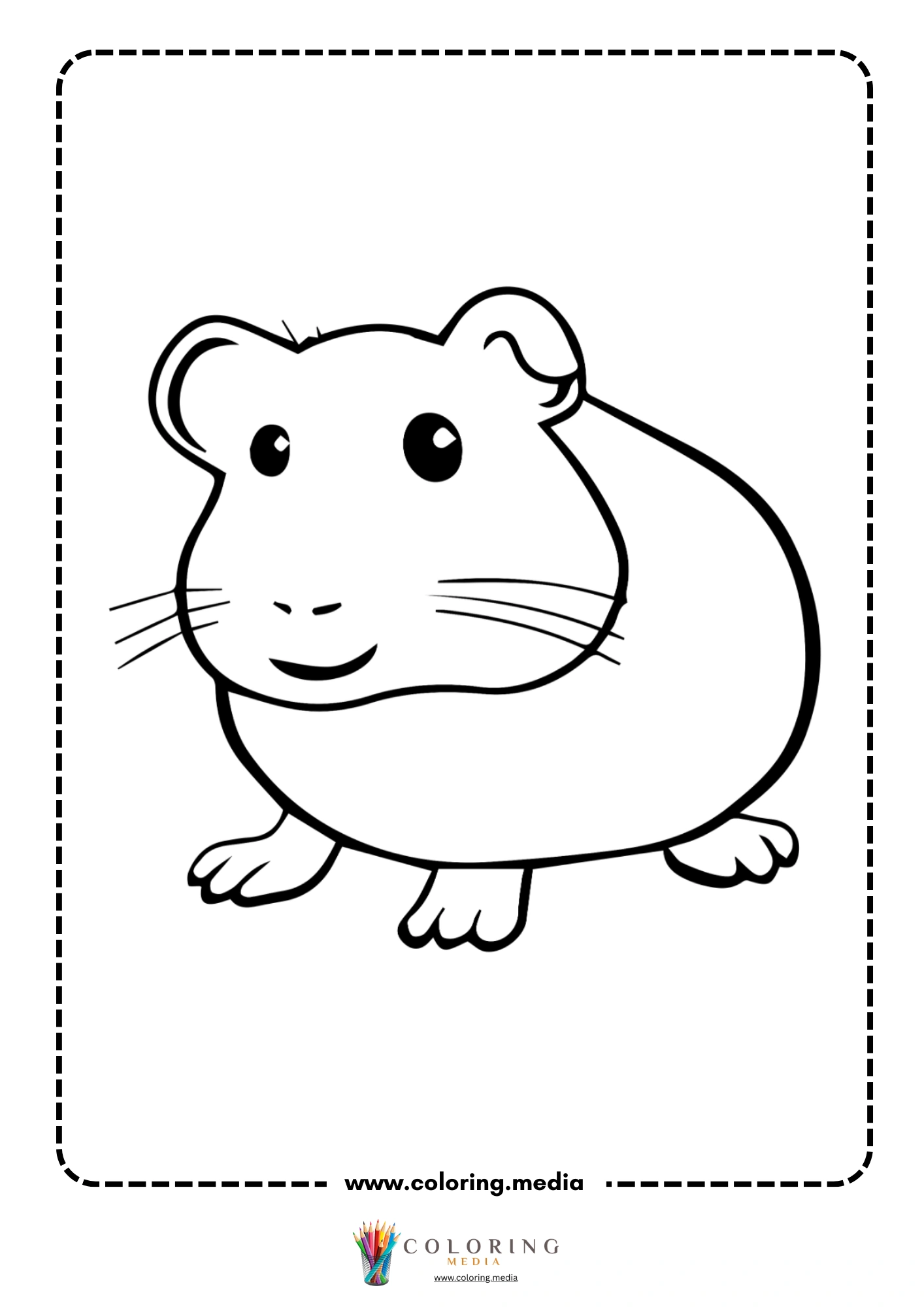
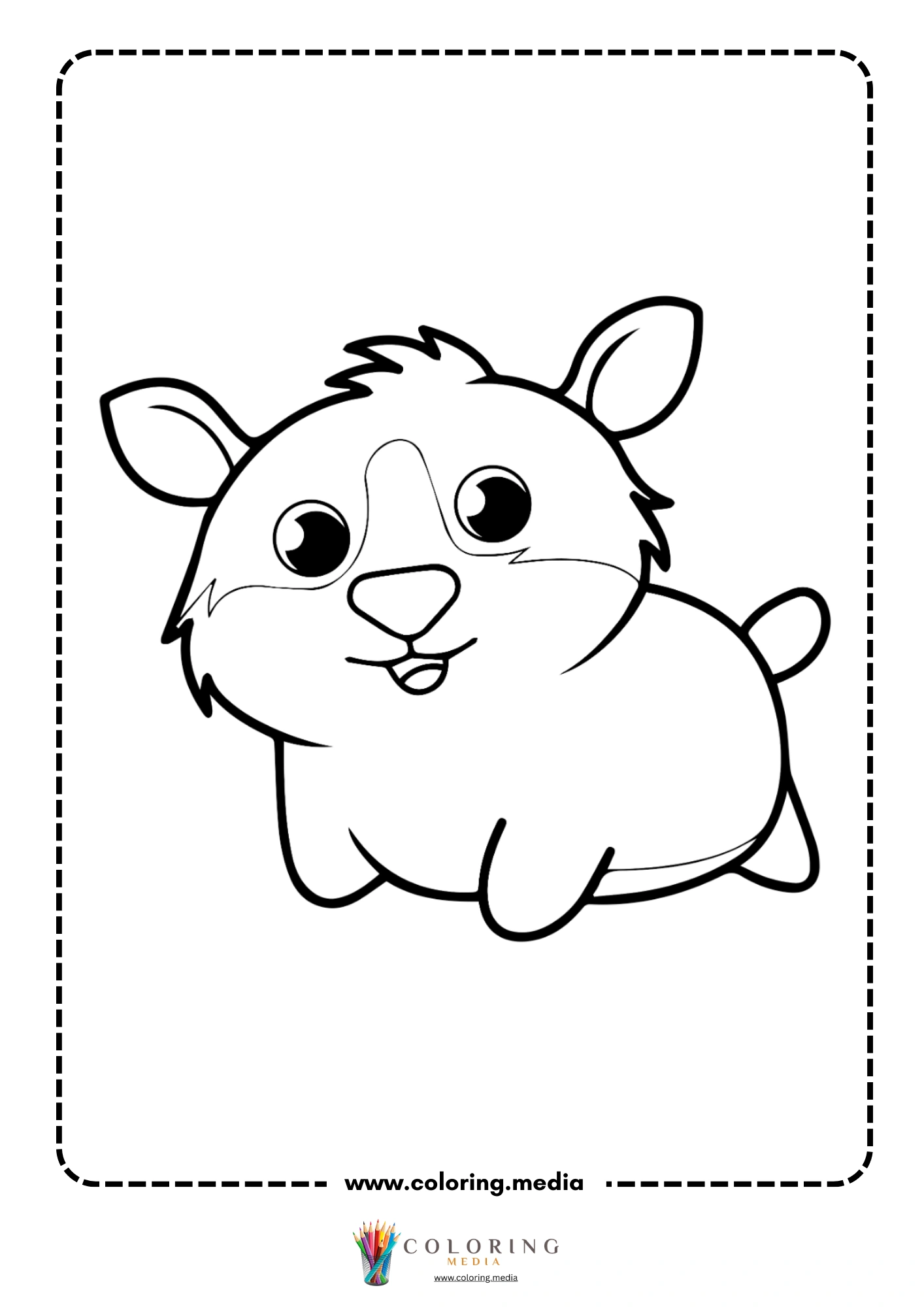
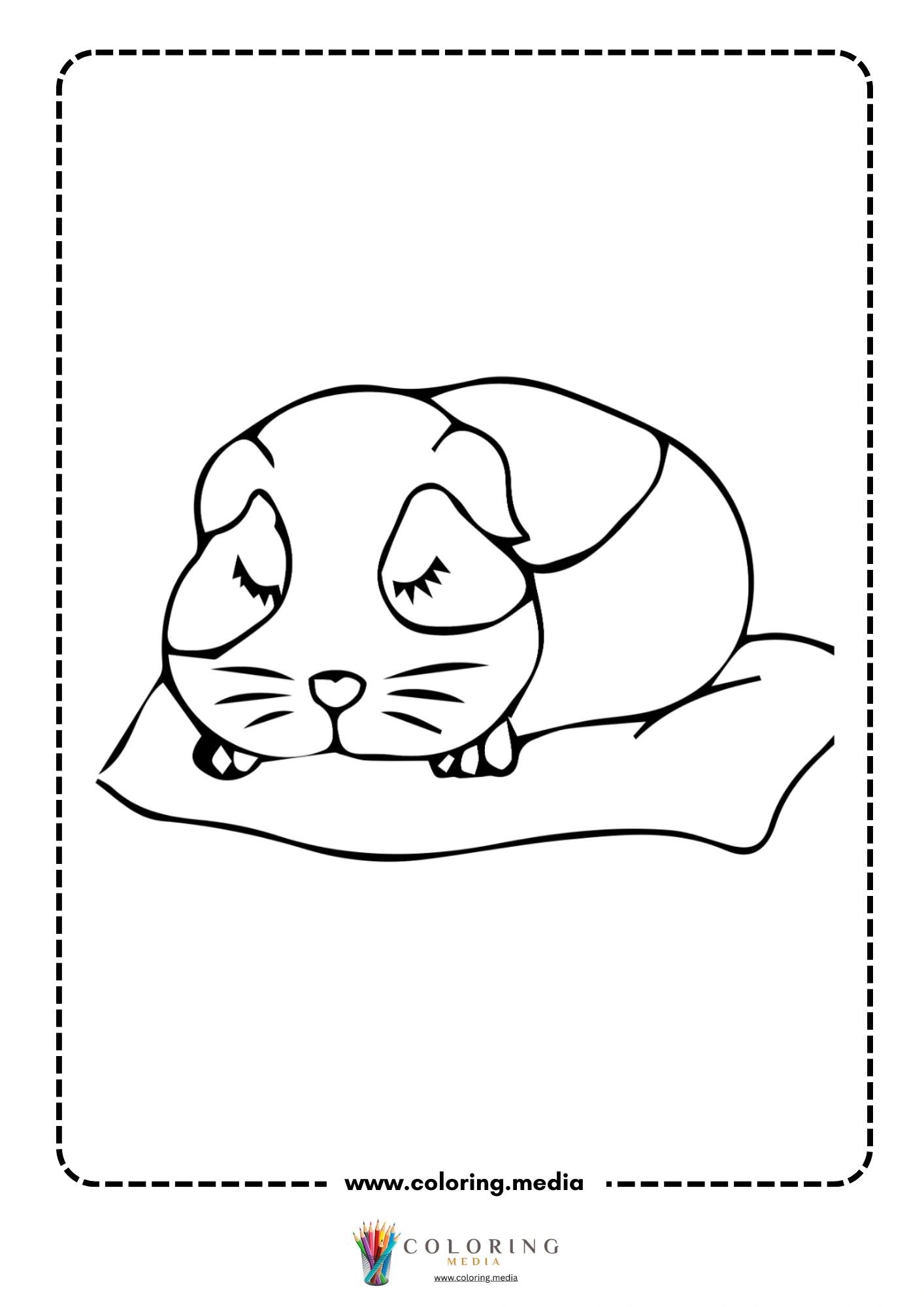

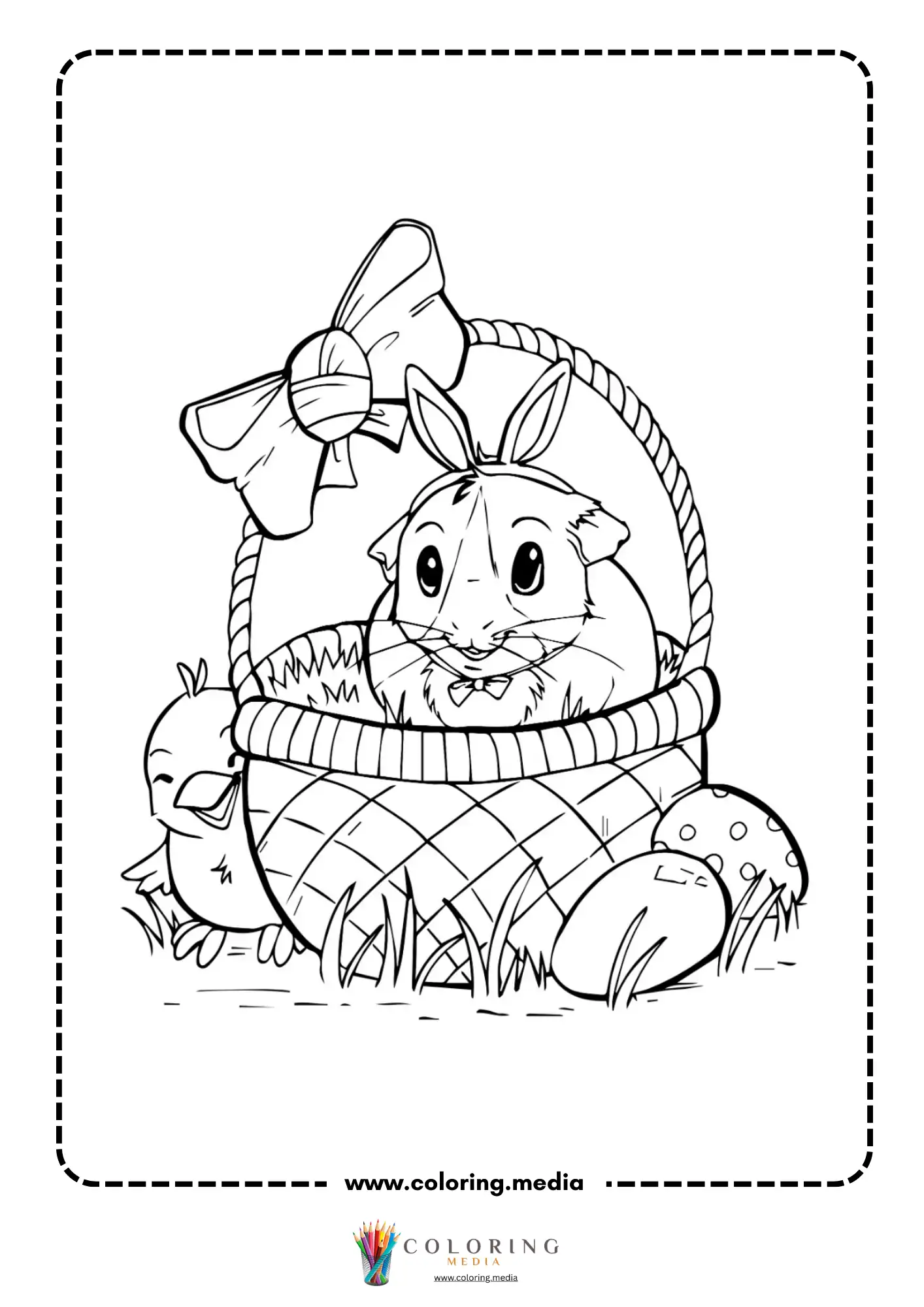



Who Are These Guinea Pig Coloring Pages Best For?
Preschoolers can jump straight in with the simplest pages in this set — the ones where the guinea pig is a single round body sitting front-facing with a large, uncluttered head. The outlines on those pages are thick enough (2–3mm) that a child holding a crayon with a full fist can still stay reasonably close to the lines. For three- and four-year-olds, the appeal is purely the cute face, which is plenty of motivation to sit down and color.
Kindergarteners get a bigger selection. Most of the kawaii-style pages have moderate line weight with a bit more interior detail — the little paws, the fur texture suggestions, the oversized eyes that need careful filling. These are satisfying for a five-year-old who has had some practice but isn’t yet confident with very fine detail work.
Early-elementary kids will gravitate to the pages with more complex fur rendering and the full-body compositions that include background elements. In a classroom setting, this set pairs naturally with a pet responsibility lesson or a life science unit on small mammals — guinea pigs are often the example animal when teachers introduce the concept of domestication.
Interesting Guinea Pig Facts to Share While Coloring
Guinea pigs are not from Guinea and are not pigs. They’re native to the Andes mountains of South America, and “pig” likely comes from the squealing sound they make — not any physical resemblance. Their proper name is cavy, from the genus Cavia.
They’re one of the few animals that can’t make their own vitamin C. Humans can’t either, which is why both humans and guinea pigs need to eat fresh fruits and vegetables to stay healthy. A guinea pig that runs low on vitamin C gets sick in ways that look a lot like scurvy.
Guinea pigs are surprisingly vocal. They have over ten distinct sounds, including the purring “wheek” they make when excited, a low rumbling called “motorboating” that signals contentment, and a teeth-chattering sound that means leave me alone. Owners learn to tell them apart fairly quickly.
Baby guinea pigs are born fully formed and alert. Unlike many small mammals, newborn guinea pigs (called pups) arrive with open eyes, full fur, and the ability to run within hours of birth. By three days old they’re already nibbling solid food.
Guinea pigs were domesticated thousands of years ago as a food source. In Peru, Ecuador, and Bolivia, they’re still raised and eaten today — a fact that surprises most kids who know them only as pets. Wild cavies still live in the Andes in small herds.
Creative Guinea Pig Coloring and Craft Ideas
Real Coat Patterns Look up guinea pig breed colors — tricolor, dalmatian, tortoiseshell — before coloring and challenge kids to reproduce an actual coat pattern on their page instead of inventing one.
Kawaii Expression Swap Print two copies of the same page and color the same guinea pig twice — once happy, once sleepy — just by changing the eye and mouth details. Discuss how a few lines change the whole mood of the drawing.
My Guinea Pig’s Home Color the guinea pig, cut it out, then glue it onto a hand-drawn cage or hutch scene on a separate sheet. Add water bottle, hay, pellets, and a tube tunnel for a complete habitat picture.
Breed Research Card Pick one colored page, then write three facts about a real guinea pig breed (Peruvian, Abyssinian, Rex) on the back. Makes a mini reference card that’s also a finished piece of art.
Texture Comparison Use the short-haired guinea pig pages with pencil crayon hatching, and the fluffy or long-haired pages with longer, softer strokes. Talking about how the coloring technique matches the actual fur type is a good observational exercise.
Vegetable Companion Drawing Guinea pigs love leafy greens. After coloring the guinea pig, draw a carrot, pepper, or leaf of lettuce next to it in the white space. Talk about vitamin C while you color the veggies.
Sound Matching Game Play recordings of different guinea pig sounds while coloring and have kids guess what mood the guinea pig is in — happy wheek, content purr, alarmed teeth chatter. Color in the matching expression on the page.
How to Print These Guinea Pig Coloring Pages
Every page downloads as a PDF set to US Letter and A4 size — no scaling required. Standard copy paper works fine for crayons and colored pencils. For markers, 90gsm paper or heavier keeps color from bleeding through to the table. Printing in grayscale rather than color saves ink without affecting the coloring-page lines at all.
Explore More Animals Coloring Pages
If you enjoyed these pages, you may also like:
Cute Animal Coloring Pages
Fox Coloring Pages
Farm Animals Coloring Pages
Cute Bear Coloring Pages
Animals Coloring Pages