


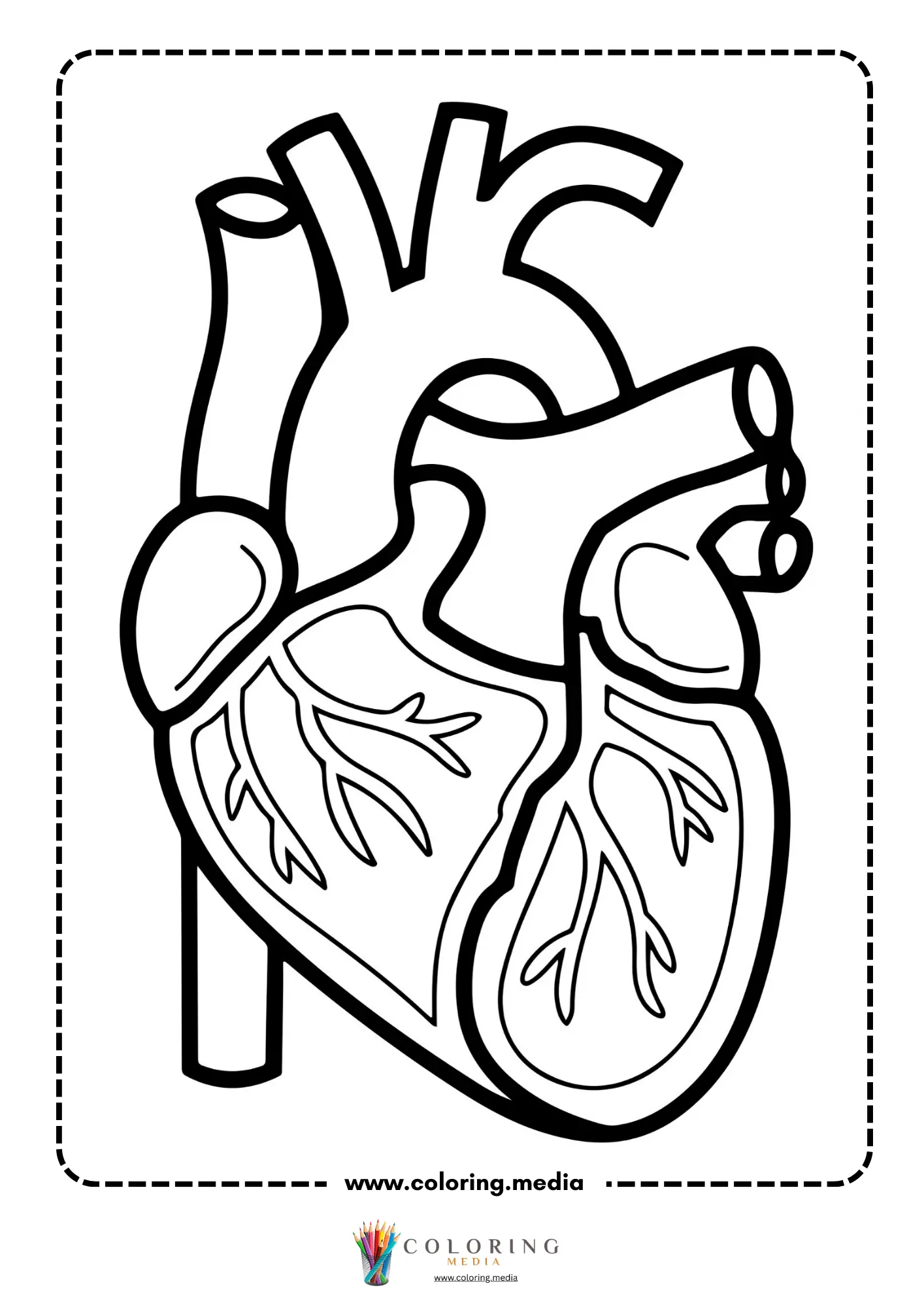
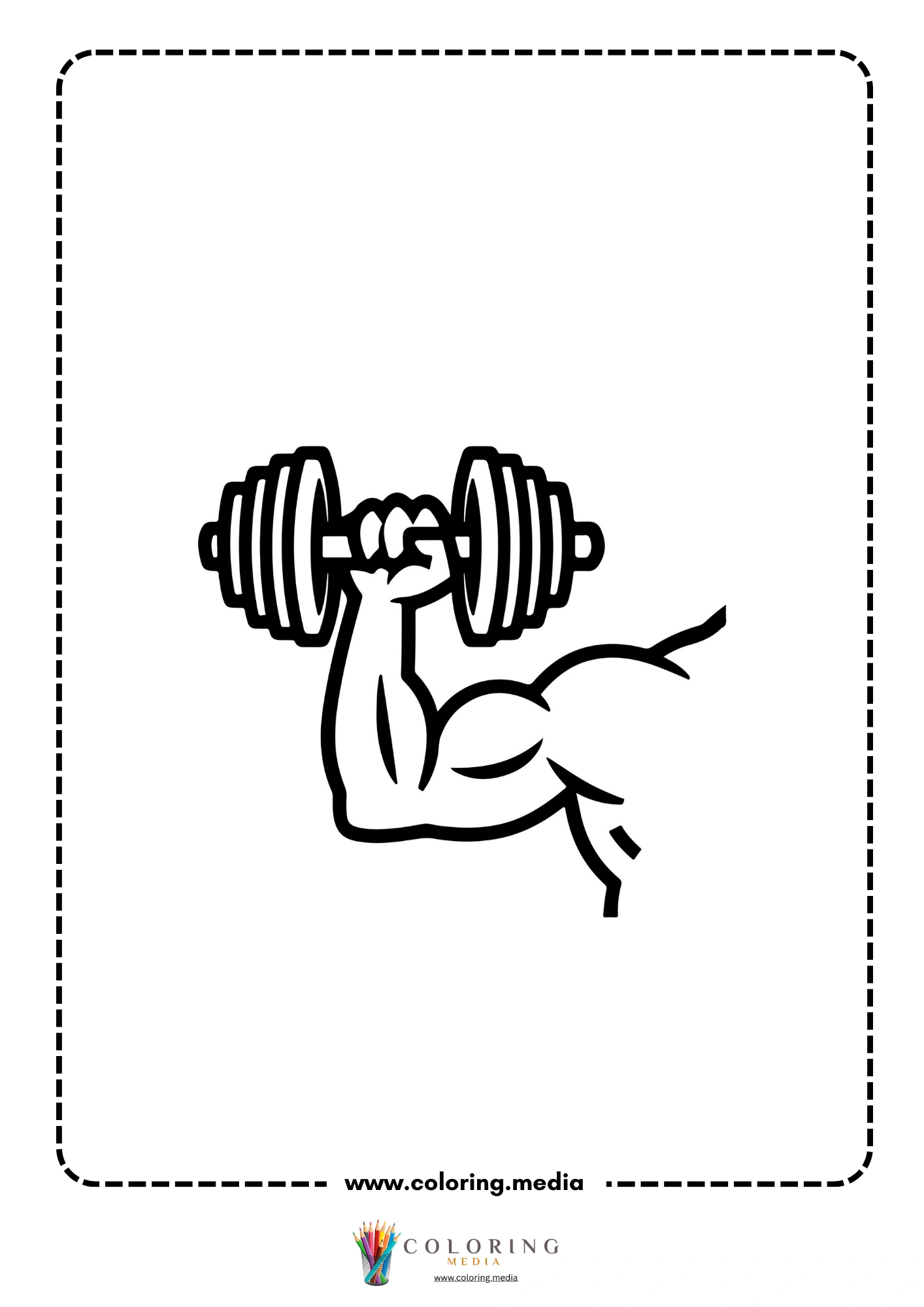
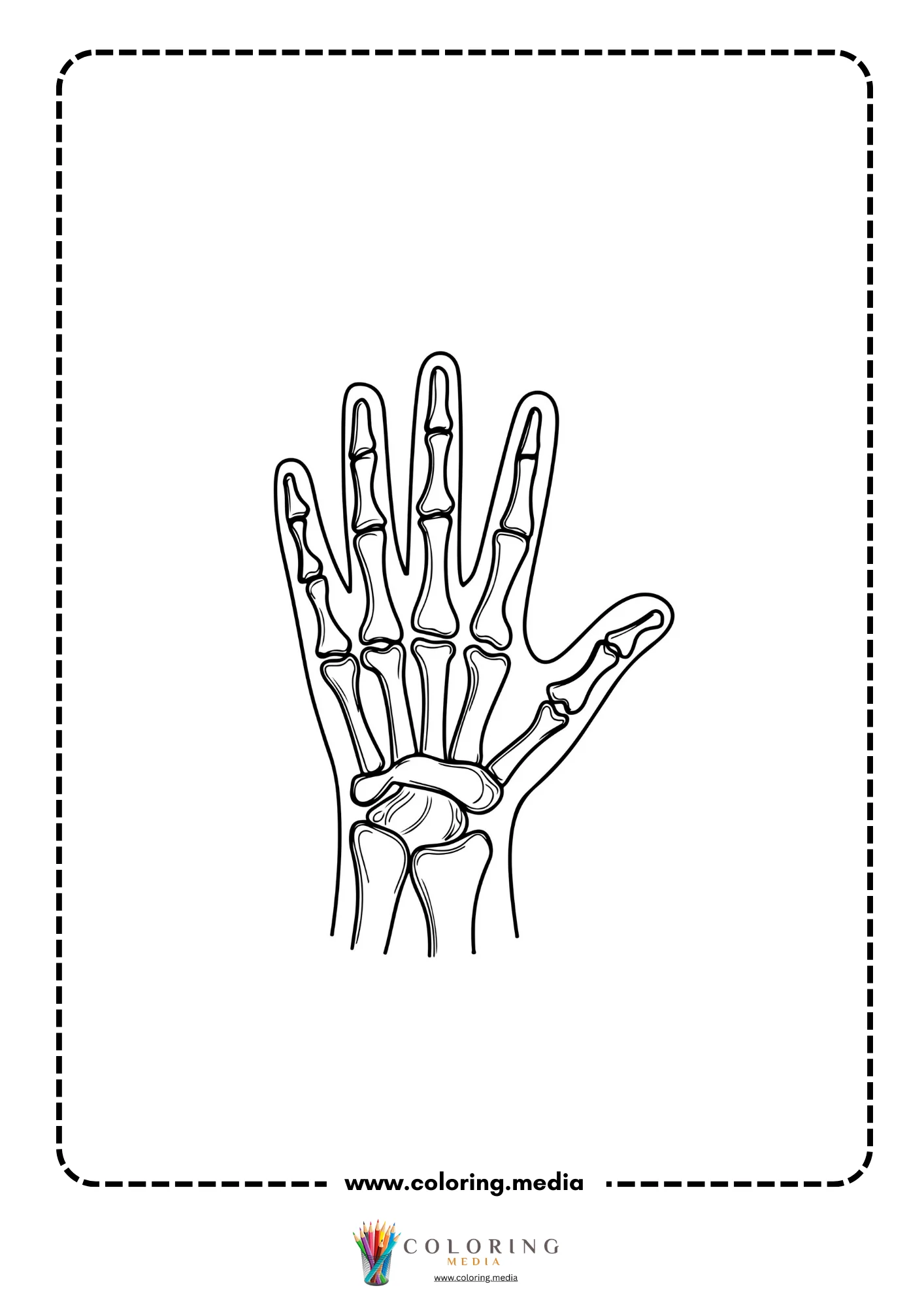
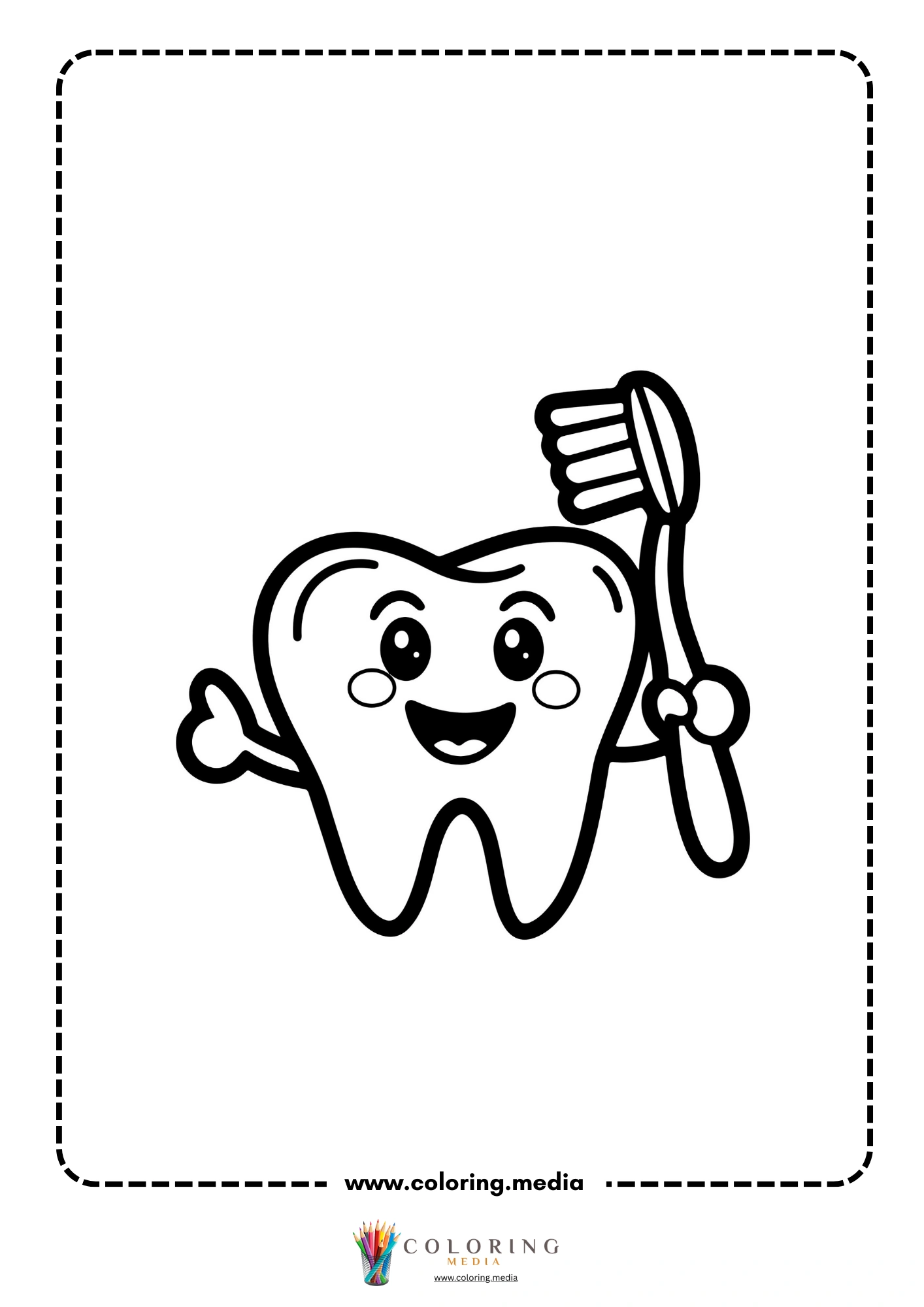
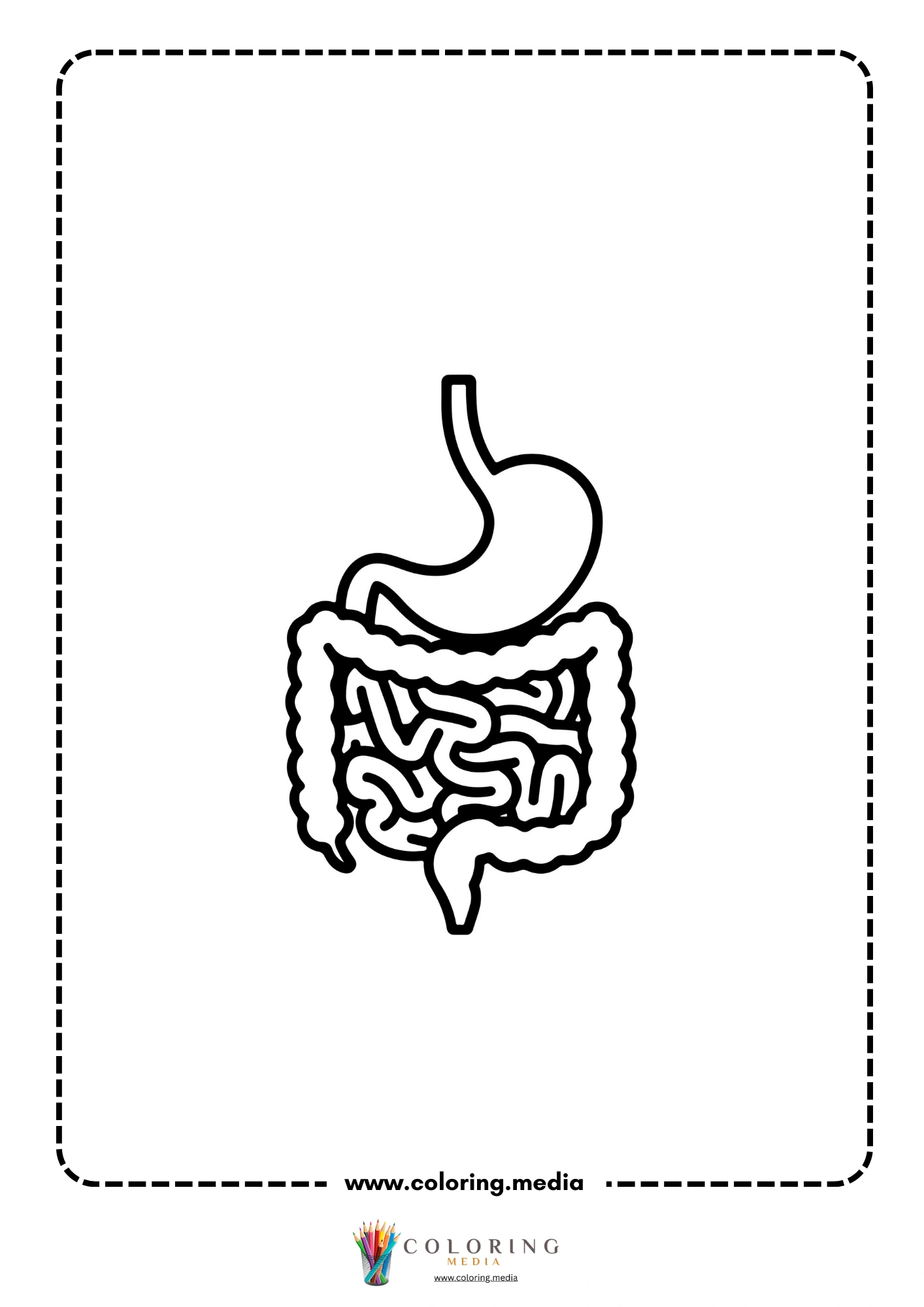
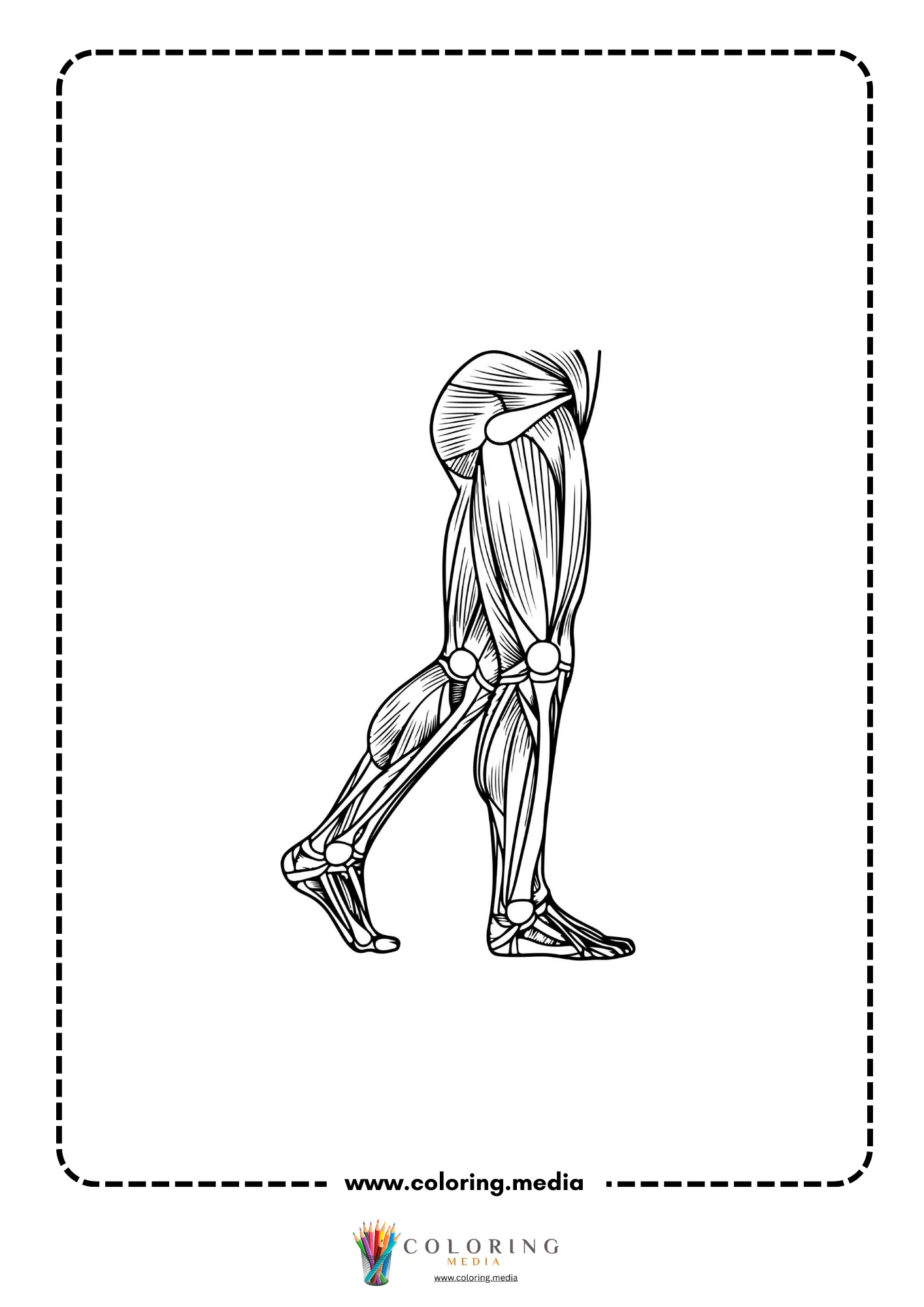
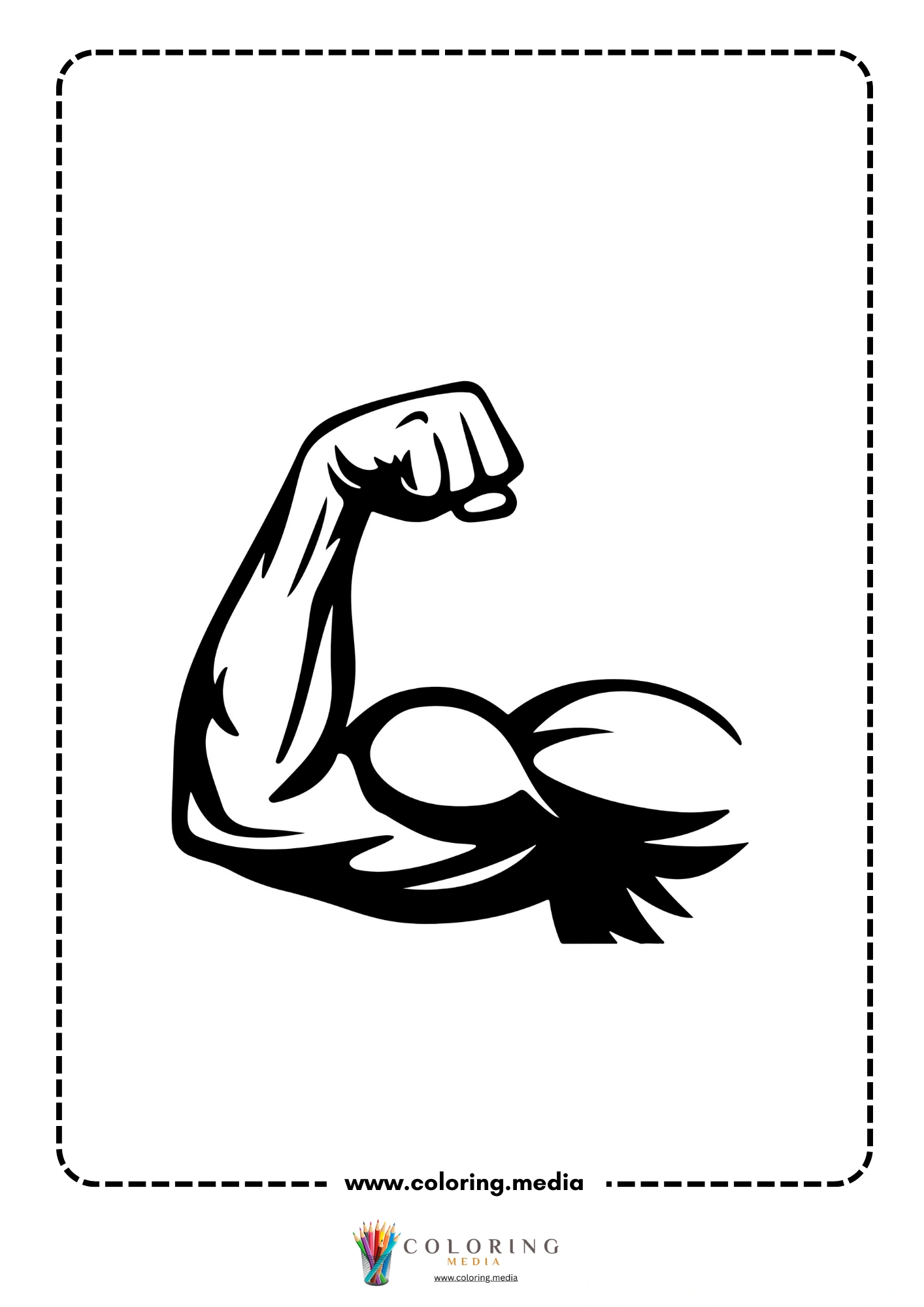
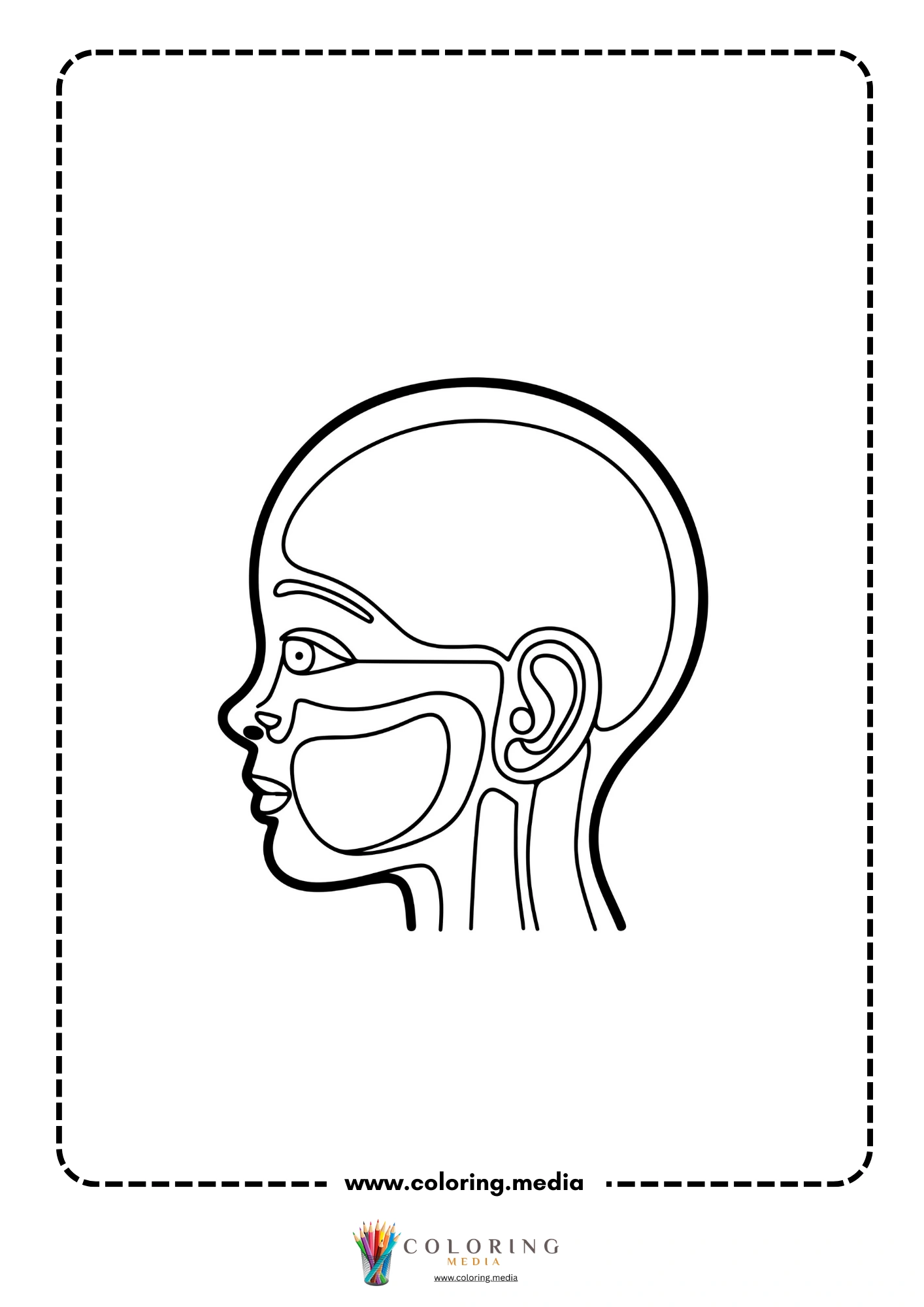
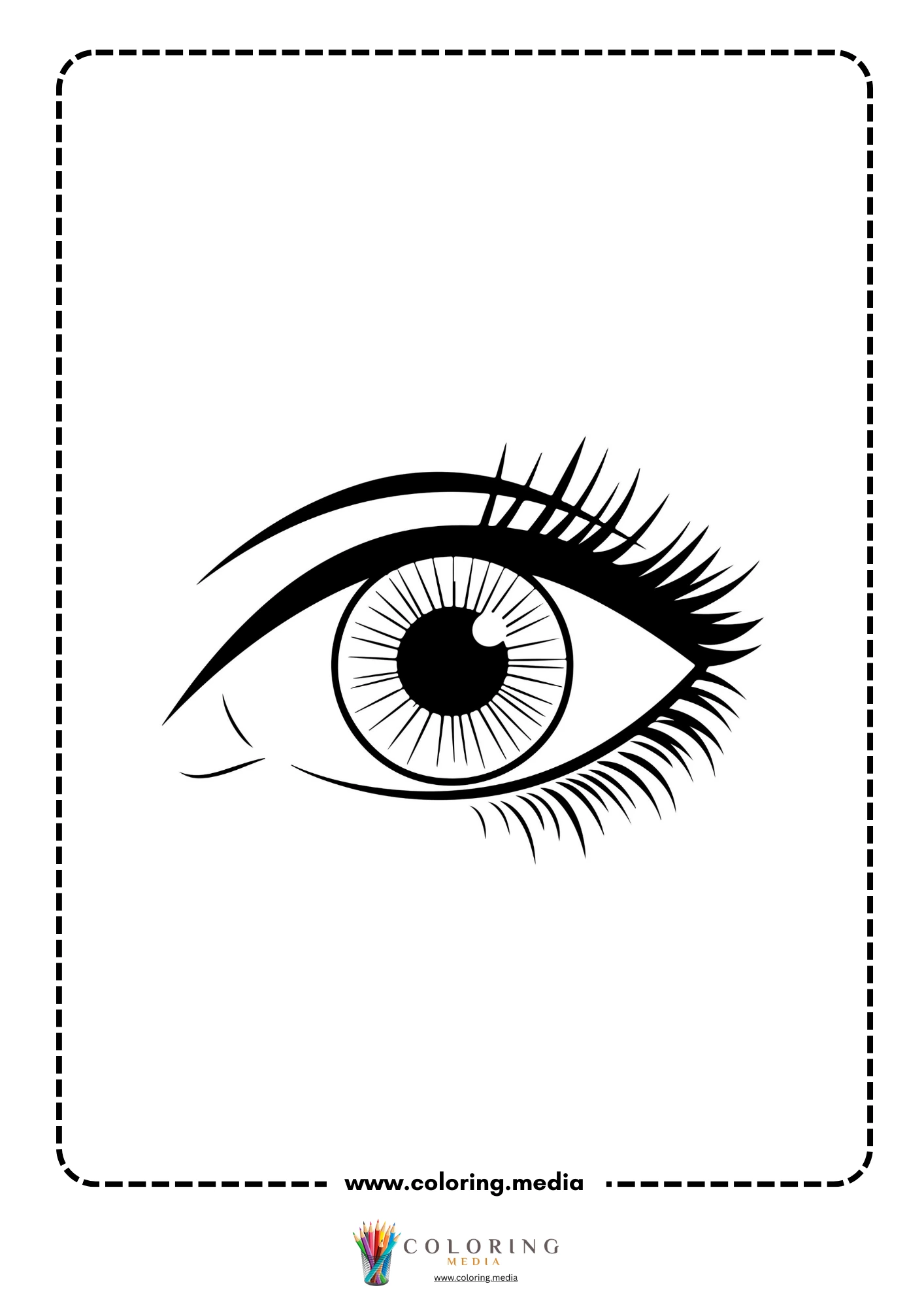
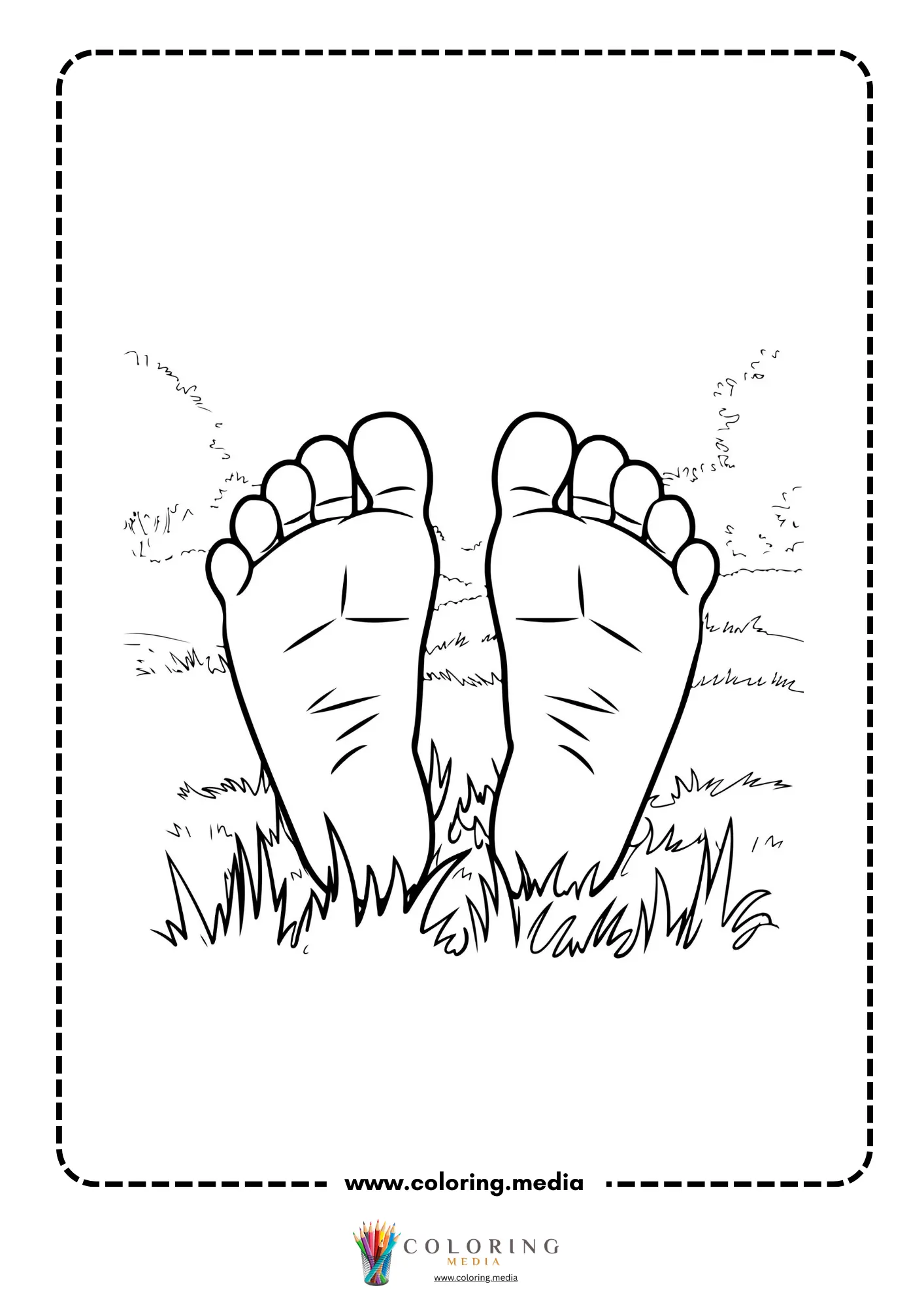
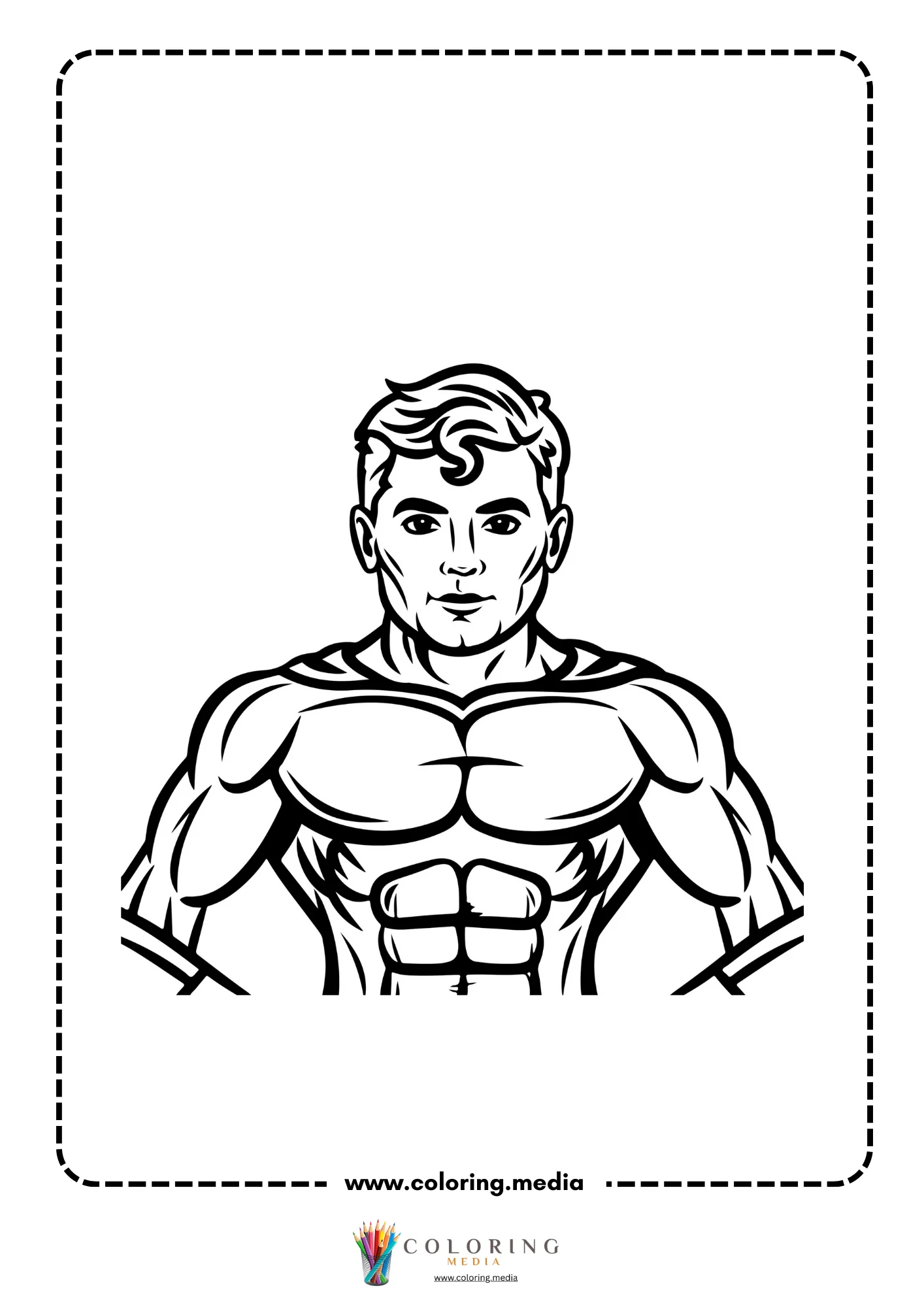
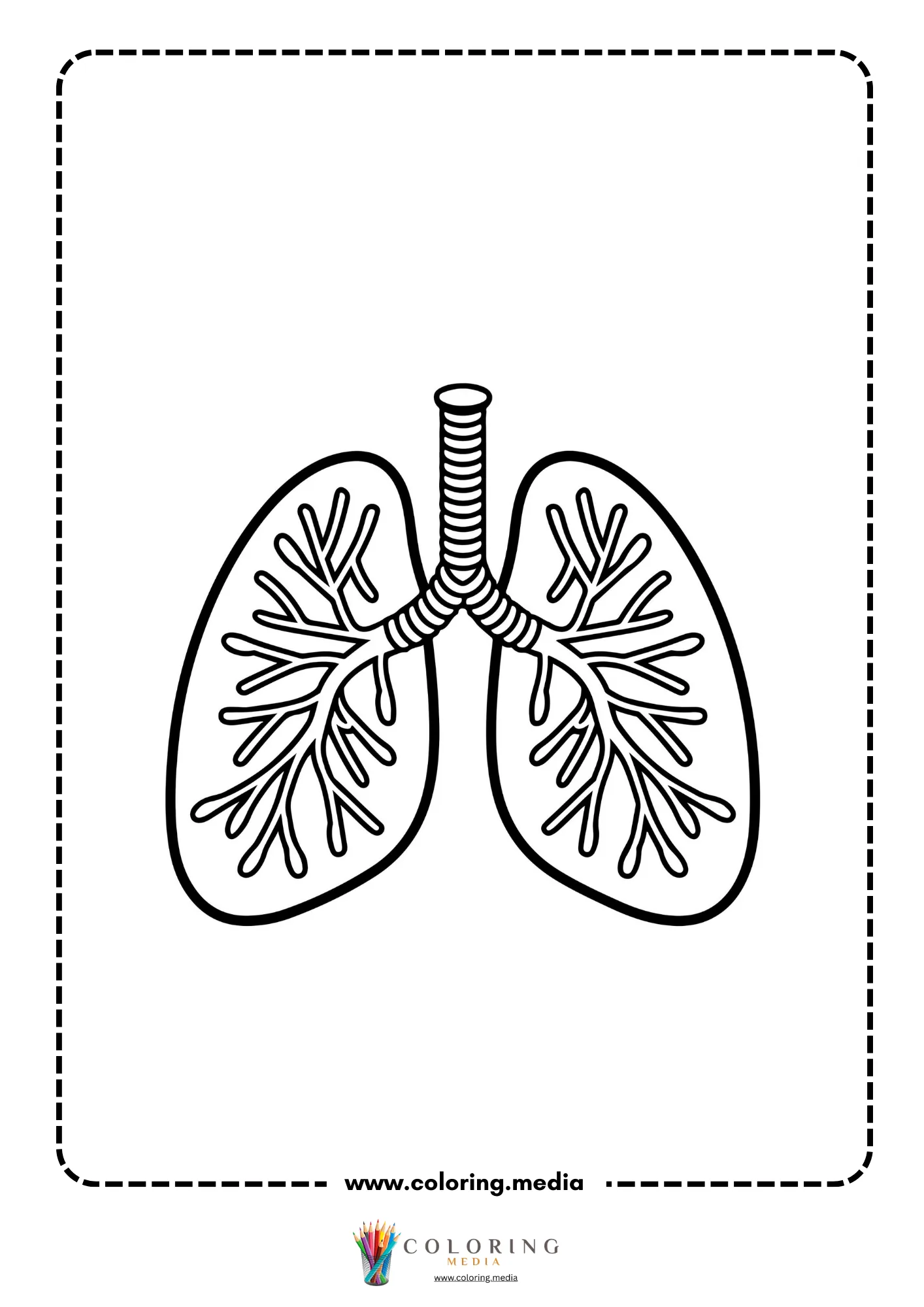
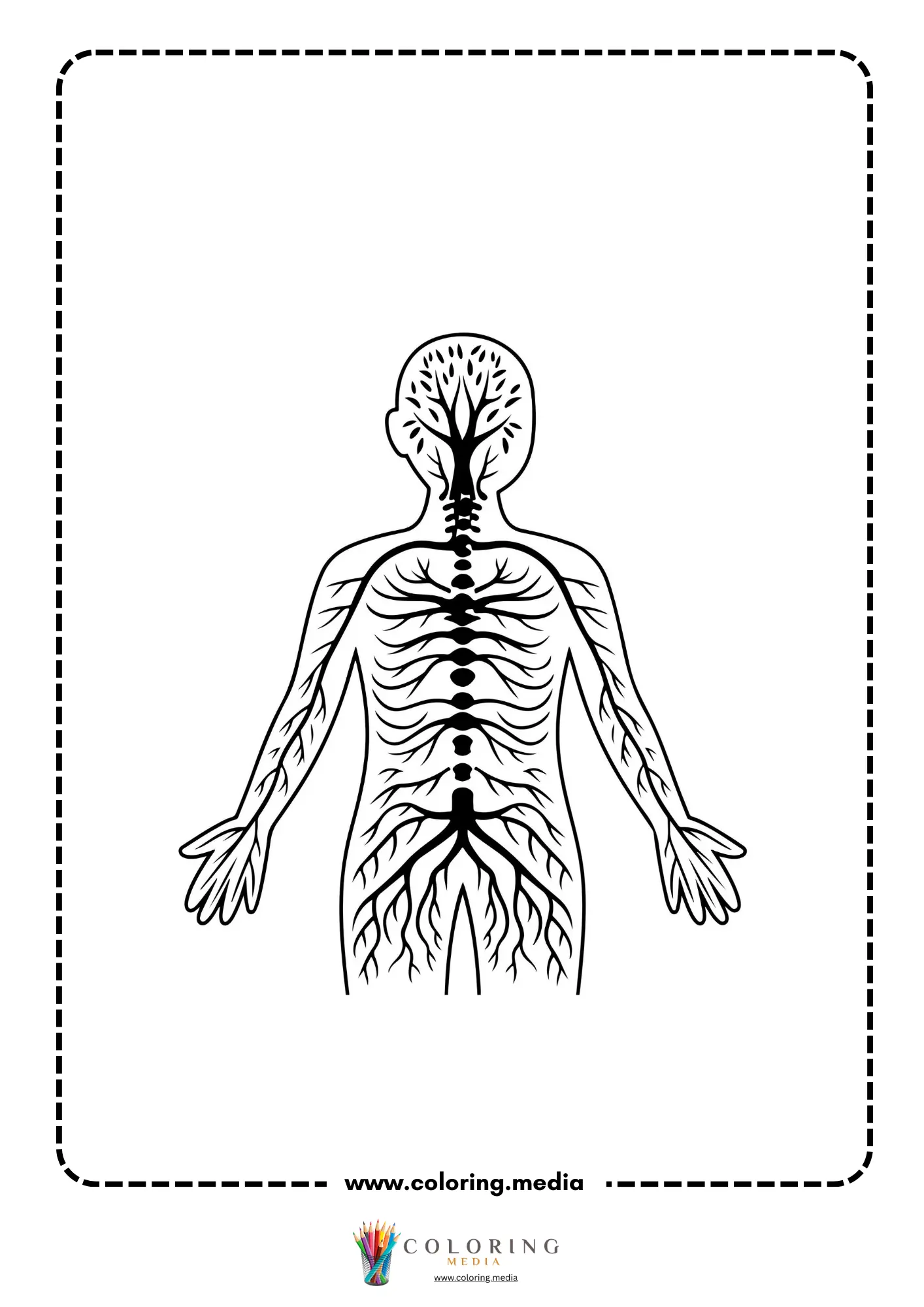
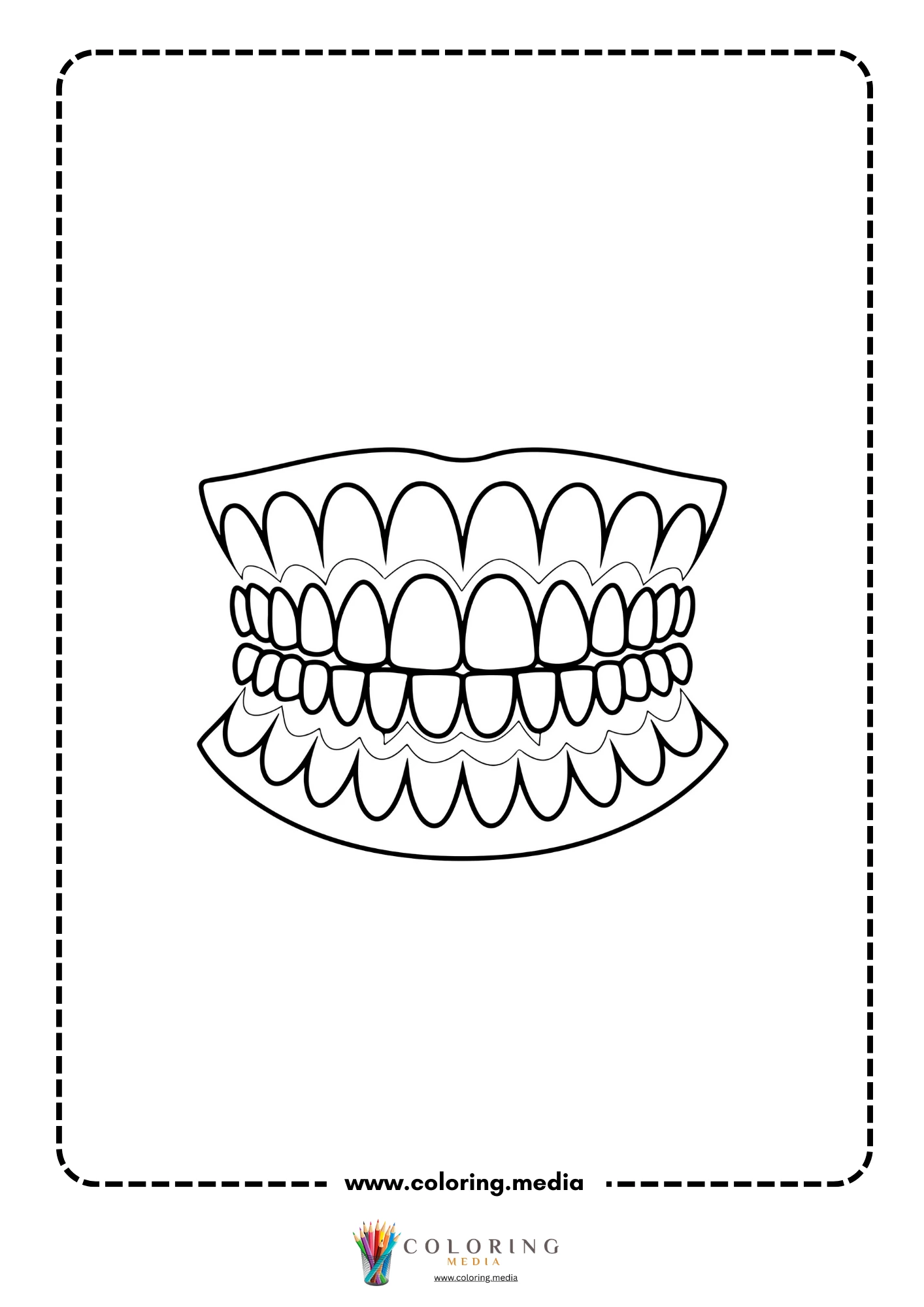
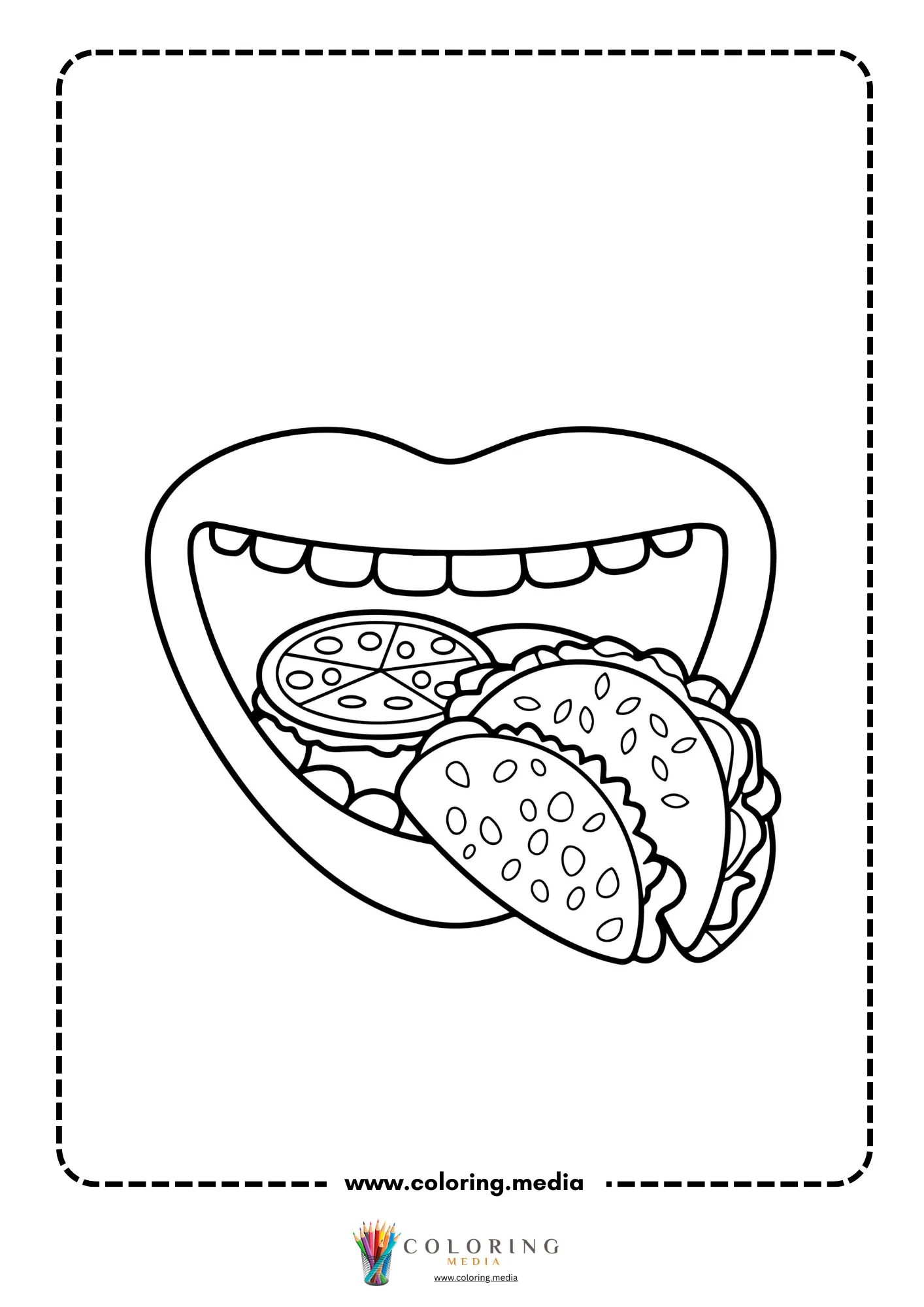
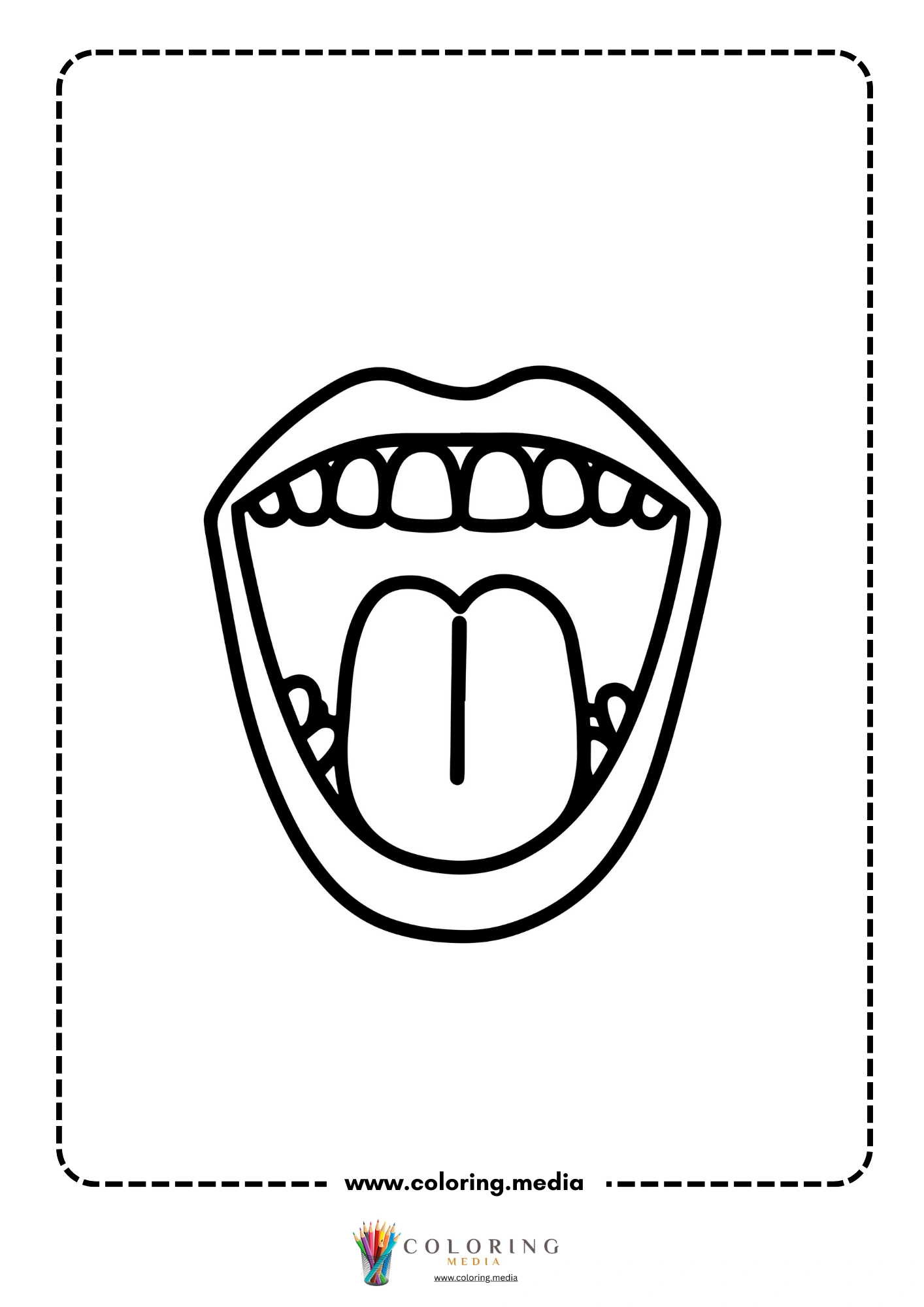
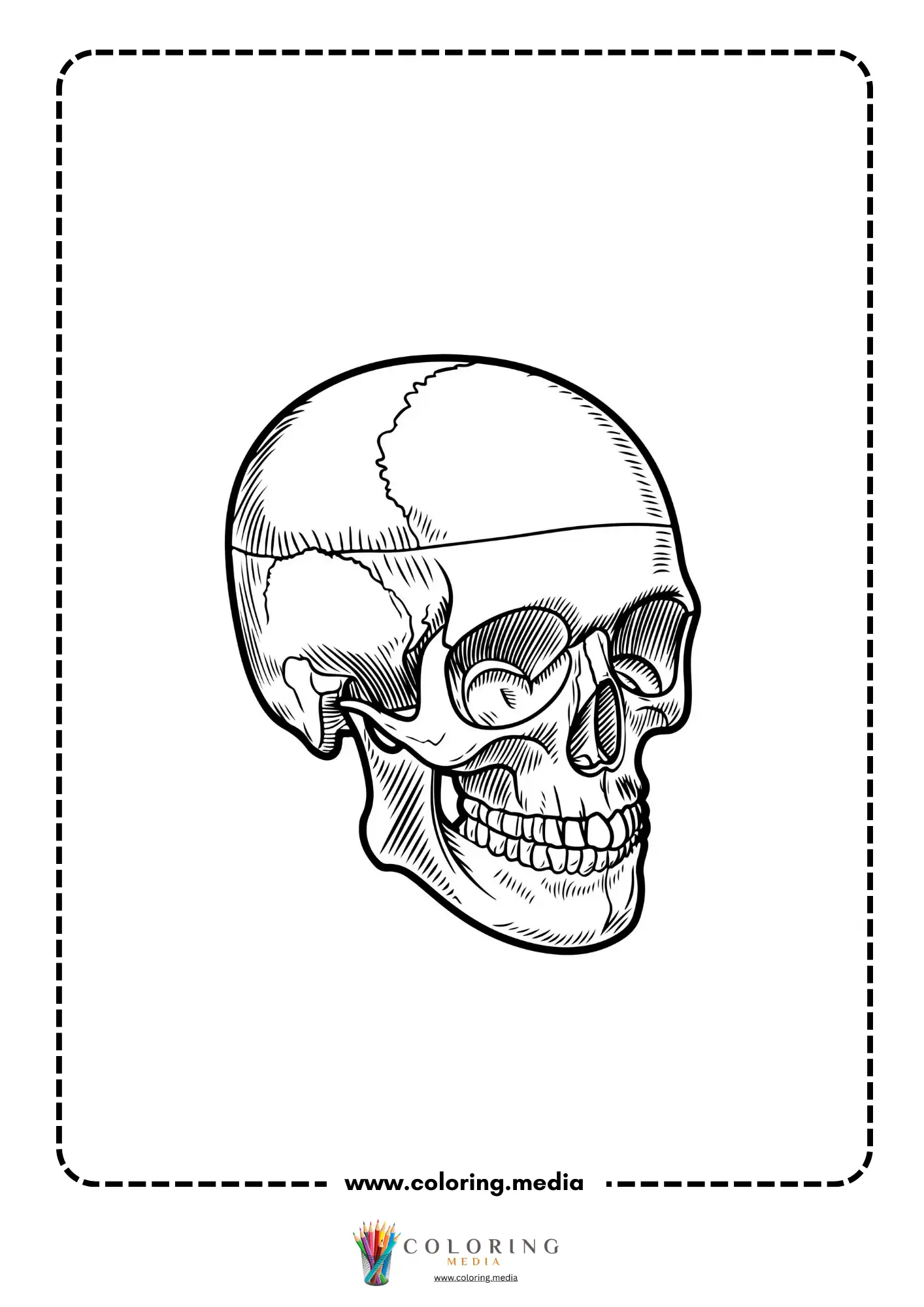
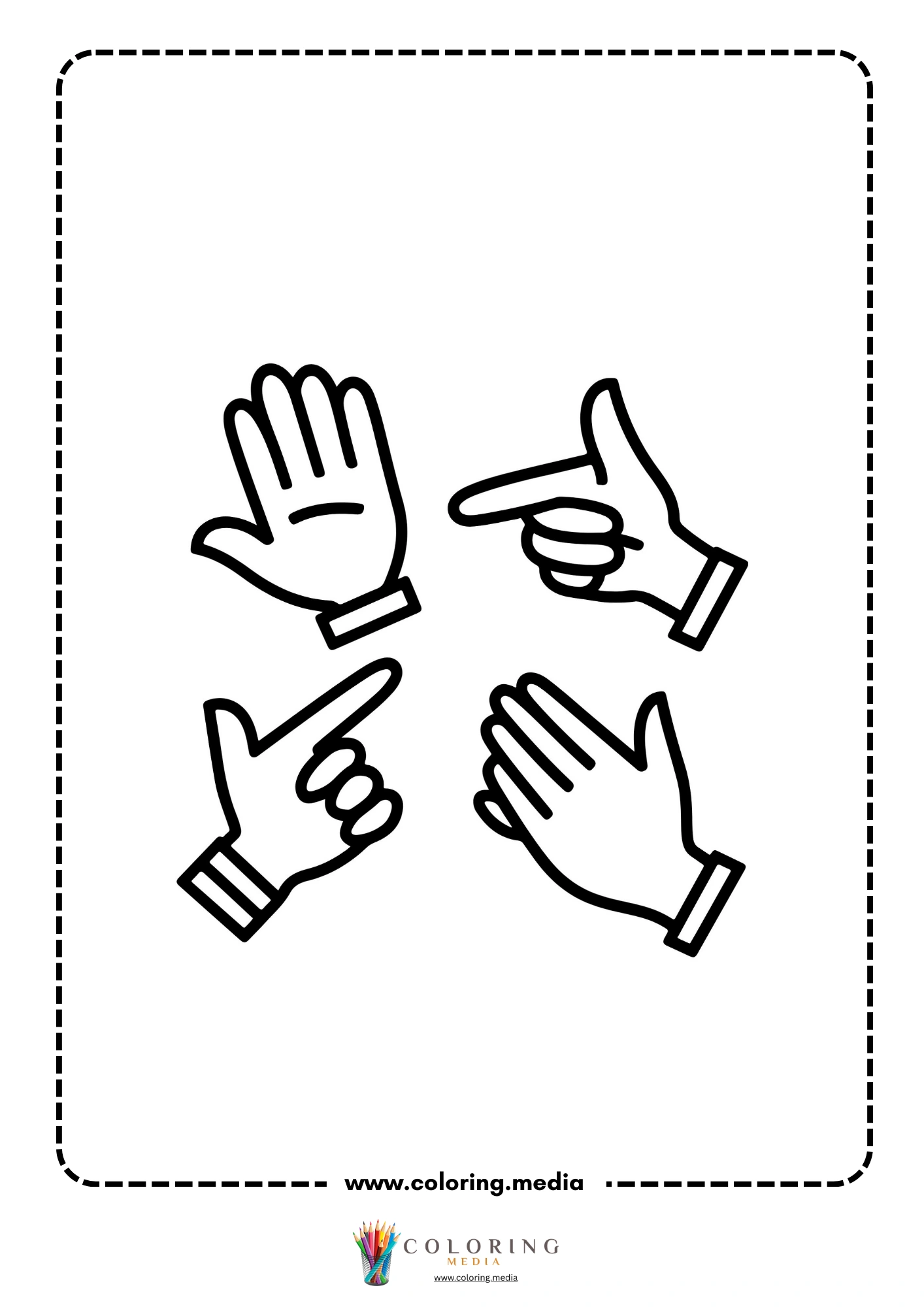
These 20 pages present human anatomy through detailed illustration — a cross-section of the heart with chambers and vessels labeled, a diagram of the eye’s lens and iris structure, the bottom surfaces of feet showing the arch, a full-body muscular figure, the ribcage and lung positioning, a skeletal spine and full skeleton, teeth and mouth interior, a skull from the front, hand and finger bones, a person in exercise position, a single molar in cross-section, the digestive tract laid flat, a walking figure showing leg mechanics, arm musculature, and a side-view head cross-section. The illustrations range from scientific-diagram style to more expressive anatomical cartoons.
Anatomy holds genuine fascination for children, particularly because the subject is themselves. Understanding that the heart is a muscle with four chambers, or that the eye has a lens that inverts images before the brain corrects them, connects abstract biology to immediate personal experience. Everything here is free to download and easy to print.
Free Printable Human Body Coloring Pages
This collection includes 20 printable human body coloring pages featuring anatomical illustrations of major body systems and organs — cardiovascular, skeletal, muscular, digestive, and sensory — in a range of detail levels from simplified educational diagrams to more detailed anatomical drawings. Print on US Letter or A4 paper.
Who Are These Human Body Coloring Pages Best For?
Early-elementary children (ages 6-10) studying the human body in science class will find these pages a useful visual complement to textbook reading. The body systems covered — heart, lungs, skeleton, muscles, digestive system — are standard topics in elementary science curricula, and having a page to color during or after a lesson gives children an active way to process what they have heard.
The more detailed pages — the chamber-labeled heart, the cross-section molar, the full skeletal diagram — are better suited for ages 8-12 where more complex anatomical vocabulary is appropriate. These pages function similarly to classic anatomy coloring books, where the act of choosing different colors for different organs or structures reinforces the distinction between them.
For homeschool families working through a human body unit, this set provides enough coverage of major systems to build a complete illustrated body atlas over a few weeks of coloring. Each finished page becomes a reference page the child made themselves — more memorable than a purchased textbook illustration.
Interesting Human Body Facts to Share While Coloring
The heart beats about 100,000 times per day. Over an average lifetime, that adds up to roughly 2.5 billion beats — without stopping for maintenance, rest, or repair. The cardiac muscle cells that power each beat have a different structure from other muscle cells specifically because they cannot afford to fatigue the way skeletal muscles do.
The human skeleton is not static — it completely replaces itself approximately every 10 years. Bone cells called osteoclasts continuously break down old bone tissue, while osteoblasts deposit new bone. Children replace their skeleton much faster than adults; an 8-year-old’s skeleton may be less than 2 years old in terms of its actual material.
Your small intestine is about 6 meters (20 feet) long when stretched out — nearly four times your height. It fits inside the abdomen because it is coiled in loops. The inner surface is covered in tiny finger-like projections called villi that dramatically increase the surface area available for nutrient absorption.
The eye does not actually see — the brain does. The retina converts light into electrical signals, which travel through the optic nerve to the visual cortex at the back of the brain. The brain fills in blind spots, corrects for the inverted image the lens creates, and synthesizes color perception from three types of cone cells — the eye is just the camera, not the image processor.
Creative Human Body Coloring and Craft Ideas
Color by System Use one consistent color for each body system across all pages: red for cardiovascular, white for skeletal, pink for digestive — so the color coding creates a coherent visual system across the whole set.
Body System Book Bind the finished pages by system into a personal anatomy reference book, writing one fact per page in the margin.
Heartbeat Measurement After coloring the heart page, count your pulse for 60 seconds at rest, then jump in place for one minute and count again — compare resting and active heart rates and discuss why they differ.
Bone Strength Test Research why hollow bones are stronger than solid ones for their weight (the same principle as engineering I-beams) and draw a cross-section of a bird bone beside the arm bone page.
Digestive Journey Write a first-person story narrating a piece of food traveling from mouth to exit through the digestive system illustrated on the digestive page.
Muscle vs. Bone Identification On the muscular figure page, label five muscles with their real anatomical names (bicep, quadricep, deltoid, gluteus, gastrocnemius) using a reference diagram.
X-Ray Comparison Find a real x-ray image online (many medical education sites have them) and compare it to the skeletal coloring page — what does the x-ray show that the drawing simplifies?
Exercise Science After coloring the muscle pages, design a simple daily exercise circuit targeting the specific muscles illustrated and practice it for one week.
How to Print These Human Body Coloring Pages
Each page downloads as a PDF formatted for US Letter and A4 paper. For detailed anatomical illustrations, printing at the highest quality setting and on smooth 65 lb paper gives the clearest lines. Colored pencils are particularly well-suited for anatomy coloring because of the fine shading and color-coding work involved. Grayscale printing is fine for all pages.
Explore More Science & Nature Coloring Pages
If you enjoyed these pages, you may also like:
Human Body Parts Coloring Pages
Human Life Cycle Coloring Pages
Cute Virus and Bacteria Coloring Pages
Medical Instrument Coloring Pages
Science & Nature Coloring Pages